Gardenia jasminoides
-
 Ornamental and lands
 - Also known as: Cape jasmine, White Gardenia, Fragrant Gardenia
 Ornamental and lands
Nursing Skills
Gardenia jasminoides requires slightly acidic soil, which can be maintained by periodically applying ferrous sulfate; water the plant only when the soil is dry to the touch to prevent waterlogging and root rot; it prefers diffused light and should be kept out of direct sunlight; maintaining high humidity promotes bud formation; prune dead branches and spent flowers promptly to improve air circulation and encourage new growth.
Advertisement
Plant Properties
-
- Toxicity
- No significant toxicity
-
- Plant Type
- Evergreen shrub
-
- Flower Shape
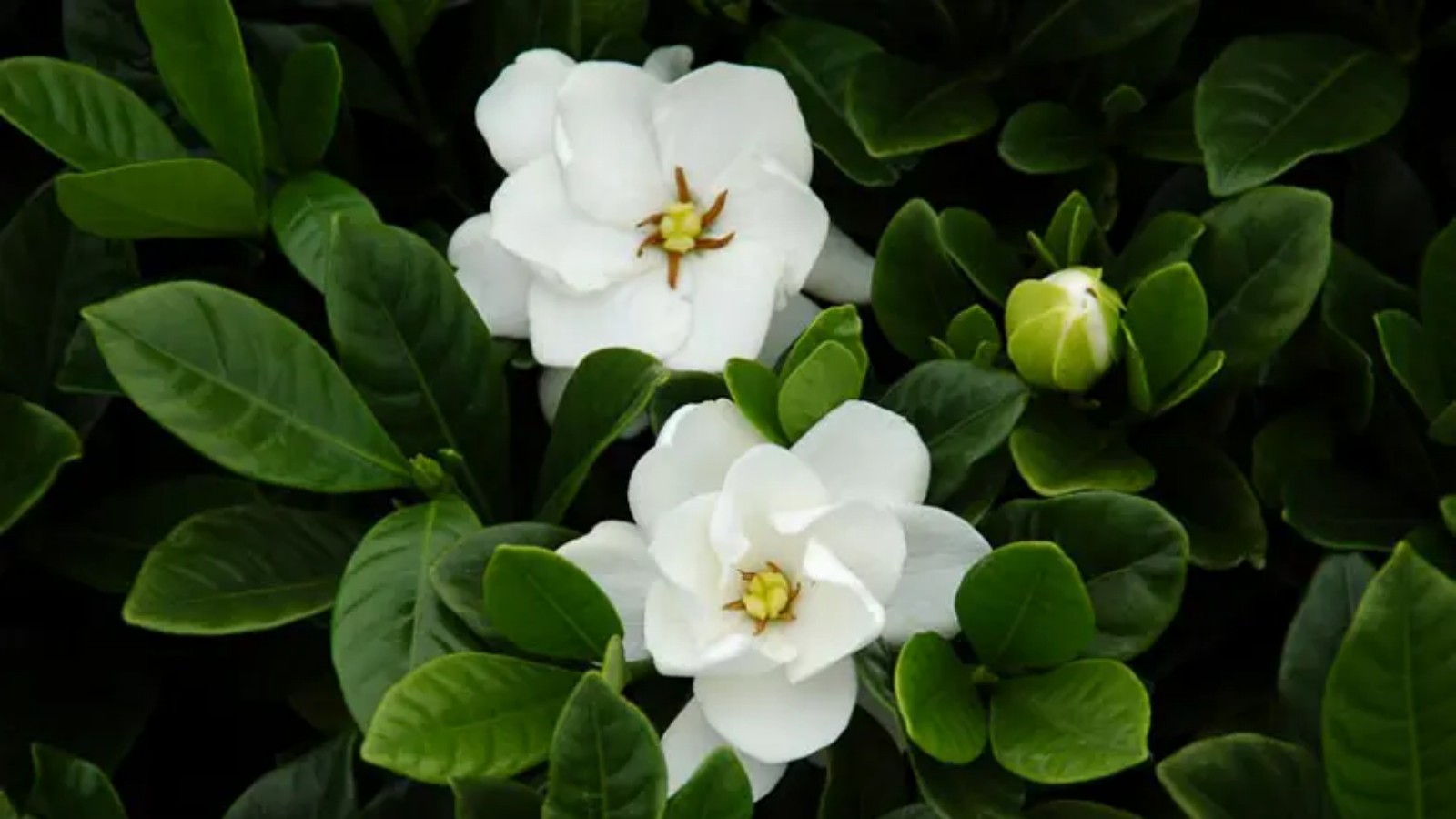
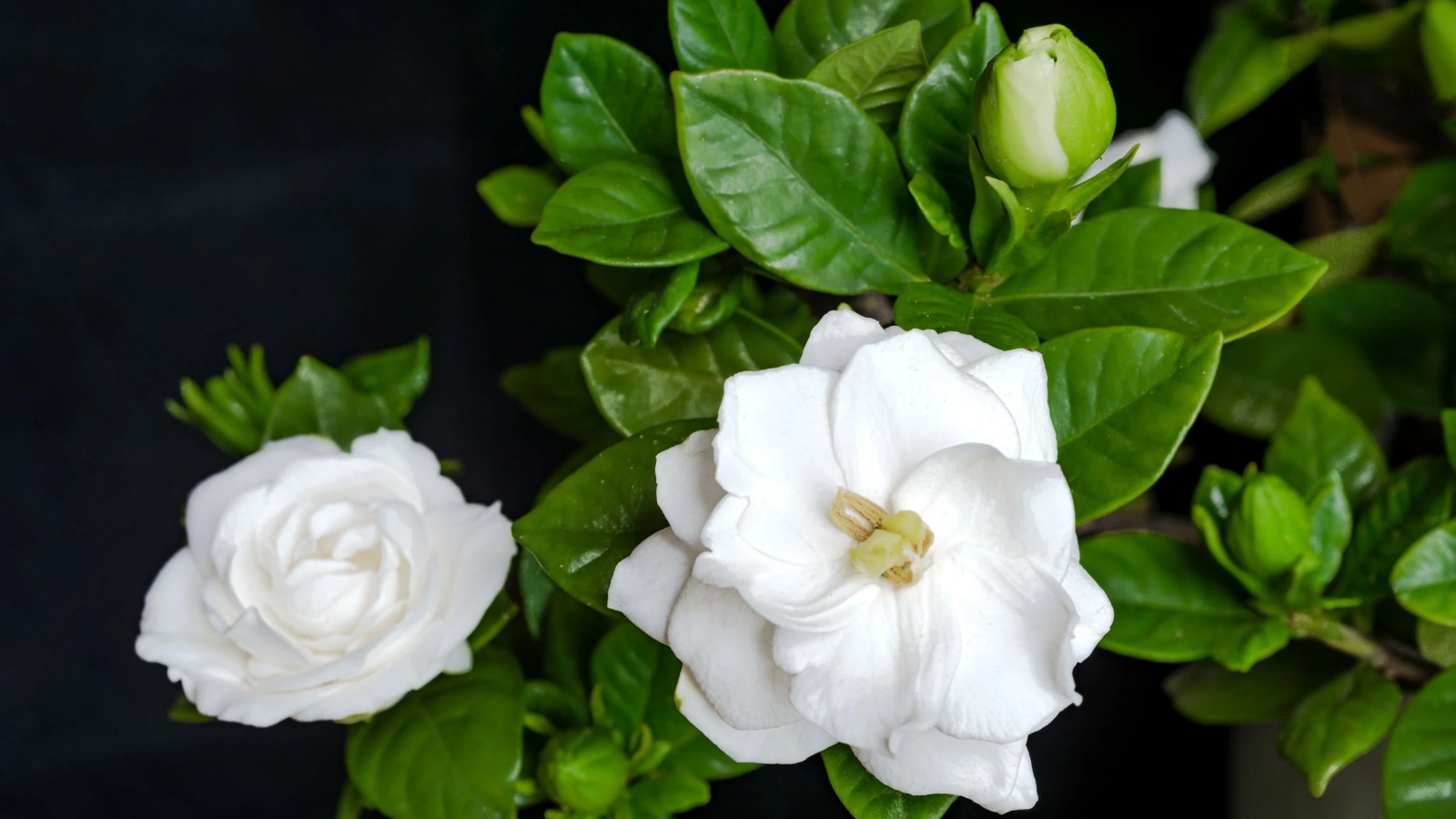
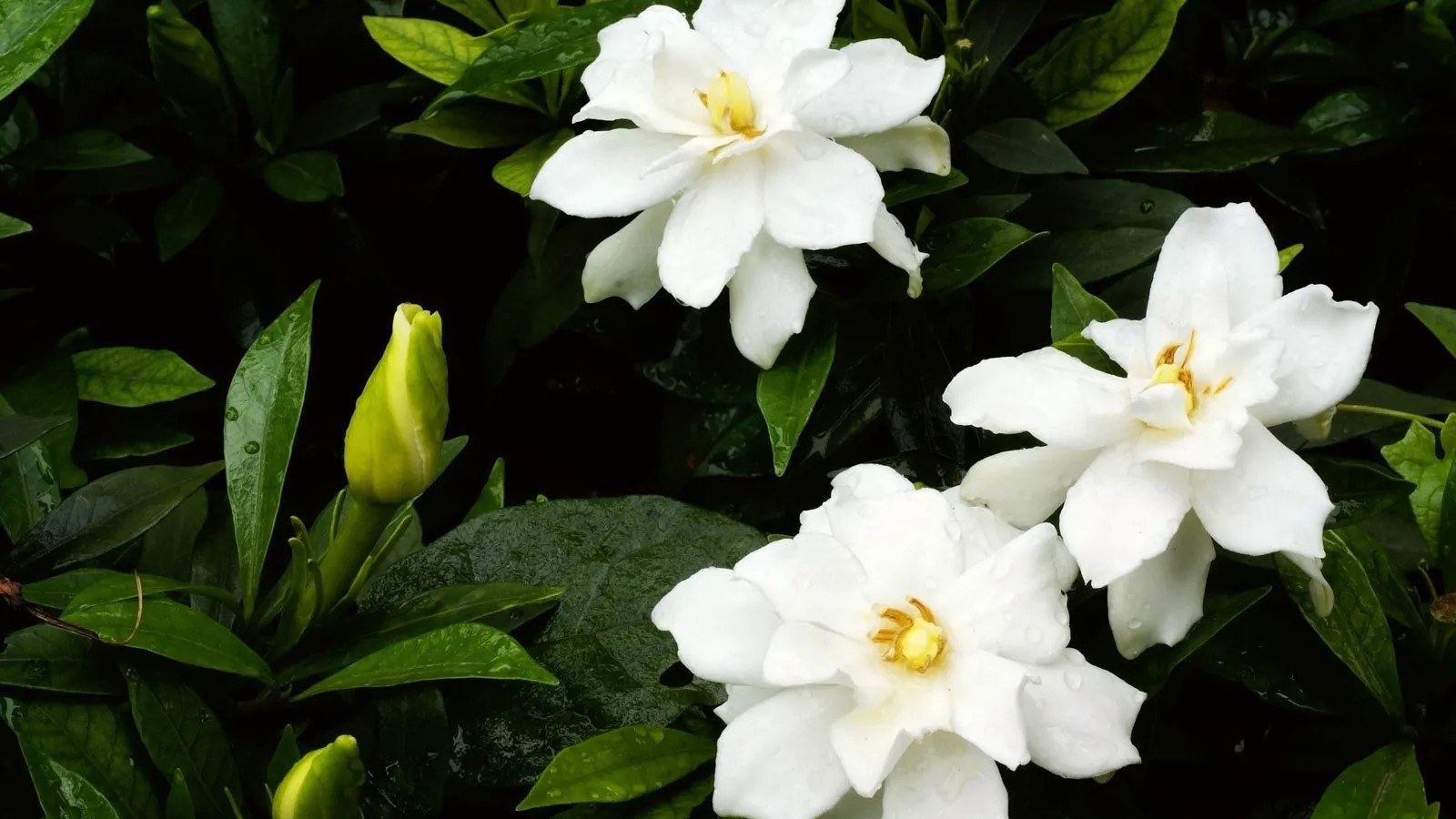
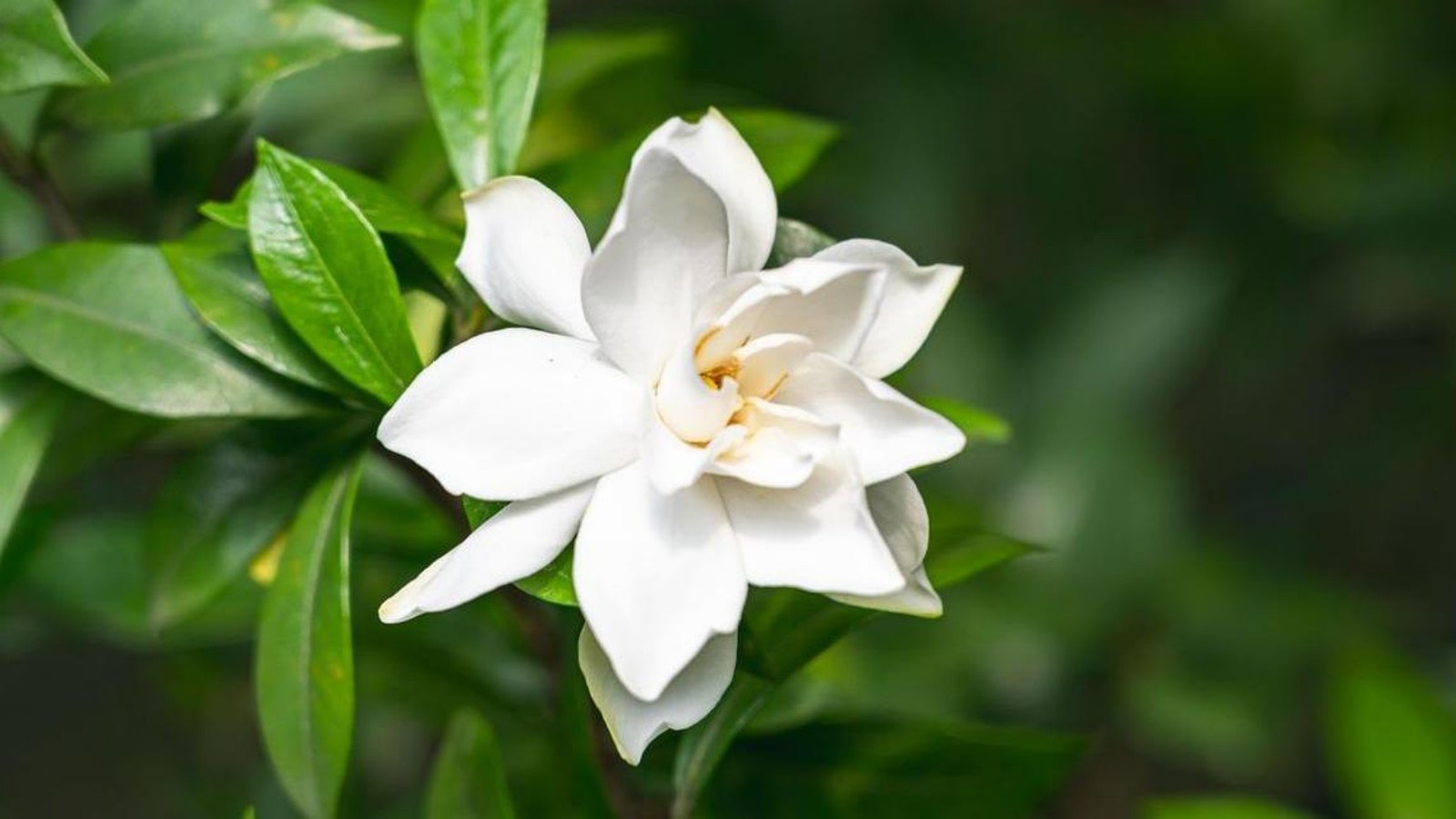
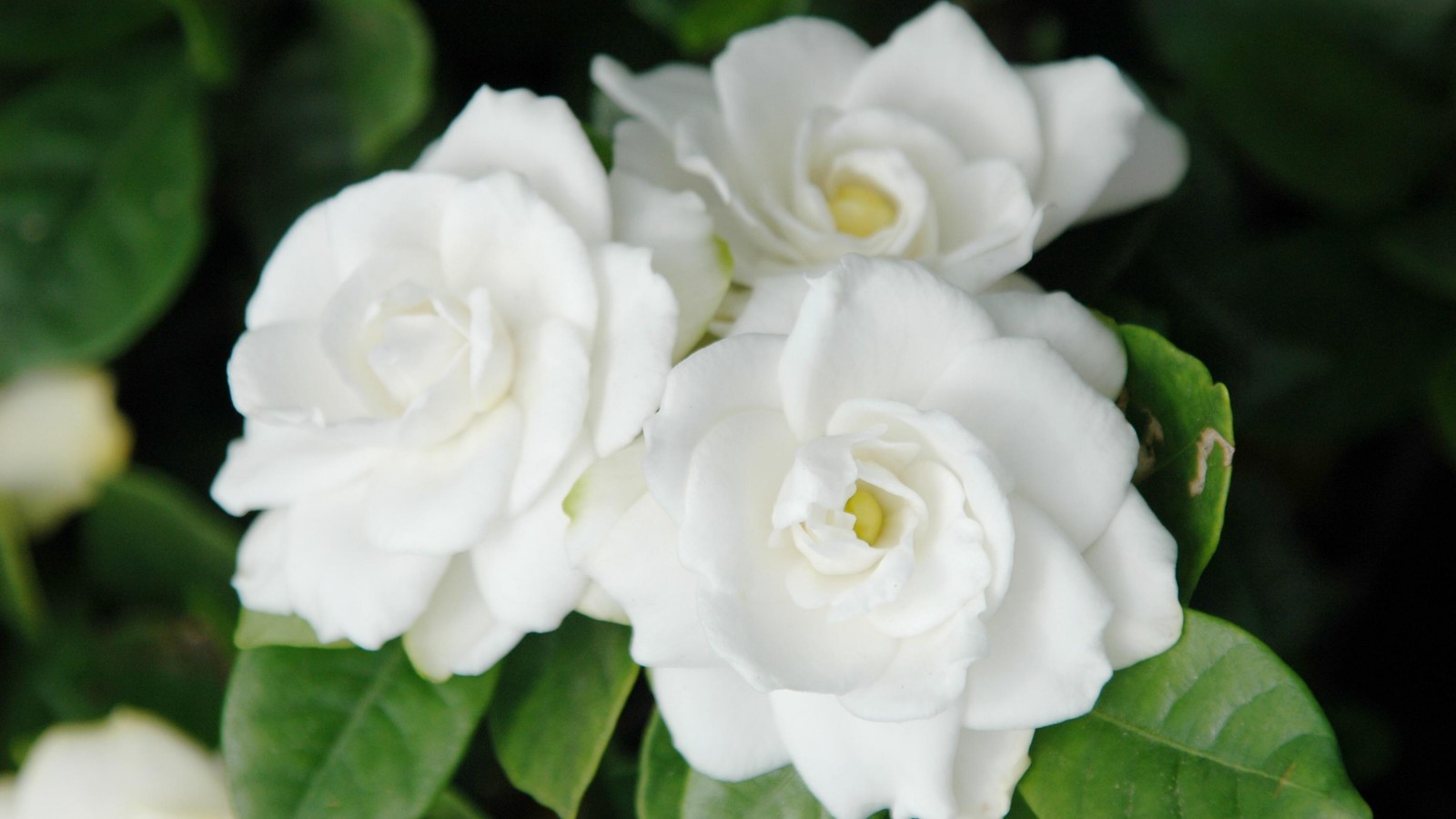
- Flowers are mostly double or single
-
- Flower Size
- Individual flowers are approximately 5–10 cm in diameter
-
- Flower Color
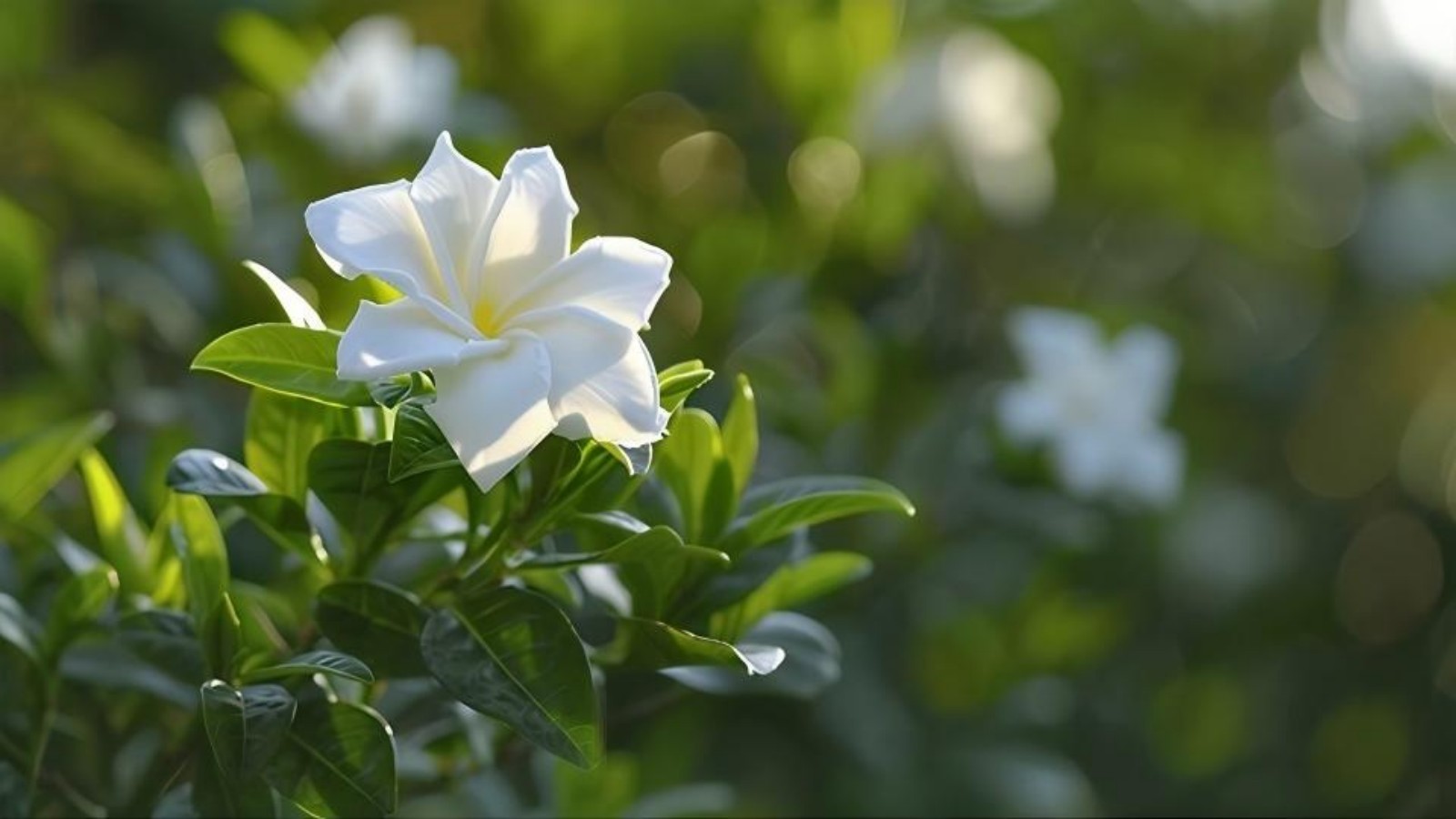
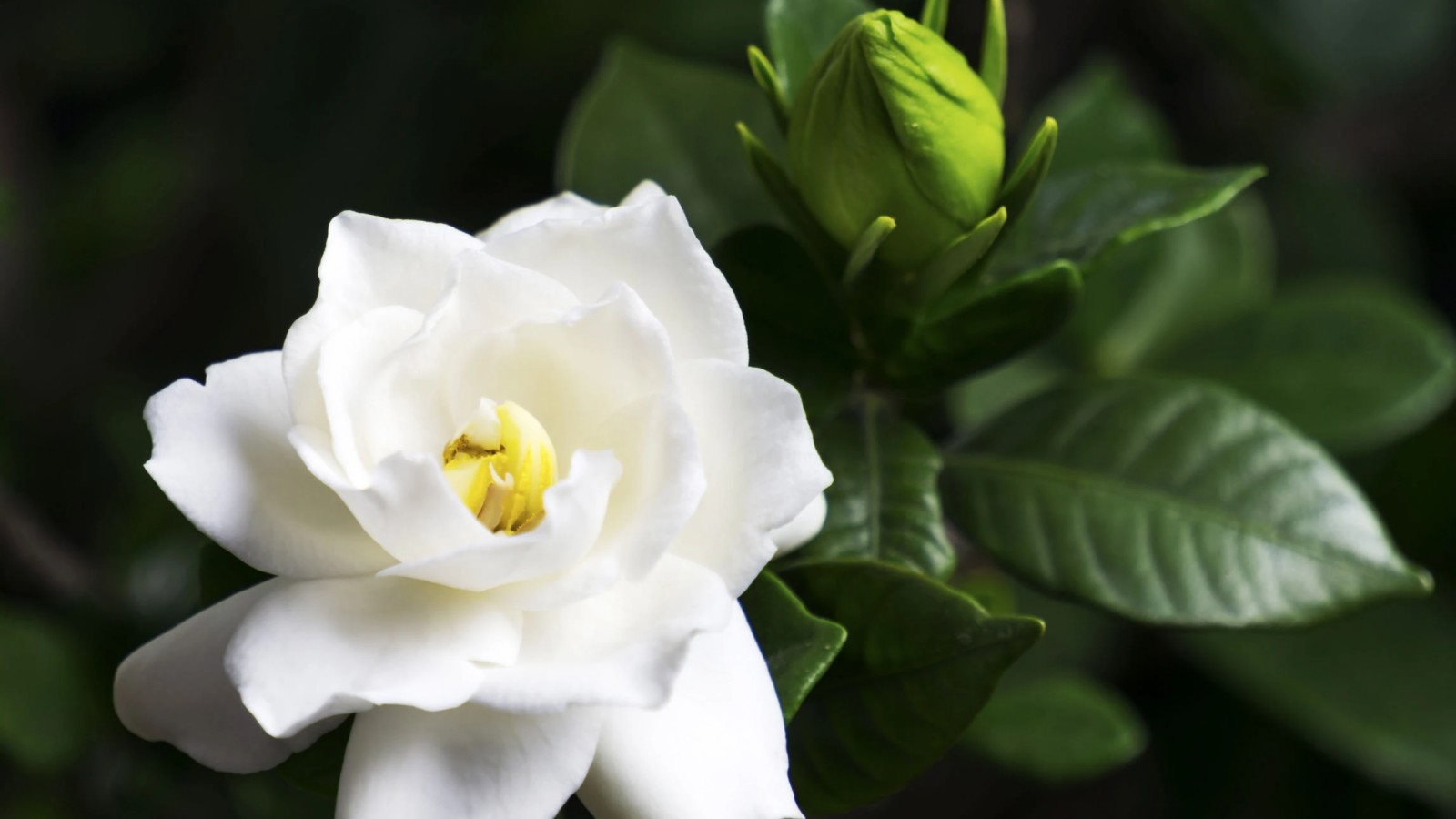
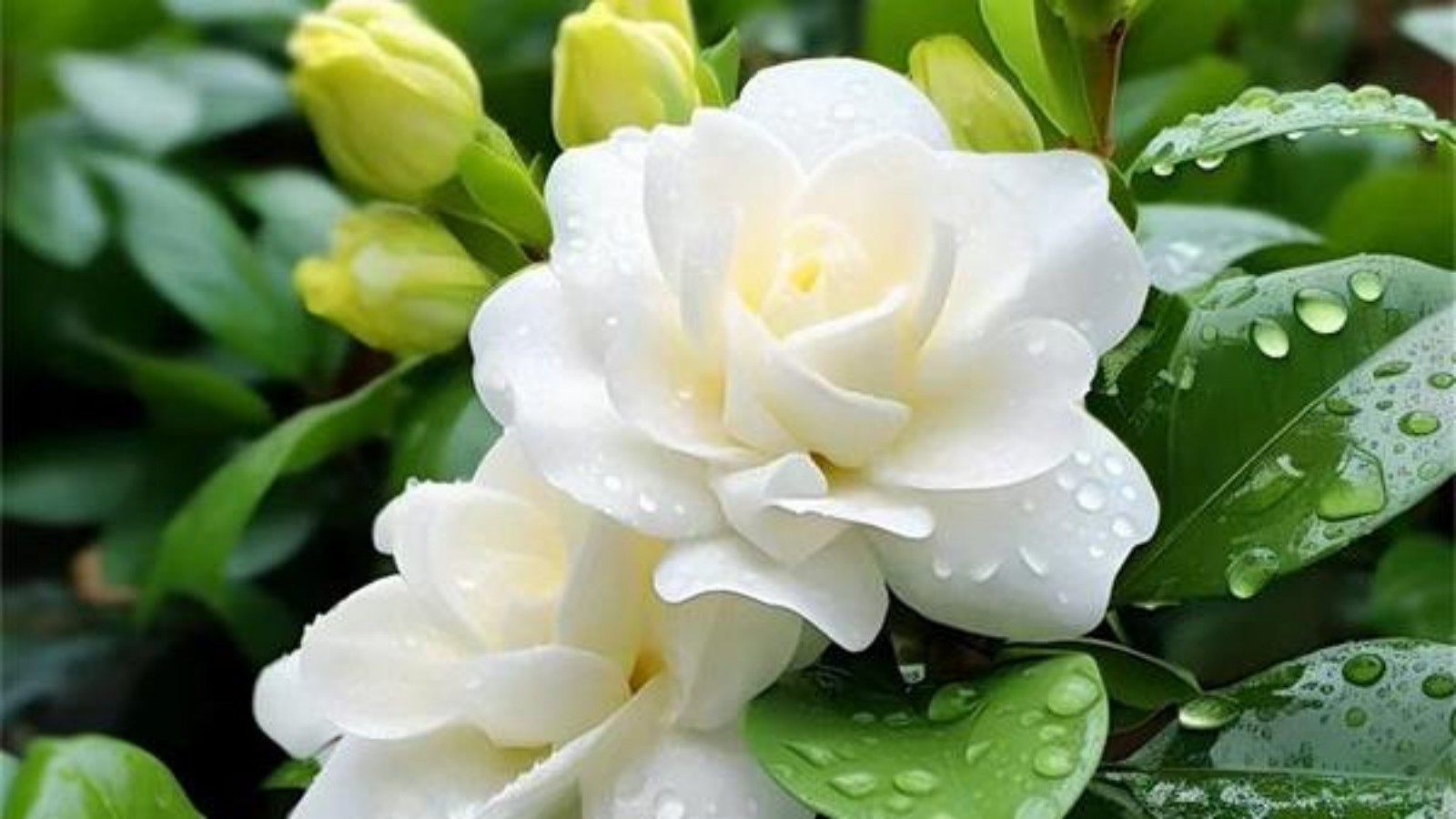
- Primarily pure white, turning slightly creamy yellow later
-
- Flowering Season
- Mainly blooms from late spring through summer
-
- Leaf Shape
- Leaves are elliptical or obovate
-
- Plant Characteristics
- Flowers can be used to extract natural fragrances
Plant Care Requirements
-
Planting Requirements
Suitable for container gardening or garden planting
-
Flowering Season
Grows vigorously and blooms in summer
-
Watering Requirements
Keep the soil moist but avoid waterlogging
-
Soil Requirements
Well-drained acidic soil (pH approximately 5.0–6.5)
-
Light Requirements
Prefers diffused light or partial shade; avoid intense direct sunlight
-
Growing Requirements
Prefers warm environments; ideal temperature range is approximately 15–28°C
Advertisement
Plant Care Guide
-
Why Isn’t My Gardenia Blooming?
Insufficient light, nutrient imbalance, or improper pruningFailure to bloom is usually caused by insufficient light, nutrient imbalance, or improper pruning. Although gardenias can tolerate partial shade, they still require ample diffused light for flower bud differentiation. If kept in a dark environment for an extended period, they tend to grow leaves but fail to bloom. Additionally, excessive nitrogen fertilizer can inhibit flowering; therefore, you should appropriately increase the proportion of phosphorus and potassium fertilizers. Avoid frequent pruning during the flower bud formation period, as this may remove buds and affect both the quantity and quality of blooms.
-
How to Water Gardenias Properly?
When watering, water thoroughly until water flows out from the bottom of the pot.Watering should follow the “water when the soil is dry” principle, meaning you should water thoroughly only when the topsoil is slightly dry. Water thoroughly until water flows out of the bottom of the pot, avoiding watering only the surface. In summer, when temperatures are high and evaporation is rapid, you can increase the watering frequency appropriately and spray water on the leaves to raise humidity; in winter, reduce watering to prevent the roots from freezing or rotting. Avoid prolonged waterlogging, as this can easily lead to root rot.
-
How to Increase the Number of Flowers on Gardenias?
Light, Nutrients, and Temperature ControlTo increase flower production, the key lies in managing light, nutrients, and temperature. Ensure the plant receives ample diffused light daily, and apply phosphorus and potassium fertilizers during the flower bud formation period while reducing the proportion of nitrogen fertilizer. Additionally, maintain a warm and humid environment and avoid sudden drops in temperature. Proper pruning can promote the growth of lateral branches, thereby increasing the number of flowering points. With comprehensive and appropriate care, you can significantly improve both the quantity and quality of the flowers.
-
Does Gardenia Need Pruning?
Pruning of spent flowers and excessively long branches is necessaryPruning is necessary to maintain an attractive plant shape and promote new shoot growth. Promptly removing spent flowers and excessively long branches after flowering reduces nutrient consumption and stimulates the growth of lateral branches. You can also regularly remove dead, diseased, and overcrowded branches to improve air circulation and light penetration. However, avoid heavy pruning during the flower bud formation period to prevent affecting flowering.
-
Why Do Gardenia Flower Buds Fall Off?
Due to drastic environmental changes, insufficient light, or inconsistent wateringBud drop is often caused by drastic environmental changes, such as sudden temperature fluctuations, insufficient light, or inconsistent watering. Additionally, excessively dry air or nutrient deficiency can also affect bud development. Maintain a stable environment, avoid moving the pot frequently, and provide ample diffused light and balanced nutrients to minimize bud drop.
-
How to Prevent Pests on Gardenias?
Rinse with clean water or spray with a low-toxicity insecticideCommon pests include aphids and spider mites. Inspect the undersides of leaves regularly; if pests are found, rinse with clean water or spray with a low-toxicity insecticide. Maintaining good ventilation and avoiding excessive humidity are key preventive measures. A healthy growing environment can effectively reduce pest infestations.
Advertisement
Frequently Asked Questions
-
1 How can I promote lush foliage on gardenias?
Proper fertilization and appropriate pruning can promote foliage growth. Increasing nitrogen fertilizer during the growing season helps produce lush foliage; simultaneously, regularly pinching or pruning the tips stimulates the growth of lateral branches, resulting in a fuller, more compact plant. Adequate light and water management are also essential.
-
2 Why do gardenias have a foul odor coming from their roots?
A foul odor from the roots is usually caused by oxygen deprivation and decay resulting from over-saturated soil. Prolonged waterlogging prevents the root system from breathing normally, leading to rot and an accompanying odor. You should stop watering immediately, check the drainage, and if necessary, remove the plant from its pot, trim the rotten roots, and replace the soil with fresh, well-aerated soil to restore a healthy environment for the roots.
-
3 How can I keep gardenias fragrant?
A strong fragrance is closely related to light, nutrients, and the environment. Ample diffused light and suitable temperatures help develop the scent; applying phosphorus and potassium fertilizers in moderation before flowering can also enhance the fragrance. Additionally, maintaining good air circulation and moderate humidity ensures healthy blooms and a longer-lasting, more intense fragrance.
-
4 Is the gardenia suitable for indoor placement?
It can be placed indoors for short-term enjoyment, but it is not suitable for long-term placement in environments with insufficient light or poor ventilation. Gardenias require good air circulation; if kept in a closed space for an extended period, they are prone to pests, diseases, or stunted growth. It is recommended to place them near a window to ensure bright, diffused light, while also opening windows regularly for ventilation, or moving them to a partially shaded outdoor area during the day for care.
Advertisement
Introduction
Gardenia jasminoides is an evergreen shrub native to East Asia. Its leaves are deep green and glossy, remaining evergreen throughout the year, making it highly ornamental. The flowers are pure white, layered and overlapping, and emit a rich, elegant fragrance, making it a classic choice for gardens and container gardening.
Popular Plant Encyclopedia
-
-
Poisonous and danger
- Rhus typhina
-
-
-
Edible and medicinal
- Common sunflower
-
-
-
Poisonous and danger
- Plumeria rubra
-
-
-
Wild and common weed
- Convolvulus arvensis
-
-
-
Edible and medicinal
- Perilla frutescens
-
-
-
Edible and medicinal
- Pogostemon cablin
-
-
-
Edible and medicinal
- Common fenugreek
-
-
-
Edible and medicinal
- Garden Thyme
-
 Poisonous and danger
 Edible and medicinal
 Wild and common weed
Advertisement