Hibiscus mutabilis
-
 Ornamental and lands
 - Also known as:Three-Color Flower, Drunken Hibiscus, Cotton Rose, Confederate Rose, Frost-Resistant Flower
 Ornamental and lands
Nursing Skills
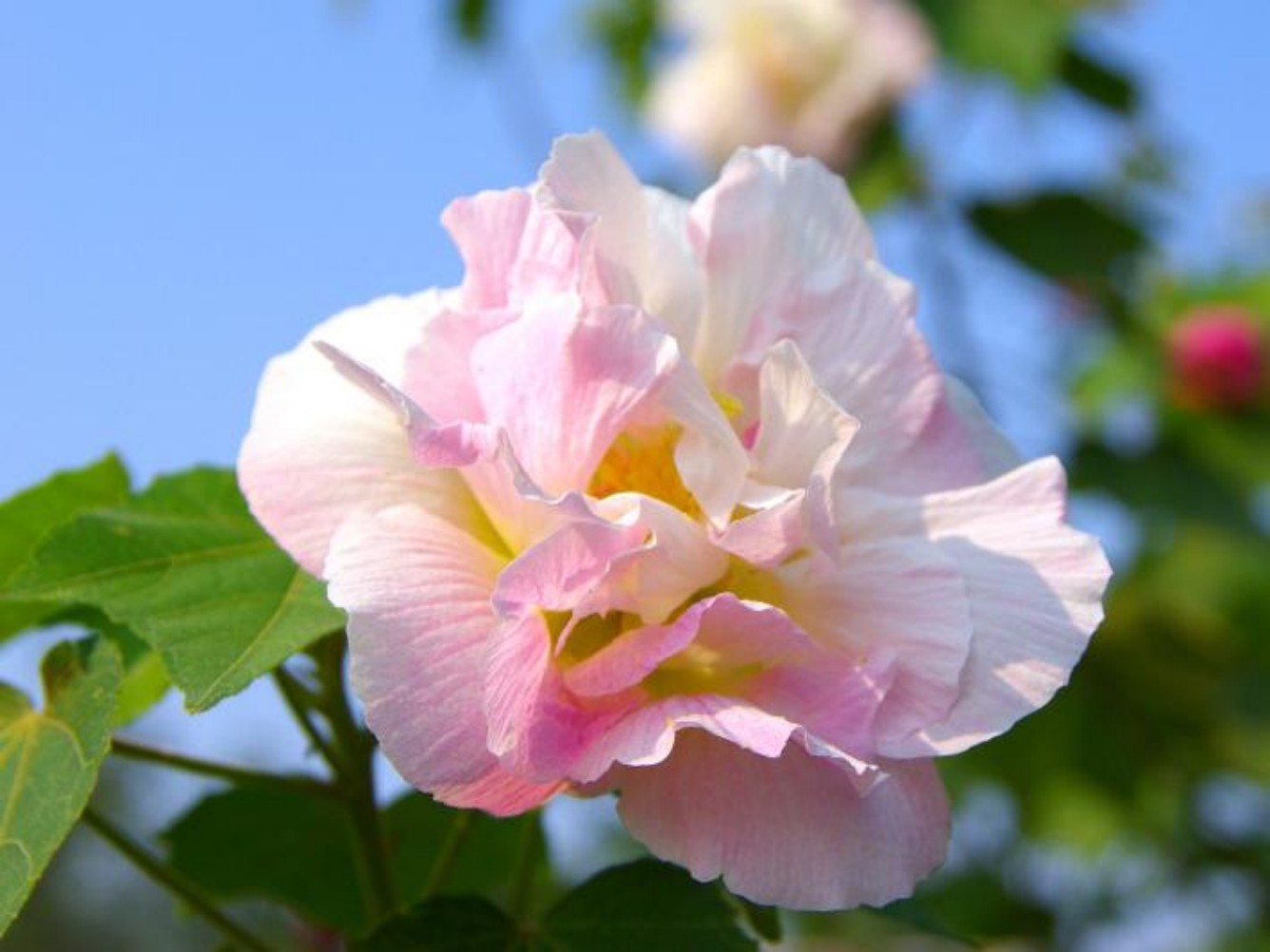
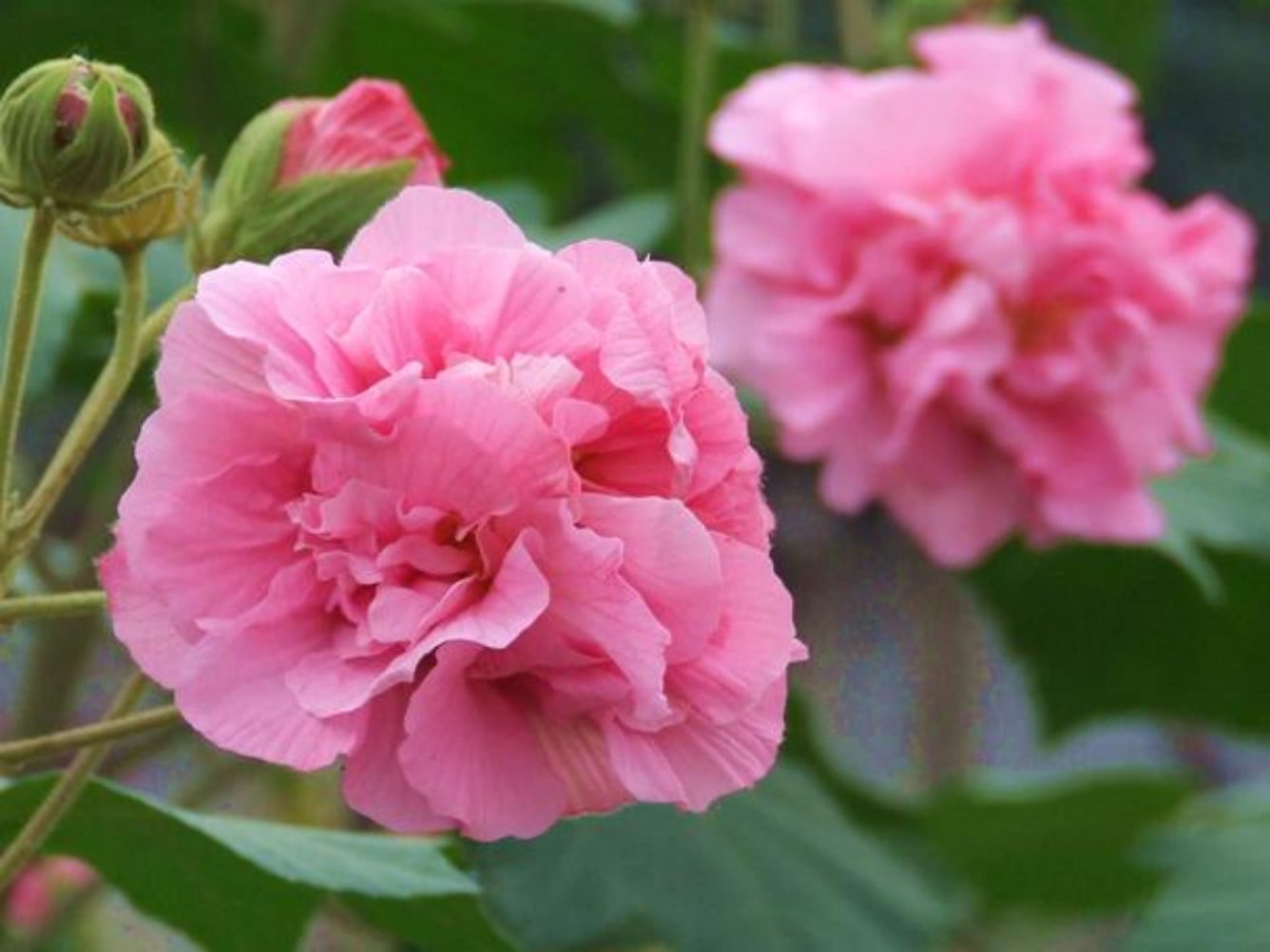
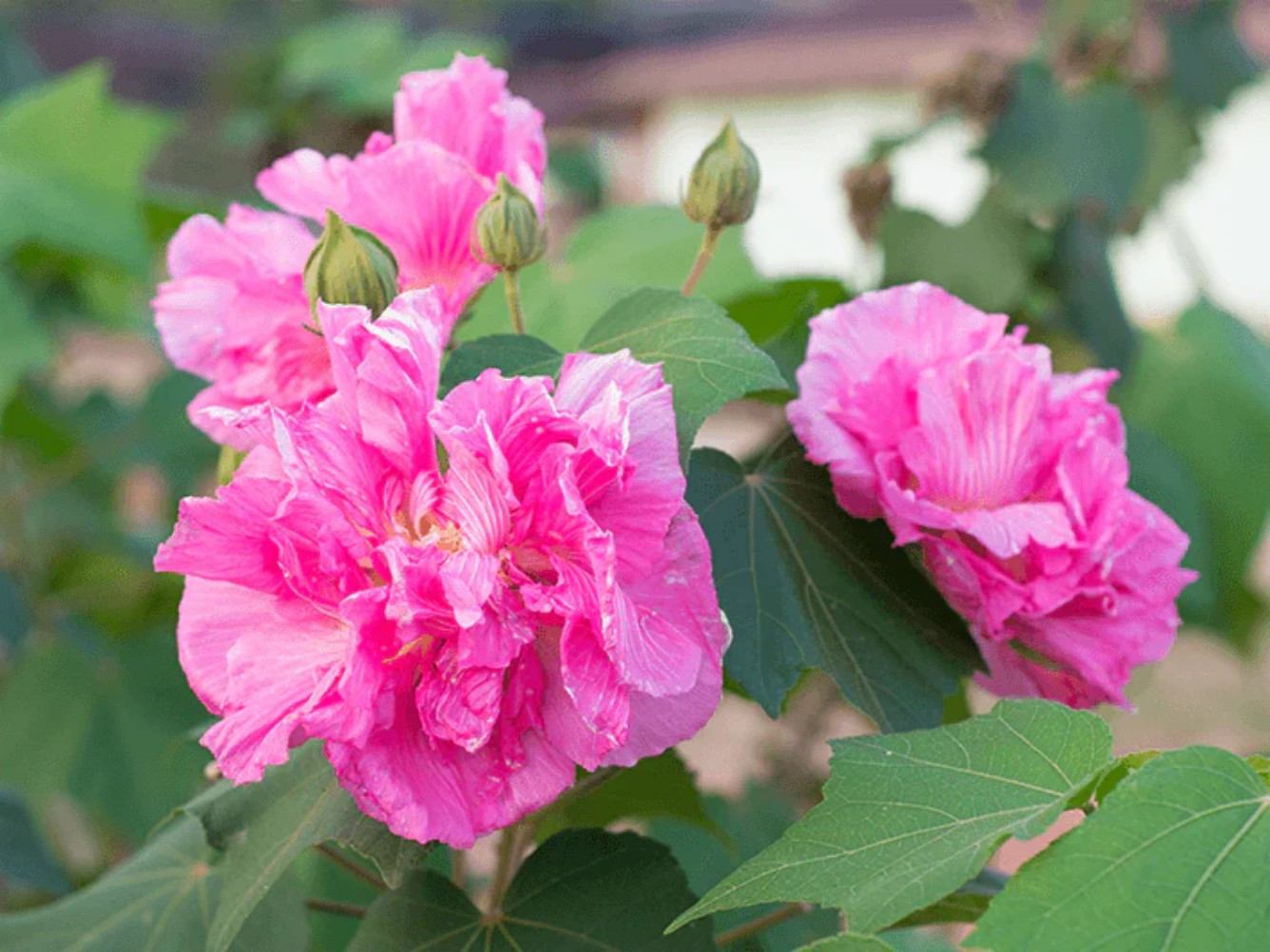
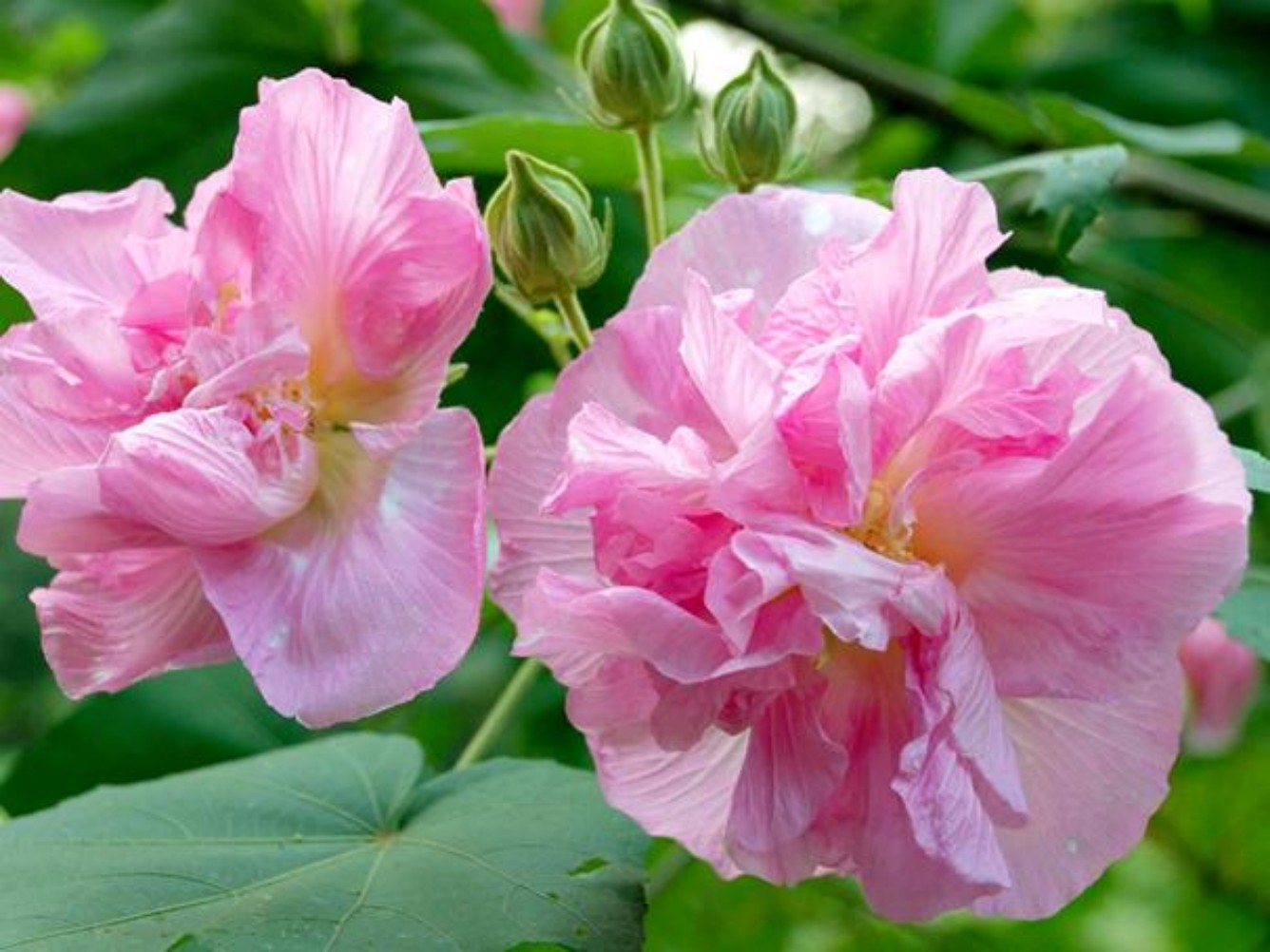
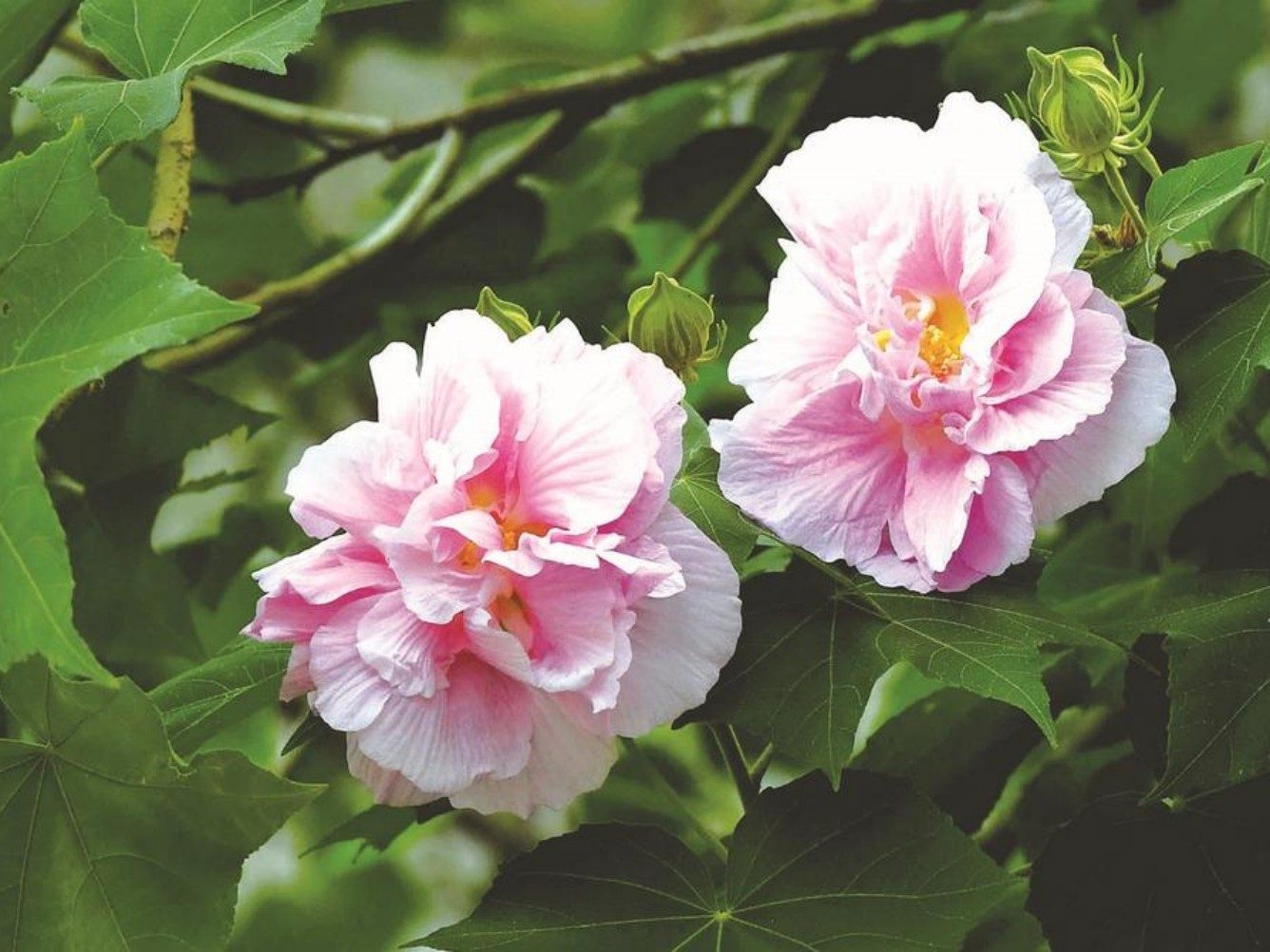
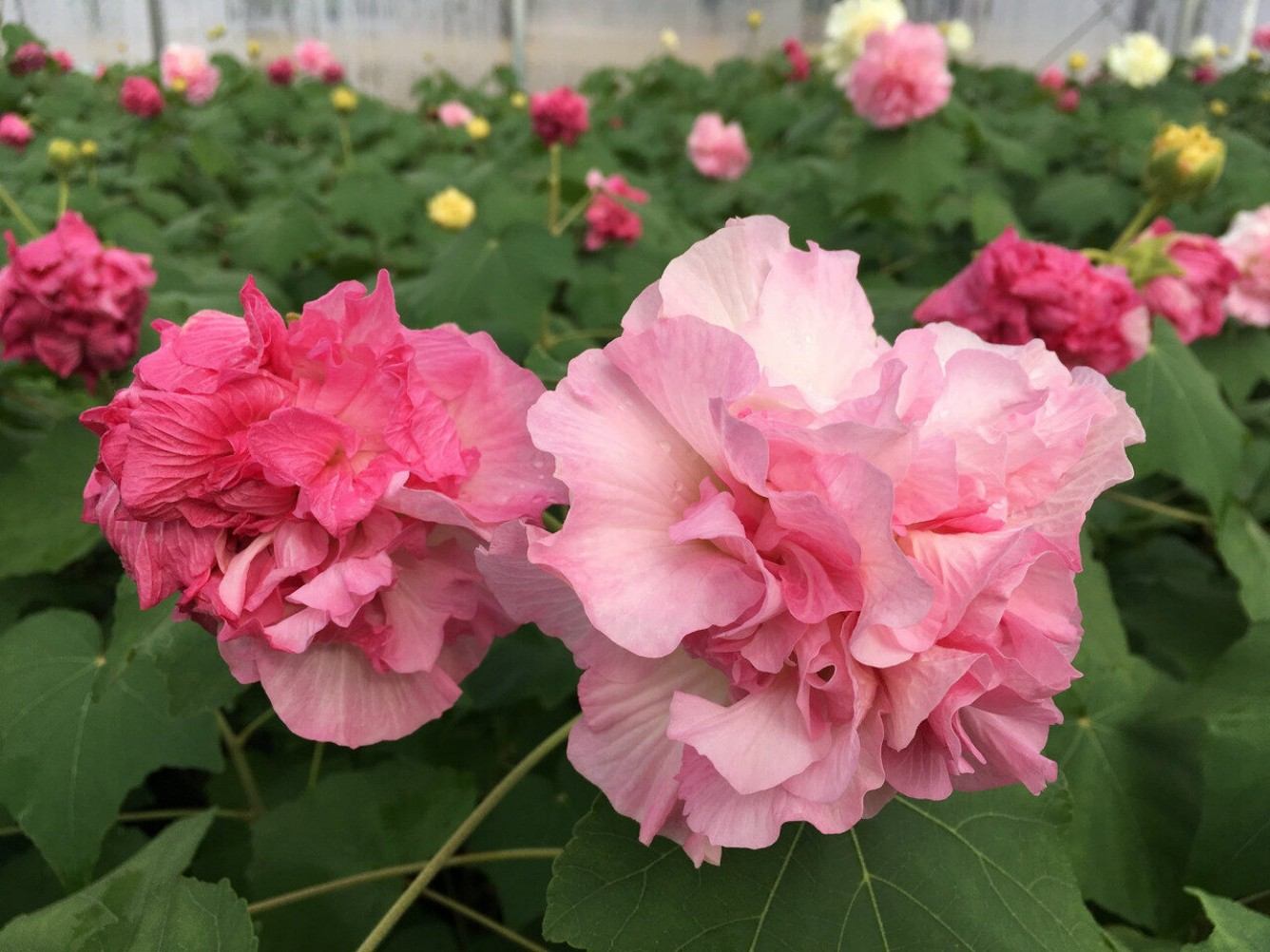
The variable hibiscus (Hibiscus mutabilis) is a gracefully shaped plant with a striking natural beauty. From late summer through fall, it blooms profusely, with large, delicate flowers opening in successive waves, adding vibrant color to gardens, parks, and landscapes. It thrives in sunny, well-drained conditions, making it a classic garden plant that combines beauty with practicality.
Advertisement
Plant Properties
-
- Plant height
- Usually 2-5 meters
-
- Toxicity
- No obvious toxicity
-
- Flower color
- White, light pink to deep pink
-
- Flower shape
- Single or double, bowl-shaped
-
- Flowering season
- Usually August to November
-
- Plant type
- Belongs to the genus Hibiscus in the family Malvaceae
Plant Care Requirements
-
Care Difficulty
Simple to care for, highly adaptable, suitable for beginners
-
Light Requirements
t least 6 hours of direct sunlight daily promotes flowering
-
Planting Method
Can be planted in the ground or in pots, with optimal growth in the garden
-
Soil Requirements
Prefers loose, fertile, well-drained, slightly acidic to neutral soil
-
Temperature Requirements
Optimal growth temperature is 15℃-30℃; relatively heat-tolerant, but not tolerant of prolonged cold
-
Watering Needs
Keep the soil moist during the growing season, avoiding waterlogging
Advertisement
Plant Care Guide
-
What should I do if my hibiscus tree branches and leaves are bent over and broken after a strong wind?
Build protective supports in advance.Strong winds can easily break the delicate branches of hibiscus trees and knock them over, requiring immediate emergency treatment. For minor bending, straighten the plant, cover it with soil and compact it to secure it. For broken branches, trim them cleanly from the wound and apply a fungicide. Stop fertilizing after damage, keep the soil slightly moist, and place the plant in a sheltered location. Later, increase phosphorus and potassium fertilizer application, prune strong branches to control their shape, and build protective supports in advance to protect it from strong winds.
-
Why do the male and female stamens of Hibiscus mutabilis wither and fall off?
Dry environment during flowering, nutrient imbalance, and poor pollination conditions lead to this.The withering and falling off of hibiscus stamens is mainly caused by dry environment during flowering, nutrient imbalance, and poor pollination conditions. Low air humidity during flowering causes the delicate stamens to quickly lose water and dry out. Applying only nitrogen fertilizer during flowering can hinder reproductive growth. At the same time, a hot and stuffy environment with poor ventilation will hinder normal stamen development. During flowering, it is necessary to increase the application of phosphorus and potassium fertilizers, regularly spray to increase humidity, maintain ventilation, and promptly remove withered stamens to help the flowers bloom normally.
-
My potted hibiscus mutabilis is becoming increasingly sparse and has a loose shape. How can I remedy this?
Lack of pruning, uneven light exposure, and excessive branch growth.A sparse and loose shape is caused by a lack of pruning, uneven light exposure, and excessive branch growth. Hibiscus mutabilis has strong sprouting ability; allowing it to grow unchecked will result in thin main branches and few side branches, reducing overall light penetration and aesthetic appeal. During the growing season, pinch off the tips of excessively long branches to stimulate the growth of side branches. Rotate the pot evenly to ensure the plant receives even sunlight. Supplement with potassium fertilizer to strengthen the branches and gradually develop a full and compact shape.
-
What to do if my hibiscus mutabilis only grows leaves and doesn't flower?
Improper light, fertilization, or pruningThe core reason for a hibiscus mutabilis only growing leaves and not flowering is improper light, fertilization, or pruning. Insufficient daily sunlight (less than 6 hours) will cause excessive vegetative growth and difficulty in flower bud differentiation; move it to a sunny location. Excessive nitrogen fertilizer will promote leaf growth and inhibit flowering; increase phosphorus and potassium fertilizer, such as potassium dihydrogen phosphate, before flowering. If not pruned for a long time, dense old branches will consume nutrients. In early spring, prune away dead and weak branches, and after flowering, remove spent blooms to promote new growth and flowering.
-
How to prolong the flowering period of Hibiscus mutabilis?
Maintain full sun and good ventilation during the flowering period.The natural flowering period of Hibiscus mutabilis is from August to October. To prolong the flowering period, meticulous care is needed. During the flowering period, maintain a full sun and well-ventilated environment, avoiding hot, humid, and rainy conditions. Keep the potting soil slightly moist but not waterlogged, and strictly avoid overwatering. Spray with a diluted phosphorus and potassium fertilizer every 10 days to supplement nutrients for flowering. Promptly remove withered flowers and weak buds to reduce nutrient consumption and prevent the growth of pathogens. Avoid moving the flowerpot and damaging the branches, which can effectively prolong the overall flowering period.
-
What causes the leaves of a Hibiscus mutabilis to curl?
Pests and diseases, unsuitable environment, or water and fertilizer problems.Leaf curling is mostly caused by pests and diseases, unsuitable environment, or water and fertilizer problems. Aphids and spider mites suck sap, causing leaves to curl and become deformed; timely pest control is necessary. High temperature, dryness, and poor ventilation cause leaves to lose water and curl; spray water to increase humidity and improve ventilation. Overwatering leads to root rot, causing leaves to curl and turn yellow; stop watering and loosen the soil. Over-fertilizing burns the roots, causing leaves to curl and dry; dilute the fertilizer or change the soil. Maintain proper water and fertilizer and a suitable environment.
Advertisement
Frequently Asked Questions
-
1 How to prune and shape Hibiscus mutabilis in spring?
Springtime before bud break is the key pruning period for Hibiscus mutabilis. Thoroughly remove dead, weak, diseased, and crossing branches from overwintering to reduce nutrient consumption and improve air circulation and light penetration. Shorten healthy branches, retaining 2-3 plump buds to encourage more new growth. The more new branches, the more abundant the subsequent flowering. Applying a small amount of base fertilizer after pruning will accelerate new growth and create a compact, full plant shape.
-
2 What causes Hibiscus mutabilis to drop flower buds?
Flower bud drop in Hibiscus mutabilis is often caused by sudden environmental changes, water and fertilizer imbalances, or pests and diseases. Overwatering during the flowering period can easily lead to root rot and bud drop, while underwatering will cause buds to fall off due to dehydration. Keep the soil slightly moist. Overly concentrated fertilizer can burn the roots and cause bud drop; apply diluted fertilizer frequently during the flowering period. Sudden changes in light, strong winds, or sudden drops in temperature can stimulate bud drop; maintain a stable environment. Aphids and spider mites suck the sap from flower buds, causing them to fall off; timely pest control is necessary.
-
3 What is the difference between Hibiscus mutabilis and Hibiscus rosa-sinensis?
Hibiscus mutabilis (Hibiscus mutabilis) and Hibiscus rosa-sinensis (Chinese hibiscus) both belong to the Malvaceae family, but they are significantly different. Hibiscus mutabilis is a deciduous shrub with palmately lobed leaves. It blooms from August to October, with flower color changing three times a day (pinkish-white → bright red → deep purple), and it is relatively cold-hardy. Hibiscus rosa-sinensis is an evergreen shrub with unlobed ovate leaves. It blooms year-round with fixed flower colors (red, pink, yellow, etc.), and it has poor cold hardiness, requiring a warm environment.
-
4 Why does the flower color of Hibiscus mutabilis fade during the flowering period?
Fading flower color during the flowering period is mostly related to light, temperature, and nutrients. Insufficient light will lead to dull flower color; at least 6 hours of light per day is needed to promote anthocyanin synthesis. Excessively high or low temperatures can affect flower color. The ideal temperature is 15-25℃. High temperatures will accelerate flower fading. Insufficient nutrients, especially phosphorus and potassium fertilizer, will cause the flower color to become lighter. Apply phosphorus and potassium fertilizer once a month before the flowering period to enhance flower color and prolong the flowering period.
-
5 My hibiscus shrub wilts in the afternoon and recovers in the morning and evening during hot weather. Should I do anything about it?
This is a normal physiological self-protection mechanism of the plant and does not require excessive intervention. In the afternoon of summer, the temperature is extremely high, and the rate of water transpiration from the leaves far exceeds the rate of water absorption by the roots. The plant will automatically wilt to reduce water consumption and will recover automatically after the temperature drops in the morning and evening. Avoid watering or letting the plant get rained on in the afternoon to prevent root damage. You can provide appropriate shade and spray water around the plant to increase humidity, lower the ambient temperature, and alleviate the plant's stress response.
Advertisement
Introduction
Hibiscus mutabilis is a highly ornamental deciduous shrub or small tree, native to China and widely cultivated in many parts of Asia. Its most striking feature is its flowers, which change color throughout the day, typically appearing white in the morning, pale pink at midday, and turning deep pink or red in the evening, hence its nickname "Changing Hibiscus."
Popular Plant Encyclopedia
-
-
Poisonous and danger
- Rhus typhina
-
-
-
Edible and medicinal
- Common sunflower
-
-
-
Poisonous and danger
- Plumeria rubra
-
-
-
Wild and common weed
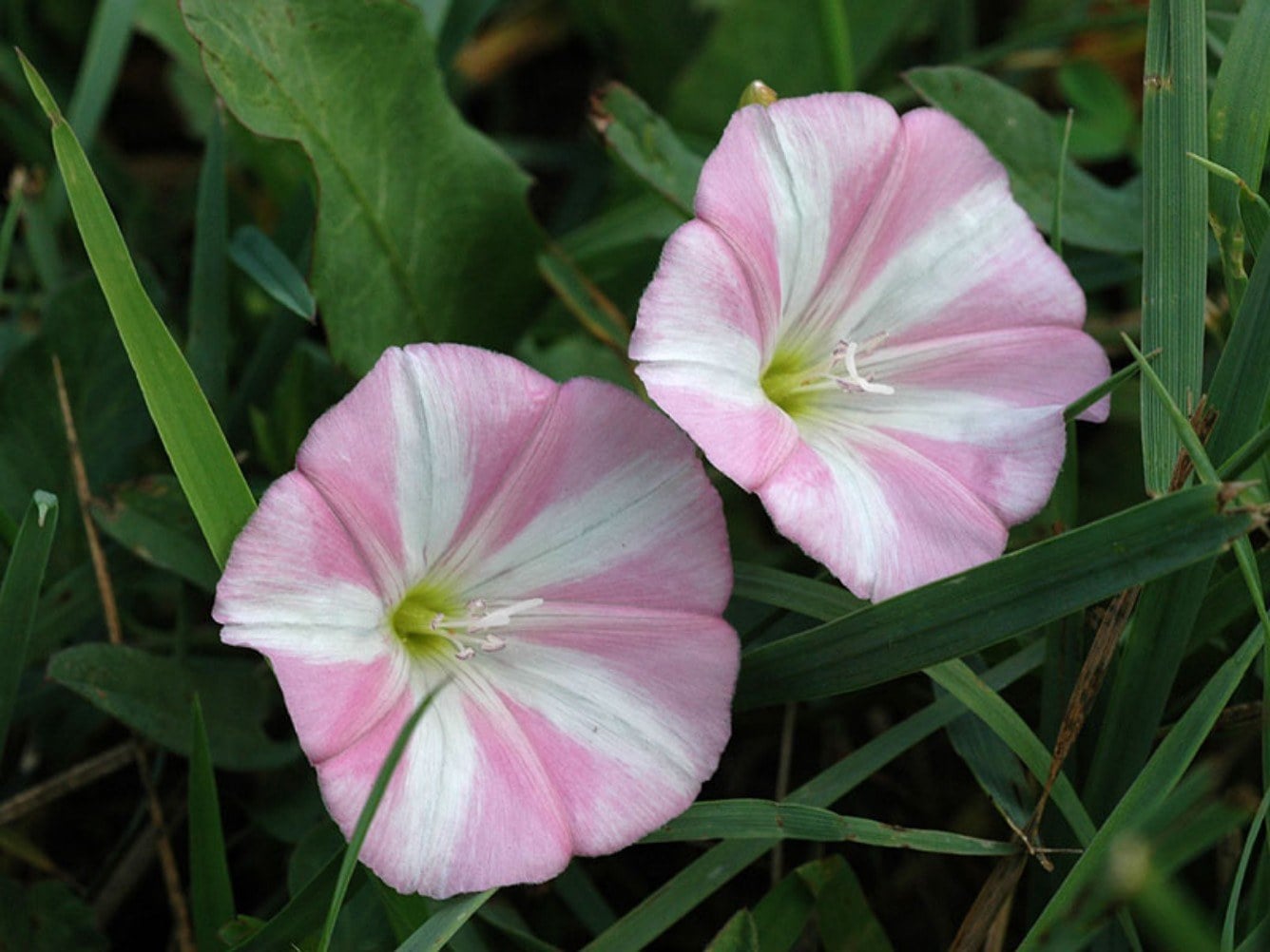
- Convolvulus arvensis
-
-
-
Edible and medicinal
- Perilla frutescens
-
-
-
Edible and medicinal
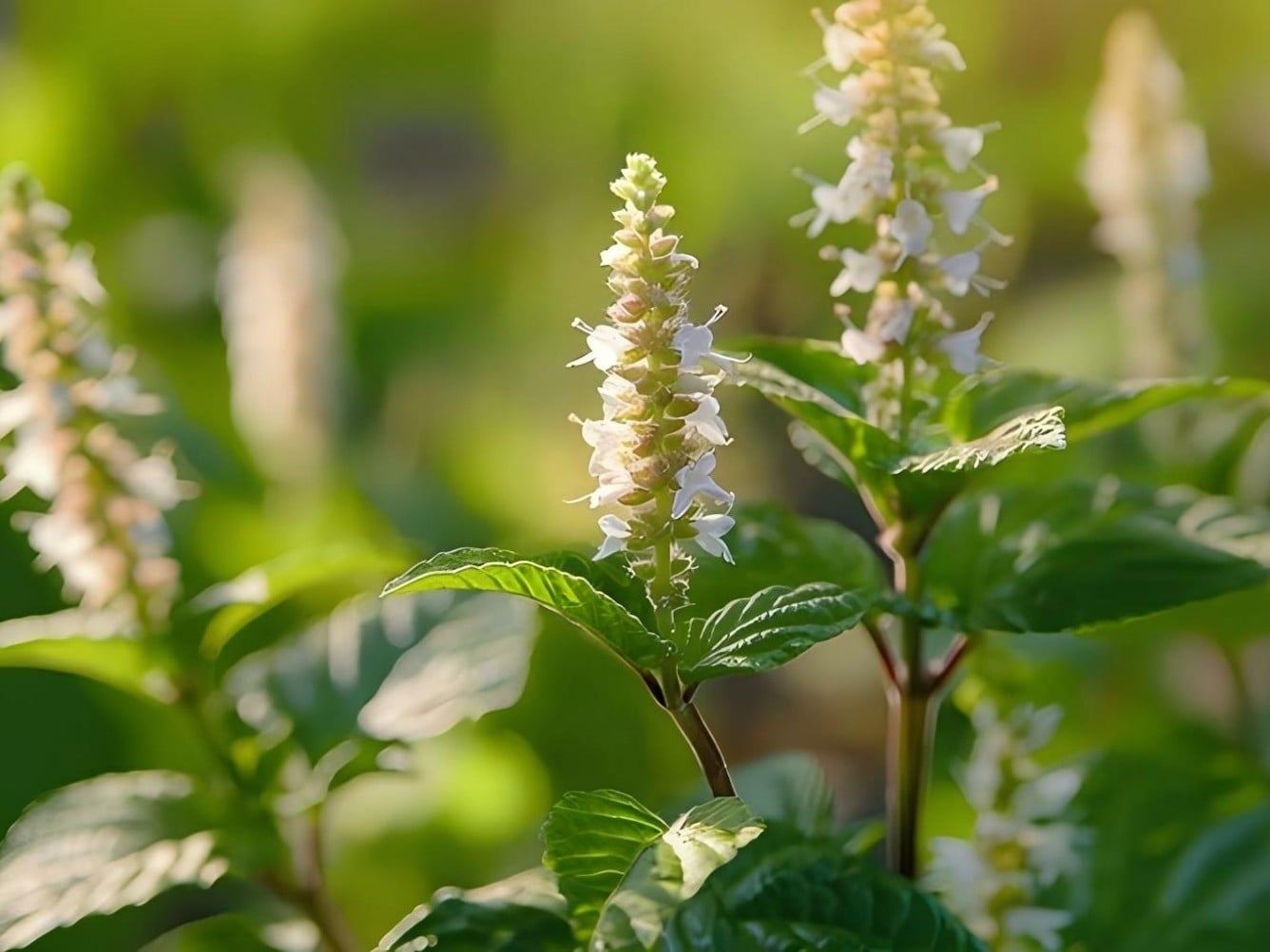
- Pogostemon cablin
-
-
-
Edible and medicinal
- Common fenugreek
-
-
-
Edible and medicinal
- Garden Thyme
-
 Poisonous and danger
 Edible and medicinal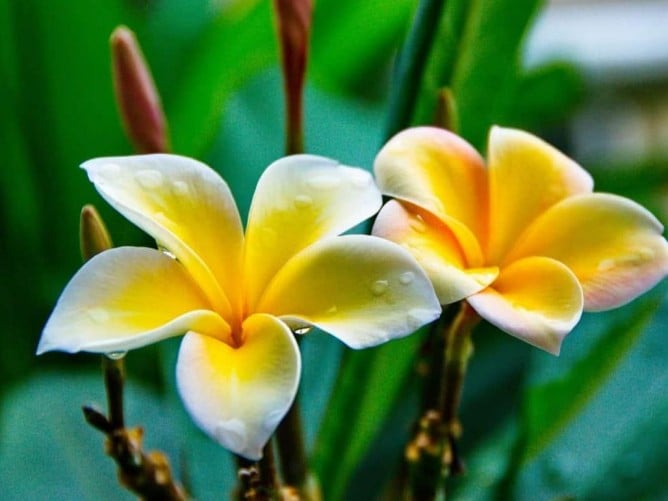
 Wild and common weed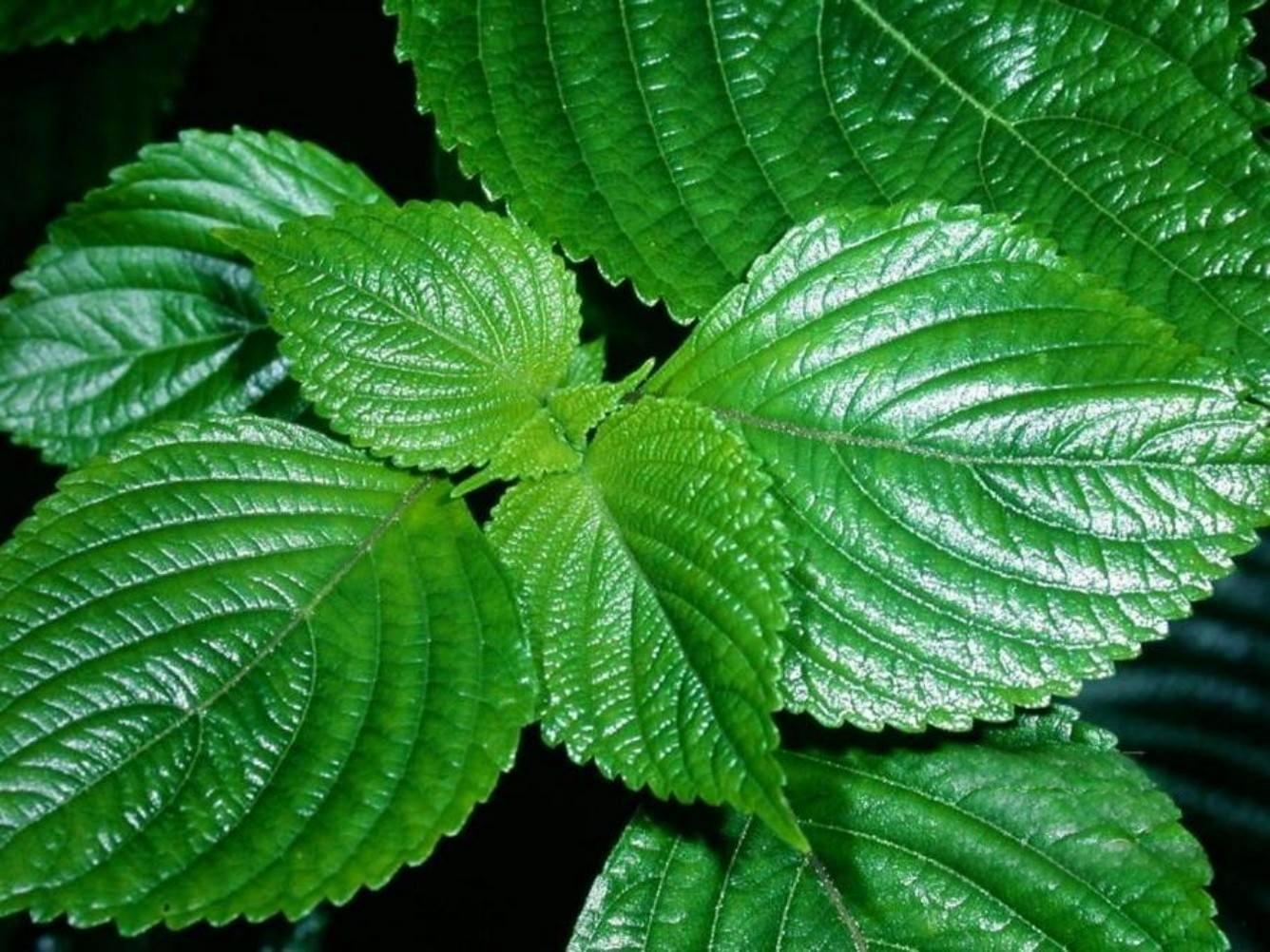
Advertisement