Hibiscus rosa-sinensis
-
 Ornamental and lands
 Ornamental and lands
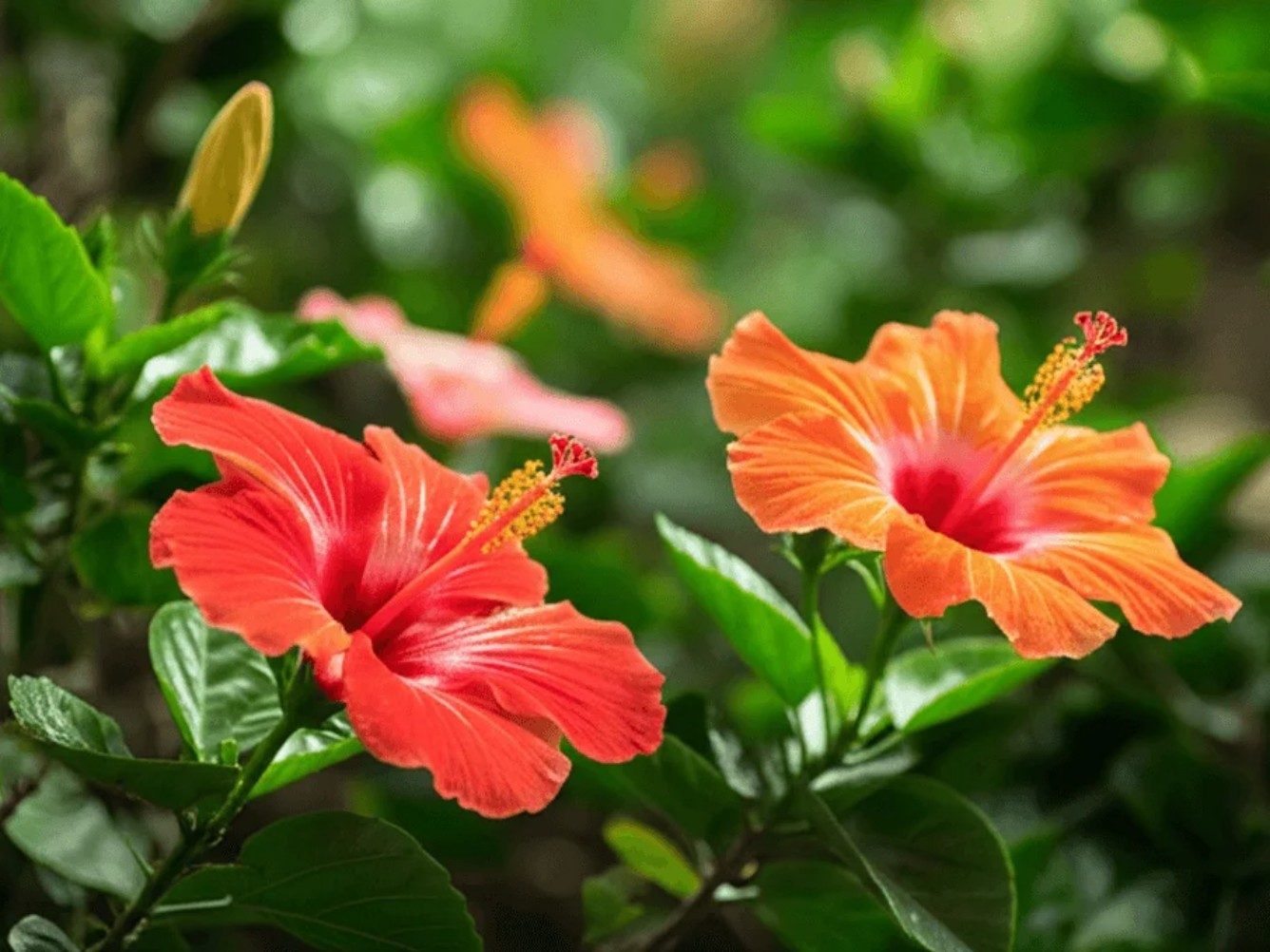
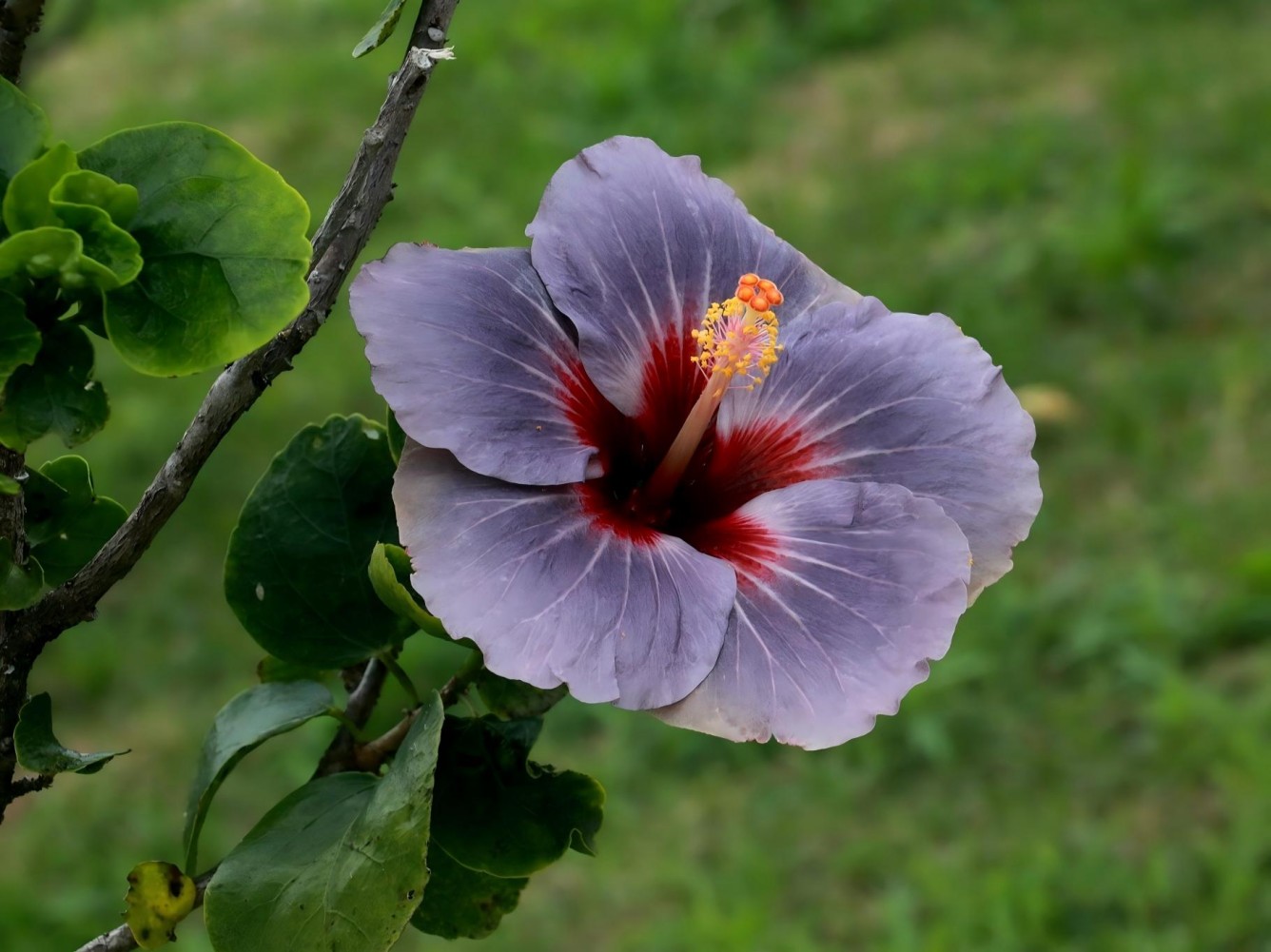
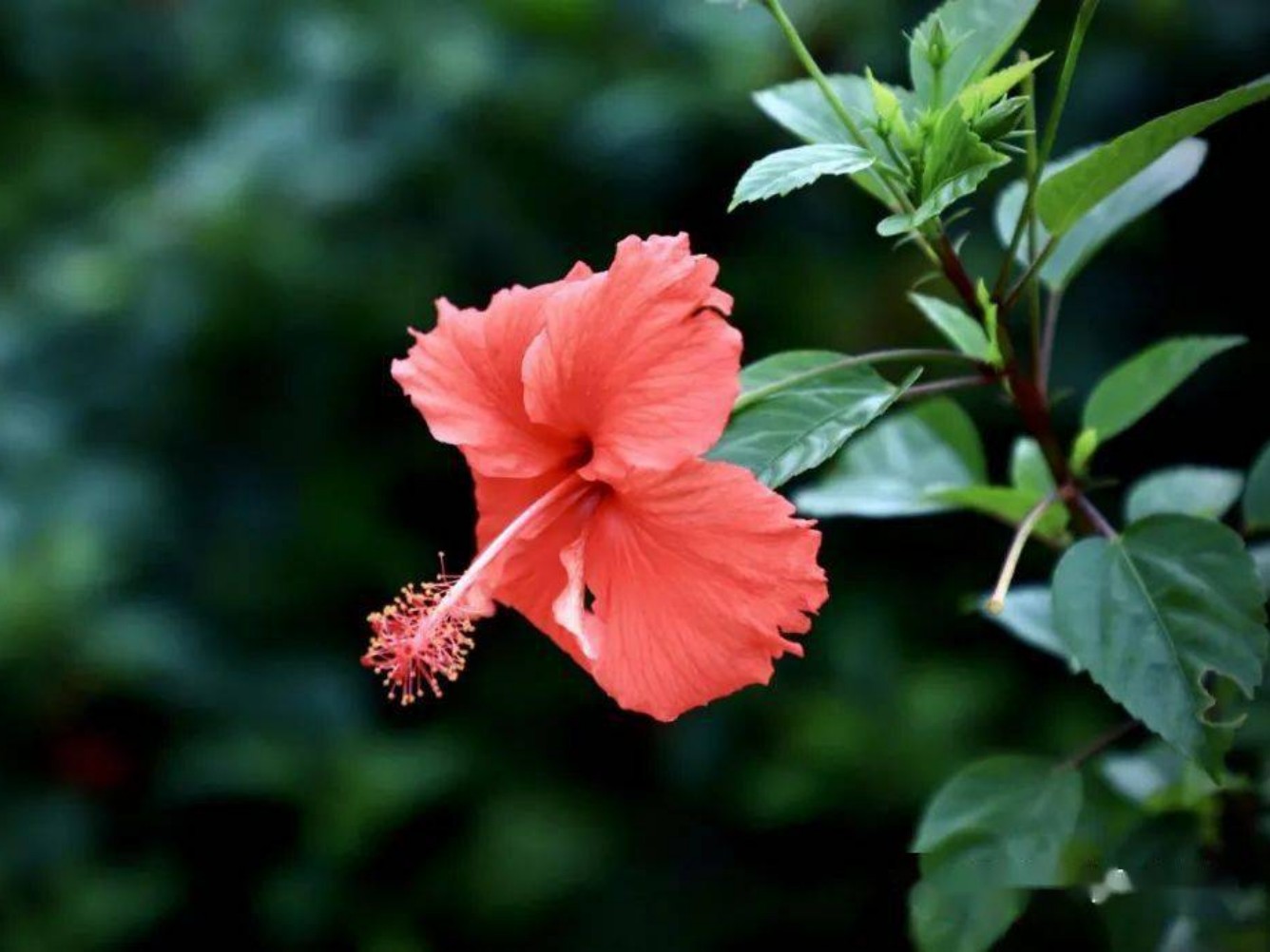
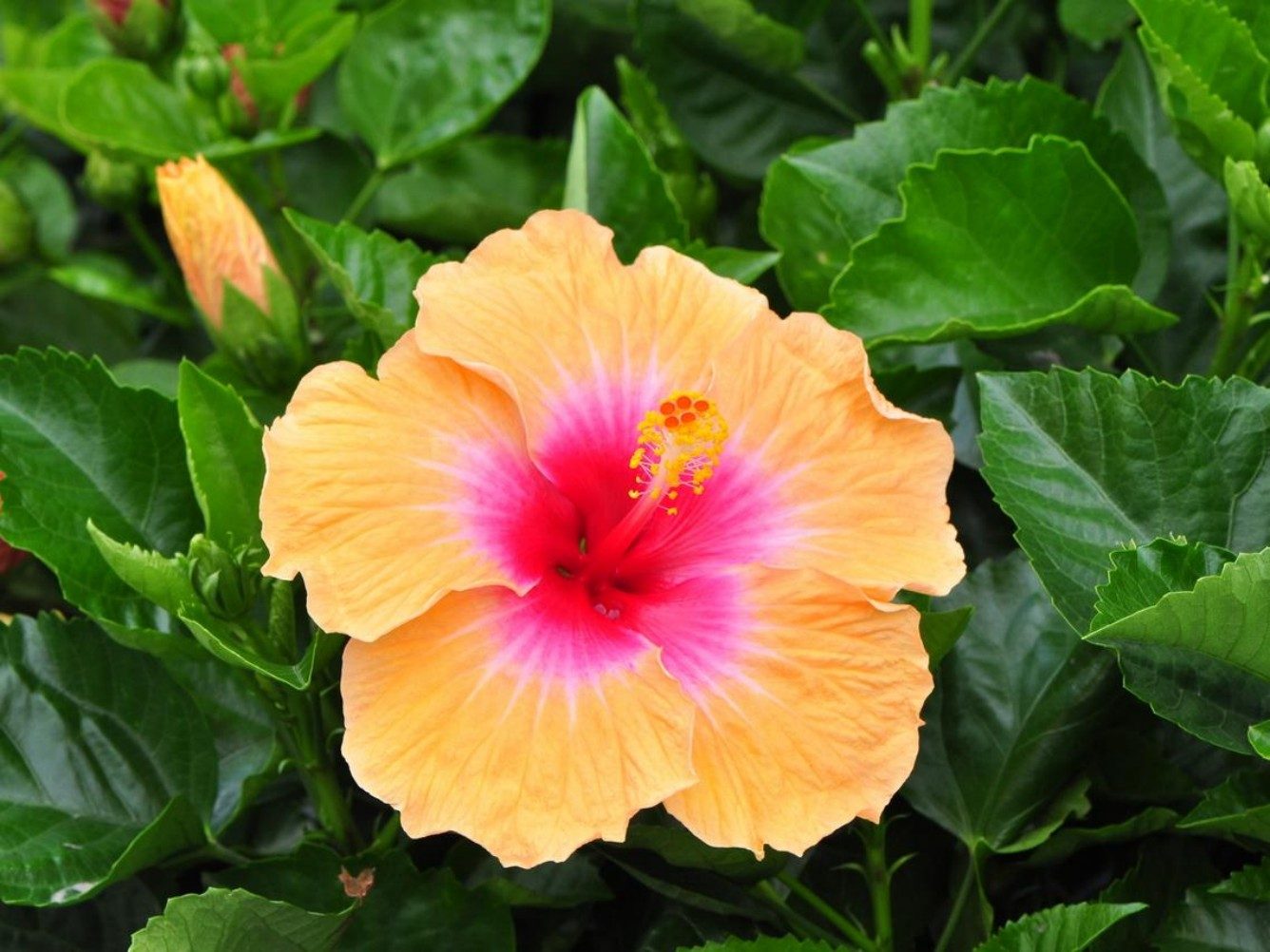
Nursing Skills
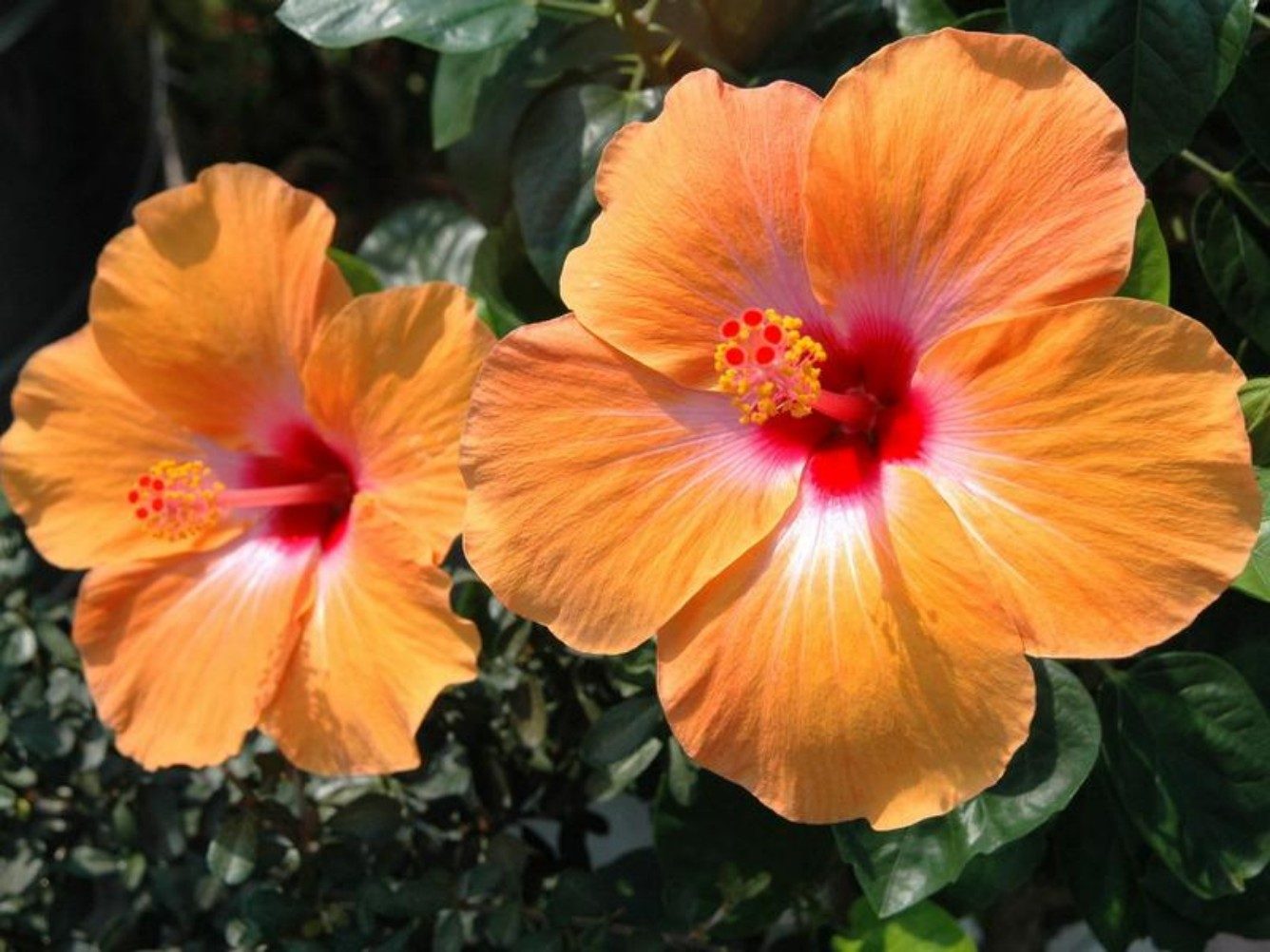
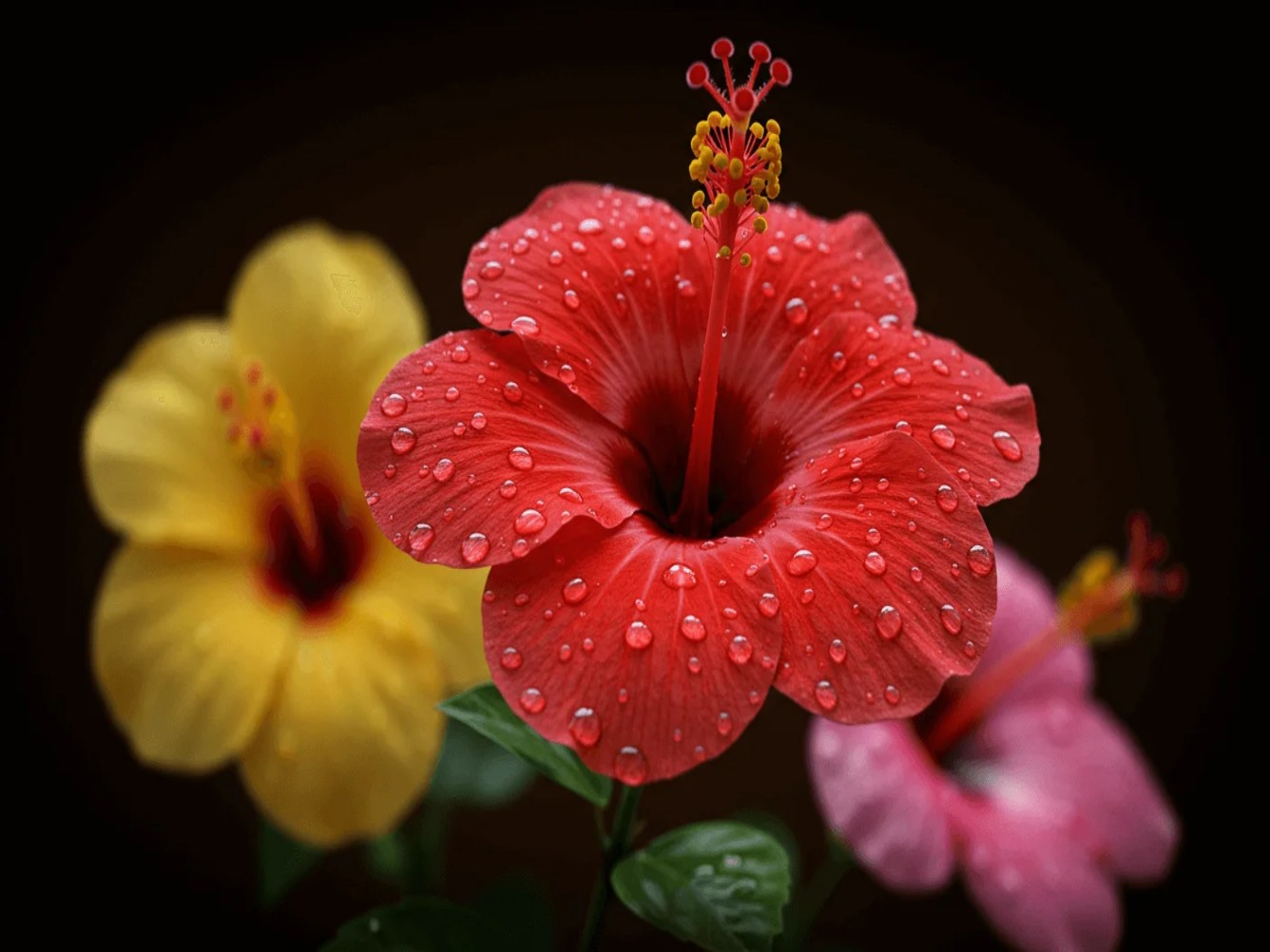
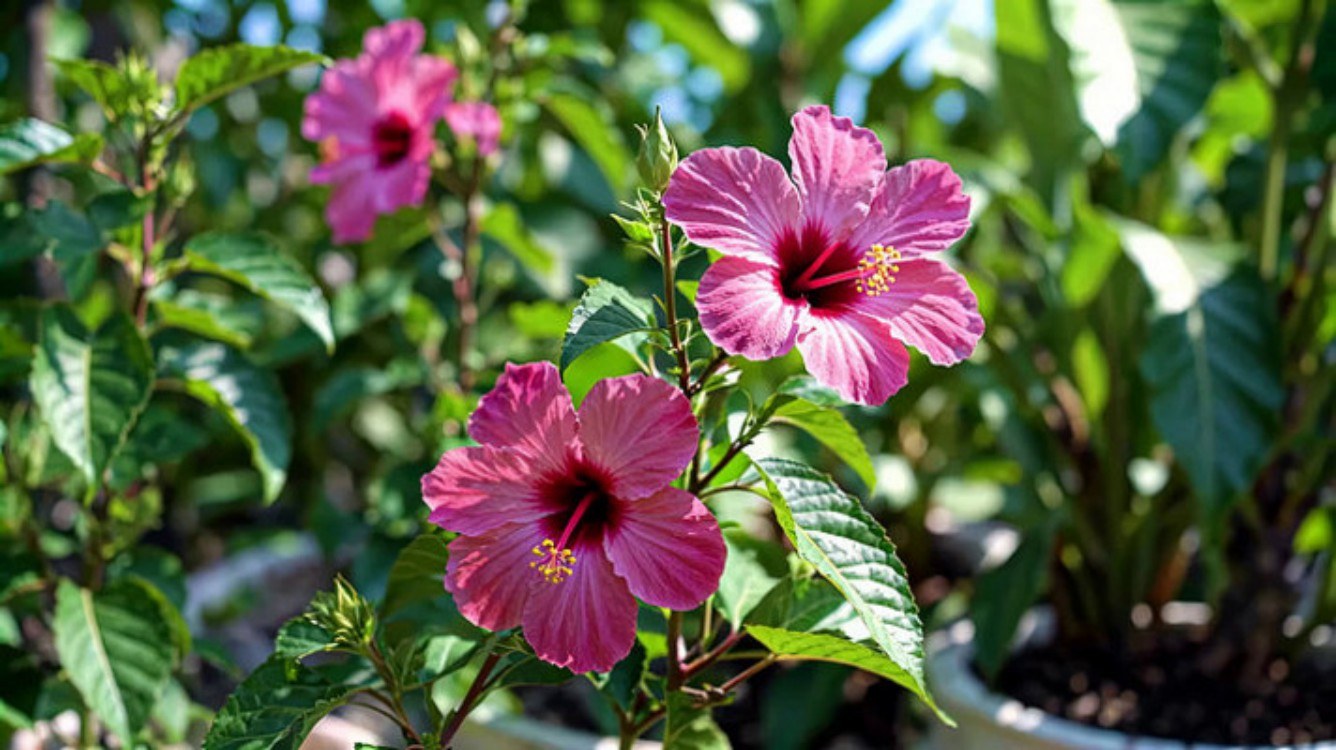
Hibiscus rosa-sinensis possesses robust flowering capabilities and strong environmental adaptability; under warm, well-lit conditions, it blooms continuously, offering exceptional ornamental value. Its leaves perform photosynthesis with high efficiency, thereby promoting growth and the differentiation of flower buds; furthermore, it exhibits a certain degree of tolerance to short-term drought and demonstrates strong recovery capabilities.
Advertisement
Plant Properties
-
- Toxicity
- Generally considered non-toxic
-
- Plant Height
- Typically grows to a height of 1–3 meters
-
- Plant Type
- Evergreen flowering shrub
-
- Flowering Season
- Summer and Autumn
-
- Flower Shape
- Funnel-shaped or trumpet-shaped, with spreading petals
-
- Flower Color
- Commonly red; diverse varieties are also available in pink, yellow, orange, and bi-colors
Plant Care Requirements
-
Lighting Requirements
Prefers abundant sunlight; requires at least 6 hours of direct sunlight daily
-
Temperature Requirements
The ideal growth temperature is 18–30°C; it is not cold-hardy and is susceptible to damage at temperatures below 10°C
-
Humidity Requirements
refers high atmospheric humidity; in dry environments, misting is recommended to increase moisture levels
-
Soil Requirements
Thrives in loose, well-draining, and slightly acidic soil rich in organic matter
-
Watering Frequency
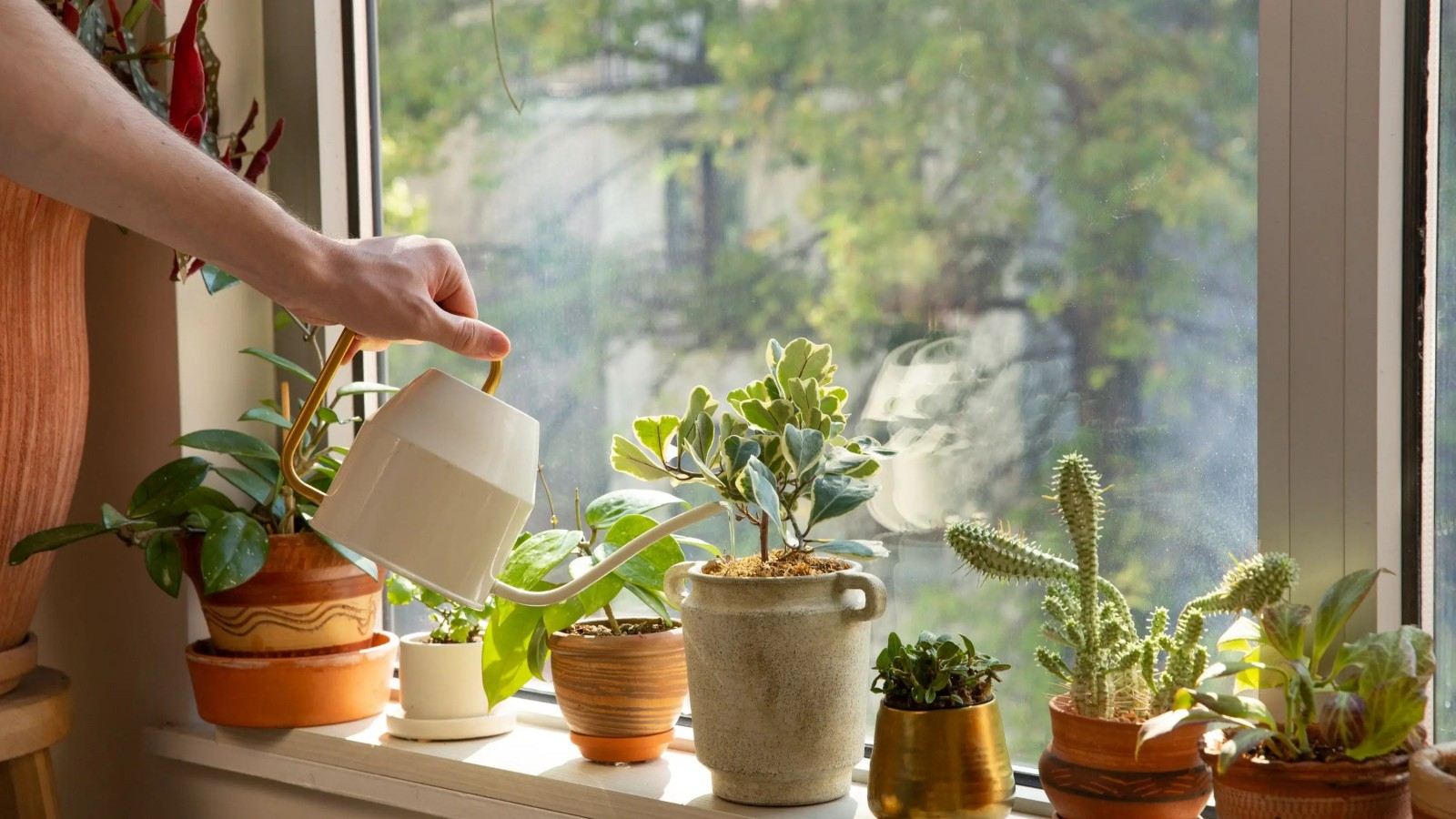
During the summer, water once every 2–3 days, taking care to avoid waterlogging
-
Planting Time
Spring or early summer is the most suitable time for planting
Advertisement
Plant Care Guide
-
Why isn't my Hibiscus blooming?
It is likely related to insufficient light.A lack of blooms in hibiscus plants is often linked to insufficient light. These plants are strong sun-lovers and require at least six hours of direct sunlight daily. If kept in a shady environment for an extended period, the plant will produce foliage but fail to bloom. Additionally, excessive nitrogen fertilizer can inhibit flowering; it is recommended to reduce nitrogen intake while increasing the proportion of phosphorus and potassium fertilizers. Furthermore, ensure that the temperature is suitable, as low temperatures can hinder flower bud differentiation. Proper pruning to encourage the growth of new branches can also help increase the quantity of blooms.
-
What causes Hibiscus leaves to turn yellow?
Caused by Improper WateringYellowing leaves are often the result of improper watering—specifically, either overwatering or underwatering. Waterlogged soil can deprive the roots of oxygen and lead to root rot, while prolonged drought impairs nutrient absorption. Additionally, insufficient light or excessively low temperatures can also cause leaves to turn yellow. Poor soil quality or a deficiency in trace elements can similarly affect leaf coloration; it is recommended to fertilize regularly and maintain good air circulation around the plant.
-
What should I do if my hibiscus plant is dropping its flower buds?
Drastic Environmental ChangesA common reason for bud drop is drastic changes in the environment—for instance, suddenly moving the plant to a new location, experiencing significant temperature fluctuations, or changes in lighting conditions. Inconsistent watering can also lead to bud drop; keeping the soil consistently slightly moist is key. Additionally, try to avoid moving the plant too frequently. Regarding fertilization, avoid using highly concentrated or "raw" (uncomposted) fertilizers, as these can damage the roots and negatively impact bud development. Maintaining a stable environment will significantly reduce the occurrence of bud drop.
-
Can hibiscus plants be pruned?
Proper pruning promotes branching.Yes, and pruning is actually very important. Proper pruning encourages branching, resulting in a more compact plant shape and an increased number of blooms. Pruning is typically performed in the spring or after the plant has finished flowering; at this time, remove weak, diseased, or overly dense branches. After pruning, ensure you replenish nutrients to help the new branches grow rapidly.
-
What causes hibiscus flower buds to be slow to open?
Related to temperature, lighting, or nutrientsWhen flower buds form but are slow to open, it is often related to temperature, lighting, or nutrient levels. If the temperature is too low, bud development will slow down significantly or even come to a complete halt. Additionally, insufficient lighting can hinder the blooming process, preventing the buds from opening properly. Another contributing factor is nutrient imbalance—specifically a deficiency in phosphorus and potassium—which can impede the maturation of the flowers. It is recommended to place the plant in a warm, well-lit location and to provide a moderate supplement of phosphorus and potassium fertilizers to encourage the buds to open successfully.
-
What should I do if my hibiscus plant is growing crookedly?
Due to prolonged one-sided light exposureCrooked growth in plants is typically caused by prolonged exposure to light from only one side, resulting in a pronounced phototropic response (growing toward the light). Hibiscus plants will naturally grow in the direction of the light source; if the lighting is uneven, the plant will begin to lean. The solution is to regularly rotate the flowerpot so that all sides of the plant receive equal amounts of light. Additionally, you can perform light pruning to reshape the plant and help it resume balanced growth.
Advertisement
Frequently Asked Questions
-
1 Is it normal for cracks to appear on hibiscus branches?
Cracks appearing on branches are generally not a normal phenomenon; they are often linked to environmental changes or excessively rapid growth. For instance, overwatering can cause plant tissues to swell; if the plant subsequently encounters a dry environment and contracts rapidly, cracks may form. Additionally, significant temperature fluctuations or physical damage caused by external forces can also lead to branch cracking. If the cracks are minor, ensure good ventilation and avoid subjecting the plant to further stress. If the damage is more severe, appropriate pruning should be performed to prevent pathogen entry, and the consistency of your daily care routine should be improved.
-
2 Can hibiscus plants be grown indoors?
Yes, they can, but they require a location near a sunny window—ideally one facing south or west—to receive ample sunlight. If lighting is insufficient, the plant is prone to becoming leggy (etiolation), and flowering will be significantly reduced. Since indoor air circulation tends to be poor, you should open windows periodically to ventilate the room and prevent the proliferation of pests and diseases. It is also recommended to rotate the pot regularly to ensure the plant receives uniform light exposure and maintains a healthy growth pattern.
-
3 Why do hibiscus flowers wither so quickly after blooming?
The lifespan of a single hibiscus blossom is naturally quite short, typically lasting only one to two days; this is an inherent characteristic of the species. However, if the flowers wither almost immediately after blooming—especially if the overall number of blooms is low—it may be linked to unfavorable environmental conditions, such as insufficient light or inconsistent watering. Furthermore, a lack of nutrients can negatively impact the quality of the flowers. It is recommended to provide ample sunlight and maintain a consistent watering schedule. Additionally, applying phosphorus and potassium fertilizers prior to the blooming season will result in fuller, more vibrant flowers and increase the overall abundance of blooms.
-
4 What should I do if my hibiscus branches are sparse and not lush?
Sparse branching is typically associated with insufficient pruning or inadequate lighting. Hibiscus plants require pruning to stimulate branching; if left unpruned for extended periods, the plant tends to grow only a central main stem without developing side branches. Furthermore, insufficient light can cause branches to become elongated, thin, and sparse. It is recommended to perform regular "pinching" (removing the tips of shoots) or "heading back" (cutting back branches) pruning techniques. Combined with ensuring adequate sunlight, this will promote the sprouting of lateral branches, resulting in a fuller, more compact plant structure.
-
5 Why have my hibiscus flowers lost their vibrant color?
A dulling of flower color may be attributed to issues regarding lighting and nutrition. Insufficient sunlight can compromise the vibrancy of the blooms, causing their colors to appear muted or faded. Furthermore, a deficiency in phosphorus and potassium can also compromise flower quality. It is recommended to place the plant in a location that receives ample sunlight and to provide appropriate supplementation with phosphorus and potassium fertilizers. Additionally, be mindful to avoid keeping the plant outdoors during prolonged periods of overcast or rainy weather; if necessary, adjust its position to improve lighting conditions.
-
6 What should be done if the flowers on a hibiscus plant become deformed?
Flower deformation in hibiscus plants is most often linked to issues with the growing environment or physiological abnormalities. Common causes include pest infestations—such as thrips or aphids—which feed on the sap within the flower buds; this directly impairs petal development, resulting in incomplete or distorted flower shapes. Additionally, nutrient imbalance is a key contributing factor; for instance, an excess of nitrogen combined with a deficiency in phosphorus and potassium can lead to stunted flower development. Regarding environmental factors, extreme temperature fluctuations or inconsistent lighting (shifting abruptly between intense and weak light) can also destabilize flower formation. It is recommended to first inspect the plant for any signs of pest infestation and treat them promptly. Simultaneously, adjust your fertilization regimen to increase the proportion of phosphorus and potassium, and maintain a stable environment regarding both lighting and temperature; these measures will effectively improve the quality and morphology of the flowers.
Advertisement
Introduction
Hibiscus rosa-sinensis is a tropical evergreen shrub characterized by its large, vibrant flowers, which commonly appear in a variety of colors—such as red, pink, and yellow—and possess immense ornamental value. It thrives in warm, humid environments with abundant sunlight, making it well-suited for cultivation in gardens or on balconies. With a relatively long blooming season that extends nearly year-round, it symbolizes passion and vitality, and remains one of the most popular flowering plants in the world of horticulture.
Popular Plant Encyclopedia
-
-
Poisonous and danger
- Rhus typhina
-
-
-
Edible and medicinal
- Common sunflower
-
-
-
Poisonous and danger
- Plumeria rubra
-
-
-
Wild and common weed
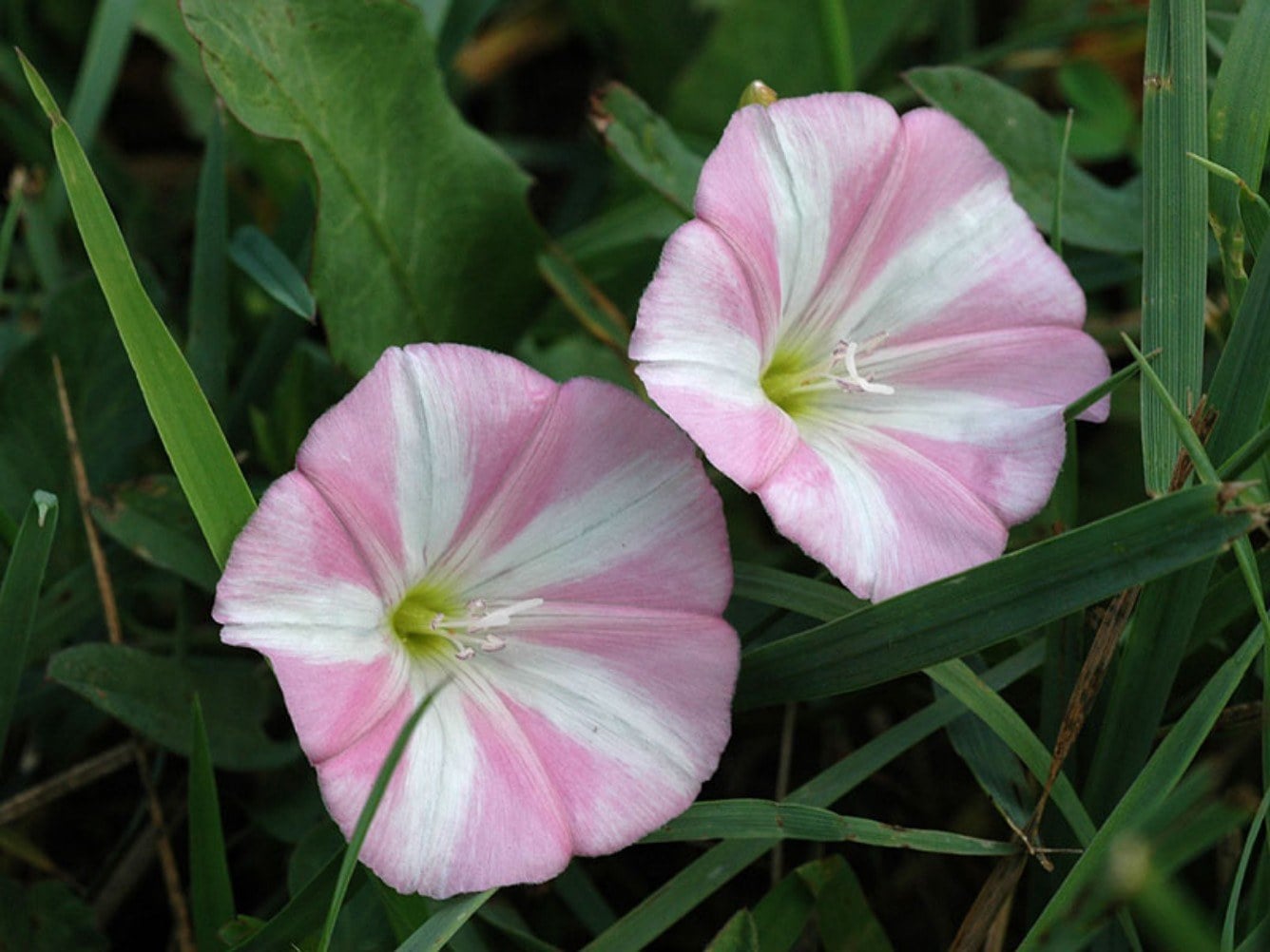
- Convolvulus arvensis
-
-
-
Edible and medicinal
- Perilla frutescens
-
-
-
Edible and medicinal
- Pogostemon cablin
-
-
-
Edible and medicinal
- Common fenugreek
-
-
-
Edible and medicinal
- Garden Thyme
-
 Poisonous and danger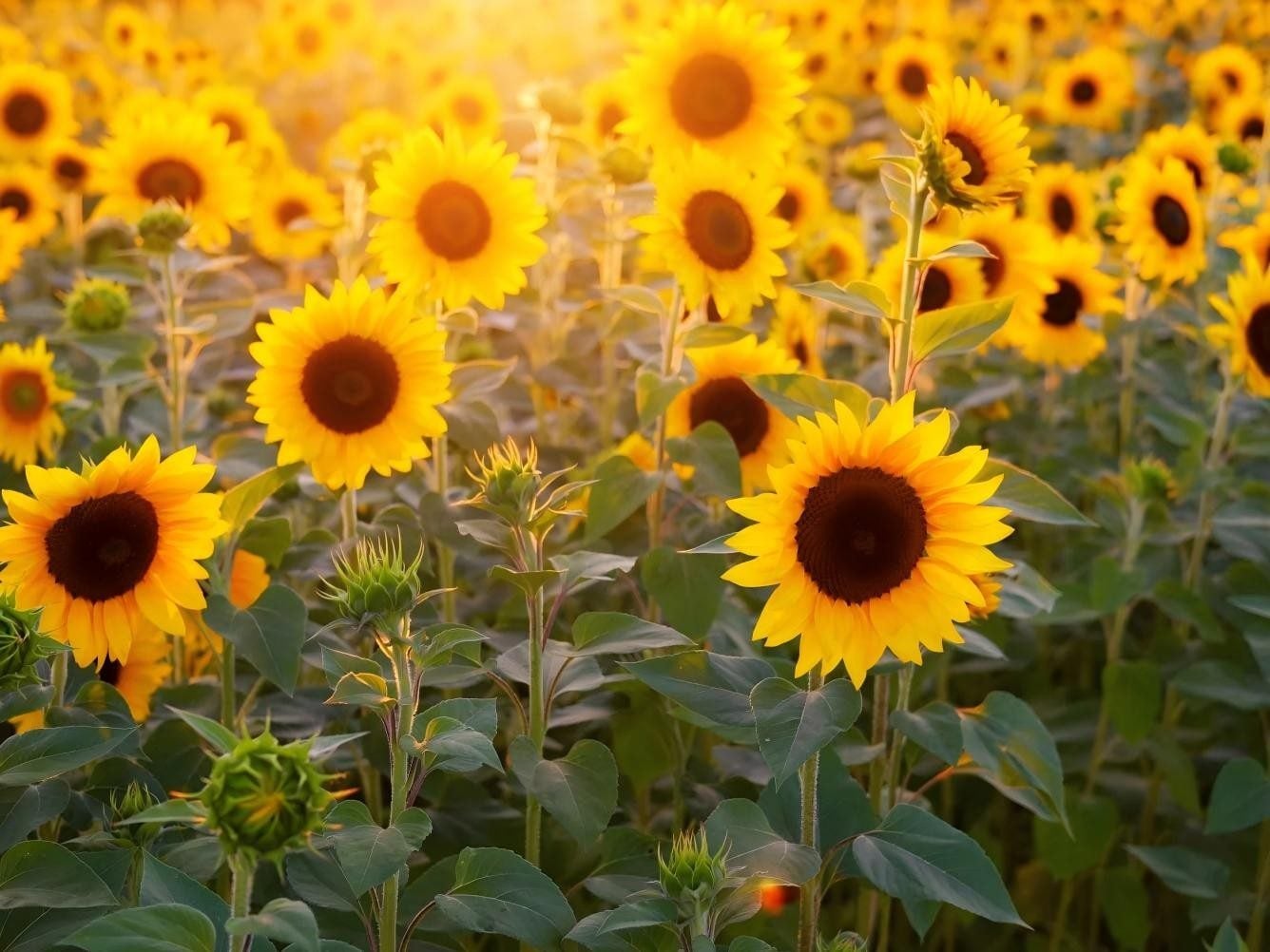
 Edible and medicinal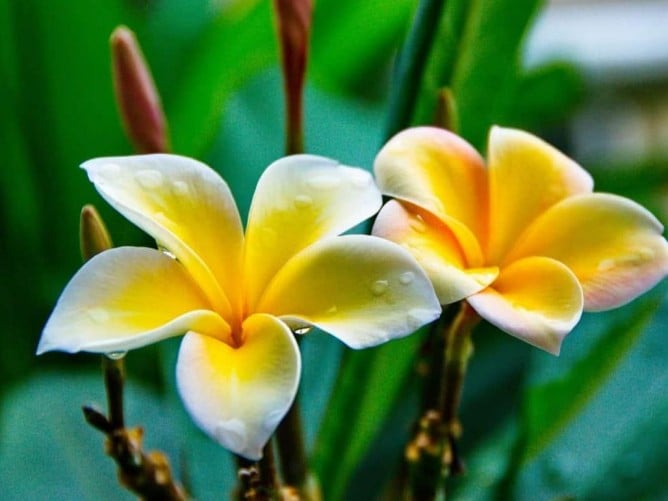
 Wild and common weed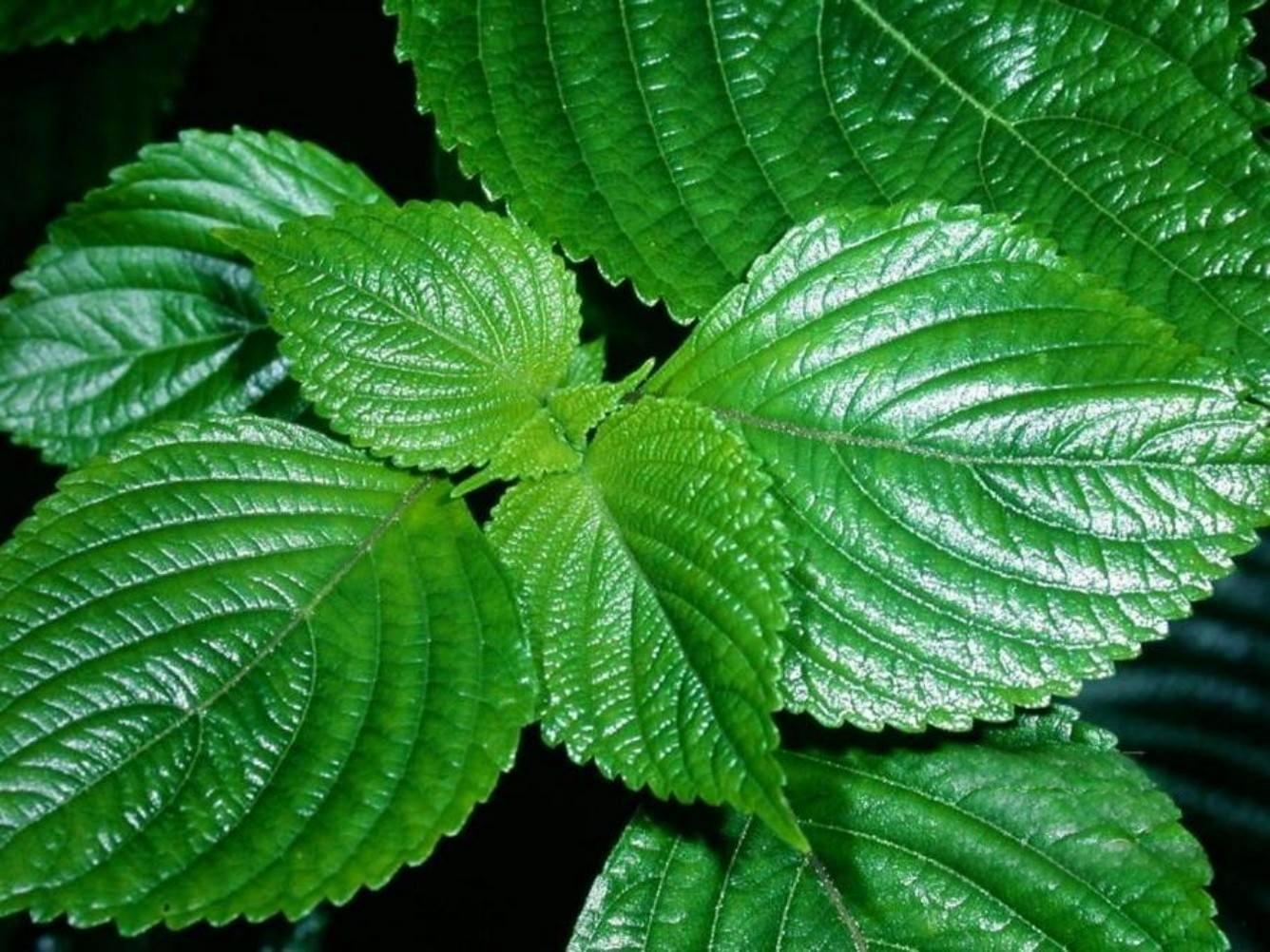
Advertisement