honeysuckle
-
 Poisonous and danger
 Poisonous and danger
Nursing Skills
It is light-loving and drought-tolerant, so place it in a sunny place and provide appropriate shade in summer. Water it when the soil is dry and avoid waterlogging. Apply a thin liquid fertilizer once a month during the growing season. Regularly prune dead flowers and diseased branches, and maintain ventilation and light to promote more flowering.
Advertisement
Plant Properties
-
- Toxicity
- Toxic to humans
-
- Flowering period
- Summer, Autumn
-
- Plant height
- 10 cm to 1.5 m
-
- Growth cycle
- Annual
-
- Leaf type
- deciduous
-
- Flower color
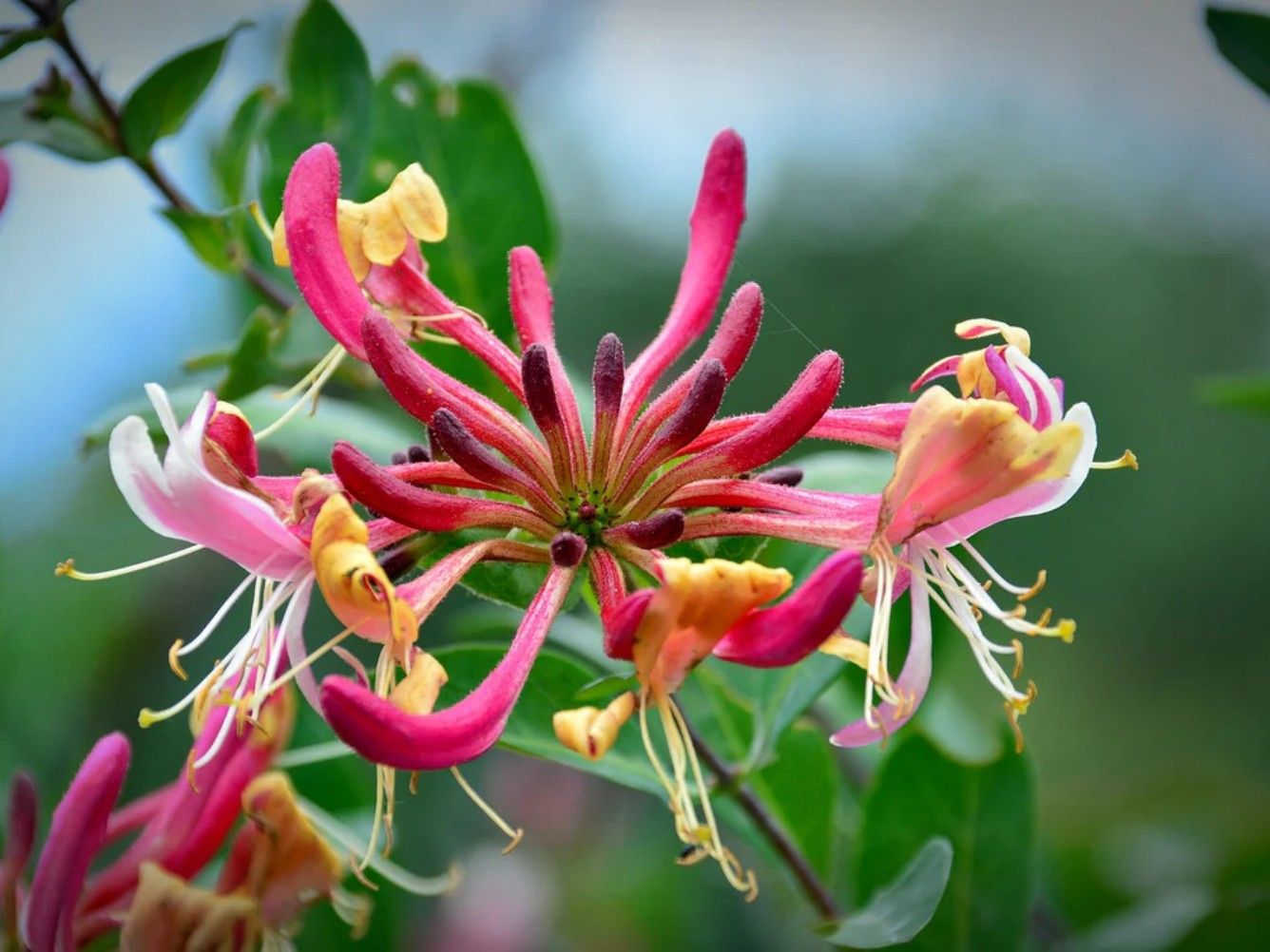
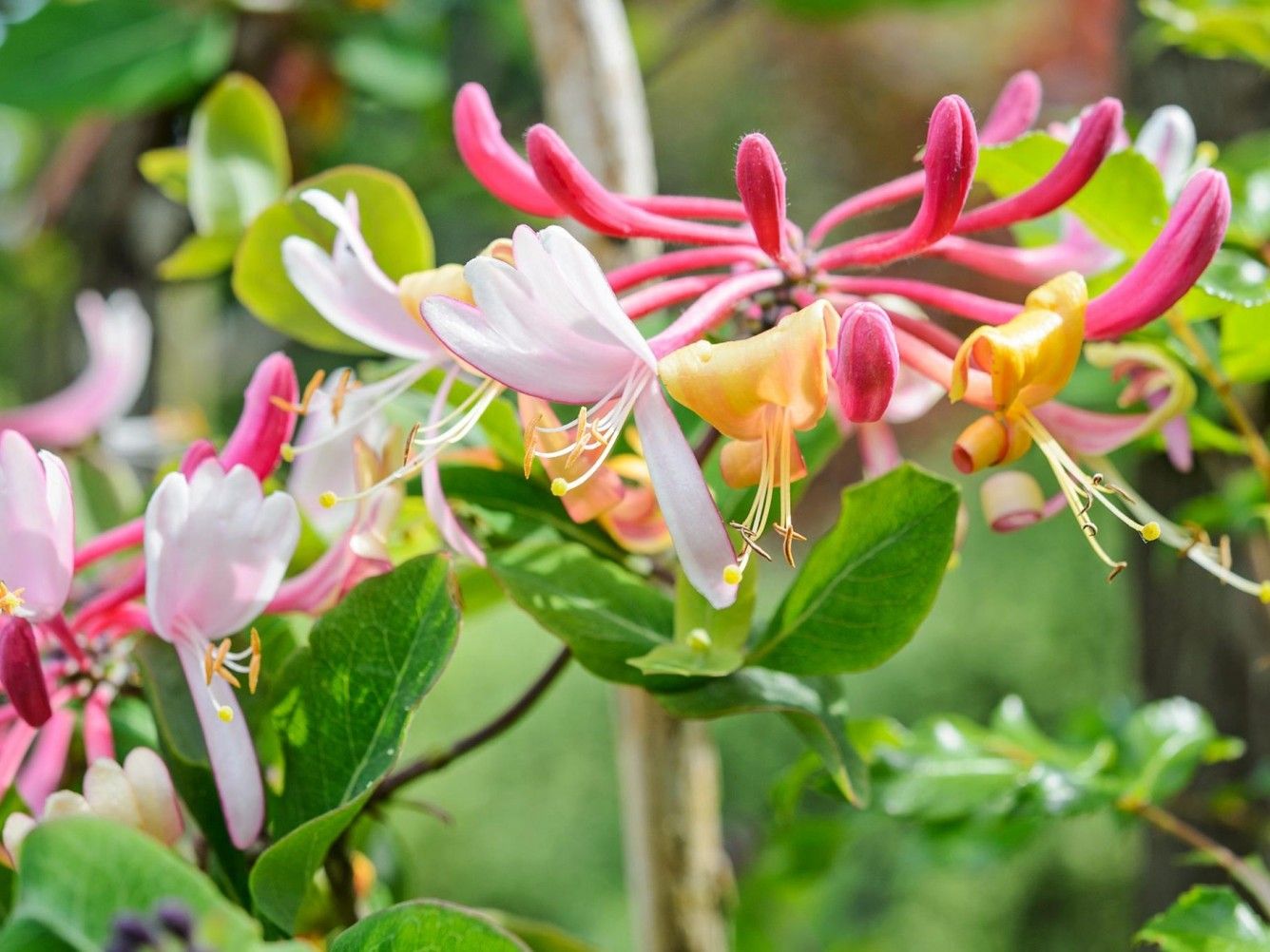
- green, yellow, pink
-
- Plant type
- vine
Plant Care Requirements
-
Difficulty of care
medium
-
Watering time
keep soil moist, but avoid standing water
-
Sunlight requirements
full sun, can tolerate shade
-
Soil pH
5-7
-
Planting time
spring, summer, fall
-
Harmful zone
6-10
Advertisement
Plant Care Guide
-
How often should I water?
See dry and wetWatering of honeysuckle needs to be adjusted according to the season. Water once a week in spring and autumn to keep the soil slightly moist; in summer, the temperature is high and evaporation is fast, so water it every 2-3 days and spray the leaves to keep it moist; in winter, the growth is slow, so water it every 20 days or so. Follow the principle of "see dry and wet" when watering to avoid water accumulation. Drain water in time during the rainy season to prevent root rot.
-
Light requirements?
Adequate lightHoneysuckle likes light and needs 4-6 hours of direct light every day. It can be placed in a place with sufficient light, such as a south-facing balcony or courtyard. Insufficient light will lead to thin branches and reduced flowering. Proper shade is required during high temperatures in summer to avoid strong light burning the leaves. It can also grow in a semi-sunlight environment, but long-term darkness will affect its normal development.
-
Suitable temperature?
15-30℃Honeysuckle has strong adaptability, and the optimal growth temperature is 15-25℃. It grows vigorously within this range and has few diseases. When the high temperature exceeds 30℃ in summer, ventilation should be strengthened and water should be sprayed to cool down; it can withstand low temperature of -40℃ in winter, but in order to keep the plant healthy, it is recommended to keep the ambient temperature above 5℃ to avoid frost damage.
-
When to fertilize?
Carry out in stagesHoneysuckle fertilization needs to be carried out in stages. From late March to mid-May, during the vigorous growth period, apply thin cake fertilizer water or compound fertilizer once a month; before flowering in May, apply phosphorus and potassium fertilizers, such as potassium dihydrogen phosphate, to promote flower bud differentiation; apply nitrogen fertilizer after flowering to help the plant recover. Fertilization follows the principle of "thin fertilizer and frequent application" to avoid excessive concentration to damage the roots.
-
How to prune?
Prune regularlyPruning can promote the growth and flowering of honeysuckle. Before budding in early spring, cut off thin branches, cross branches and dead branches, and retain the thick main vine; after flowering, cut off the remaining flowers and overcrowded branches in time to promote the germination of new branches; if the plant is too high, it can be topped to control the height; climbing types need to regularly prune side branches to keep the plant compact. Apply topdressing after pruning to help it recover.
-
When to repot?
Repot in springHoneysuckle repotting should be carried out in spring, and the best time is from March to May. At this time, the temperature is stable, the plant grows vigorously, and it recovers quickly after repotting. When repotting, unhealthy roots need to be trimmed, loose and fertile soil needs to be used, and basal fertilizer needs to be added appropriately. After repotting, water thoroughly, place in a ventilated and diffused light place for maintenance, and manage normally after new leaves sprout.
-
Prevent and control diseases?
Prevention firstHoneysuckle is susceptible to powdery mildew, brown spot disease, aphids, spider mites and other pests and diseases. Powdery mildew can be sprayed with carbendazim or baking soda water; brown spot disease requires enhanced ventilation and spraying with mancozeb; aphids can be sprayed with soapy water or imidacloprid; spider mites can be sprayed with avermectin after washing the leaves. Keep ventilation and light transmission on a daily basis, avoid humid environment, check regularly, and deal with pests and diseases in time.
Advertisement
Frequently Asked Questions
-
1 When is the flowering period of honeysuckle?
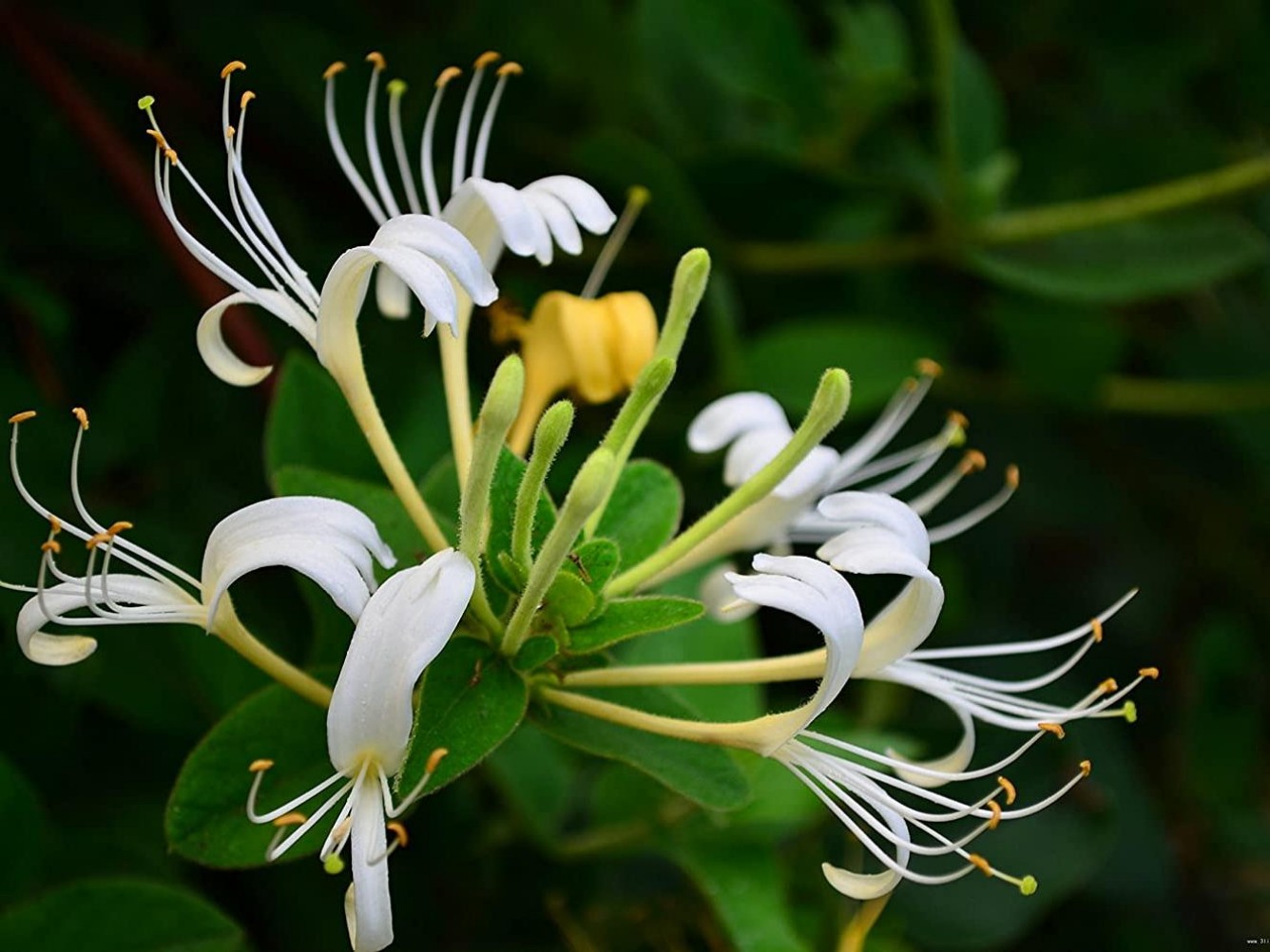
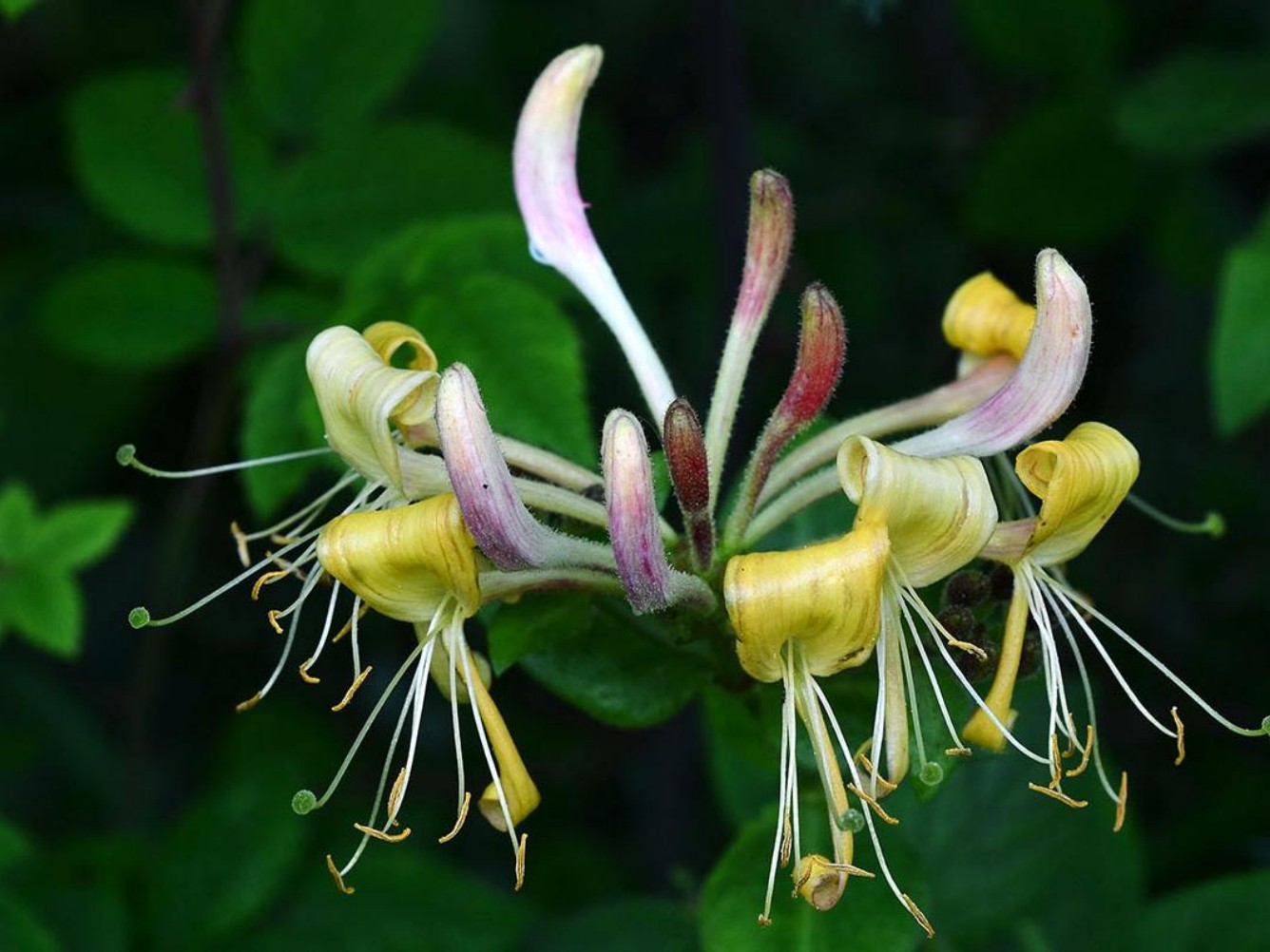
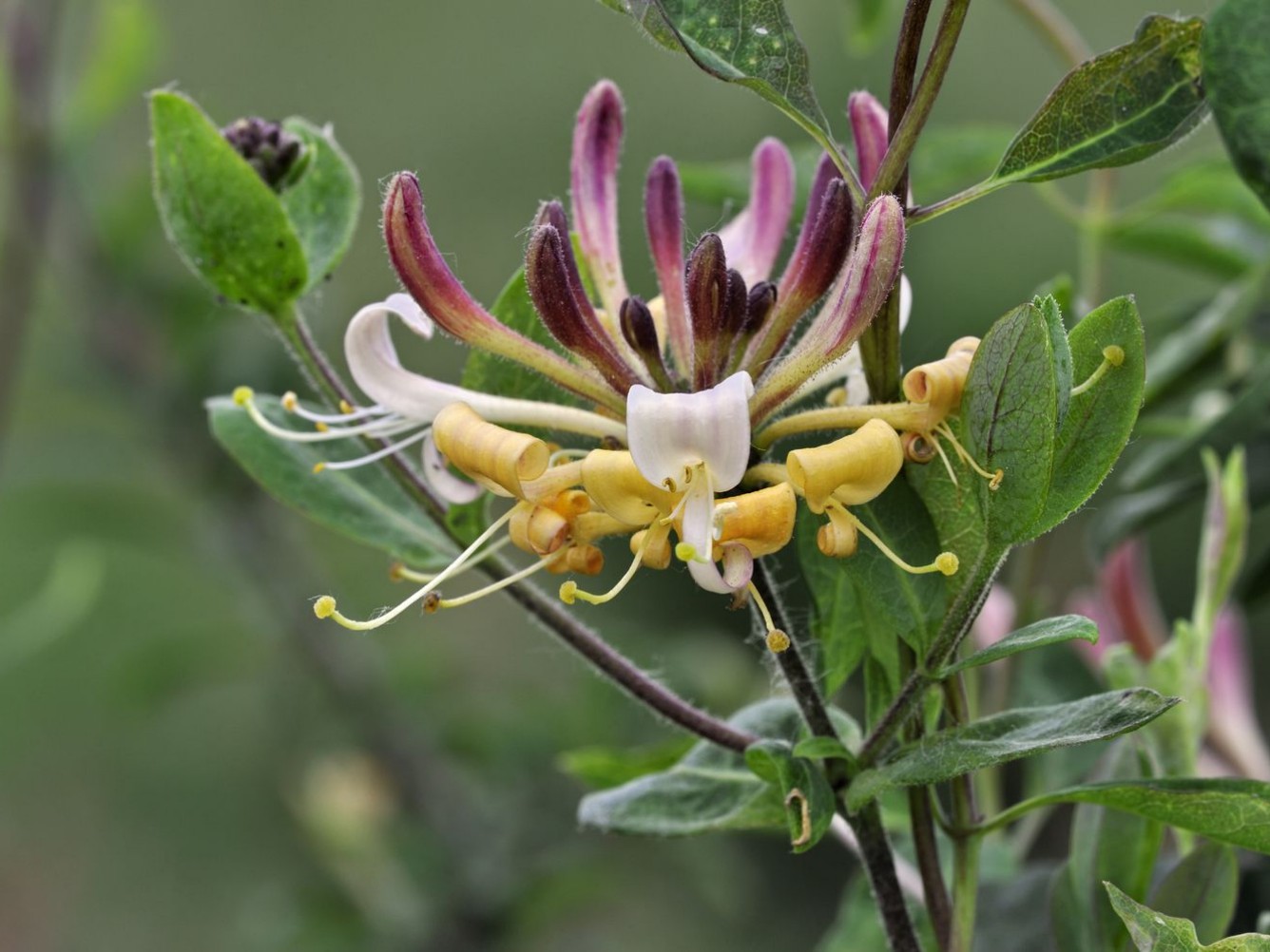
The flowering period of honeysuckle generally spans from late spring to autumn, typically from April/May to October. The exact timing may vary slightly depending on the region and climate. In warmer areas, it may bloom earlier, while in cooler regions, it may start later. The flowers usually change color from white to yellow as they mature.
-
2 What kind of soil is suitable for honeysuckle to grow in?
Honeysuckle is quite adaptable to soil conditions. It can tolerate poor, acidic, and slightly drought-prone soils, but it does not thrive in saline-alkali or burnt soils. For optimal growth, it's best to provide it with loose, well-drained soil.
-
3 What are the medicinal values of honeysuckle?
Honeysuckle has the effects of clearing away heat and detoxifying, cooling and dispersing wind and heat, and is often used to treat carbuncle, throat paralysis, erysipelas, heat toxic bloody dysentery, wind-heat cold, febrile disease fever and other diseases.
Advertisement
Introduction
Honeysuckle, scientific name Lonicera japonica, is a plant of the genus Lonicera in the family Caprifoliaceae. Its flowers are white at first and then turn yellow, hence the name honeysuckle. It is a vine or shrub, with strong adaptability, cold and drought resistance, widely distributed in temperate and subtropical regions, and often used for gardening and medicinal purposes.
Popular Plant Encyclopedia
-
-
Poisonous and danger
- Rhus typhina
-
-
-
Edible and medicinal
- Common sunflower
-
-
-
Poisonous and danger
- Plumeria rubra
-
-
-
Wild and common weed
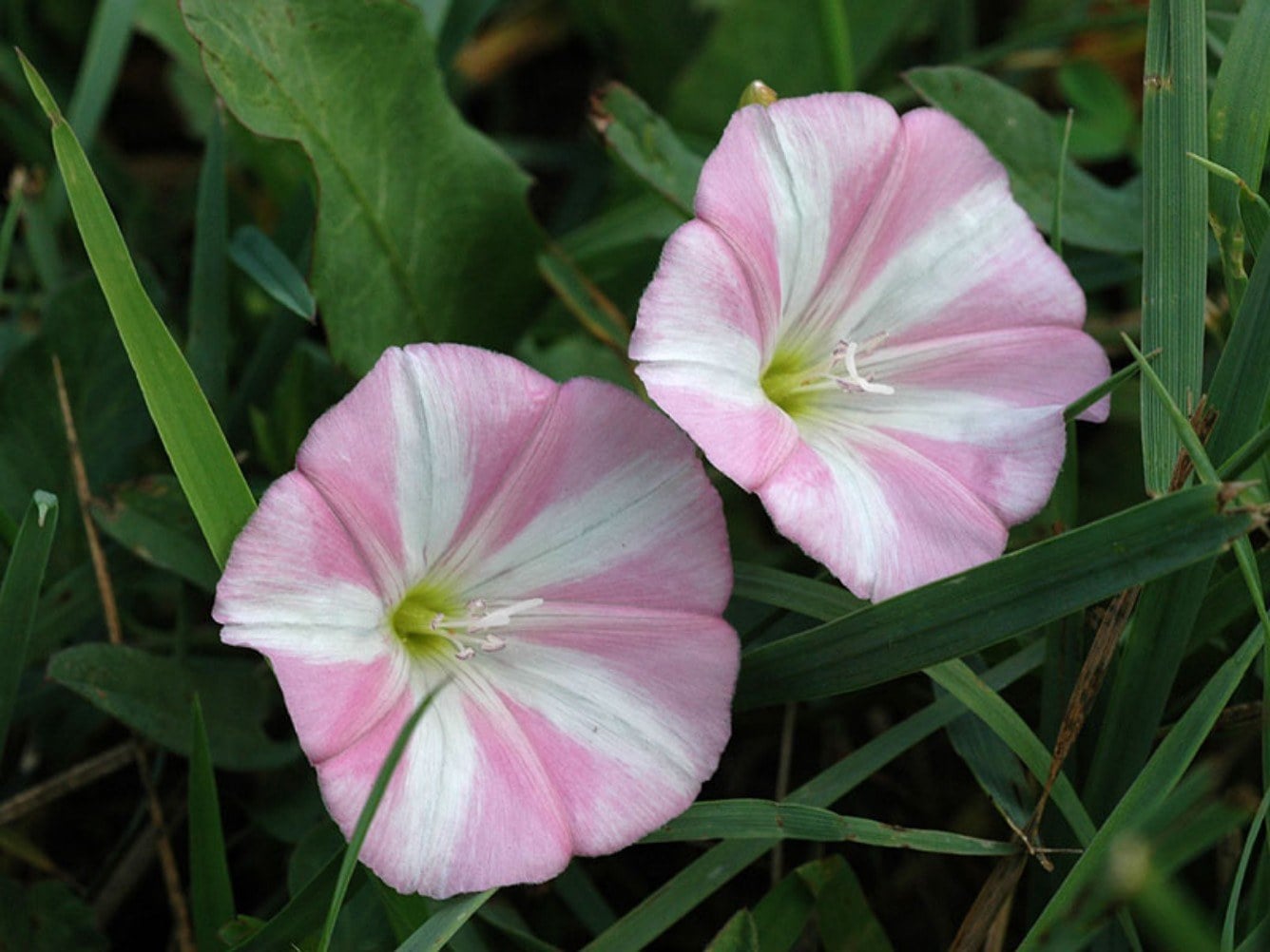
- Convolvulus arvensis
-
-
-
Edible and medicinal
- Perilla frutescens
-
-
-
Edible and medicinal
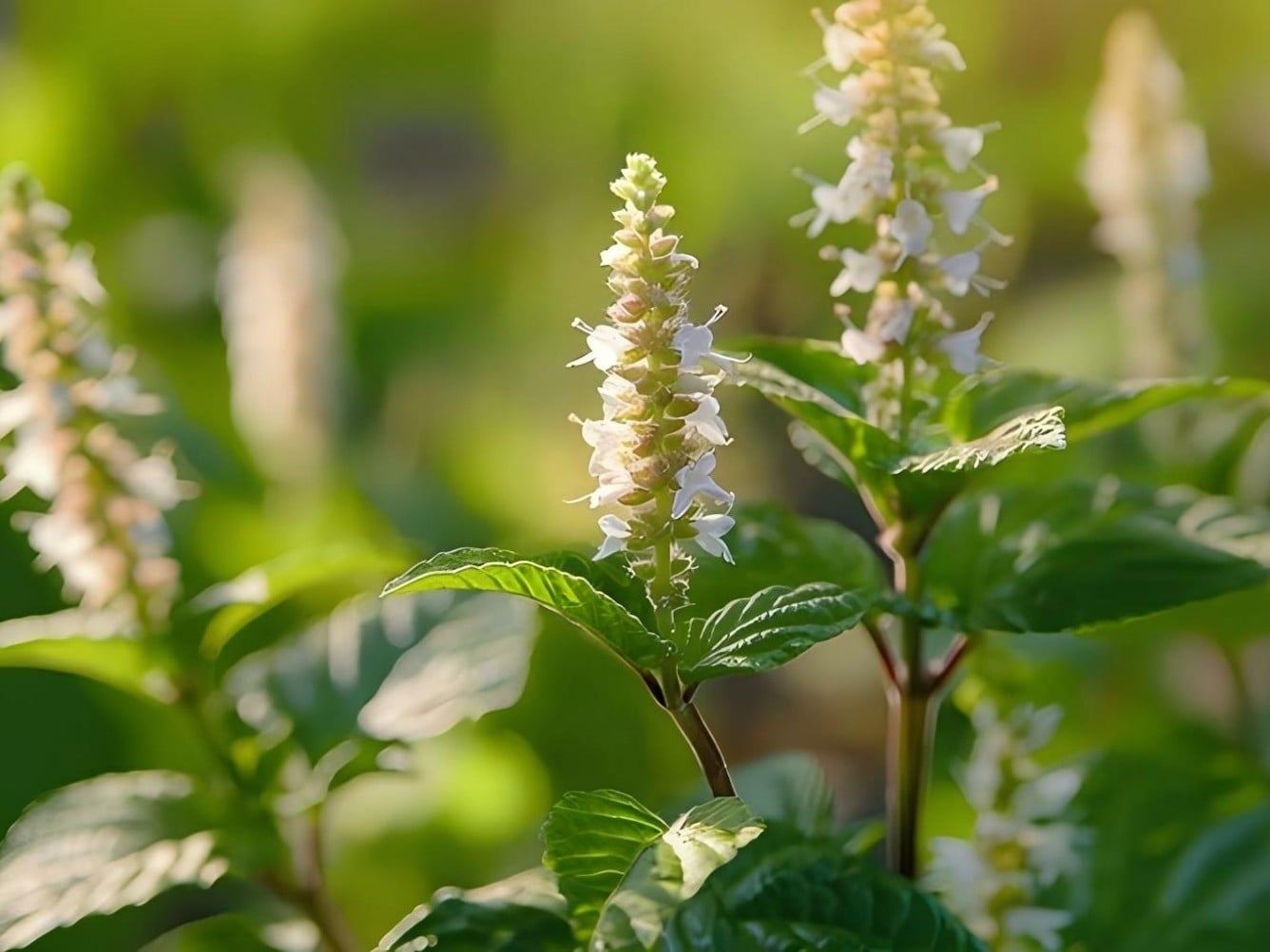
- Pogostemon cablin
-
-
-
Edible and medicinal
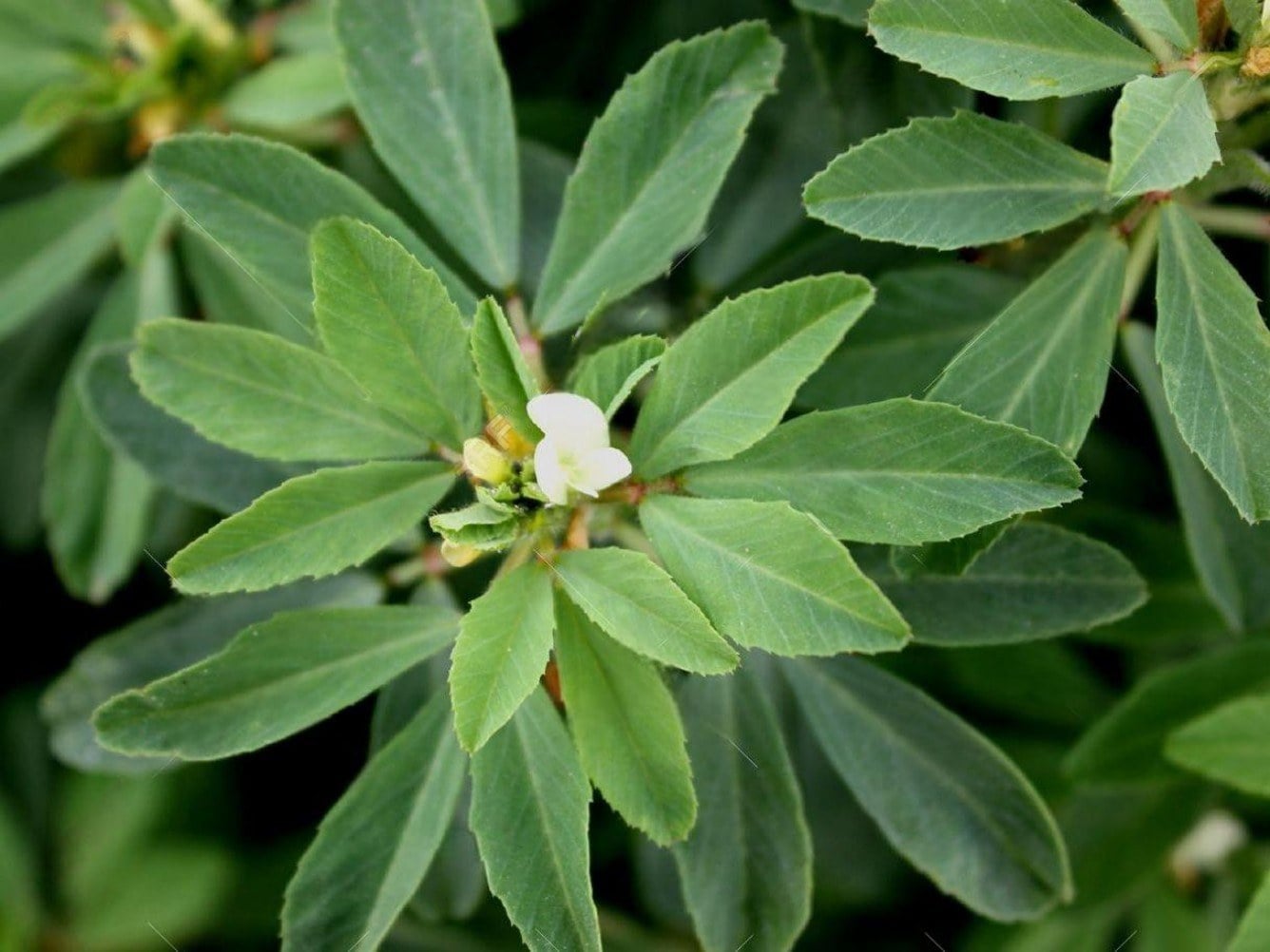
- Common fenugreek
-
-
-
Edible and medicinal
- Garden Thyme
-
 Edible and medicinal
 Wild and common weed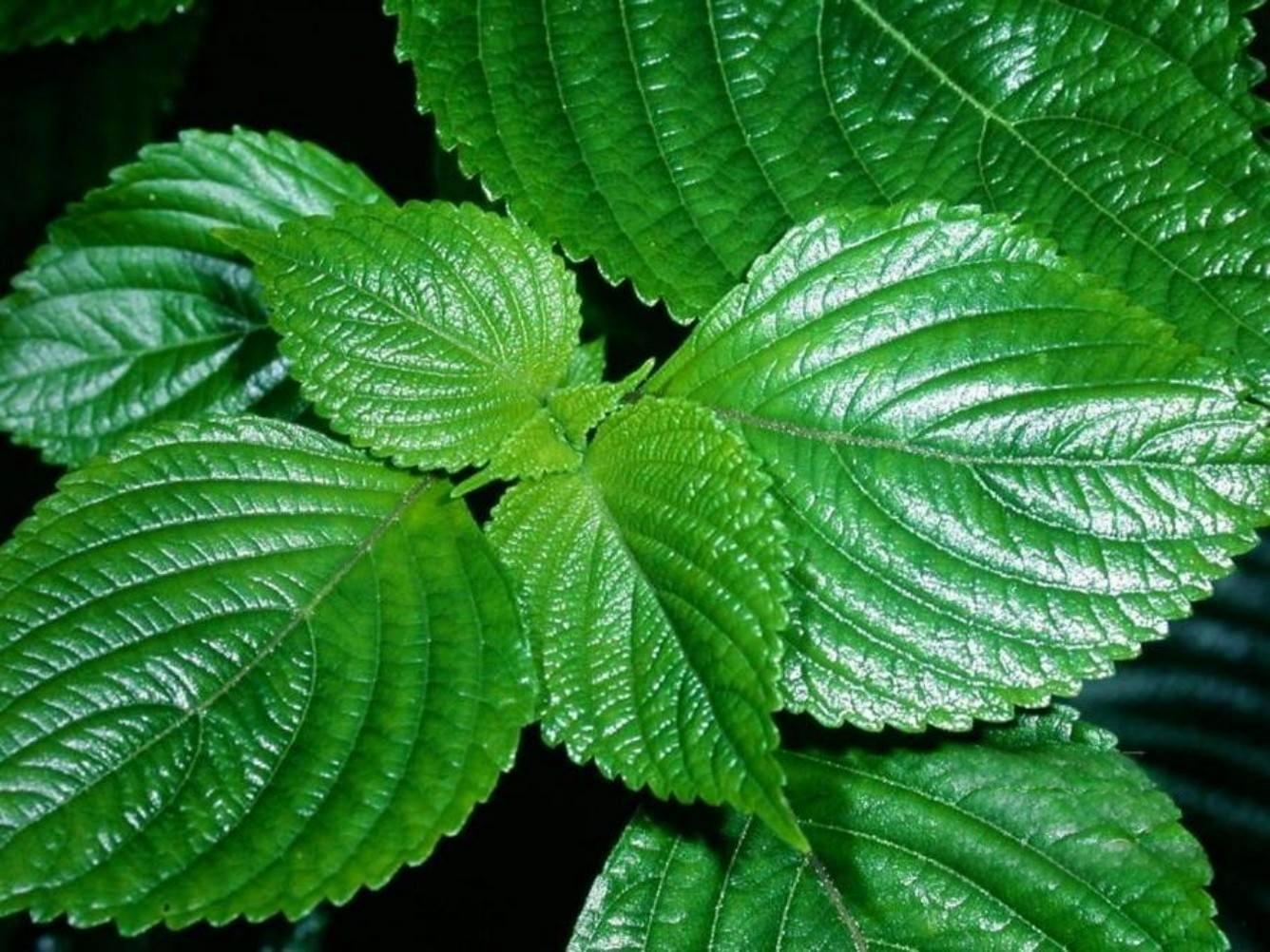
Advertisement