Hyacinthus orientalis
-
 Ornamental and lands
 - Also known as: daffodil, hyacinth, western hyacinth
 Ornamental and lands
Nursing Skills
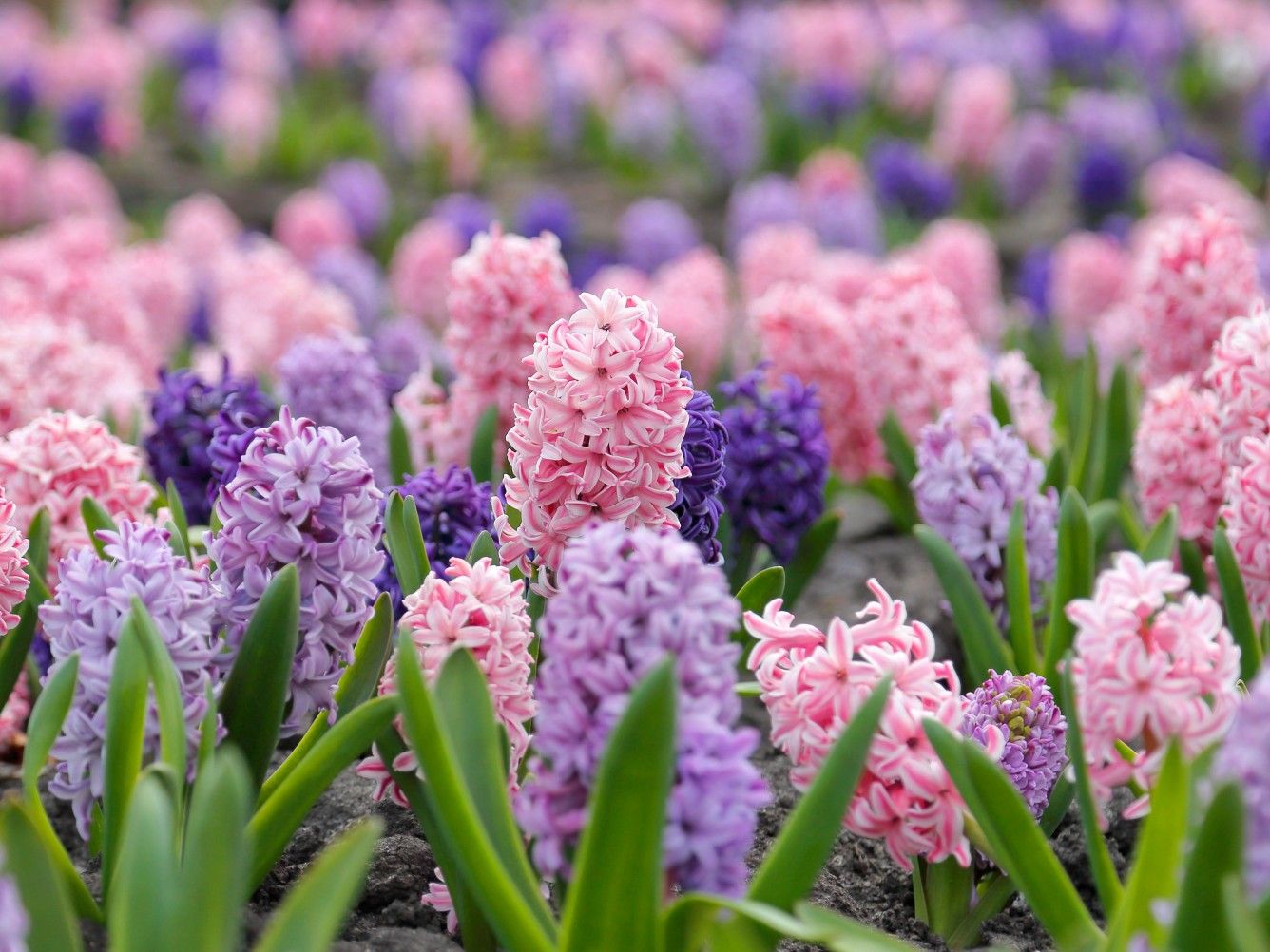
Hyacinthus orientalis sandy soil with sufficient sunlight and good drainage. When potting, choose a flower pot with a larger diameter so that the top of the bulb is slightly exposed to the soil surface. Water it moderately to keep the soil moist but not too wet to avoid water accumulation and root rot. After flowering, wait until the leaves naturally turn yellow before pruning so that the bulbs can store nutrients. It can be moved indoors or covered for protection in winter.
Advertisement
Plant Properties
-
- Toxicity
- The bulbs are slightly toxic
-
- Plant height
- 20~30 cm
-
- Plant type
- Perennial bulbous plant
-
- Flowering time
- Early spring (March~April)
-
- Flower shape
- The flowers are bell-shaped or trumpet-shaped
-
- Flower color
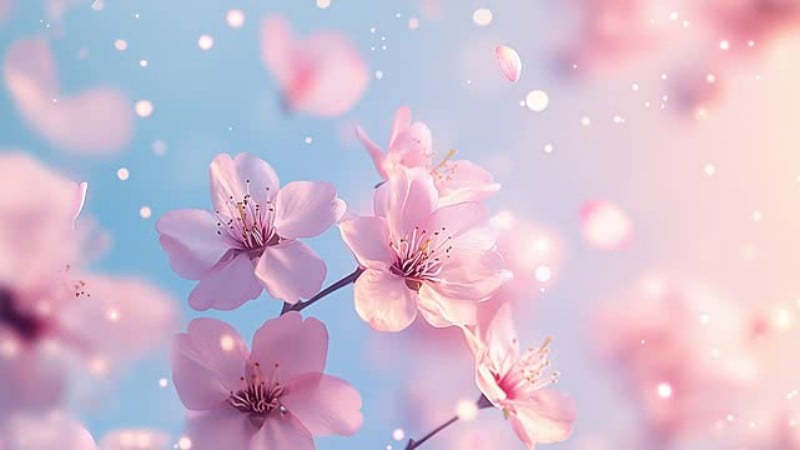
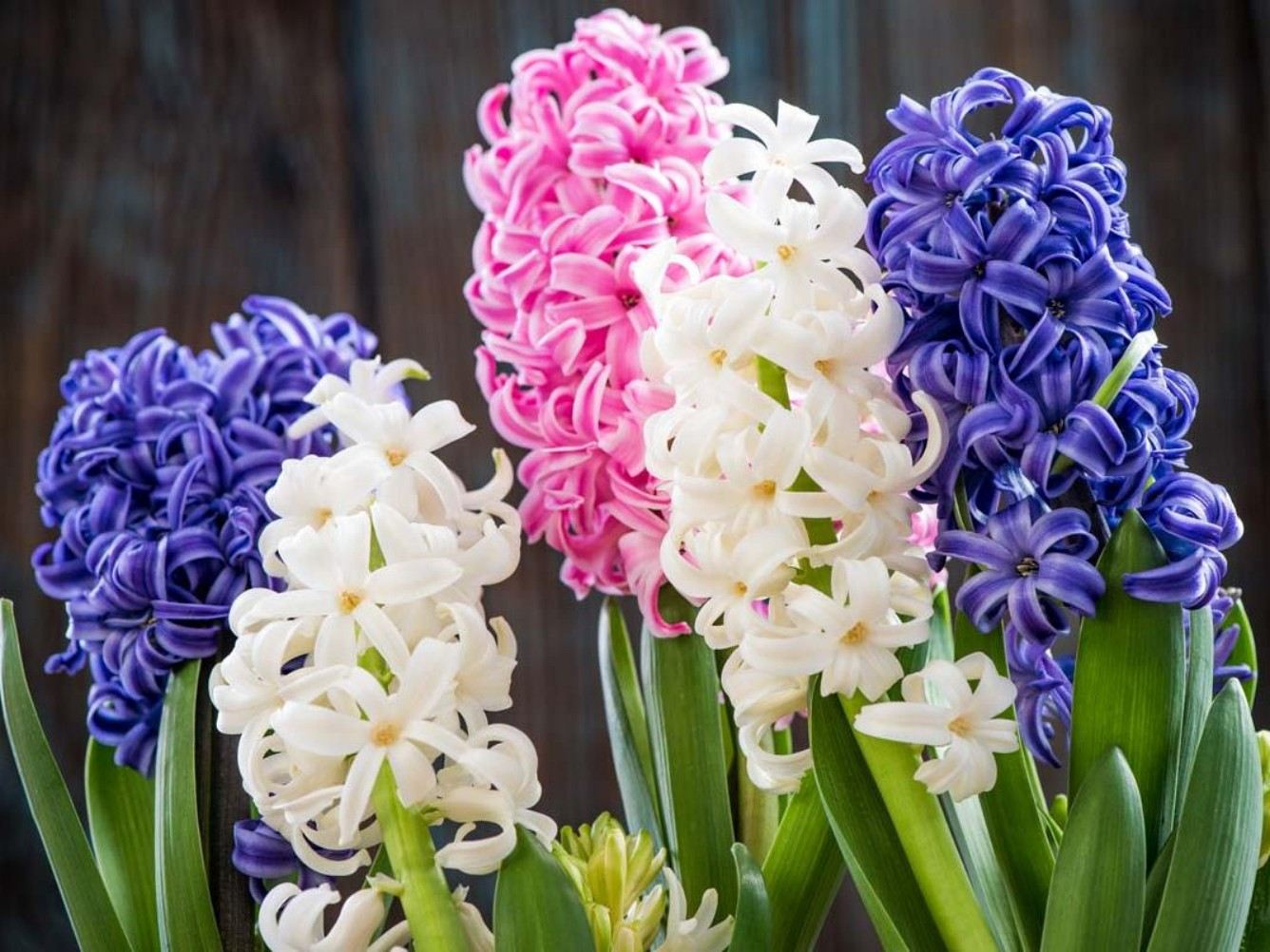
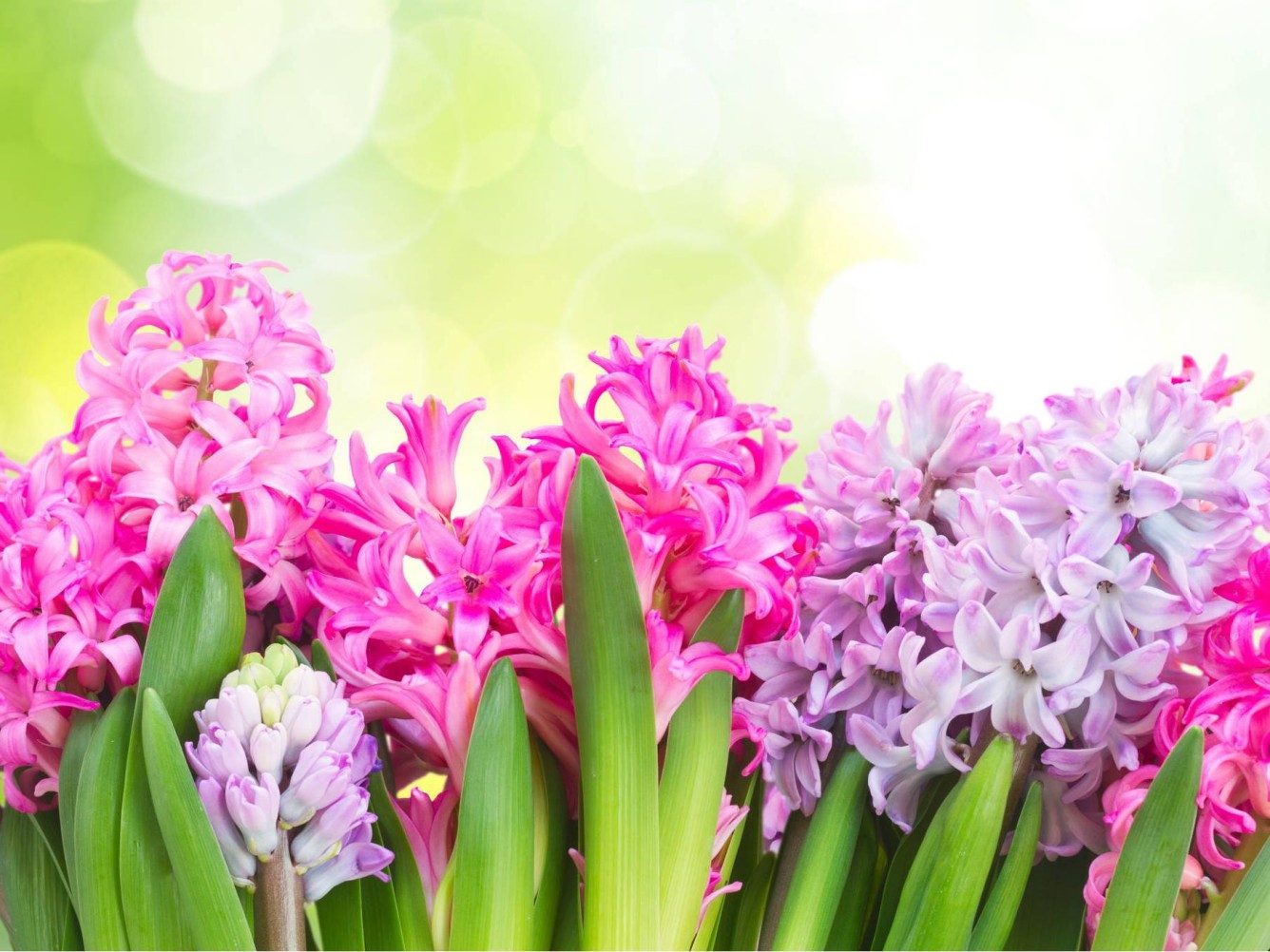
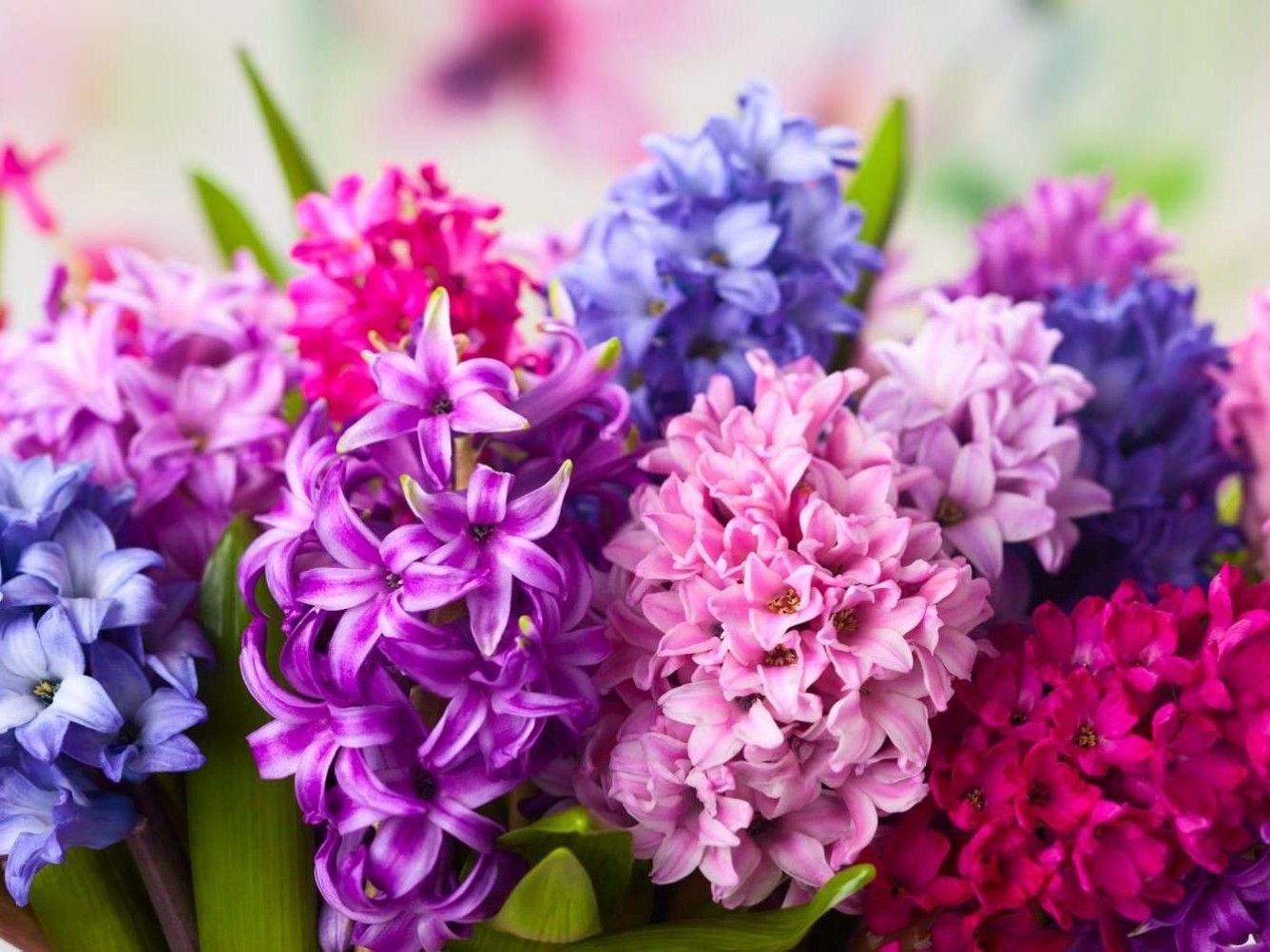
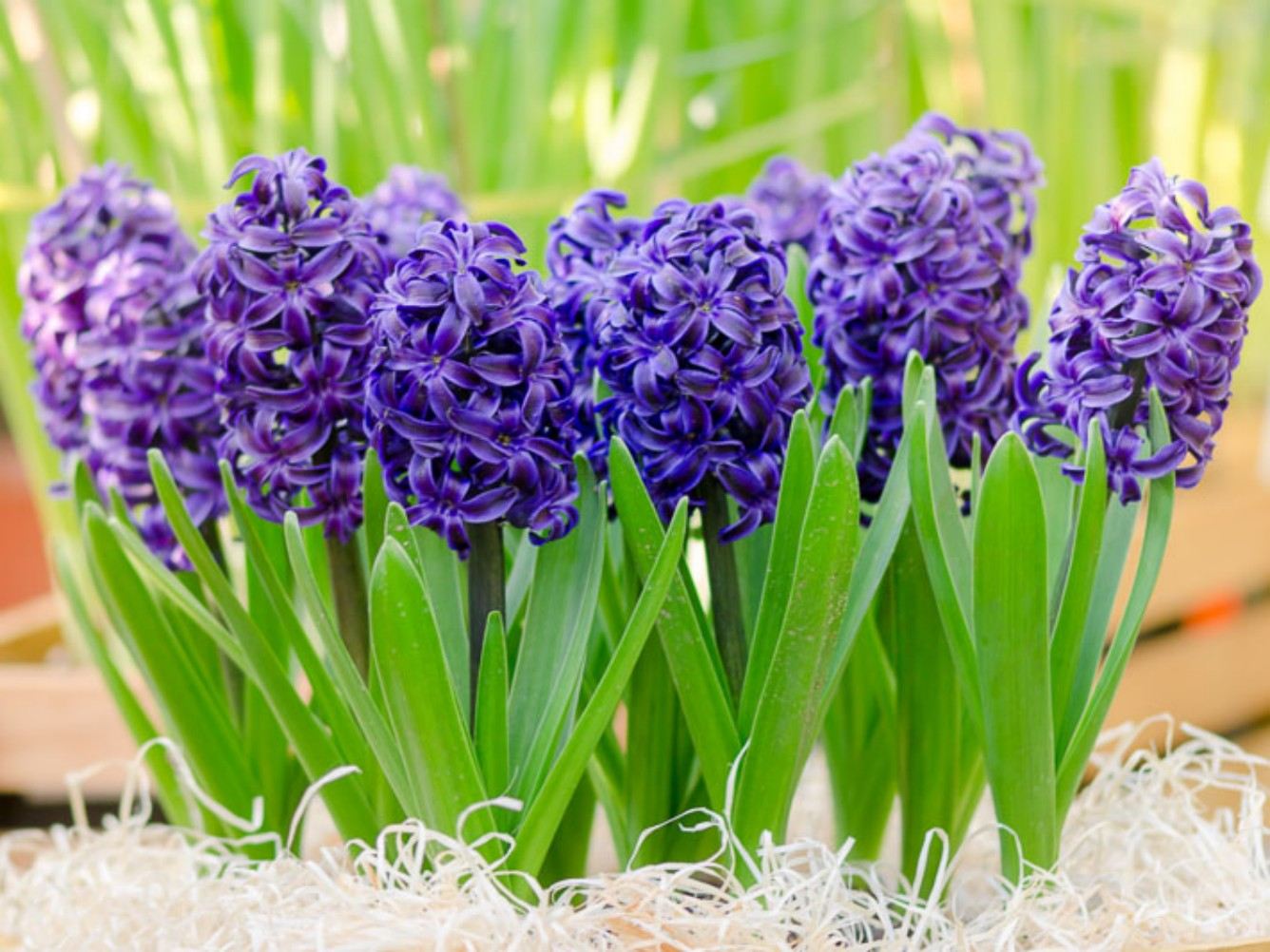
- White, pink, blue, purple, red and other colors
-
- Leaf characteristics
- Green and smooth, thick and juicy
Plant Care Requirements
-
Reproduction method
bulb propagation
-
Growth habit
likes sunny and cool and humid environment
-
Light requirements
likes full-sun or half-sun environment
-
Soil requirements
likes well-drained, organic-rich sandy loam, avoids waterlogging
-
Growth cycle
planted in autumn, dormant in winter, blooming in spring, withering in summer
-
Watering requirements
keep the soil moist during the growth period, but avoid waterlogging
Advertisement
Plant Care Guide
-
When is the best time to plant Hyacinthus orientalis?
Autumn September to NovemberHyacinth bulbs are generally planted from September to November in autumn. The temperature is moderate at this time, which helps the bulbs to take root and store energy, and they can bloom smoothly after the temperature rises in spring. Planting too early is easily affected by high temperature, and planting too late will affect rooting and flowering.
-
Why are the flower stems of Hyacinthus orientalis prone to lodging?
Insufficient light or excessive nitrogen fertilizerThe lodging of flower stems is mostly caused by insufficient light or excessive nitrogen fertilizer, which causes the flower stems to grow too long and cannot support the inflorescence. Solutions include increasing light, controlling the fertilization ratio, and using thin bamboo sticks or support frames to fix the flower stems to avoid bending and affecting the viewing effect.
-
What is the reason for the fading of Hyacinthus orientalis flowers?
Insufficient light, bulb degeneration or improper fertilizer ratioThe color of the flowers fades due to insufficient light, bulb degeneration or improper fertilizer ratio. The light time should be increased to avoid shading; choose healthy and high-quality bulbs, and appropriately supplement phosphorus and potassium fertilizers to improve the color brightness. Multi-year bulbs should be updated in time.
-
How to water Hyacinthus orientalis correctly?
Water 1-2 times a week during the growing seasonWatering should keep the soil slightly moist and avoid water accumulation. Appropriate watering in the early stage of planting promotes rooting, and watering 1-2 times a week during the growing season, and adjust the frequency according to the temperature. Avoid the top of the bulb when watering to prevent moisture from stagnating and causing rot. Gradually reduce watering after the flowers fade.
-
How to hydroponically cultivate Hyacinthus orientalis?
Use a special glass bottleHydroponically cultivate Hyacinthus orientalis in a special glass bottle. The mouth of the bottle holds the bulb, and the bottom is about 0.5-1 cm away from the water surface, not in direct contact. Place it in a cool place to promote rooting in the early stage, and move it to a place with light after the roots grow out. Change the water every week to keep the water clean and avoid rot.
-
Which is better for hydroponics or soil cultivation of Hyacinthus orientalis?
Each has its own advantages and disadvantagesEach has its own advantages and disadvantages. Hydroponics is highly ornamental, clean and beautiful, and suitable for indoor placement, but after flowering, the bulbs are exhausted and need to be eliminated. Soil cultivation grows more naturally, and the bulbs can be used for many years. If you want to reopen it, it is recommended to choose soil cultivation for maintenance.
Advertisement
Frequently Asked Questions
-
1 Is Hyacinthus orientalis suitable for indoor or outdoor planting?
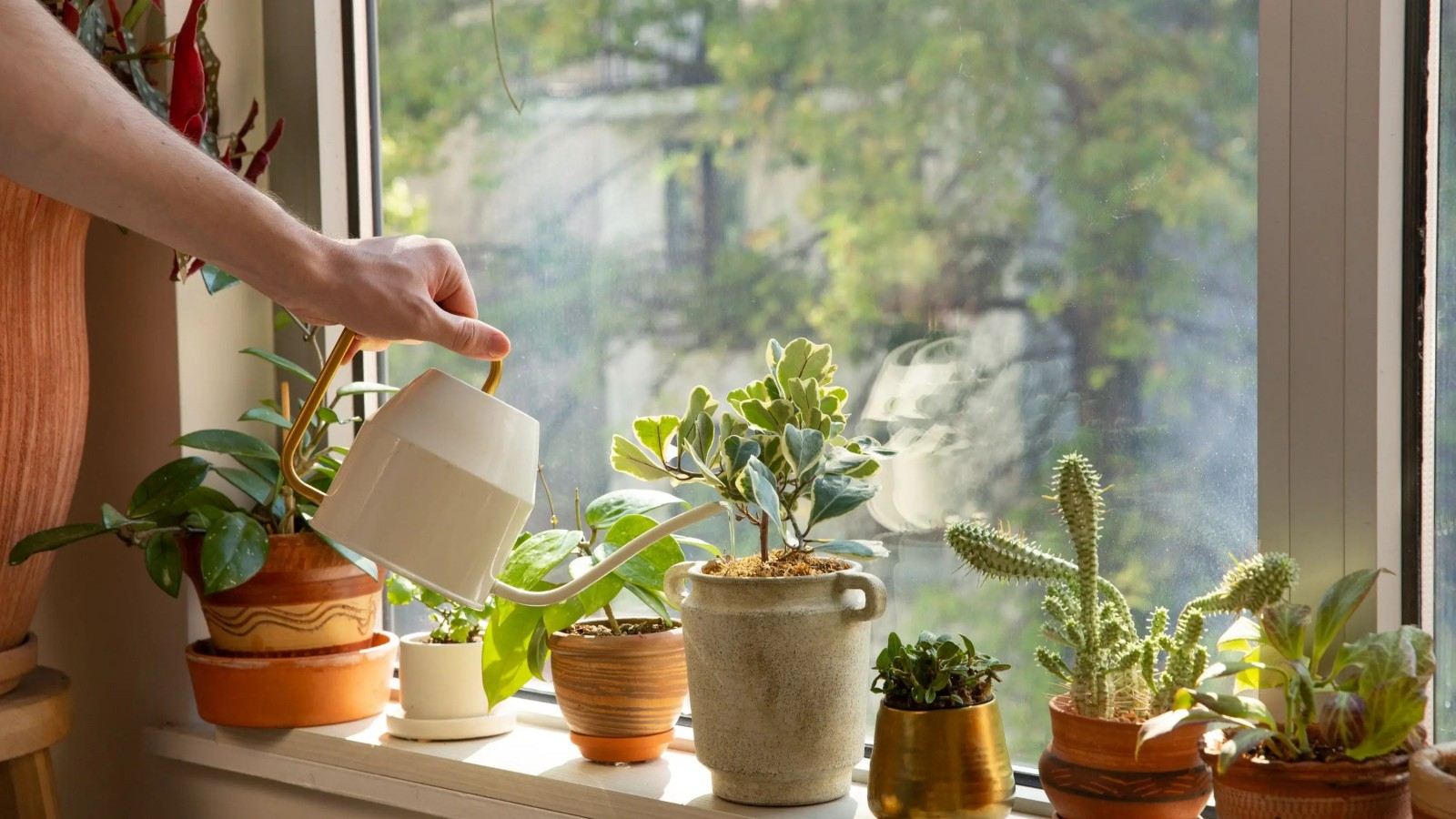
Hyacinthus orientalis can be planted indoors or outdoors. Outdoors are suitable for flower beds or courtyards with good ventilation and lighting; indoors are suitable for balconies and windowsills, and it is necessary to ensure sufficient lighting and good ventilation. Hydroponic hyacinths are especially suitable for indoor viewing, fresh and beautiful.
-
2 Can Hyacinthus orientalis be grown in water for several years?
Hydroponic Hyacinthus orientalis can usually only be grown in water for one flowering period. After flowering, the bulbs are difficult to continue using due to exhaustion of nutrients. Although you can try to switch to soil cultivation for recovery, the success rate is low. If you want to bloom for many years in a row, it is recommended to use soil cultivation and replace the bulbs regularly.
-
3 Will the fragrance of Hyacinthus orientalis cause allergies?
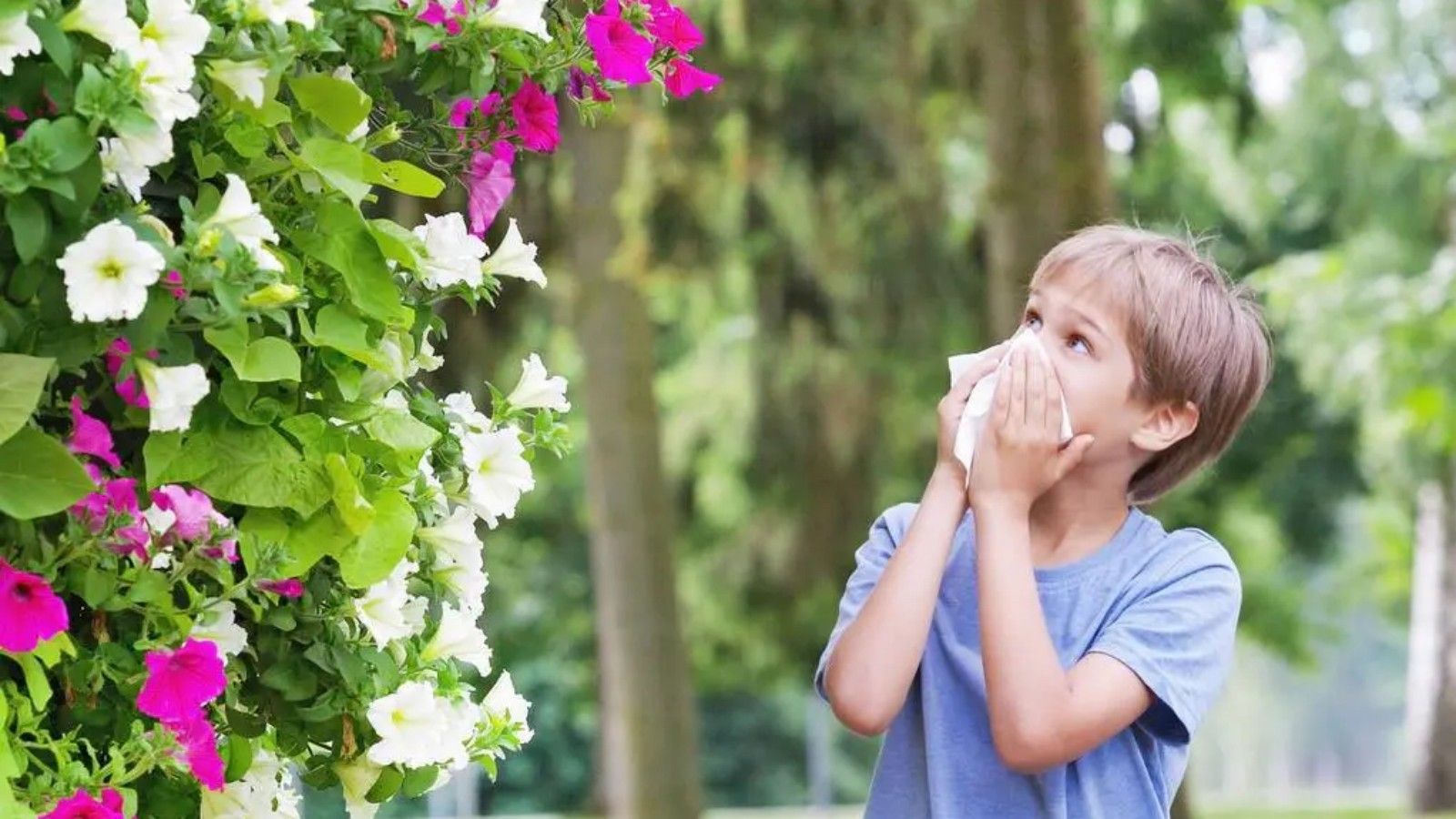
The fragrance of Hyacinthus orientalis is strong, which may cause allergic reactions in some people, such as dizziness, sneezing or nasal congestion. Especially for those who are allergic to pollen, close contact should be avoided. Cultivating in a well-ventilated space will help reduce the impact.
-
4 Is Hyacinthus orientalis suitable for indoor or outdoor planting?
Hyacinthus orientalis can be grown both indoors and outdoors. Outdoors, it is suitable for flower beds or courtyards with good ventilation and light; indoors, it is suitable for balconies and windowsills, and it is necessary to ensure sufficient light and good ventilation. Hydroponic Hyacinthus orientalis is especially suitable for indoor viewing, fresh and beautiful.
Advertisement
Introduction
Hyacinthus orientalis is a bulbous flower of the genus Hyacinthus in the Liliaceae family. It is native to the Mediterranean region and is known for its bright colors and rich fragrance. It blooms every spring and is known as the "messenger of spring". It symbolizes rebirth, joy and hope and is deeply loved by gardening enthusiasts.
Popular Plant Encyclopedia
-
-
Poisonous and danger
- Rhus typhina
-
-
-
Edible and medicinal
- Common sunflower
-
-
-
Poisonous and danger
- Plumeria rubra
-
-
-
Wild and common weed
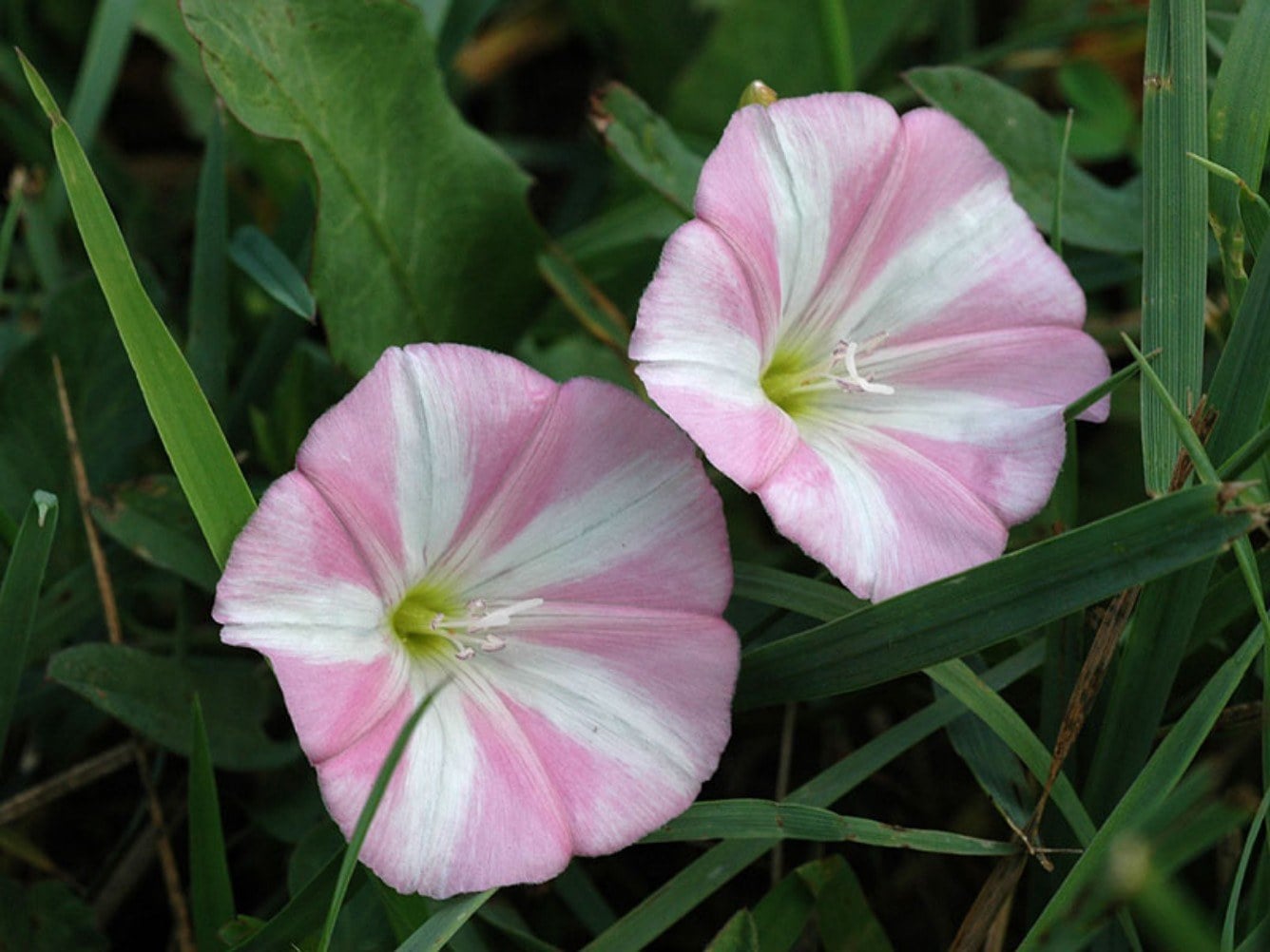
- Convolvulus arvensis
-
-
-
Edible and medicinal
- Perilla frutescens
-
-
-
Edible and medicinal
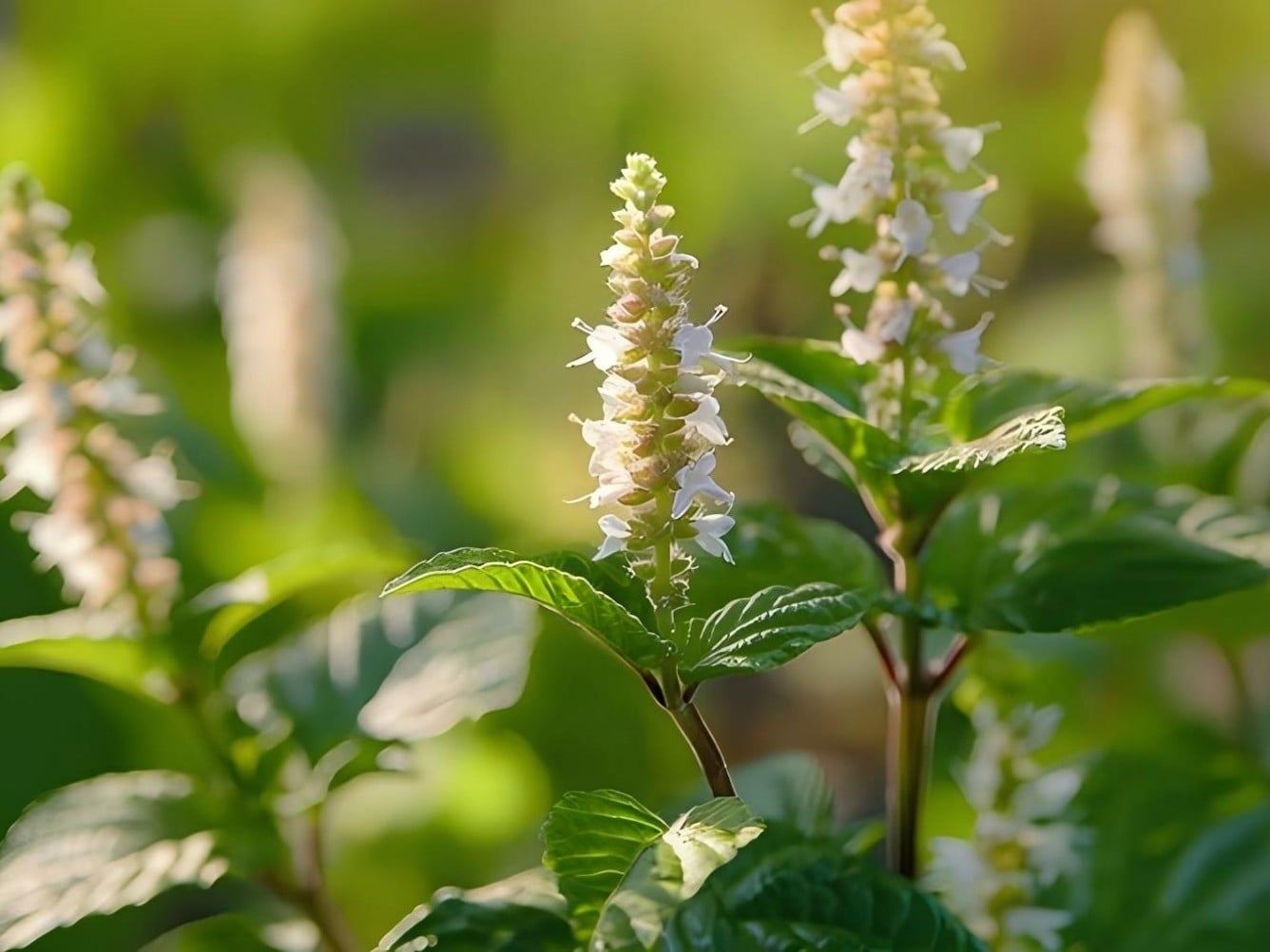
- Pogostemon cablin
-
-
-
Edible and medicinal
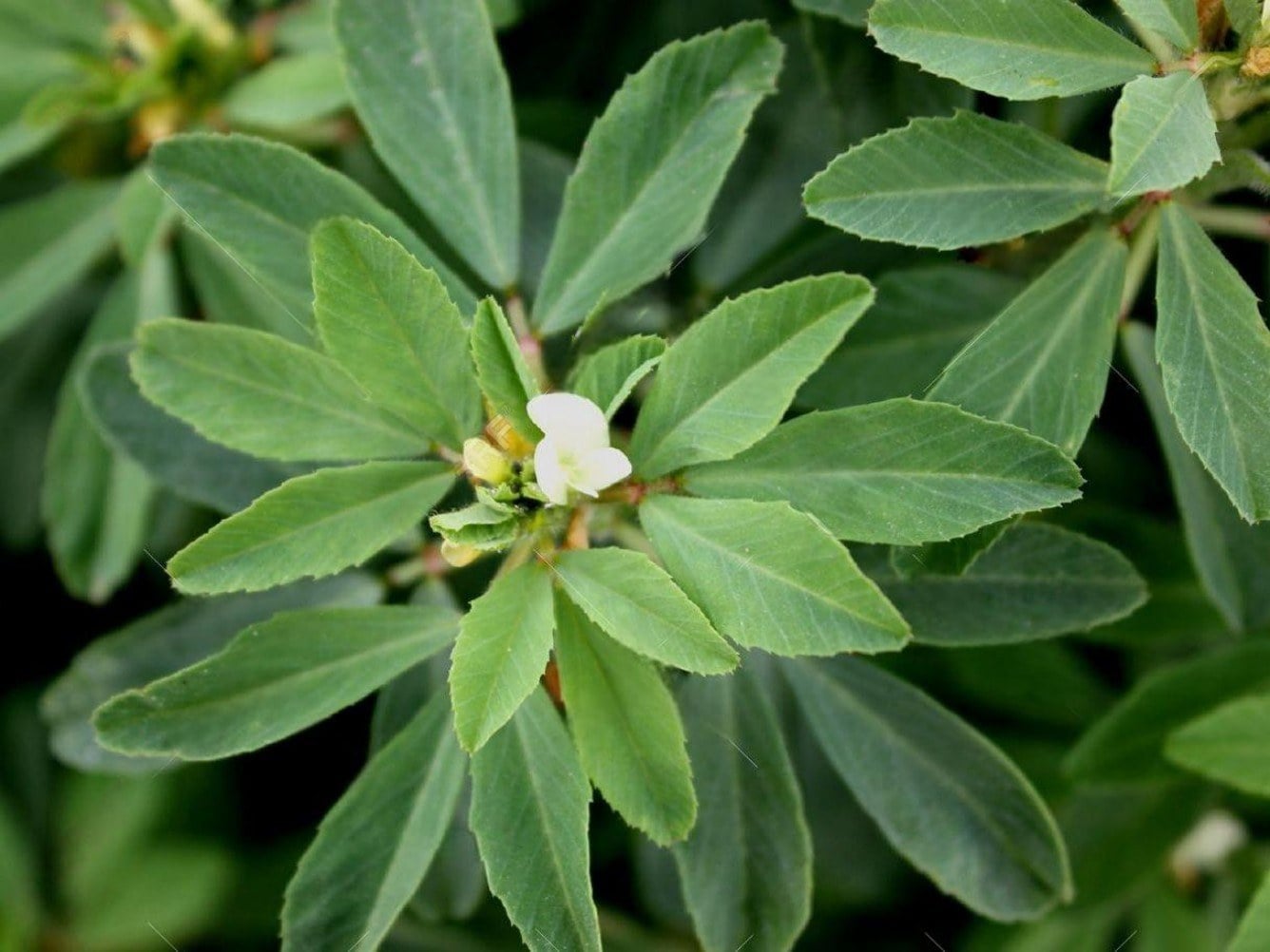
- Common fenugreek
-
-
-
Edible and medicinal
- Garden Thyme
-
 Poisonous and danger
 Edible and medicinal
 Wild and common weed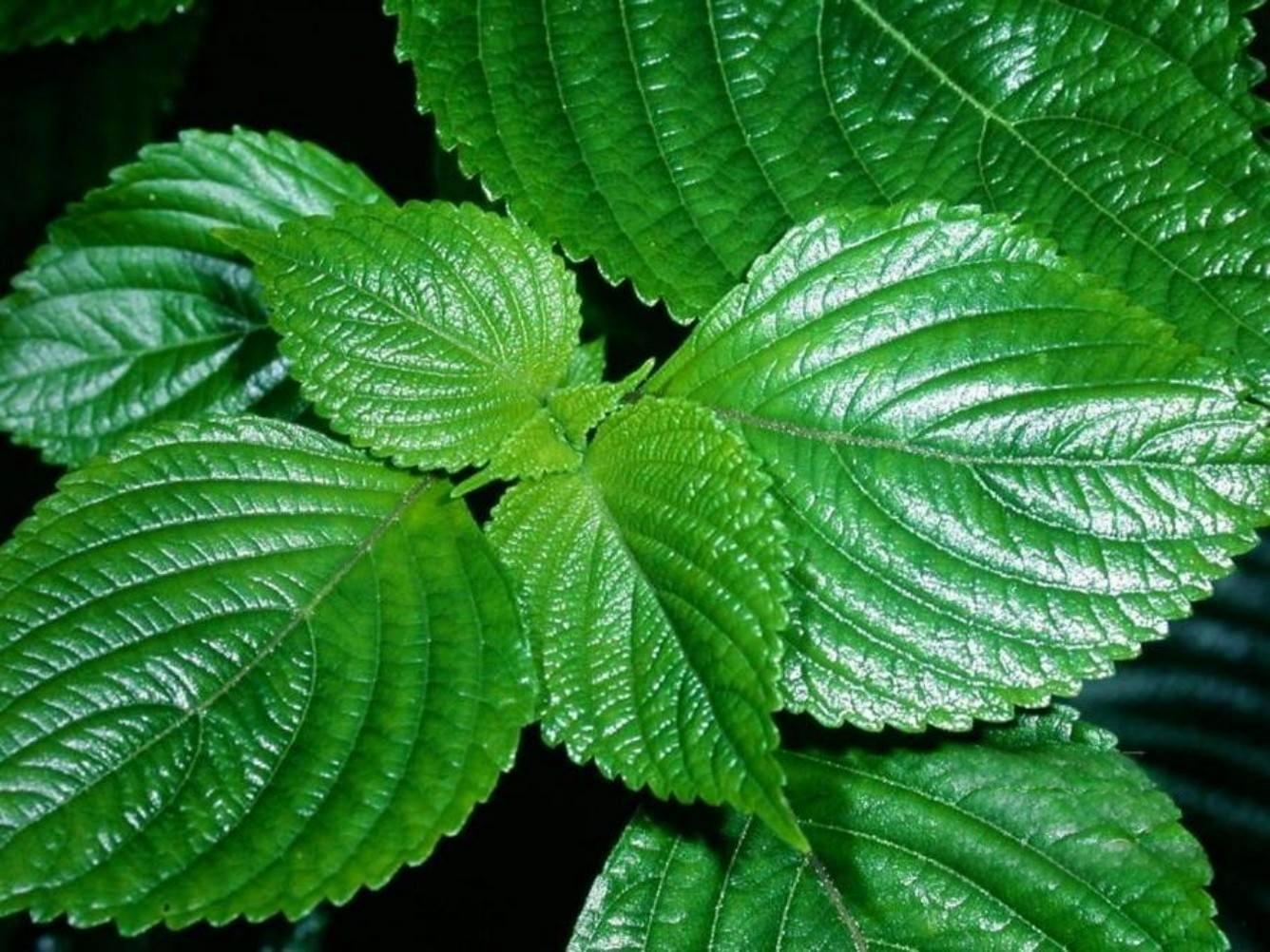
Advertisement