Hydrangea
-
 Ornamental and lands
 - Also known as: eight fairy flowers, grass hydrangea, purple sun flower, hydrangea
 Ornamental and lands
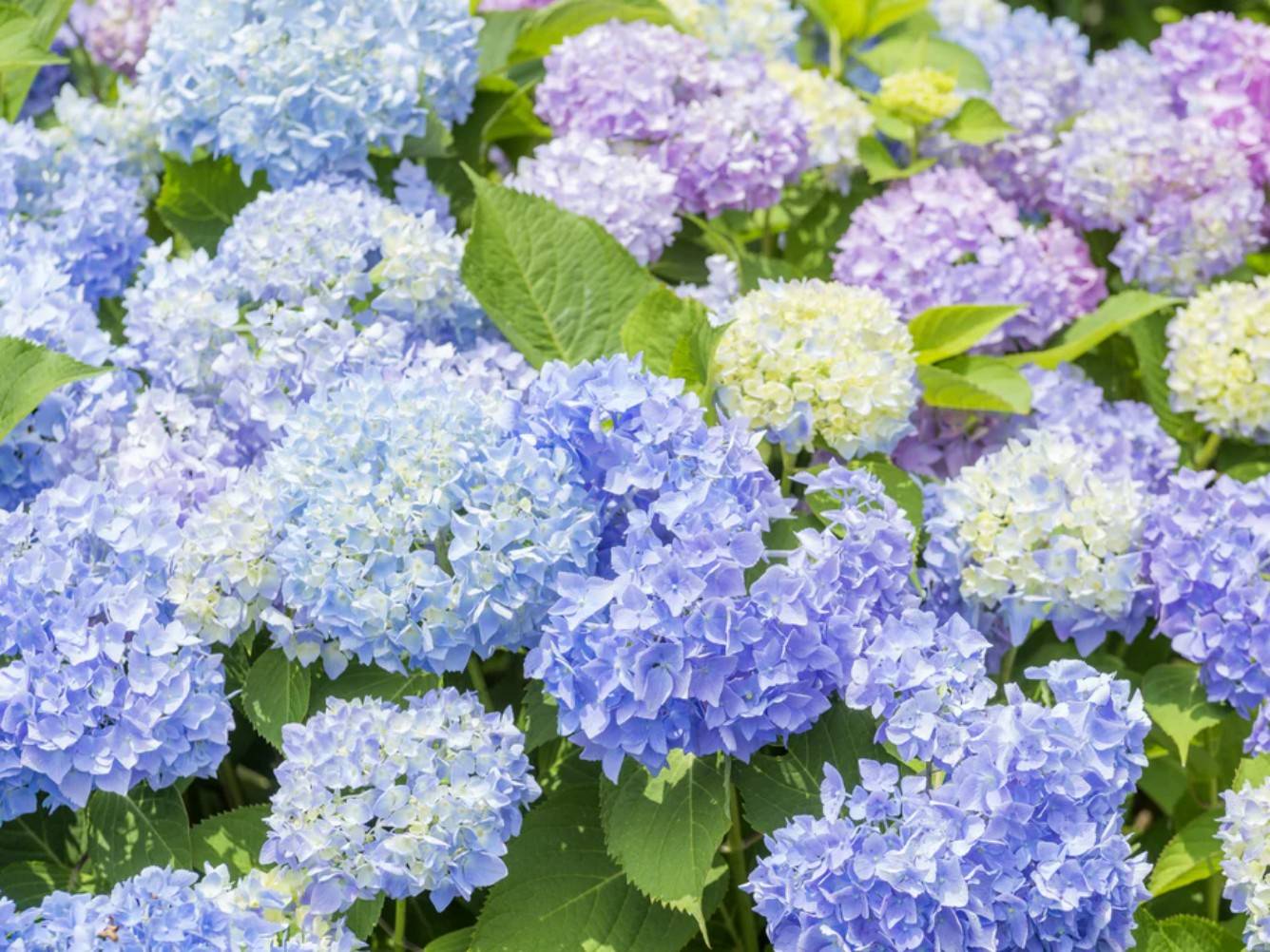
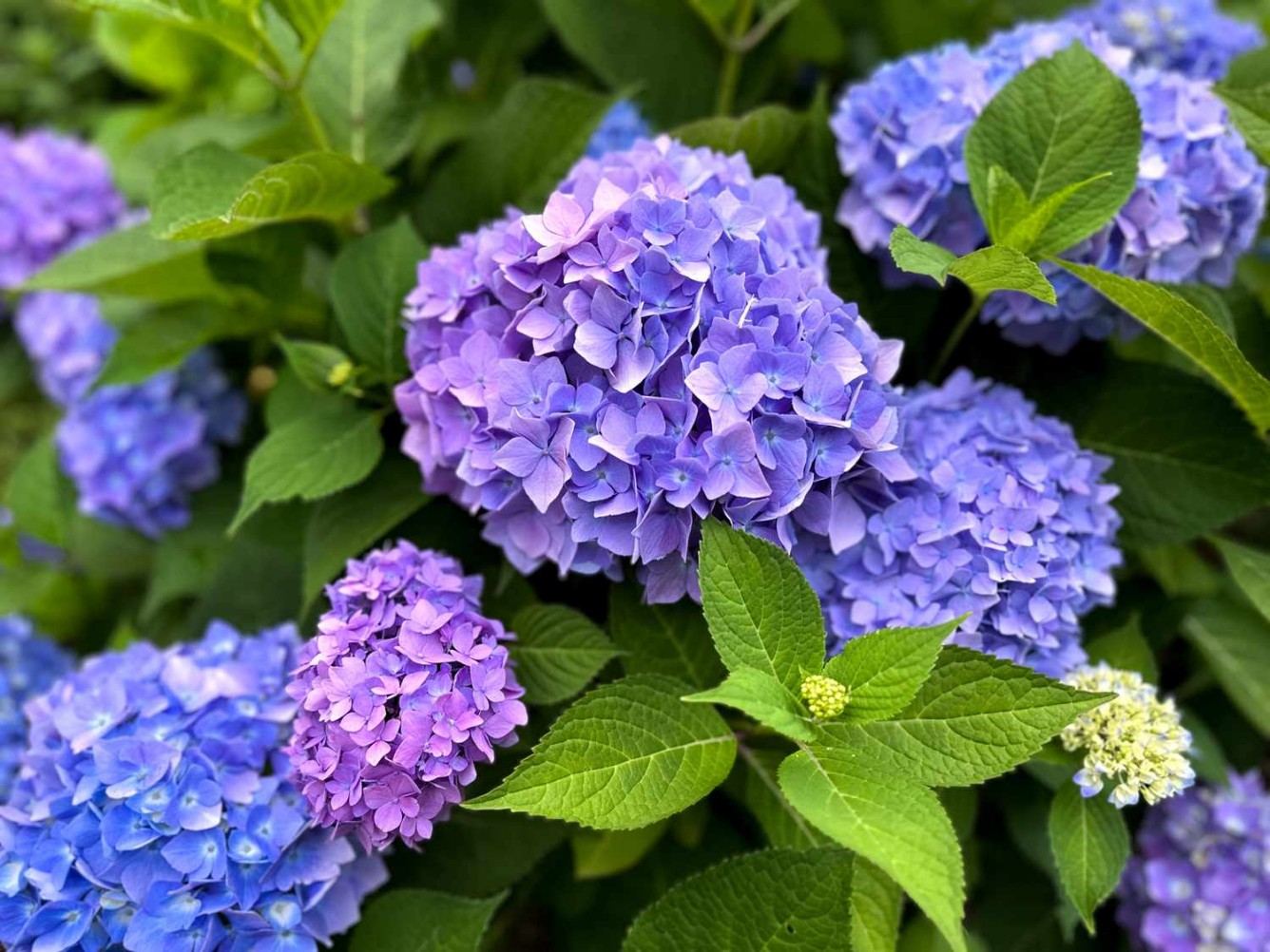
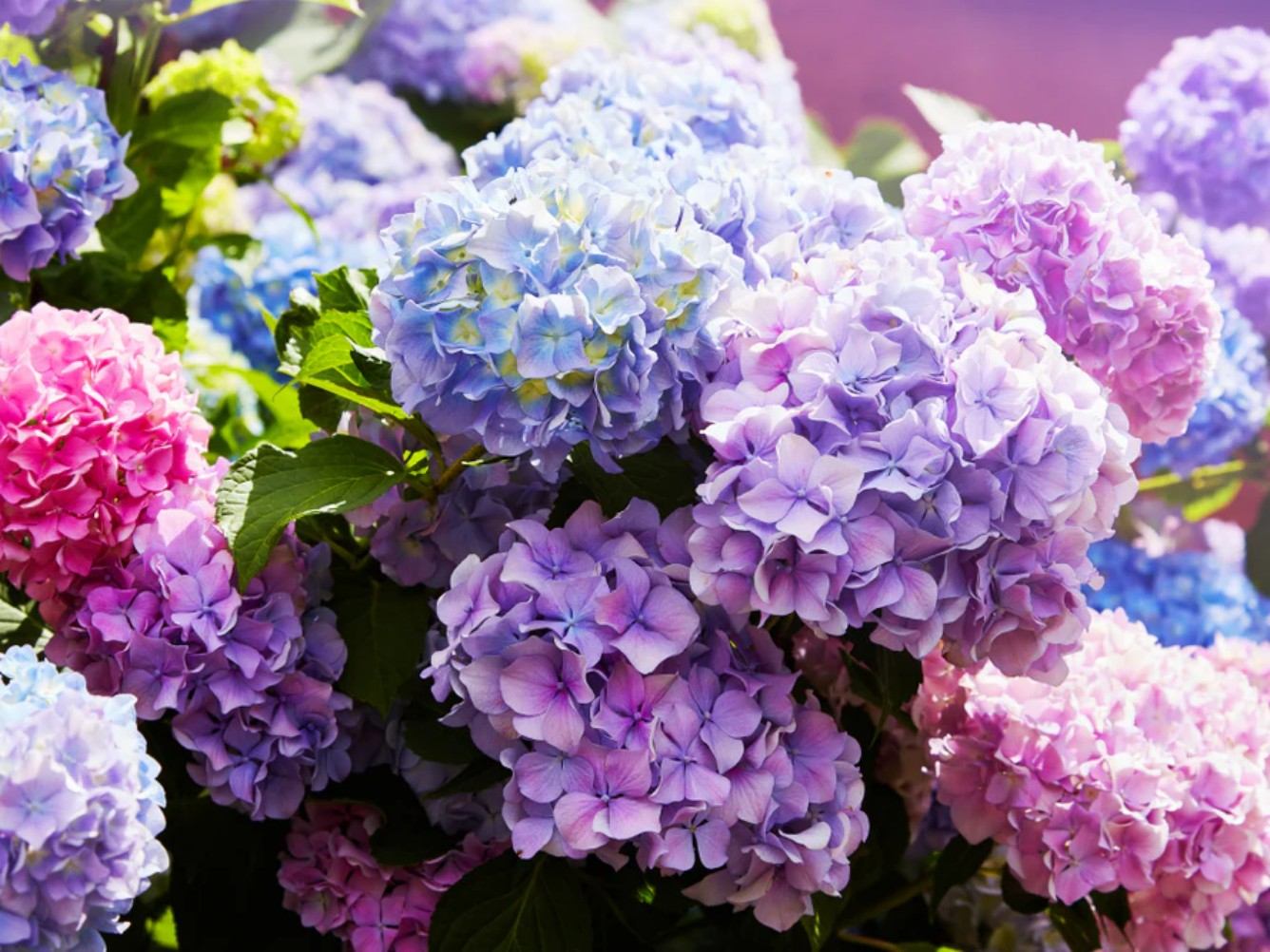
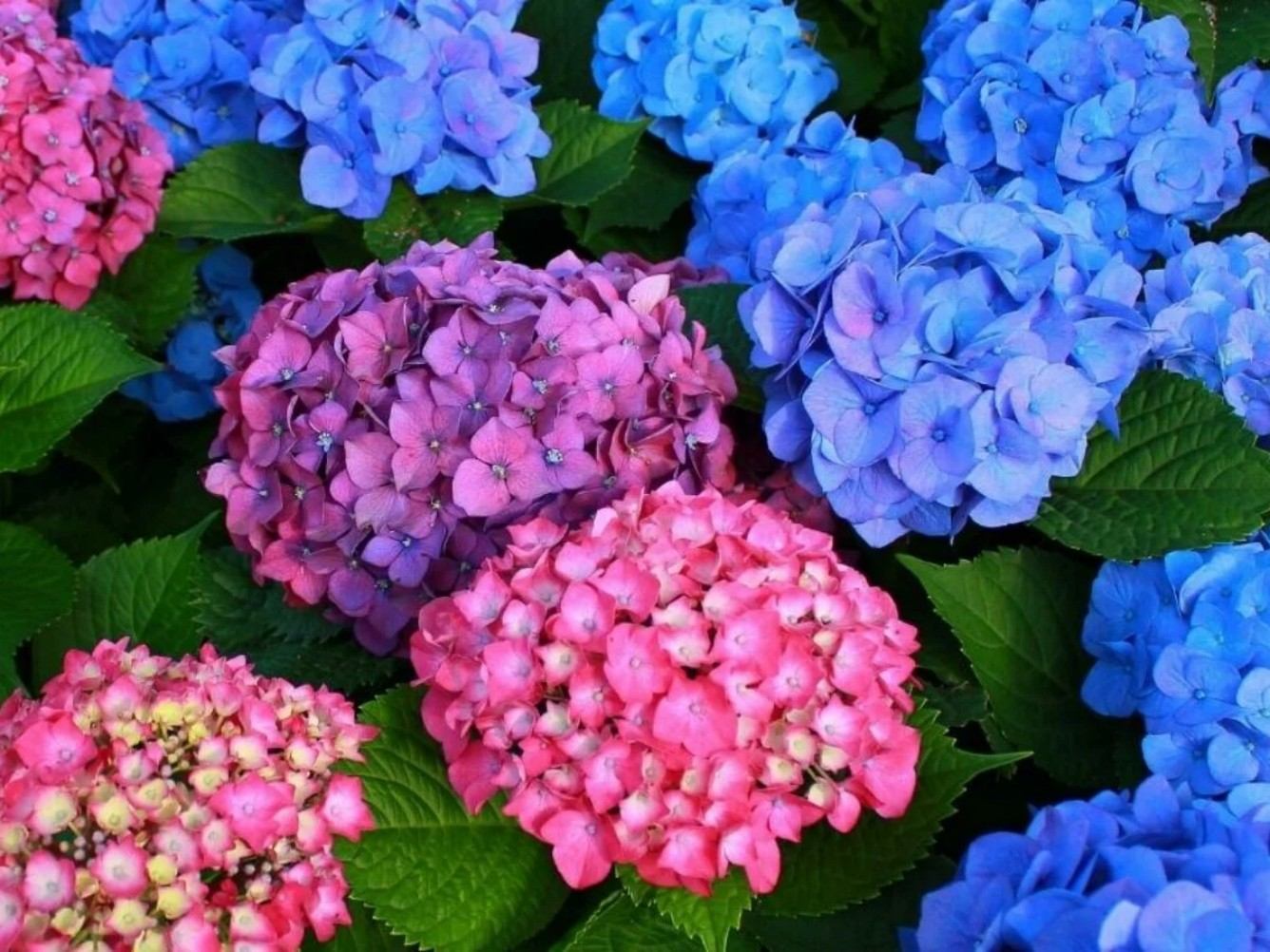
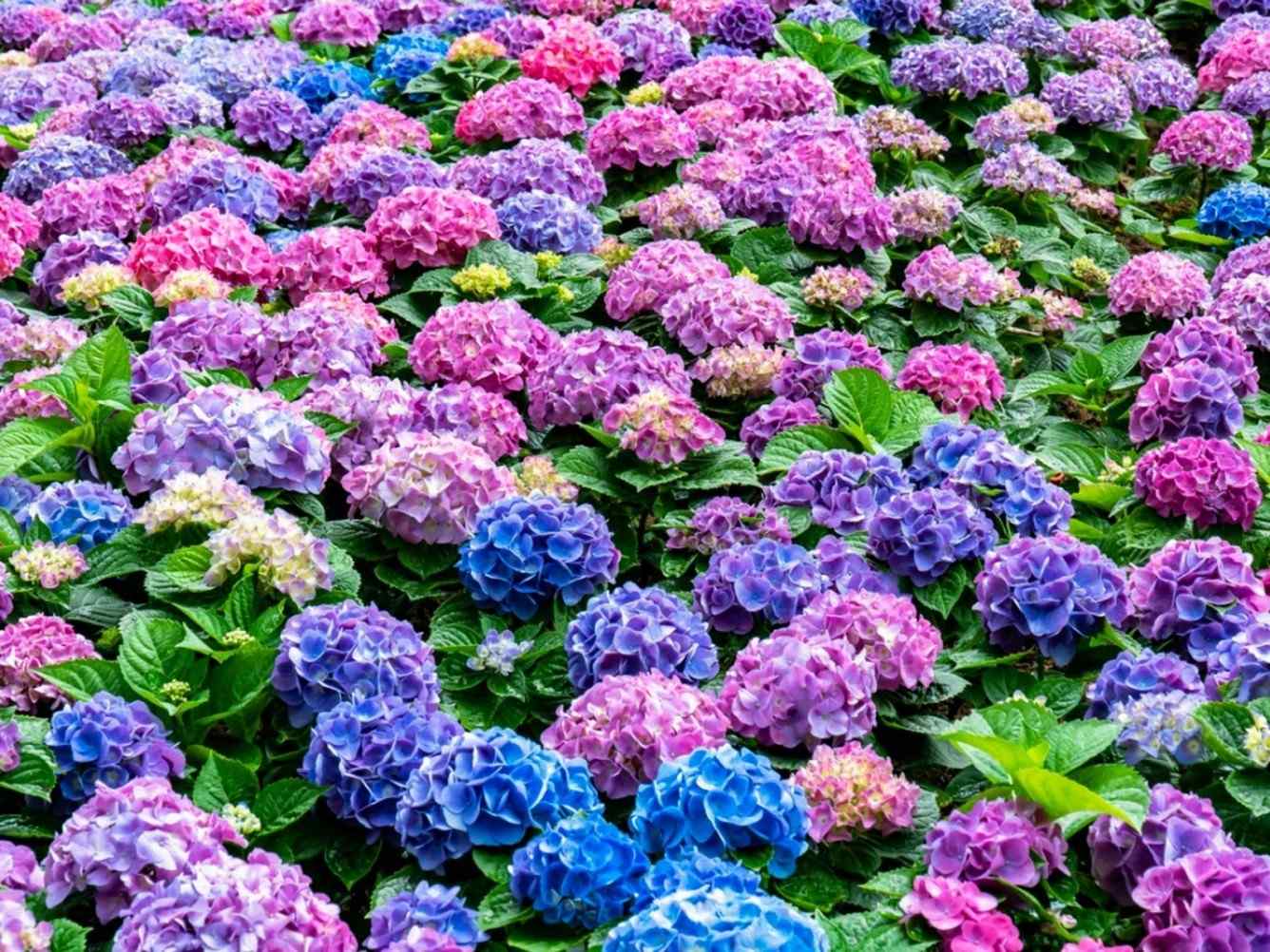
Nursing Skills
Hydrangea prefers a warm, moist and semi-shady environment, avoiding strong direct sunlight. Keep the soil moist but avoid stagnant water, and fertilize moderately during the flowering period to promote bright colors. Pruning should be carried out after the flower, to help the next years new branches sprouting. In winter, pay attention to the cold, potted plants need to be moved indoors
Advertisement
Plant Properties
-
- Plant Type
- Deciduous Shrub
-
- Plant Family
- Saxifrage Hydrangea
-
- Plant Height
- 1~3 meters
-
- Plant Lifespan
- Perennial
-
- Growth rate
- moderately fast
-
- Flower type
- globular or umbrella-like inflorescence
-
- Flowering period
- summer to early fall (June to September)
-
- Flower color
- pink, blue, purple, white, etc
Plant Care Requirements
-
Care difficulty
medium
-
Cold hardiness
3~9 range
-
Heat Resistance
25℃~30℃
-
Soil requirements
loose, moist, acidic soil
-
Potting soil change requirement
once every 2-3 years
-
Watering needs
2-3 times per week
-
sunlight requirements
semi-daylight, avoid strong direct sunlight
Advertisement
Plant Care Guide
-
How to make hydrangea flowers more colorful?
Adjust the pH of the soilThe color of hydrangeas is closely related to the pH of the soil. In acidic soil, aluminum ions can be absorbed by the plant and promote the formation of blue flowers, so the flowers are usually blue when the soil pH is between 5.5 and 6.5. In alkaline soils, the uptake of aluminum ions is inhibited and the flowers tend to be pink. By adjusting the pH of the soil, you can easily change the color of the flowers to create the desired ornamental effect.
-
Can hydrangeas be grown indoors?
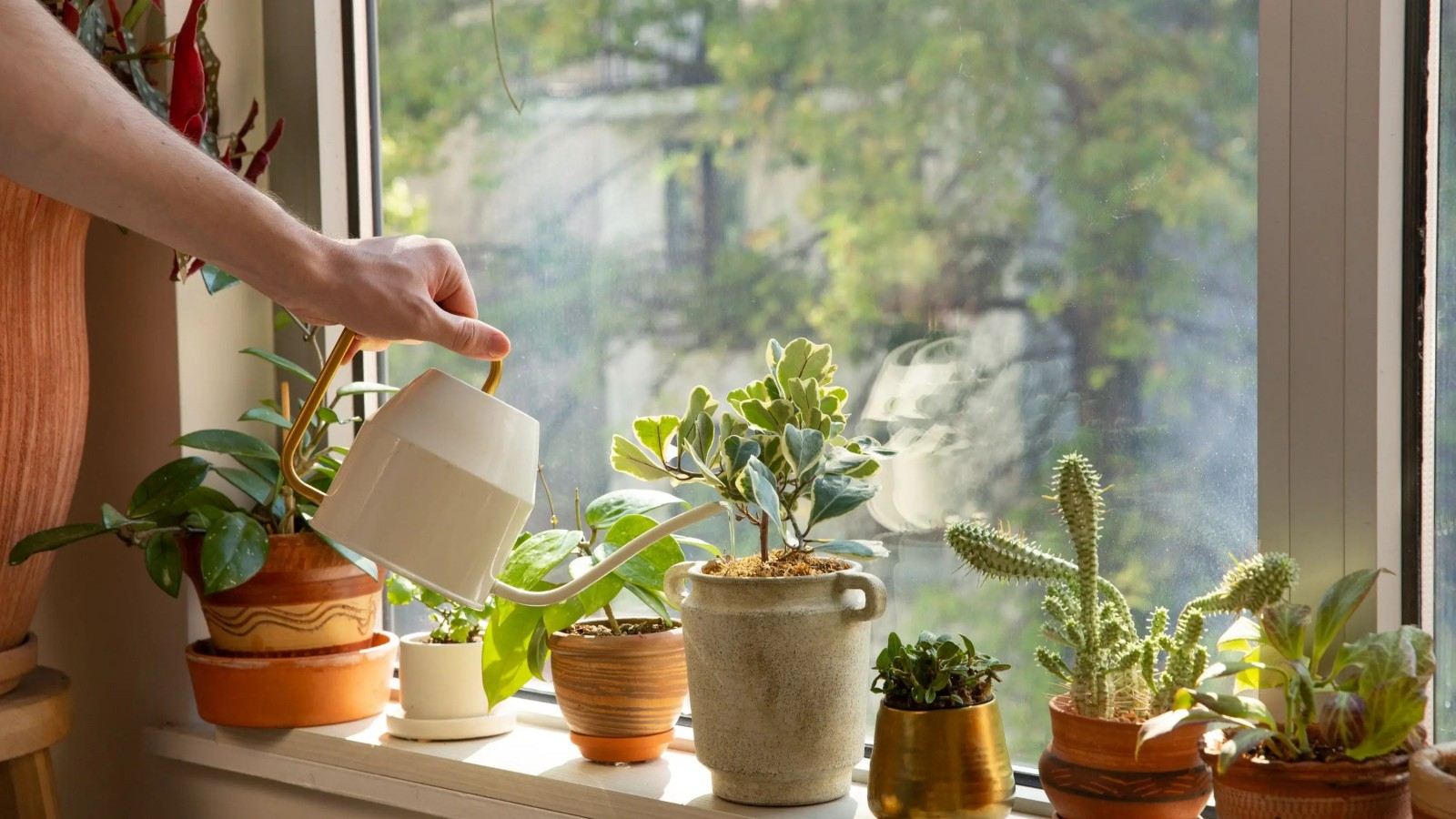
They can be grown indoors in a sunny locationHydrangeas can be grown indoors, but they need plenty of natural light to thrive. Placing it on a sunny windowsill or near a light source will ensure its healthy development. However, avoid placing your hydrangea in an area that is too dry or too warm, as these conditions can cause the leaves to wilt or growth to stagnate. Maintaining the right humidity and temperature will help it grow and bloom better.
-
Is it possible to grow hydrangea in sandy soil?
Choose a soil rich in organic matter (pH 5.5 to 6.5)Hydrangeas are not suitable for growing in sandy soil as it has poor moisture retention capacity, which tends to dry out the roots of the plant and affects its normal growth. In order to provide a more suitable growing environment, it is best to choose a soil rich in organic matter, which not only retains moisture better but also provides enough nutrients. It is also important that the soil is well drained; good drainage prevents water from accumulating on the roots, thus reducing the risk of disease.
-
What should I do if my hydrangea's leaves are spotted?
Prune and destroy the infected immediatelyIf your hydrangea has spots or dead leaves, it may be caused by a fungal infection or overwatering. As soon as you notice diseased leaves, prune and destroy the infected portion to prevent the spread of the disease. In addition, reduce the risk of fungal infection by watering less frequently and ensuring that the soil is well drained to avoid water stagnation at the roots. Inspecting your plants regularly and taking prompt action will help maintain healthy growth.
-
What is the best way to propagate hydrangeas?
Cuttings, dividing and pressingHydrangea propagation methods include cuttings and division. Spring is the best time to take cuttings as the plant is in its peak growing season. Choose a healthy mother plant, cut shoots that are free of pests and diseases, prune them into segments about 10 centimeters long and insert them into moist soil. Keeping the soil moist and providing moderate light to the plugs will help improve rooting success. In addition, division is also an effective propagation method for perennial hydrangeas.
-
How do I care for my hydrangea while it is blooming?
Reduce the frequency of watering and fertilizingDuring the blooming period of hydrangeas, special attention needs to be paid to water management, keeping the soil slightly moist but not waterlogged to prevent root rot. Also avoid applying too much fertilizer, especially nitrogen fertilizer, as this can lead to crazy branch growth and affect flowering. Timely pruning and removal of wilted flowers not only concentrates nutrients to supply new flower growth, but also prevents the growth of diseases and helps to maintain the overall health of the plant.
Advertisement
Frequently Asked Questions
-
1 Why do hydrangeas have smaller or thinner flowers?
Hydrangea flower size is usually caused by a lack of nutrient supply or a long period of time without pruning old branches. Old branches grow slowly and new branches are scarce, which affects the number of blooms and flower size. In order to restore the fullness of the flowers, you should regularly prune off the aging branches and promote the growth of new branches. In addition, proper fertilization can provide sufficient nutrients for the plant, especially applying fertilizers containing phosphorus and potassium before the blooming season, which can help to promote the development of flower buds and enhance the size and quality of the flowers.
-
2 Can hydrangeas be watered with rainwater? What are the precautions?
Hydrangeas can be watered with rainwater, but you need to pay attention to the quality of the rainwater. When using rainwater directly, it is best to make sure it is clean and free of pollutants and impurities. This is because rainwater is acidic, which is suitable for the acidic soil preferred by hydrangeas, and can help the plant grow, but too much rainwater buildup can easily lead to root rot. Therefore, you should ensure good drainage to avoid water stagnation in the pot or soil.
-
3 What are the ornamental differences between different varieties of hydrangeas?
Different varieties of hydrangeas show a wide variety of ornamental characteristics in flower color, flower type and plant size. Some have large, rounded flower bulbs like snowballs, which are visually striking; others are lace-edged, with delicate and elegant edges, layered like satin. Flower color variations, from pink and soft to intense deep blue, to dreamy purple and white flawless, can be planted uniformly to create the atmosphere, but also can be mixed and matched to form a colorful garden effect, very horticultural charm.
Advertisement
Introduction
Hydrangea is a deciduous shrub native to East Asia and the Americas, named for its huge inflorescences and clusters of brilliantly varied flowers, each in a mesmerizing color.Hydrangea is full of flowers in full bloom, a colorful hydrangea ball, hence the name. Hydrangeas broad green leaves, and the large flower ball, whether it is planted in the garden or potted ornamental, can add a soft and vitality to the environment. In the breeze, the flower ball gently swaying, more delicate and attractive.
Popular Plant Encyclopedia
-
-
Poisonous and danger
- Rhus typhina
-
-
-
Edible and medicinal
- Common sunflower
-
-
-
Poisonous and danger
- Plumeria rubra
-
-
-
Wild and common weed
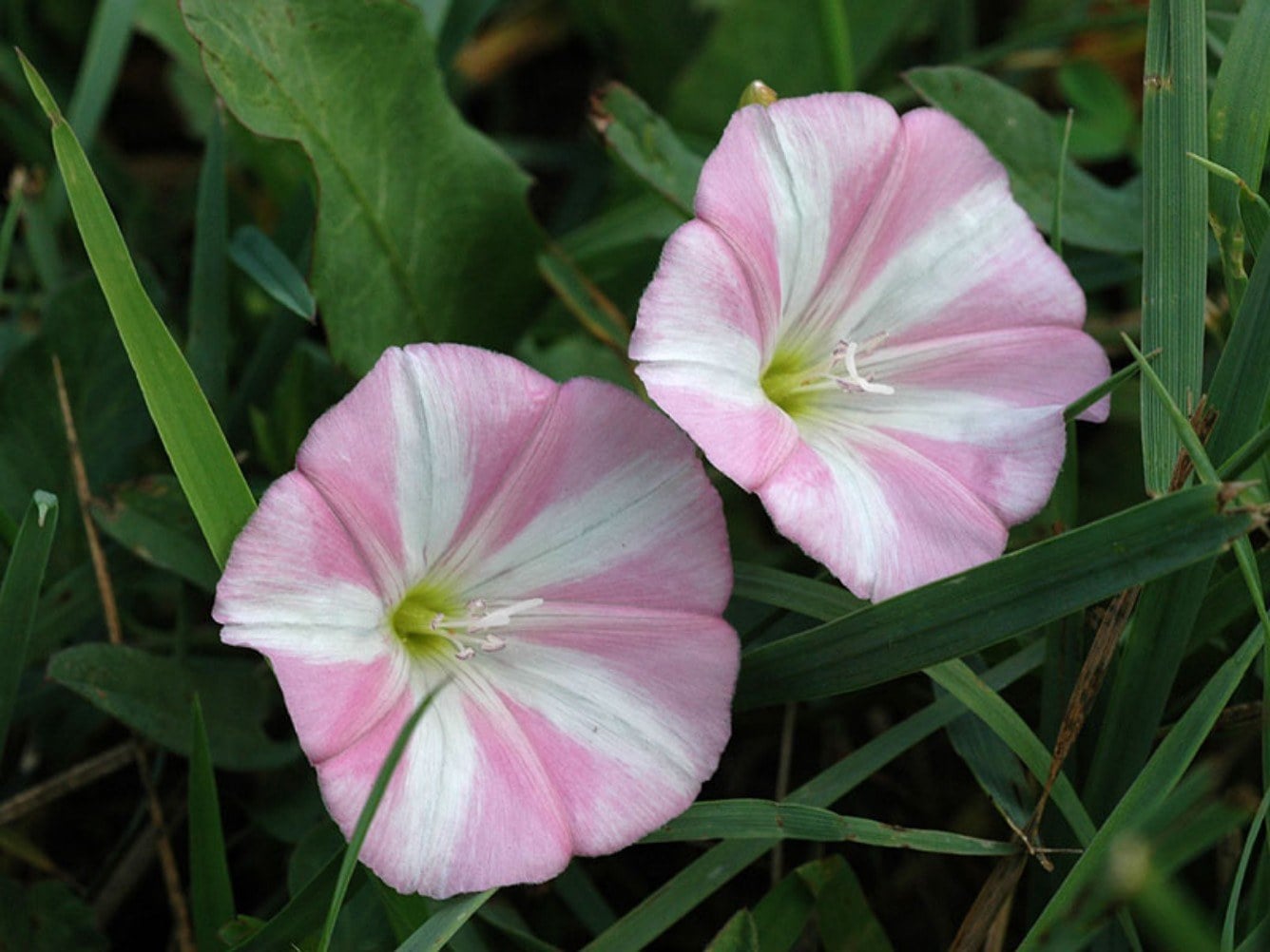
- Convolvulus arvensis
-
-
-
Edible and medicinal
- Perilla frutescens
-
-
-
Edible and medicinal
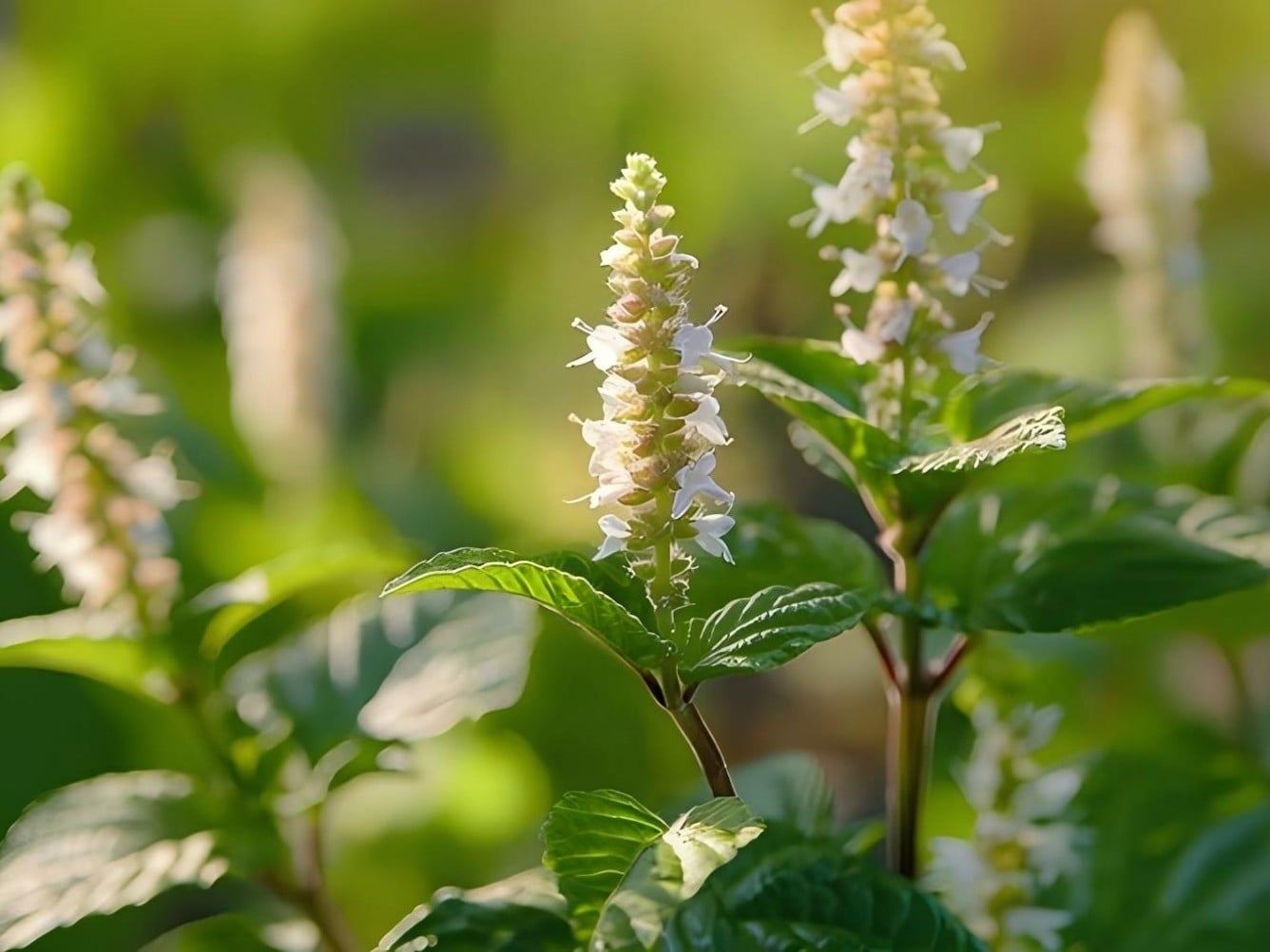
- Pogostemon cablin
-
-
-
Edible and medicinal
- Common fenugreek
-
-
-
Edible and medicinal
- Garden Thyme
-
 Poisonous and danger
 Edible and medicinal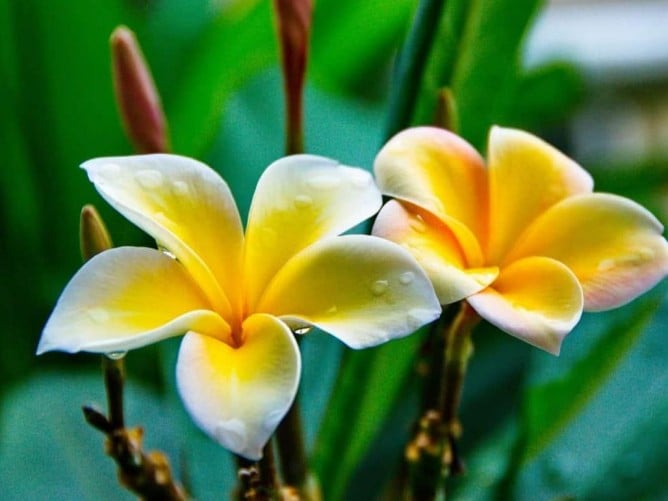
 Wild and common weed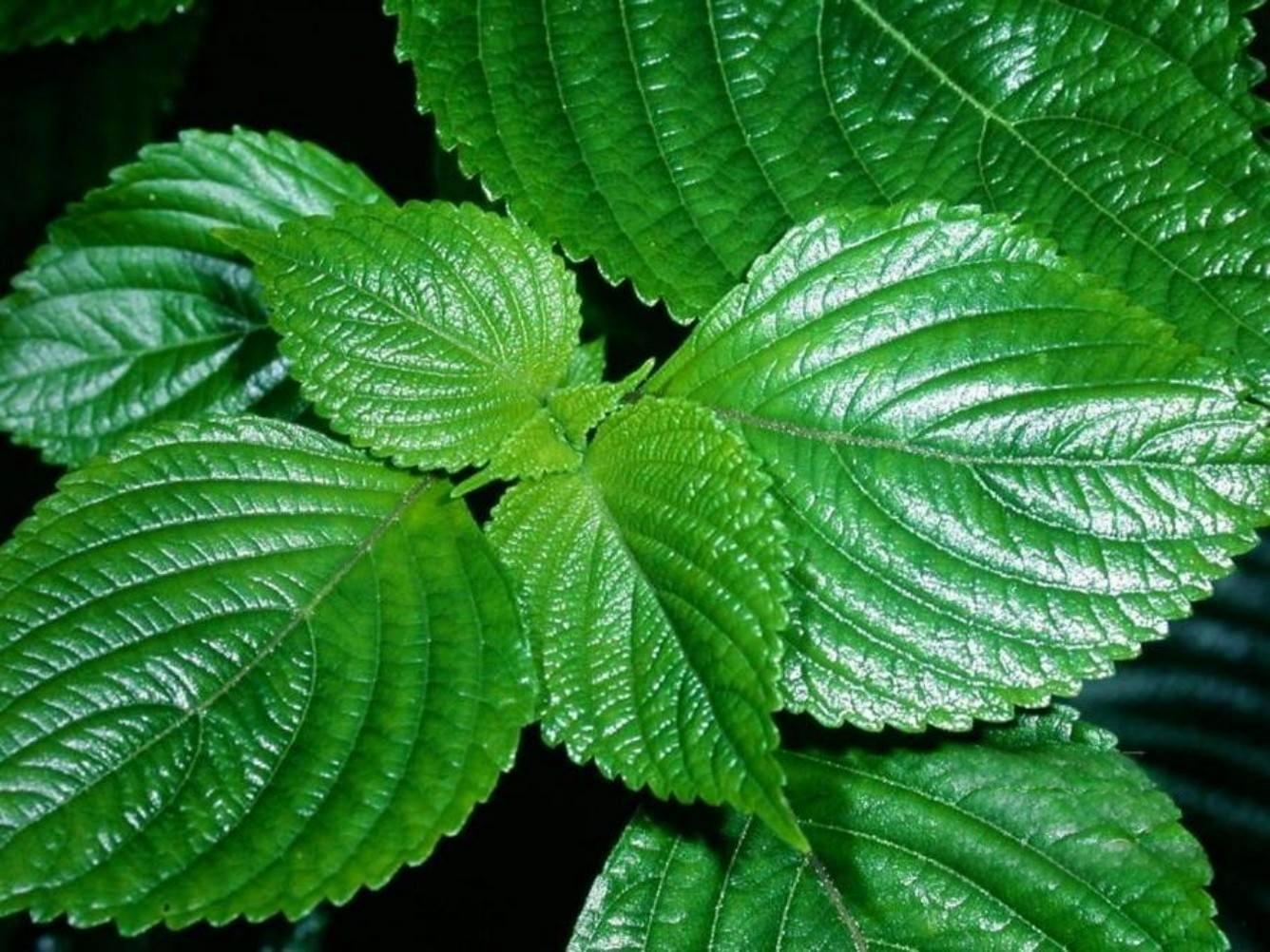
Advertisement