Hydrocotyle vulgaris
-
 Wild and common weed
 - Also known as:Gotu Kola,Water Pennywort,Asiatic Pennywort,Shell-leaf Herb,Tiger Grass
 Wild and common weed
Nursing Skills
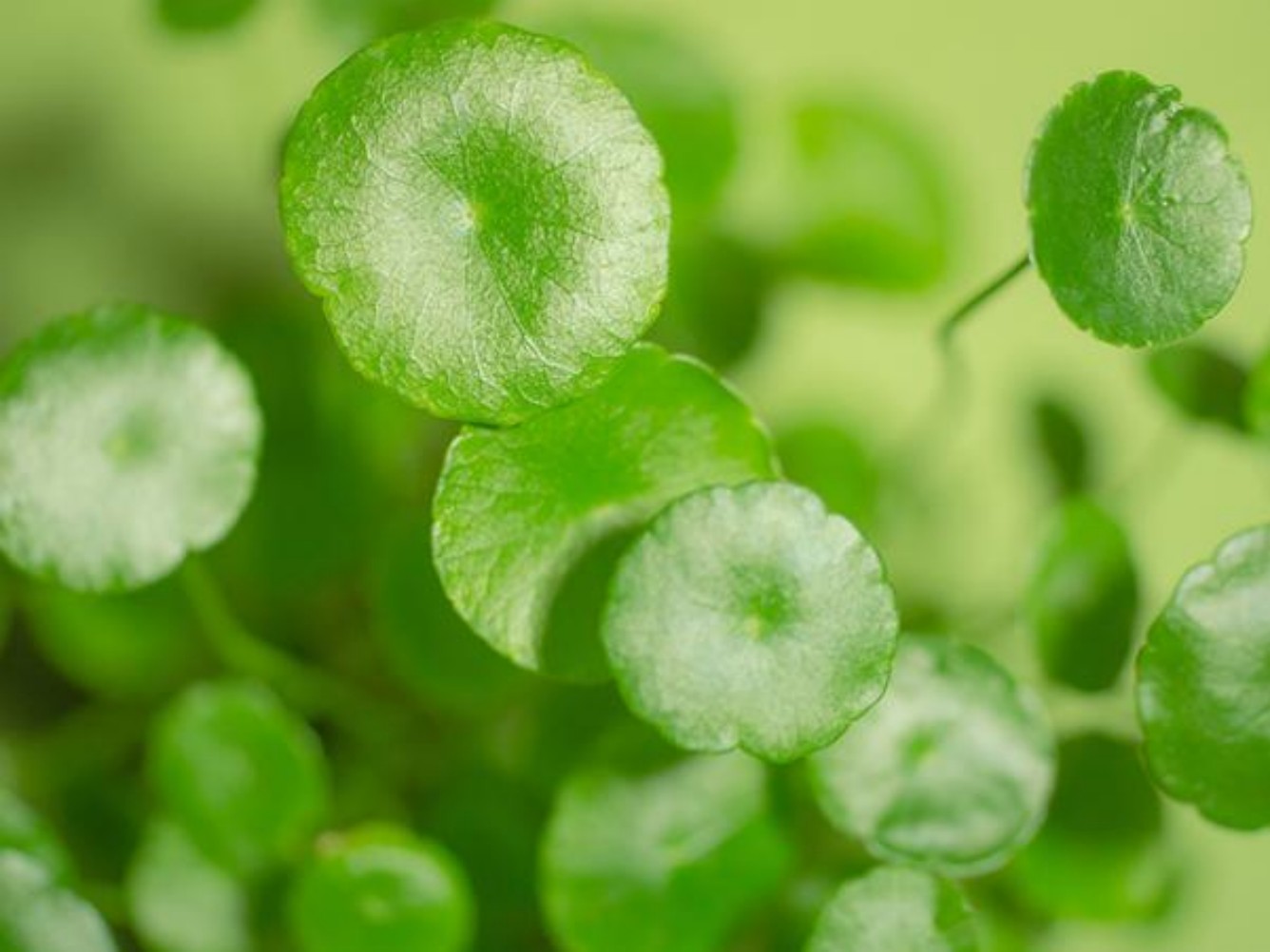
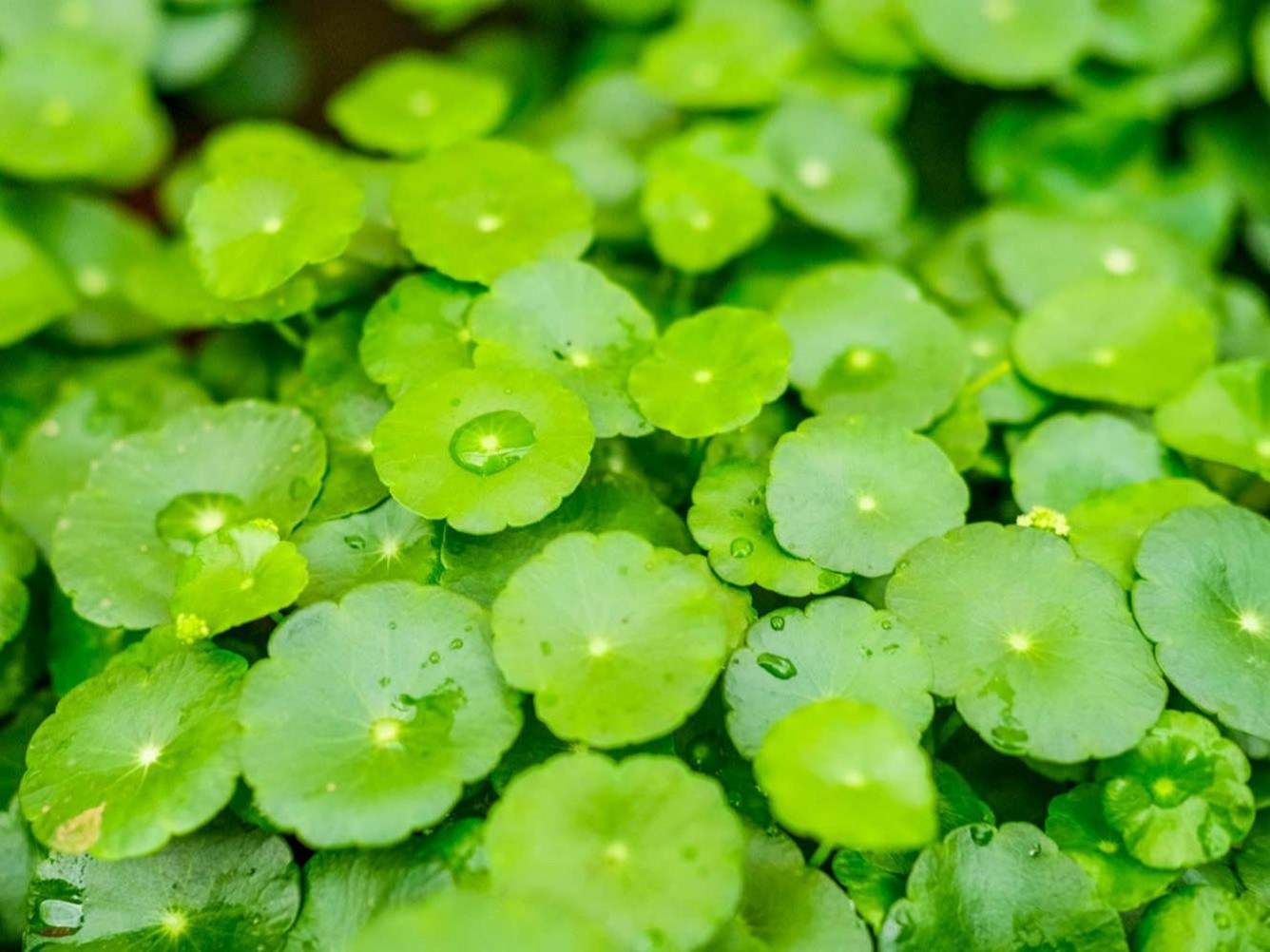
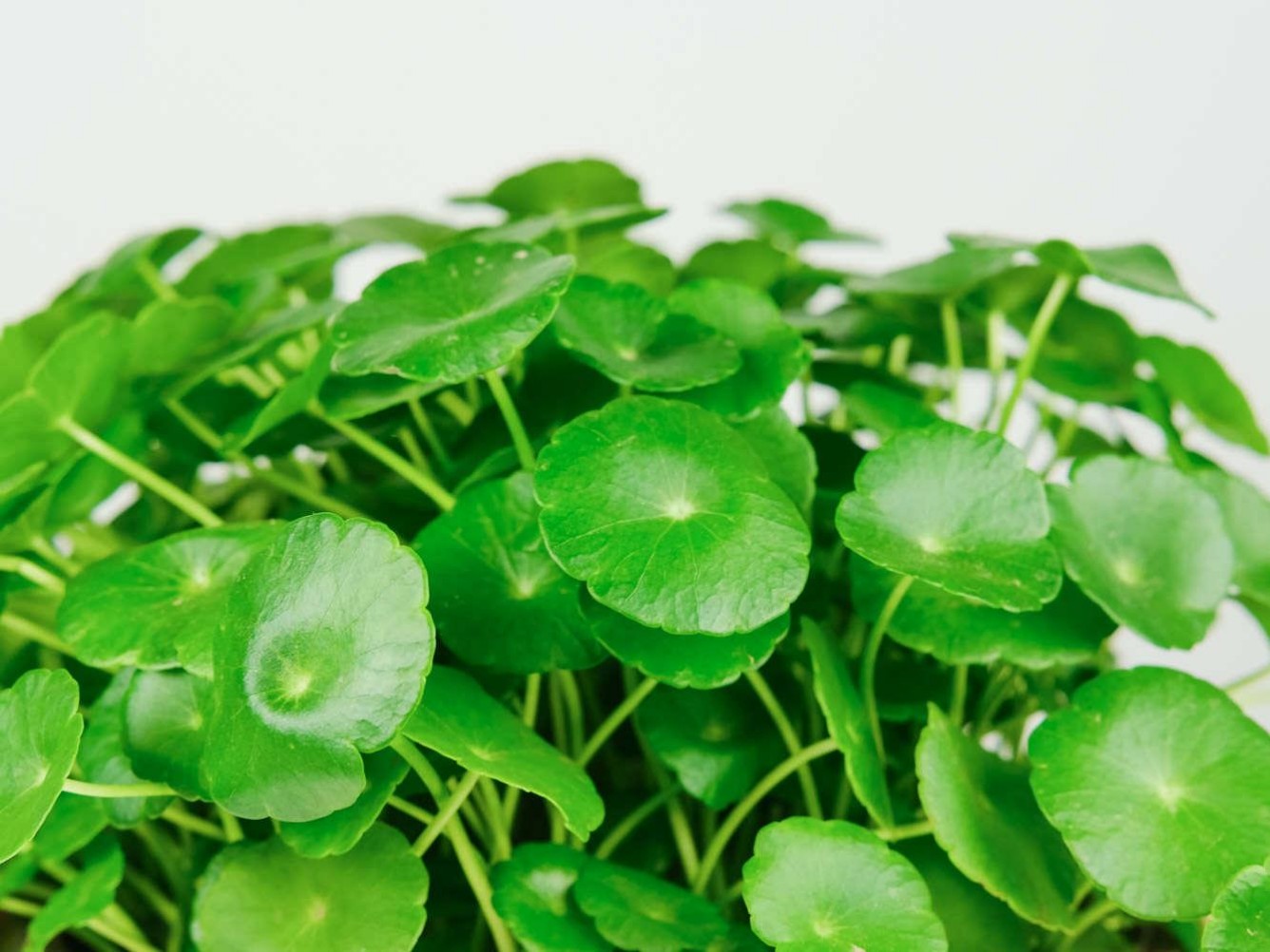
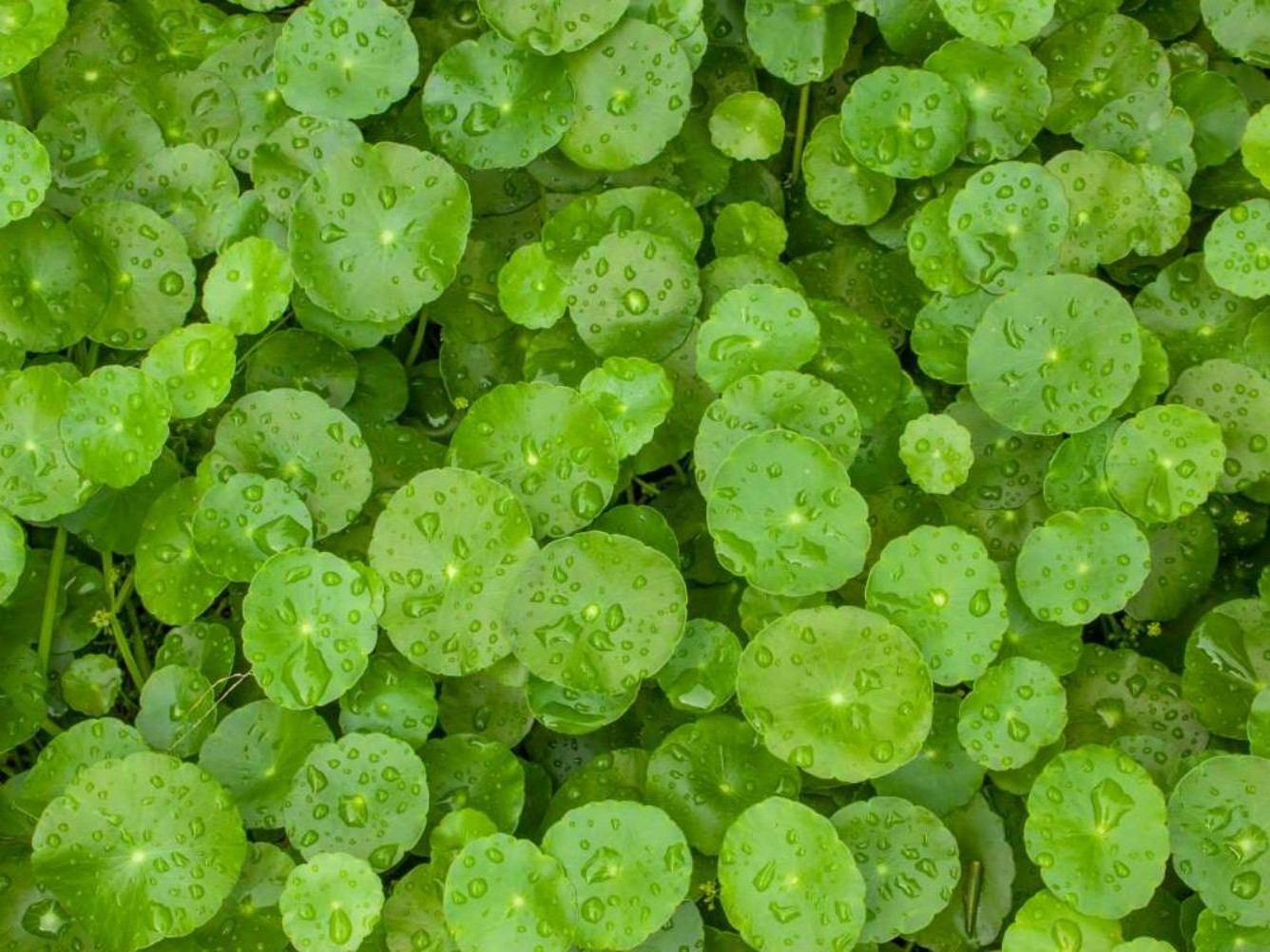
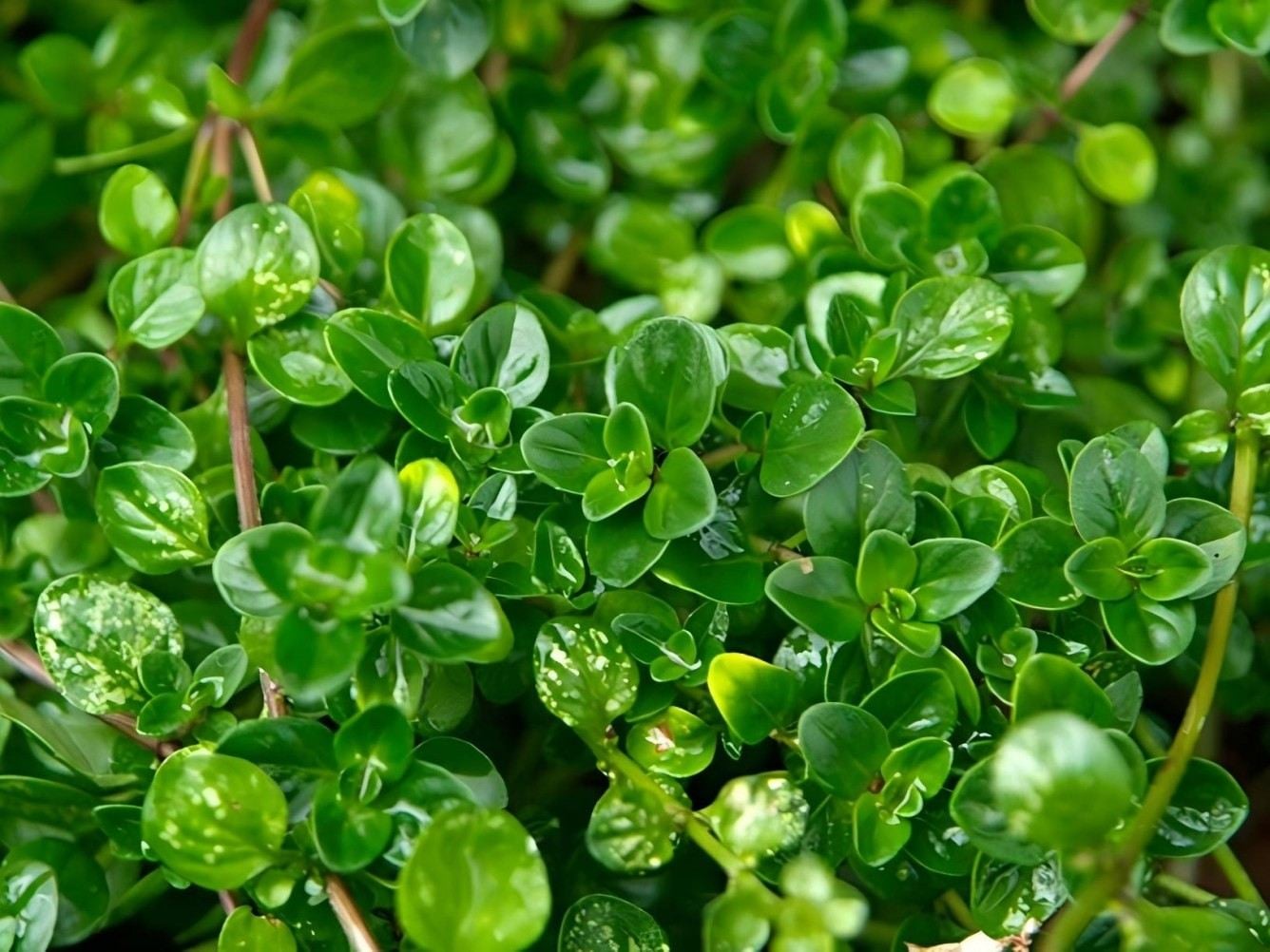
Hydrocotyle vulgaris possesses strong adaptability and a rapid, ground-covering growth habit, enabling it to quickly spread dense patches—forming a natural green carpet—in moist soil or shallow water environments. Furthermore, it helps stabilize soil and mitigate erosion, while also contributing to water purification; consequently, it demonstrates significant practical value in both ecological restoration and landscape design applications.
Advertisement
Plant Properties
-
- Height
- Typically 5–15 cm
-
- Color
- Bright green leaves
-
- Toxicity
- Generally non-toxic
-
- Growth Cycle
- Grows year-round
-
- Shape
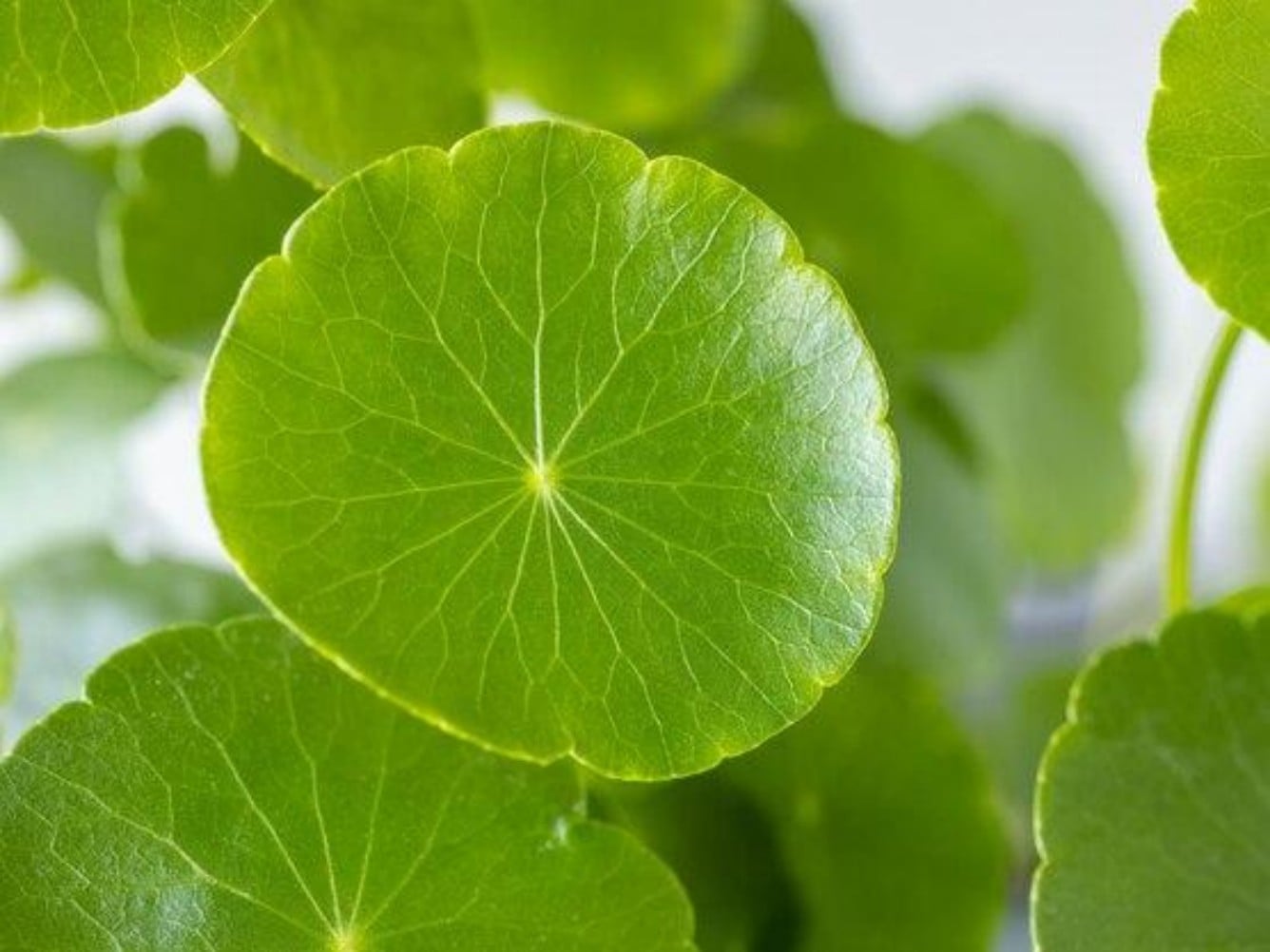
- Round leaves resembling small umbrellas
-
- Plant Type
- Perennial herb; creeping, amphibious plant
Plant Care Requirements
-
Care Level
Easy; suitable for beginners
-
Planting Methods
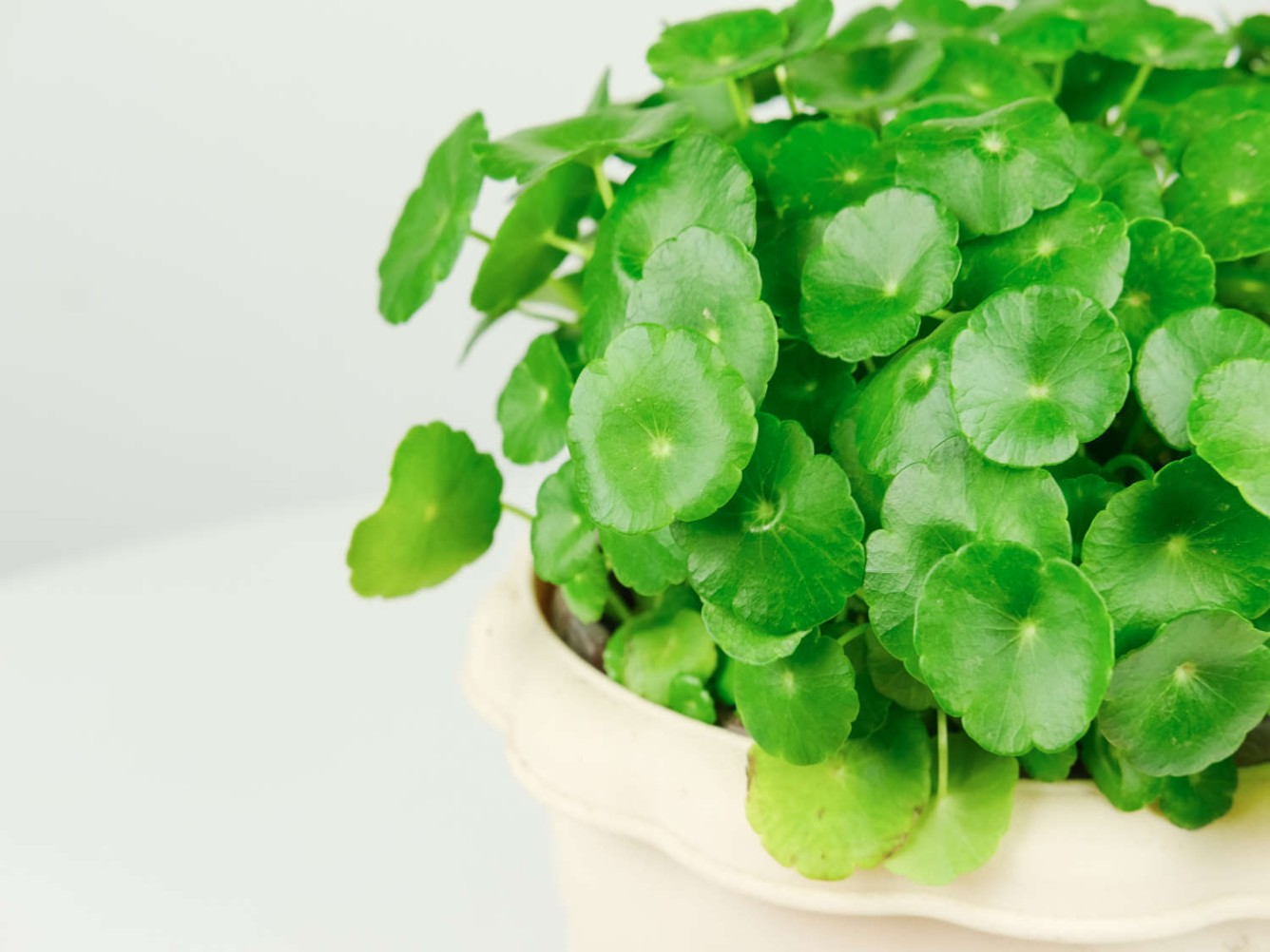
Can be grown in pots, hydroponically, or as a groundcover
-
Pest Control
Focus primarily on preventing aphids and fungal growth
-
Fertilization Needs
Light fertilization during the growing season is sufficient
-
Propagation Methods
Propagated via division of stolons or stem cuttings
-
Watering Needs
Keep the soil or water medium consistently moist; avoid prolonged periods of drought
-
Lighting Requirements
Prefers partial shade or diffused light, though it can also adapt to gentle direct sunlight
Advertisement
Plant Care Guide
-
Why are the leaves of *Hydrocotyle vulgaris* turning yellow?
Insufficient Lightellowing leaves are typically linked to improper watering or insufficient light. Prolonged waterlogging can deprive the root system of oxygen, hindering nutrient absorption and subsequently causing the leaves to turn yellow; conversely, insufficient light impairs chlorophyll synthesis. You should check the moisture level of the potting medium and adjust lighting conditions accordingly. Additionally, trim away any leaves that have already turned yellow to encourage the healthy growth of new foliage.
-
Is *Hydrocotyle vulgaris* suitable for hydroponic cultivation?
Highly SuitableHydrocotyle vulgaris is exceptionally well-suited for hydroponic environments, performing particularly well in ornamental tanks or glass containers. When growing hydroponically, it is essential to change the water regularly to maintain water quality and to add a suitable nutrient solution. Be sure to avoid using stagnant or cloudy water for extended periods, as this can easily foster bacterial growth and compromise root health. A well-ventilated environment also helps to minimize the risk of plant diseases.
-
How should *Hydrocotyle vulgaris* be pruned to enhance its aesthetic appeal?
Trim away overly long, sparse, or aging stemsWhen pruning, you should trim away any stems that have become overly long, sparse, or aged, while retaining the healthy, compact sections of the plant. Regular pruning not only improves the plant's appearance but also stimulates the emergence of new shoots, resulting in a denser, bushier plant. The cuttings obtained during pruning can also be used for propagation—a win-win situation! It is recommended to use clean, sharp scissors to avoid causing wounds that could become infected.
-
What cultivation methods are suitable for *Hydrocotyle vulgaris*?
Hydroponics, Soil Cultivation, or Semi-Aquatic (Soil-Water Mix)It can be cultivated using three methods: hydroponics, soil cultivation, or a semi-aquatic (soil-water mix) approach. Beginners are advised to prioritize the semi-aquatic method, as it offers high stability and encourages rapid, lush growth that quickly fills the pot. Those who prefer a clean and tidy aesthetic may opt for pure hydroponics, though this requires frequent water changes. Soil cultivation is best suited for outdoor maintenance. For the semi-aquatic method, a potting medium can be prepared by mixing leaf mold, river sand, and well-rotted organic fertilizer; the water level should be kept just slightly above the soil surface. All three methods require the medium to be kept moist; prolonged periods of dryness must be strictly avoided. Under semi-aquatic conditions, the plant typically exhibits the most vigorous growth and develops the thickest leaves.
-
What are the downsides of growing *Hydrocotyle vulgaris* in a confined indoor environment?
Poor ventilation can easily lead to the proliferation of moss and mold.Confined indoor spaces with poor ventilation and stagnant air circulation are highly prone to developing moss and mold, which can, in turn, attract pests such as aphids and spider mites. Prolonged confinement also disrupts air humidity levels, causing leaves to yellow and become soft or mushy. Additionally, elevated carbon dioxide levels can inhibit photosynthesis, causing the plant to become leggy (etiolated) and prone to toppling over. To prevent this, open windows for ventilation for 2–3 hours daily; position the plant away from stagnant, unventilated corners; use a small fan to enhance air circulation; and regularly clean the leaves to maintain the plant's healthy growth.
-
What are the common pests that affect *Hydrocotyle vulgaris*?
Aphids, Spider Mites, and Aquatic Moth LarvaeCommon pests include aphids, spider mites, and aquatic moth larvae. Aphids are particularly prevalent in hot, stuffy, and poorly ventilated environments; they tend to cluster on leaf stalks and the undersides of leaves to feed on plant sap, causing the leaves to yellow and curl. For minor infestations, individual pests can be wiped away using a cotton swab dipped in rubbing alcohol. For more severe infestations, spray the leaves evenly with a diluted, low-concentration solution of Imidacloprid; repeat this application every 7 days for a total of 2–3 times. On a daily basis, ensure the growing environment remains well-ventilated, and regularly change the water or loosen the soil to effectively prevent the recurrence of aphid infestations.
Advertisement
Frequently Asked Questions
-
1 What should be done if *Hydrocotyle vulgaris* stems and leaves become leggy, elongated, and prone to flopping over?
The primary cause of leggy growth and flopping is a prolonged lack of light and an overly dim environment. First, move the plant to a location with bright, indirect light; increase the daily duration of light exposure and avoid keeping it in continuous shade. Second, prune away any excessively long, weak, or flopping stems and leaves to reduce the plant's height and stimulate the sprouting of lateral buds. Regulate watering and fertilization—specifically, reduce the use of nitrogen-rich fertilizers—to prevent rampant, uncontrolled vegetative growth. Ensure good ventilation during cultivation; avoid keeping the plant in a sealed, stagnant environment. By subsequently maintaining proper light control, you can successfully cultivate a compact, lush plant form.
-
2 What disease is indicated if the rhizomes of *Hydrocotyle vulgaris* appear transparent, soft, and mushy?
This symptom indicates bacterial soft rot. Contaminated water, waterlogged potting soil, and a hot, stagnant environment are the primary triggers. The rhizomes will appear transparent, slimy, and mushy, causing the plant to collapse, and will be accompanied by a foul, putrid odor. Immediately isolate the infected plant. Cut away all decayed tissue, then soak the plant in a potassium permanganate solution for 15 minutes to disinfect it. Replant it in a fresh, clean growing medium. During the recovery period, strictly control watering, ensure excellent ventilation and airflow, and suspend fertilization. Keep the plant in a cool, shaded location to help it recover and re-establish itself; subsequently, apply fungicides periodically to prevent the disease from spreading to healthy plants.
-
3 What are some common mistakes made when caring for *Hydrocotyle vulgaris*? What pitfalls should beginners avoid?
Common mistakes made by beginners include: using untreated tap water directly; exposing the plant to harsh, direct sunlight or, conversely, keeping it in perpetual shade; applying concentrated fertilizers too frequently; neglecting pruning for long periods; and keeping the plant in a sealed, unventilated environment. These practices can lead to root rot, yellowing leaves, leggy growth, and increased susceptibility to pests and diseases. Remember to let tap water sit for a while before use to allow chlorine to dissipate; provide soft, diffused light; follow the principle of "feeding little and often" (dilute fertilizers applied frequently); regularly prune away old leaves and weak stems; and ensure the growing environment is well-ventilated. Beginners are advised to prioritize a "semi-aquatic" or "soil-and-water" cultivation method, as this simplifies care requirements and minimizes the likelihood of making costly mistakes.
Advertisement
Introduction
Hydrocotyle vulgaris—commonly known as Marsh Pennywort—is a perennial herbaceous plant featuring rounded, umbrella- leaves with a fresh, vibrant hue. It typically thrives in moist environments or shallow waters, exhibiting a robust creeping habit that makes it an excellent choice for aquatic landscaping or ground cover. Highly resilient and easy to maintain, this plant serves a dual purpose in horticulture: it offers aesthetic appeal while simultaneously helping to regulate the local micro-ecosystem.
Popular Plant Encyclopedia
-
-
Poisonous and danger
- Rhus typhina
-
-
-
Edible and medicinal
- Common sunflower
-
-
-
Poisonous and danger
- Plumeria rubra
-
-
-
Wild and common weed
- Convolvulus arvensis
-
-
-
Edible and medicinal
- Perilla frutescens
-
-
-
Edible and medicinal
- Pogostemon cablin
-
-
-
Edible and medicinal
- Common fenugreek
-
-
-
Edible and medicinal
- Garden Thyme
-
 Poisonous and danger
 Edible and medicinal
Advertisement