Hypericum perforatum
-
 Edible and medicinal
 - Also known as: Triptonweed, St. John’s Wort
 Edible and medicinal
Nursing Skills
Hypericum perforatum is a hardy, low-maintenance plant that thrives in full sun and well-drained soil. It prefers slightly alkaline to neutral pH and requires moderate watering—avoid overwatering. Best planted in spring, it grows well in USDA zones 5–9. Prune after flowering to encourage bushier growth and remove spent flowers. It tolerates drought once established and is generally pest-resistant.
Advertisement
Plant Properties
-
- Toxicity
- Toxic to Human & Pets
-
- Lifespan
- Perennial
-
- Plant Type
- Herb
-
- Bloom Time
- Mid spring, Late spring, Summer
-
- Harvest Time
- Fall
-
- Plant Height
- 30 cm to 1 m
-
- Leaf Color
- Green
-
- Flower Size
- 2 cm to 3.5 cm
-
- Growth Season
- Spring, Summer
-
- Leaf type
- Deciduous
-
- Flower Color
- Yellow, Gold
Plant Care Requirements
-
Difficulty of care
Easy, low-maintenance
-
Watering schedule
Moderate, water when soil is dry
-
Light requirements
Full sun to partial shade
-
Soil pH
Neutral to slightly alkaline (pH 6.5–7.5)
-
Planting time
Spring or early fall
-
Hardiness zone
5–9
-
Ideal temperature
15–25°C
Advertisement
Plant Care Guide
-
How much sunlight does Hypericum perforatum require?
Hypericum perforatum thrives in full sun, meaning it should get at least 6–8 hours of direct sunlight daily. Full sun promotes healthy flowering and enhances the production of hypericin, the plant’s primary medicinal compound. While it can tolerate light shade, reduced light may result in fewer blooms and leggier growth.
-
Is this plant susceptible to pests or diseases?
OccasionallyGenerally low-maintenance, Hypericum perforatum is resistant to most pests and diseases. However, it can occasionally suffer from rust, leaf spots, or fungal infections, especially in humid conditions or poorly ventilated areas. Avoid overhead watering, provide proper spacing, and prune to improve airflow. Inspect regularly and remove any affected foliage to control outbreaks early.
-
What are the ideal temperature and climate conditions?
15-24°CHypericum perforatum prefers a temperate climate with an ideal temperature range of 15–24°C. It tolerates mild frost and moderate summer heat. Prolonged exposure to extreme heat or cold may affect flowering and vigor. In regions with harsh winters, consider mulching to protect roots.
-
When and how should I prune Hypericum perforatum?
Late winter or early springPrune the plant in late winter or early spring to remove old, woody stems and encourage new growth. Cut back dead or damaged parts to ground level. During summer, deadhead faded blooms to prolong flowering and prevent self-seeding, as the plant can be invasive in some areas if left unchecked.
-
How much space does Hypericum perforatum need?
45-60 cmSpace plants 18 to 24 inches (45–60 cm) apart. It has a spreading habit and can form dense clumps if not managed. Giving it ample room improves air circulation, reducing the risk of fungal disease, and allows the plant to grow into a healthy, flowering shrub.
-
Does Hypericum perforatum need fertilization?
Usually not neededThis plant generally does not require much fertilizer. Excess nutrients can lead to lush foliage but fewer blooms. For optimal growth, apply a thin layer of compost or balanced organic fertilizer in early spring. Avoid synthetic high-nitrogen fertilizers, which promote leafy growth at the expense of flowers and active compounds.
-
How often should I water Hypericum perforatum?
Do not water frequentlyWater deeply but infrequently. After initial planting, keep the soil consistently moist until roots establish (about 2–3 weeks). Once established, water only during extended dry spells. On average, watering once a week is sufficient in most climates. Avoid overwatering, as this plant is drought-tolerant and susceptible to root diseases in soggy conditions.
Advertisement
Frequently Asked Questions
-
1 Can Hypericum perforatum be grown in containers?
Yes, Hypericum perforatum can be successfully grown in containers, provided the pot is large enough to accommodate its root system. Use well-draining potting mix and ensure the container has proper drainage holes to prevent waterlogging. Place the pot in a sunny location where it receives at least 6 hours of light daily. Container plants may need more frequent watering than those in the ground and benefit from light pruning to control size and encourage flowering.
-
2 Is Hypericum perforatum invasive?
Yes, in some regions, Hypericum perforatum is considered invasive due to its ability to self-seed and spread via underground rhizomes. Once established, it can quickly colonize open spaces, outcompeting native species. To control its spread, regularly deadhead spent flowers before they go to seed, and consider growing it in containers or controlled garden beds. Check with local environmental guidelines before planting, especially in areas where it may be classified as a noxious weed.
-
3 Can I use Hypericum perforatum for herbal remedies?
Yes, Hypericum perforatum has a long history of use in traditional herbal medicine, particularly for treating mild to moderate depression, anxiety, and skin irritations. Its flowers are often used to make teas, tinctures, or infused oils. However, it can interact with several medications, including antidepressants, birth control, and blood thinners. Always consult a healthcare provider before using it medicinally to ensure safety and avoid potential drug interactions.
-
4 How long does Hypericum perforatum bloom?
Hypericum perforatum typically blooms from late spring through midsummer, with yellow flowers that can last several weeks. In ideal conditions, it may bloom intermittently into early autumn. Deadheading (removing spent flowers) can extend the blooming period and help prevent excessive self-seeding. Adequate sunlight and well-draining soil also contribute to a longer flowering season. Some gardeners report secondary flushes of blooms later in the year with proper maintenance and pruning.
-
5 Is Hypericum perforatum safe for pets?
Hypericum perforatum can be toxic to pets, particularly in large quantities. It contains compounds like hypericin that may cause photosensitivity in animals, leading to skin irritation or discomfort after sun exposure. If ingested, pets may experience symptoms such as vomiting, diarrhea, or lethargy. Always monitor pets in areas where the plant is grown and consult a veterinarian if you suspect ingestion. It’s best to keep it out of reach of curious animals.
Advertisement
Introduction
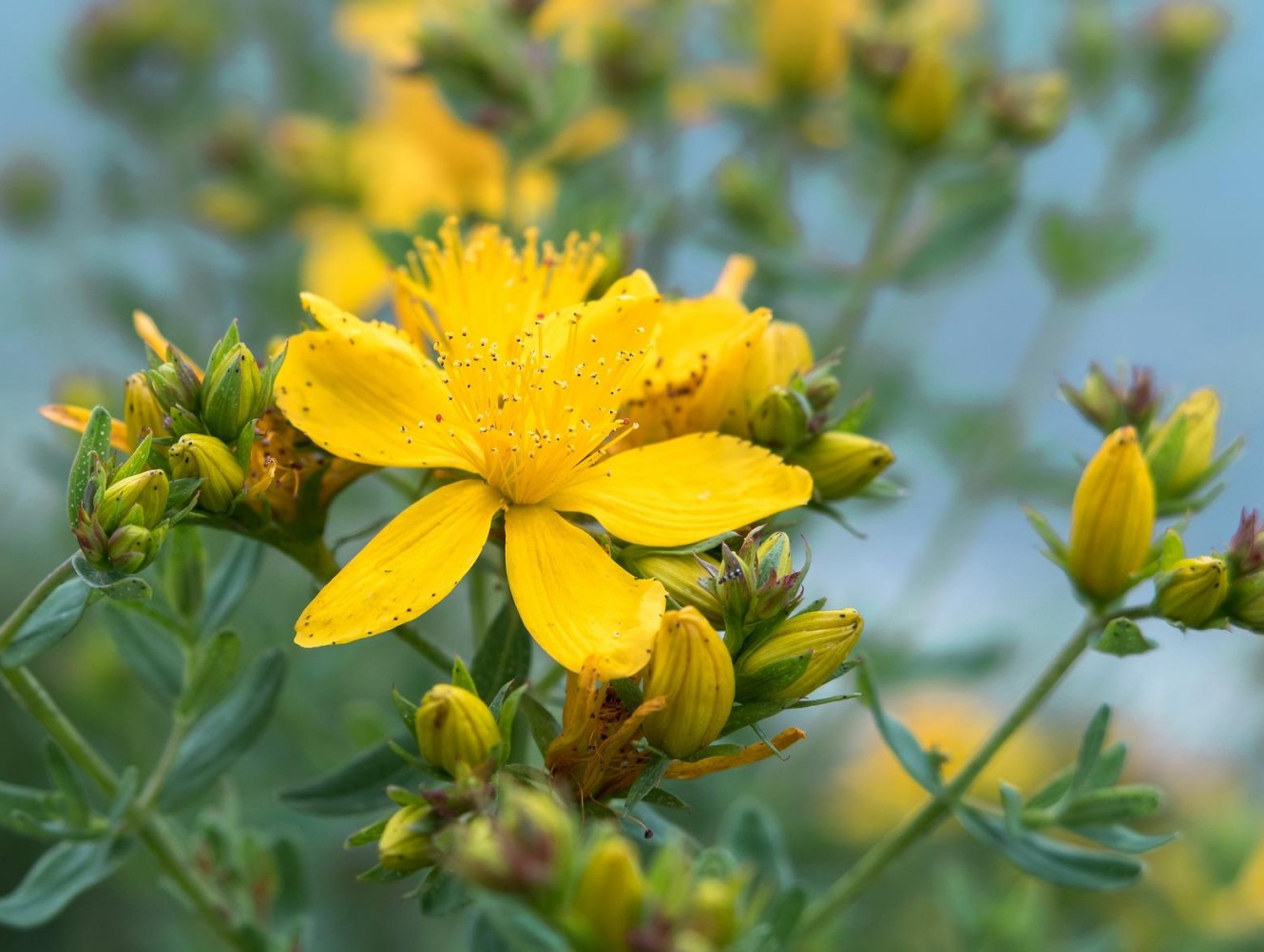
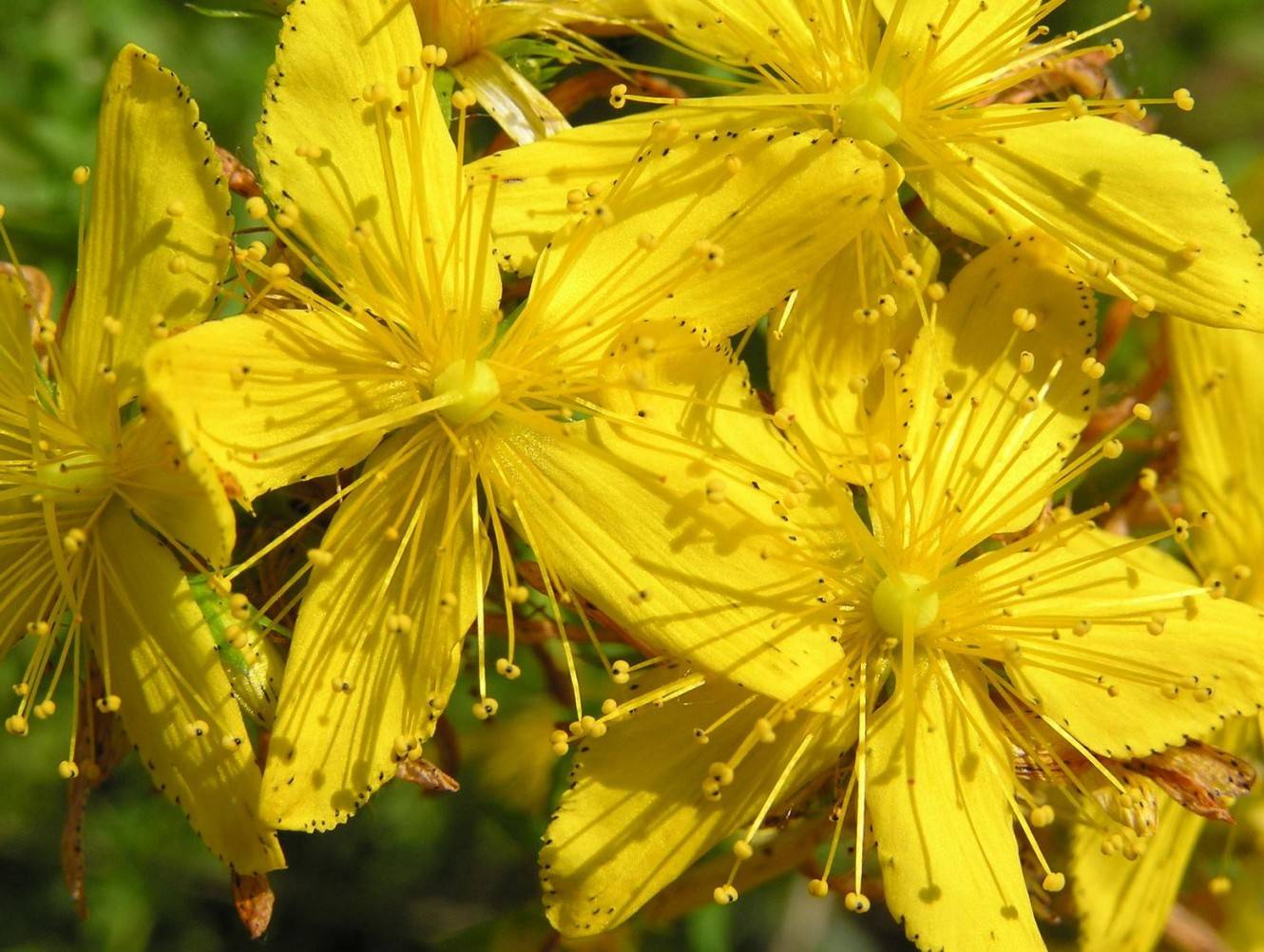
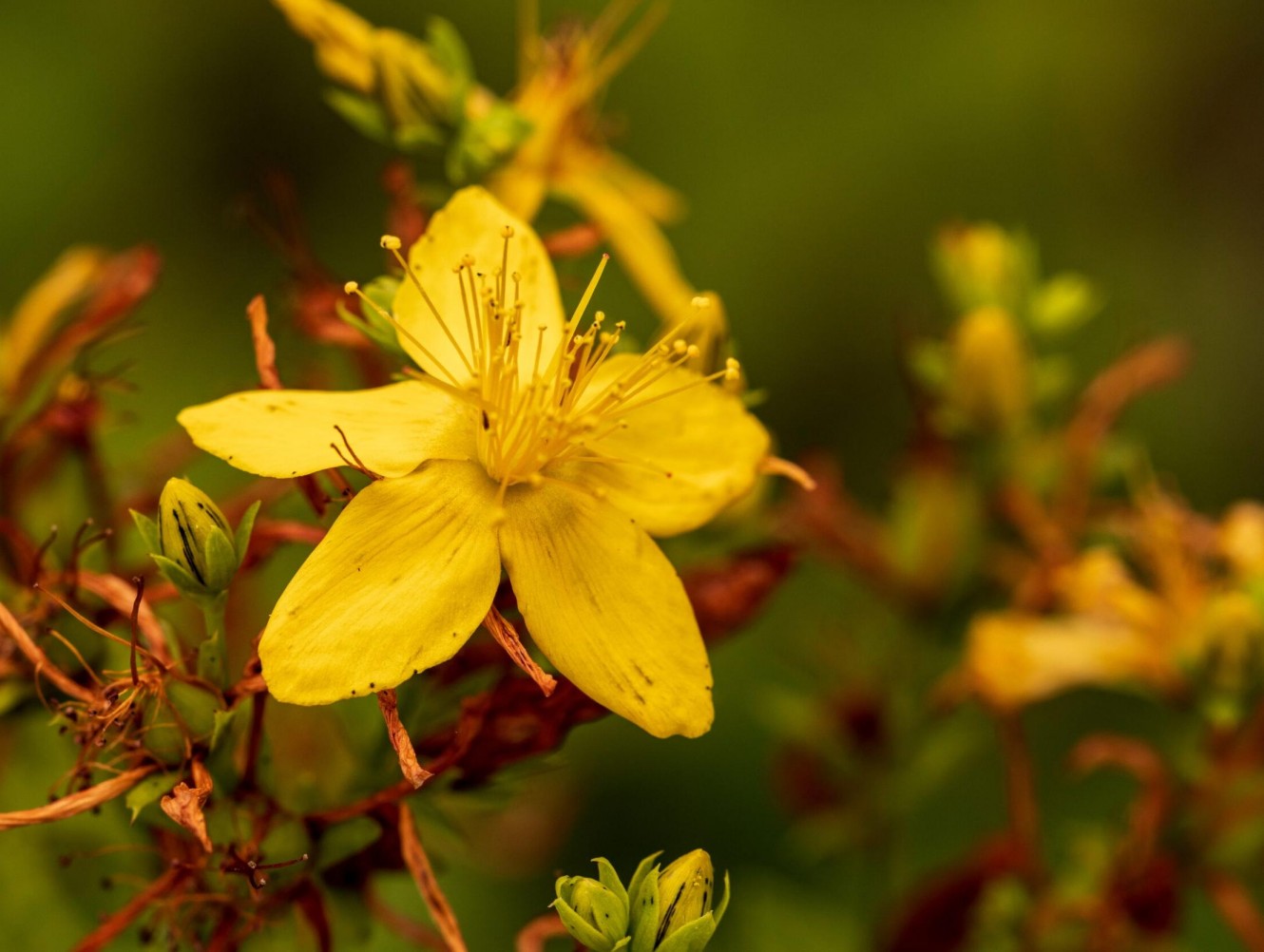
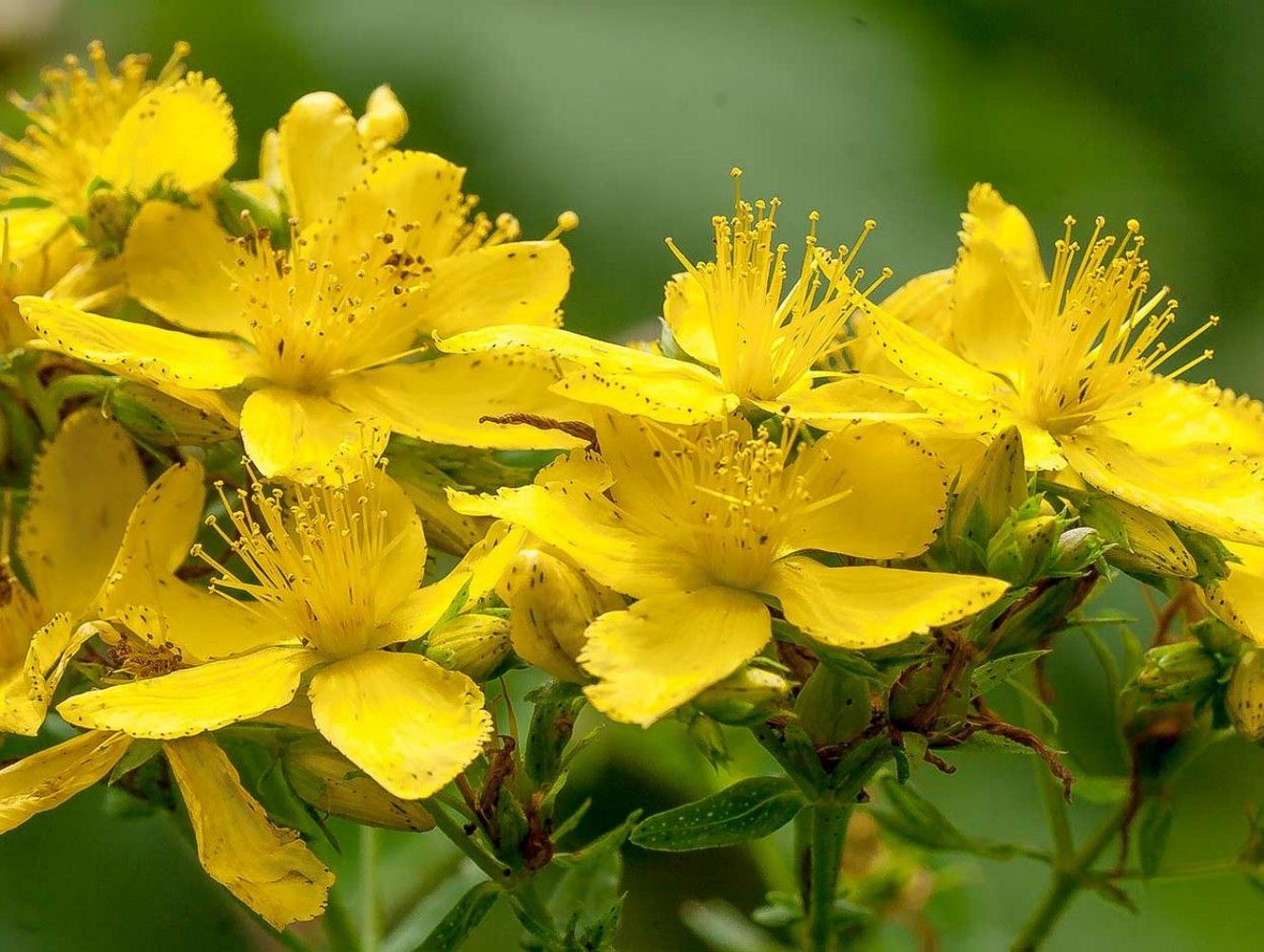
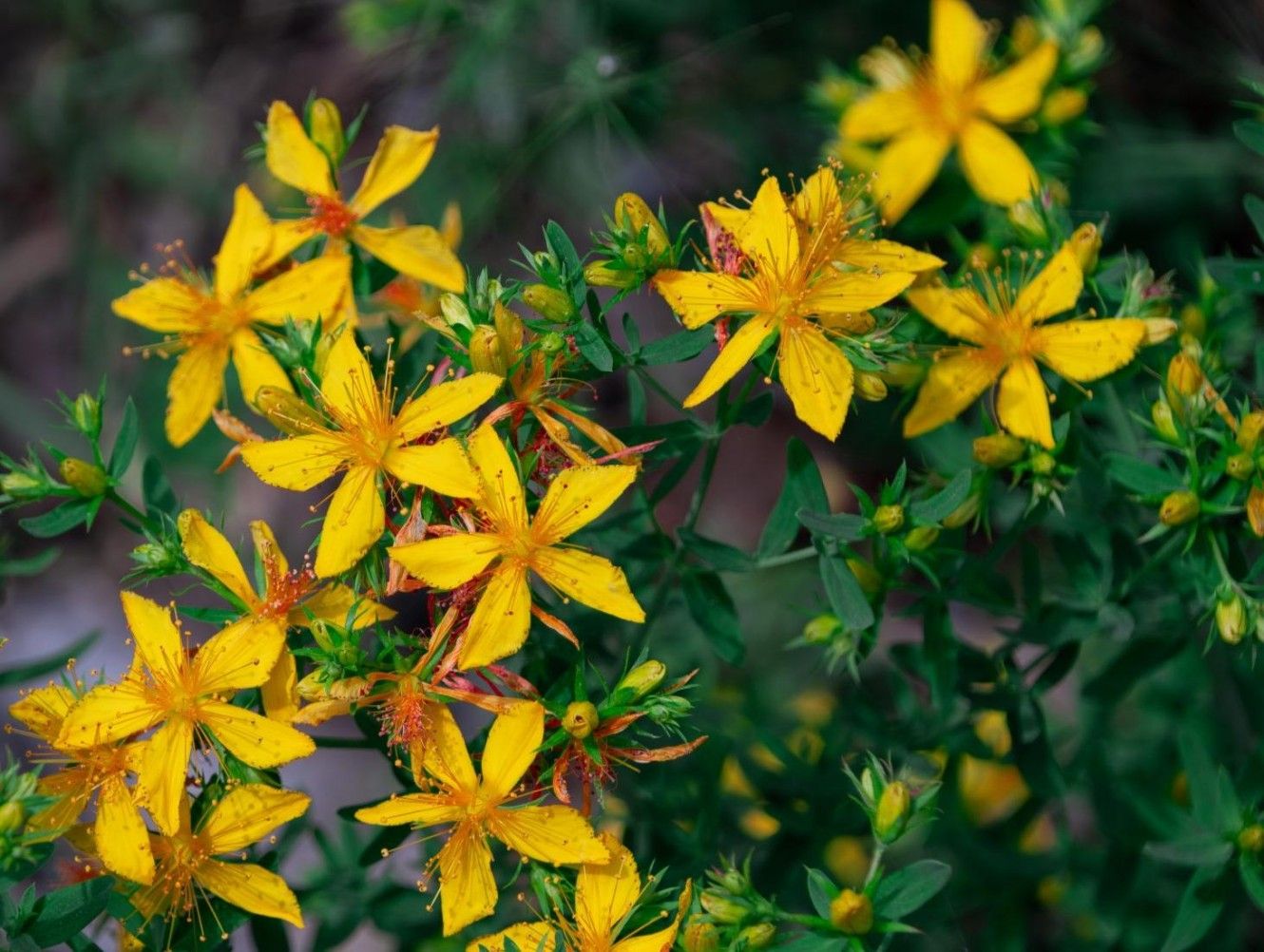
Hypericum perforatum, commonly known as St. John’s Wort, is a perennial flowering herb native to Europe, Asia, and North Africa, now naturalized in many parts of the world. It is best known for its bright yellow flowers and its long-standing use in traditional medicine, particularly for treating mild to moderate depression and anxiety. The plant contains active compounds hypericin and hyperforin, believed to affect mood-regulating neurotransmitters. It thrives in sunny, well-drained environments and blooms in late spring to summer.
Popular Plant Encyclopedia
-
-
Poisonous and danger
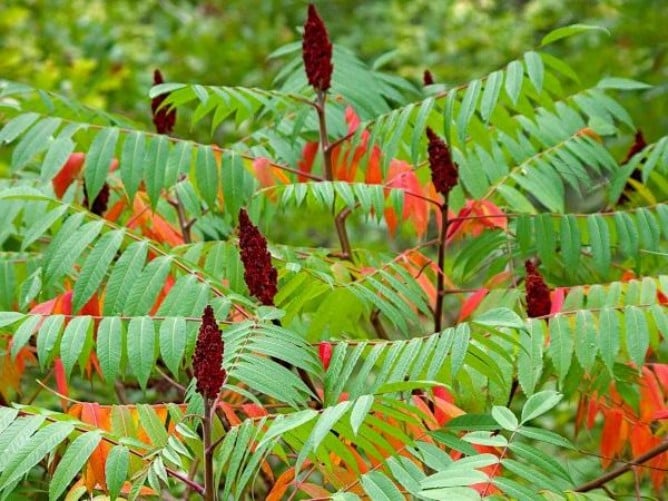
- Rhus typhina
-
-
-
Edible and medicinal
- Common sunflower
-
-
-
Poisonous and danger
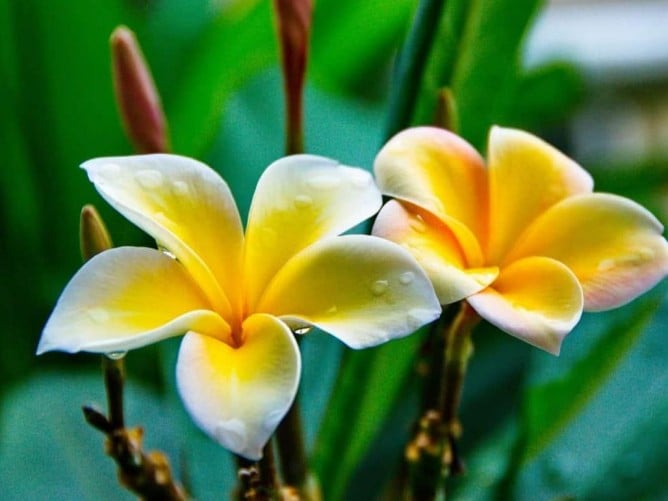
- Plumeria rubra
-
-
-
Wild and common weed
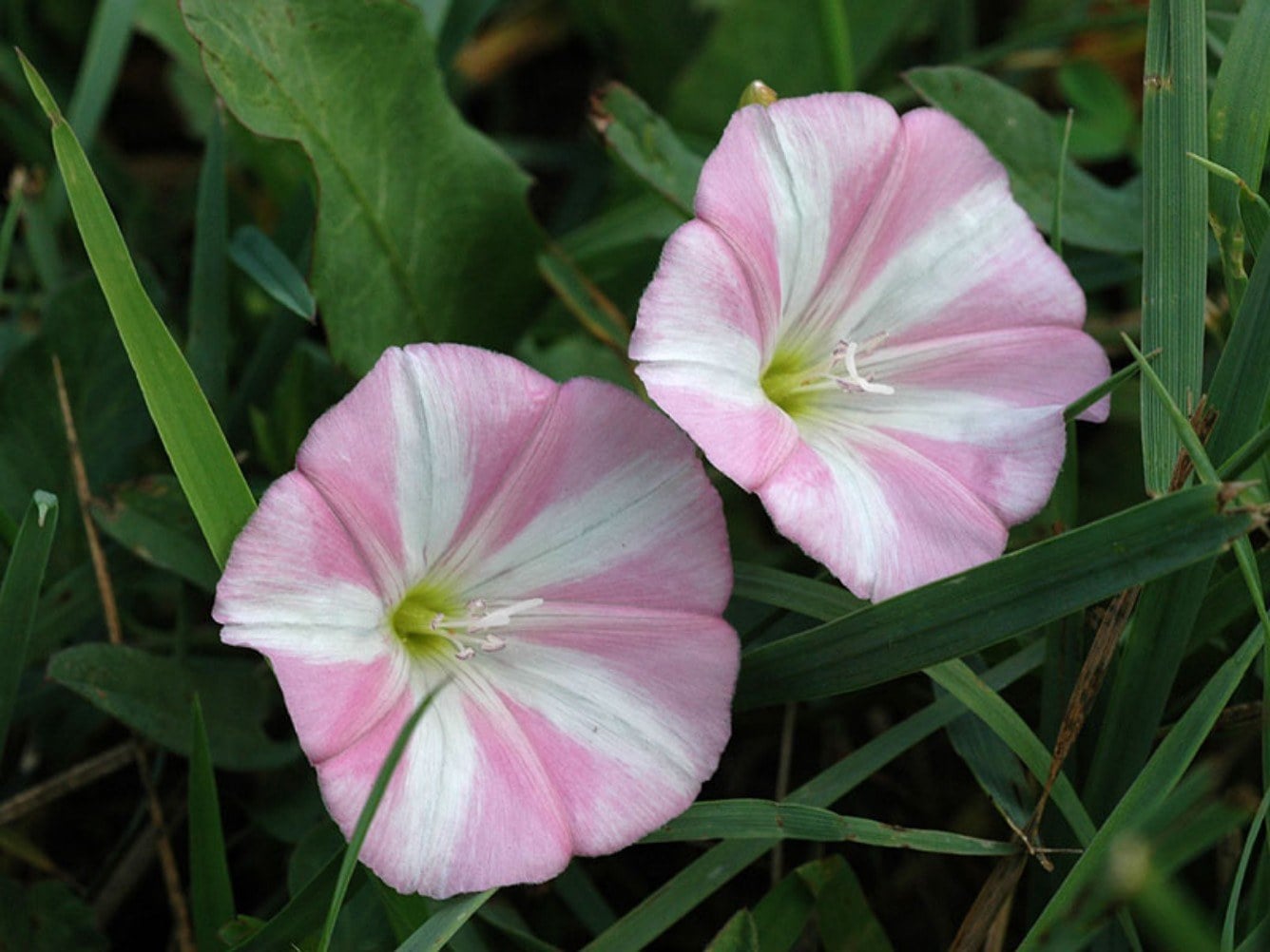
- Convolvulus arvensis
-
-
-
Edible and medicinal
- Perilla frutescens
-
-
-
Edible and medicinal
- Pogostemon cablin
-
-
-
Edible and medicinal
- Common fenugreek
-
-
-
Edible and medicinal
- Garden Thyme
-
 Poisonous and danger
 Wild and common weed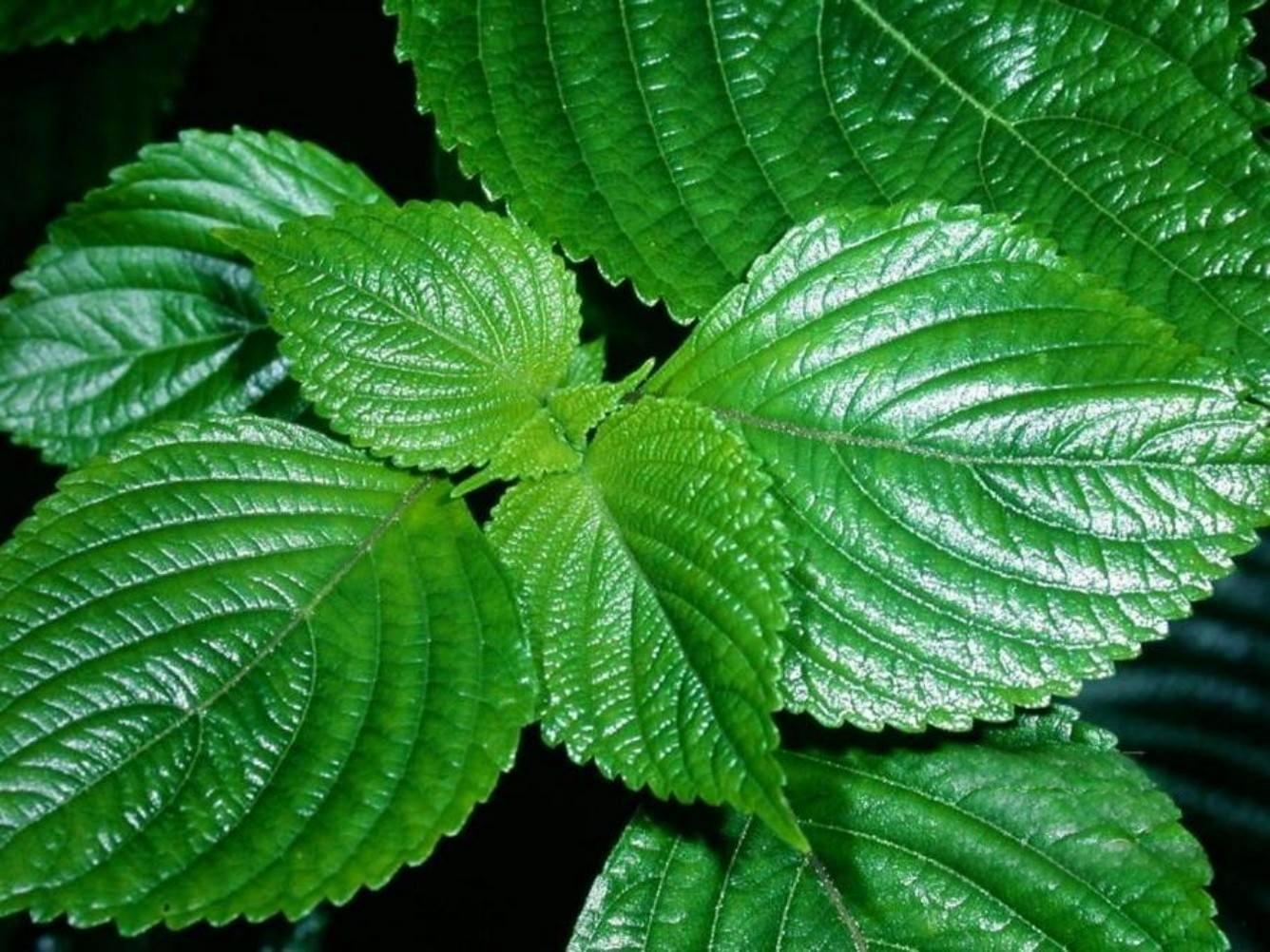
Advertisement