Jasminum sambac
-
 Ornamental and lands
 - Also known as: Moruoxiang, Huashou, Magnolia, Broken Branch Flower, Jade Musk, Jasmine Flower
 Ornamental and lands
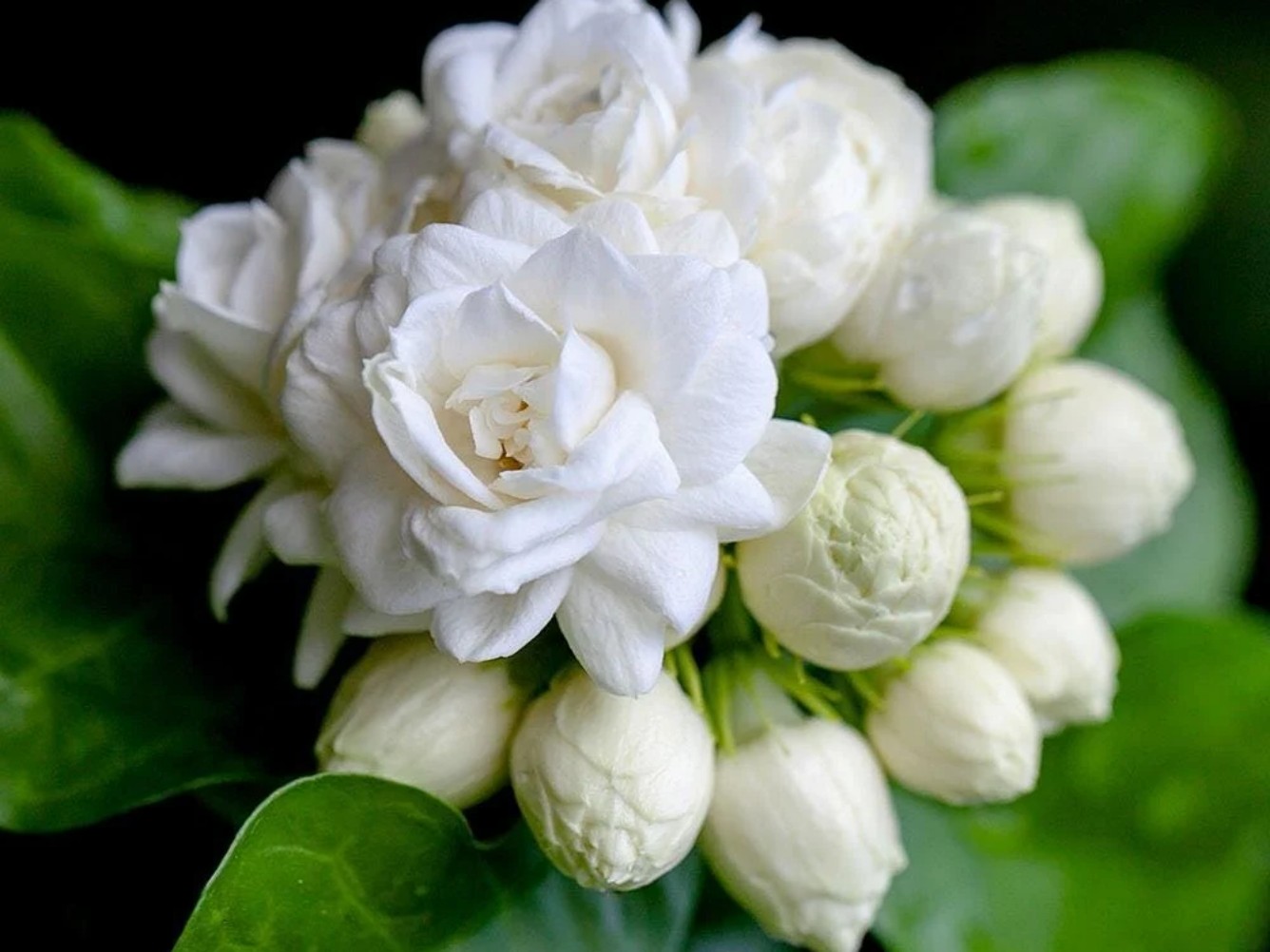
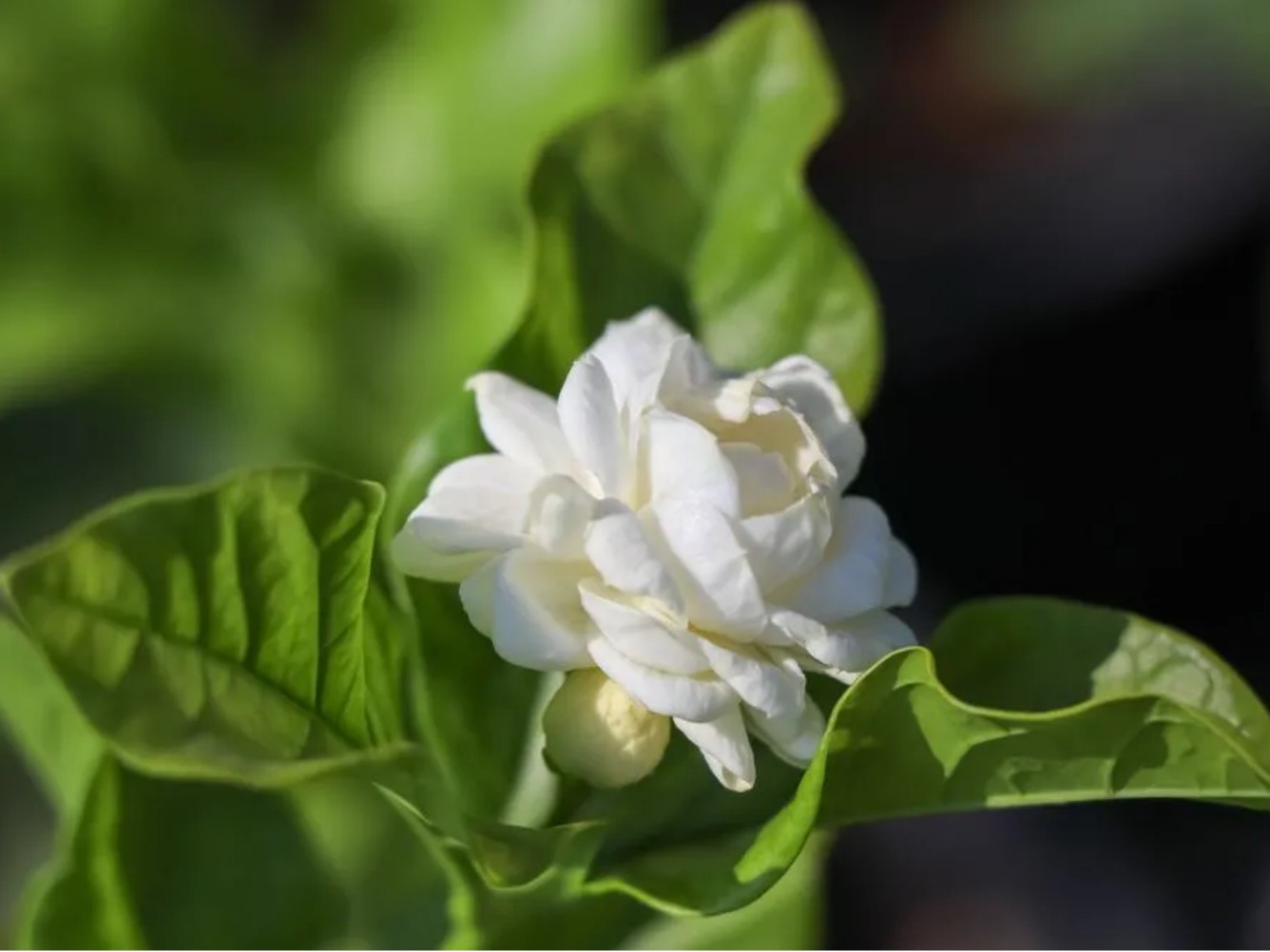
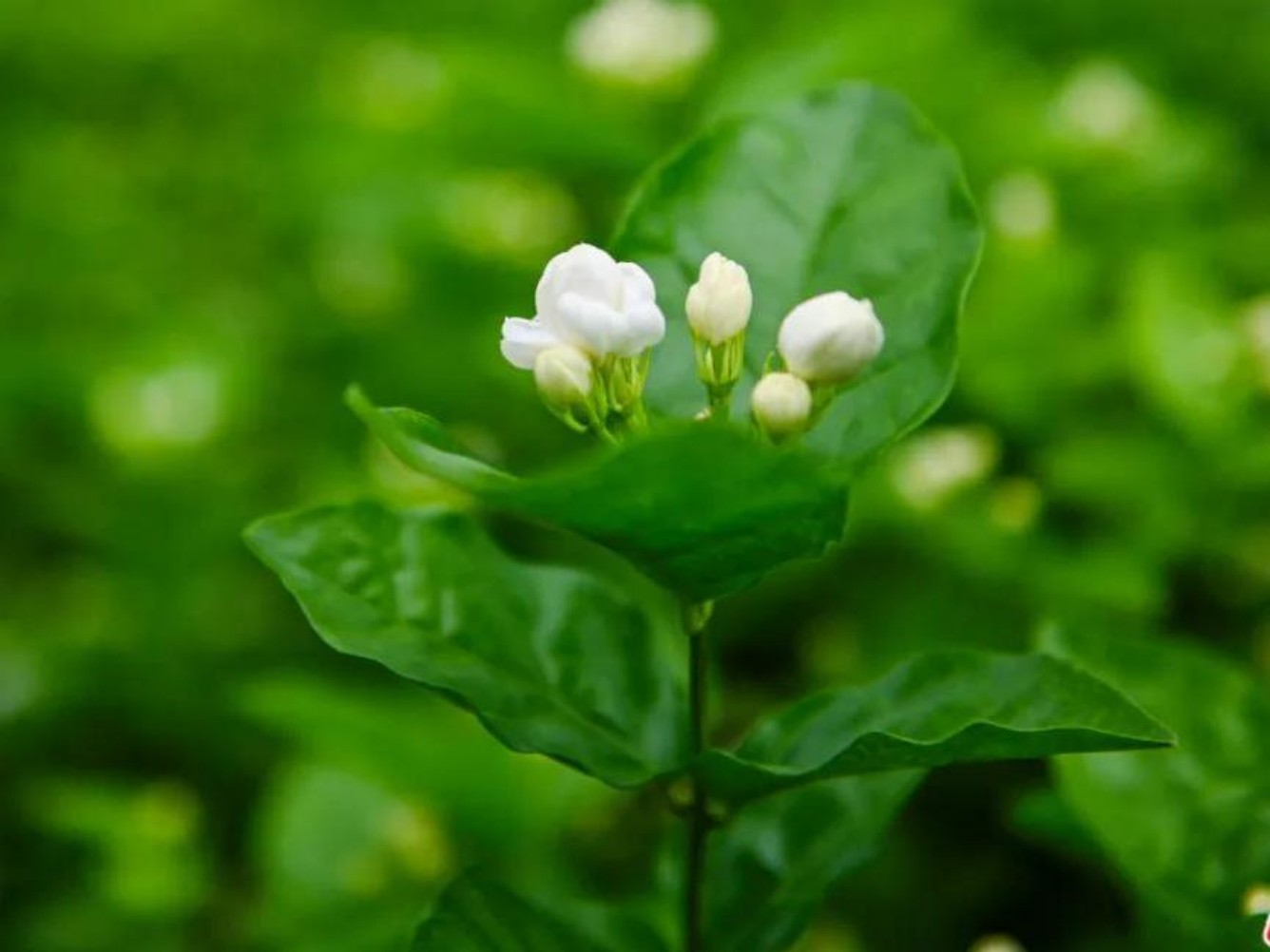
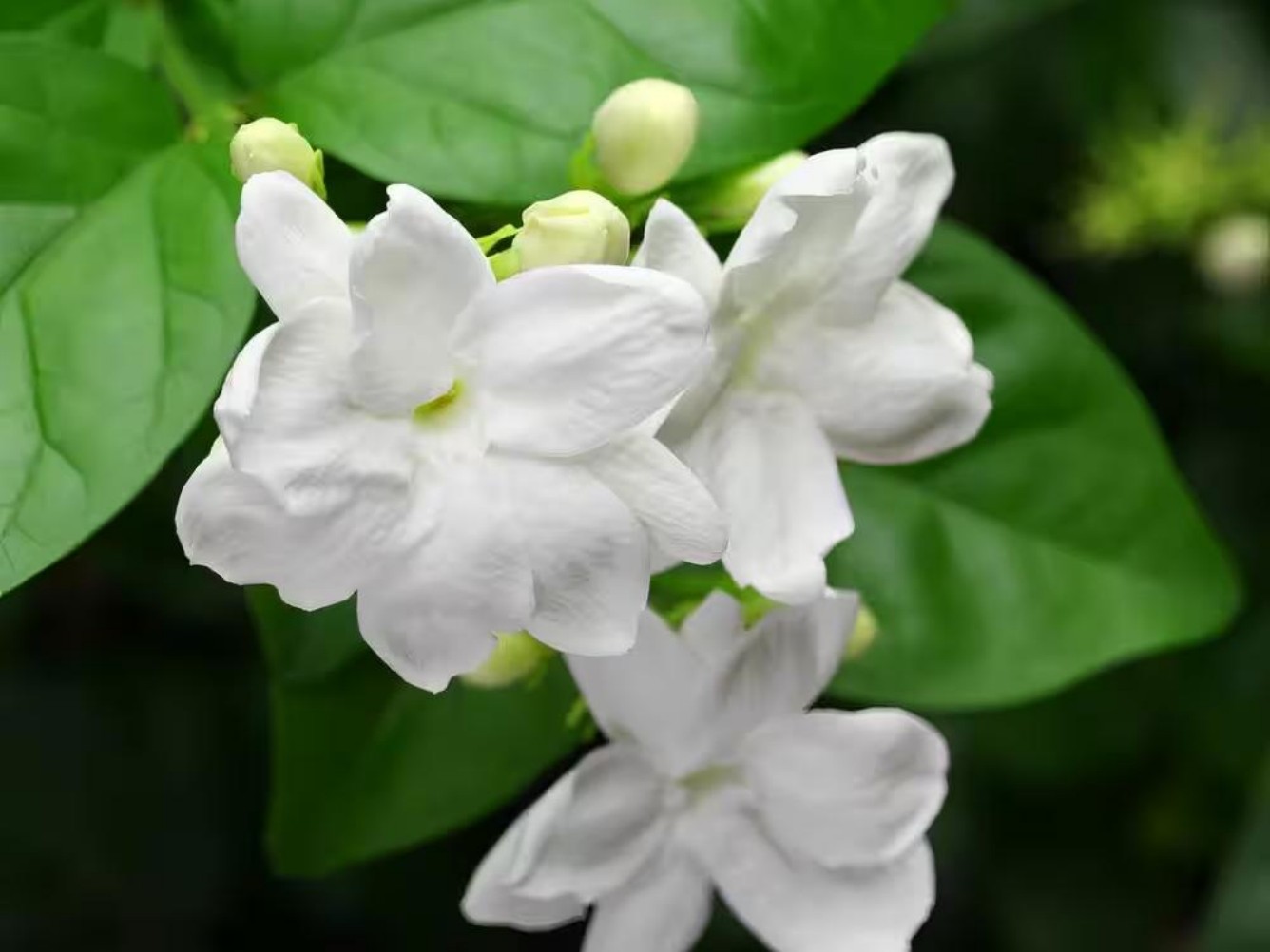
Nursing Skills
Jasminum sambac s a warm, humid, sunny environment and is not cold-resistant. Watering should follow the principle of "no watering if not dry, and watering thoroughly if watered". In summer, the frequency of watering can be appropriately increased and the leaves can be sprayed to increase humidity. Move indoors in winter, keep the temperature above 5°C, and reduce watering. Regular pruning can promote branching and flowering.
Advertisement
Plant Properties
-
- Toxicity
- Non-toxic
-
- Plant Type
- Evergreen Shrub or Vine
-
- Flower Shape
- Double or Single Petal
-
- Flower Size
- 1~2 cm (Small Flower)
-
- Flower Color
- White Flowers, Slightly Creamy Yellow
-
- Flowering Season
- Summer, Autumn (May~October)
-
- Leaf Shape
- Dark Green, Oval to Oval-Lanceolate
-
- Practical Value
- Flowers Can Be Used to Make Jasmine Tea or Extract Essential Oils
Plant Care Requirements
-
Difficulty of Care
Medium to Easy
-
Light Requirement
More than 4 hours of direct sunlight
-
Soil Requirement
Well-drained, slightly acidic loam
-
Temperature Requirement
20~30℃, Not Cold-resistant
-
Watering Requirement
Keep the Soil Slightly Wet During the Growth Period
-
Planting Method
Propagation by Cutting, Layering, Division, etc
Advertisement
Plant Care Guide
-
How to Prune Jasmine to Promote Flowering?
Prune Old and Weak BranchesPrune old and weak branches before budding in spring to promote the growth and branching of new branches, which is conducive to increasing the number of flowers. After the flowers fade, cut off the remaining flowers and dead branches in time to save nutrients. When pruning, pay attention to keeping the plant shape beautiful and ventilated and light-permeable.
-
How to prevent jasmine leaves from falling?
Keep the environment stable and take reasonable careThe key to preventing jasmine leaves from falling is to keep the environment stable and take reasonable care. First, avoid sudden changes in temperature. Excessive temperature changes will cause leaves to fall off. Secondly, watering should be appropriate, and the soil should be kept slightly moist but not waterlogged. Drought or waterlogging will cause leaves to fall off. In addition, keep the air humidity moderate and avoid excessive dryness. Fertilization should be balanced, and lack of nutrition will also cause the leaves to turn yellow and fall off. Finally, check for pests and diseases in time, and deal with pests in time to prevent leaves from being damaged and falling off.
-
How often should jasmine change its container?
Change it every 1 to 2 yearsIt is generally most appropriate to change the pot of jasmine every 1 to 2 years. When repotting, in addition to replacing fresh and fertile soil, you should also carefully check the root system and promptly cut off rotten, aged or entangled roots to prevent the spread of diseases. Repotting can not only replenish nutrients in the soil, but also improve the permeability and drainage performance of the soil, avoid root hypoxia or water accumulation, and promote the healthy growth of jasmine. Regular repotting can also provide plants with a more spacious growth space, which helps to improve the quality and quantity of flowering.
-
How long does the flowering period of jasmine usually last?
1 to 2 monthsThe flowering period of jasmine usually lasts from a few weeks to two months, and the flowers will bloom one after another, bringing lasting fragrance and beautiful scenery. Under suitable environment and careful maintenance, the flowering period can be further extended. Maintaining sufficient light, proper watering and reasonable fertilization are the key, especially the application of fertilizers containing phosphorus and potassium, which helps to promote the formation of flower buds and the healthy development of flowers. At the same time, timely pruning of dead flowers and dead branches can not only beautify the plants, but also stimulate the formation of new flower buds, prompting jasmine to bloom again and extend the overall flowering period.
-
What should I do if the fragrance of jasmine flowers fades?
Insufficient light or nutrientsIt may be due to insufficient light or insufficient nutrients. The solution is to ensure that the plants receive 4-6 hours of sufficient sunlight every day, which helps to enhance the fragrance of the flowers. At the same time, reasonable fertilization, especially compound fertilizers with balanced nitrogen, phosphorus and potassium, can promote the health and fragrance of flowers. Watering should be appropriate to avoid excessive moisture or dryness. Maintaining air circulation and reducing pests and diseases can also help restore the fragrance. If the flowers are aging, prune the withered parts in time to promote the opening of new flowers, and the fragrance will naturally become rich.
-
How to promote multiple flowering of jasmine?
Adequate sunlight and application of fertilizers with high phosphorus and potassium contentIf jasmine flowers want to bloom multiple times, first of all, we must ensure sufficient sunlight exposure, at least 4-6 hours of light per day, which helps to promote photosynthesis and flower bud differentiation. Secondly, reasonable fertilization is very important, especially the application of fertilizers with high phosphorus and potassium content, which can promote flower bud formation and flower development. At the same time, timely pruning of residual flowers and dead branches can not only improve the ventilation and light environment, but also stimulate the plant to sprout new branches and increase the number of flowers. In addition, maintaining proper watering and environmental humidity can also help jasmine stay healthy and bloom multiple times.
Advertisement
Frequently Asked Questions
-
1 Is jasmine suitable for indoor cultivation?
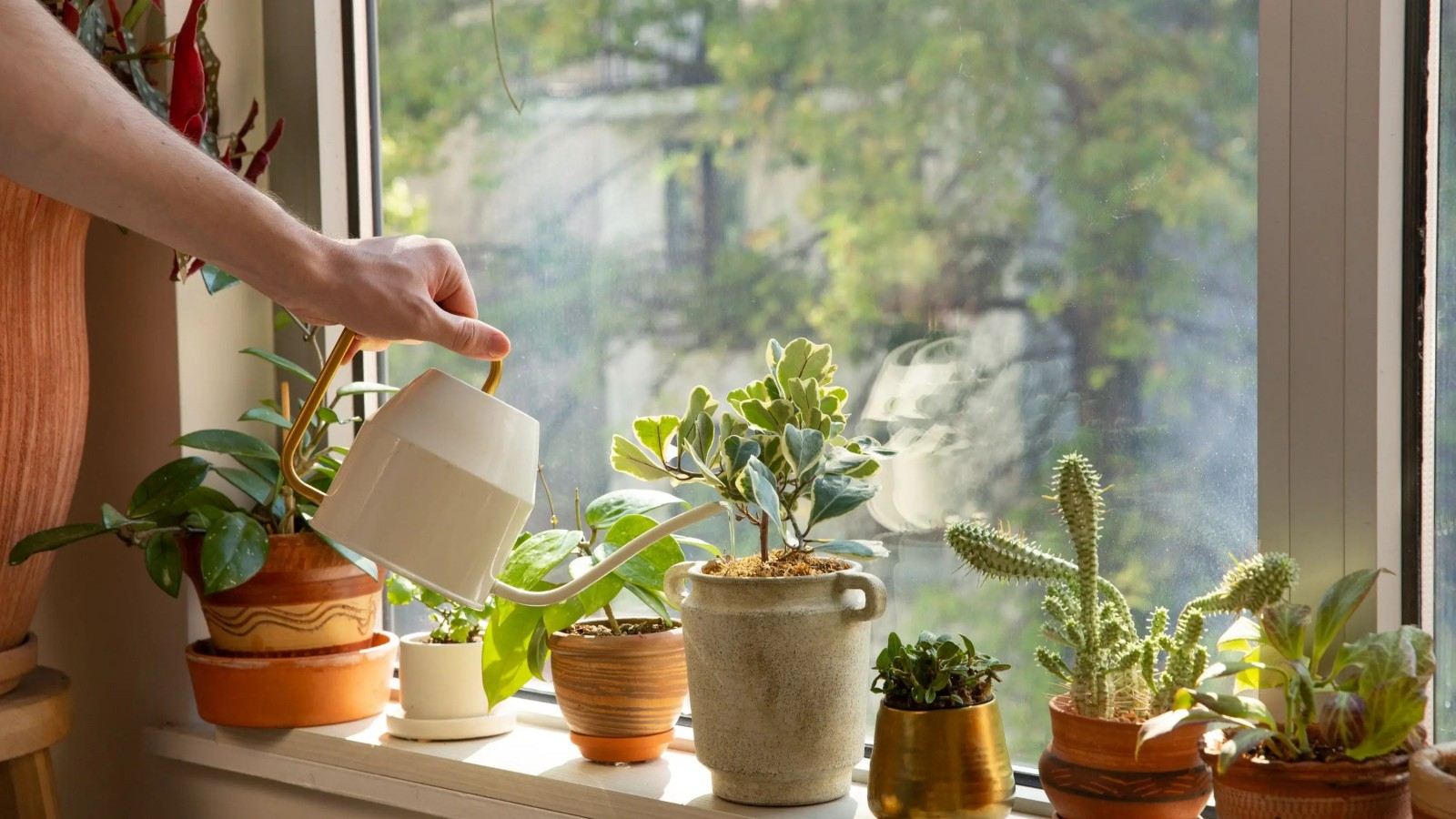
Jasmine is suitable for indoor cultivation, but it needs to meet certain conditions to grow healthily. It is best to place it near a sunny and well-ventilated window to ensure 4-6 hours of natural light every day to promote flower bud differentiation and flowering. Indoor air is usually dry, which can easily cause leaves to dry and fall, so it should be sprayed with clean water regularly to increase air humidity. In addition, be careful to avoid direct cold wind or sudden temperature drops, and keep the environment warm and stable, which will help jasmine maintain a good growth state and rich floral fragrance.
-
2 Is jasmine safe for pets?
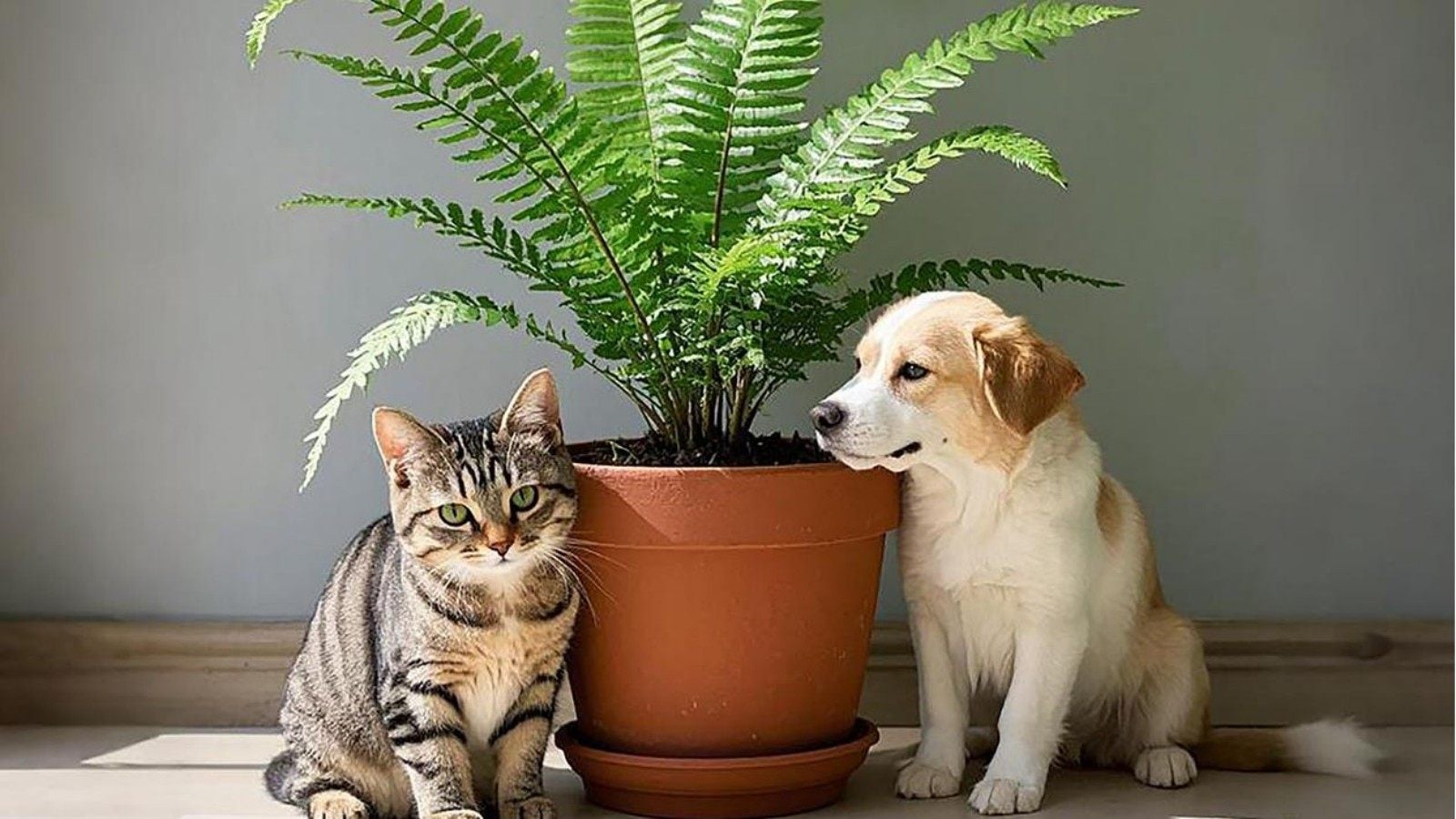
Jasminum sambac is relatively safe for most pets. It usually does not contain highly toxic ingredients and will not cause serious harm to cats and dogs like some poisonous plants. However, if pets accidentally ingest a large amount of jasmine leaves or flowers, it may cause mild gastrointestinal discomfort, such as vomiting or diarrhea. Therefore, although jasmine is low in toxicity, pet owners should still avoid letting their pets chew or swallow jasmine in large quantities to prevent discomfort. If the pet has an abnormal reaction, consult a veterinarian in time.
-
3 What are the methods for making scented tea with jasmine?
Pick fresh jasmine buds, choose flowers that are not fully open and free of pests and diseases, and flowers that have not been sprayed with pesticides and other agents, wash them clean and gently dry them with a clean towel. Prepare high-quality green tea or white tea, and put an appropriate amount of tea leaves in a teapot or teacup. Mix jasmine and tea leaves in a ratio of 1:3 and put them in a teapot. First brew them with hot water (about 80℃) and soak for about 2-3 minutes to allow the tea leaves and jasmine to blend. Pour out the tea soup and brew it repeatedly 2-3 times. The flower fragrance is rich and the taste is fresh. If you want to preserve it for a long time, you can dry the jasmine flowers, seal them for storage, and take them as needed when making tea.
Advertisement
Introduction
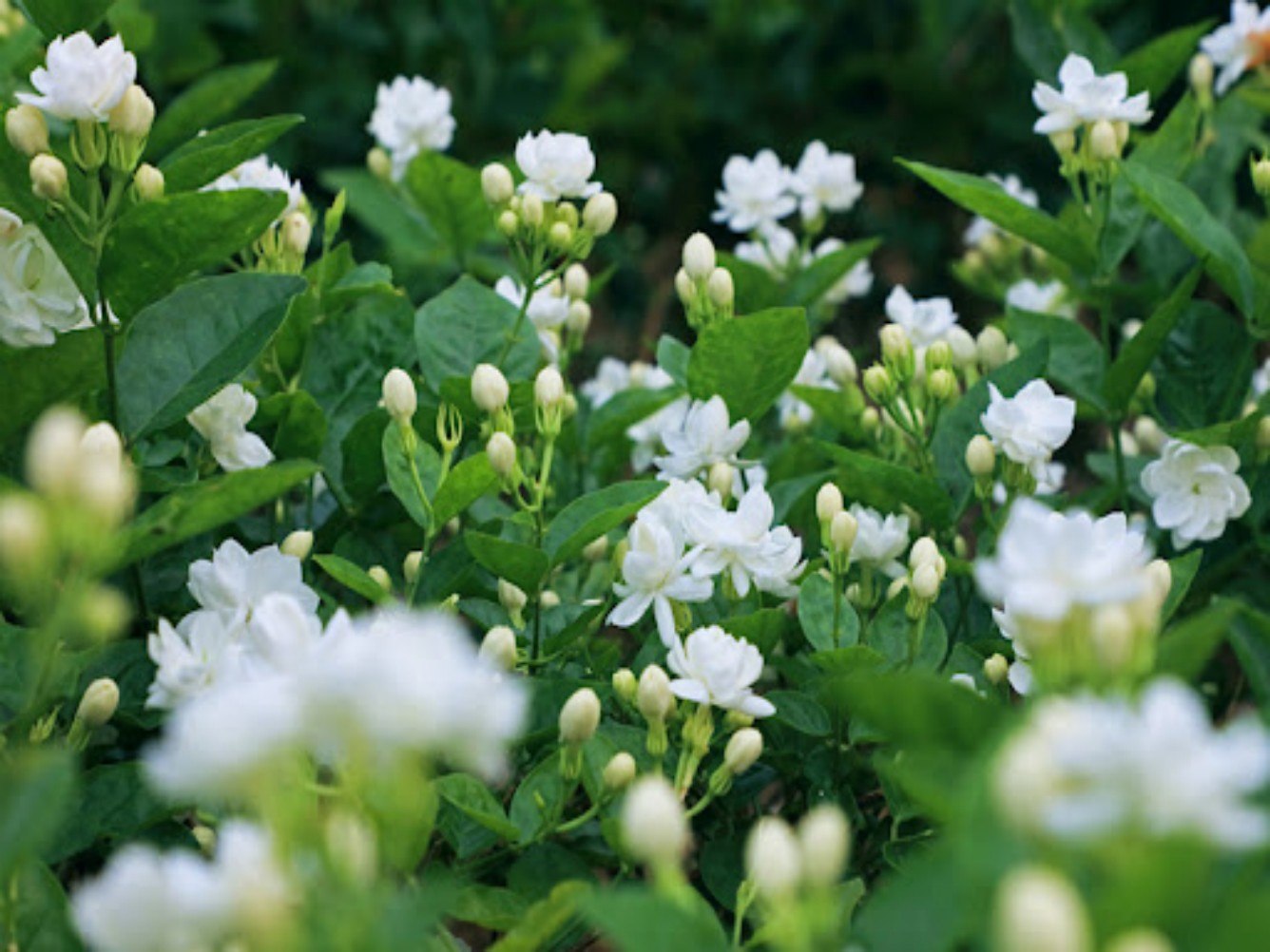
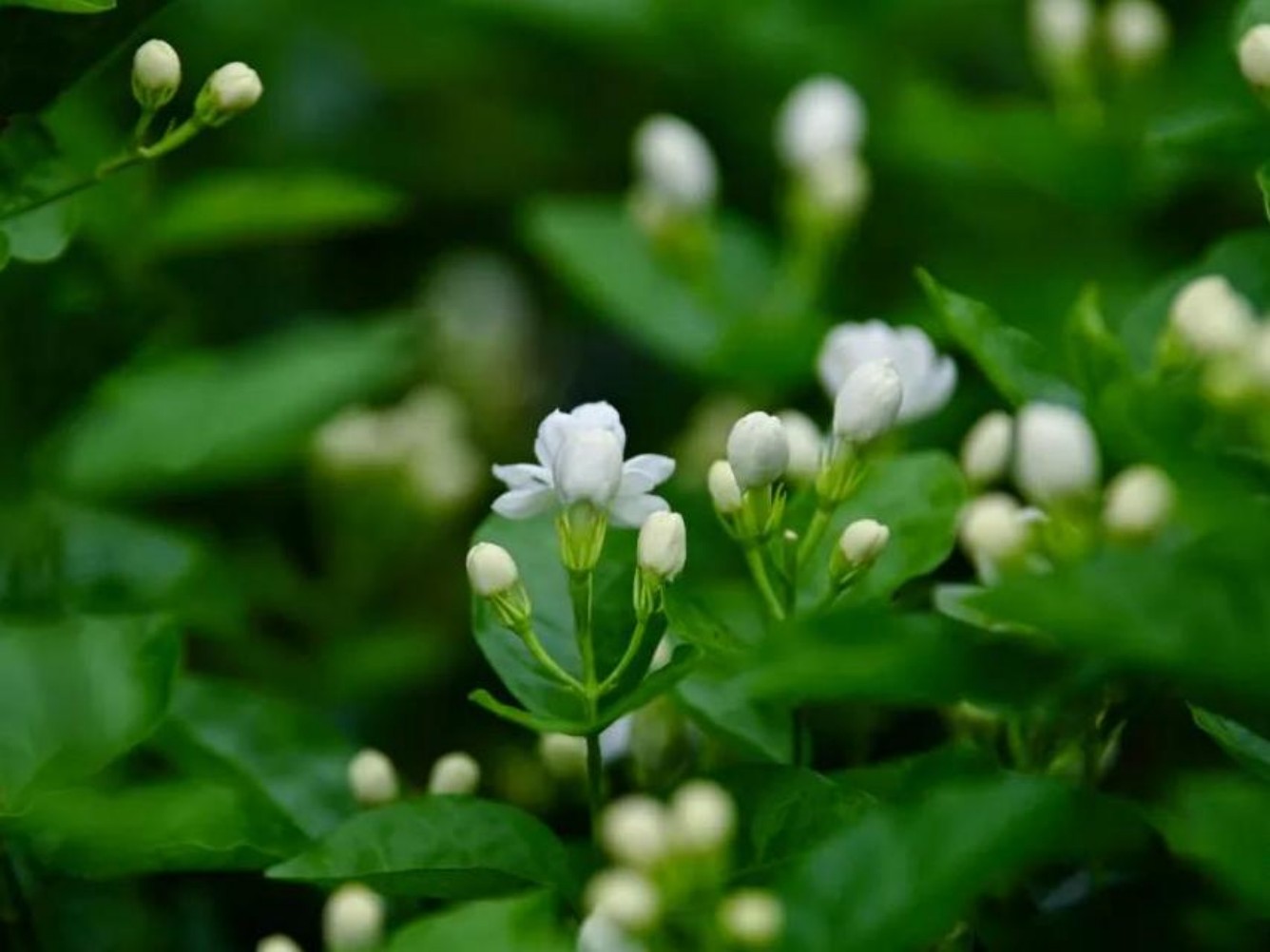
Jasminum sambac is an evergreen shrub of the genus Jasmine in the family Oleaceae. It is native to South Asia and is famous for its white flowers and rich fragrance. It is a plant with great ornamental and aroma value. Jasmine is not only a common ornamental plant, but is also often used to make perfumes, teas (such as jasmine tea) and traditional medicine. In many places, jasmine symbolizes purity, love and beauty.
Popular Plant Encyclopedia
-
-
Poisonous and danger
- Rhus typhina
-
-
-
Edible and medicinal
- Common sunflower
-
-
-
Poisonous and danger
- Plumeria rubra
-
-
-
Wild and common weed
- Convolvulus arvensis
-
-
-
Edible and medicinal
- Perilla frutescens
-
-
-
Edible and medicinal
- Pogostemon cablin
-
-
-
Edible and medicinal
- Common fenugreek
-
-
-
Edible and medicinal
- Garden Thyme
-
 Poisonous and danger
 Edible and medicinal
 Wild and common weed
Advertisement