Large Crabgrass
-
 Wild and common weed
 Wild and common weed
Nursing Skills
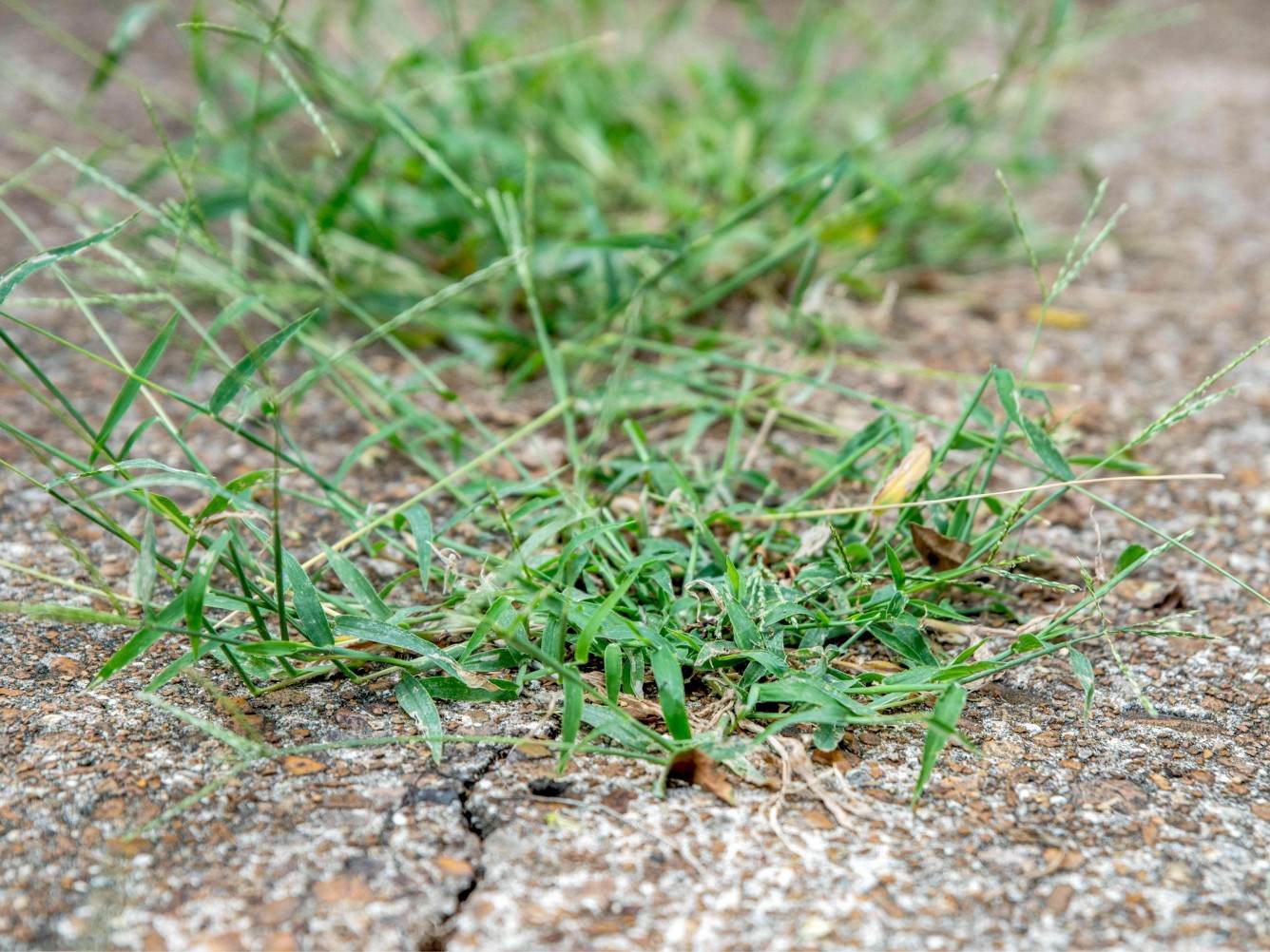
Large Crabgrass requires no special care and is sui for sunny, well-drained soils. It can be propagated quickly by sowing seeds and once rooted can cover a large area quickly. If used for landscaping, it should be mowed properly to control the border; if it is a weed, it should be eradicated promptly to prevent the seeds from spreading.
Advertisement
Plant Properties
-
- Toxicity
- Non-toxic
-
- Growth cycle
- Annual
-
- Plant type
- Herbaceous plants in the grass family
-
- Flowering period
- Summer to early fall (June-September)
-
- Fruiting period
- Fall (September-October)
-
- Plant height
- 20-60 cm
-
- Leaf color
- Light to dark green
-
- Stem color
- Green to reddish purple
-
- Leaf type
- Linear, lanceolate, margins finely hairy
Plant Care Requirements
-
Light
Like sunshine, the more sunshine the more prosperous
-
Soil moisture
Moderately dry, drought-tolerant but avoid wet flooding
-
Soil PH
5.5-7.5
-
Watering frequency
Ground plants depend on natural rainfall, potted plants once a week
-
Fertilizer frequency
Generally no need to fertilize
-
Temperature
20-35°C, grows fast at high temperature
-
Planting time
Sow in late spring to early summer
Advertisement
Plant Care Guide
-
How do I plant Large Crabgrass for groundcover?
Spring and summer sowingSelect well-drained bare ground or slopes with sufficient light and sow seeds in late spring to early summer. Cover lightly with a thin layer of soil and keep it moist, germination can be seen in 7-10 days. Large Crabgrass grows quickly and is suitable for short-term slope protection and bare ground landscaping, but care should be taken to control the boundary to prevent invasion of other planted areas.
-
Can Large Crabgrass be used for ecological restoration?
YesYes, Large Crabgrass has a well-developed root system and strong coverage, and is a commonly used herbaceous material for temporary ecological restoration. It can quickly consolidate soil, suppress dust and reduce soil erosion on barren land, which is especially suitable for scenarios such as mining areas, roadside slopes, etc. However, because it is an annual plant, it can be used for ecological restoration. However, because it is an annual plant, it is recommended to use it with perennial grasses.
-
How to control the spread of Large Crabgrass?
Pruning seedsMatanga can be mowed before inflorescence formation to stop the spread of seeds. Borders can also be controlled by physical barriers (e.g. fencing, mulch) or mowing. Regular mowing around the perimeter of the planting area to eradicate seedlings and stubs is effective in reducing sprouting the following year. If you do not intend to keep it, the root base should be completely removed.
-
Is Large Crabgrass suitable for potting?
Yes, but not recommendedLarge Crabgrass can also be used in pots for landscaping, and has a natural spreading shape with a wilderness style aesthetic. It is suitable for planting in shallow pots or hanging along the steps to create a wild atmosphere. However, care should be taken to control its proliferation to avoid seeds falling into other pots and causing mixing, and to keep sufficient light to facilitate its dense growth.
-
Do I need to prepare Large Crabgrass for sowing?
UnnecessaryNo. Large Crabgrass seeds have a high capacity for natural germination and can be sown directly. However, in order to increase the germination rate, the seeds can be mixed with fine sand and spread evenly before sowing to avoid accumulation of mold. After sowing, lightly cover the soil and spray water to keep it moist, which is good for softening the seed coat and smooth seedling emergence.
-
Can I mix the seeds with other plants?
Not recommendedNo. Large Crabgrass is highly competitive and can suppress the growth of other grasses, especially in the early stages of sowing, which can quickly take up water and space resources. If you want to mix with other plants, you should choose faster growing plants or plants with stronger root system to work with them, and strengthen the maintenance management to avoid imbalance in the lawn.
Advertisement
Frequently Asked Questions
-
1 Why is Large Crabgrass considered a “vicious weed” in agricultural fields?
Because of its rapid growth and strong seed reproduction, once it enters the field, it can spread rapidly, shading crops, competing for water and fertilizer resources, and affecting crop yields. Moreover, it is resistant to herbicides and is often difficult to eradicate at one time, so it is regarded as a high-risk weed by farmers.
-
2 Is Large Crabgrass edible? Does it have any medicinal value?
Large Crabgrass has been used for a short period of time in some areas as roughage for cattle and sheep, but it is not recommended for human consumption due to the coarse, hard fibers that are difficult for humans to digest. It has no clear medicinal value, but there are occasional but unproven uses for topical application. Its main ecological value lies in greening and soil stabilization, and it is not a medicinal plant.
-
3 Will planting Large Crabgrass affect nearby flowers?
Yes, Large Crabgrass can suppress neighboring flowers or seedlings through root expansion and dense foliage shading. Especially during the early stages of flower germination, Large Crabgrass can inhibit seed germination if it appears too early. Therefore, they should be planted with caution or removed in a timely manner near flower beds or ornamental plant areas.
-
4 Is Large Crabgrass harmful to pets?
Large Crabgrass is non-toxic and is not directly harmful to most pets such as dogs and cats. However, if it is harvested from the roadside, it may be contaminated with herbicides, heavy metals or parasites, which may pose a safety risk if accidentally ingested. Pets that like to chew on plants should avoid contact with untreated Large Crabgrass.
Advertisement
Introduction
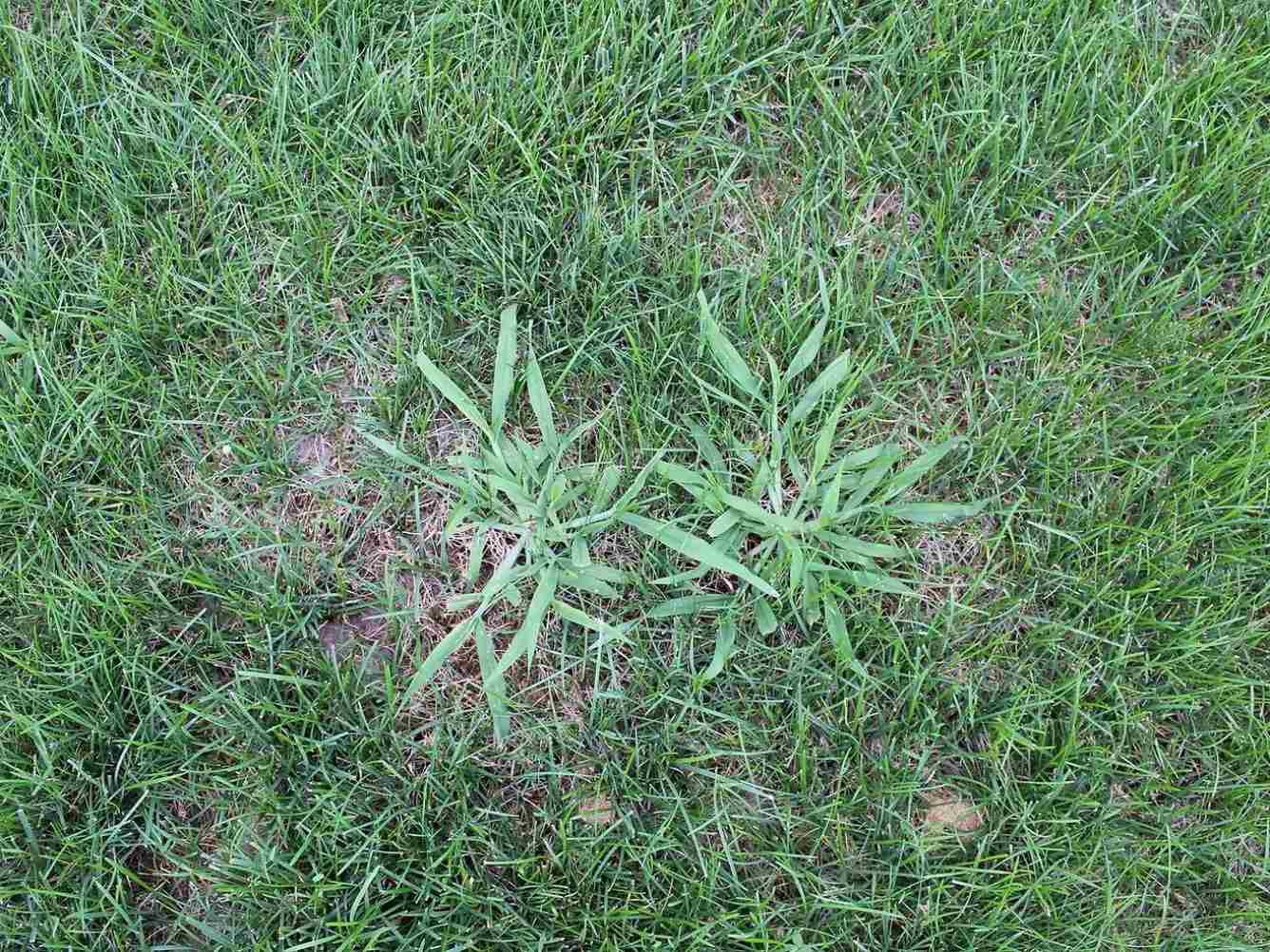
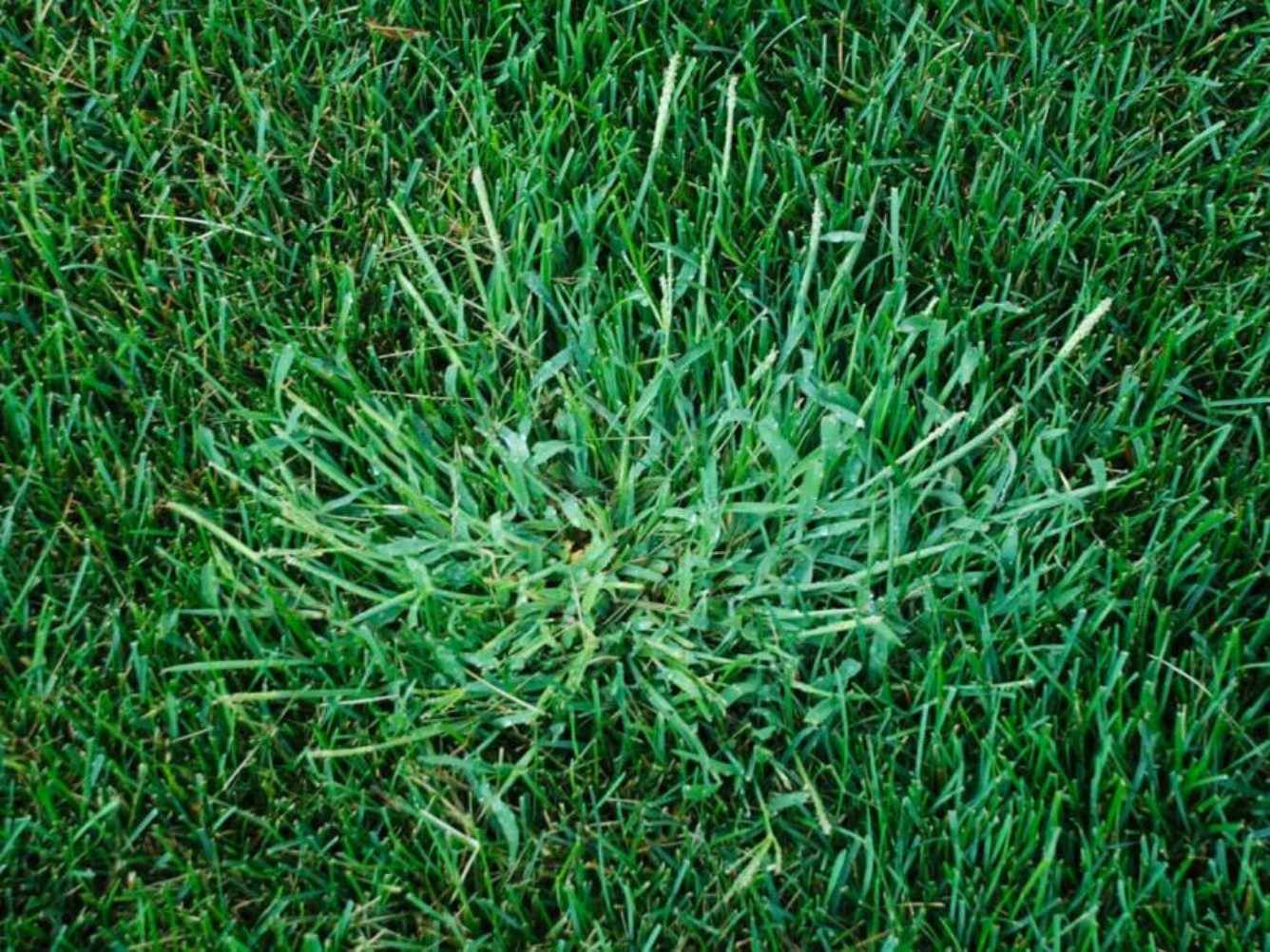
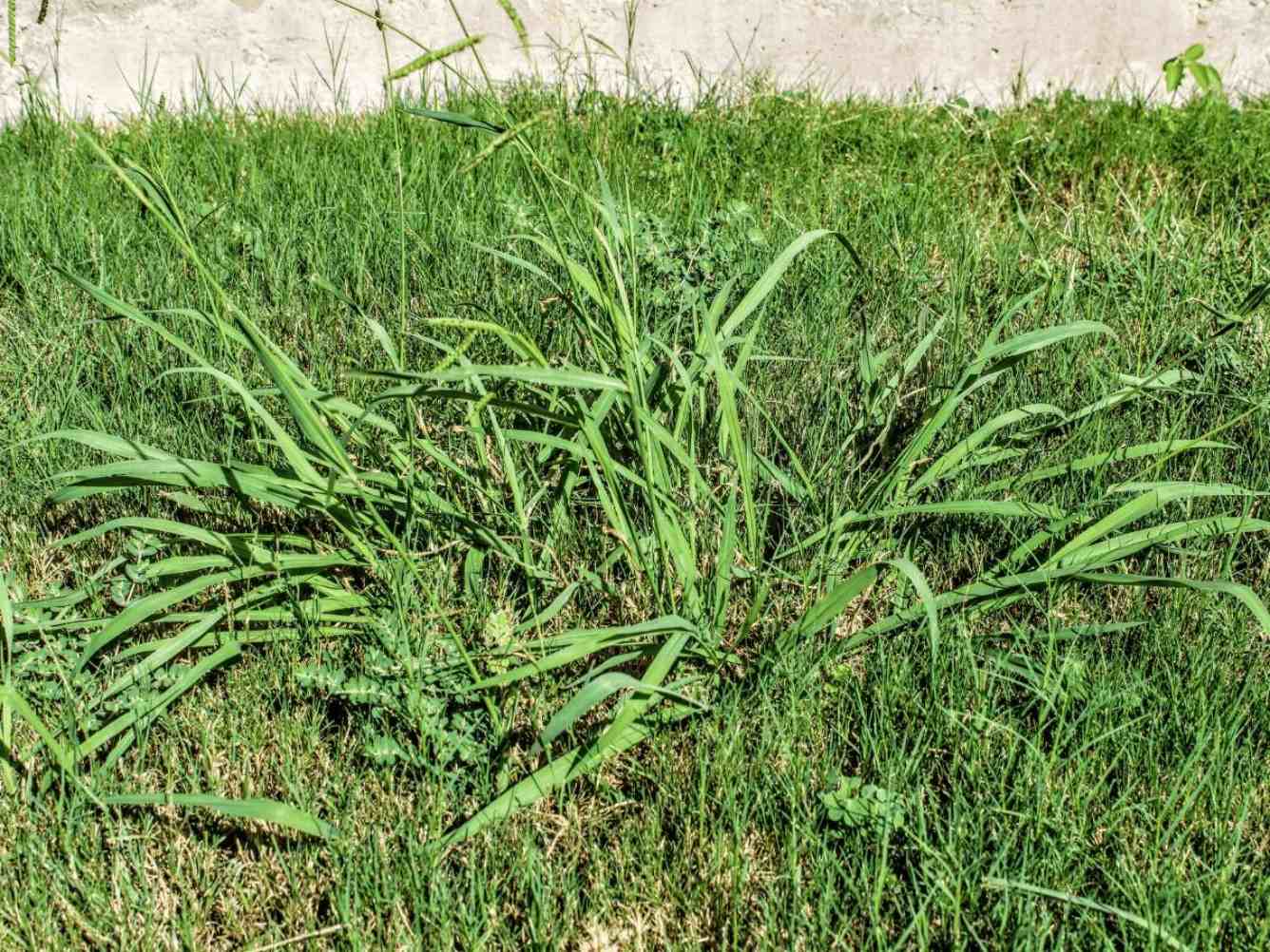
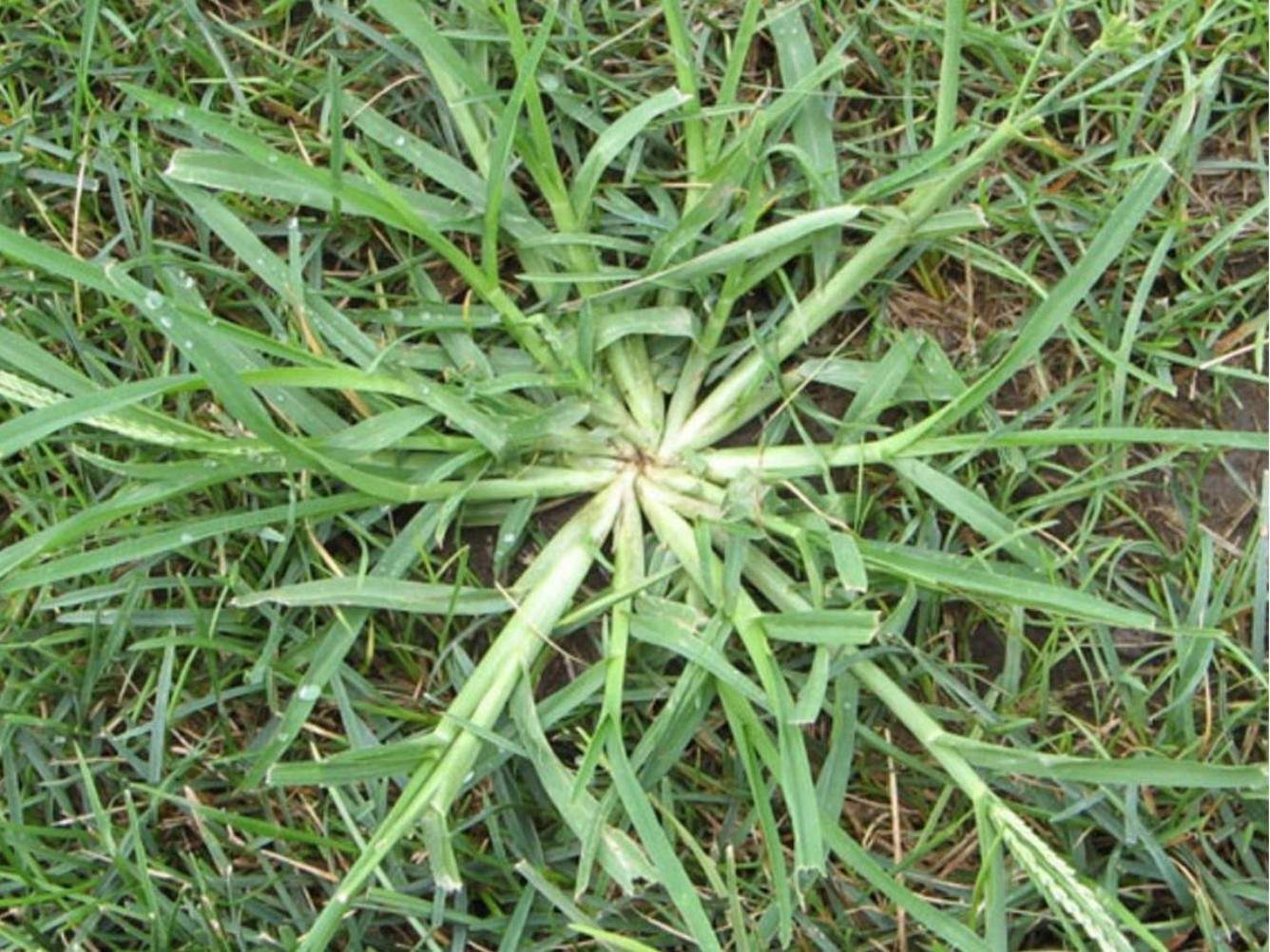
Large Crabgrass is an annual grass plant with creeping stem nodes that spread rapidly in the soil. It is native to temperate and tropical regions and is widely distributed in agricultural fields, grasslands, roadsides and other places. With its strong vitality and wide adaptability, it is regarded as one of the hardy weeds, and is also used as a temporary groundcover greening or slope protection plant.
Popular Plant Encyclopedia
-
-
Poisonous and danger
- Rhus typhina
-
-
-
Edible and medicinal
- Common sunflower
-
-
-
Poisonous and danger
- Plumeria rubra
-
-
-
Wild and common weed
- Convolvulus arvensis
-
-
-
Edible and medicinal
- Perilla frutescens
-
-
-
Edible and medicinal
- Pogostemon cablin
-
-
-
Edible and medicinal
- Common fenugreek
-
-
-
Edible and medicinal
- Garden Thyme
-
 Poisonous and danger
 Edible and medicinal
Advertisement