Lemon
-
 Poisonous and danger
 Poisonous and danger
Nursing Skills
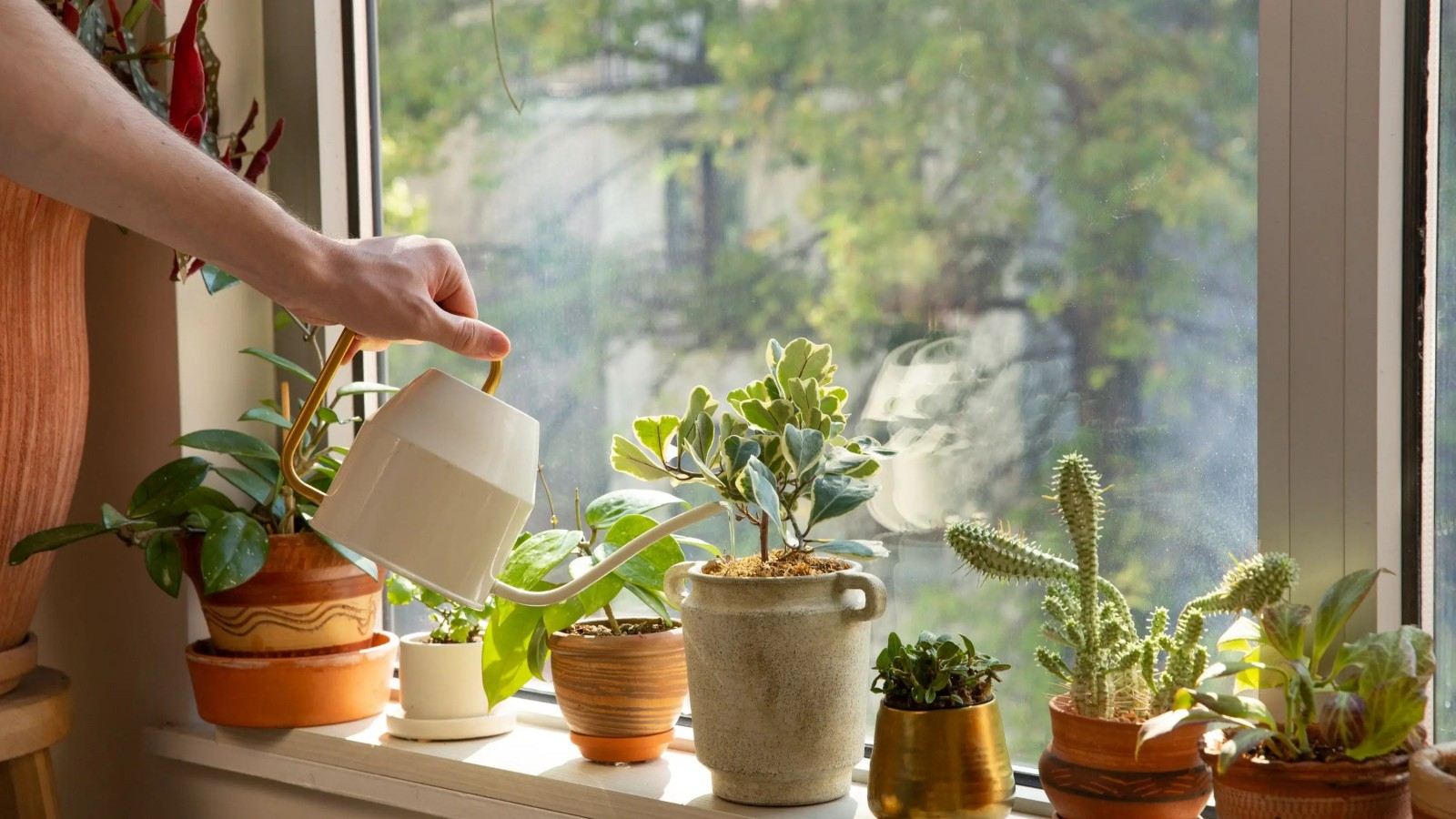
Lemon plants need well-drained, slightly acidic soil. Place them in a sunny spot, ensuring at least 6-8 hours of sunlight daily. Water regularly, keeping the soil moist but not waterlogged. Fertilize monthly during the growing season. Prune to maintain shape and remove dead branches.
Advertisement
Plant Properties
-
- Toxicity
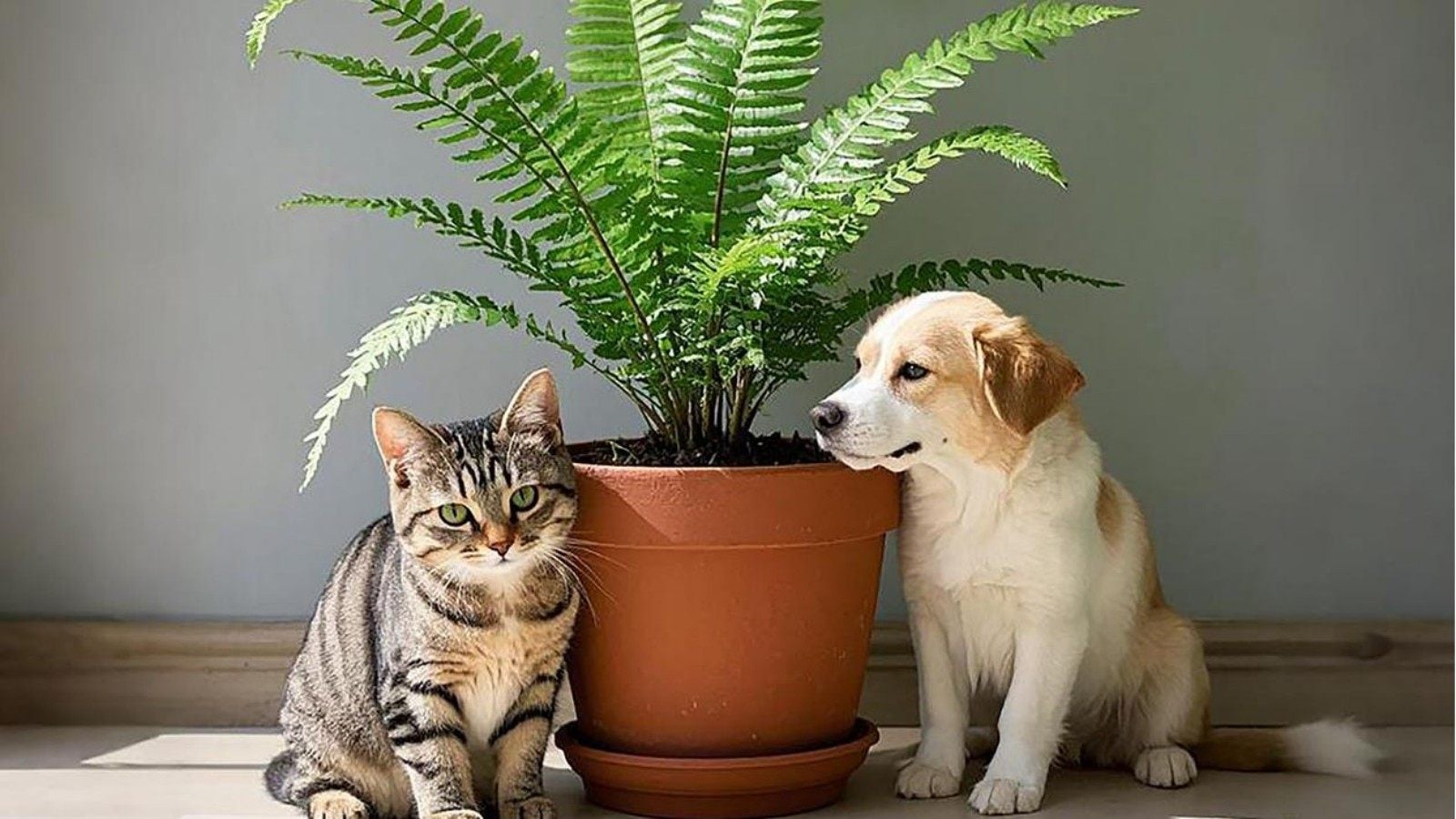
- Toxic to pets such as cats and dogs
-
- Plant height
- Can reach 3-6 meters
-
- Leaf type
- Single compound leaf with fine serrations on the leaf margin
-
- Growing season
- Growing all year round, but the main growing season is in spring and summer
-
- Plant type
- Evergreen small tree
-
- Flower diameter
- about 2-3 cm
-
- Flower color
- white
-
- Ideal temperature
- The suitable growth temperature is 15-30°C
Plant Care Requirements
-
Difficulty of care
Medium
-
Lifespan
Long-lasting
-
Watering time
Depending on the dryness and wetness of the soil, generally 1-2 times a week
-
Sunlight requirements
Sunny
-
Soil pH
5-7
-
Planting time
Spring, summer, autumn
-
Cold-resistant zone
9—11
Advertisement
Plant Care Guide
-
How cold-resistant is it?
Average cold-resistantLemons are average cold-resistant and suitable for growing in warm climates. In cold areas (such as long-term temperatures below 5°C in winter), lemons need to be moved indoors or to a greenhouse to avoid frostbite on branches and leaves. You can also put plastic bags in pots to keep warm, and cover the roots with straw or pine needles to reduce damage to the root system caused by low temperatures and ensure safe wintering.
-
What are the light requirements?
Likes strong lightLemons need sufficient light, at least 6 hours of direct light per day. From spring to autumn, they can be maintained in full sunlight to promote flower bud differentiation and fruit ripening. Appropriate shade is required at noon in summer to avoid leaf burns. When maintained indoors, they should be placed on a south-facing windowsill and the flower pots should be rotated regularly to ensure that the plants are evenly exposed to light and avoid leggy growth.
-
How to control the frequency of watering?
likes moisture and avoids waterloggingLemon watering should follow the principle of "see dry and see wet". Water thoroughly 1-2 times a week in spring and autumn. In summer, the high temperature evaporates quickly, so it can be increased to 2-3 times, and reduced to 1-2 times a month in winter. Check the soil moisture before watering, insert your finger 2-3 cm into the soil, and water thoroughly if it is dry to avoid waterlogging and root rot. Drain water in time during the rainy season to prevent root hypoxia.
-
What is the fertilization method?
likes fertilizer and needs thin fertilizer and frequent applicationApply thin liquid fertilizer once a month during the lemon growth period (March-October), mainly nitrogen, phosphorus and potassium balanced fertilizer to promote branch and leaf growth. Apply phosphorus and potassium fertilizers (such as potassium dihydrogen phosphate) before flowering, and spray foliar fertilizer once a week to promote flowering and fruiting. Supplement calcium fertilizer during the fruit expansion period to prevent fruit cracking. Stop fertilizing in winter to avoid fertilizer damage. Water thoroughly after fertilization to prevent root burn.
-
How to prune branches?
Regular pruning promotes fruitingLemons need to be pruned every year. Before spring buds, remove weak branches, cross branches and overcrowded branches, retain main branches and side branches, and enhance ventilation and light transmission. After flowering, thin out the remaining flowers and thin fruit branches to reduce nutrient consumption. Thin the fruits during the fruit expansion period, and keep 2-3 healthy fruits on each branch. Prune dead branches in winter and apply wound healing agents to prevent pathogens from invading.
-
How to prevent and control diseases and pests?
Prevention-oriented comprehensive prevention and controlCommon diseases of lemons include anthracnose and sooty mold, which can be prevented by spraying mancozeb once a month. For insect pests such as spider mites and aphids, spray the front and back of the leaves with soapy water. When insect eggs or the early stage of the disease are found, cut off the diseased leaves and isolate the plants in time. Keep the environment ventilated and avoid high temperature and humidity to reduce the occurrence of diseases and insect pests.
Advertisement
Frequently Asked Questions
-
1 Are lemons toxic to cats?
Lemons are toxic to cats. The citric acid, essential oils, and psoralens contained in its peel, leaves, and fruit may cause vomiting, diarrhea, drooling, depression, weakness, and even damage to the central nervous system if eaten or licked by cats. Lemon plants and products should be placed out of reach of cats to avoid contact.
-
2 Are lemons toxic to dogs?
Lemons are also toxic to dogs. After dogs accidentally eat lemons, citric acid will irritate their gastrointestinal tract, causing symptoms such as vomiting, diarrhea, and abdominal pain, and may also cause photosensitive dermatitis. If a dog accidentally touches or eats it, it needs to be closely observed. If the symptoms are severe, it should be sent to the doctor immediately to avoid delaying treatment.
-
3 Are lemons suitable for indoor cultivation?
Lemons are suitable for indoor cultivation, but certain conditions must be met. It needs sufficient light, and it is best to place it on a south-facing balcony or window to ensure more than 6 hours of direct light per day. At the same time, the temperature should be controlled at 15-30℃, the humidity should be 50%-60%, regular ventilation should be carried out, and watering and fertilization should be carried out properly, otherwise problems such as poor growth, falling flowers and fruits are prone to occur.
-
4 How long does it take for lemons to bear fruit?
The fruiting time of lemons varies depending on the maintenance conditions. Cuttings or grafted seedlings generally bloom and bear fruit after 2-3 years of maintenance, while seedlings need 5-7 years. Sufficient light, suitable temperature (15-30℃), and reasonable water and fertilizer management (fertilization every month during the growth period, and additional phosphorus and potassium fertilizers during the flowering period) can promote fruiting. If improperly maintained, the fruiting time may be delayed or even no fruiting.
Advertisement
Introduction
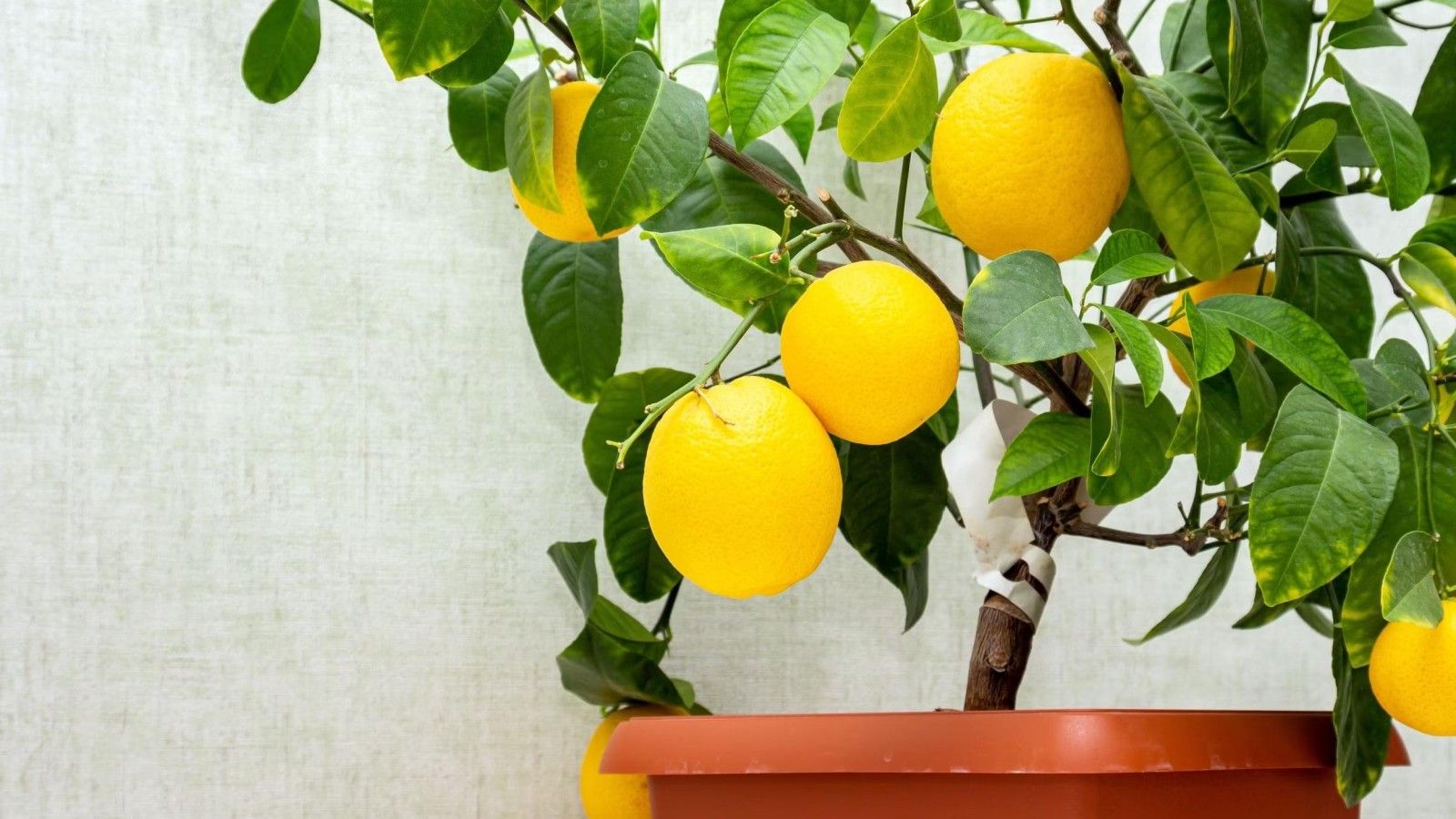
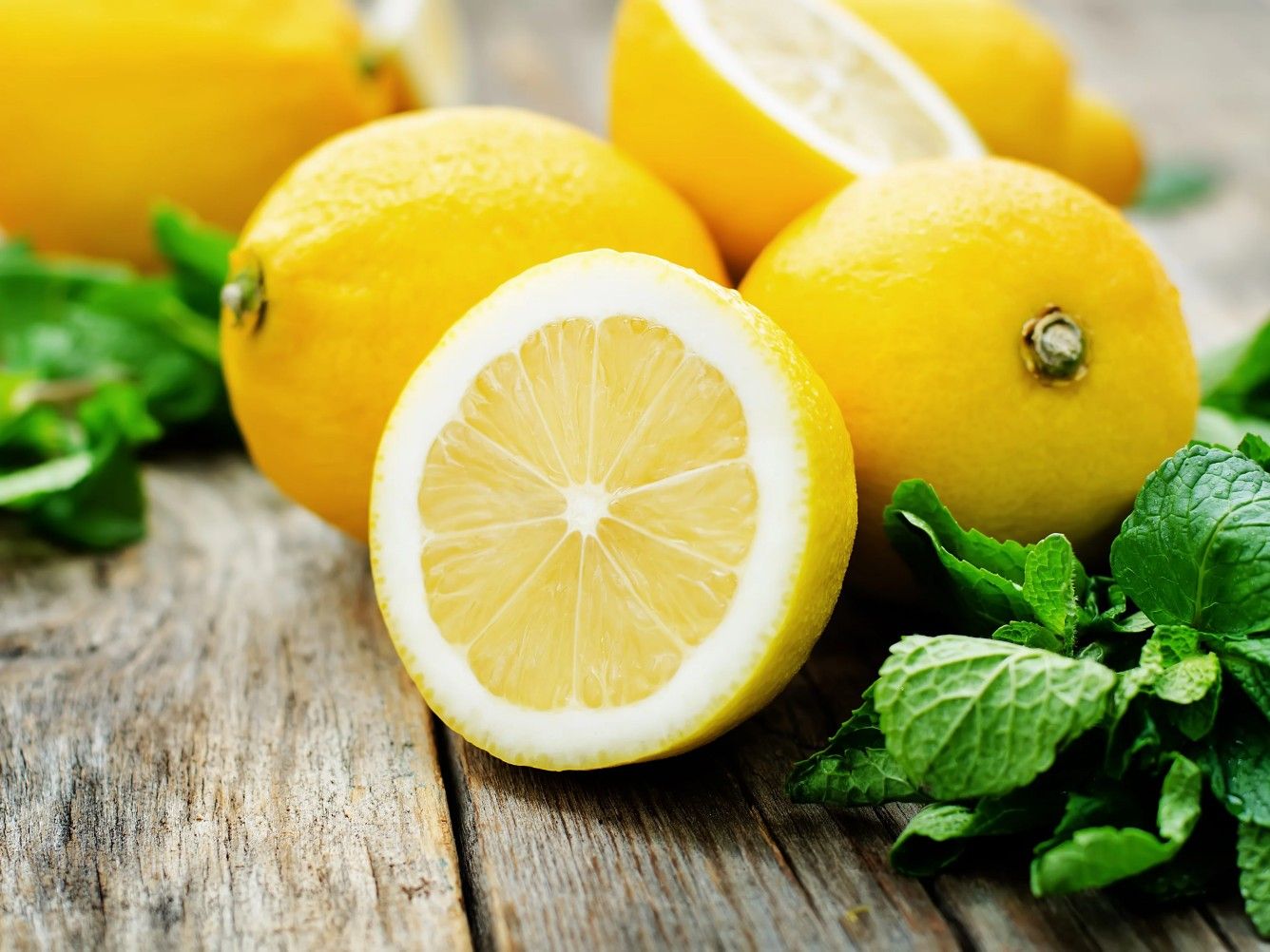
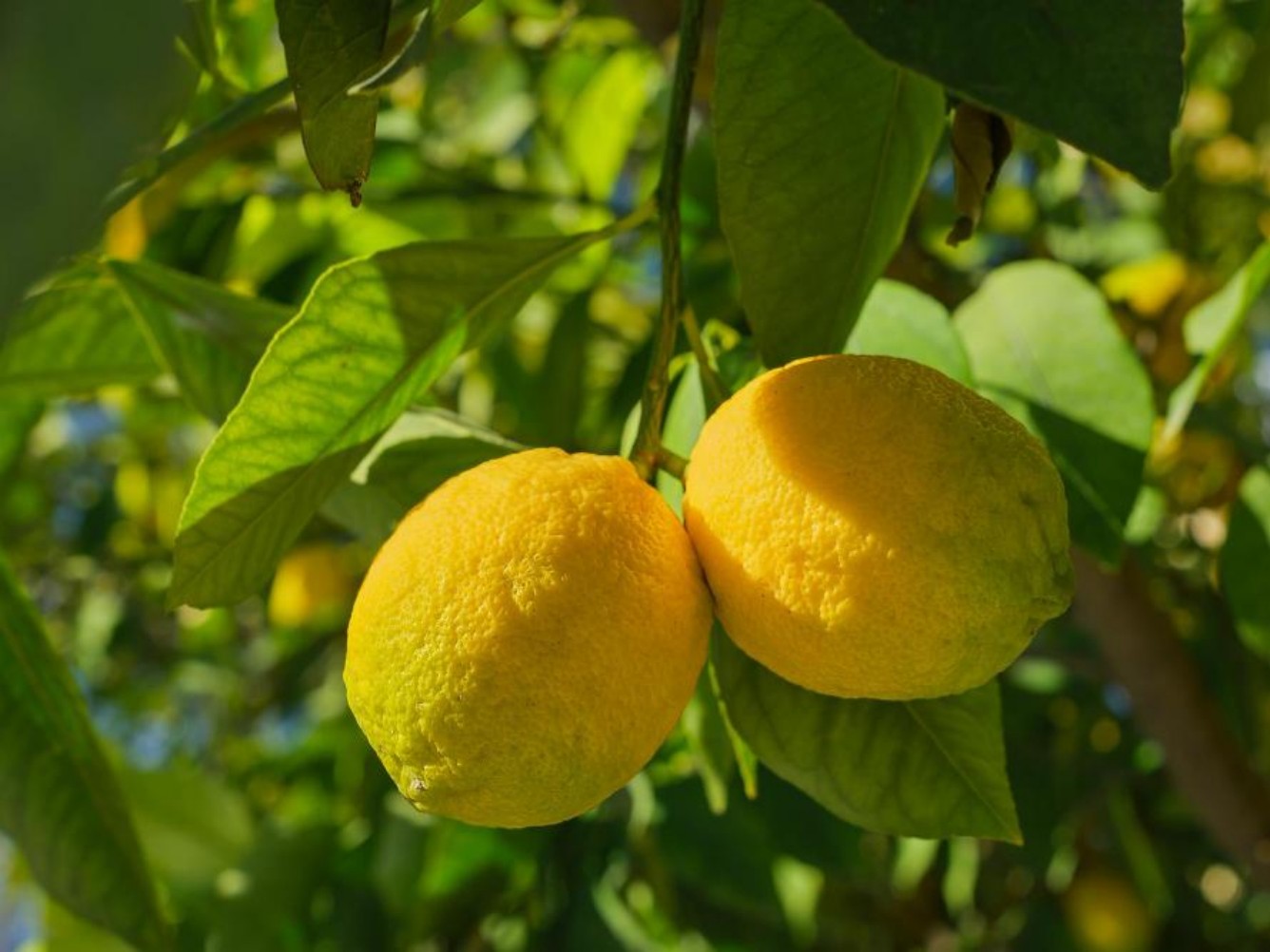
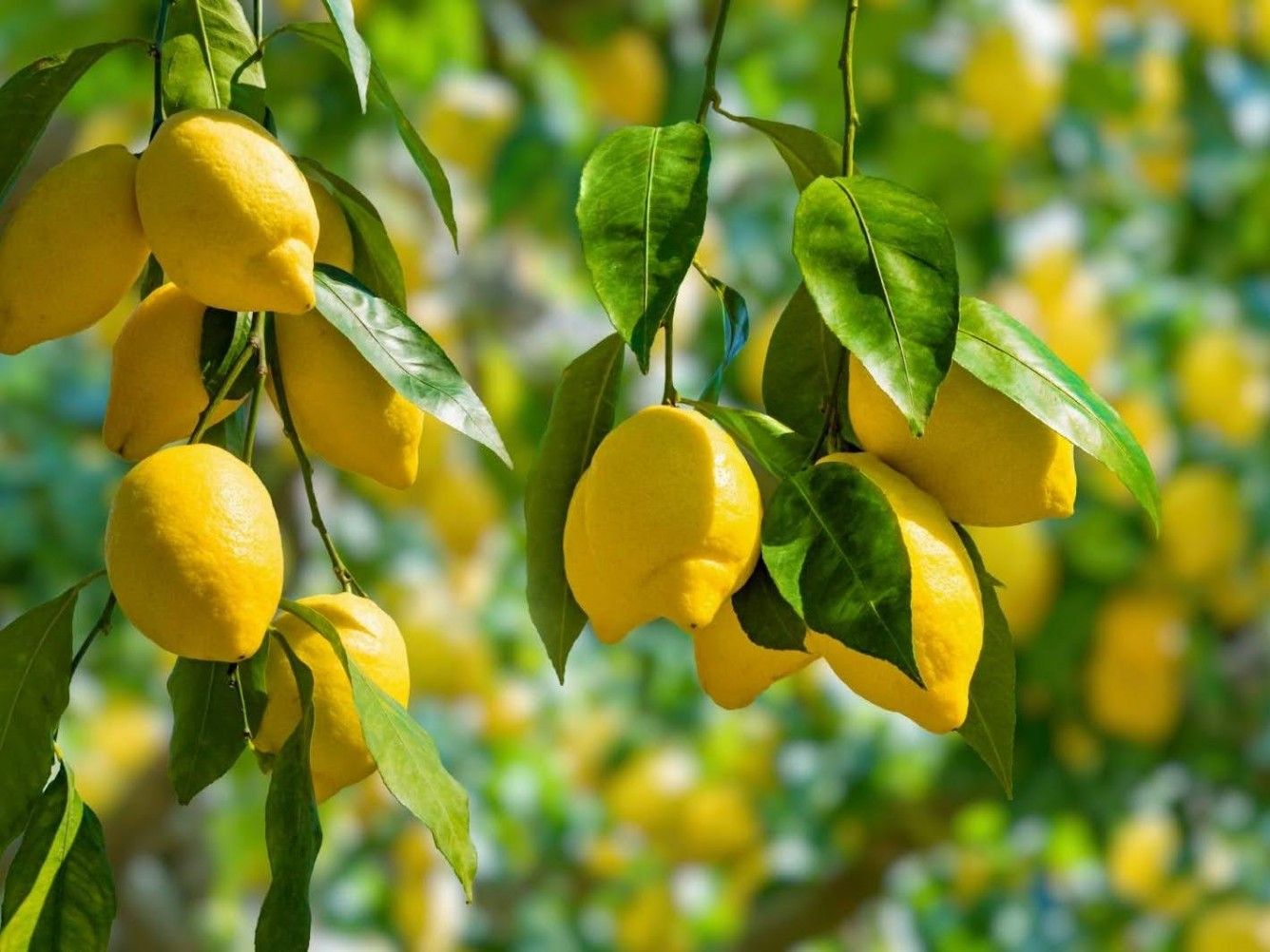
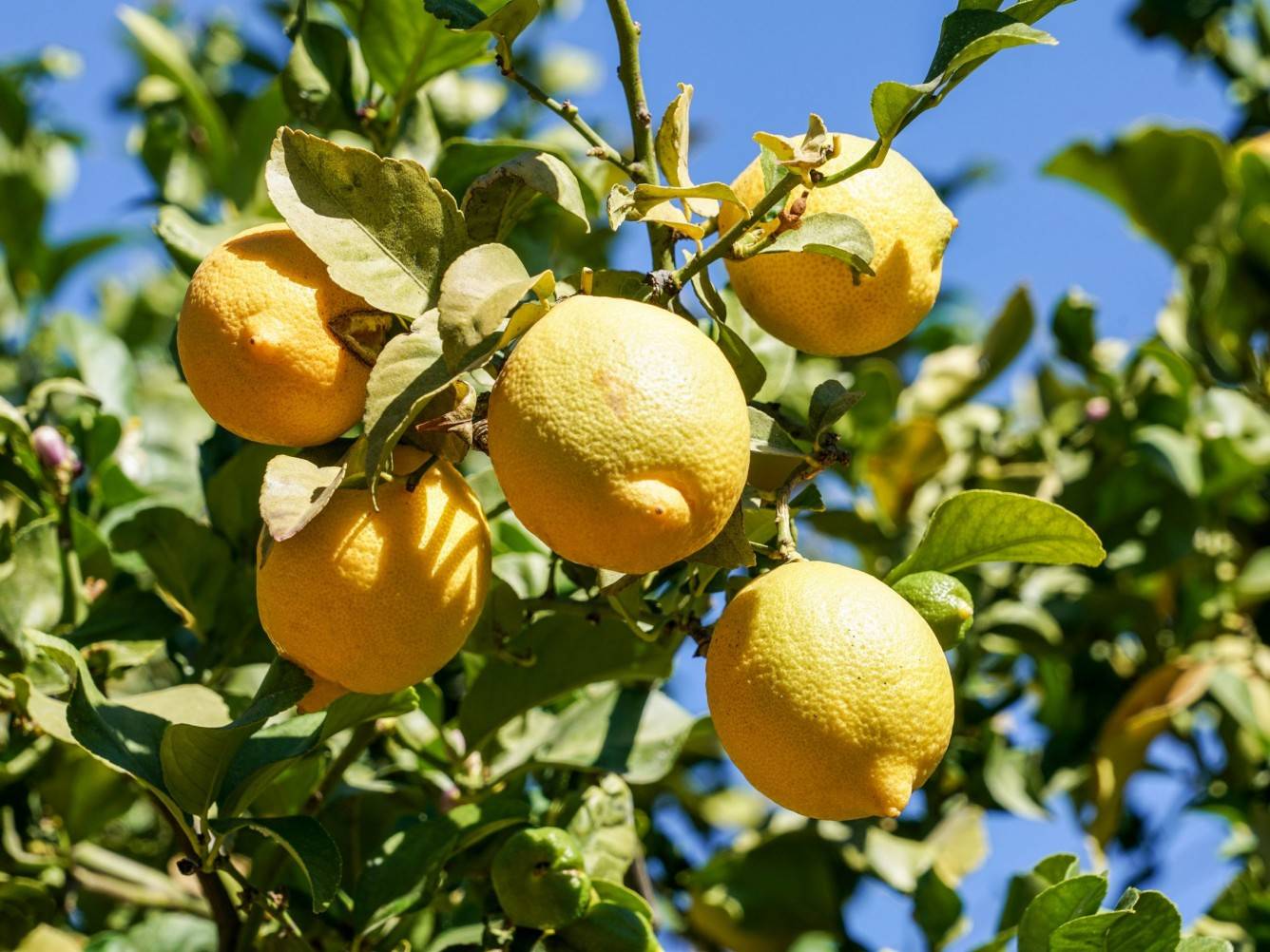
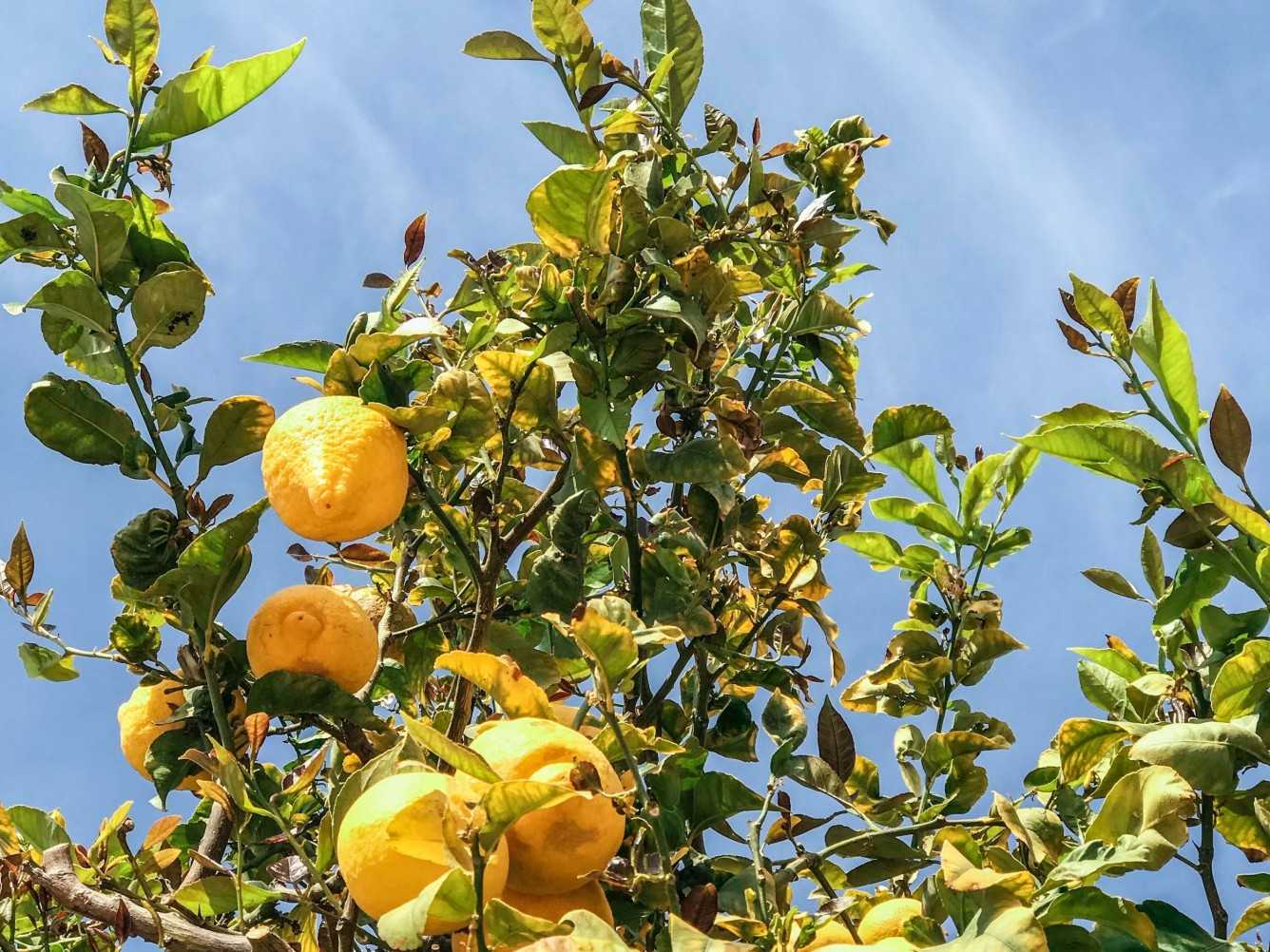
Lemon is an evergreen small tree of the genus Citrus in the Rutaceae family. The branches have thorns, the leaves are single compound leaves, and the wing leaves are narrow. The flowers are solitary or clustered, and the petals are white. The fruit is oval, narrow at both ends, the peel is thick and rough, yellow, and the flesh is sour. Lemon s warmth and shade, sui for deep soil and well-drained soil. It is native to Southeast Asia and is now widely cultivated.
Popular Plant Encyclopedia
-
-
Poisonous and danger
- Rhus typhina
-
-
-
Edible and medicinal
- Common sunflower
-
-
-
Poisonous and danger
- Plumeria rubra
-
-
-
Wild and common weed
- Convolvulus arvensis
-
-
-
Edible and medicinal
- Perilla frutescens
-
-
-
Edible and medicinal
- Pogostemon cablin
-
-
-
Edible and medicinal
- Common fenugreek
-
-
-
Edible and medicinal
- Garden Thyme
-

 Edible and medicinal
 Wild and common weed
Advertisement