Licorice
-
 Edible and medicinal
 - Also known as: Cultivated licorice, Liquorice Root, Spanish Juice, Sweet Wood, Sweetwood, Common licorice
 Edible and medicinal
Nursing Skills
Licorice plants thrive in full sun and well-drained, sandy or loamy soil with a slightly alkaline to neutral pH. They require moderate watering—keeping the soil moist but not soggy. Licorice prefers warm climates and is best planted in spring after the last frost. Regular weeding and occasional feeding with balanced fertilizer support healthy growth. Harvest roots after 2–3 years for optimal flavor and medicinal quality.
Advertisement
Plant Properties
-
- Lifespan
- Perennial
-
- Plant Type
- Herb, Shrub
-
- Bloom Time
- Summer, Fall
-
- Harvest Time
- Fall
-
- Plant Height
- 1.2 m
-
- Leaf Color
- Green, Gray
-
- Flower Size
- 8 mm to 1.2 cm
-
- Flower Color
- White, Purple, Violet
-
- Fruit Color
- Brown, Red, Copper, Burgundy
Plant Care Requirements
-
Difficulty of Care
medium, needs space for root growth
-
Watering Schedule
Moderate watering, keep the soil evenly moist, avoid waterlogging
-
Light Requirements
Full sun, at least 6-8 hours of direct sunlight per day
-
Planting Time
Spring
-
Hardness zone
7-9
-
Growth rate
Slow to moderate, root development takes 2-3 years
-
Ideal temperature
20°C - 30°C
Advertisement
Plant Care Guide
-
What kind of soil is best for growing licorice?
Licorice requires deep, loose, and well-draining soil to develop its long taproots, which are the primary part harvested for culinary and medicinal use. The best soil types are sandy loam or loamy soil, enriched with organic matter such as compost or aged manure. A slightly alkaline pH (between 6.1 and 8.0) is ideal. The soil should not be compacted, as this can stunt root growth and lead to waterlogging. Raised beds or deep garden plots can improve drainage and root space.
-
How much sunlight does licorice need to grow well?
At least 6 to 8 hours a dayLicorice is a sun-loving perennial that grows best in full sun, requiring at least 6 to 8 hours of direct sunlight per day. Adequate sunlight supports healthy leaf production and robust root development. If grown in partial shade, the plant may survive but typically yields smaller roots. In cooler climates, ensure it’s planted in the sunniest area possible. In hot, dry regions, a little afternoon shade may help prevent excessive moisture loss.
-
How often should I water licorice plants?
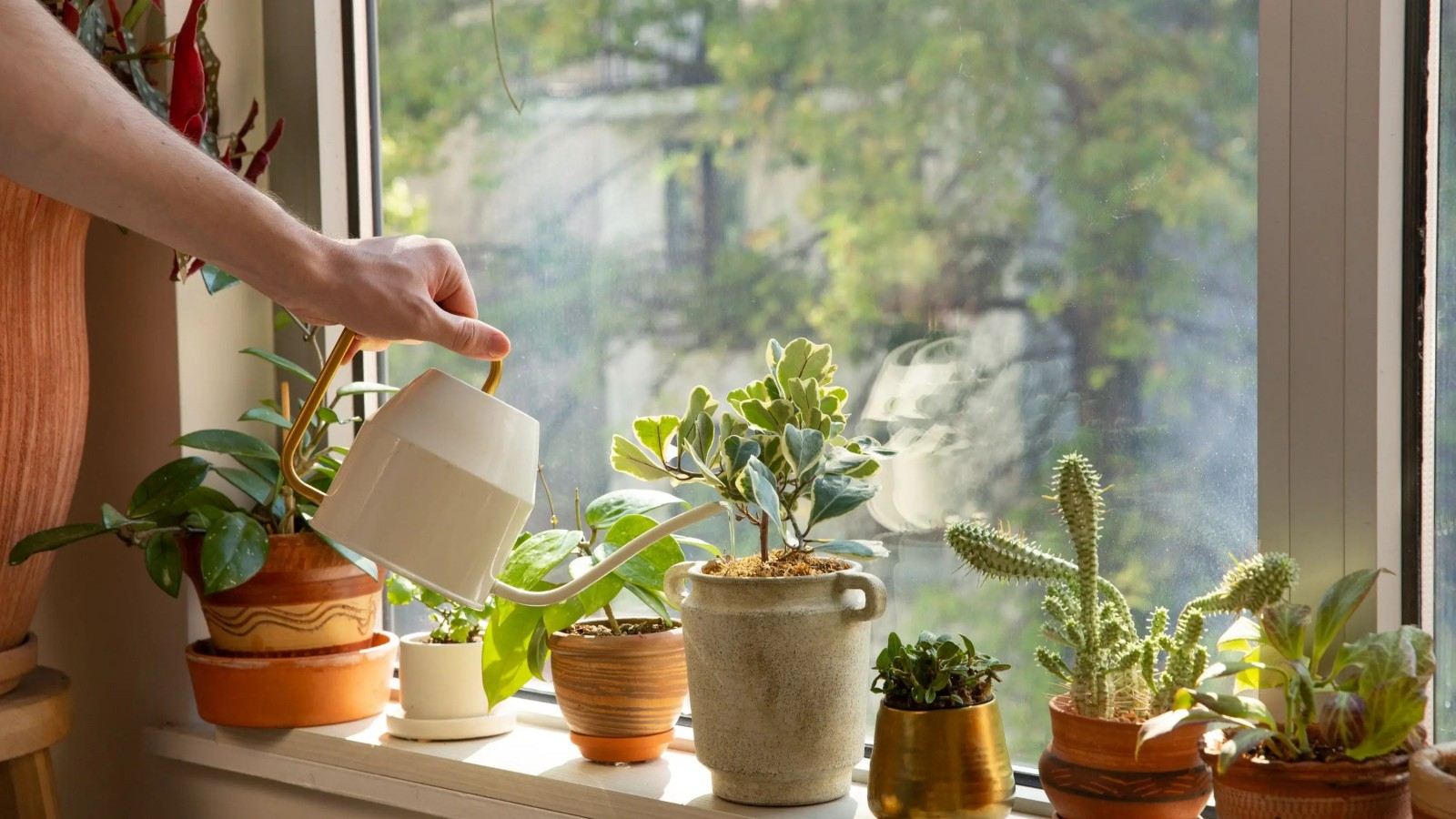
Water moderatelyLicorice needs moderate but consistent watering, especially during its active growing season from spring through late summer. Water the plant deeply once or twice a week, depending on local rainfall and soil conditions. The goal is to keep the soil evenly moist, but not soggy, as overly wet conditions can lead to root rot. Allow the top 1 to 2 inches of soil to dry out between waterings. In hot climates, adding a layer of mulch can help retain soil moisture and suppress weeds.
-
When is the best time to plant licorice?
Early spring to mid-springThe ideal time to plant licorice is in early to mid-spring, once the danger of frost has passed and the soil has warmed up. Planting at this time gives the young plants a full growing season to establish. Licorice can be grown from seeds, rhizomes, or root cuttings, although root divisions are often more reliable. Keep in mind that licorice is a slow-growing perennial and requires 2 to 3 years to reach a harvestable stage, so patience is essential.
-
How do I fertilize licorice plants?
Fertilize moderatelyLicorice plants do not require heavy fertilization but do benefit from balanced, organic nutrition. Mix well-rotted compost into the soil at planting time to provide slow-release nutrients. During the growing season, you can apply a balanced organic fertilizer (e.g., 10-10-10) once or twice. Avoid fertilizers with excessive nitrogen, as this promotes leaf growth at the expense of root development. Feeding every 6–8 weeks during active growth is typically sufficient.
-
What climate or temperature is ideal for licorice growth?
20°C to 30°CLicorice prefers warm, temperate climates and grows best in regions where summer temperatures range between 20°C and 30°C (68°F to 86°F). It is hardy in USDA Zones 7 through 9, tolerating light frosts but not prolonged freezing. In colder regions, it may die back in winter, though roots can survive if well-mulched. For colder climates (Zones 6 and below), consider growing licorice in large containers that can be moved indoors during winter or placed in a greenhouse.
-
How long does licorice take to mature, and how is it harvested?
Two to three yearsLicorice is a long-term crop, taking two to three full growing seasons to develop roots large enough for harvesting. It is typically harvested in the late fall, after the foliage dies back. To harvest, carefully dig up the root system, taking care not to damage the main taproots. The harvested roots are washed, dried thoroughly in a shaded, well-ventilated space, and then stored or processed. In commercial production, some plants are left in the ground longer for larger yields.
Advertisement
Frequently Asked Questions
-
1 Can I grow licorice in containers or pots?
Yes, you can grow licorice in large containers, but it requires careful planning due to its deep and spreading root system. Choose a container that is at least 18–24 inches deep and wide to give the roots ample space to grow. Use a well-draining potting mix with good organic content. Keep the plant in a sunny location, and ensure consistent watering without waterlogging. Container-grown licorice may produce smaller roots and may take a bit longer to mature than those planted in open ground. However, containers are ideal for cold climates where the plant needs to be overwintered indoors or in a greenhouse.
-
2 How long does it take for licorice to be ready for harvest?
Licorice is a slow-growing perennial and typically takes 2 to 3 years to produce harvestable roots. Patience is essential, as the roots need time to grow thick and potent enough for use. The ideal time for harvesting is in the late autumn of the second or third year, after the aerial parts of the plant begin to die back. For medicinal or culinary use, roots should be harvested carefully using a garden fork to avoid breakage, then cleaned, dried, and stored in a cool, dry place. Some growers leave part of the root system intact to allow regrowth for future harvests.
-
3 Is the licorice plant invasive or aggressive in growth?
Licorice is not typically classified as invasive, but it can spread aggressively under ideal conditions due to its vigorous rhizomatous root system. Once established, it tends to colonize space quickly, especially in loose and fertile soil. This spreading nature makes it suitable for naturalized herb gardens or permaculture beds but may require management in smaller gardens. To contain its spread, many gardeners choose to grow it in raised beds or large pots, or use root barriers in the ground. Regular thinning and dividing can also help keep its growth in check.
-
4 What are the medicinal or culinary uses of licorice roots?
Licorice root has been valued for centuries for its medicinal properties, especially in traditional Chinese medicine, Ayurveda, and Western herbalism. It is commonly used as a demulcent, expectorant, and anti-inflammatory agent, especially in herbal teas for treating sore throats, coughs, and digestive issues. Culinary uses include flavoring candies, beverages, and herbal liqueurs. However, it should be consumed in moderation, as excessive intake may lead to side effects such as high blood pressure or potassium imbalance due to its glycyrrhizin content. Always consult with a healthcare provider before using it for therapeutic purposes.
-
5 Does licorice attract any pests or diseases? How do I manage them?
Licorice is relatively resistant to pests and diseases, but it can occasionally be affected by aphids, spider mites, or root rot in poorly drained soils. Aphids and mites can be controlled with regular spraying of insecticidal soap or neem oil, while fungal issues like root rot can be prevented by avoiding waterlogged conditions and ensuring proper drainage. In cooler climates, licorice may also suffer from crown rot if the soil stays too moist in winter. To manage these risks, monitor the plant regularly, remove any dead or diseased foliage, and avoid overhead watering when possible.
Advertisement
Introduction
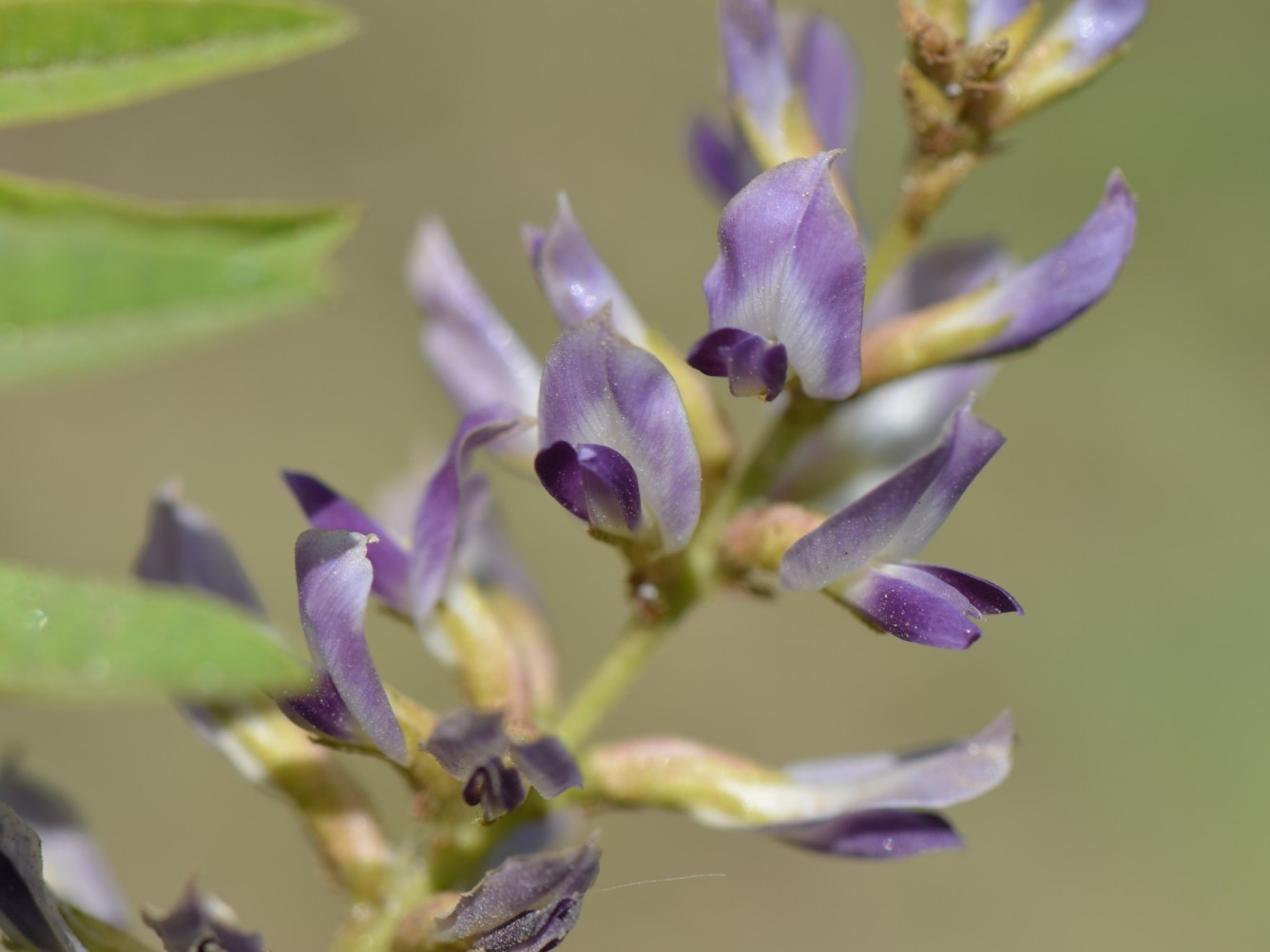
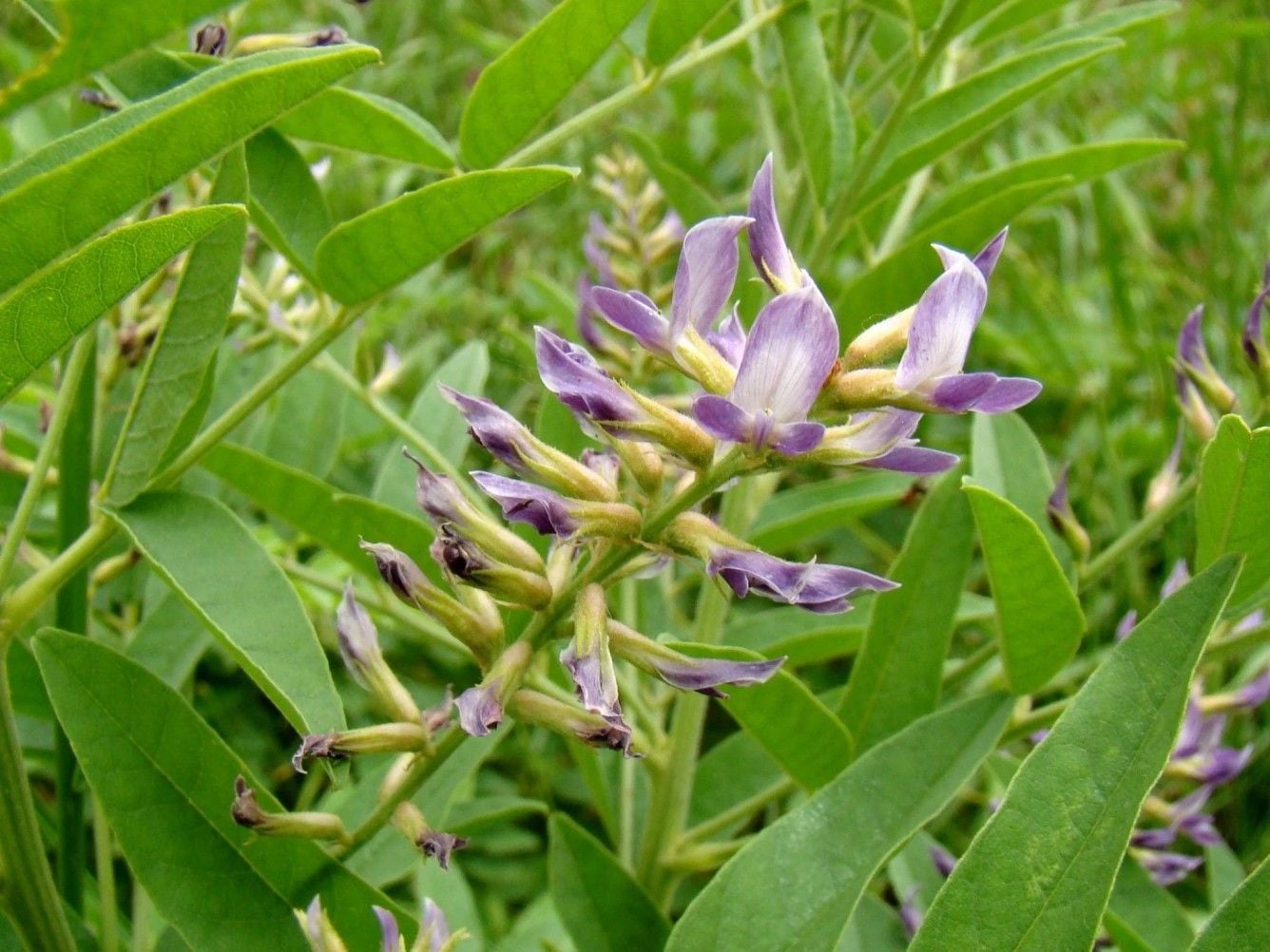
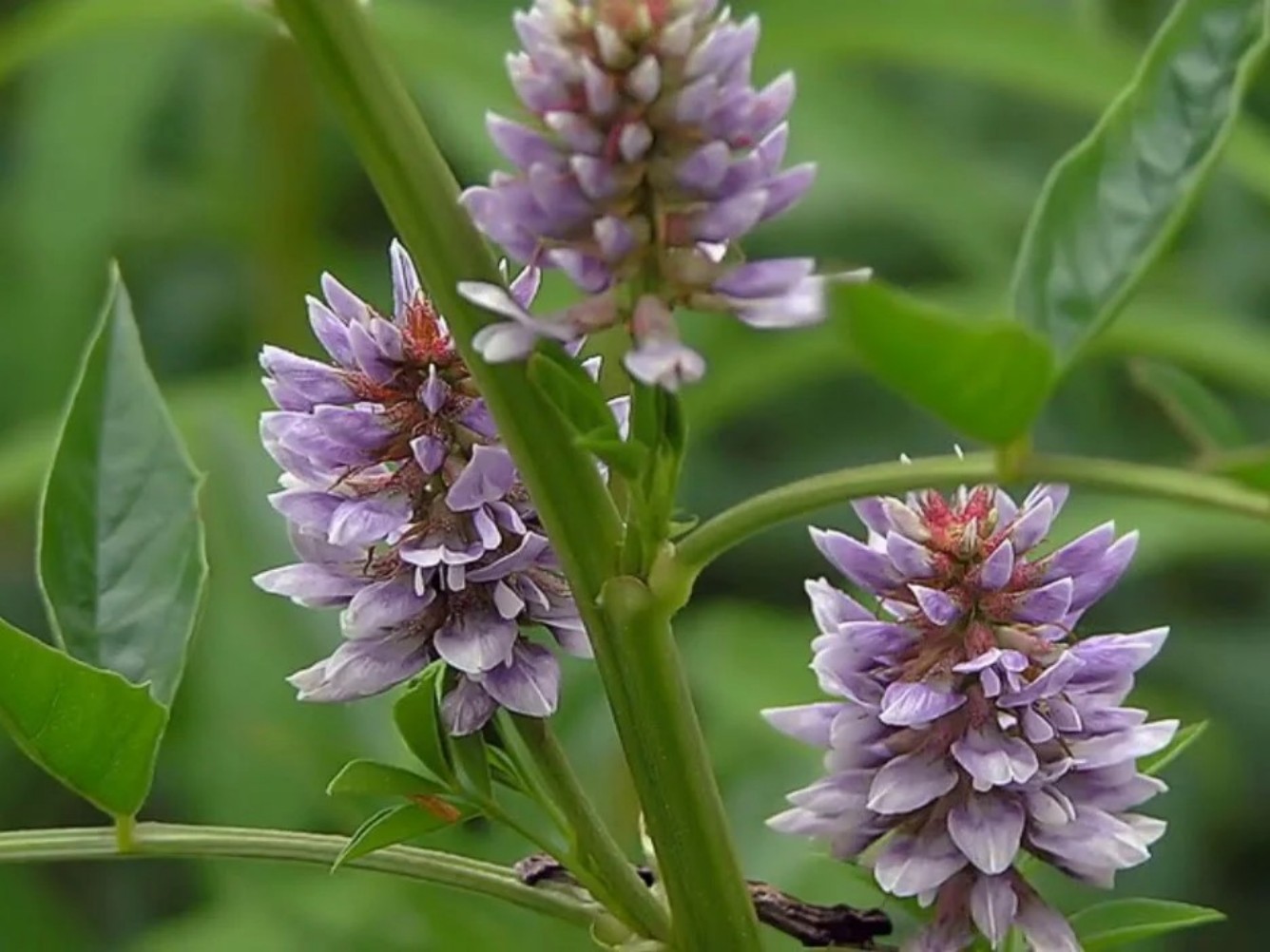
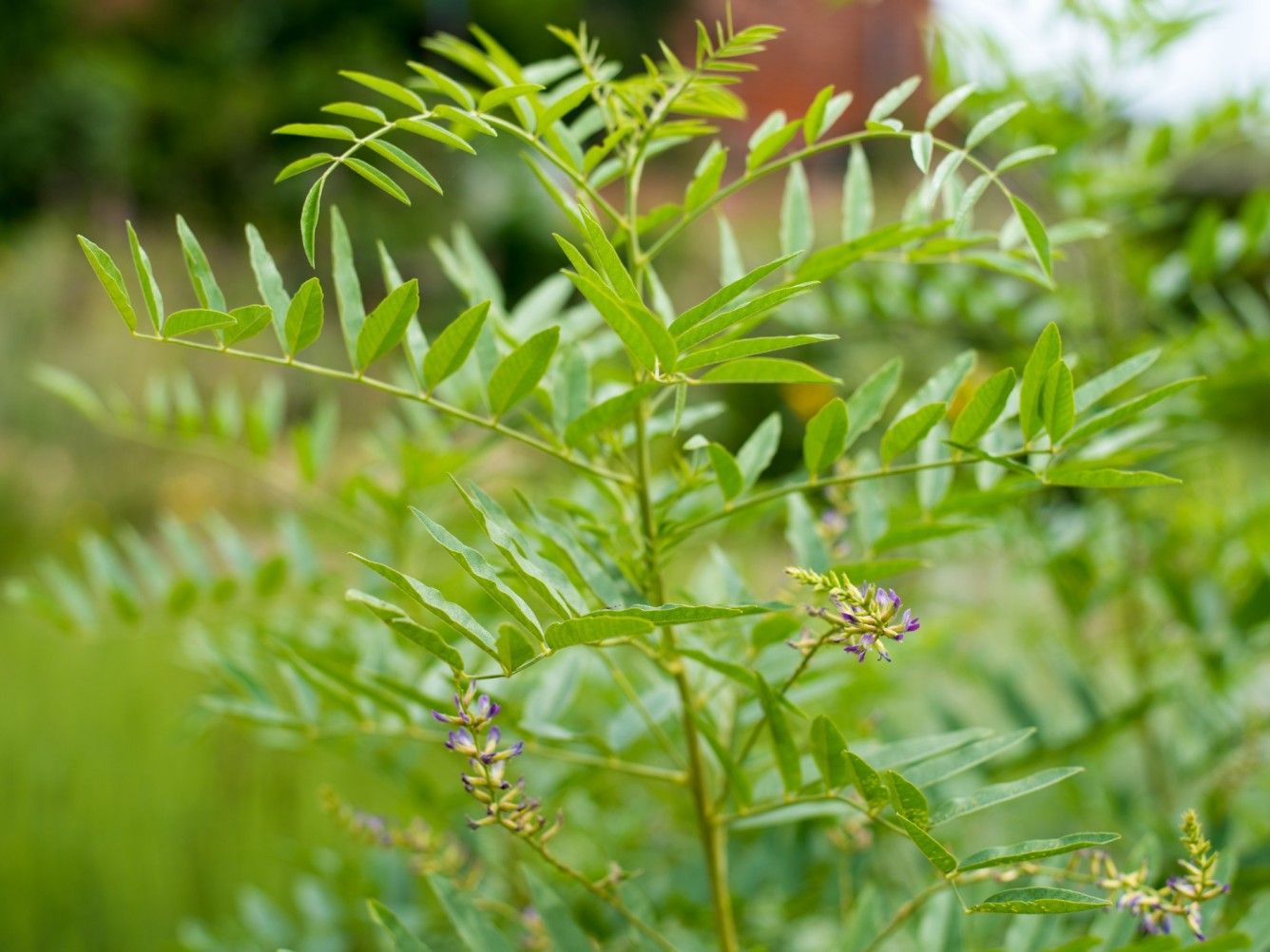
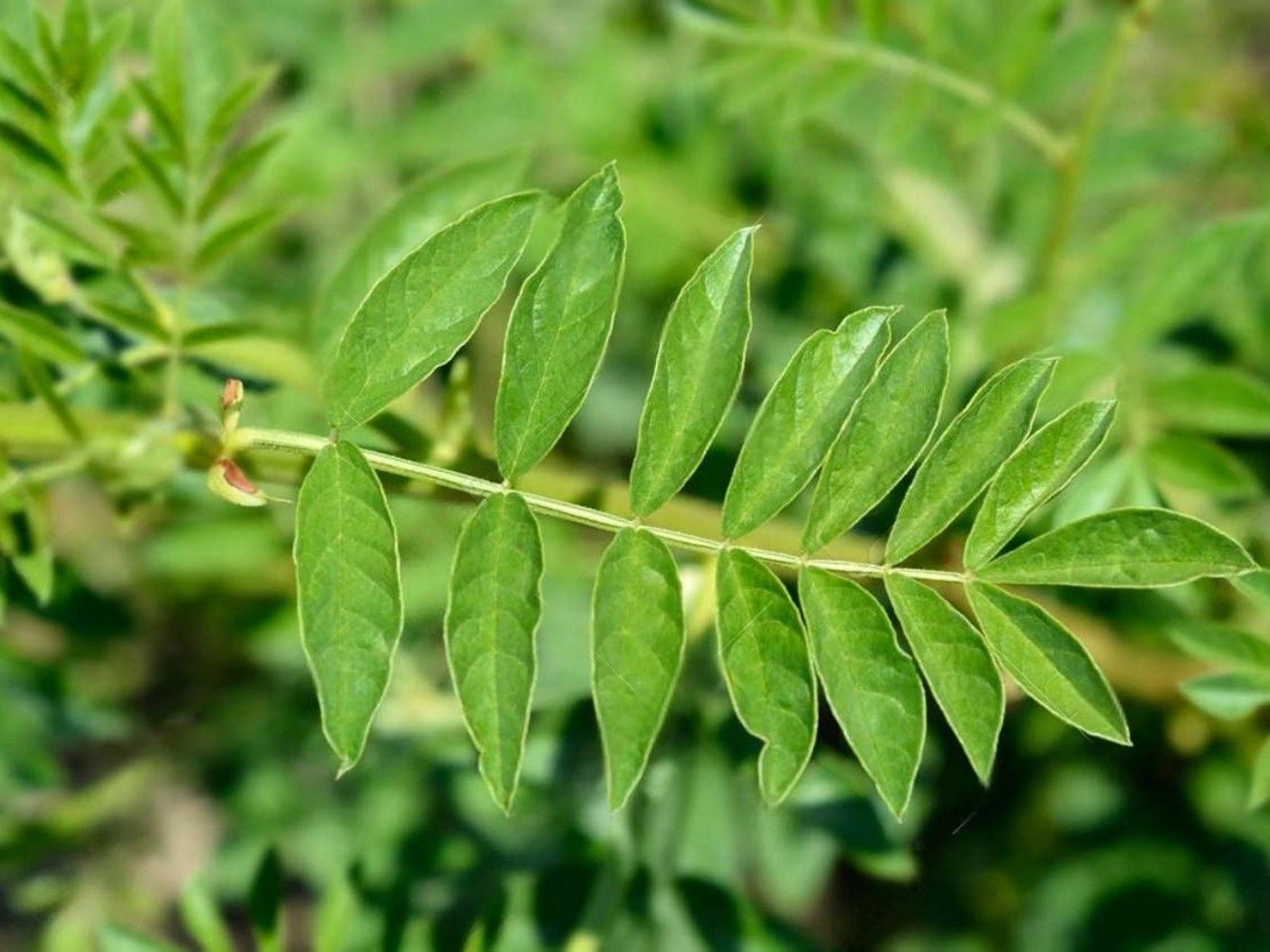
Licorice is a perennial herb native to parts of Europe and Asia, prized for its sweet-tasting root. The plant features pinnate leaves, pale blue to violet flowers, and grows up to 1.5 meters tall. Its roots contain glycyrrhizin, a natural compound significantly sweeter than sugar and used in traditional medicine, confectionery, and flavoring. Licorice is valued for its anti-inflammatory and soothing properties, commonly used to treat digestive and respiratory issues, making it both a medicinal and culinary favorite.
Popular Plant Encyclopedia
-
-
Poisonous and danger
- Rhus typhina
-
-
-
Edible and medicinal
- Common sunflower
-
-
-
Poisonous and danger
- Plumeria rubra
-
-
-
Wild and common weed
- Convolvulus arvensis
-
-
-
Edible and medicinal
- Perilla frutescens
-
-
-
Edible and medicinal
- Pogostemon cablin
-
-
-
Edible and medicinal
- Common fenugreek
-
-
-
Edible and medicinal
- Garden Thyme
-
 Poisonous and danger
 Wild and common weed
Advertisement