Lilium
-
 Ornamental and lands
 - Also known as: lily, rhododendron, night primrose, perfume lily
 Ornamental and lands
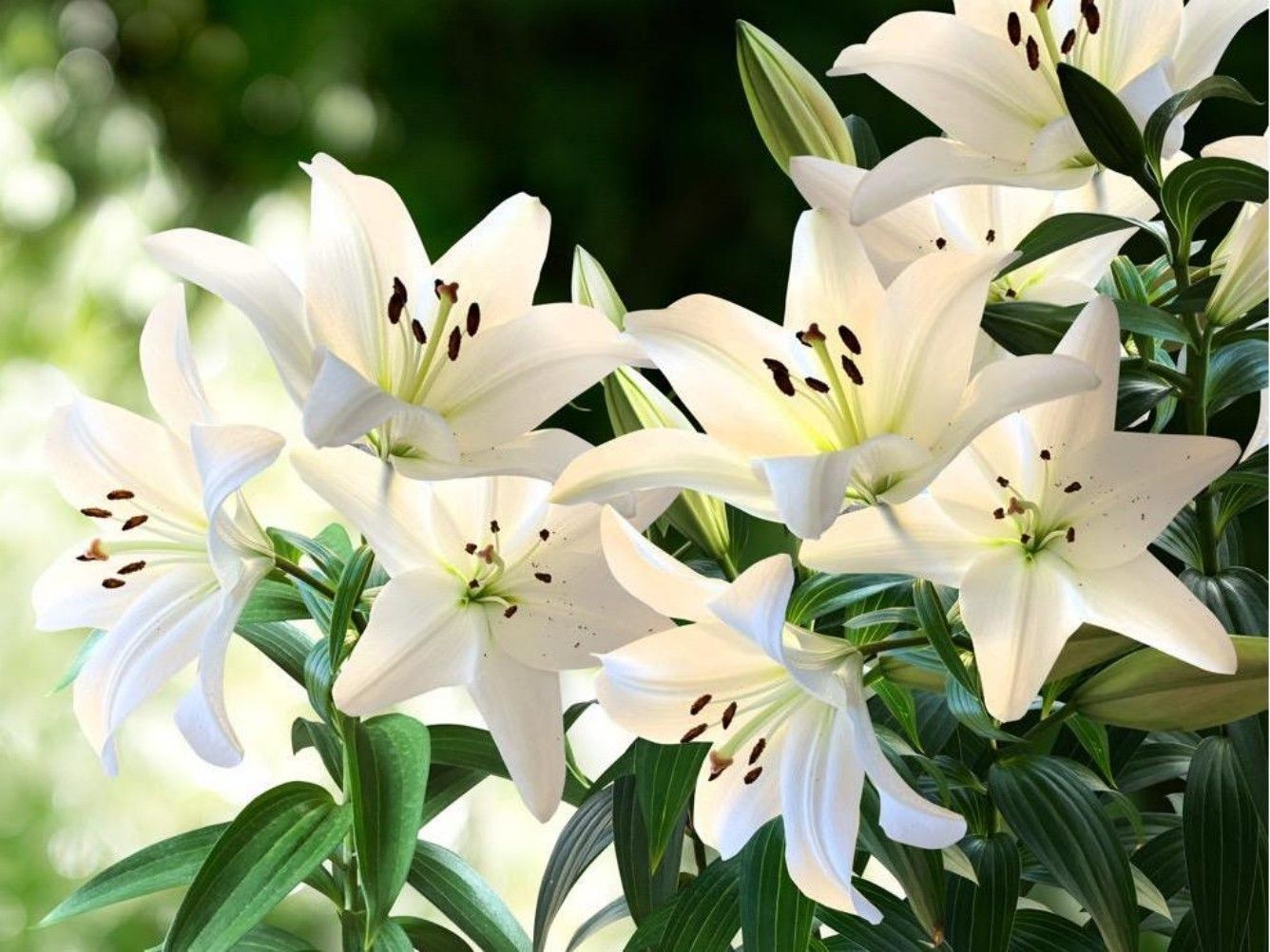
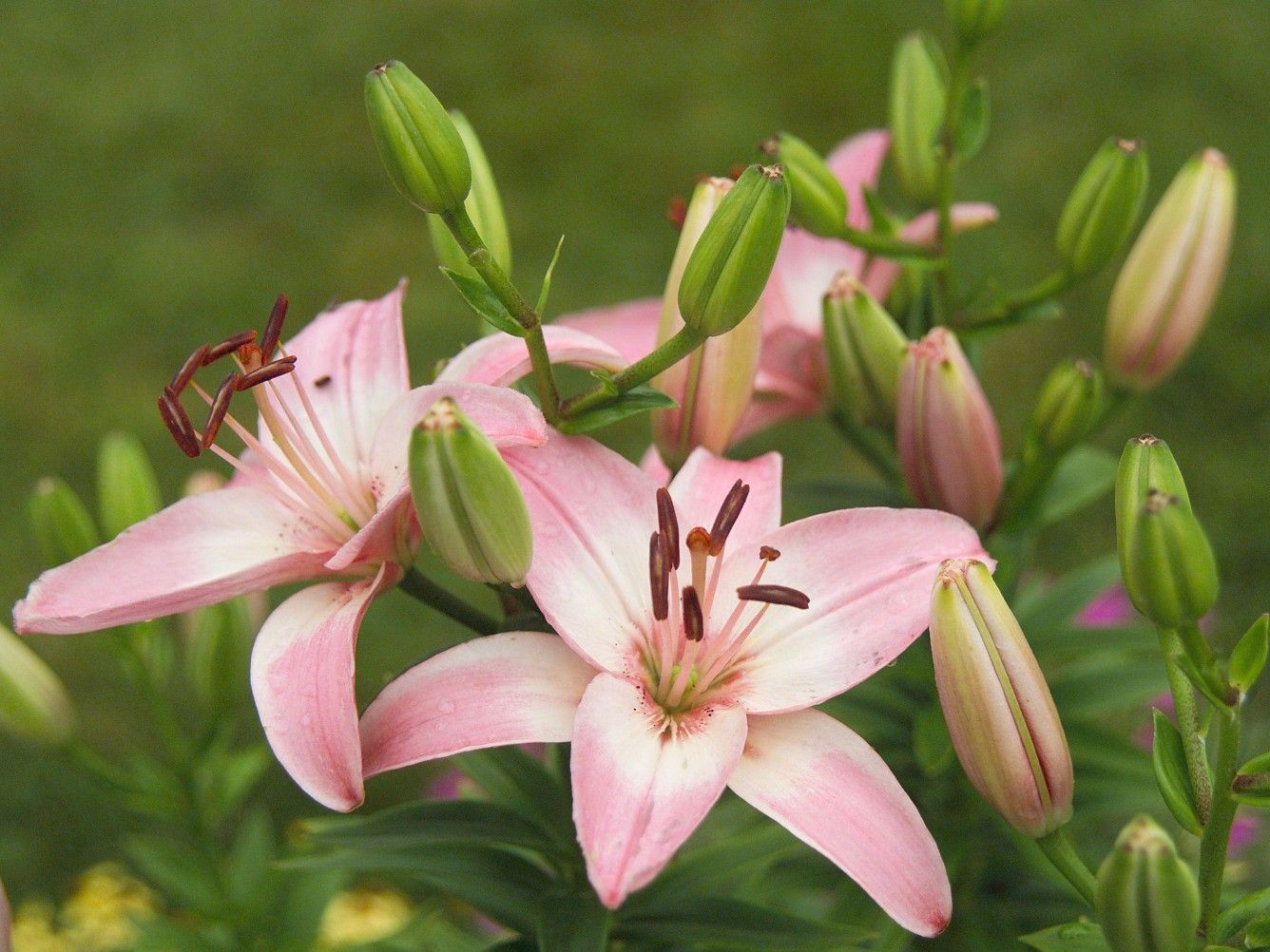
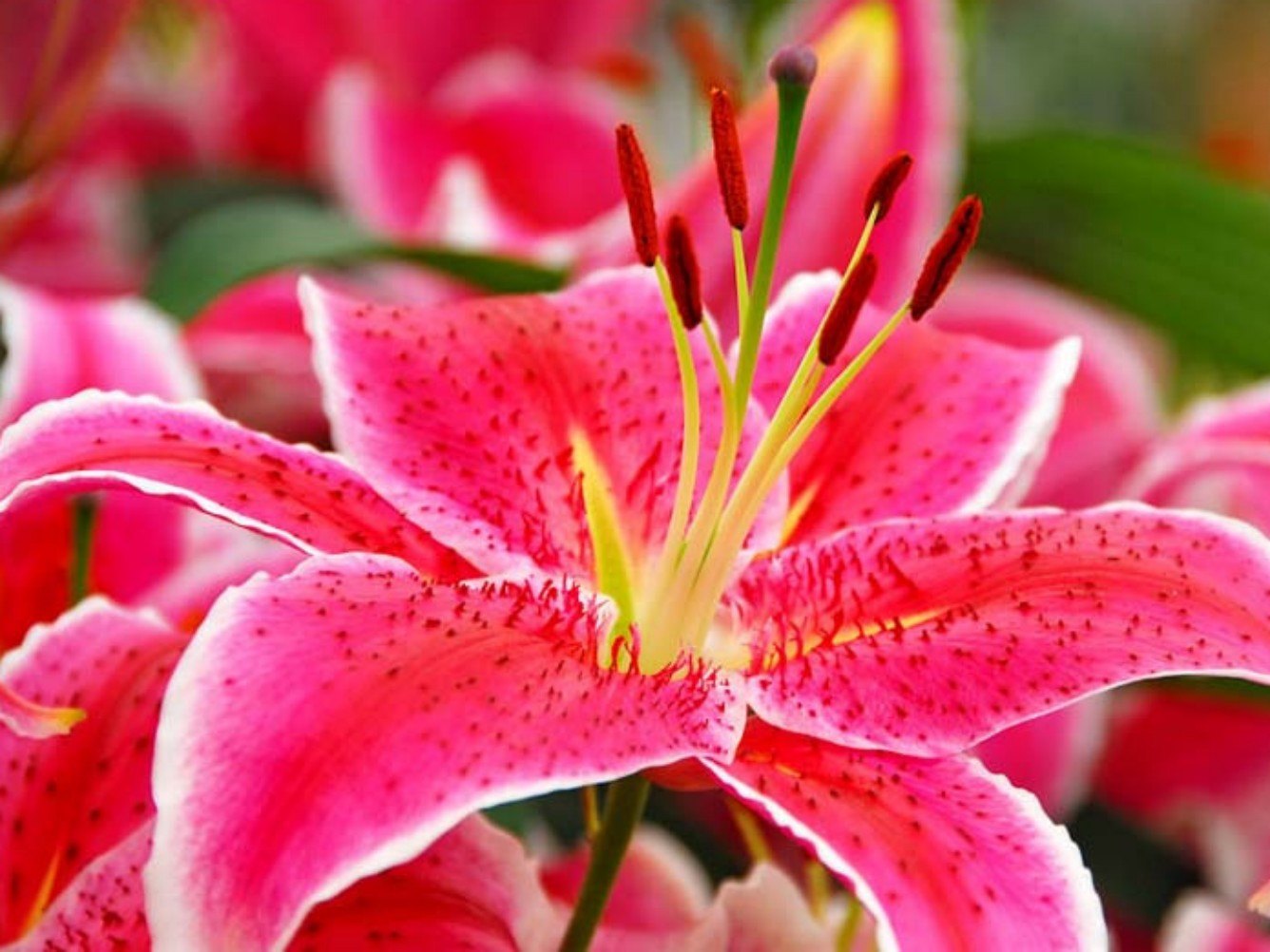
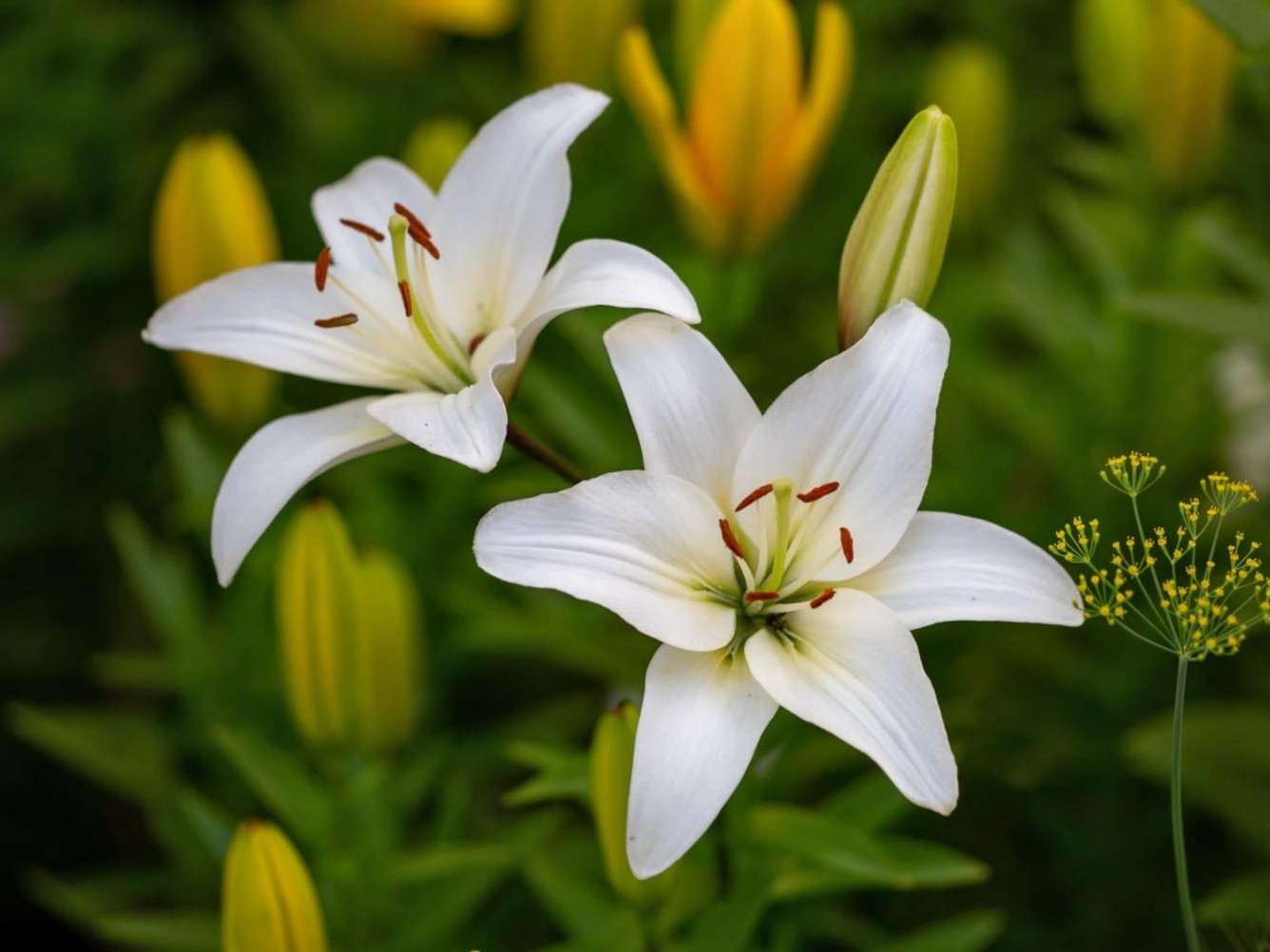
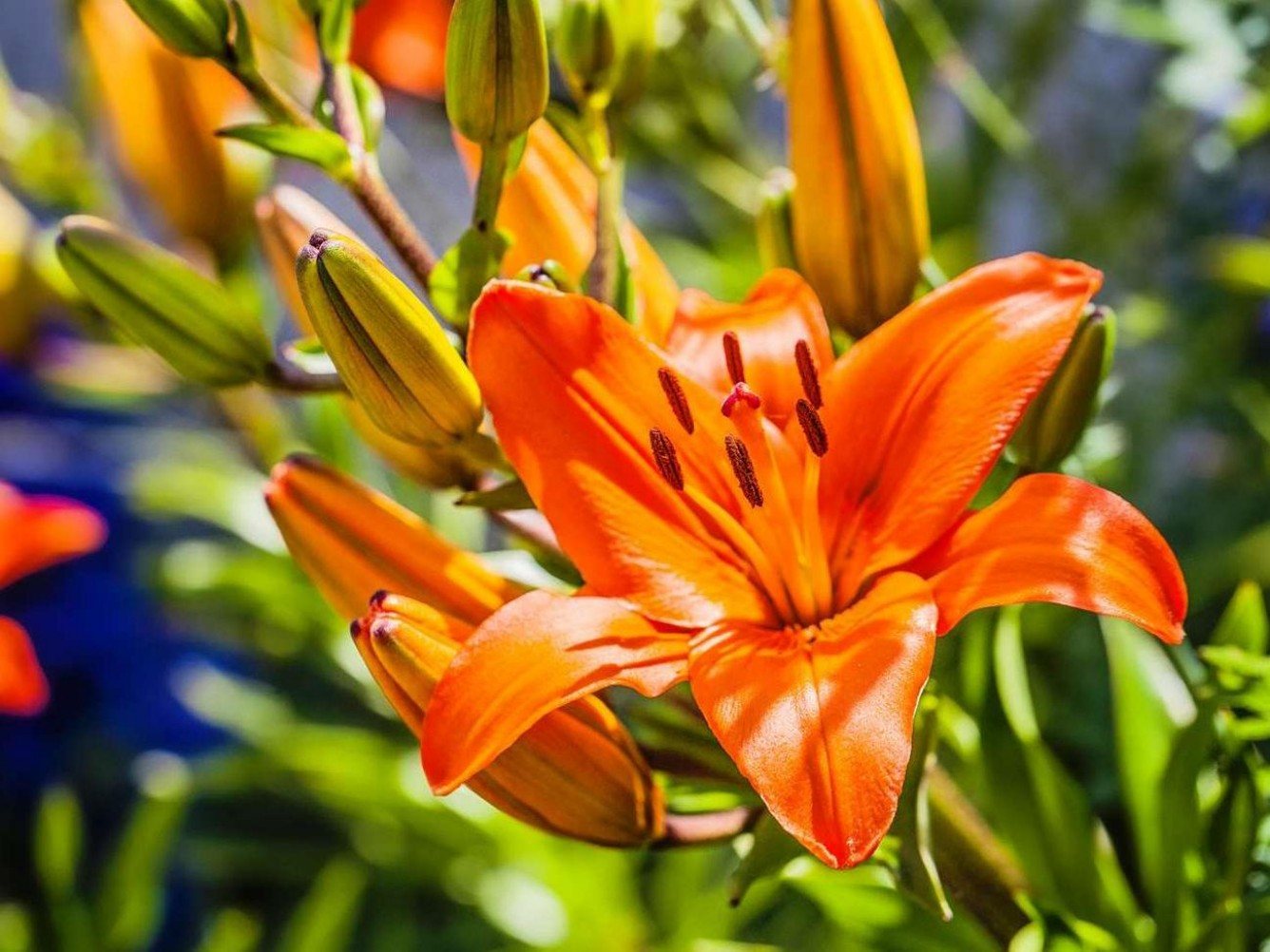
Nursing Skills
Lilium plenty of sunlight and well-drained soil. When planting, the soil should be kept moist but not waterlogged. Applying diluted liquid fertilizer every two weeks during the growth period will help promote flowering. Avoid high temperature and humid environment, cut off the remaining flowers after flowering, retain the nutrients in the leaves and return to the bulbs, which will help re-flowering next year. Cover appropriately in winter to keep warm.
Advertisement
Plant Properties
-
- Family type
- Liliaceae, Lilium
-
- Plant type
- Perennial herb with bulbs
-
- Flowering season
- Summer (June to August)
-
- Flower color
- White, yellow, pink, orange, red, purple
-
- Leaf type
- Leaves are alternate or whorled, linear to lanceolate
-
- Flower type
- Flowers are solitary or arranged in umbrella shape
Plant Care Requirements
-
Difficulty of care
Medium
-
Soil pH
Acidic to neutral (6.0-7.0)
-
Growing environment
Avoid hot and humid growing environment
-
Sunlight requirements
Sufficient sunlight for more than 6 hours
-
Watering requirements
Keep the soil moist during the growing period and avoid waterlogging.
-
Planting time
Spring and autumn (March to October depending on the variety)
Advertisement
Plant Care Guide
-
Does lily need to be fertilized frequently?
Appropriate fertilizationLily should be fertilized appropriately during the growing season, especially in the leafing and budding stages. Applying a thin liquid phosphorus and potassium fertilizer every two weeks helps promote the development of flower buds. Nitrogen fertilizer should not be excessive, otherwise it will easily lead to leggy growth, fewer flowers or even no flowers. Over-fertilization can also burn the roots, affect bulb health, and reduce blooming in the following year.
-
Do lilies need to be pruned after they wither?
Timely pruningAfter lilies wither, the remaining flowers should be cut off in time to prevent nutrients from being lost to seed development. Be careful to keep the green leaves uncut so that photosynthesis can continue and help the bulb store nutrients. After the leaves turn yellow, cut off the above-ground parts as a whole. This process helps ensure a healthy dormancy period and prepares the bulb for vigorous growth and blooming in the next season.
-
What diseases and pests are lilies prone to? What to do?
Spray pesticides regularly for preventionCommon diseases of lilies include gray mold and leaf spot, and common pests include aphids and red spiders. Fungicides such as carbendazim can be sprayed regularly to prevent diseases, and pests can be treated with soapy water or pesticides, and the area around the plants should be kept clean and ventilated. In severe cases, infected leaves should be removed promptly to prevent the spread of pathogens and ensure the overall health of the plant.
-
Why do lily leaves turn yellow?
Provide light and check soil drainageYellow lily leaves may be caused by root rot, insufficient light, lack of nutrients or excessive watering. Frequent watering, especially during the dormant period, can easily lead to root rot in the bulbs and gradual yellowing of the leaves. Drainage conditions should be checked, light and fertilizer should be adjusted in time, and soil should be replaced if necessary. Additionally, removing affected leaves and improving air circulation can help prevent further damage and promote healthy new growth.
-
What is the reason why lilies do not bloom?
Insufficient light, lack of phosphorus and potassium fertilizersFailure to bloom is usually caused by insufficient light, lack of phosphorus and potassium fertilizers, small bulbs or environmental stress. If the bulbs are not mature or lack nutrients, leaves will grow first and flower bud development will be limited. Improving sunlight, fertilizing reasonably, and ensuring that the bulb size meets the standard will help promote flowering.
-
Can lilies be hydroponically grown?
Short-term hydroponicsLilies can be hydroponically grown for a short period of time, especially for ornamental cut flowers. However, it is more difficult to maintain long-term hydroponics because the bulbs are prone to rot. Hydroponics requires keeping the water clean, changing the water regularly, and controlling the temperature and light. Proper nutrient balance and oxygenation in the water are also essential to prevent bulb decay and ensure healthy growth during the hydroponic cultivation period.
Advertisement
Frequently Asked Questions
-
1 Where is the lily potted plant suitable?
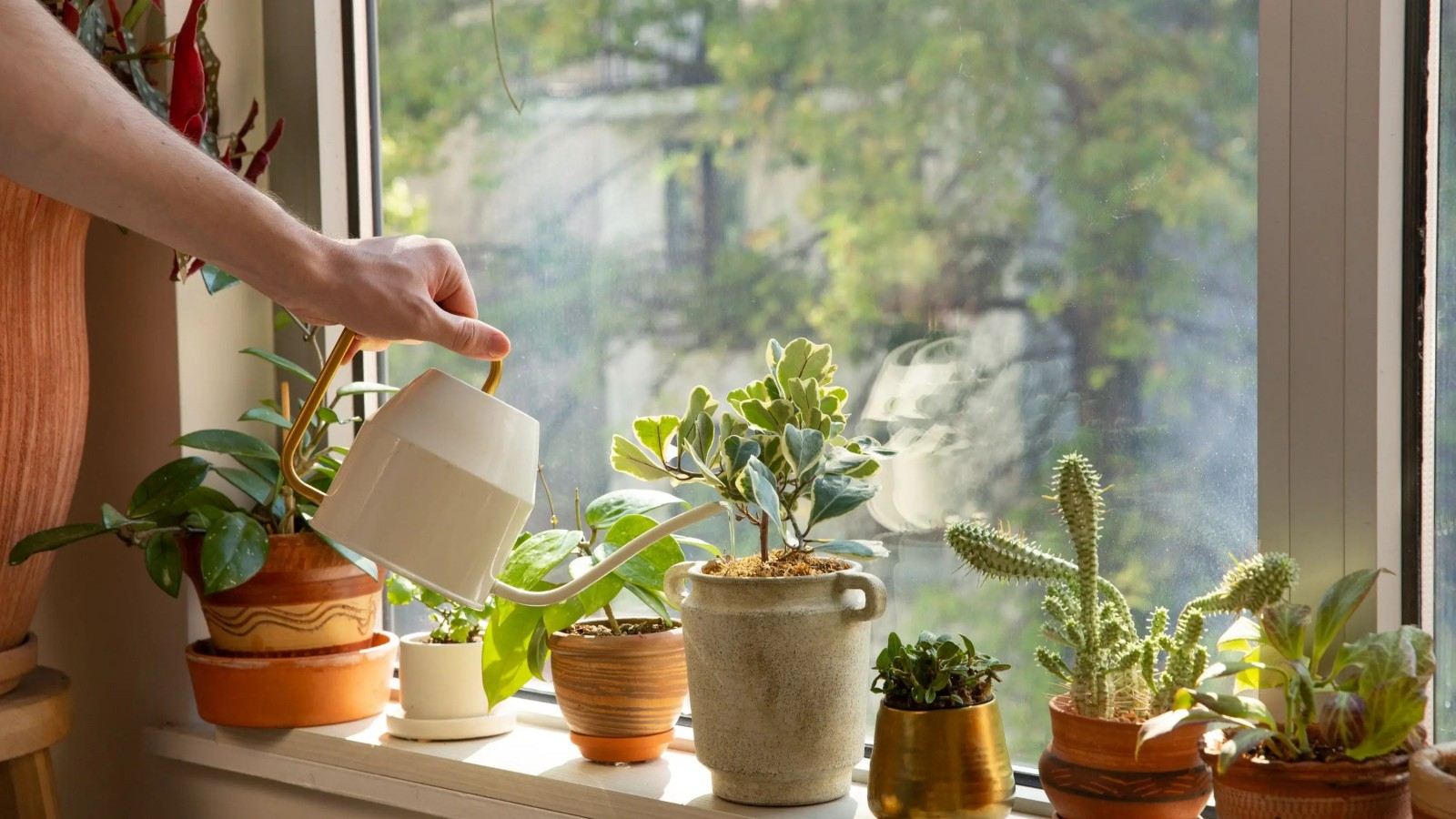
Potted lilies should be placed on a balcony or window with plenty of sunlight and good ventilation. Avoid placing them in too humid or enclosed spaces to prevent diseases. During the flowering period, lilies can be moved indoors for viewing, but they should not be moved frequently to avoid affecting flowering. Maintaining stable environmental conditions helps promote healthy growth and prolongs the blooming period, ensuring vibrant and lasting flowers.
-
2 Can lilies be planted all year round?
The best time to plant lilies is early spring or autumn. Planting in spring can bloom in the same year, while planting in autumn will mostly bloom in the spring and summer of the following year. They are dormant in winter and are not suitable for planting. After planting, pay attention to keeping warm and cold-proof to facilitate the rooting of the bulbs. Proper soil moisture and protection from frost during the early stages are crucial to ensure healthy bulb development and successful flowering.
-
3 Will the fragrance of lilies affect people?
Some lilies, such as "perfume lilies", have a strong fragrance and may cause headaches or allergies to sensitive people. If you want to watch them indoors, it is recommended to choose oriental lilies or Asian lilies with lighter fragrance, and pay attention to ventilation to avoid placing them in a closed space for a long time.
-
4 Is Lilium spp. toxic? Can I keep lilies in a household with pets?
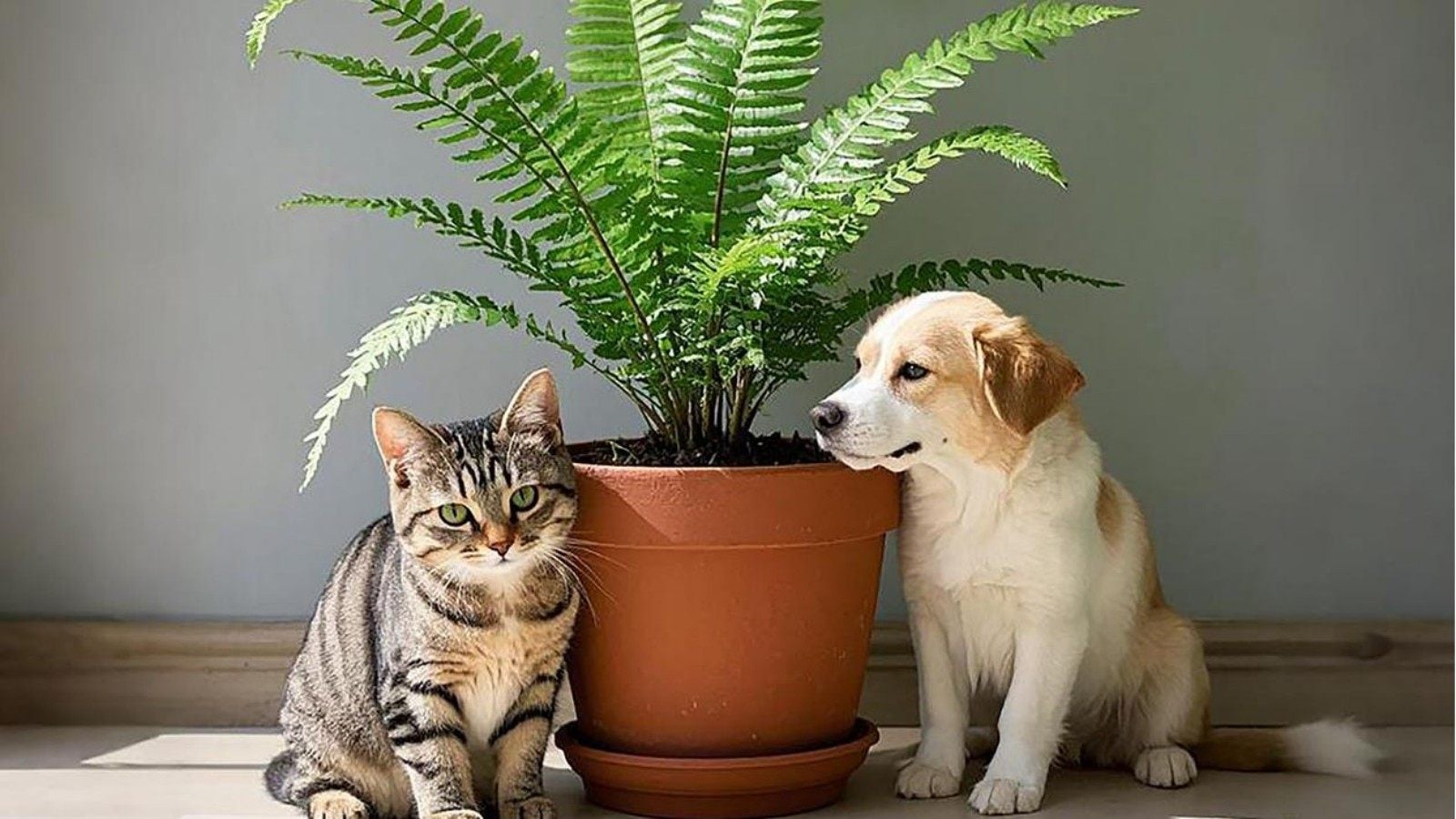
Yes, Lilium spp is highly toxic to cats! Even licking the pollen or biting the leaves can cause acute renal failure in cats, which can be fatal in severe cases. It is less toxic to dogs, but can still cause gastrointestinal discomfort. Therefore, households with cats should completely avoid growing lilies. If they must keep lilies, make sure that pets cannot come into contact with them, including pollen and fallen leaves. For households without pets or only with dogs, it is relatively safe to keep lilies, but it is still recommended to handle plant debris with caution.
Advertisement
Introduction
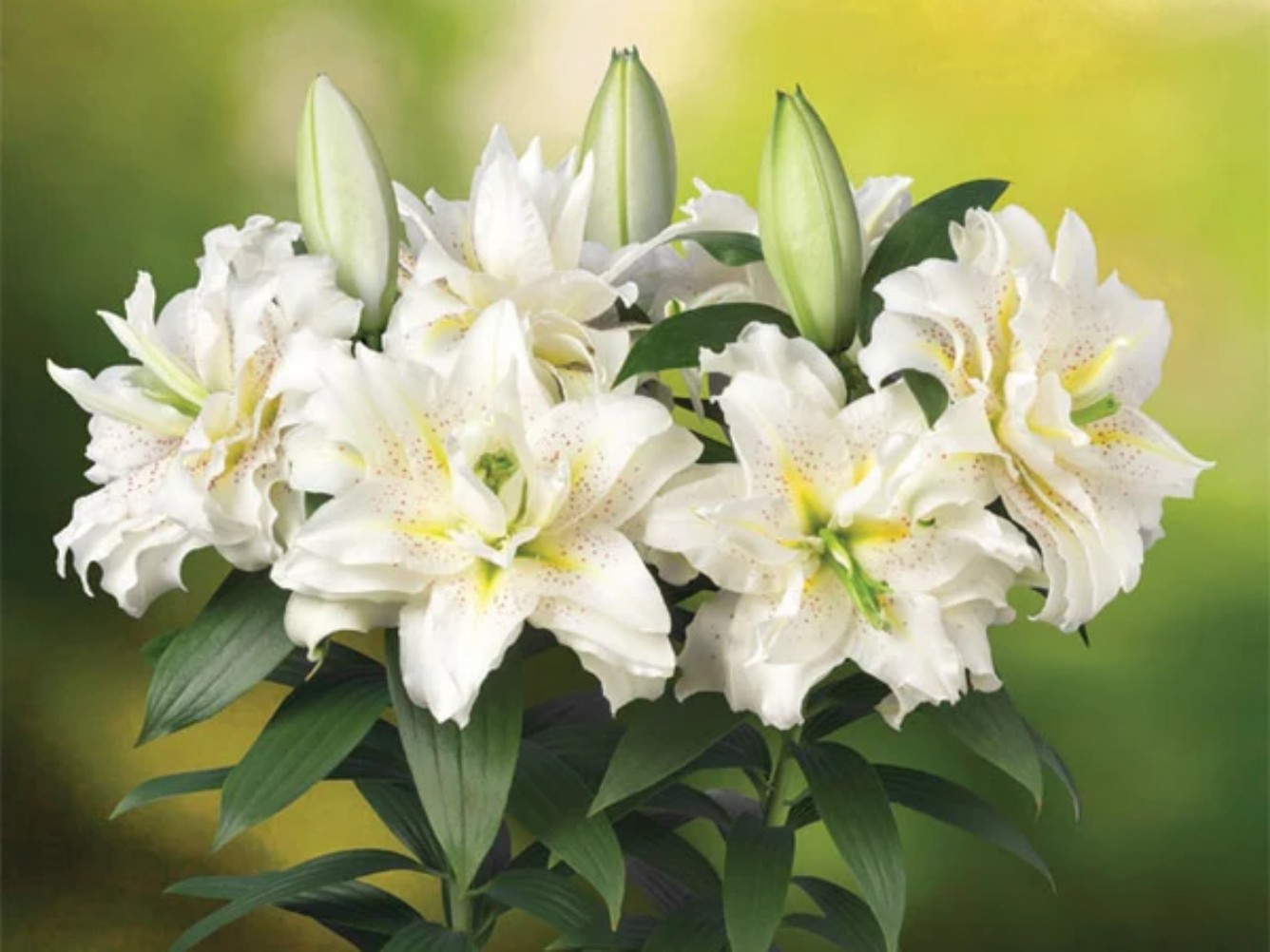
Lilium is a perennial herbaceous plant of the Liliaceae family, with an upright stem and bulbous root system, elegant flower shape and diverse colors, commonly seen in flower beds, potted plants and cut flower decorations. Its strong fragrance symbolizes purity and nobility. Lilies are widely distributed in Asia, Europe and North America and are one of the most popular ornamental flowers.
Popular Plant Encyclopedia
-
-
Poisonous and danger
- Rhus typhina
-
-
-
Edible and medicinal
- Common sunflower
-
-
-
Poisonous and danger
- Plumeria rubra
-
-
-
Wild and common weed
- Convolvulus arvensis
-
-
-
Edible and medicinal
- Perilla frutescens
-
-
-
Edible and medicinal
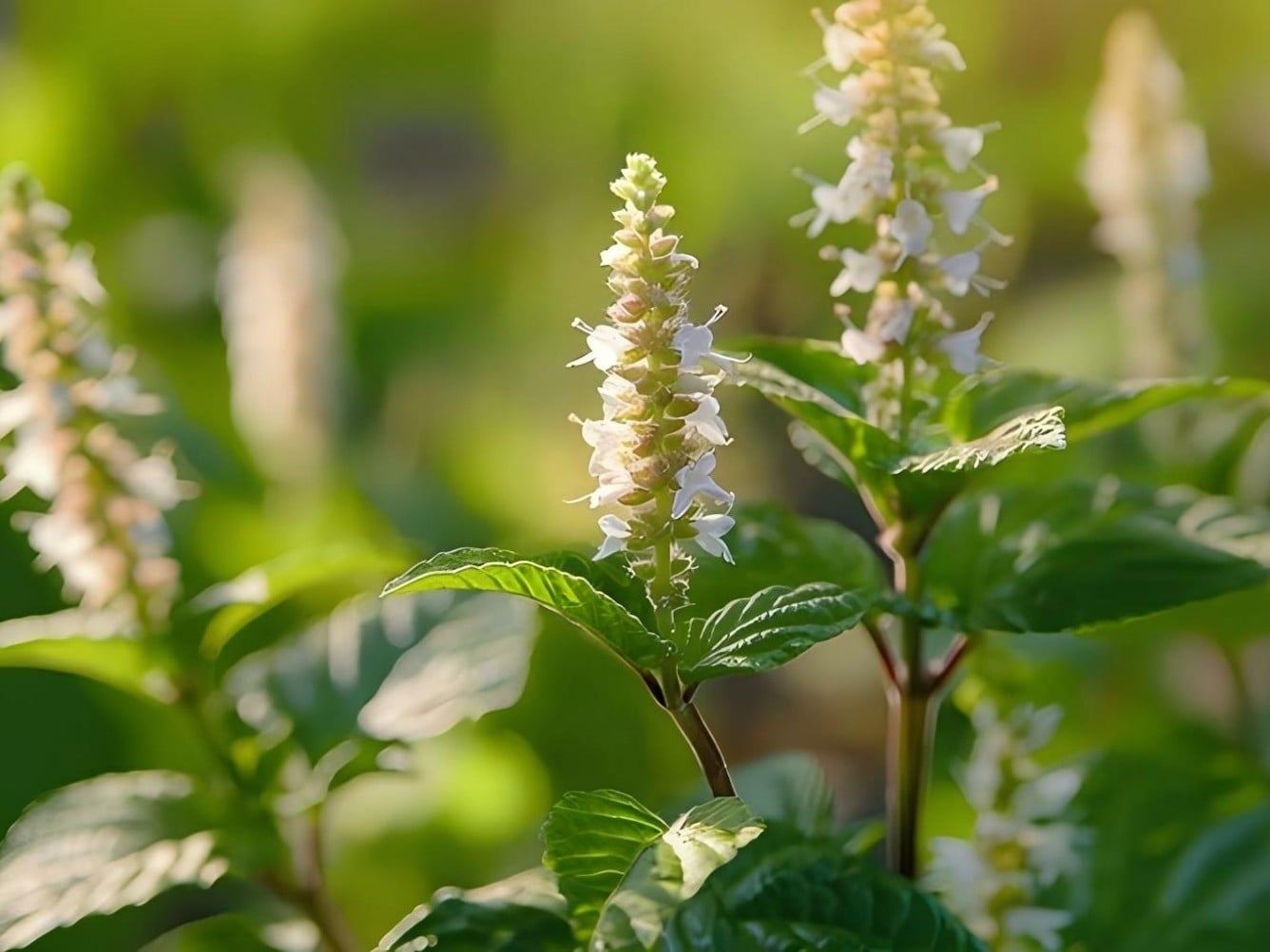
- Pogostemon cablin
-
-
-
Edible and medicinal
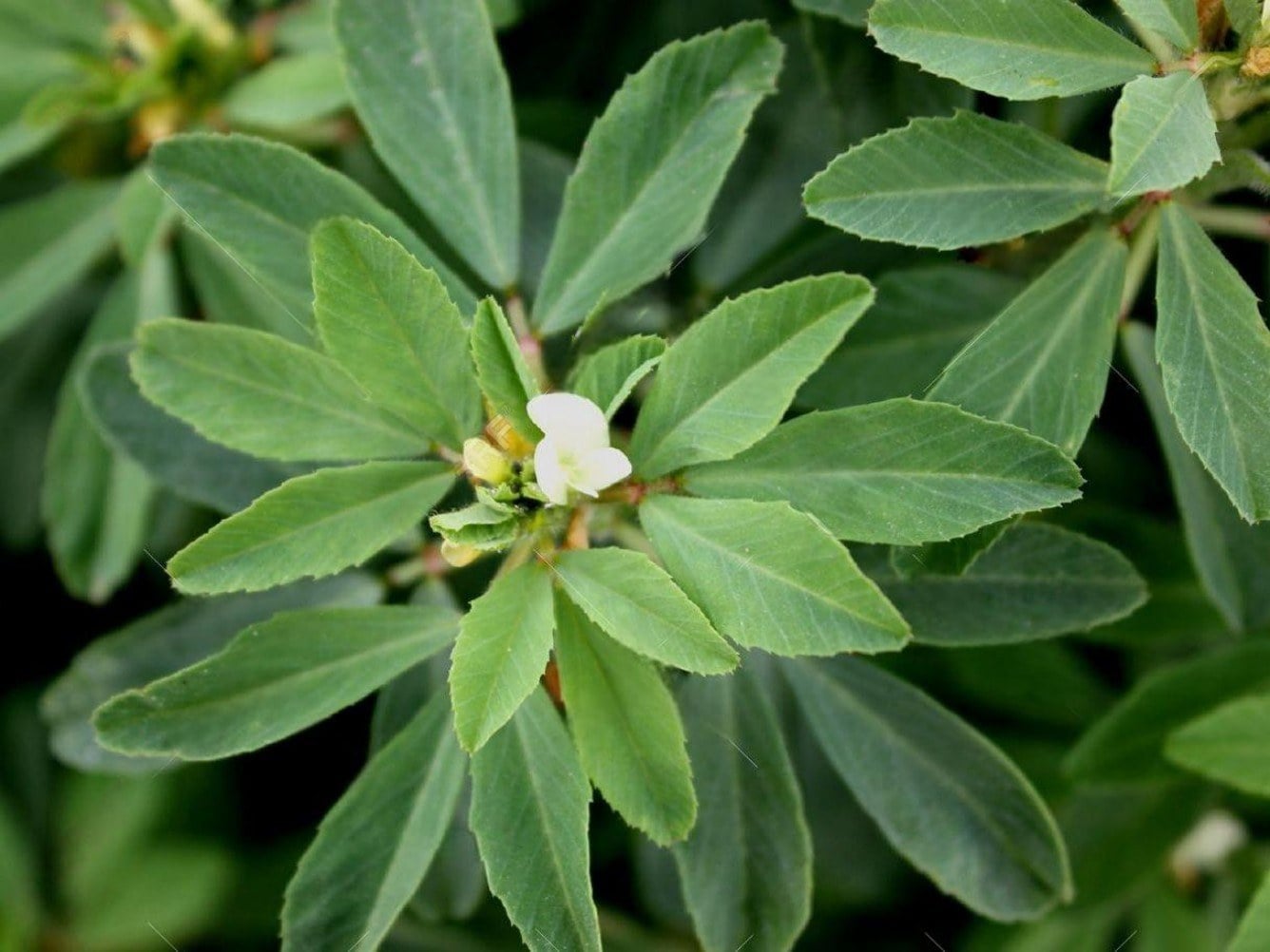
- Common fenugreek
-
-
-
Edible and medicinal
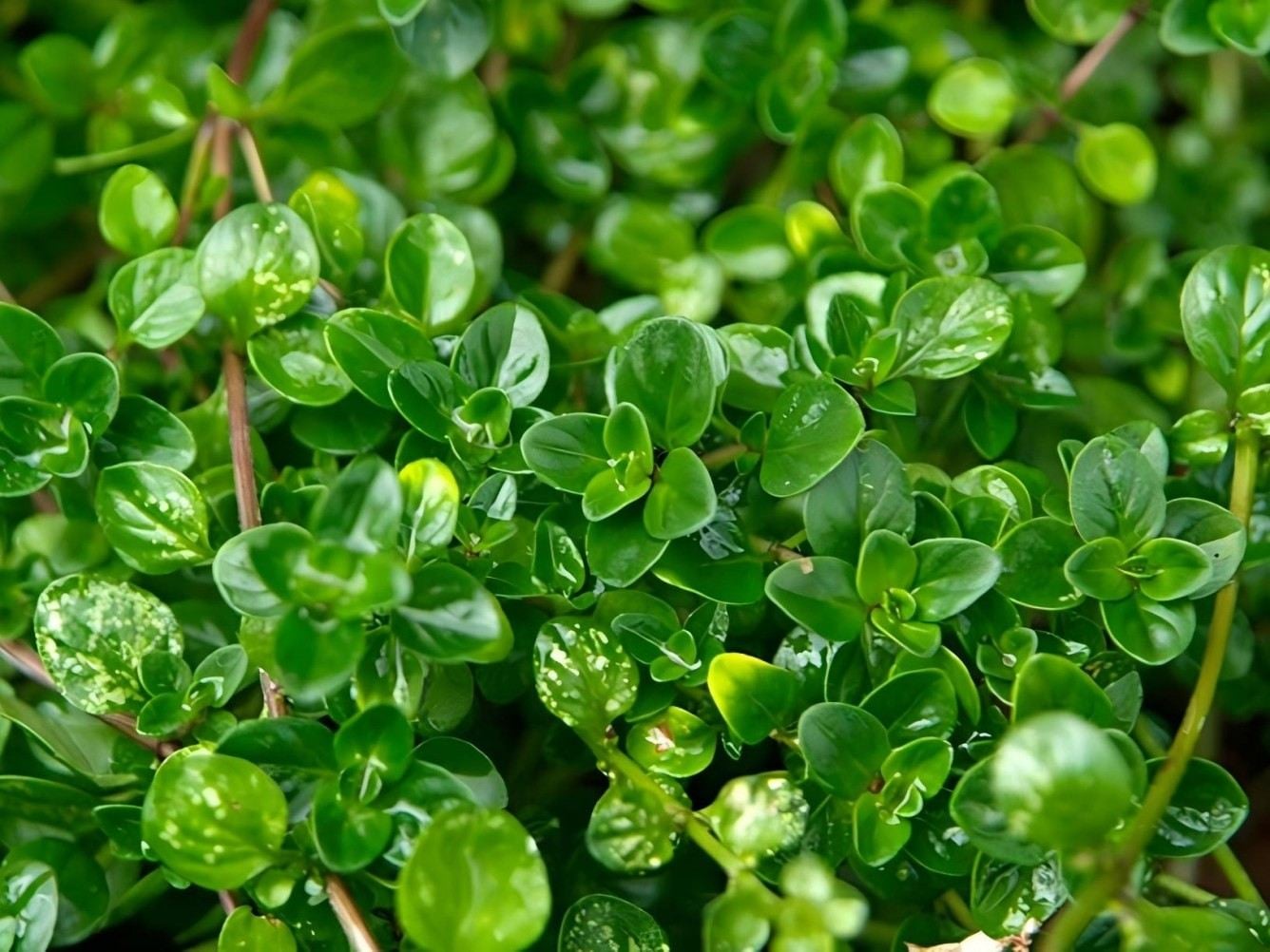
- Garden Thyme
-
 Poisonous and danger
 Edible and medicinal
 Wild and common weed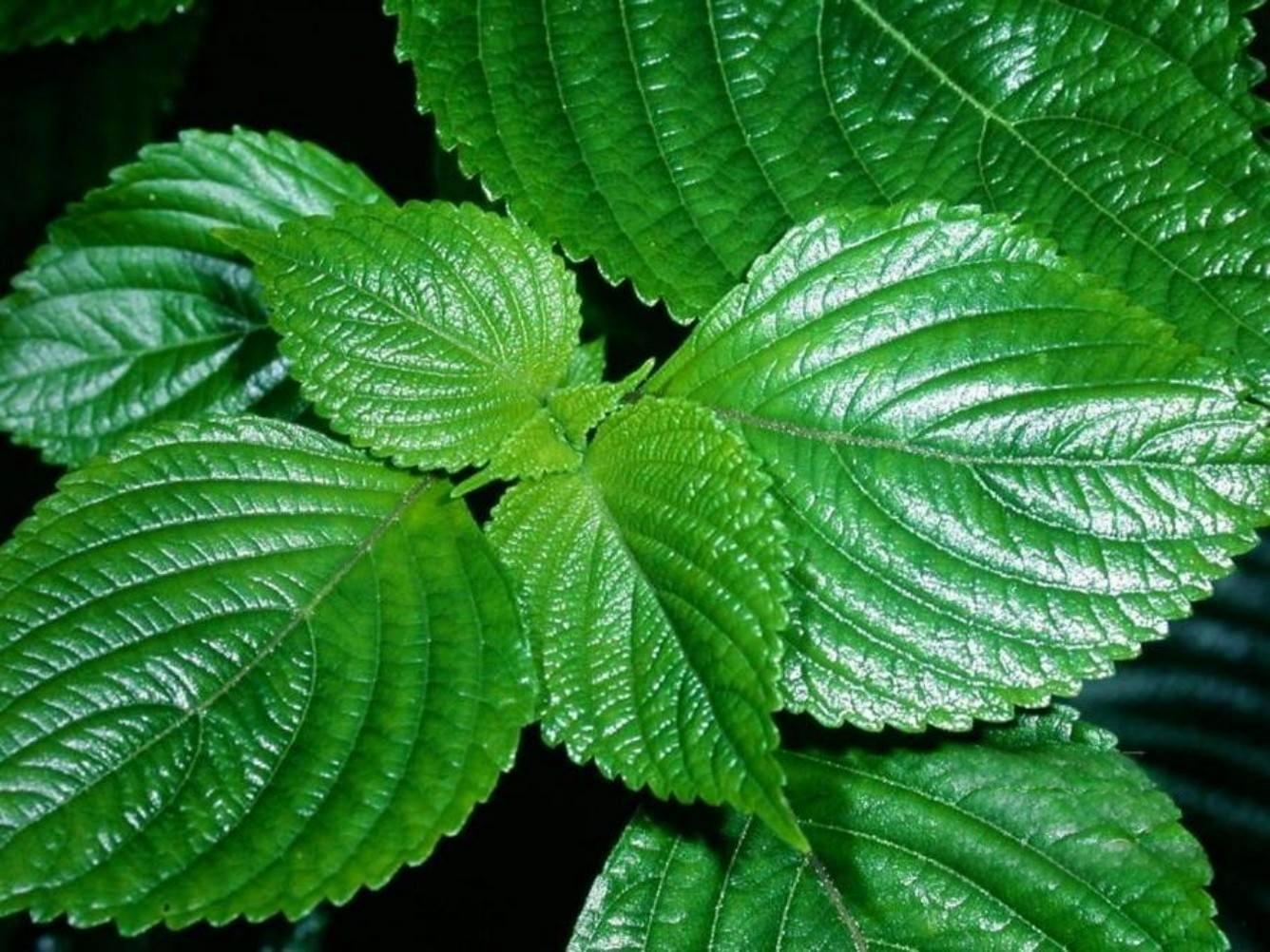
Advertisement