Lilium longiflorum
-
 Poisonous and danger
- Also known as:Easter Lily
 Poisonous and danger
Nursing Skills
Grow Lilium longiflorum in full sun or partial shade with well-draining, slightly acidic soil. Water deeply and keep soil evenly moist but never soggy to avoid bulb rot. Apply balanced fertilizer during active growth. Remove faded blooms. Provide winter mulch in cold zones. Keep away from cats, as all plant parts are highly toxic to them.
Advertisement
Plant Properties
-
- Toxicity
- toxic to cats
-
- Flower Color
- Pure white
-
- Plant Type
- Perennial bulbous herb
-
- Leaf Type
- Lanceolate, long and narrow with smooth edges
-
- Bloom time
- Early summer
-
- Lifespan
- Long-lived perennial
Plant Care Requirements
-
Difficulty
Moderate
-
Water schedule
Water thoroughly when top 2–3 cm soil dries out
-
Light requirement
Full sun preferred (6+ hours daily)
-
Soil pH
pH5.5 to 6.5
-
Planting time
Autumn
-
Hardiness zones
USDA zones 4–9
-
Growth rate
Moderate
Advertisement
Plant Care Guide
-
What is the best way to plant Easter Lily bulbs for healthy growth?
When planting Lilium longiflorum bulbs, timing and depth matter most. Plant in autumn, once soil temperatures cool down, to let roots establish before winter dormancy. Choose a site with well-drained soil; heavy clay must be amended with compost, sand or peat moss to avoid bulb rot. Dig holes about 15–20 cm deep, roughly three times the bulb height, and space bulbs 20–30 cm apart to allow airflow. Place bulbs with pointed tips upward, then fill the hole and water gently to settle soil. Avoid burying bulbs in soggy low spots. Mulch the planting area after the first frost to insulate bulbs against freeze-thaw cycles. In container planting, use loose potting mix and ensure drainage holes. New shoots emerge in spring. Do not disturb bulbs once planted; Easter lilies dislike frequent transplanting, which can delay flowering for a full season. Proper planting sets strong root systems and supports tall stems and large summer blooms.
-
How should I water Lilium longiflorum throughout its growing cycle?
Keep the soil evenly moistWatering Easter lilies requires adjusting moisture for different growth stages. During spring sprouting and active leaf growth, keep soil evenly moist. Check the top 2–3 cm of soil; water deeply once this layer dries. Aim to water at the base of the plant instead of overhead watering, as wet foliage invites fungal leaf spots. When blooms open, maintain consistent moisture, but do not flood the soil. After flowers fade, continue watering for several weeks to feed the bulb, letting leaves photosynthesize and store energy. Once the foliage yellows and dies back in late summer, gradually cut back watering. Keep dormant bulbs relatively dry through winter. Overwatering is the top killer: standing water quickly rots lily bulbs. In containers, drainage is critical. Hot, windy weather may require more frequent watering, while cool rainy periods need less.
-
What light conditions does Lilium longiflorum need, and what happens if light is insufficient?
at least 6 hoursLilium longiflorum thrives with 6 or more hours of direct full sun each day. Full sunlight creates sturdy stems that can hold up large heavy white blooms without leaning or breaking. It can tolerate light partial shade, especially in hotter climate zones where afternoon shade prevents leaf scorch. However, heavy shade causes serious problems. Low light produces tall, spindly stems with weak structure. The plant will produce fewer or smaller flowers, and leaves turn pale green. Poor airflow in shaded areas also increases fungal disease risk. If your garden only has partial shade, pick a spot with morning sun and afternoon shade. Rotate potted Easter lilies regularly so all sides receive equal light. Avoid deep shade under dense trees. If stems bend toward light sources, gentle staking may help, but moving the plant to a sunnier location is the long-term fix for consistent blooming year after year.
-
What fertilizer routine works best for Easter Lilies, and when should feeding stop?
early springFeed Lilium longiflorum strategically to boost bulb health and flower production. Start feeding in early spring, right when green shoots first break through the soil surface. Use a balanced, slow-release granular fertilizer or diluted liquid plant fertilizer. Slow-release formulas supply steady nutrients and reduce risk of root burn. Avoid high-nitrogen mixes; too much nitrogen grows lots of soft leaves but few flowers and weakens stems. Continue feeding every 3–4 weeks through the budding stage. Stop applying fertilizer once blooms fully open. After flowering ends, do not fertilize again. At this stage, the plant focuses on moving nutrients down into the bulb for next year’s growth. Keep the green leaves intact, do not cut them off early. Fertilizer applied late in the season forces new tender growth that gets damaged by autumn frost. Always water soil before applying liquid fertilizer to protect bulb roots from chemical burn.
-
How to prune and maintain Lilium longiflorum after blooming?
When the flowers witherPruning Easter lilies is simple, and timing is critical. As individual flowers wilt, deadhead them by removing spent blooms. Cut behind the flower head, but leave all green stems and leaves untouched. This stops the plant from wasting energy on seed production, and redirects resources back into the underground bulb. Never cut back foliage immediately after flowering. Green leaves collect sunlight and build bulb energy for next year’s blooms. You can trim stems only after they turn completely yellow and brown in late summer or autumn. Remove dead plant debris to reduce fungal spores that overwinter near bulbs. If stems grow tall and heavy with flowers, use soft plant stakes to support them to prevent snapping. Watch for damaged or diseased leaves and pluck them promptly. Keep mulch away from the base of stems to prevent rot. Clean up fallen leaves around the plant to maintain good garden hygiene.
-
What common pests and diseases attack Lilium longiflorum, and how can I prevent them?
Lily BeetleEaster lilies face a few recurring pests and fungal diseases. The most destructive pest is the lily beetle. Adults and larvae chew holes through leaves and flowers. Inspect plants regularly; handpick beetles and larvae early. Aphids also cluster on new shoots and buds, sucking sap and spreading viruses. Insecticidal soap works well for aphids. Fungal issues include botrytis blight and leaf spot, triggered by wet leaves, poor air circulation and high humidity. Prevent these by watering at the soil level, spacing bulbs properly and clearing dead foliage. If spots appear, remove infected leaves and use a suitable fungicide. Bulb rot comes from poorly drained soil and overwatering; this is easier to avoid than cure. Plant in well-draining soil and never let bulbs sit in standing water. Remember all parts of Lilium longiflorum are highly toxic to cats. Keep cats away from plants, fallen petals and vase water.
Advertisement
Frequently Asked Questions
-
1 Why are my Easter Lily leaves turning yellow and dying early?
Early yellow foliage on Lilium longiflorum rarely happens naturally and usually signals cultural stress. The top cause is overwatering paired with poor drainage. When soil stays constantly wet, bulb roots suffocate and begin to rot. Symptoms start with lower leaves turning pale yellow, then brown. Underwatering can also trigger yellowing; extended dryness stresses the plant, causing leaf edges to crisp and fade. Soil pH imbalance is another factor. Easter lilies prefer slightly acidic soil. If the soil becomes too alkaline, iron uptake is blocked, leading to yellowed leaves with green veins. Insufficient sunlight weakens photosynthesis and speeds up leaf decline. To fix this, check soil moisture before watering. Only water when the top 2–3 cm of soil dries. Add compost to heavy clay soil to improve drainage. Keep the plant in a spot with at least six hours of direct sun. Remove badly damaged leaves to improve air circulation. Avoid overwatering at all costs, as bulb rot can kill the entire plant quickly.
-
2 What should I do if my Easter Lily grows tall but produces no flowers?
Failure to bloom is a widespread issue for Lilium longiflorum and almost always relates to bulb energy and growing conditions. Lack of sunlight ranks first. Without 6+ hours of full sun, the plant can build leafy stems but cannot develop flower buds. Improper pruning is another common mistake. Many gardeners cut off green leaves right after blooming. Green leaves harvest sunlight to store nutrients inside the bulb for next year’s blooms. Removing healthy foliage drains bulb reserves. Shallow planting also leads to poor flowering. Bulbs planted too near the surface struggle to form stable roots and flower buds. Overuse of high-nitrogen fertilizer encourages leaf growth instead of blooms. Overcrowded bulbs compete for nutrients and space over time. To solve this, move the lily to a full-sun location. Plant bulbs deep enough, around three times the bulb height. Use balanced slow-release fertilizer only in early spring. Leave foliage intact until it turns brown in autumn. Divide clumps every 2–3 years to reduce competition.
-
3 How can I stop lily beetles and fungal disease from ruining my Easter Lilies?
Red lily beetles and fungal infections are the biggest threats to Lilium longiflorum. Adult beetles and their larvae consume leaves, buds and flowers rapidly. They reproduce fast, so regular inspection is essential. Check leaf undersides every few days. Handpick beetles and larvae and drop them into soapy water. Insecticidal soap works for light infestations, but heavy outbreaks may need stronger treatments. Fungal leaf blight appears as brown wet spots on leaves. It spreads when water splashes onto foliage in humid weather. Bulb rot, another fungal problem, occurs in waterlogged soil. Prevent blight by watering at the base instead of spraying leaves. Space bulbs apart to maintain airflow and clear dead plant debris around the base. Remove infected leaves immediately to limit fungal spread. For bulb rot prevention, well-draining soil is non-negotiable. Once bulbs turn mushy, they cannot be saved and must be discarded. Keep monitoring throughout the growing season to catch pests and disease before they take over.
Advertisement
Introduction
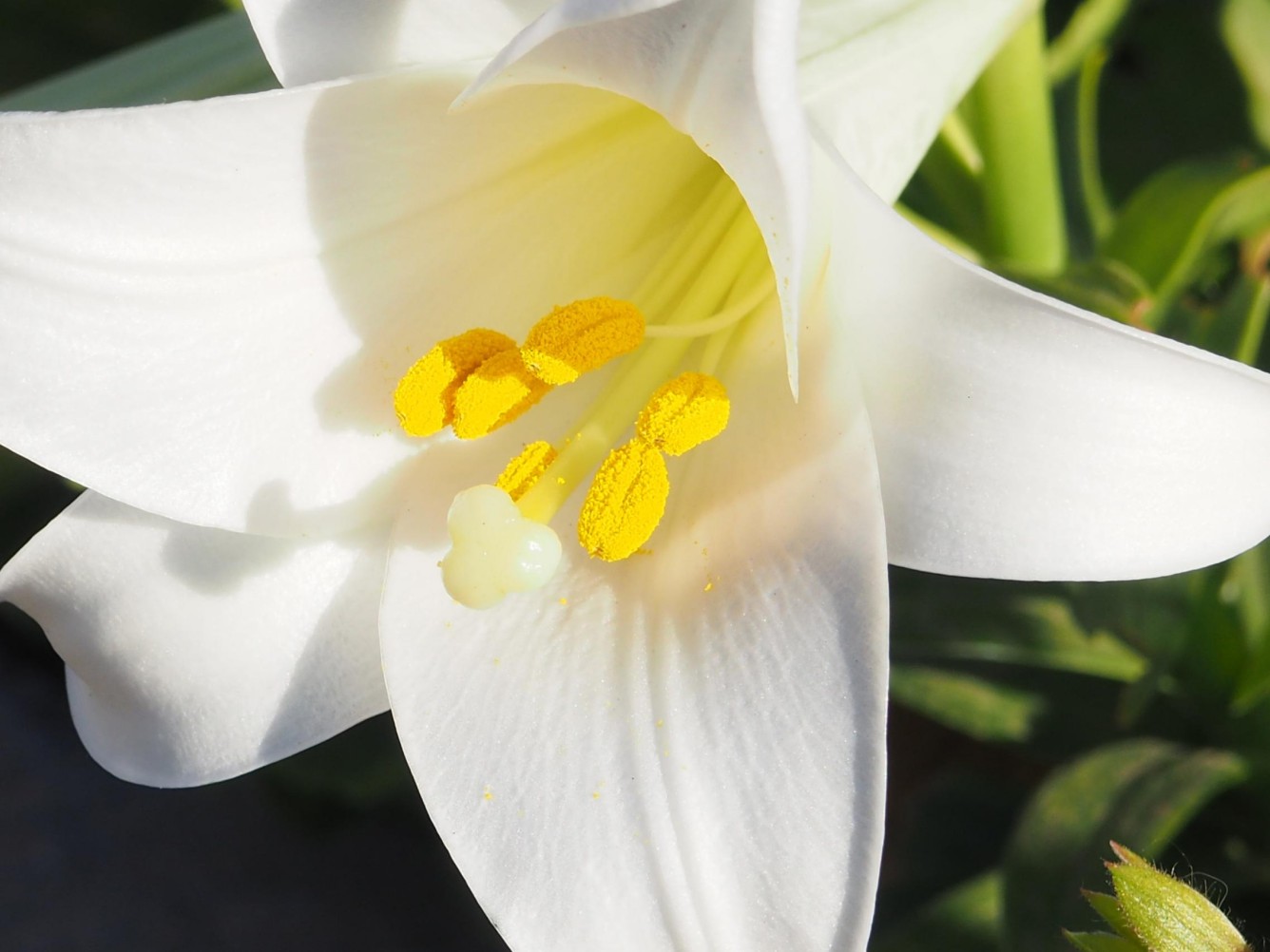
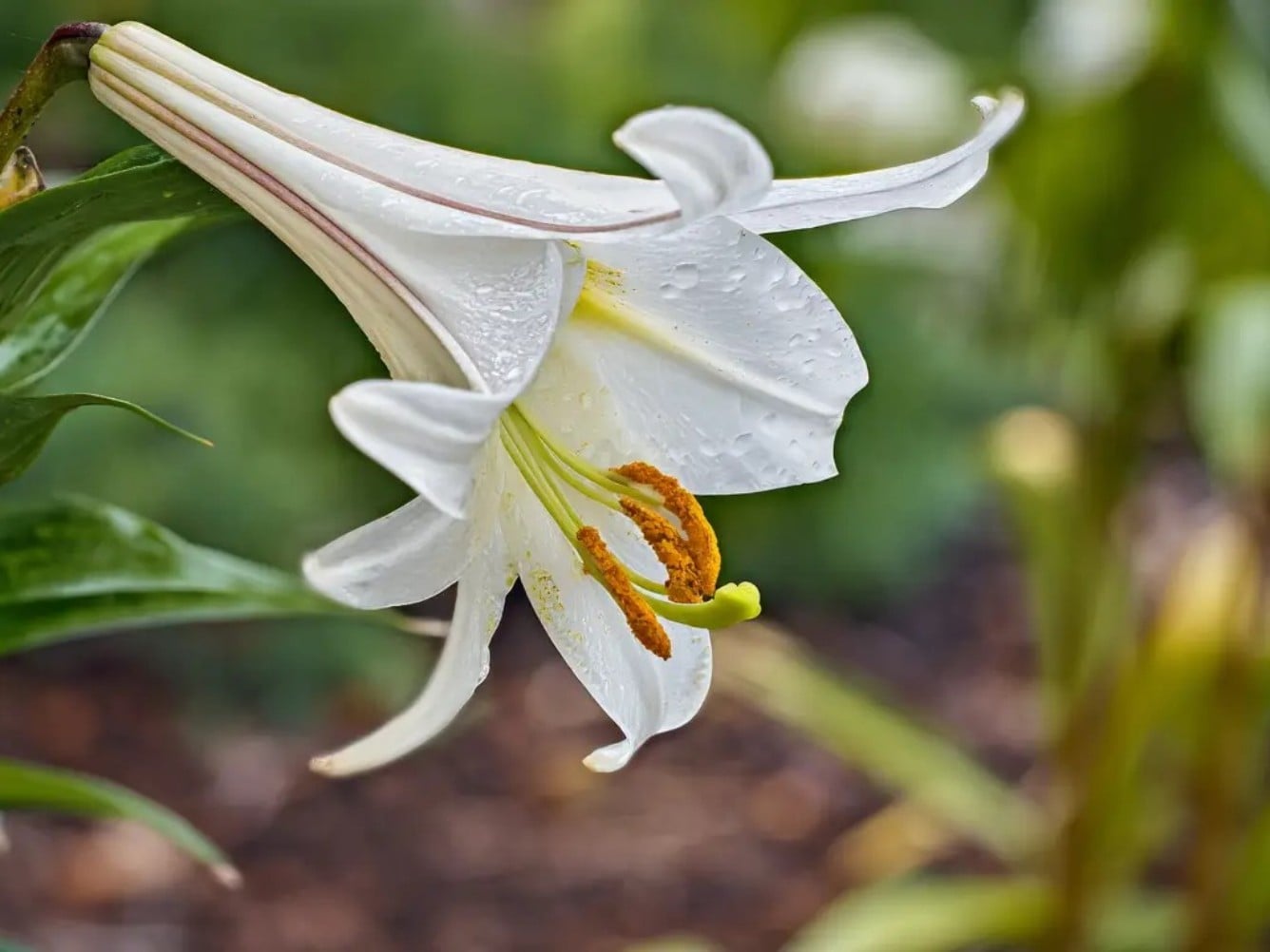
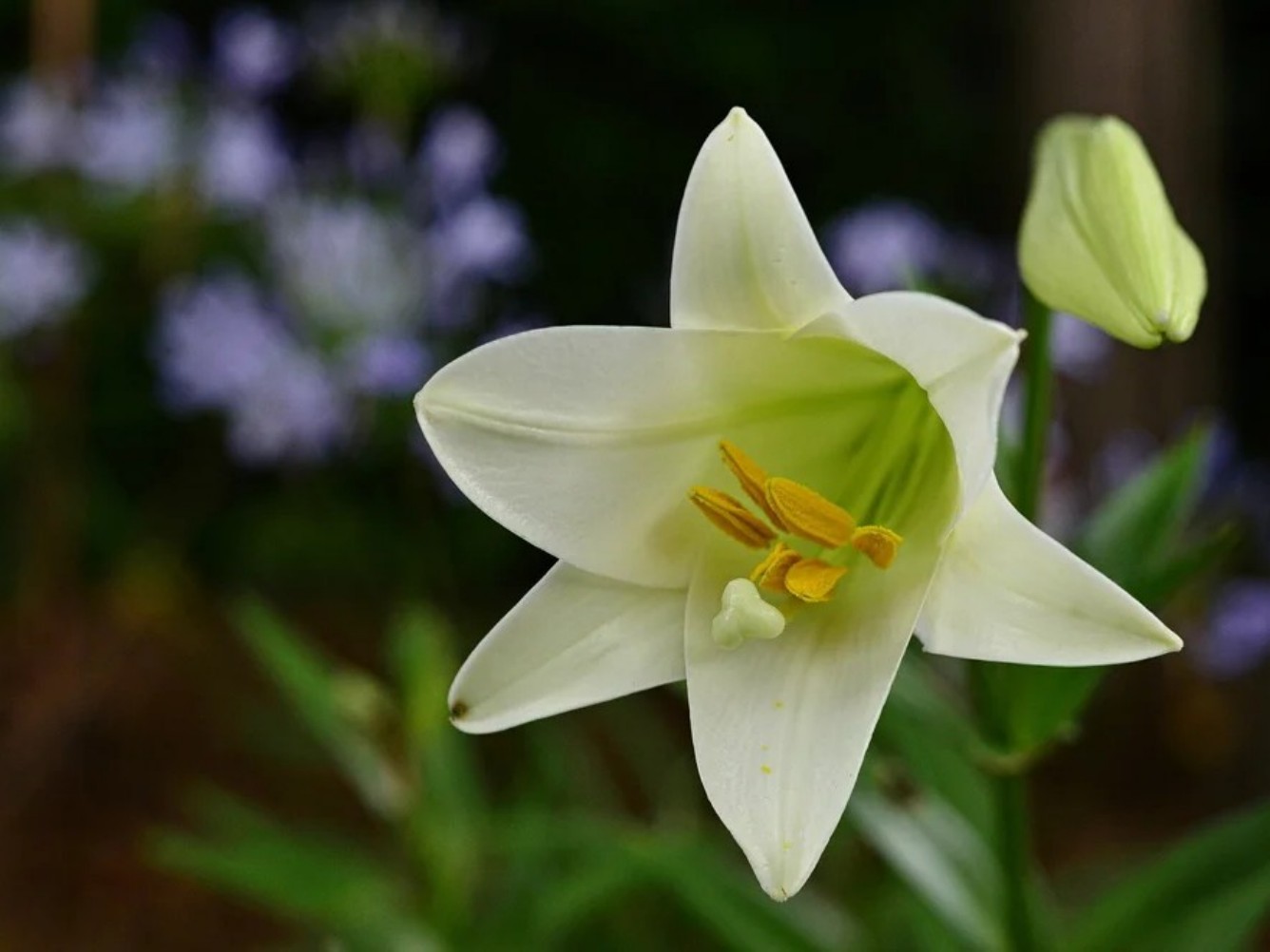
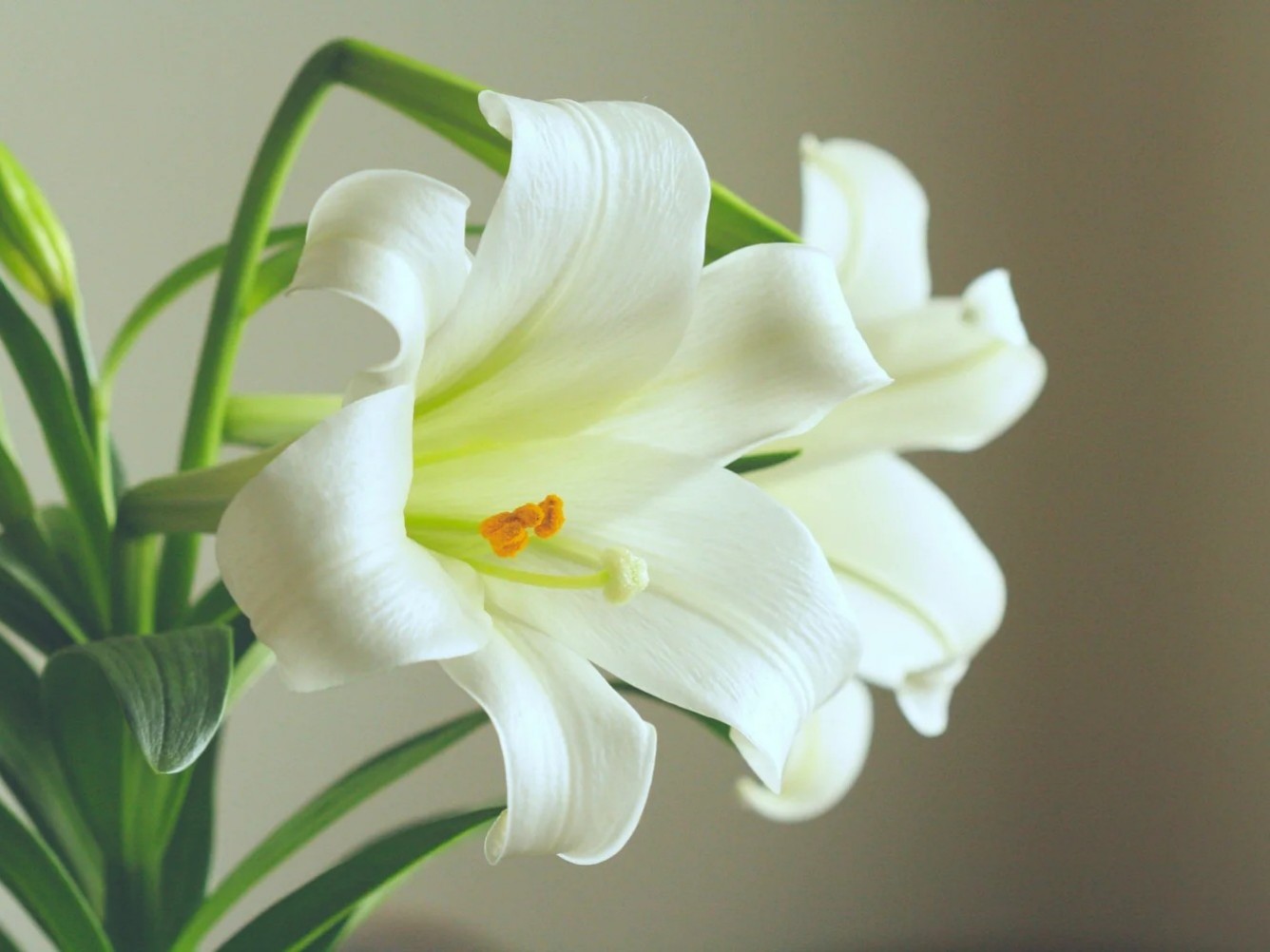
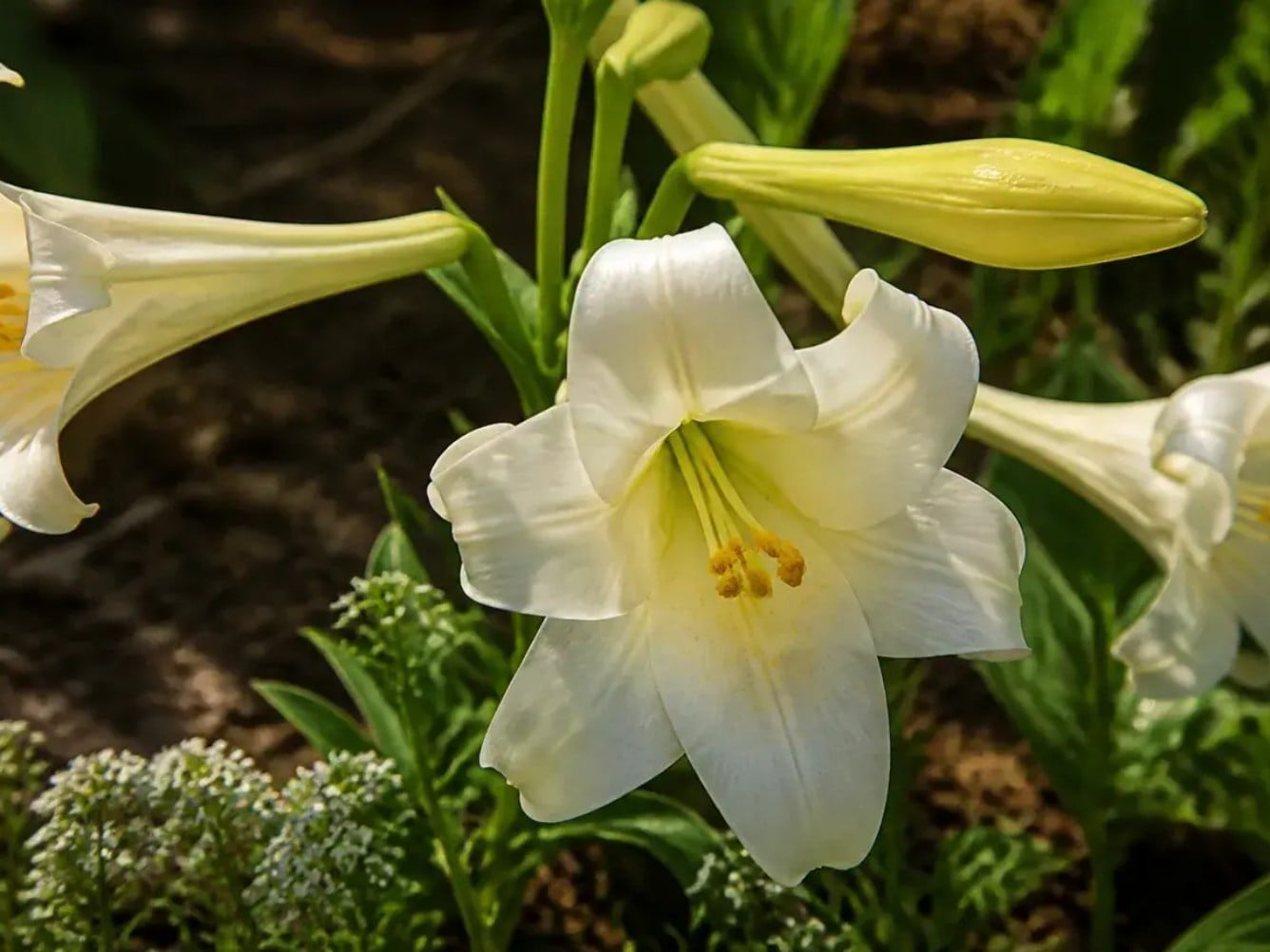
Lilium longiflorum is a perennial bulb plant native to Taiwan and Japan’s Ryukyu Islands. It bears large, trumpet-shaped pure white blooms with strong sweet fragrance. Lanceolate green leaves grow along upright stems. It blooms in early summer, widely used as cut flowers and garden ornamentals.
Popular Plant Encyclopedia
-
-
Poisonous and danger
- Rhus typhina
-
-
-
Edible and medicinal
- Common sunflower
-
-
-
Poisonous and danger
- Plumeria rubra
-
-
-
Wild and common weed
- Convolvulus arvensis
-
-
-
Edible and medicinal
- Perilla frutescens
-
-
-
Edible and medicinal
- Pogostemon cablin
-
-
-
Edible and medicinal
- Common fenugreek
-
-
-
Edible and medicinal
- Garden Thyme
-

 Edible and medicinal
 Wild and common weed
Advertisement