Lily of the Valley
-
 Poisonous and danger
 - Also known as:Convallaria majalis, May bells, Our Ladys tears, and Marys tears.
 Poisonous and danger
Nursing Skills
Lily of the valley requires a semi-shady environment, 4-6 hours of scattered light per day, and shade in summer to prevent burns. The soil is prepared with leaf mold, garden soil, and river sand, and kept loose and breathable. Water thoroughly every 2-3 days in spring and autumn, water in the morning and evening in summer, and control water in winter. Apply thin fertilizer every month during the growing season, and apply phosphorus and potassium fertilizers before flowering to promote flowering.
Advertisement
Plant Properties
-
- Toxicity
- Toxic to humans
-
- Flowering period
- Summer, autumn
-
- Plant height
- 10 cm to 1.5 m
-
- Leaf color
- green, white, gray, silver
-
- Fruit color
- brown, green, black, reddish brown
-
- Stem color
- green, gray, silver, cream
-
- Leaf type
- deciduous
-
- Growing season
- summer, autumn
-
- Plant type
- Herb
-
- Fruiting period
- late summer, early autumn, mid-autumn
-
- Flower diameter
- 2.5 cm
-
- Flower color
- green, yellow, pink
Plant Care Requirements
-
Difficulty of care
General
-
Watering frequency
Keep the soil moist but avoid waterlogging
-
Light requirements
Semi-shaded environment, avoid strong direct sunlight
-
Ideal temperature
12 - 22℃
-
Soil pH
6-7
-
Planting time
Spring, autumn
Advertisement
Plant Care Guide
-
What type of soil is best?
Lily of the Valley prefers rich, well-drained soil. The soil should be slightly acidic to neutral (pH 6.0-7.0). Amend it with organic matter such as compost or peat moss to improve its fertility and drainage. This will provide the plant with the nutrients it needs to grow and bloom.
-
How much sunlight does it need?
Partial to full shadeLily of the Valley thrives in partial to full shade. While it can tolerate some morning sunlight, harsh afternoon sun can scorch the leaves. Choose a location that provides shade, particularly in the hotter parts of the day.
-
How often to water?
Regularly, but do not overwaterWater Lily of the Valley regularly, maintaining consistently moist soil. However, avoid overwatering as this can lead to root rot. Check the soil before watering; if the top inch is dry, it's time to water. In hot, dry conditions, you may need to water more frequently.
-
What is the ideal temperature?
60-70 degrees FahrenheitThe most suitable temperature for lily of the valley is usually between 12 ∘ C and 22 ∘ C, which is consistent with the temperate climate environment where it grows naturally. Within this temperature range, lily of the valley can grow and bloom better. Too high or too low temperatures will have an adverse effect on its growth and flowering, so maintaining a suitable temperature is the key to the healthy growth of lily of the valley.
-
How to fertilize?
Balanced, slow-release fertilizerUse a balanced, slow-release fertilizer in the spring to promote healthy growth and blooming. Follow the package instructions for application rates. The fertilizer should be high in phosphorus to encourage flowering.
-
When to divide and transplant?
Every 3-5 yearsLily of the Valley should be divided and transplanted every 3 to 5 years. Doing so in the early spring or fall helps prevent shock to the plant and encourages better growth. This also helps control the spread of the plant if it becomes invasive.
-
Any specific pruning needs?
After foliage dies backPrune Lily of the Valley after the foliage has died back, usually in late fall or early winter. This keeps the plant tidy and helps prevent disease. Remove only the brown, spent leaves, leaving the green foliage to photosynthesize and provide energy for the next year's growth.
Advertisement
Frequently Asked Questions
-
1 Why is Lily of the Valley considered a symbol of humility in religious painting?
In religious paintings, the Lily of the Valley is used to symbolize humility due to its delicate, drooping flowers. It is often associated with the biblical figure Mary, symbolizing her humility and purity.
-
2 Is Lily of the Valley used in perfumery
Yes, Lily of the Valley's unique and sweet fragrance is widely used in the perfume industry. It is generally synthesized as the process of extracting the scent from the flowers is complex and expensive.
-
3 Why is Lily of the Valley given on May 1st in France?
In France, it's a tradition to give Lily of the Valley on May 1st as a good luck charm. The tradition dates back to the Renaissance when King Charles IX was presented with the flowers as a token of luck and prosperity.
-
4 Is Lily of the Valley toxic?
Yes, all parts of Lily of the Valley are toxic if ingested, including the red berries that appear after flowering. The plant contains cardiac glycosides, which can cause symptoms like nausea, dizziness, and a slowed heart rate. Always handle with care and keep away from pets and children.
-
5 Can Lily of the Valley grow in full shade?
Yes, Lily of the Valley is a shade-loving plant. It can thrive in partial to full shade, making it an excellent choice for those darker spots in the garden. However, it does need some light to flower, so complete darkness should be avoided.
Advertisement
Introduction
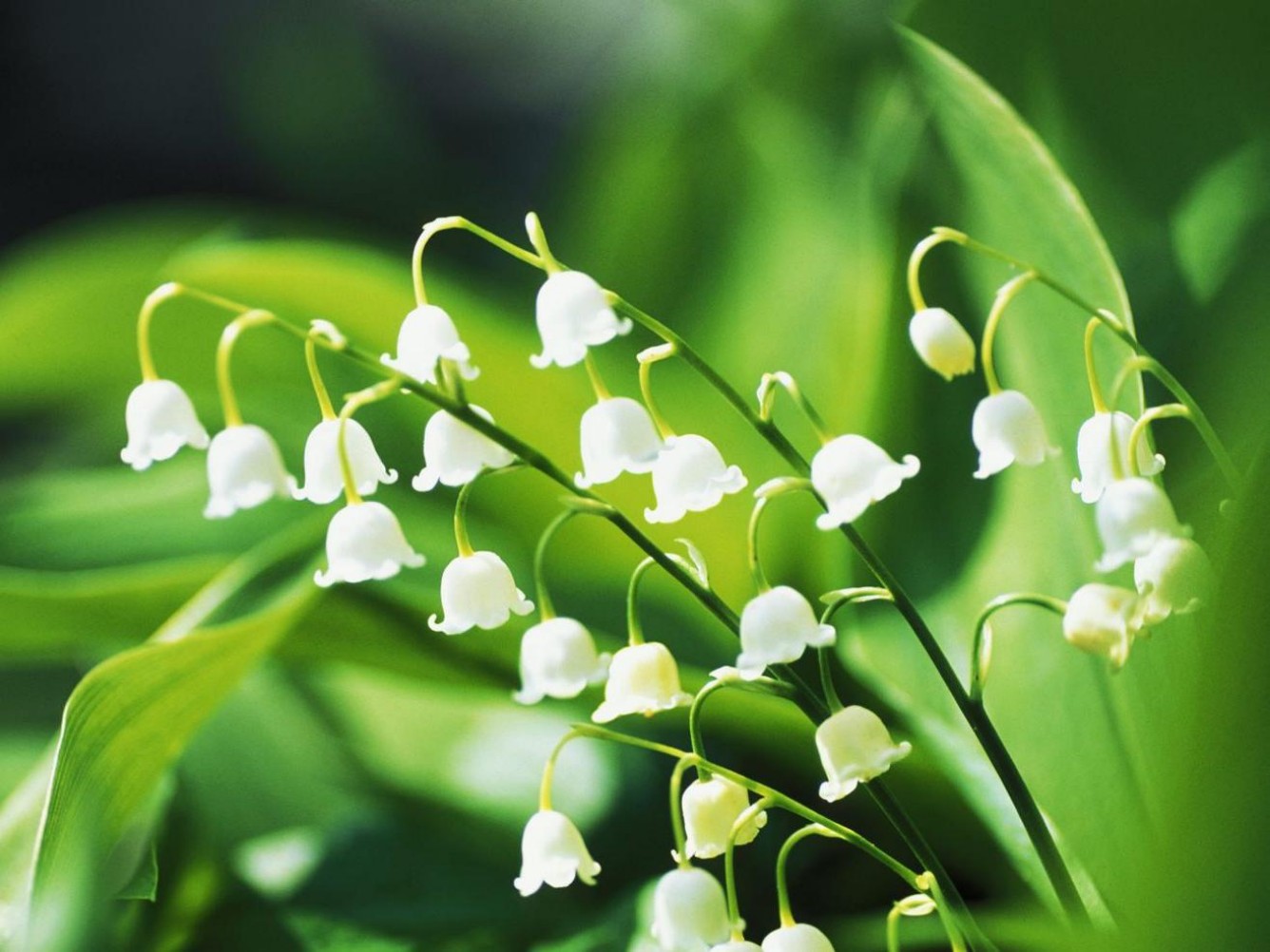
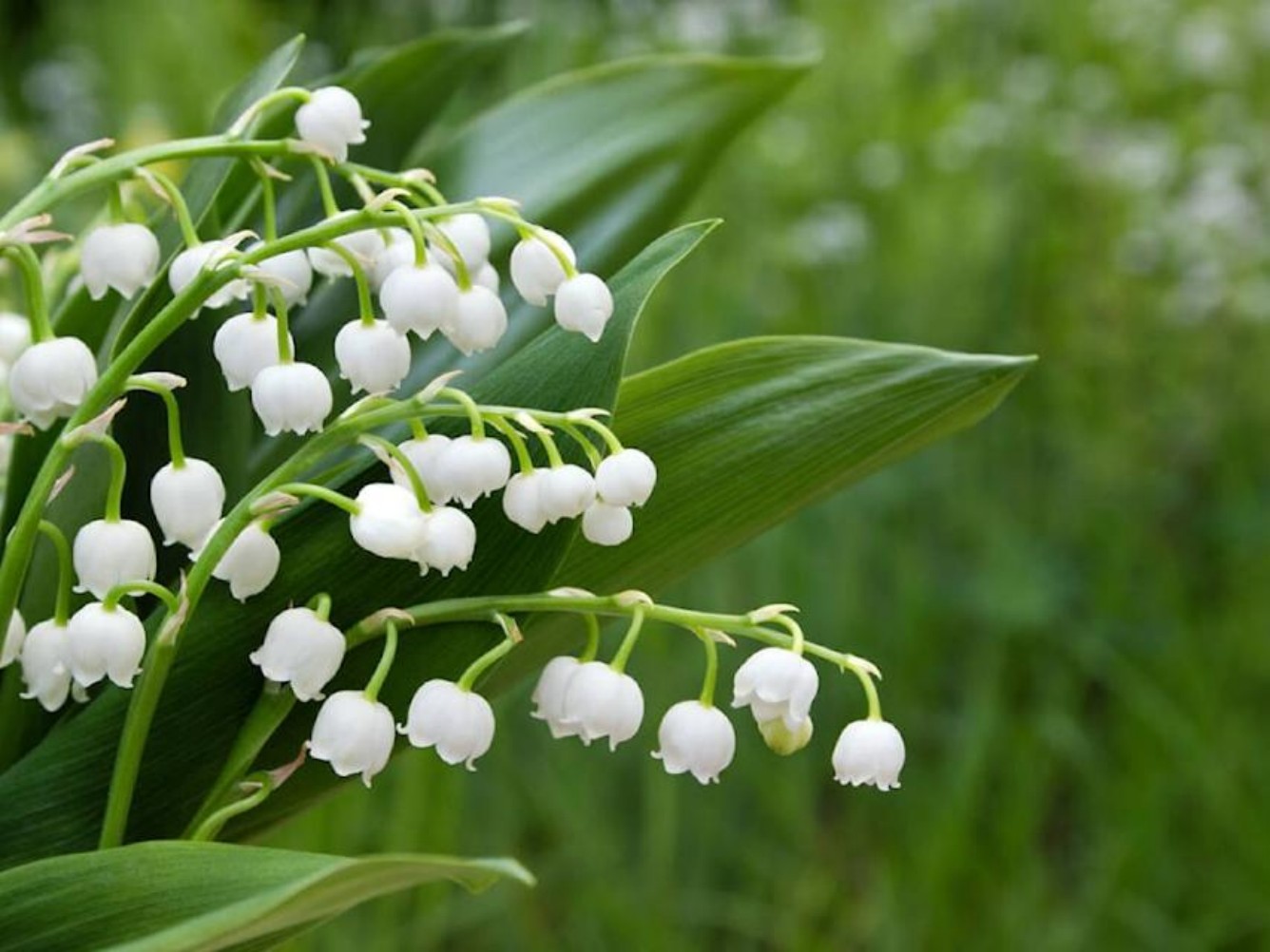
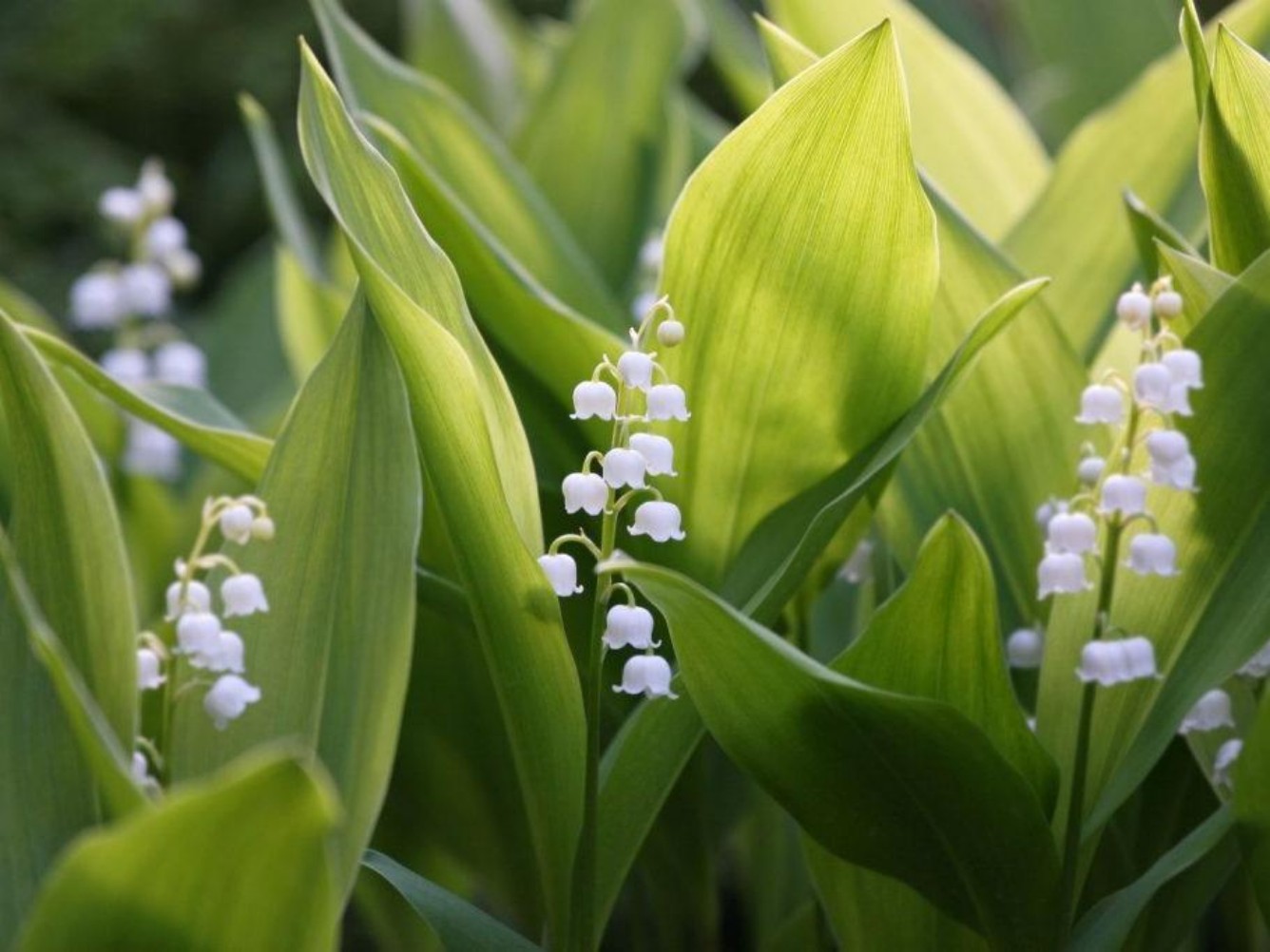
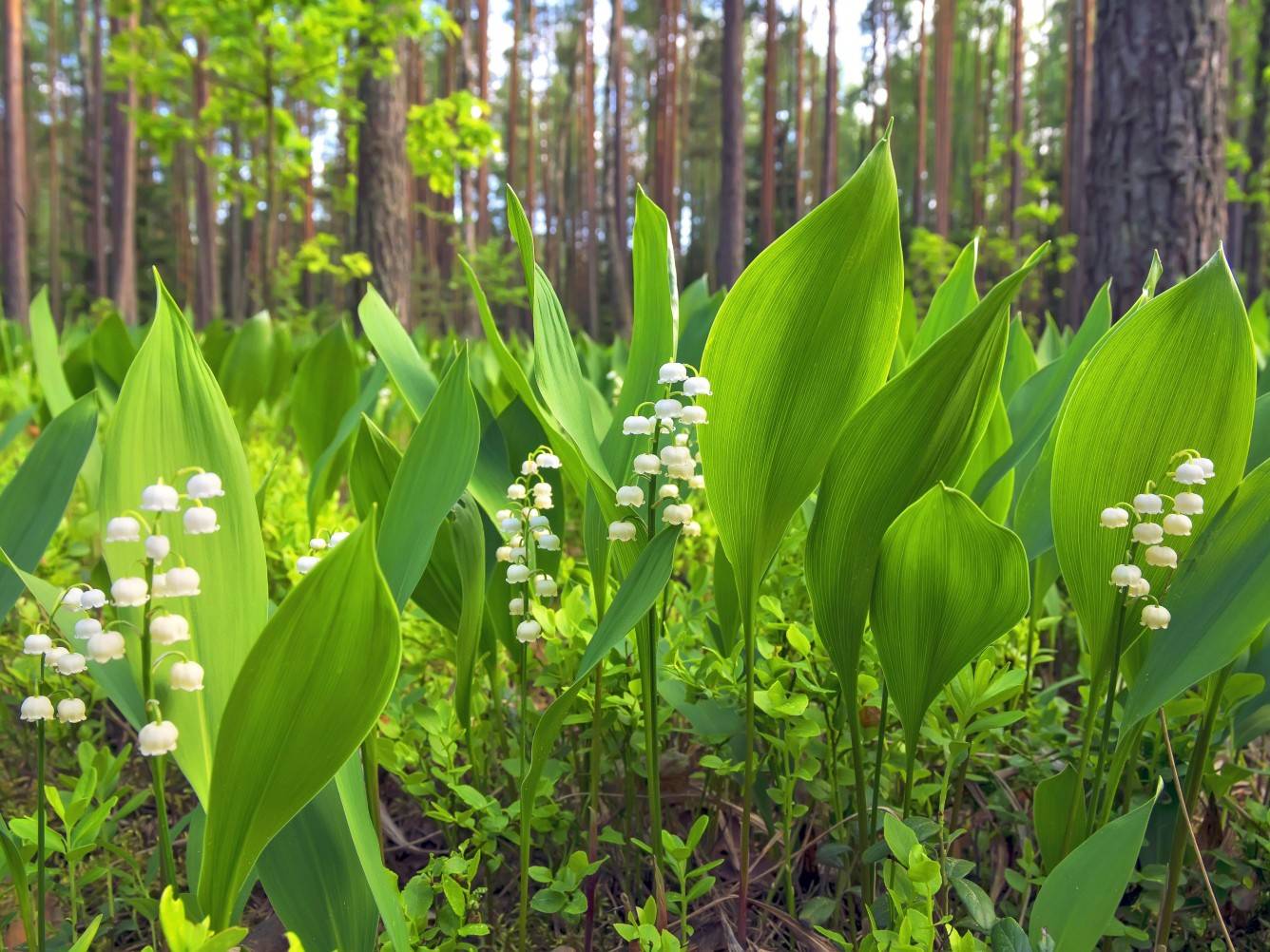
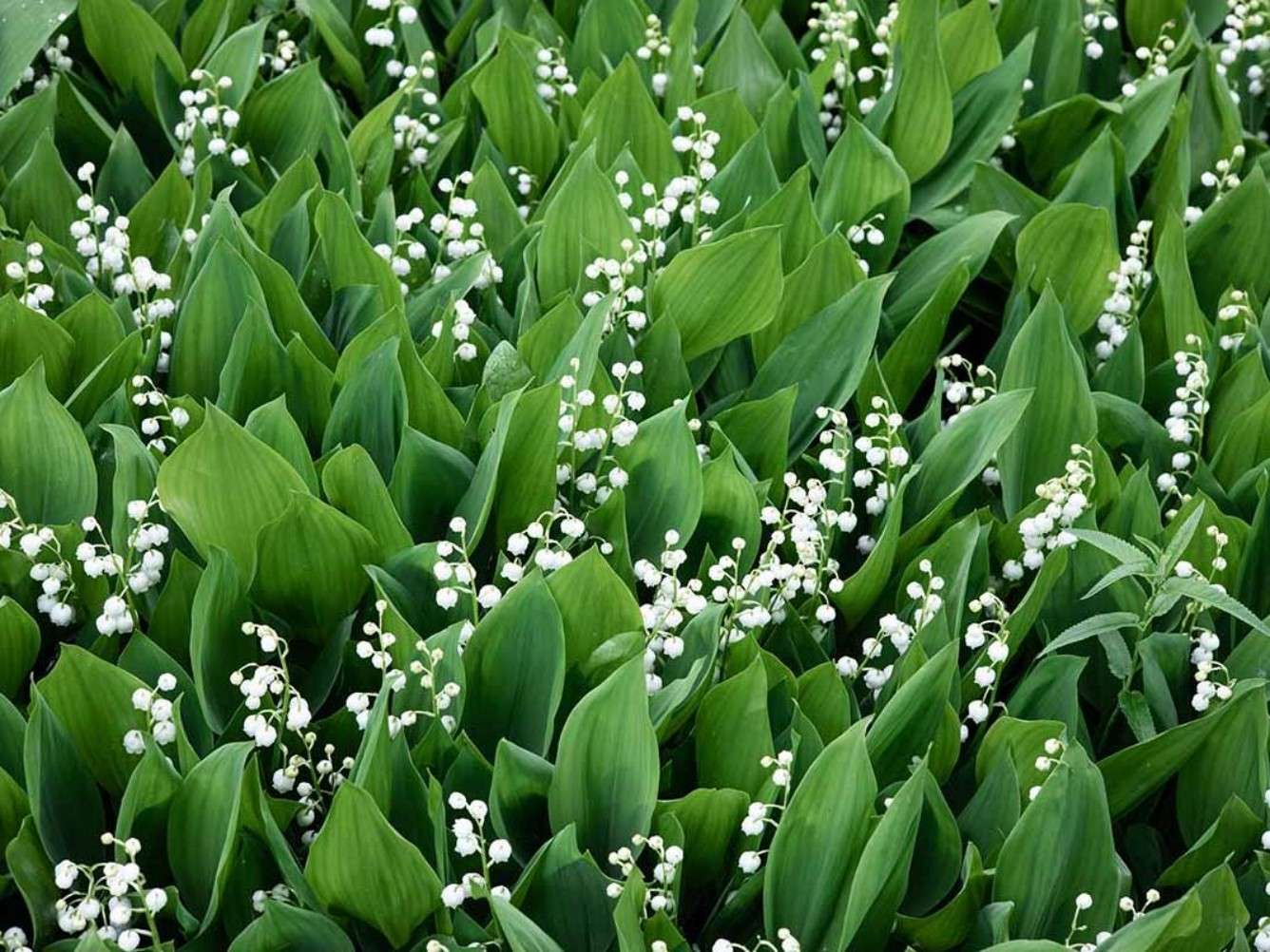
Lily of the valley is a perennial herb of the Liliaceae family, 15-30 cm tall, with oval leaves, drooping bell-shaped white flowers in racemes, flowering from May to June, and fruiting from July to September. It s shade and humidity, is cold-resistant, grows under forests or by ditches, and the whole plant is poisonous but has a cardiotonic effect, symbolizing purity and happiness, and is widely distributed in the temperate zone of the northern hemisphere.
Popular Plant Encyclopedia
-
-
Poisonous and danger
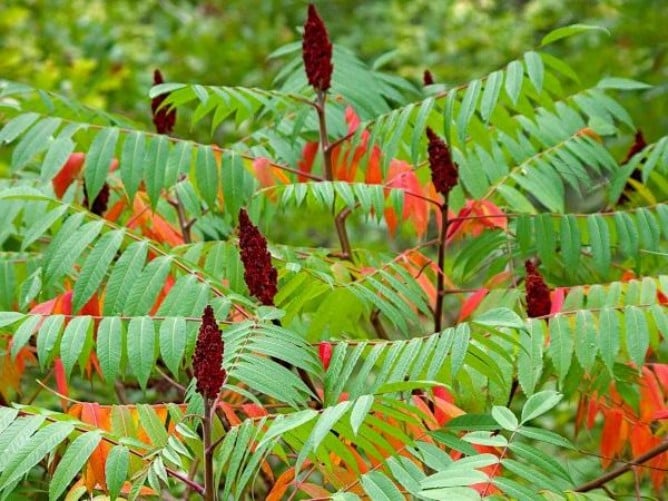
- Rhus typhina
-
-
-
Edible and medicinal
- Common sunflower
-
-
-
Poisonous and danger
- Plumeria rubra
-
-
-
Wild and common weed
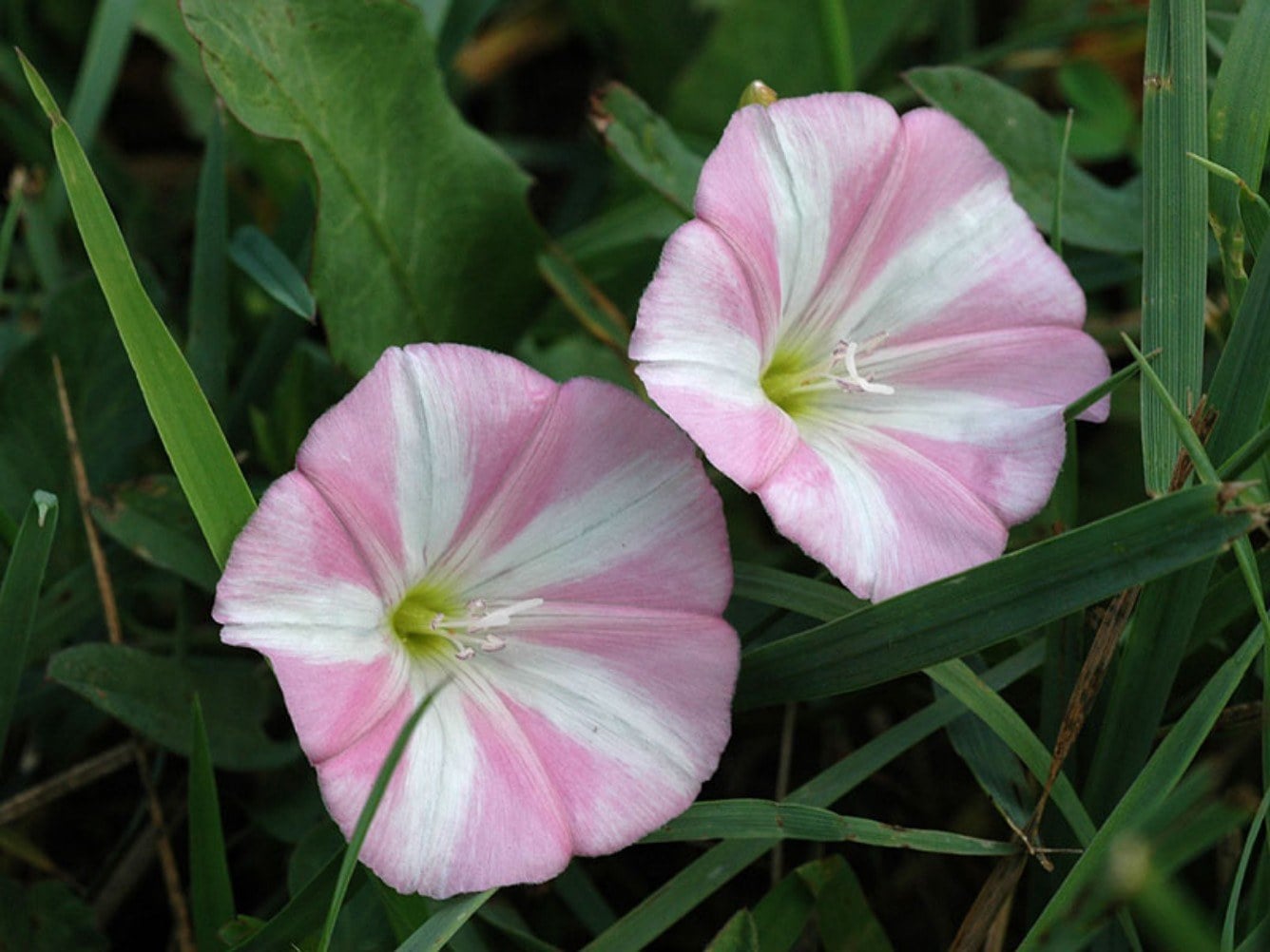
- Convolvulus arvensis
-
-
-
Edible and medicinal
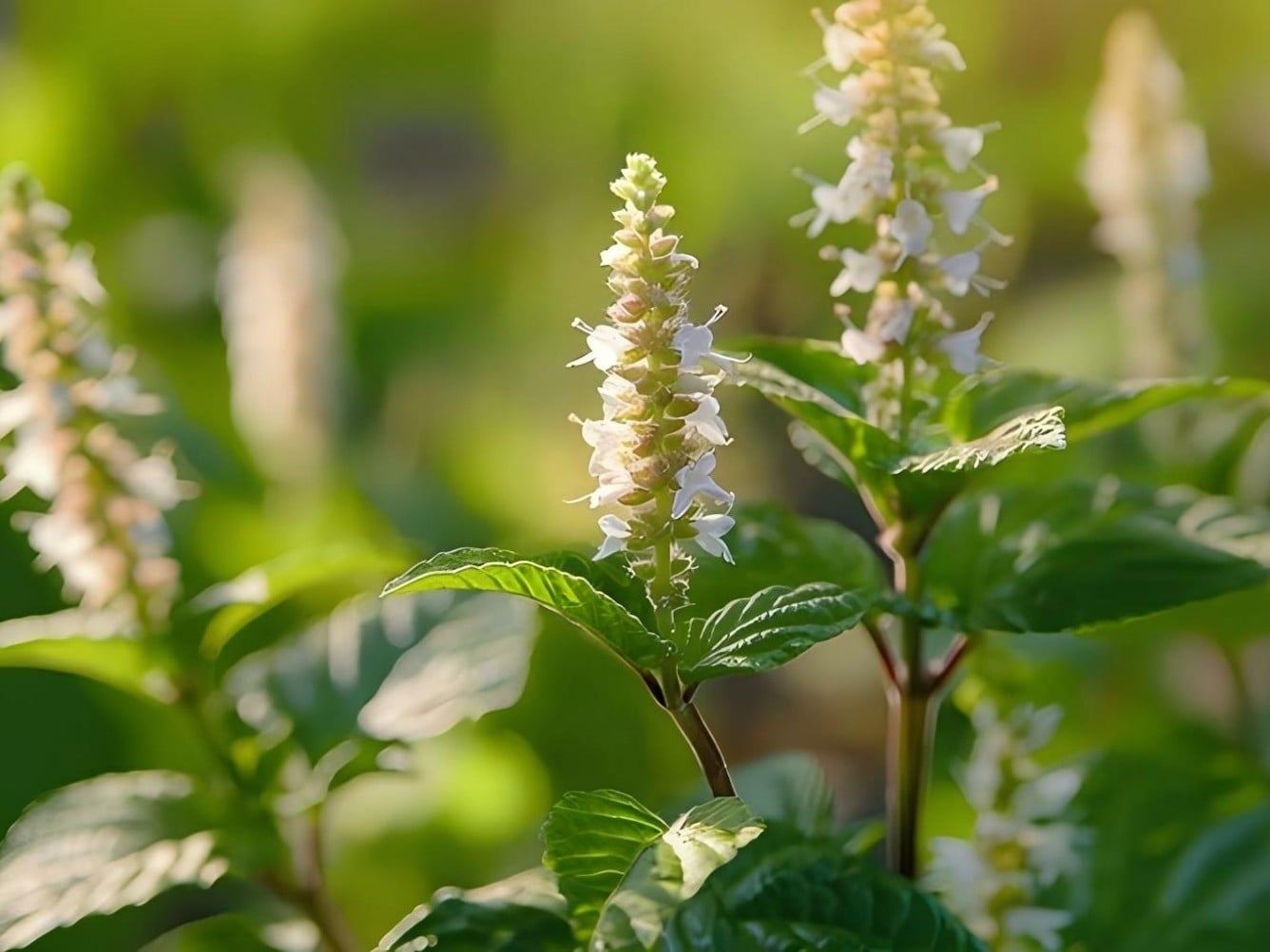
- Perilla frutescens
-
-
-
Edible and medicinal
- Pogostemon cablin
-
-
-
Edible and medicinal
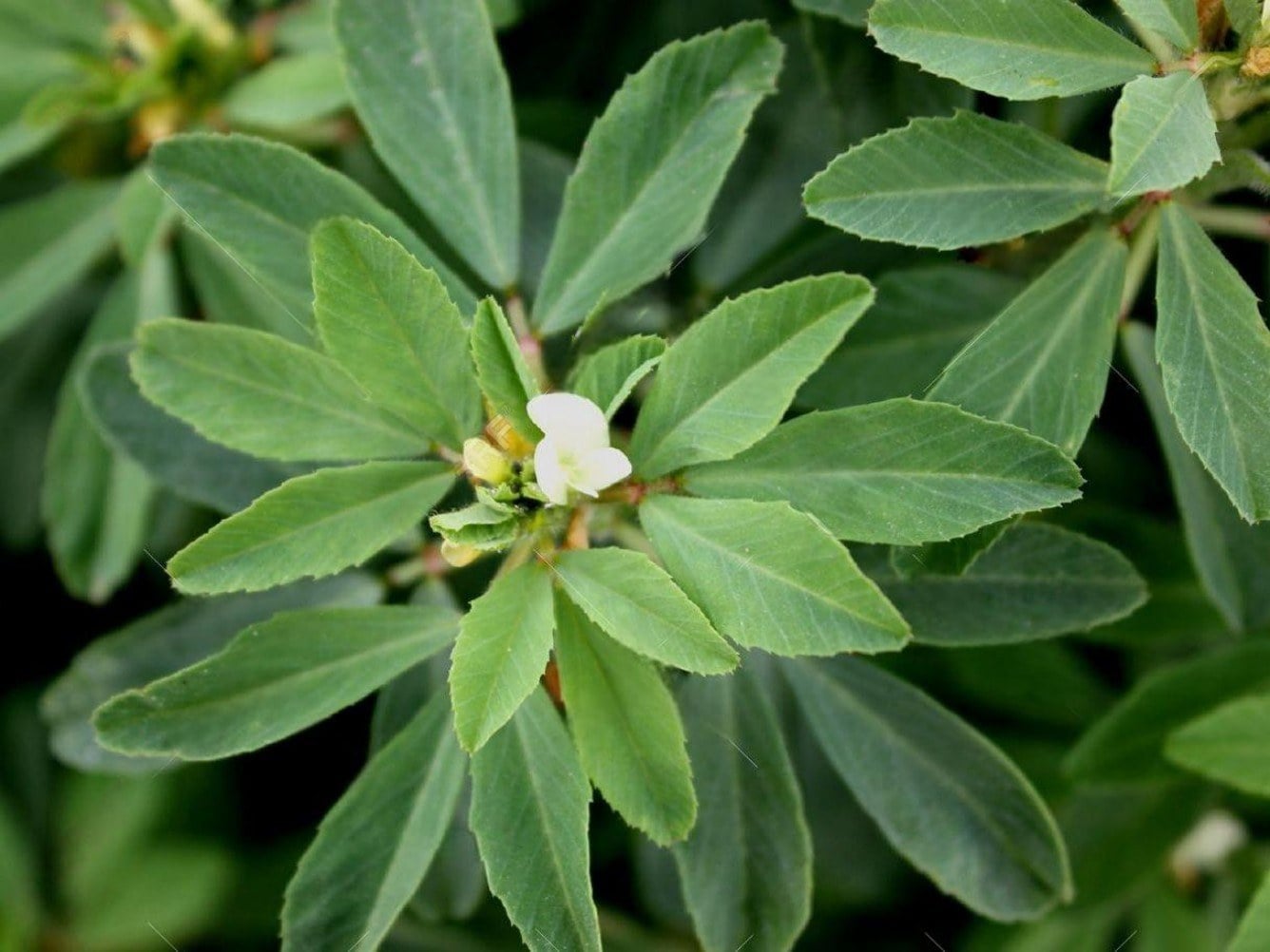
- Common fenugreek
-
-
-
Edible and medicinal
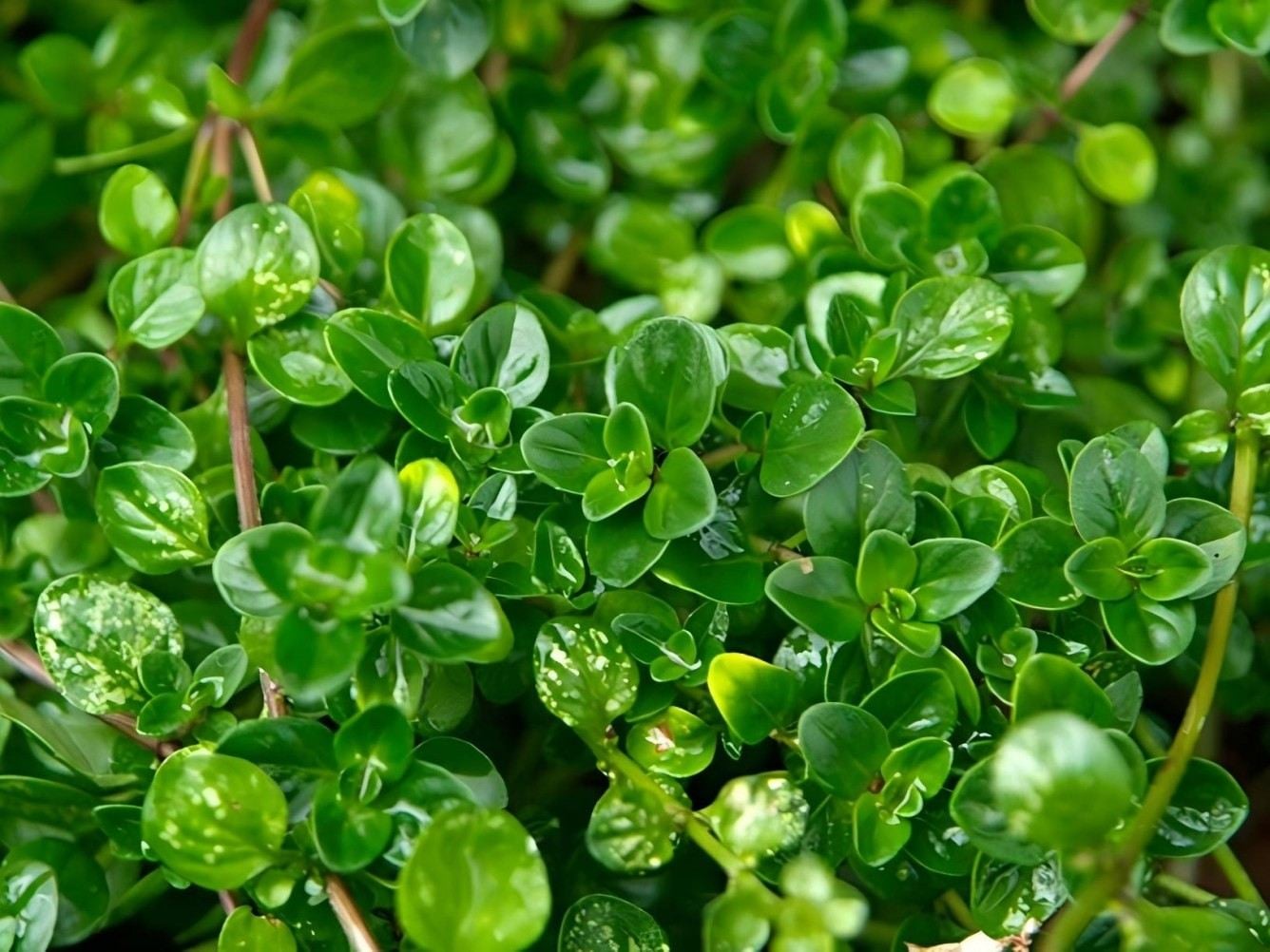
- Garden Thyme
-

 Edible and medicinal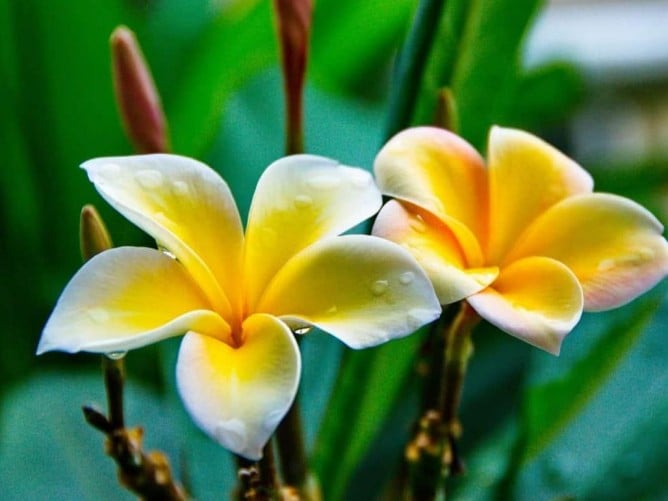
 Wild and common weed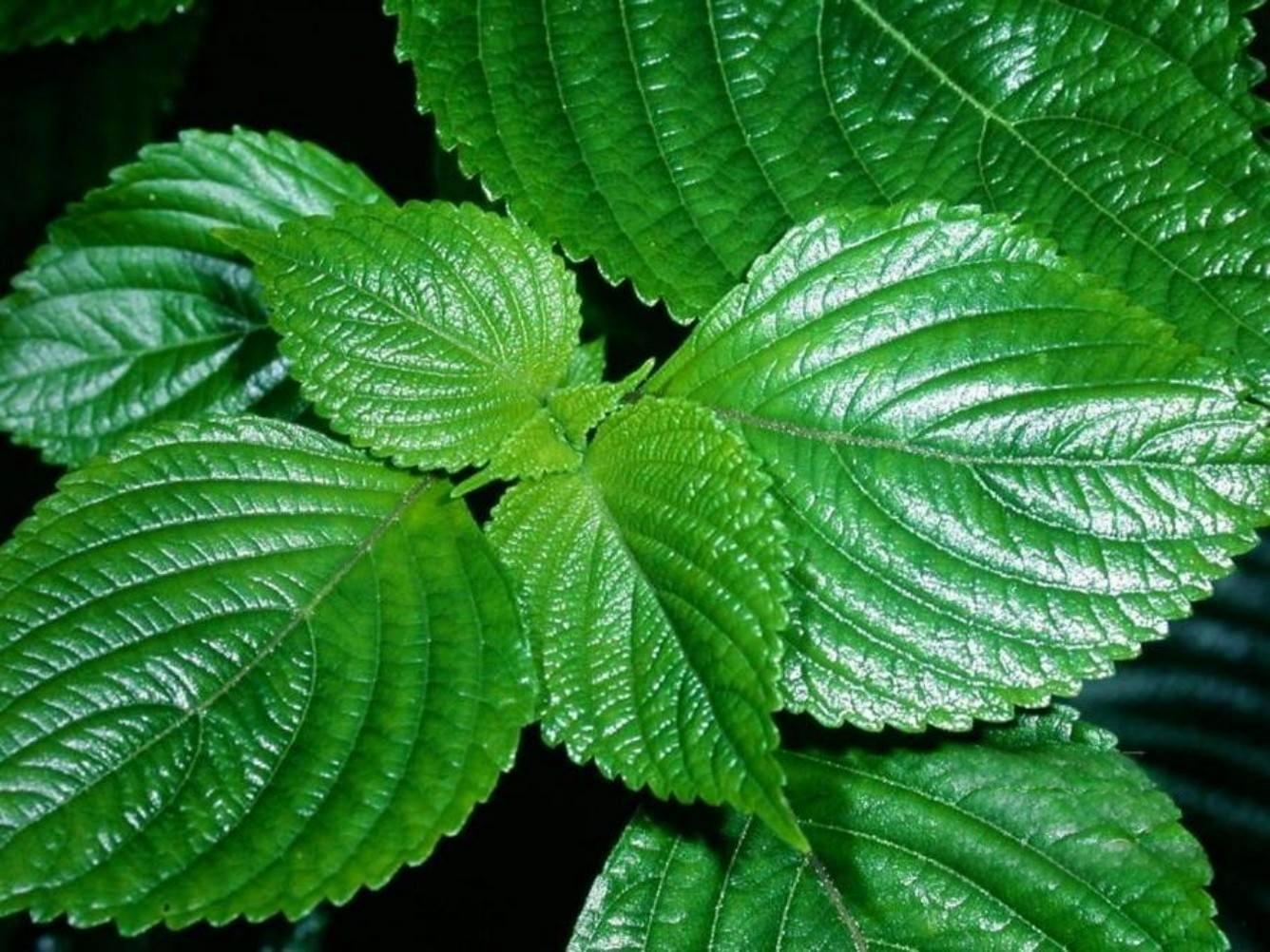
Advertisement