Lonicera tatarica
-
 Poisonous and danger
 - Also known as:Tatarian honeysuckle
 Poisonous and danger
Nursing Skills
Lonicera tatarica thrives in full sun to partial shade and adapts to a wide range of soils, though it prefers well-drained conditions. Once established, it is drought-tolerant and requires minimal watering. Pruning after flowering helps maintain shape and control its rapid growth. Fertilization is rarely necessary, as it grows vigorously on its own. Due to its invasive tendencies, regular monitoring and trimming are recommended to prevent unwanted spread surrounding areas.
Advertisement
Plant Properties
-
- Toxicity
- Toxic to humans
-
- Plant Type
- Shrub, vine
-
- Lifespan
- Perennial
-
- Blooming
- Late spring, summer, early autumn
-
- Fruit Color
- Red, orange
-
- Flower Color
- Purple, red, white, yellow, pink, cream, gold
-
- Leaf Type
- Determinate, semi-evergreen
-
- Height
- Reaches approximately 4–5 meters
Plant Care Requirements
-
Care Difficulty
Moderate
-
Lifespan
Long-lasting
-
Watering
Weekly, keep the soil slightly moist
-
Sunlight Requirements
Full sun to partial shade
-
Soil pH
5-7, adaptable
-
Planting Time
Spring, summer, early fall
-
Harvest Zones
4-8
Advertisement
Plant Care Guide
-
How often should I water?
Lonicera tatarica generally only needs to be watered once a week, keeping the soil slightly moist but not waterlogged. Before watering, check the topsoil for dryness; if it's still moist, delay watering. During hot summer months or droughts, watering can be increased to help the plant maintain vitality. During rainy seasons, watering should be reduced to prevent overly wet soil that can cause root rot. Overall, maintaining a balanced water management system is key to maintaining plant health and abundant flowering and fruiting.
-
How much sunlight does it need?
Full sun to partial shadeLonicera tatarica prefers full sun, ideally with at least six hours of direct sunlight daily to promote flower and fruit formation. It can grow in less sunlight, but the number of flowers will be reduced and the plant will be more prone to leggy growth. If planted in areas with hot summers, appropriate partial shade can prevent strong sunlight from burning the leaves. A balanced light regime is crucial for maintaining plant health and ornamental value.
-
What are the soil requirements?
pH 5-7Lonicera tatarica is highly adaptable to various soils, but performs best in well-drained loam or sandy loam. It thrives in soils with a pH range of 5-7. Soils that are too clayey or waterlogged can impair root respiration, hindering growth. Adding compost or organic matter can improve soil structure, providing better nutrients and air permeability for the plant.
-
How often should it be pruned?
1-2 times per yearBecause Lonicera tatarica grows rapidly, it is recommended to prune at least 1-2 times per year. The best time to prune is after flowering, as this encourages new branches and encourages more flowers in the following growing season. Pruning also controls its spread, preventing the plant from forming overly dense clumps that would otherwise restrict ventilation and light. Excessively dense branches should be thinned out to maintain an attractive overall shape.
-
What is the ideal growing temperature?
5–38°CLonicera tatarica is highly adaptable and thrives in temperatures between 5–38°C. In cold winters, it can tolerate temperatures down to around -30°C, demonstrating strong frost tolerance. In hot weather, moderate watering and shade are essential to prevent leaf wilting. A stable temperature environment helps prolong the flowering period and maintain vigorous plant growth.
-
Is fertilization necessary?
A small amount is sufficientLonicera tatarica is not demanding in nutrients and generally does not require frequent fertilization. During the peak growing season (spring and summer), a balanced, slow-release fertilizer can be applied every 4–6 weeks to promote flowering and fruiting. If the soil is fertile, fertilization can be omitted entirely to avoid excess nutrients that can lead to excessive branch growth and reduced flowering. Moderate fertilization helps maintain plant health and reduces the risk of disease.
Advertisement
Frequently Asked Questions
-
1 Does Lonicera tatarica have pretty flowers?
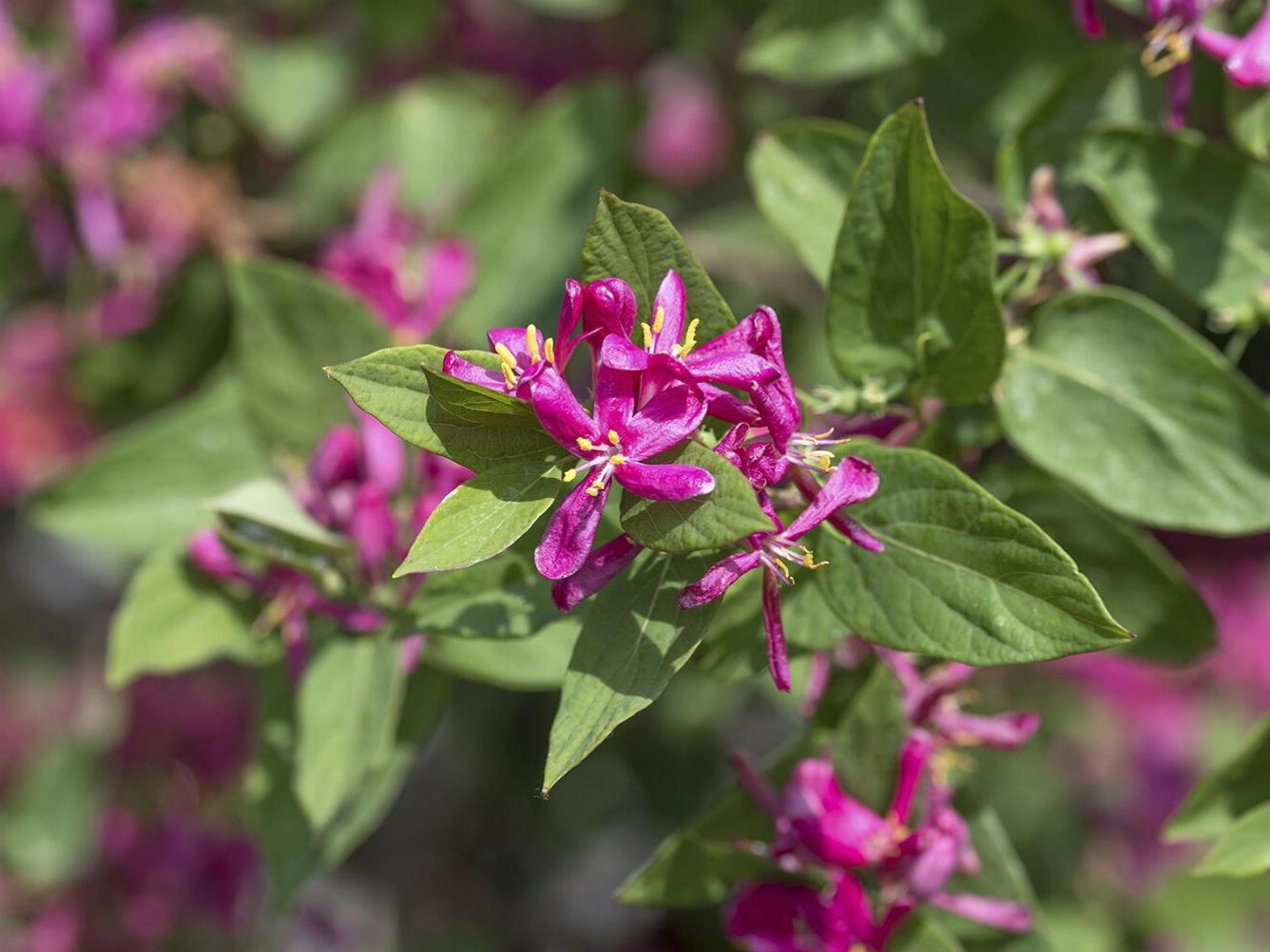
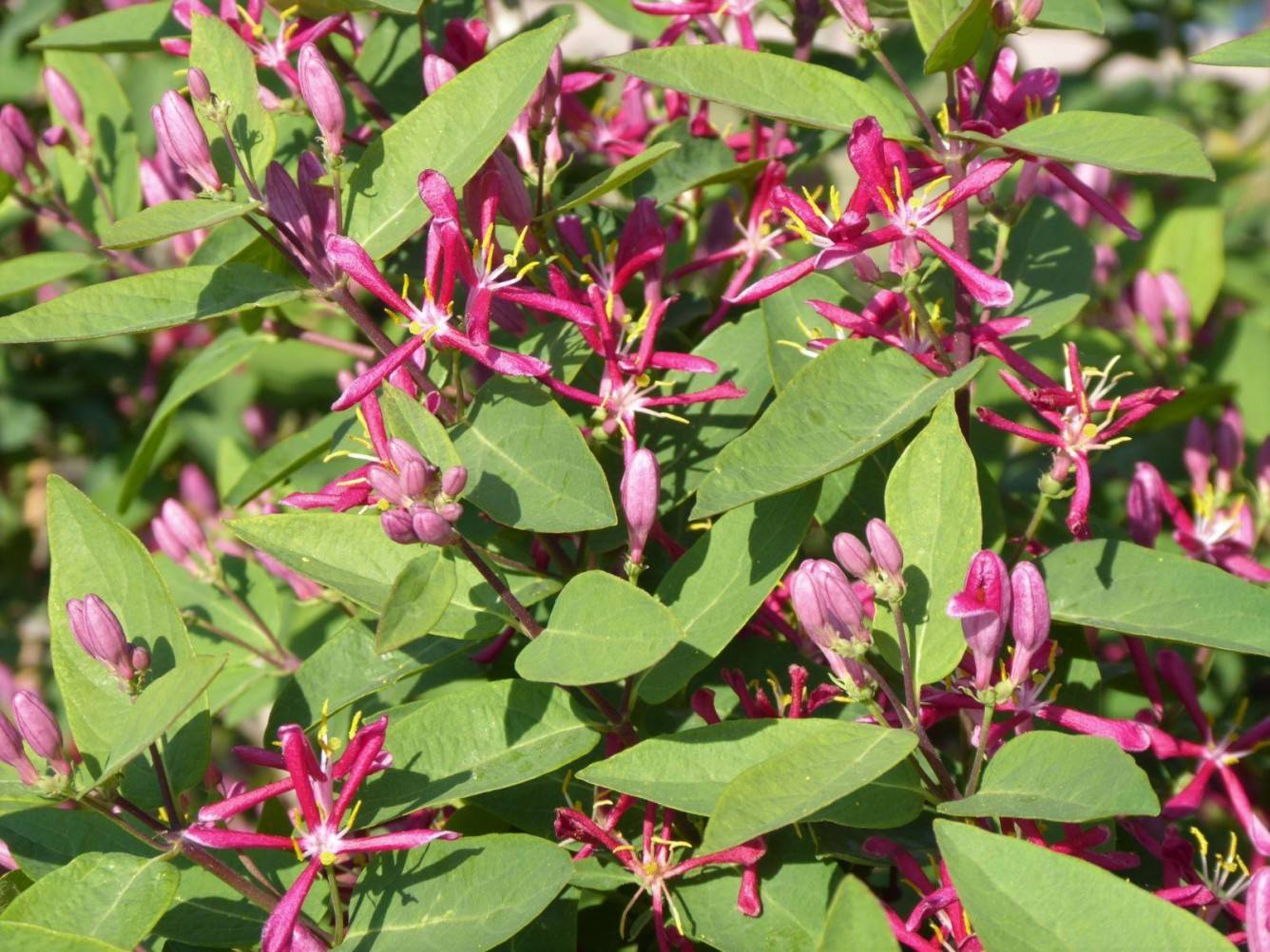
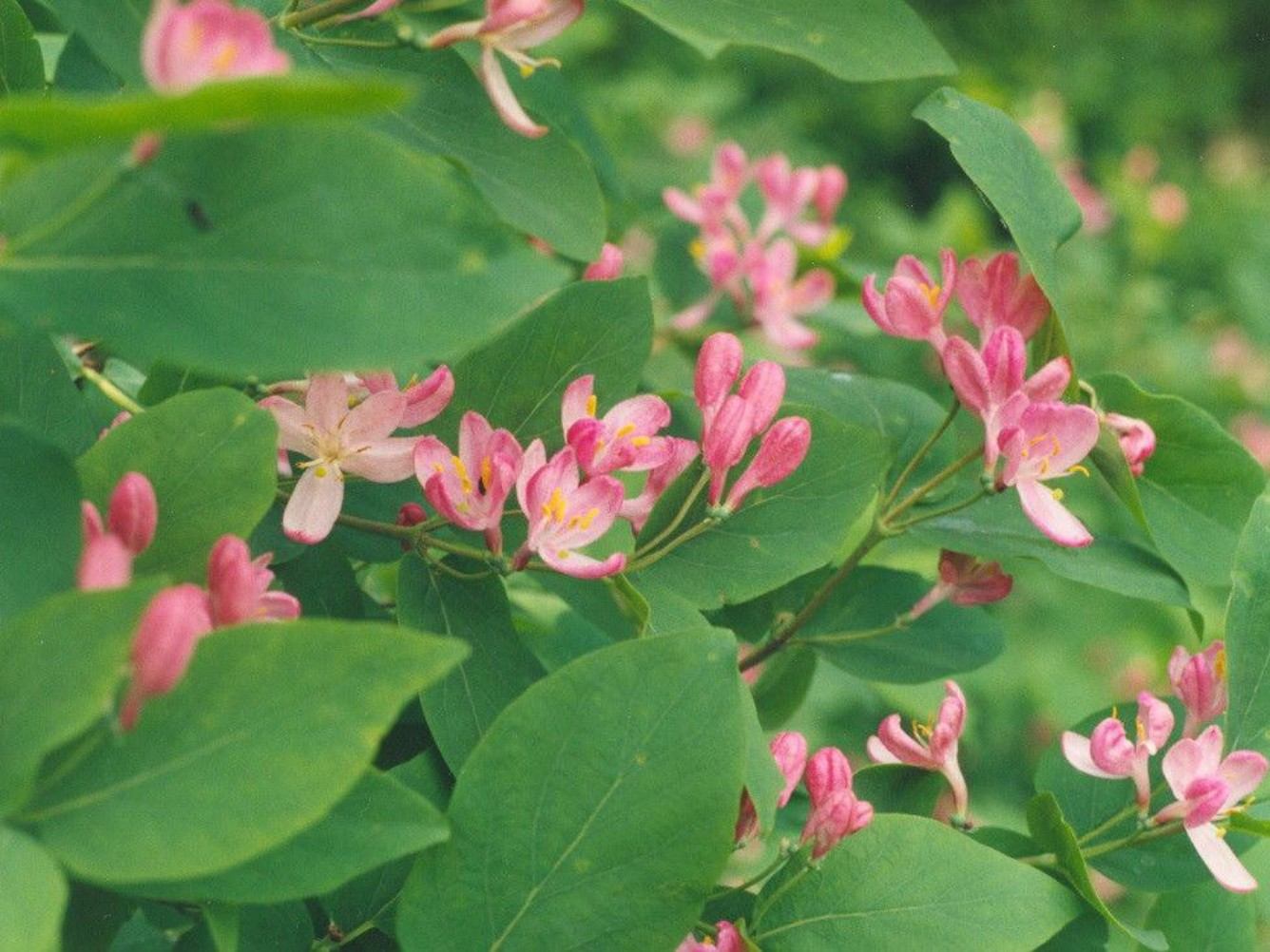
Absolutely! Lonicera tatarica produces small trumpet-shaped flowers ranging from soft pink to rosy red. In spring, it looks like the bush is wrapped in a pink cloud. The flowers also have a light, pleasant fragrance that attracts bees and butterflies, making it a natural little garden magnet. If planted in your yard or balcony, it’s not just decorative—it sets the stage for the summer fruit to come.
-
2 Can you eat the berries of Lonicera tatarica?
Not recommended. While the bright red to orange berries look cute and tempting, they are toxic to humans and may cause stomach upset if eaten. However, birds couldn’t care less—they happily snack on them, turning your garden into a mini bird haven. So if you plant it outside, expect some feathered visitors!
-
3 Is Lonicera tatarica easy to grow?
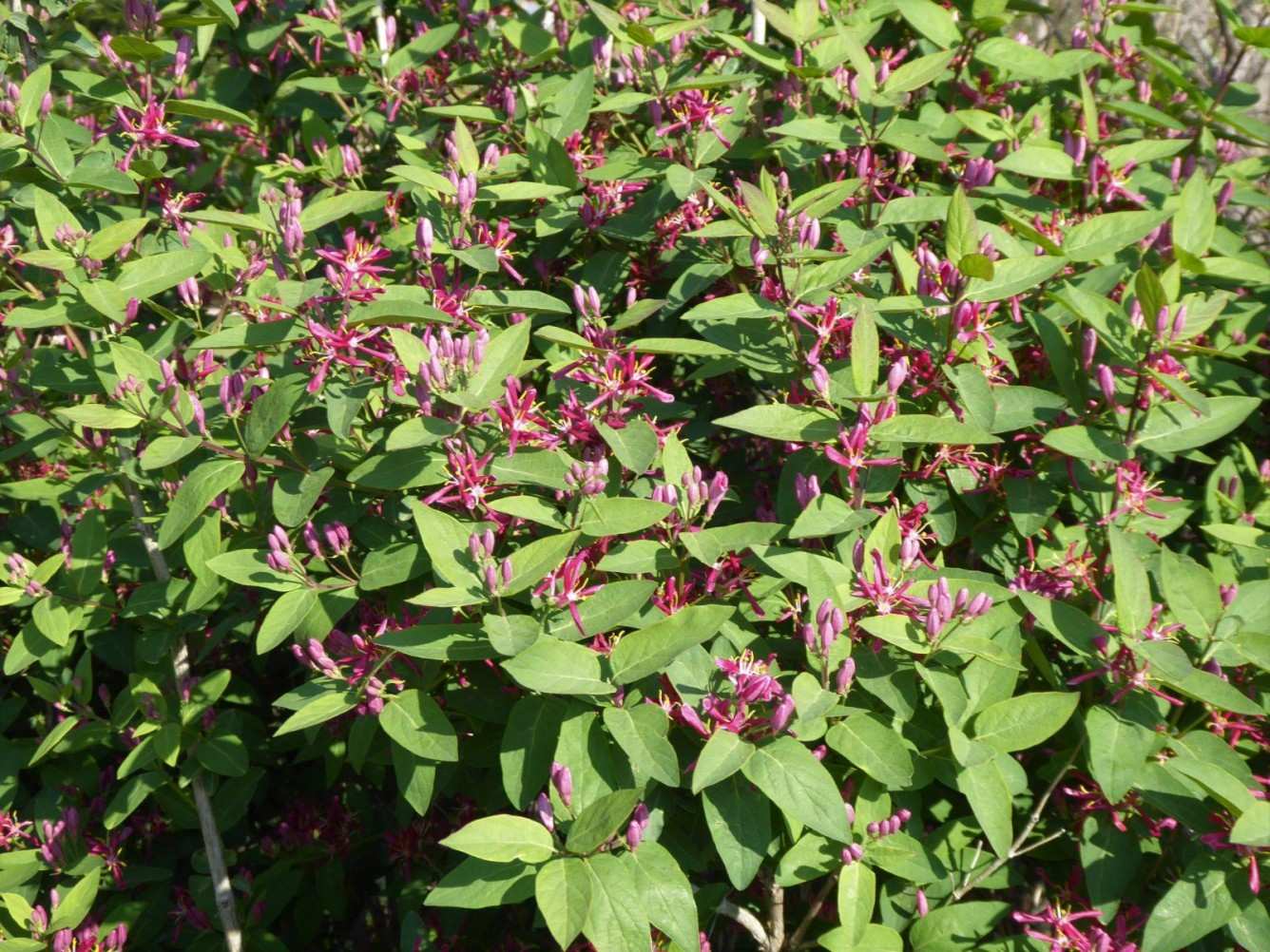
Very easy! It’s cold-hardy, drought-tolerant, and not picky about soil, thriving even in average garden soil. In spring it sprouts tender new shoots, flowers bloom in summer, and berries appear in fall—offering visual interest almost year-round. Just be mindful: it can spread quickly if unchecked, so occasional pruning keeps it looking tidy and prevents it from taking over neighboring plants.
-
4 Can Lonicera tatarica be grown in a pot?
Yes, but with some care. It’s naturally a shrub with spreading branches, so choose a large pot to give its roots space. Make sure it gets plenty of sunlight for the best flowers and berries. For a creative touch, you can train the branches into a semi-climbing shape, adding a bit of wild charm to your balcony or patio.
Advertisement
Introduction
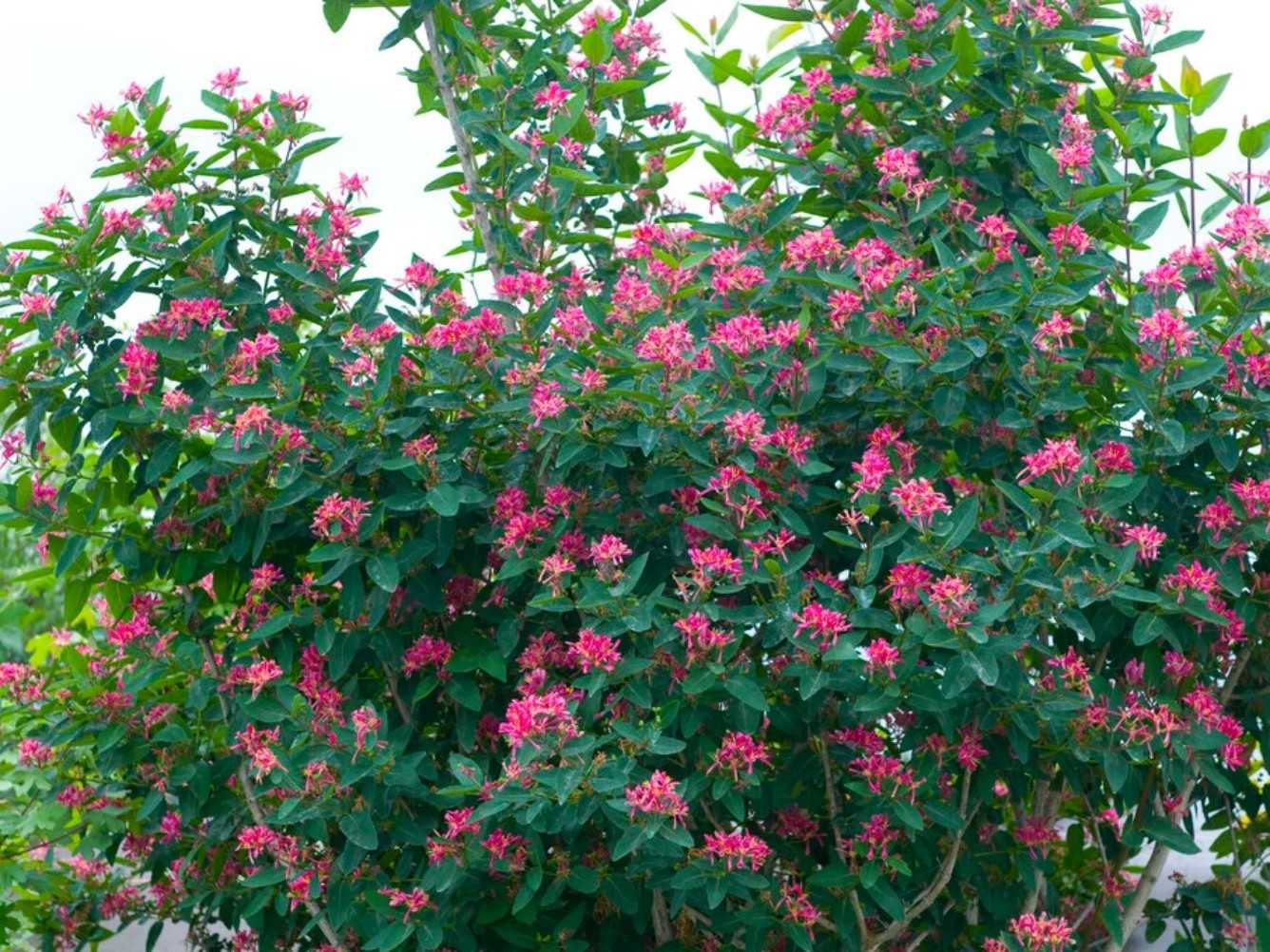
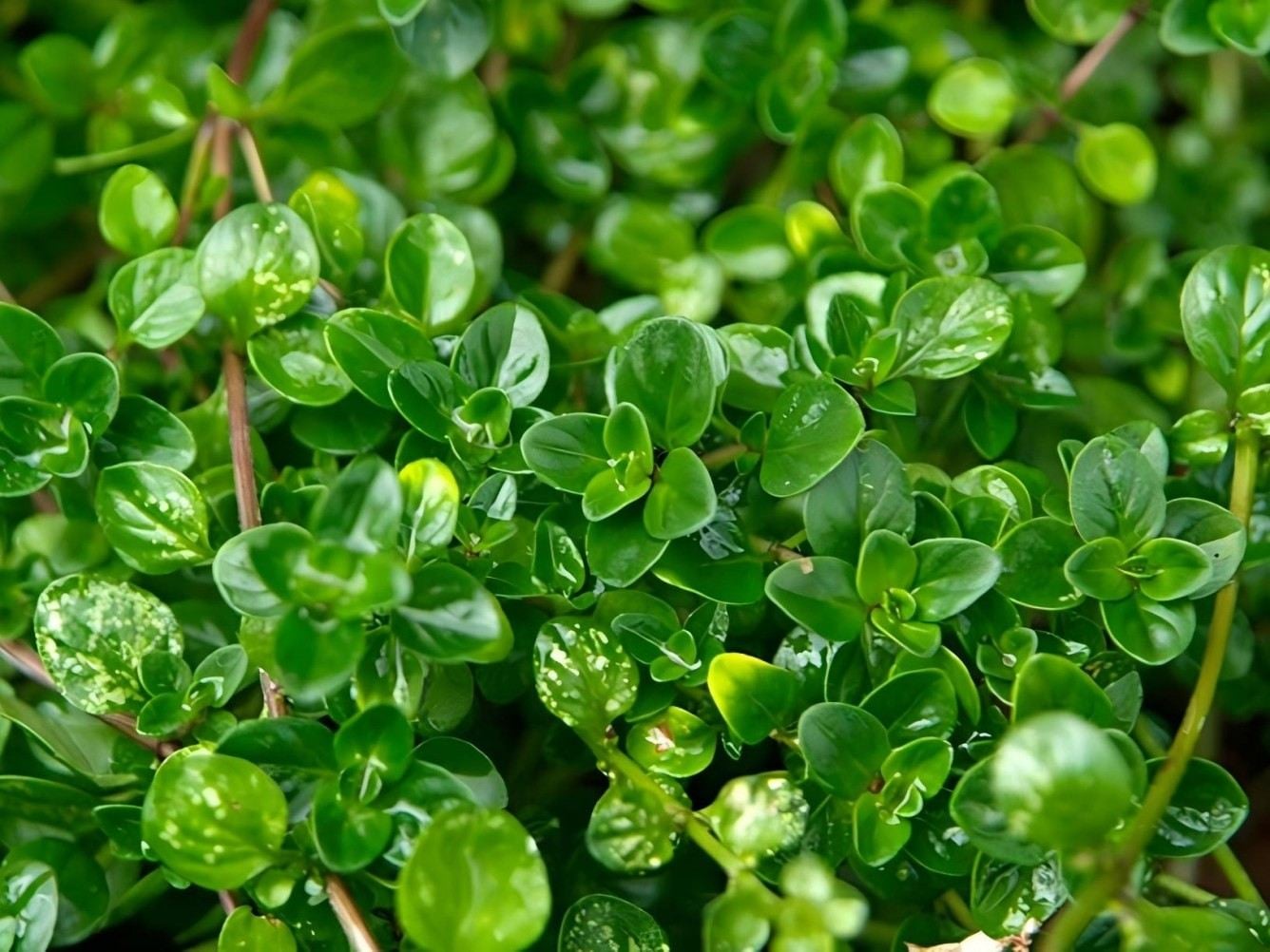
Lonicera tatarica is a deciduous shrub valued for its fragrant pink to white flowers and bright red berries. Native to Eurasia, it has been widely planted as an ornamental hedge but is now considered invasive in many regions. Growing up to 10 feet tall, it forms dense thickets that can displace native vegetation. While its colorful berries add visual appeal, they are mildly toxic to humans and pets if ingested. Hardy and fast-growing, Tatarian honeysuckle is both admired for its ornamental qualities and cautioned against due to its aggressive spread.
Popular Plant Encyclopedia
-
-
Poisonous and danger
- Rhus typhina
-
-
-
Edible and medicinal
- Common sunflower
-
-
-
Poisonous and danger
- Plumeria rubra
-
-
-
Wild and common weed
- Convolvulus arvensis
-
-
-
Edible and medicinal
- Perilla frutescens
-
-
-
Edible and medicinal
- Pogostemon cablin
-
-
-
Edible and medicinal
- Common fenugreek
-
-
-
Edible and medicinal
- Garden Thyme
-
 Edible and medicinal
 Wild and common weed
Advertisement