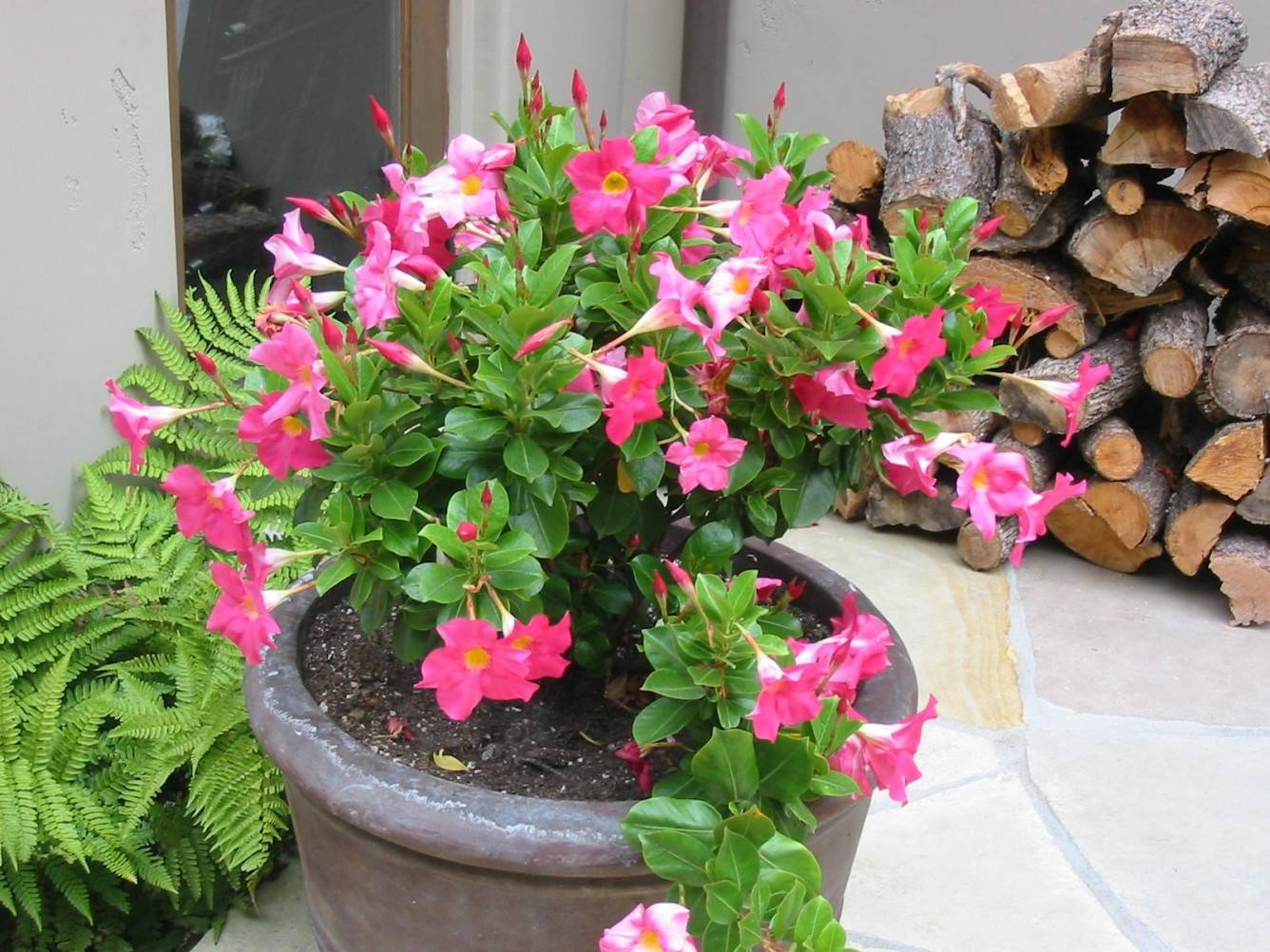
Mandevilla sanderi
-
 Poisonous and danger
 - Also known as:Brazilian Jasmine or Dipladenia
 Poisonous and danger
Nursing Skills
Mandevilla sanderi prefers full sun or semi-shade with well-drained soil. It needs regular watering, but the soil should be kept dry between waterings to prevent root rot. During the growing season, apply a balanced fertilizer every two weeks to promote lush growth of flowers. Since Mandevilla sanderi to climb, it needs to be supported by a trellis. Mandevilla sanderi is afraid of cold, so it should be moved indoors when the temperature s below 10 degrees Celsius.
Advertisement
Plant Properties
-
- Toxicity
- Toxic
-
- Growth Cycle
- Perennial
-
- Flowering Period
- Blooms from spring through fall
-
- Plant Height
- Up to 20 feet with support
-
- Leaf Color
- Dark green
-
- Leaf Type
- Glossy, leathery, and oval-shaped
-
- Flower Diameter
- 5-10 cm
-
- Flower Color
- pink, red, or white
Plant Care Requirements
-
Care Difficulty
Medium
-
Planting Time
Spring or Early Summer
-
Soil Requirements
Fertile and slightly acidic soil
-
Fertilizer Requirements
Use high phosphorus and potassium fertilizers before flowering
-
Ideal Temperature
20-30℃
-
Watering Frequency
Keep slightly moist without water accumulation
Advertisement
Plant Care Guide
-
How often should I water Mandevilla sanderi?
RegularlyAnswer: Mandevilla sanderi prefers regular watering, with the soil allowed to dry out between each watering to prevent root rot. During the growing season, a weekly watering schedule should suffice, but always check the soil's moisture levels first. Increase the frequency during particularly hot periods.
-
What is the ideal temperature?
20-30 degrees CelsiusMandevilla sanderi thrives in temperatures between 20-30 degrees Celsius. It's sensitive to cold, so move the plant indoors when temperatures drop below 10 degrees Celsius to prevent damage.
-
What type of soil is best?
Well-draining soilMandevilla sanderi prefers well-draining soil. A mix of loamy or sandy soil with good drainage is ideal. The addition of organic matter or compost can enhance the soil's nutrient content.
-
How much sunlight does it need?
Full sun to partial shadeMandevilla sanderi needs full sun to partial shade for optimal growth and blooming. However, in hotter climates, it appreciates some afternoon shade to protect it from scorching.
-
How to fertilize?
Balanced fertilizerFertilize Mandevilla sanderi every two weeks during the growing season with a balanced water-soluble fertilizer. This provides vital nutrients and promotes vigorous growth and abundant flowering.
-
When to repot?
When root-boundRepot Mandevilla sanderi when it becomes root-bound, typically every 2-3 years. The best time to repot is in the spring, before the onset of the growing season.
Advertisement
Frequently Asked Questions
-
1 Why is my Mandevilla sanderi not blooming?
Mandevilla sanderi requires specific conditions for blooming. If your plant isn't flowering, it might not be getting enough light. Ensure it's placed in a location that receives full sun to partial shade. Overwatering can also prevent blooming, so make sure the soil is well-draining and only water when the top inch of soil is dry.
-
2 Can Mandevilla sanderi grow indoors?
Yes, Mandevilla sanderi can grow indoors, especially in colder regions where it can't survive outdoors year-round. It will need a location with plenty of bright, indirect light, and you should maintain a consistent watering schedule, allowing the soil to dry out between waterings.
-
3 How fast does Mandevilla sanderi grow?
In ideal conditions, Mandevilla sanderi can grow quite fast. With sufficient light, warmth, and regular feeding, it can reach impressive heights and spread in a single growing season. However, growth slows down in cooler months.
-
4 How can I overwinter my Mandevilla sanderi?
Mandevilla sanderi is not frost-tolerant. To overwinter it, bring the plant indoors before the first frost. Keep it in a bright, warm location and reduce watering. The plant may lose some leaves, but don't worry, this is part of its dormancy. Resume normal care in spring.
-
5 Is Mandevilla sanderi toxic to pets?
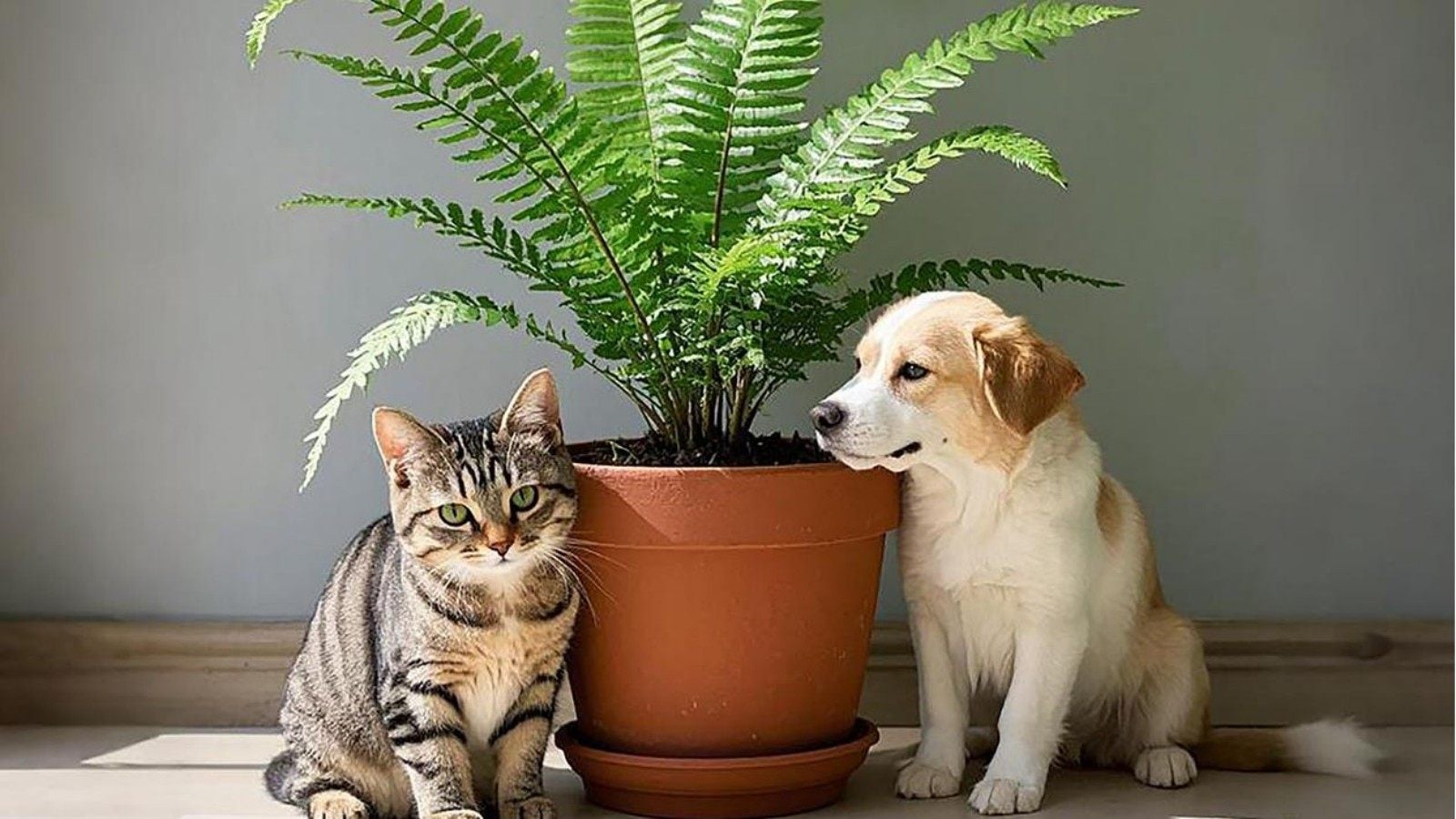
Yes, Mandevilla sanderi is toxic to pets and humans. The plant's sap can cause skin irritation upon contact, and if ingested, it can cause vomiting, diarrhea, and other discomforts. It's best to keep this plant in a location where pets and children can't easily reach it.
Advertisement
Introduction
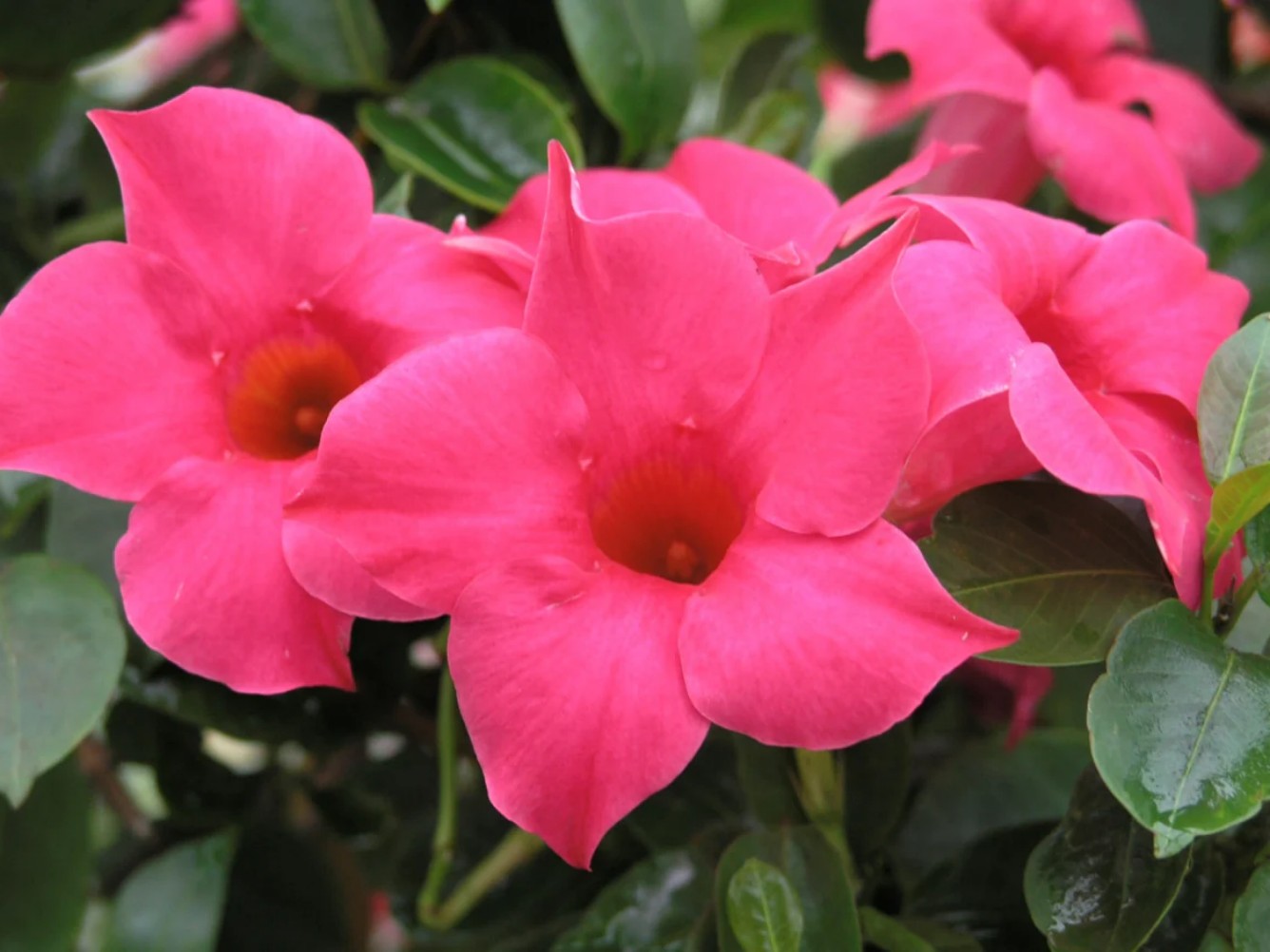
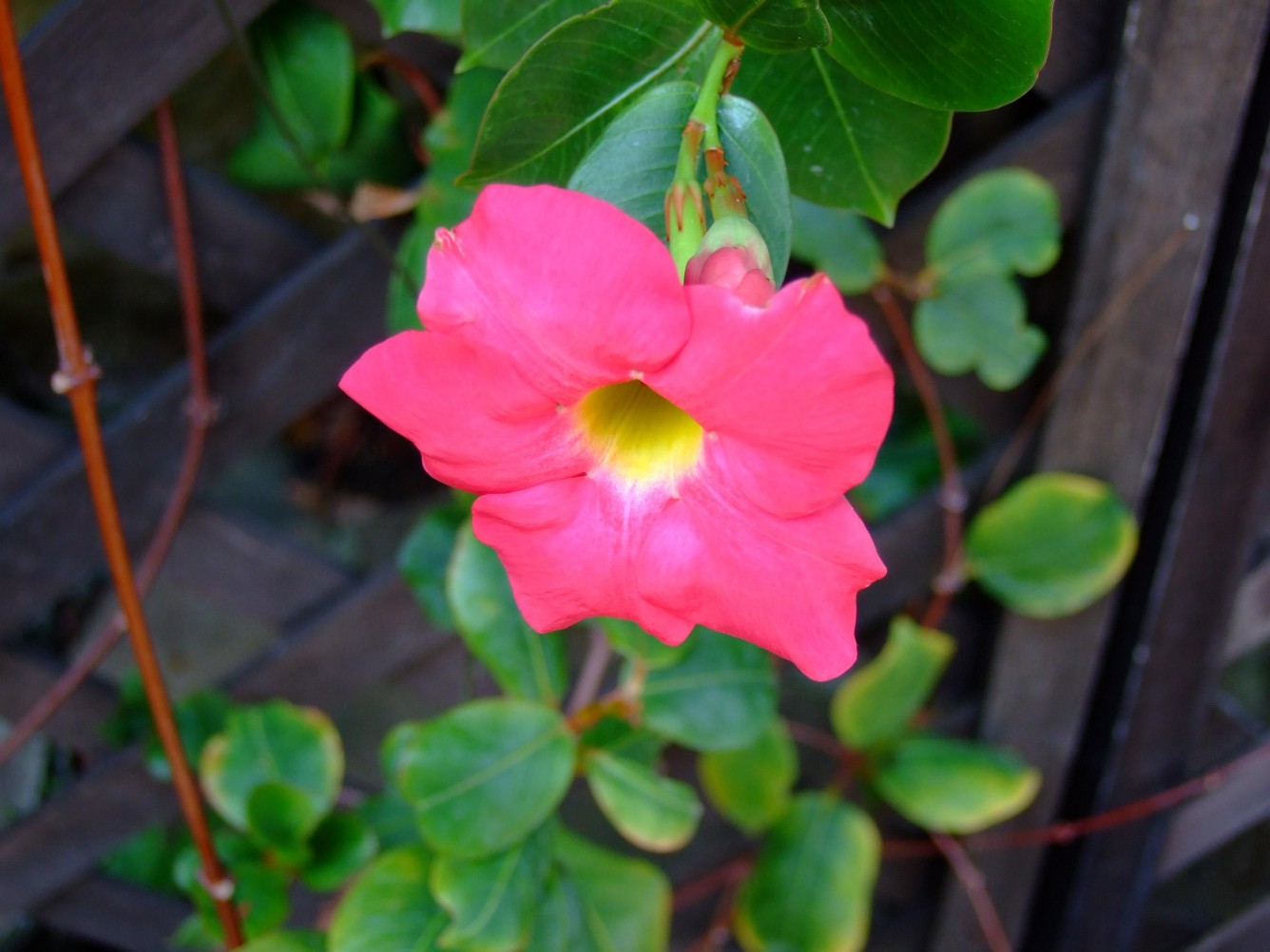
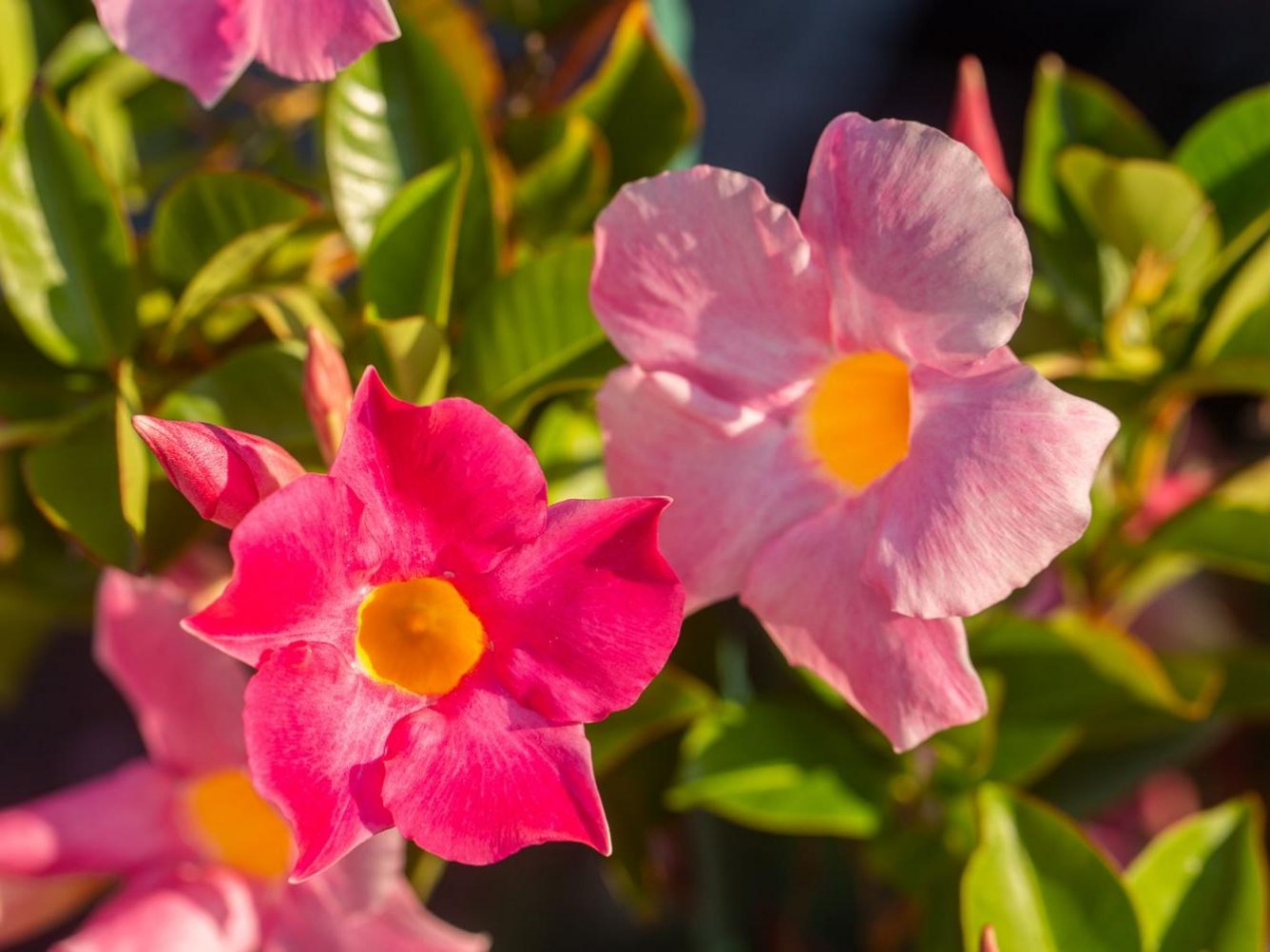
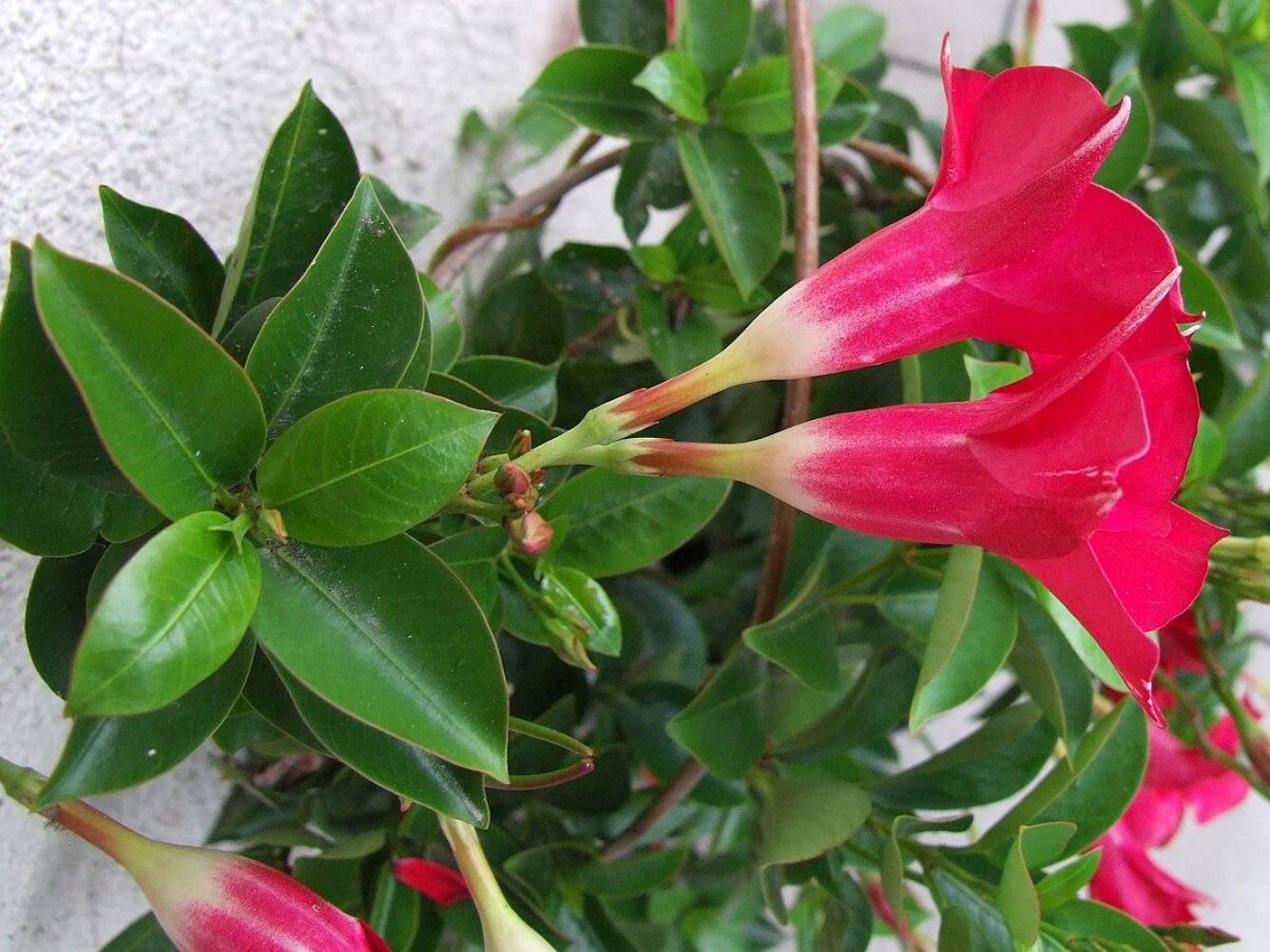
Mandevilla sanderi is a charming climbing evergreen native to Brazil. It is known for its bright trumpet-shaped flowers, which are usually pink, red or white and bloom from spring to fall. The glossy dark green leaves contrast beautifully with the colorful flowers. This tropical vine thrives in warm climates and can reach heights of up to 20 feet (about 6 meters). It is a great choice for building trellises, garden walls or hanging baskets. Mandevilla prefers well-drained soil, full sun or partial shade, and regular watering. However, it is not cold-tolerant and should be moved indoors in winter in cold areas.
Popular Plant Encyclopedia
-
-
Poisonous and danger
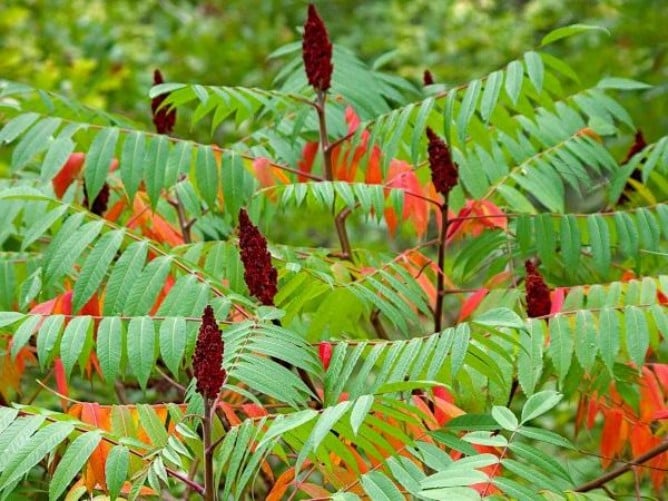
- Rhus typhina
-
-
-
Edible and medicinal
- Common sunflower
-
-
-
Poisonous and danger
- Plumeria rubra
-
-
-
Wild and common weed
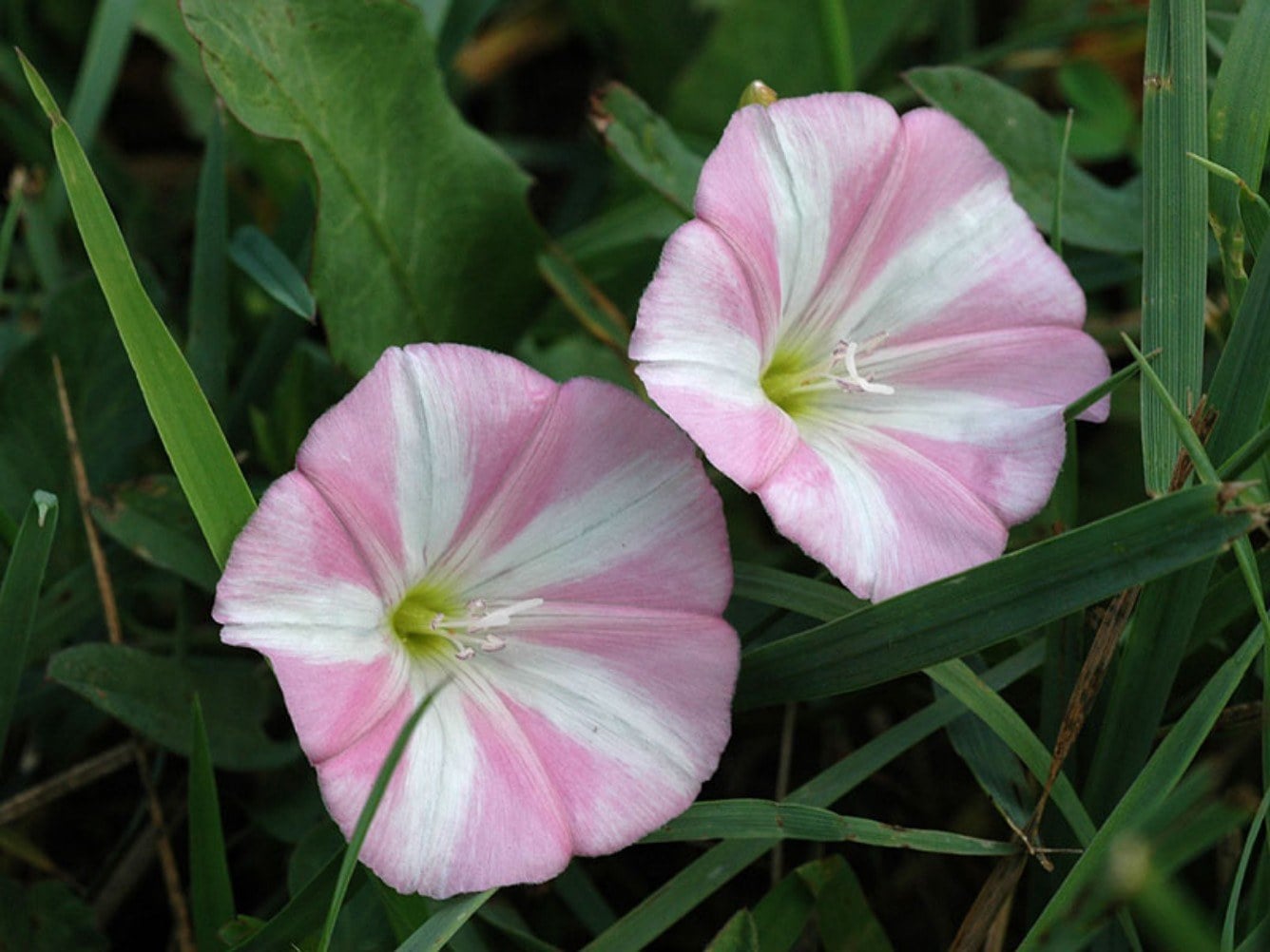
- Convolvulus arvensis
-
-
-
Edible and medicinal
- Perilla frutescens
-
-
-
Edible and medicinal
- Pogostemon cablin
-
-
-
Edible and medicinal
- Common fenugreek
-
-
-
Edible and medicinal
- Garden Thyme
-

 Edible and medicinal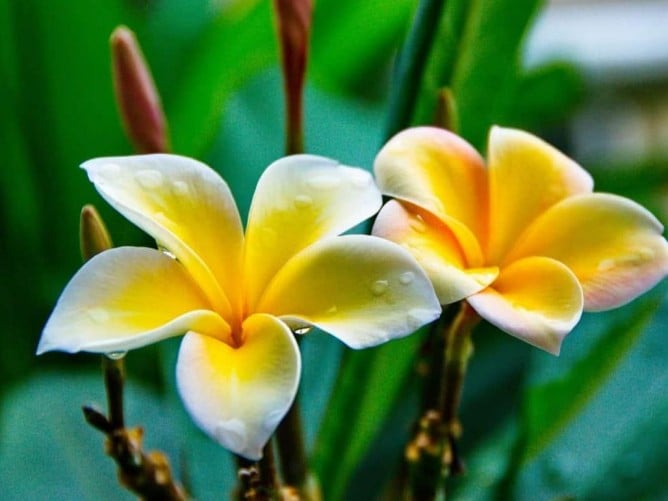
 Wild and common weed
Advertisement