Matricaria chamomilla
-
 Edible and medicinal
 - Also known as: Scented mayweed, Italian camomilla
 Edible and medicinal
Nursing Skills
Matricaria chamomilla thrives in full sun and well-drained, sandy or loamy soil. Water moderately—keeping soil moist but not soggy—and avoid overwatering. It prefers slightly acidic to neutral pH (6.0–7.5) and benefits from light fertilization. Regular deadheading encourages more blooms. This hardy annual tolerates cool weather and is best planted in spring after the last frost.
Advertisement
Plant Properties
-
- Toxicity
- Toxic to Humans
-
- Lifespan
- Annual, Biennial
-
- Plant Type
- Herb
-
- Bloom Time
- Mid spring, Late spring, Summer, Early fall, Mid fall
-
- Flower Size
- 1.8 cm to 2.5 cm
-
- Fruit Color
- Brown, Yellow
-
- Stem Color
- Green
-
- Leaf type
- Deciduous
-
- Ideal Temperature
- 20 - 35 ℃
-
- Growth Season
- Summer, Fall
Plant Care Requirements
-
Difficulty of Care
Easy – Suitable for beginners; low-maintenance
-
Watering Schedule
Water regularly, allowing soil to dry slightly between waterings,Avoid waterlogging
-
Light Requirements
Requires at least 6 hours of direct sunlight daily
-
Soil pH
Slightly acidic to neutral – Optimal range is 6.0 to 7.5
-
Planting Time
Early spring
-
Hardiness Zone
3–9
-
Growth Rate
Germinates quickly and blooms within 6–10 weeks after planting
Advertisement
Plant Care Guide
-
How much sunlight does German chamomile need?
German chamomile thrives in full sunlight, which means it should receive at least 6 to 8 hours of direct sunlight per day. This exposure encourages strong, upright growth and enhances the production of essential oils that give chamomile its signature scent and healing properties. In particularly hot climates, some afternoon shade may prevent wilting or scorching, but overall, the plant prefers bright, open areas.
-
What kind of soil is best for growing German chamomile?
pH6.0-7.5Chamomile isn’t fussy about soil and can grow in poor to moderately fertile soil, but it performs best in light, well-drained soil like sandy loam. The ideal soil pH ranges from 6.0 to 7.5, which supports healthy root development. Avoid heavy clay soils that retain water, as this can cause root rot. If needed, amend the soil with compost or sand to improve drainage.
-
How often should I water German chamomile?
Small amountsWater chamomile regularly but lightly, especially during dry spells. The goal is to keep the soil consistently moist but never soggy. Overwatering can lead to fungal diseases, especially in dense plantings. Once established, German chamomile becomes fairly drought-tolerant, making it a great choice for low-maintenance herb gardens. In containers, check the moisture level more frequently, as potted plants dry out faster.
-
When is the best time to plant German chamomile?
Early SpringPlant German chamomile in early spring, shortly after the last frost date in your area. You can sow seeds directly outdoors or start them indoors 4–6 weeks before transplanting. Seeds are tiny and need light to germinate, so simply press them into the soil surface without covering them. Germination usually takes 7–14 days under cool temperatures (around 60–68°F / 15–20°C).
-
What is the growth rate of German chamomile?
As fast as 6 weeksGerman chamomile has a rapid growth cycle. From seed, it can flower in as little as 6 weeks, with full bloom typically around 8–10 weeks. It is an annual plant, but it self-seeds easily, often returning year after year in the same spot if flowers are allowed to go to seed. This makes it both easy to manage and a persistent presence in herb gardens.
-
Which hardiness zones support German chamomile?
Zones 3 to 9German chamomile grows well in USDA zones 3 through 9. While it's not frost-hardy once fully grown, the seeds can tolerate cold and even benefit from stratification (exposure to cold before germination). In cooler climates, sowing in spring is ideal; in warmer zones, fall planting is also possible. Chamomile is resilient and adaptable, which makes it a favorite among beginner gardeners and herbalists alike.
Advertisement
Frequently Asked Questions
-
1 What are the medicinal uses of Matricaria chamomilla?
Matricaria chamomilla is renowned for its anti-inflammatory, antispasmodic, and calming properties. It’s commonly used in teas to relieve digestive issues, such as indigestion, gas, and bloating. Chamomile is also helpful for reducing anxiety, promoting sleep, and soothing irritated skin when used in topical applications like creams or compresses. Its mild action makes it safe for children in diluted forms, especially for teething or colic relief.
-
2 Can I grow German chamomile indoors?
Yes, you can grow German chamomile indoors, provided it receives enough light. Use a south-facing window or supplemental grow lights to ensure 6–8 hours of sunlight per day. Plant it in a well-draining potting mix and choose a container with good drainage holes. Keep the soil lightly moist and ensure good air circulation to prevent fungal problems. Indoor chamomile can be a lovely, fragrant addition to a windowsill herb garden.
-
3 How do I harvest and store chamomile flowers?
Harvest chamomile flowers when they are fully open, typically in the morning after the dew has dried. Use scissors or pinch off the flower heads gently. To preserve them, air-dry the flowers in a warm, dry, and shaded area with good airflow. Once fully dried, store them in an airtight container away from light and moisture. Dried flowers retain potency for about 6–12 months and are ideal for teas, infusions, and skin-care recipes.
-
4 Is German chamomile safe for everyone to use?
While generally considered safe, some people may be allergic to chamomile, particularly if they have sensitivities to plants in the Asteraceae family (like ragweed, daisies, or marigolds). Reactions can include skin irritation or respiratory symptoms. Pregnant women should consult a healthcare provider before using chamomile in medicinal amounts, as high doses may stimulate uterine contractions. Always start with a small dose when using for the first time to test for sensitivity.
Advertisement
Introduction
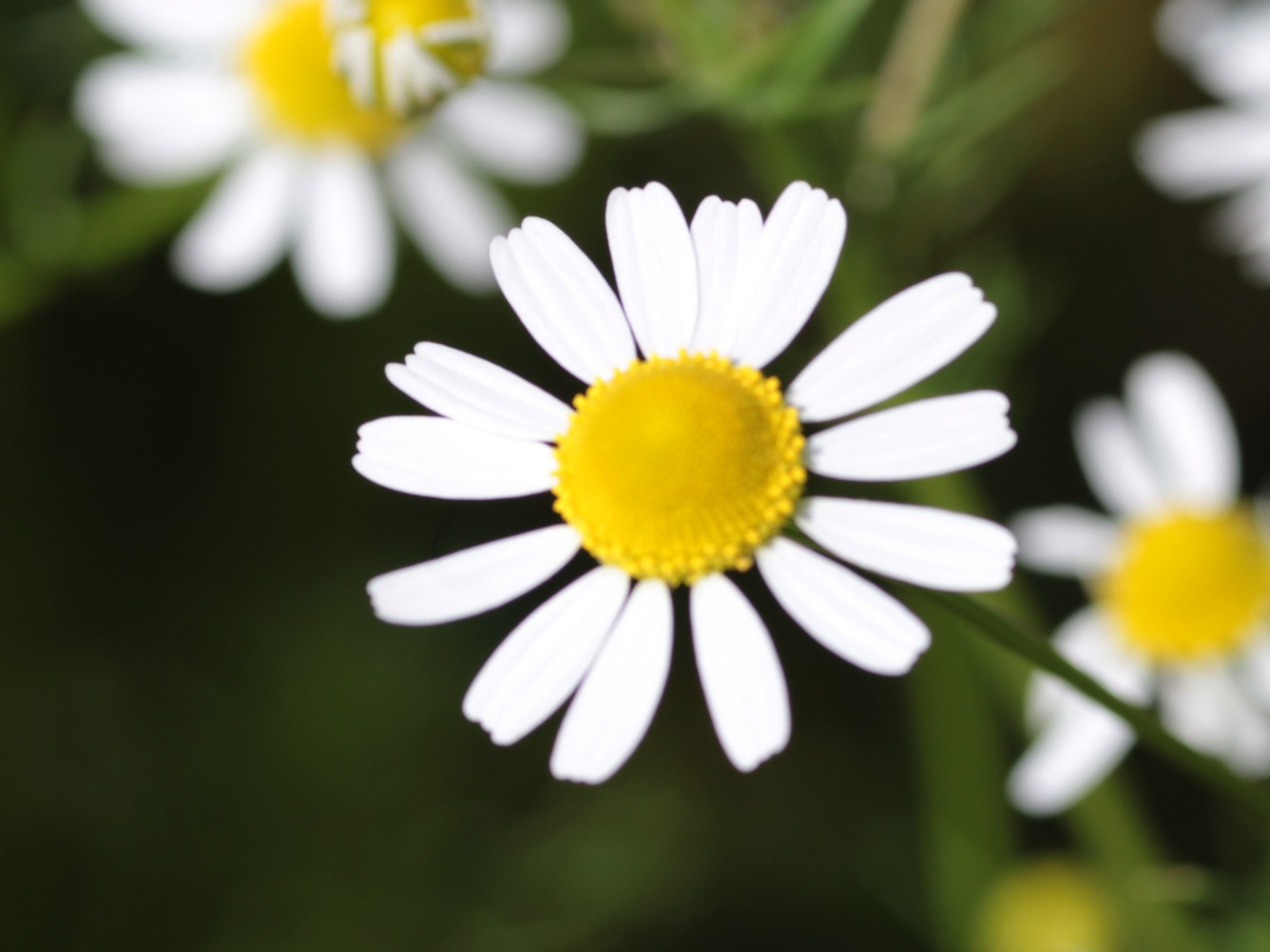
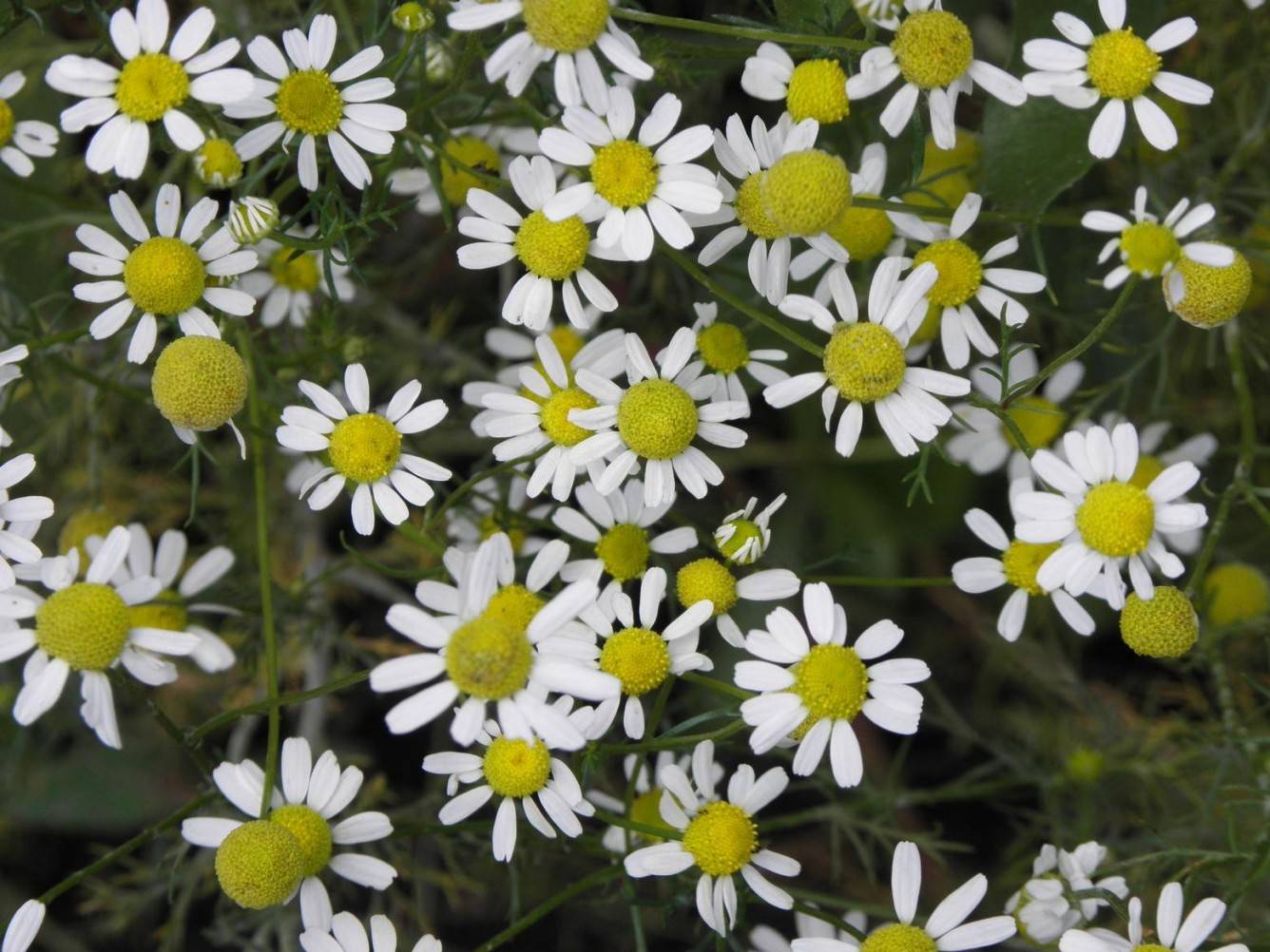
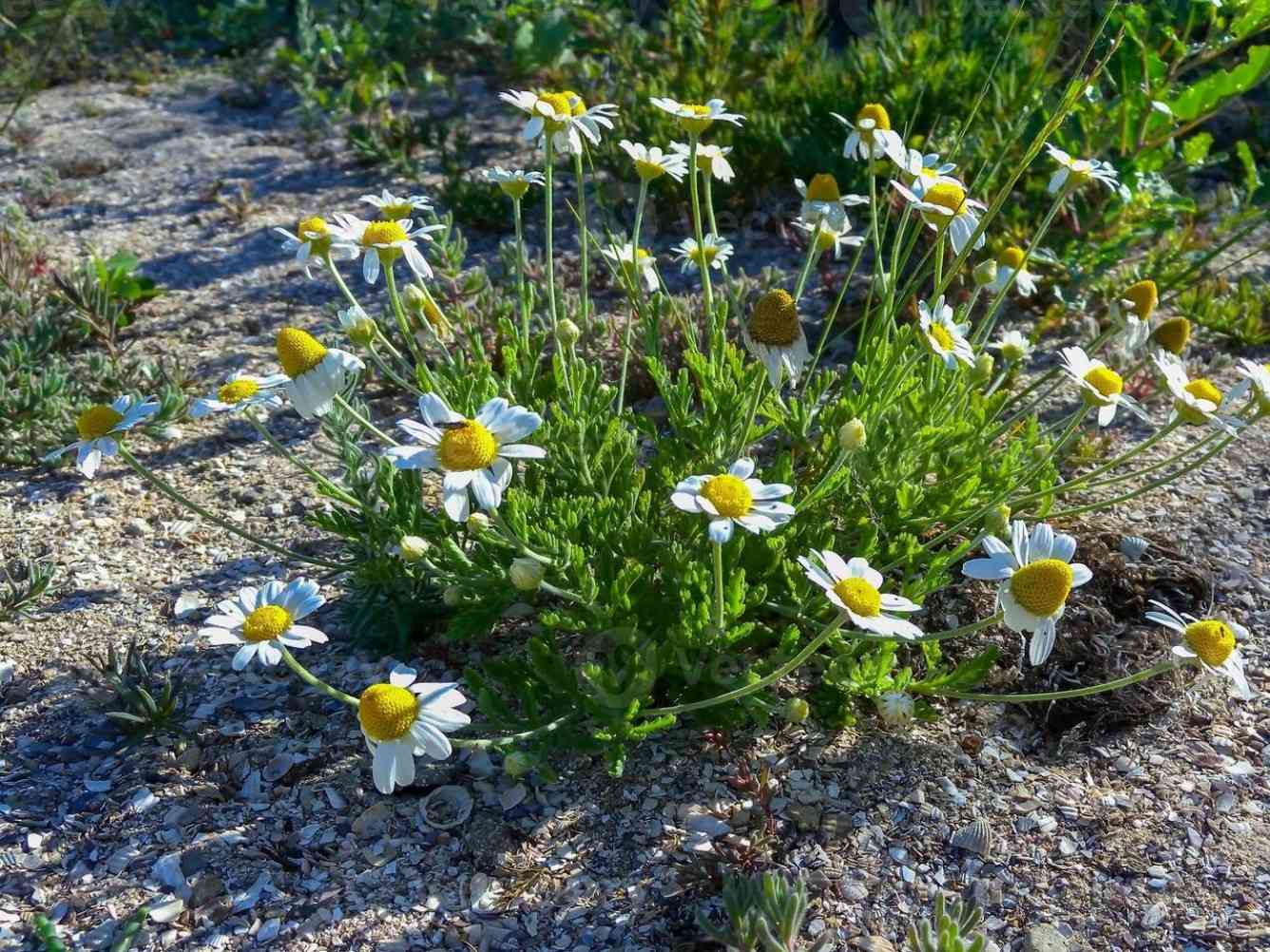
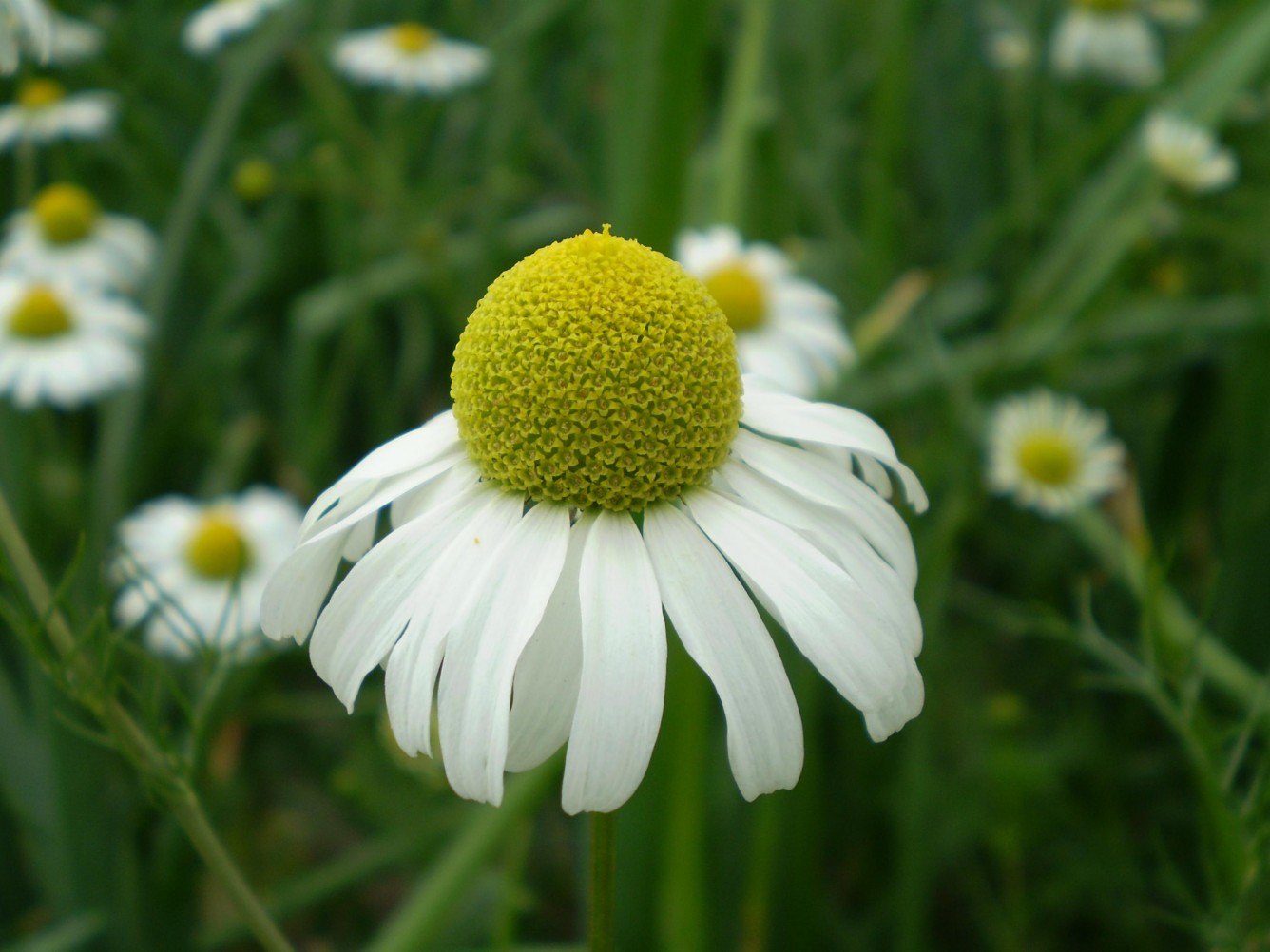
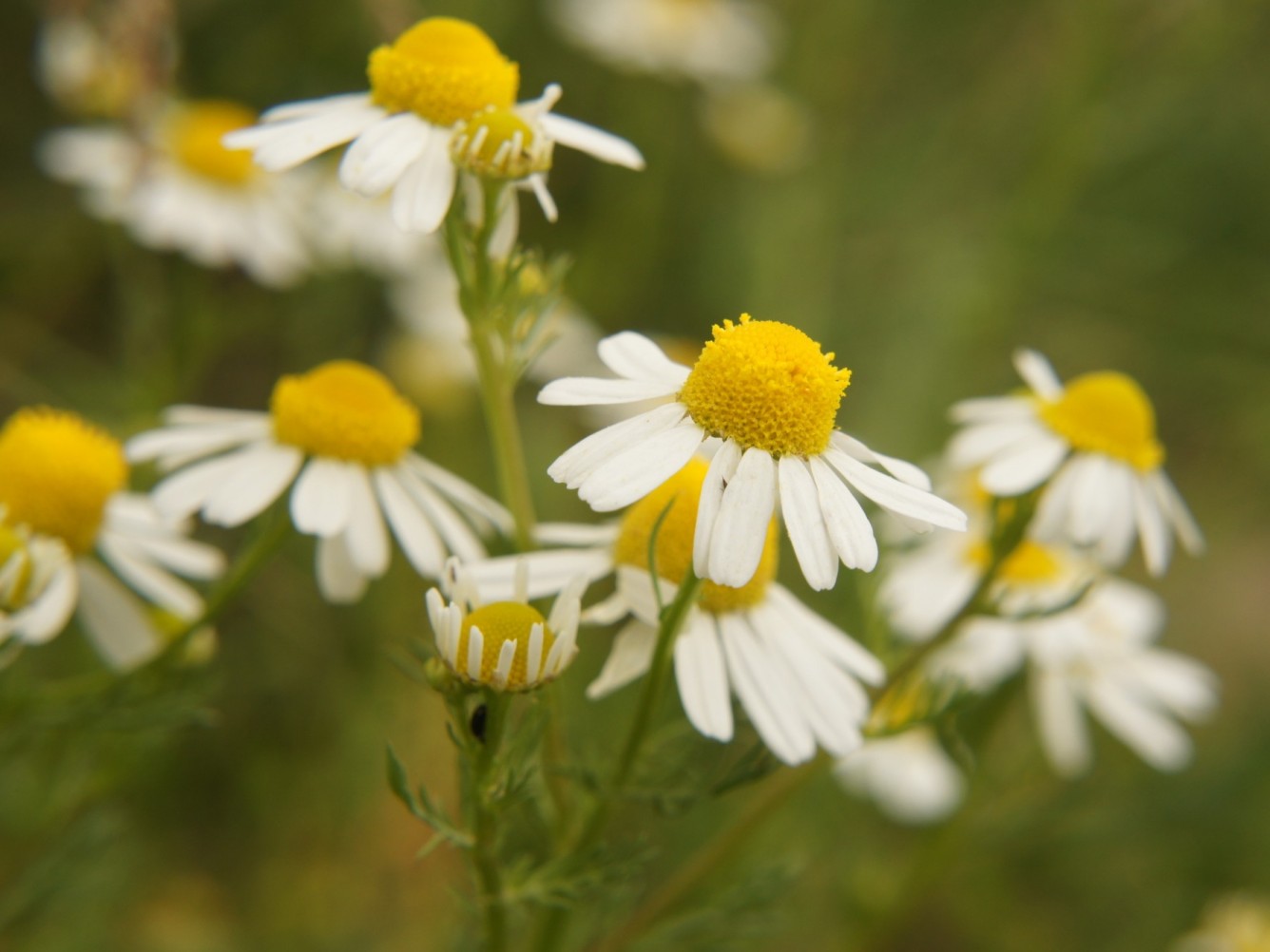
Matricaria chamomilla is a fragrant annual herb native to Europe and Western Asia. It is widely known for its small, daisy- flowers with white petals and yellow centers, often used to make calming herbal teas. Chamomile has been valued for centuries for its medicinal properties, including aiding sleep, soothing digestion, and reducing inflammation. Easy to grow, it thrives in sunny locations with well-drained soil and attracts pollinators, making it a favorite in herb gardens.
Popular Plant Encyclopedia
-
-
Poisonous and danger
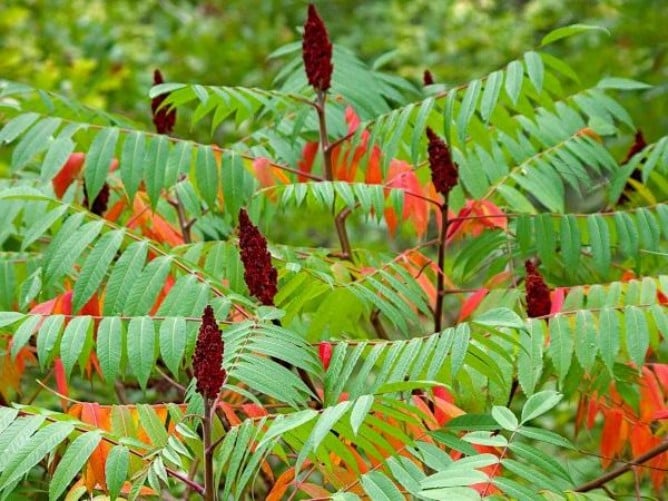
- Rhus typhina
-
-
-
Edible and medicinal
- Common sunflower
-
-
-
Poisonous and danger
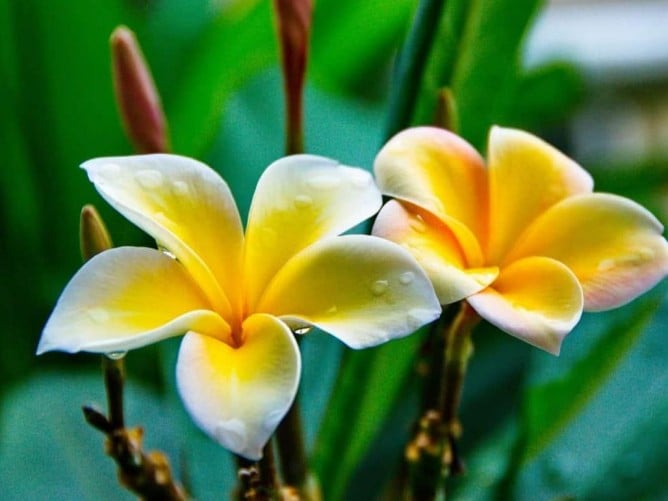
- Plumeria rubra
-
-
-
Wild and common weed
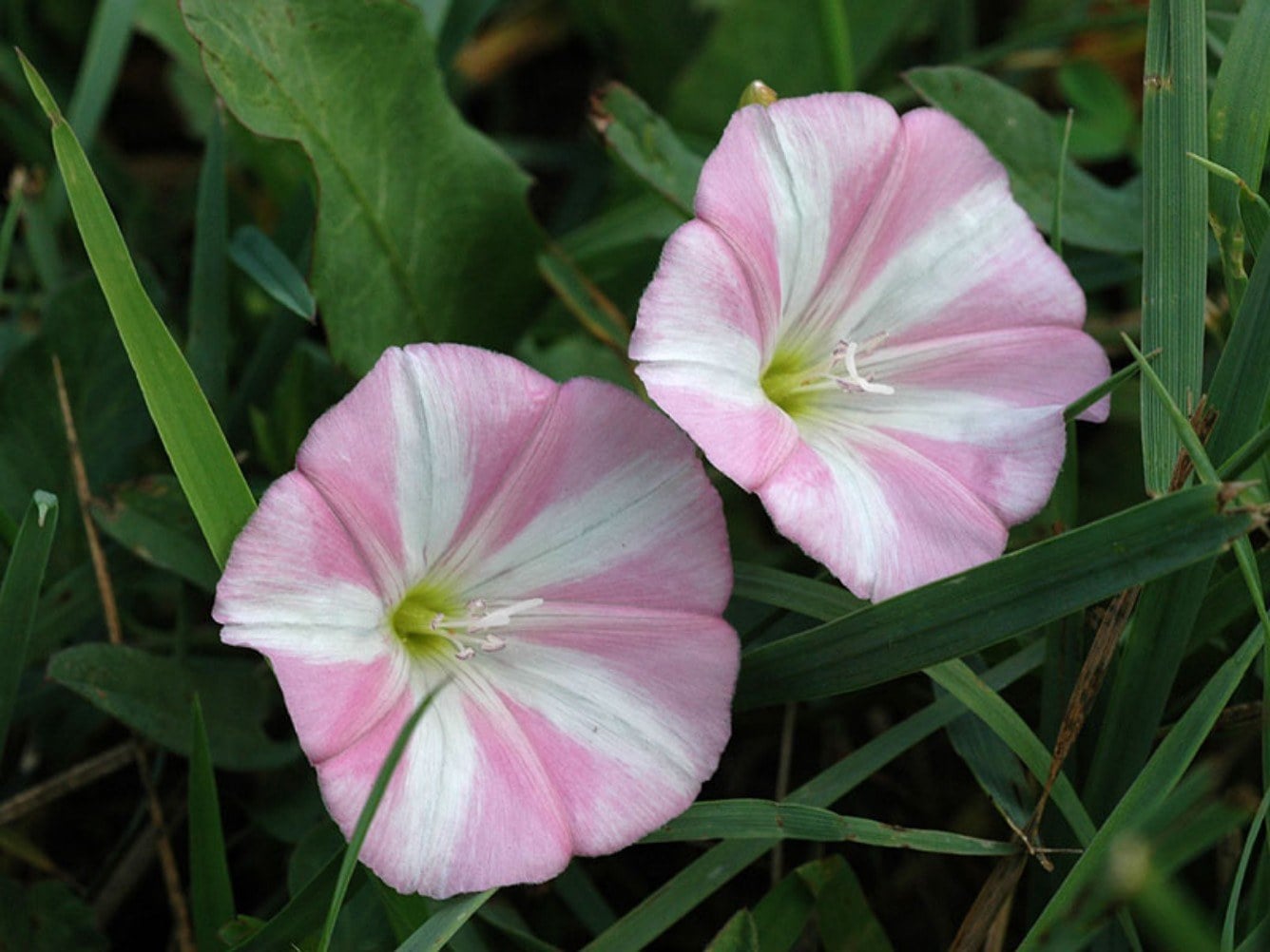
- Convolvulus arvensis
-
-
-
Edible and medicinal
- Perilla frutescens
-
-
-
Edible and medicinal
- Pogostemon cablin
-
-
-
Edible and medicinal
- Common fenugreek
-
-
-
Edible and medicinal
- Garden Thyme
-
 Poisonous and danger
 Wild and common weed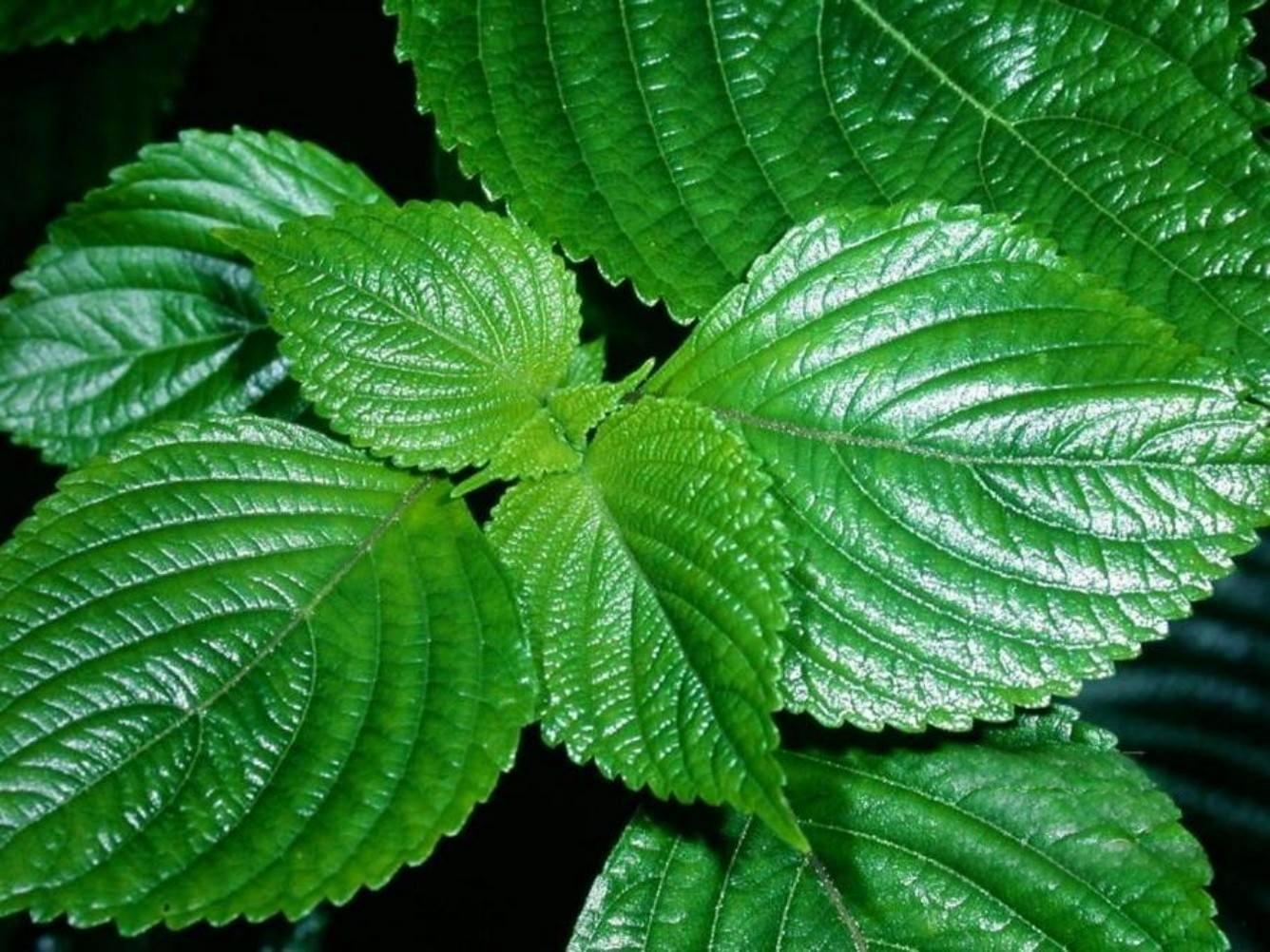
Advertisement