Mimosa pudica
-
 Wild and common weed
 - Also known as: Shy Grass, Sensory Grass, Shy Grass, See Smile Grass
 Wild and common weed
Nursing Skills
Mimosa pudica prefer sunny, warm and moist environment, sui for planting in well-drained soil. Water moderately and keep the soil slightly moist to avoid waterlogging that can lead to root rot. A thin fertilizer can be applied once a month during the spring and summer growing periods to promote growth. In winter, the temperature should be kept not lower than 10°C, and watering should be appropriately reduced to avoid freezing.
Advertisement
Plant Properties
-
- Lifespan
- perennial
-
- Plant Type
- Herb
-
- Height
- 30-60 centimeters
-
- Family
- Leguminosae
-
- Leaf shape
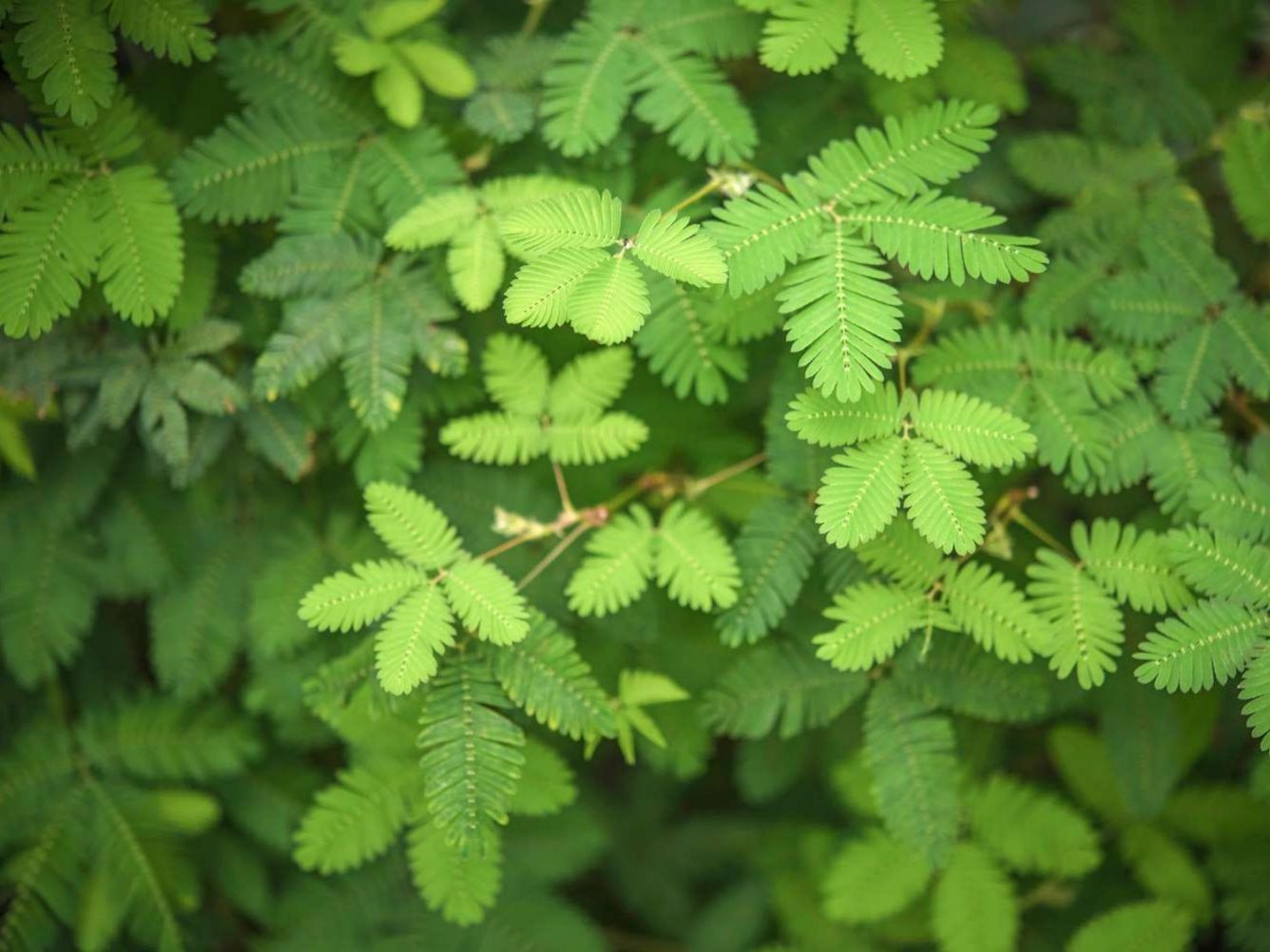
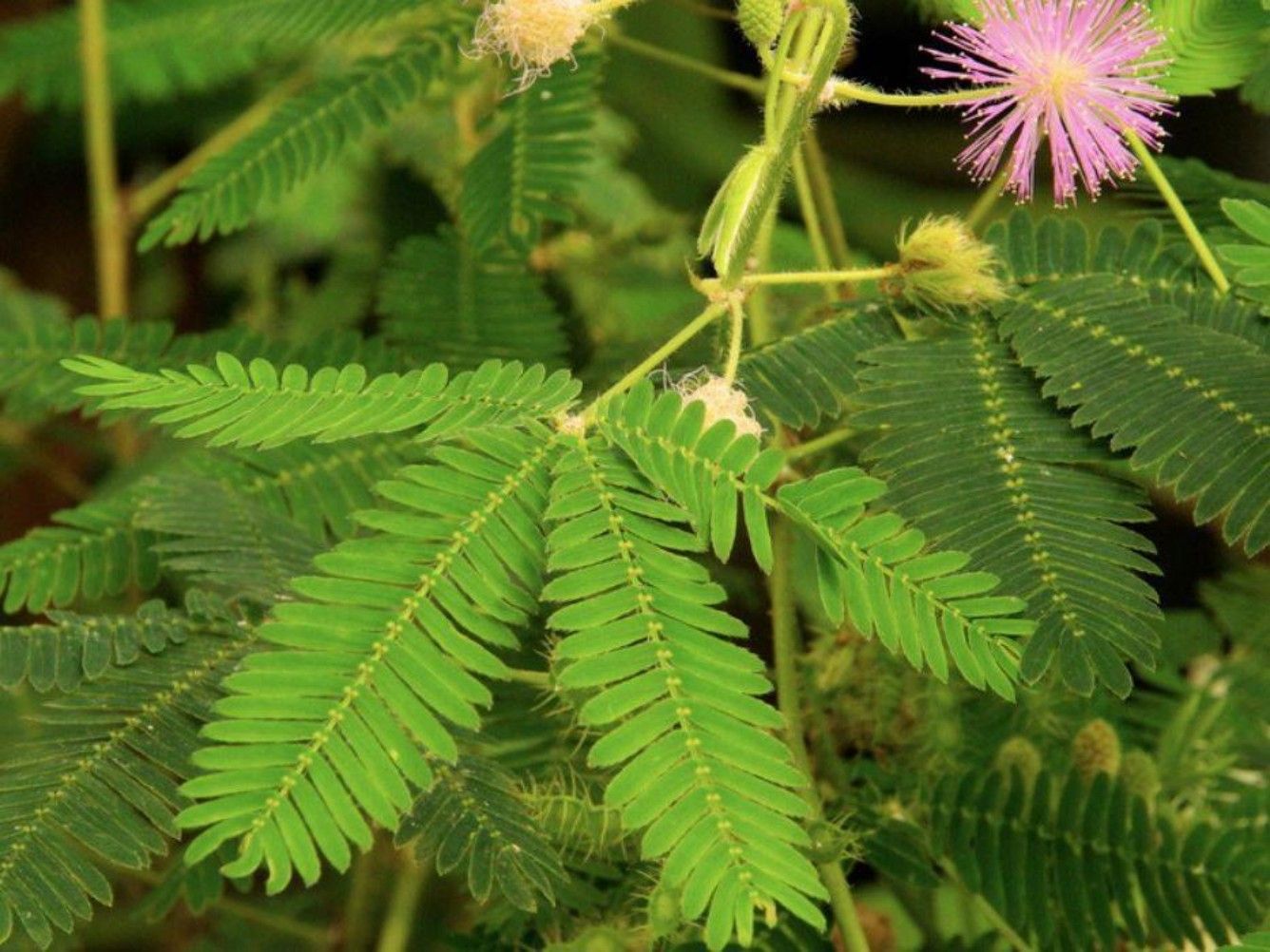
- pinnately compound
-
- Flowering period
- summer to fall
-
- Flower color
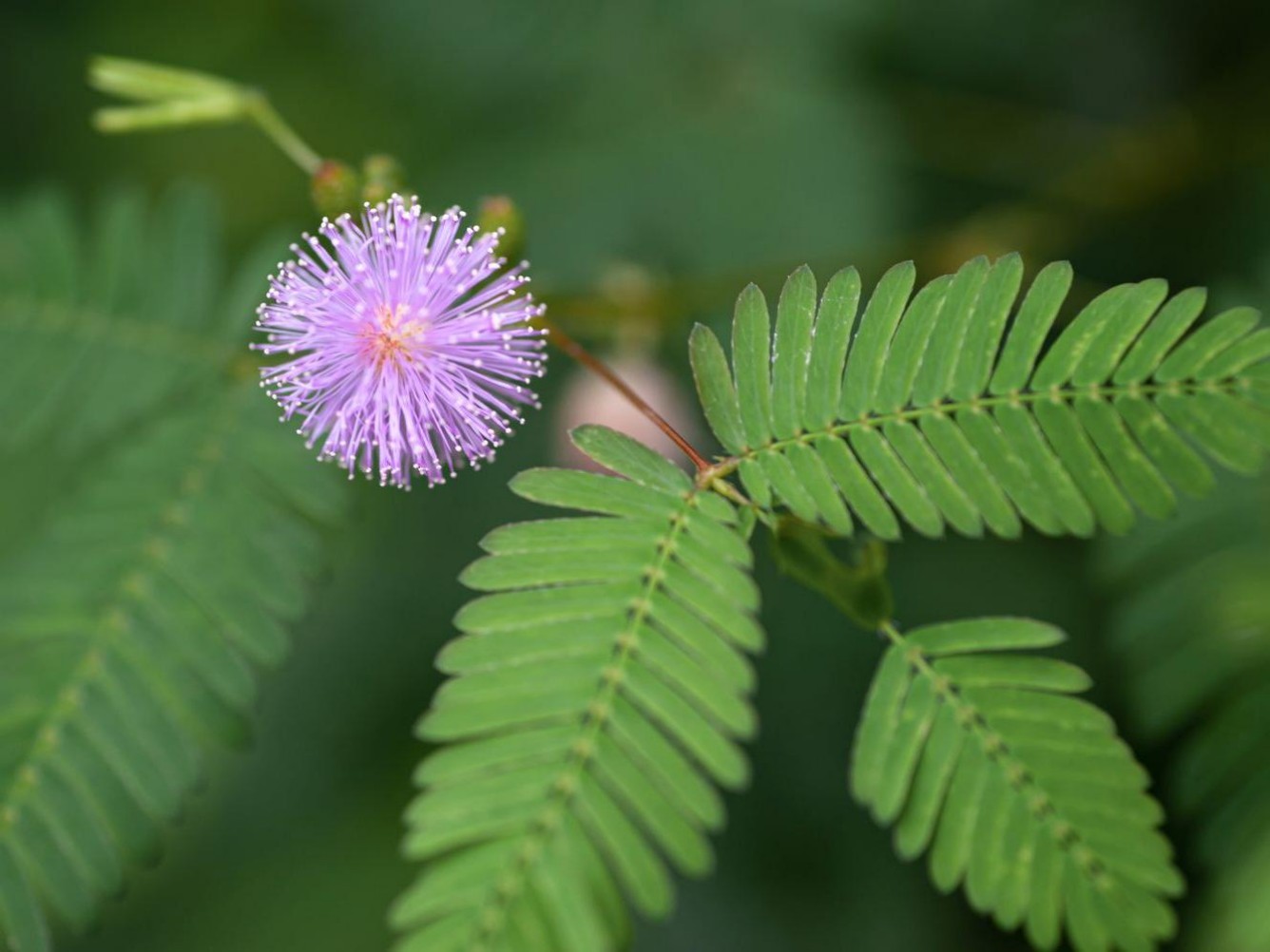
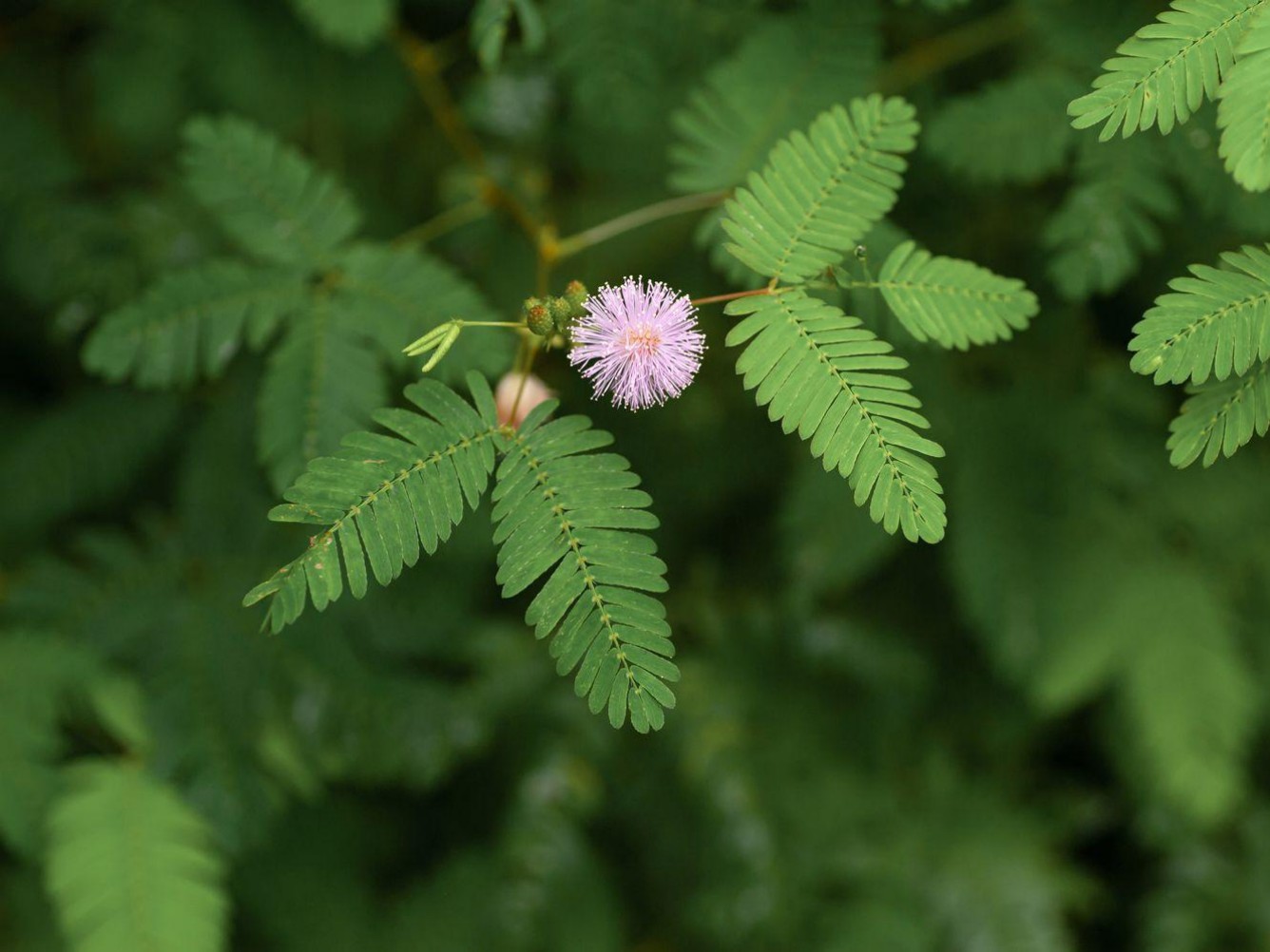
- pinkish purple
-
- Leaf color
- bright green or soft green
Plant Care Requirements
-
Care difficulty
Medium to easy
-
Planting time
Spring, March to May
-
Light requirements
4+ hours of direct light
-
Soil Requirements
Loose and airy, well-drained
-
Hardiness Zone
Move indoors when it is below 10℃
-
Temperature Requirement
Keep the growing temperature at 18-28℃
-
Watering requirements
2 times a week (adjusted according to the season)
Advertisement
Plant Care Guide
-
What are some common diseases of Mimosa pudica?
Aphids, red spiders and whitefliesAs a plant that is susceptible to pests, common pests of Mimosa pudica include aphids, red spiders and whiteflies. These pests suck the plant sap, causing the leaves to turn yellow and curl, and even affecting the healthy growth of the plant. To prevent the spread of pests, you should inspect the plant regularly and deal with pests when you find them. Soapy water or organic insecticides can be sprayed to ensure safe and effective removal of pests.
-
Is Mimosa pudica suitable for beginners?
Yes, it is suitable, you need to ensure light, water and temperatureMimosa pudica's care requirements are medium-low, making it suitable for hobbyists with novice gardening experience. However, it is very sensitive to changes in the environment, especially in terms of light, moisture and temperature. Too much or too little light can affect its growth, and improper water management may lead to root rot or wilted leaves. In addition, temperatures that are too low or too high can affect the healthy growth of Mimosa pudica, so it needs to be managed carefully to avoid frequent stimulation and drastic changes in the environment.
-
Is the touch reaction of Mimosa pudica harmful to the plant?
No, but frequent touching is not recommended.Appropriate touching is not harmful to Mimosa pudica, and its leaf closure is a natural protective mechanism against external stimuli. However, frequent touching can cause the plant to overreact and consume too much energy and nutrients, thus affecting the plant's normal growth and development. To keep Mimosa pudica healthy, it is best to avoid unnecessary touching and allow it to grow freely in a quiet environment.
-
How to improve the flowering performance of Mimosa pudica?
Full sunlight, moist soilIn order to boost Mimosa pudica's blooming, the first thing to do is to make sure that the plant gets plenty of sunlight, with the ideal amount of light being at least four hours a day. Secondly, maintain a warm environment; temperatures should be kept between 18°C and 30°C. In addition, moderate fertilization can provide the nutrients needed to promote flowering. At the same time, make sure the soil is moist, but avoid waterlogging and maintain good drainage, which will help the plant grow and bloom healthily.
-
Why do the leaves of Mimosa pudica droop?
Lack of moisture or overly dry soilMimosa leaves drooping is usually due to the plant's touch response, when it encounters an external stimulus, the leaves quickly close and droop as a self-protection mechanism. Another reason may be lack of moisture or over-dry soil, where the plant reduces water evaporation by drooping its leaves. Leaves may also appear to droop if the ambient humidity is too low. In addition, high or low temperatures can cause leaves to droop.
-
How can I avoid mimosa leaves turning yellow and drying out?
Proper light and avoid overwatering or letting the roots get waterloggedTo avoid mimosa leaves turning yellow and drying out, first make sure you provide proper light and don't expose the plant to strong direct sunlight. Keep the soil moist but not waterlogged and avoid overwatering or letting the roots become waterlogged. Regularly check the plant for pests, maintain good ventilation, and avoid over-fertilizing and temperature fluctuations to keep it growing healthily.
-
Is Mimosa pudica toxic? Can I keep it indoor?
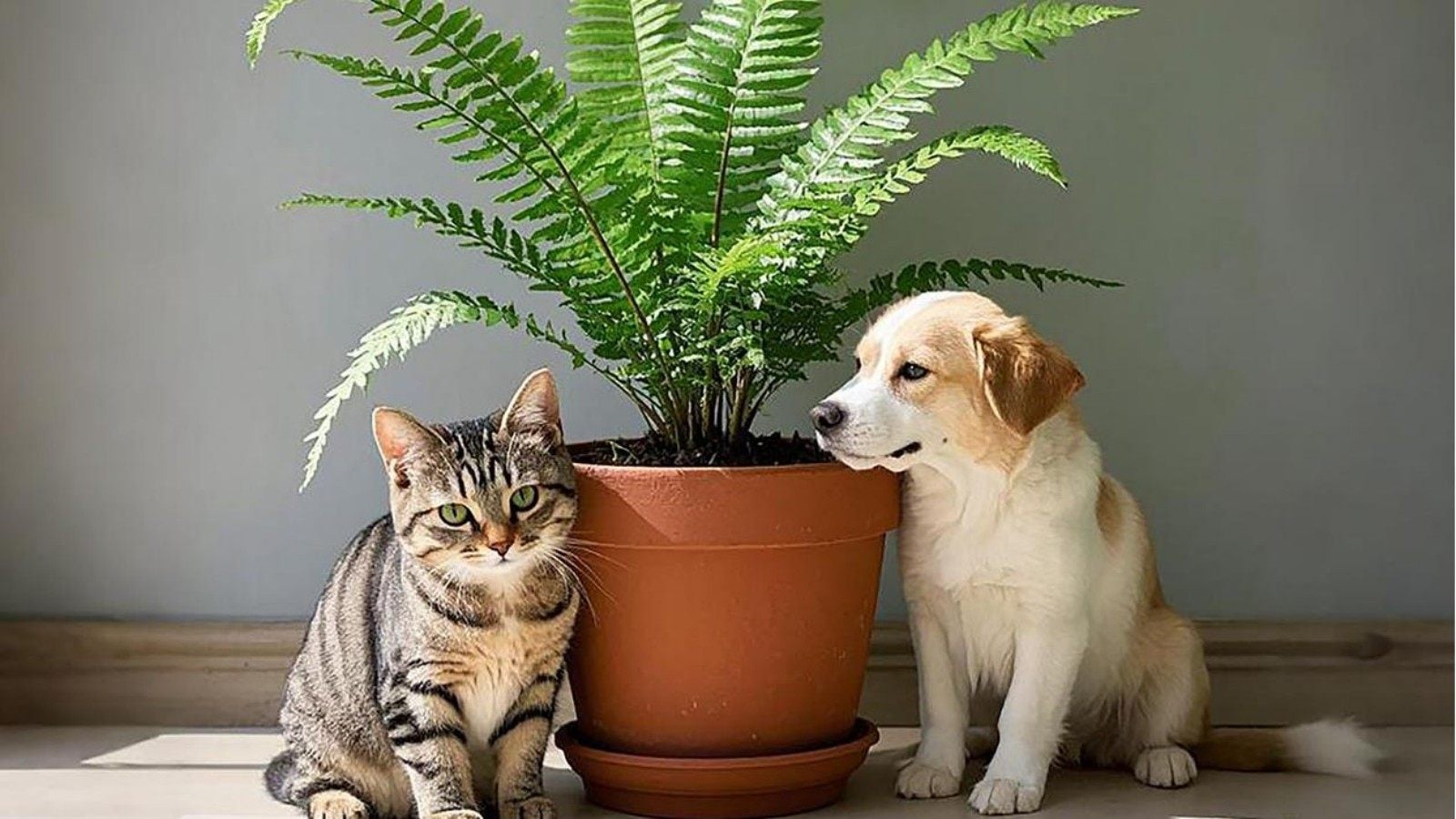
It is a non-toxic plant and can be kept indoorsMimosa pudica is a non-toxic plant and therefore safe for people and pets. It can be kept indoors as long as it is provided with sufficient light and proper temperature. Mimosa pudica prefers a warm environment and is best placed in a sunny location such as a windowsill or balcony. It is important to note that it is sensitive to changes in the environment and should be kept indoors to avoid low or high temperatures and maintain proper humidity for healthy growth.
Advertisement
Frequently Asked Questions
-
1 Does Mimosa pudica have a regular leaf closure reaction?
Mimosa pudica's leaves have a unique self-protection mechanism that usually closes automatically at night, entering a dormant state to minimize water evaporation. During the day, they open again to receive sunlight for photosynthesis. In addition, the leaves of Mimosa pudica are very sensitive to external stimuli and close quickly when touched, a response that protects the plant from potential threats or injuries, reflecting its biological adaptability.
-
2 Is the touch response of Mimosa pudica seasonal?
The touch response of Mimosa pudica is influenced by seasonal changes. Warm weather and abundant sunlight during the spring and summer months allow the plant to grow vigorously and the touch response to be more sensitive and rapid. As we enter the fall and winter months, when temperatures drop and light is reduced, plant growth slows and the touch response becomes weaker or stops. Cold conditions cause mimosas to go dormant, reducing energy expenditure in order to rejuvenate during the warmer months.
-
3 What if Mimosa pudica leaves don't open or become less responsive for a long time after closing?
Non-opening may be due to frequent touching or environmental stresses (e.g., high temperature differences) that may keep the leaves closed. Disturbances should be reduced and environmental conditions optimized, and slowed response may be due to aging plants, low temperatures, or poor health. It is recommended to check for proper light, water, and fertilization.
Advertisement
Introduction
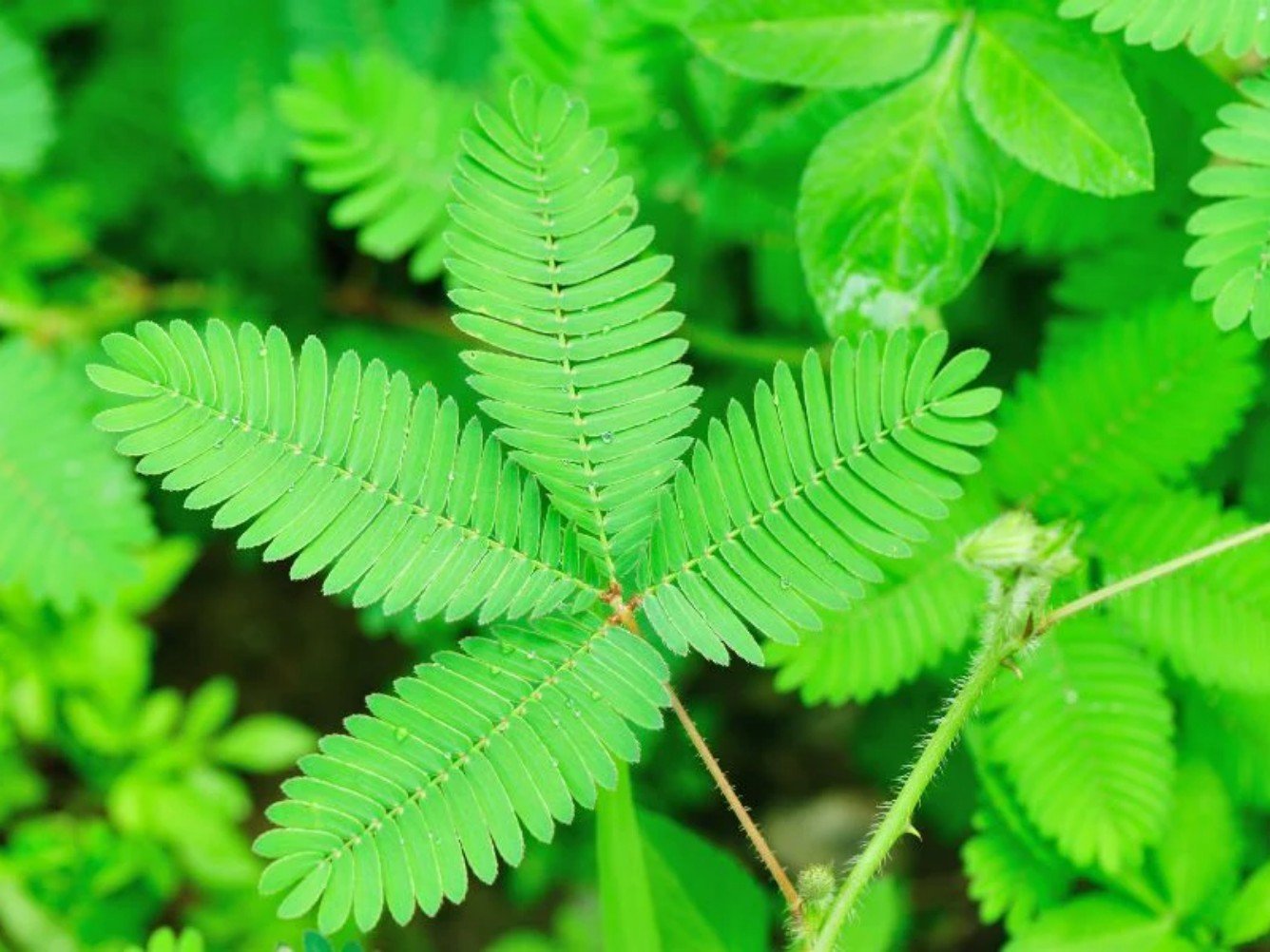
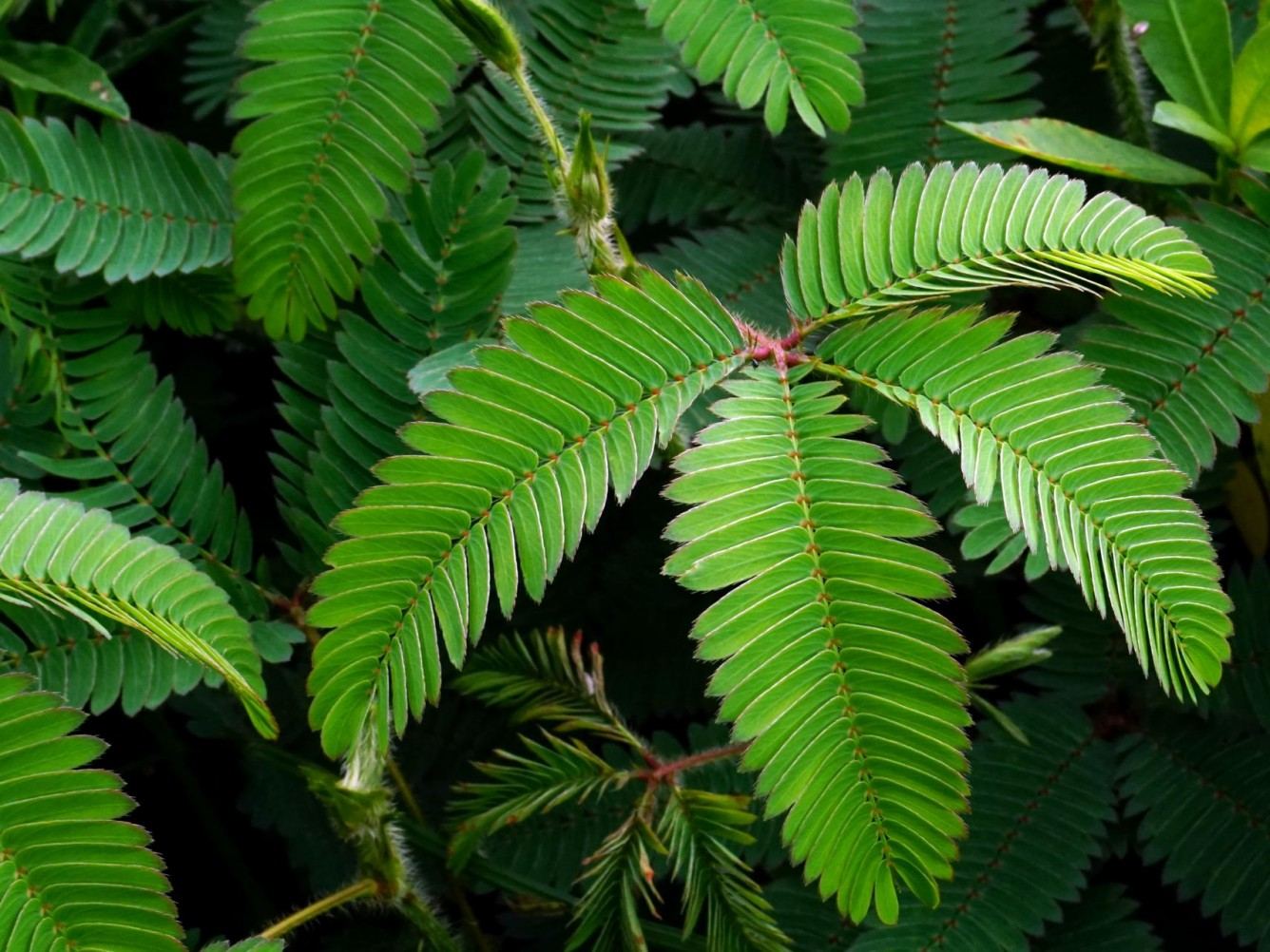
Mimosa pudica is a tropical herbaceous perennial known for its sensitivity to touch, and its pinnately compounded leaves that quickly close and shrink as if “shy” when lightly stimulated. Native to South America, it is often cultivated as an ornamental plant and produces small, globular, pinkish-purple flowers that are very cute. Because of its special reaction, it is often used in education and scientific observation.
Popular Plant Encyclopedia
-
-
Poisonous and danger
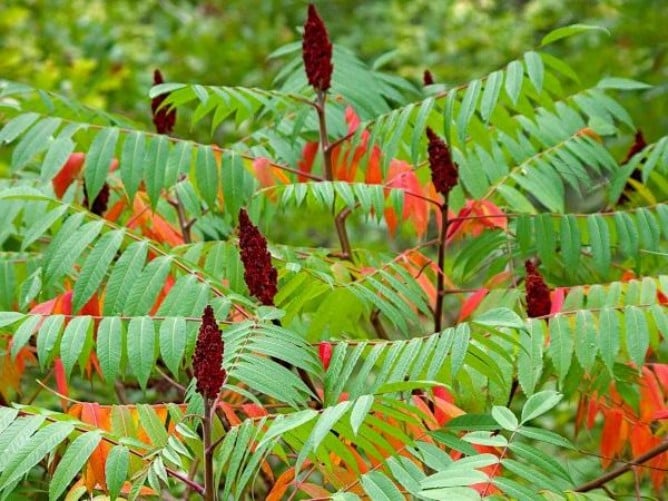
- Rhus typhina
-
-
-
Edible and medicinal
- Common sunflower
-
-
-
Poisonous and danger
- Plumeria rubra
-
-
-
Wild and common weed
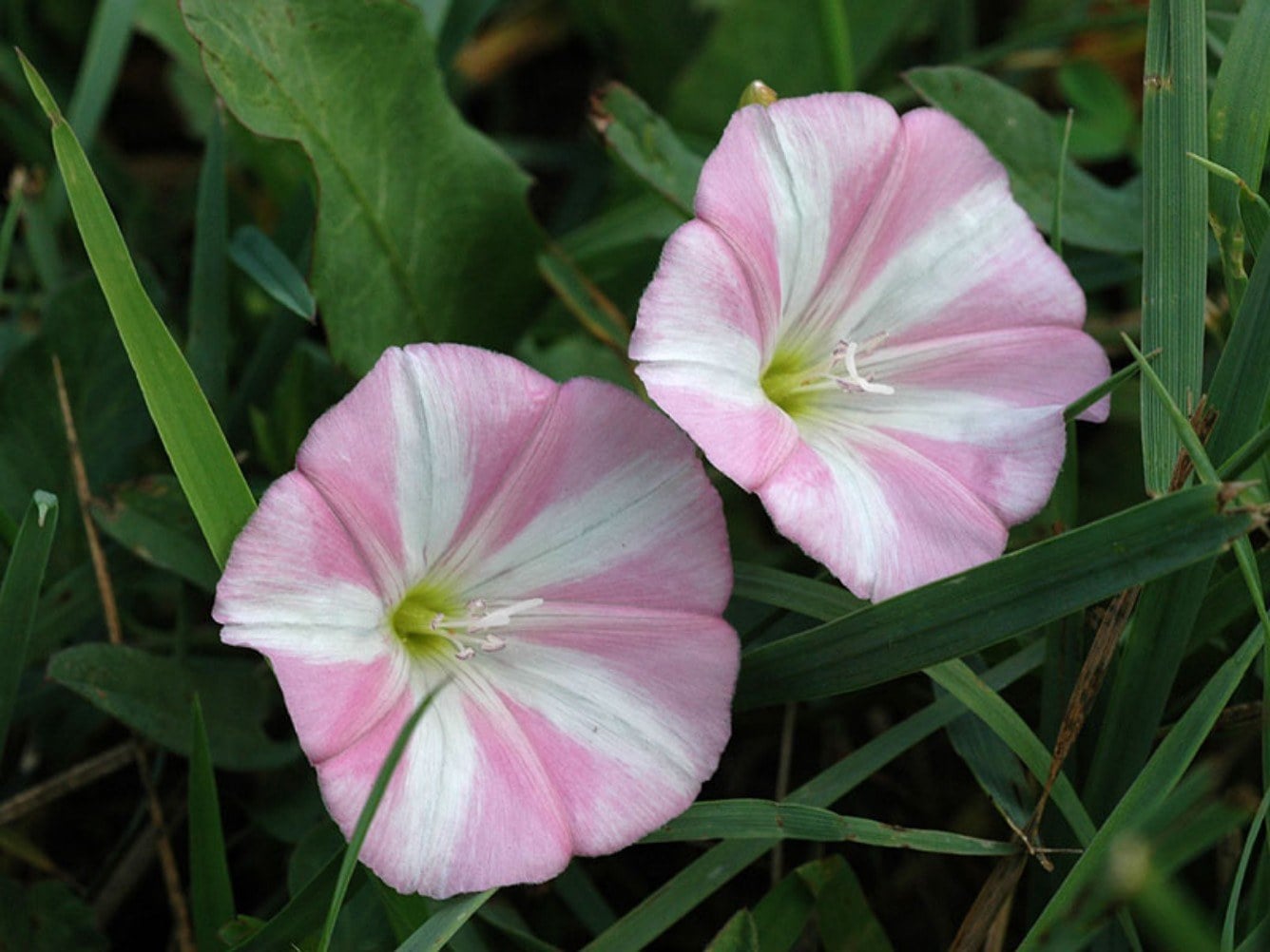
- Convolvulus arvensis
-
-
-
Edible and medicinal
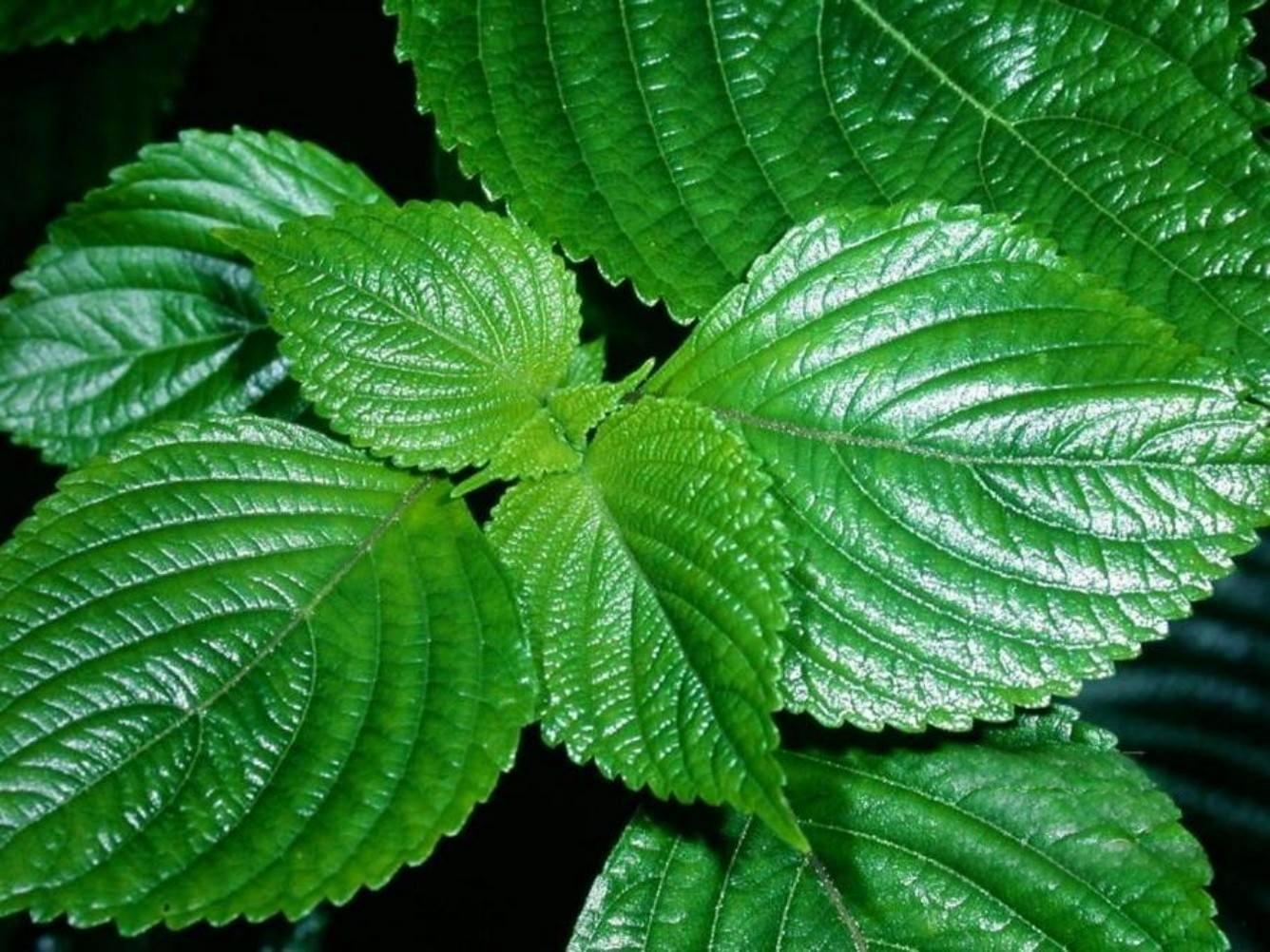
- Perilla frutescens
-
-
-
Edible and medicinal
- Pogostemon cablin
-
-
-
Edible and medicinal
- Common fenugreek
-
-
-
Edible and medicinal
- Garden Thyme
-
 Poisonous and danger
 Edible and medicinal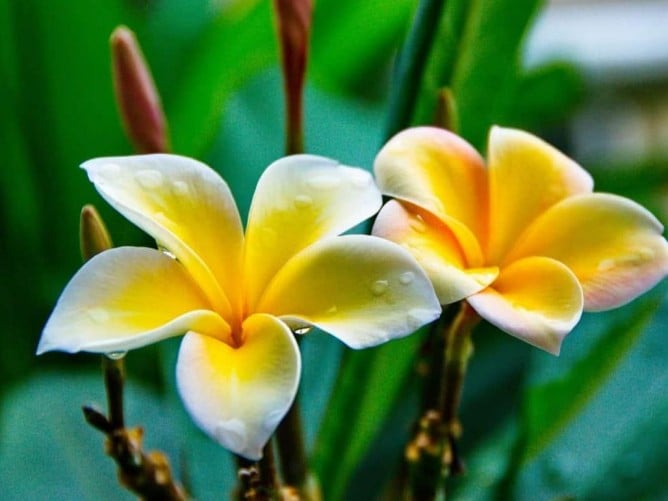
Advertisement