Monstera deliciosa
-
 Domestic and indoor
 Domestic and indoor
Nursing Skills
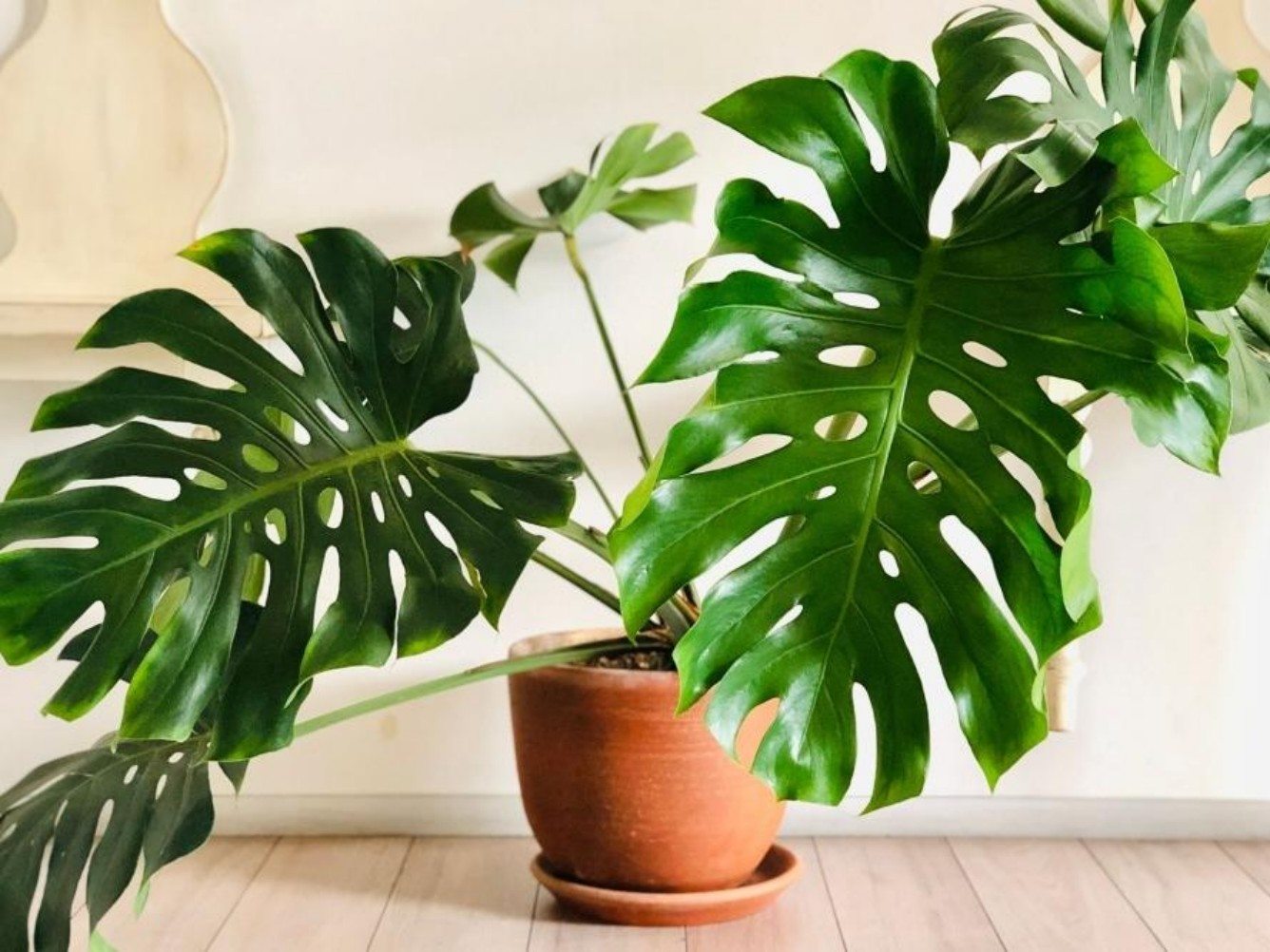
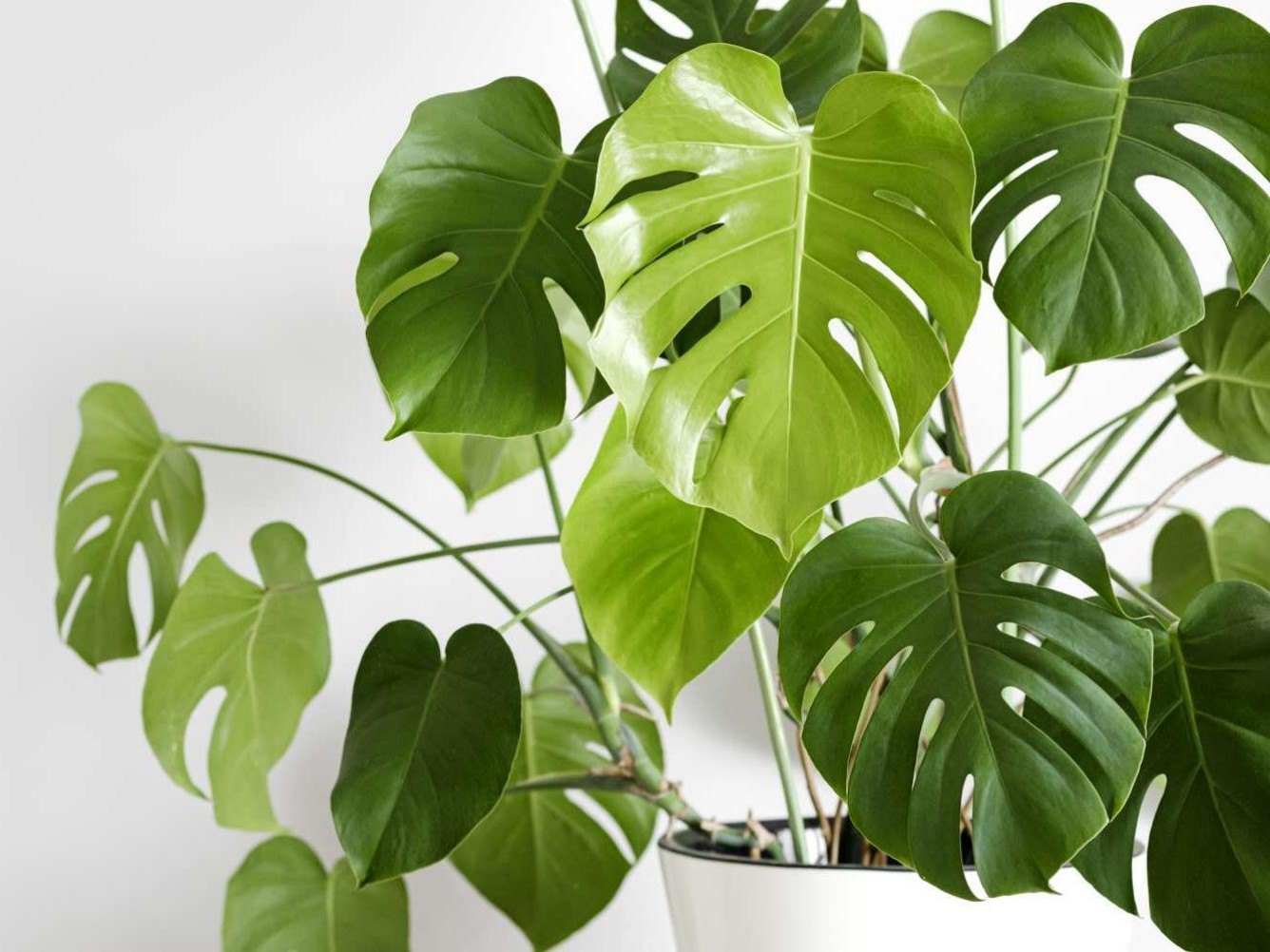
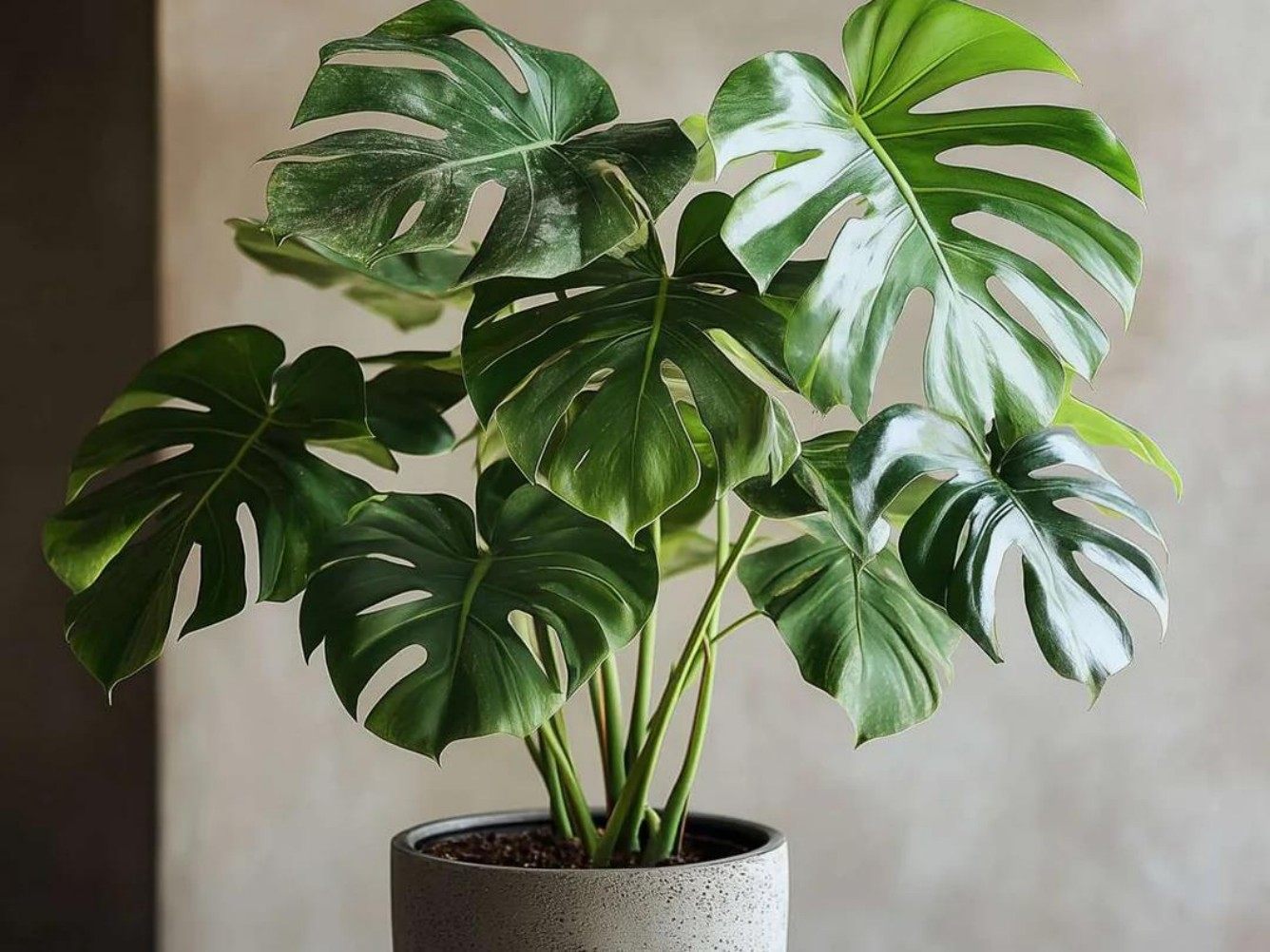
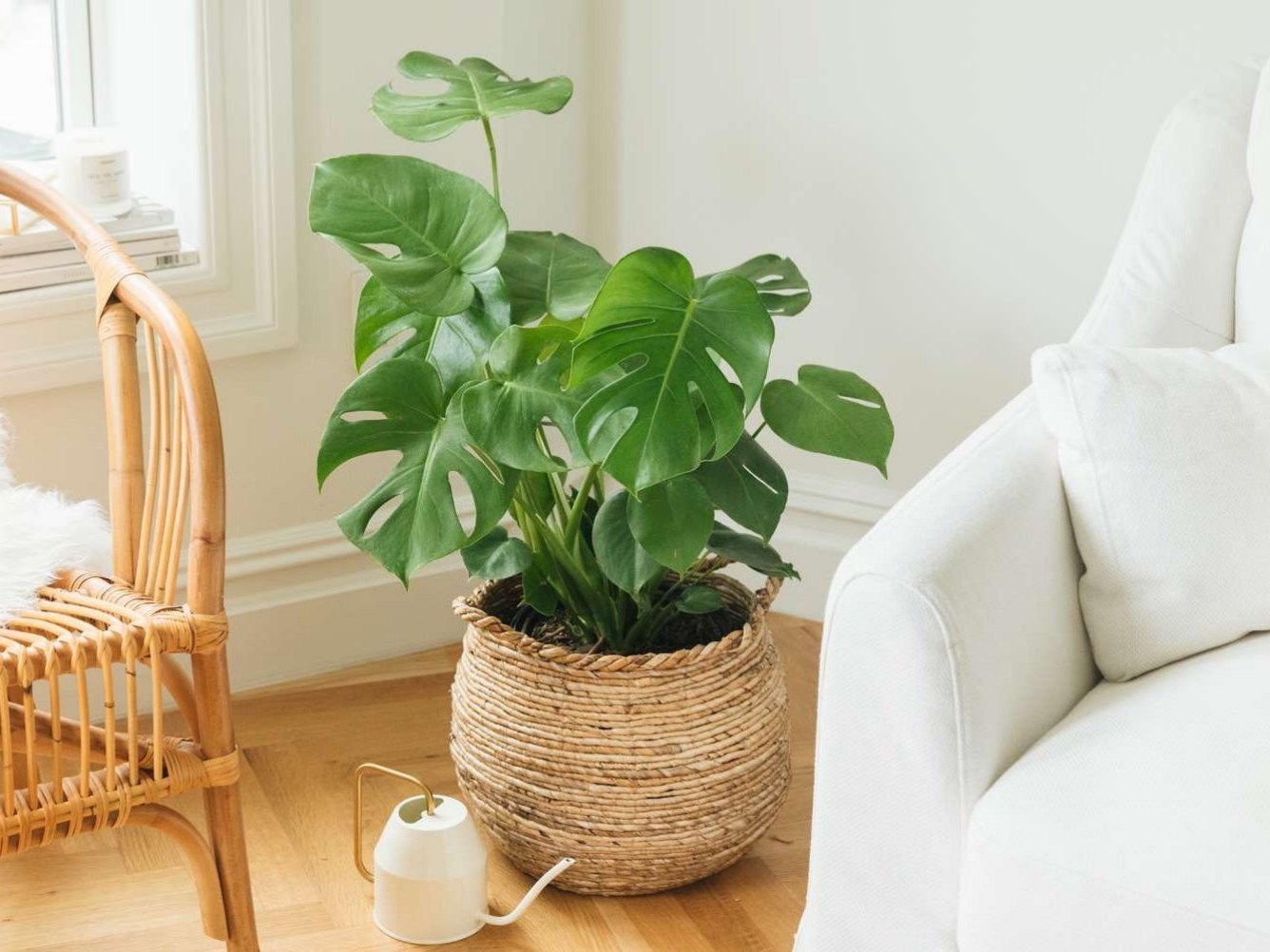
Monstera deliciosa prefers semi-shady, moist conditions and is sui for indoor cultivation. It will thrive if the soil is kept slightly moist and it is protected from direct light. Regular fertilization during the peak growing season and dusting of the foliage will help to make the foliage more shiny and shapely. Moderate pruning and support will also help it grow more upright and organized.
Advertisement
Plant Properties
-
- Toxicity
- Toxic
-
- Growth cycle
- Perennial
-
- Plant Type
- Leafy Vine
-
- Plant height
- About 1-2 meters
-
- Crown diameter
- 50-150 cm
-
- Leaf color
- Rich green
-
- Stem color
- Light green to light brown
-
- Leaf type
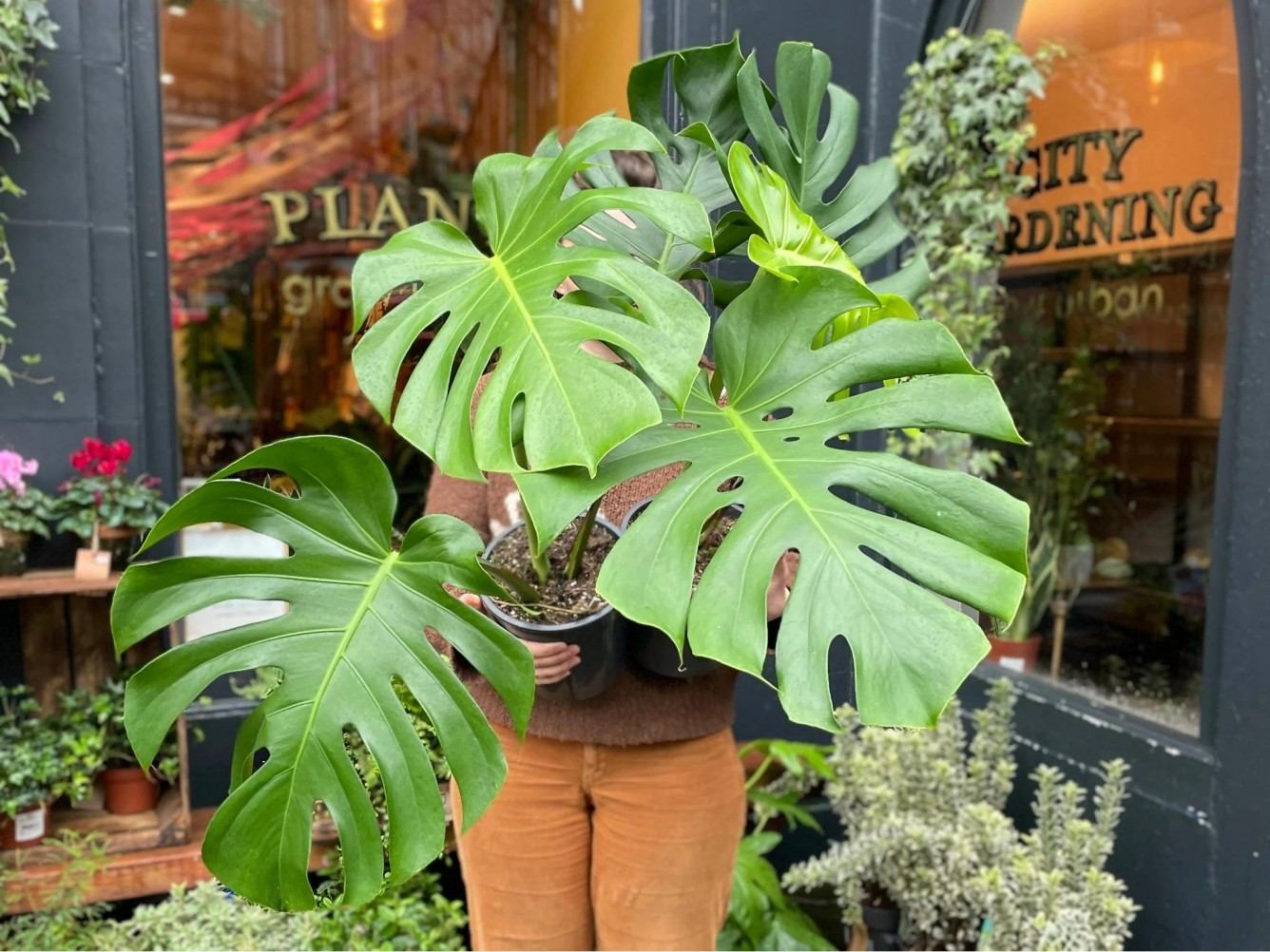
- Broad heart-shaped to palmately lobed leaves
Plant Care Requirements
-
Light
Prefer bright diffused light, avoid strong direct light
-
Soil Moisture
Keep slightly moist, avoid drought or waterlogging
-
Soil PH
Slightly acidic to neutral (pH 5.5-7.0)
-
Watering frequency
1-2 times a week in spring and summer, reduce in fall and winter
-
Fertilizer frequency
1-2 times a month with compound or liquid fertilizer
-
Temperature
18-30°C
-
Planting time
Spring
-
Lifespan
Perennial
Advertisement
Plant Care Guide
-
What are the precautions for watering Monstera deliciosa?
1-2 times per weekMonstera deliciosa likes to be moist, but avoid waterlogging. Watering should follow the principle of “see dry, see wet”, 1-2 times a week in spring and summer to keep the soil slightly moist; in winter when the temperature is low, reduce the frequency of watering. Excessive watering can lead to root rot and yellowing and drooping leaves. Use your fingers to test the surface of the soil to see how wet or dry it is, and water again when it is dry.
-
What kind of light does Monstera deliciosa need?
Bright Diffused LightMonstera deliciosa should be grown indoors in a bright area with no direct sunlight, such as a south-east facing window. Strong sunlight tends to burn the leaves, causing them to lose their green color or even dry out their edges, while insufficient light results in unlobed leaves or fewer lobes. Moderate exposure to soft light will help encourage the foliage to crack and develop a characteristic texture.
-
How do I grow Monstera deliciosa with holes in the leaves?
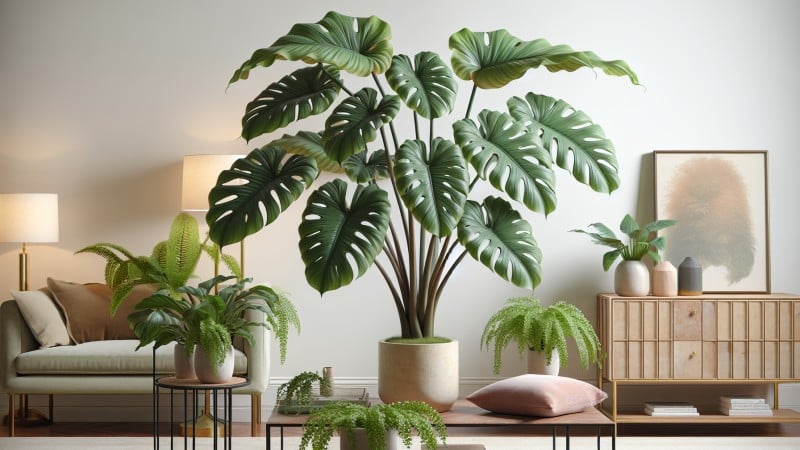
Enough sunlight and the right temperatureMature Monstera deliciosa leaves will naturally split or develop holes. In order to achieve the typical “tortoise-back shape”, it is necessary to provide sufficient diffused light, suitable temperatures (above 20°C) and stable humidity. In addition, a good supply of fertilizer and a well-aerated soil will help the new leaves to develop properly and show complete cracks.
-
Does Monstera deliciosa need support?
NeedYes. As it grows, the main stem of Monstera deliciosa becomes long and outwardly spreading and tends to lean. Moss sticks, bamboo poles, etc. can be used as supports to help it grow vertically. Be careful to tie them loosely to avoid hurting the stem. The support also helps air circulation and reduces the risk of diseases.
-
How to prune Monstera deliciosa?
Proper pruningMonstera deliciosa can be pruned moderately in spring and summer during the peak growing season by cutting off excessively long, crooked or diseased branches to keep the plant neat and tidy. Cutting off old leaves can also promote new sprouting. After pruning, pay attention to avoid sap contact with the skin, you can wear gloves to operate. The pruned parts can be used as cuttings for propagation and reuse of plant resources.
-
How to propagate Monstera deliciosa?
Stem cuttingsThe most common way is to take stem cuttings. Take a stem with a node and aerial roots, insert it into moist soil or water, keep it warm and moist, and it will usually root in 2-4 weeks. Late spring to early summer is the best time for high success rates. The propagated seedlings can be planted individually as new plants.
-
How can I keep the foliage of Monstera deliciosa clean and shiny?
Wipe lightly with a damp clothThe foliage can be gently wiped with a damp cloth on a regular basis to remove dust and avoid clogging the stomata affecting photosynthesis. Avoid using alcohol or oil-based wipes to avoid burning the foliage. When the humidity is low, you can also spray the air to increase the humidity, which is both beautiful and conducive to healthy growth.
-
Can Monstera deliciosa be grown in a hydroponic environment?
YesYes. Its stem segments have aerial roots and are suitable for hydroponics, but you need to control the water quality and frequency of replacement. A small amount of nutrient solution can be added at the beginning of hydroponics to promote rooting. The water level should not cover all the stems to avoid rotting. Hydroponics is suitable for short-term ornamental or transitional cultivation, long-term soil planting is still recommended.
Advertisement
Frequently Asked Questions
-
1 Why does Monstera deliciosa leaf not split?
Unlobed leaves may be caused by insufficient light, insufficient nutrients or low humidity. Young plants originally do not have split leaves, and they need to mature to have split characteristics. You can increase the light time and intensity, supplement liquid fertilizer, and keep the air humidity above 50% to help it grow the typical shape.
-
2 What should I do if the leaves of Monstera deliciosa turn yellow?
Yellowing of leaves is mostly caused by overwatering, poor ventilation or improper fertilization. Check the potting soil for waterlogging and replace with a well-drained medium if necessary. Poor ventilation can also cause water vapor retention in the leaves. Fertilizers should be applied moderately, too concentrated or applied in dry soil will burn the root system, and it is recommended to dilute the fertilizer.
-
3 Is Monstera deliciosa suitable for bedroom planting?
Monstera deliciosa has the ability to purify the air, but at night, when photosynthesis stops, there is still a slight respiration in the leaves. Its milky white sap is slightly toxic, so it should not be placed in bedrooms where children or pets can easily come into contact with it. It is recommended to place it in a bright and airy area such as living room or study room, which is more conducive to its healthy growth.
-
4 Do I need to cut the aerial roots of Monstera deliciosa?
It is not recommended to cut the aerial roots. They help the plant to absorb water and nutrients from the air, and also help it to climb up supports. If you feel that the appearance is messy, you can guide them to stay close to the moss column or soil without affecting the overall look. Trimming the aerial roots may affect the health of the plant, especially if it is growing.
-
5 Can I plant Monstera deliciosa with other plants?
Yes, but be careful to choose moisture and shade-loving plants to go with it, such as greenery and ivy. Plants growing together should have similar light and water requirements to avoid overgrowth of one plant overpowering the other. Attention should also be paid to ventilation and spatial distribution to avoid staggered shading and affecting each other's growth.
Advertisement
Introduction
Native to the rainforests of Central America, Monstera deliciosa is known for its distinctive fissures and holes in its leaves, making it a “fashion statement” among foliage plants. With its atmospheric form and rich green color, it is very sui to be arranged in the living room, study and other spaces, bringing a tropical and natural atmosphere to the interior.
Popular Plant Encyclopedia
-
-
Poisonous and danger
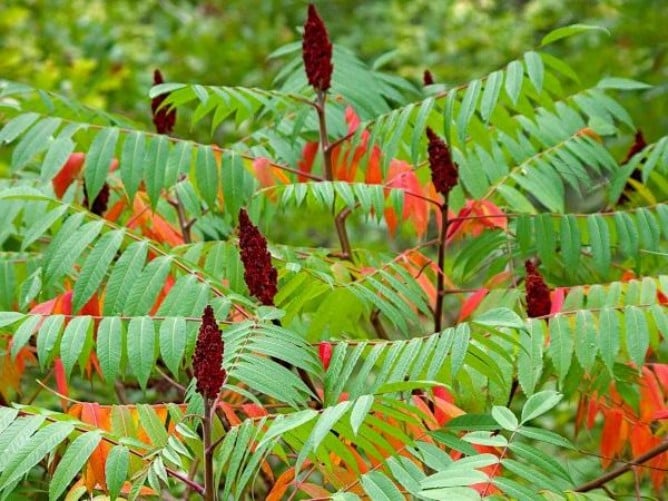
- Rhus typhina
-
-
-
Edible and medicinal
- Common sunflower
-
-
-
Poisonous and danger
- Plumeria rubra
-
-
-
Wild and common weed
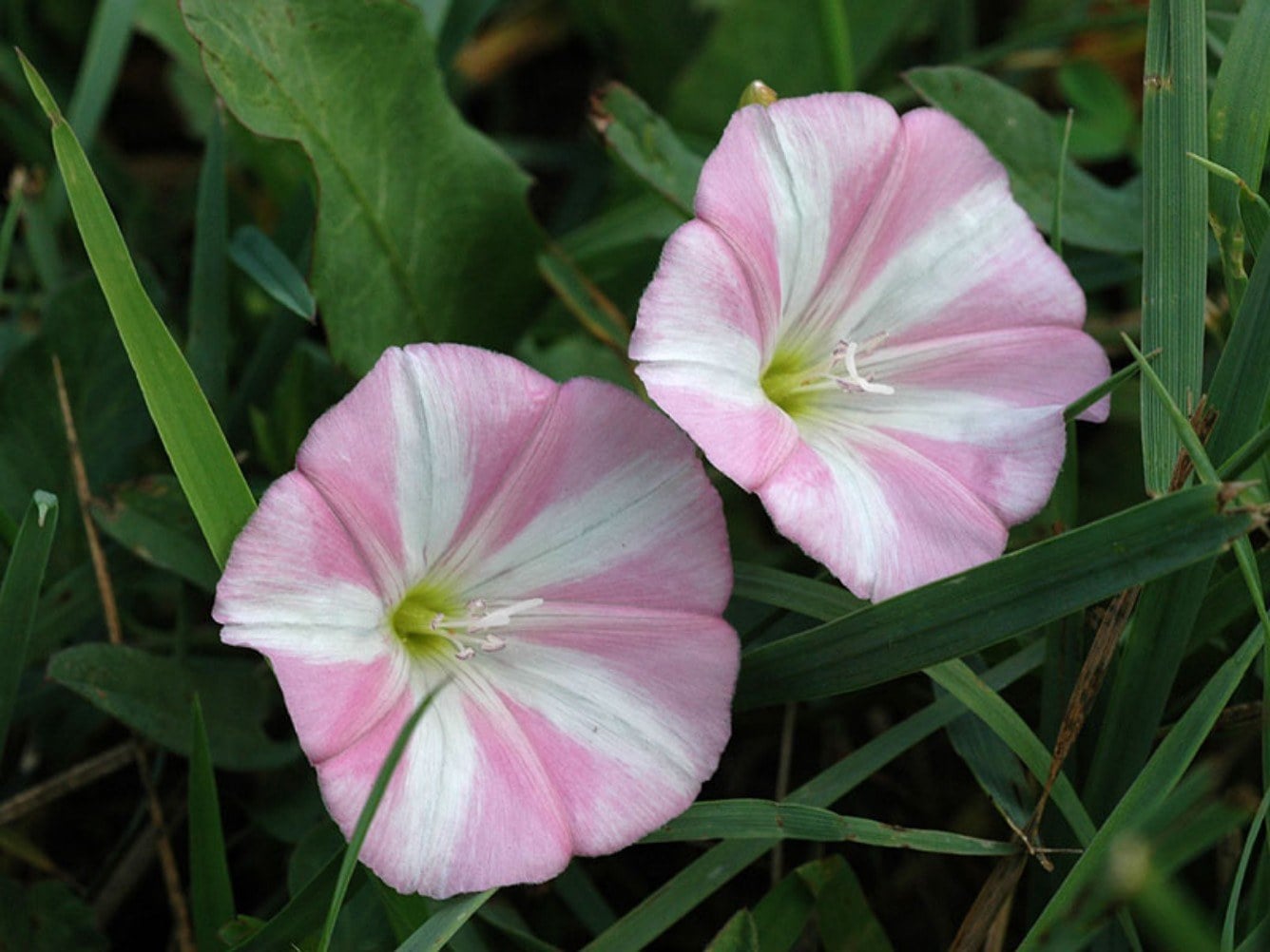
- Convolvulus arvensis
-
-
-
Edible and medicinal
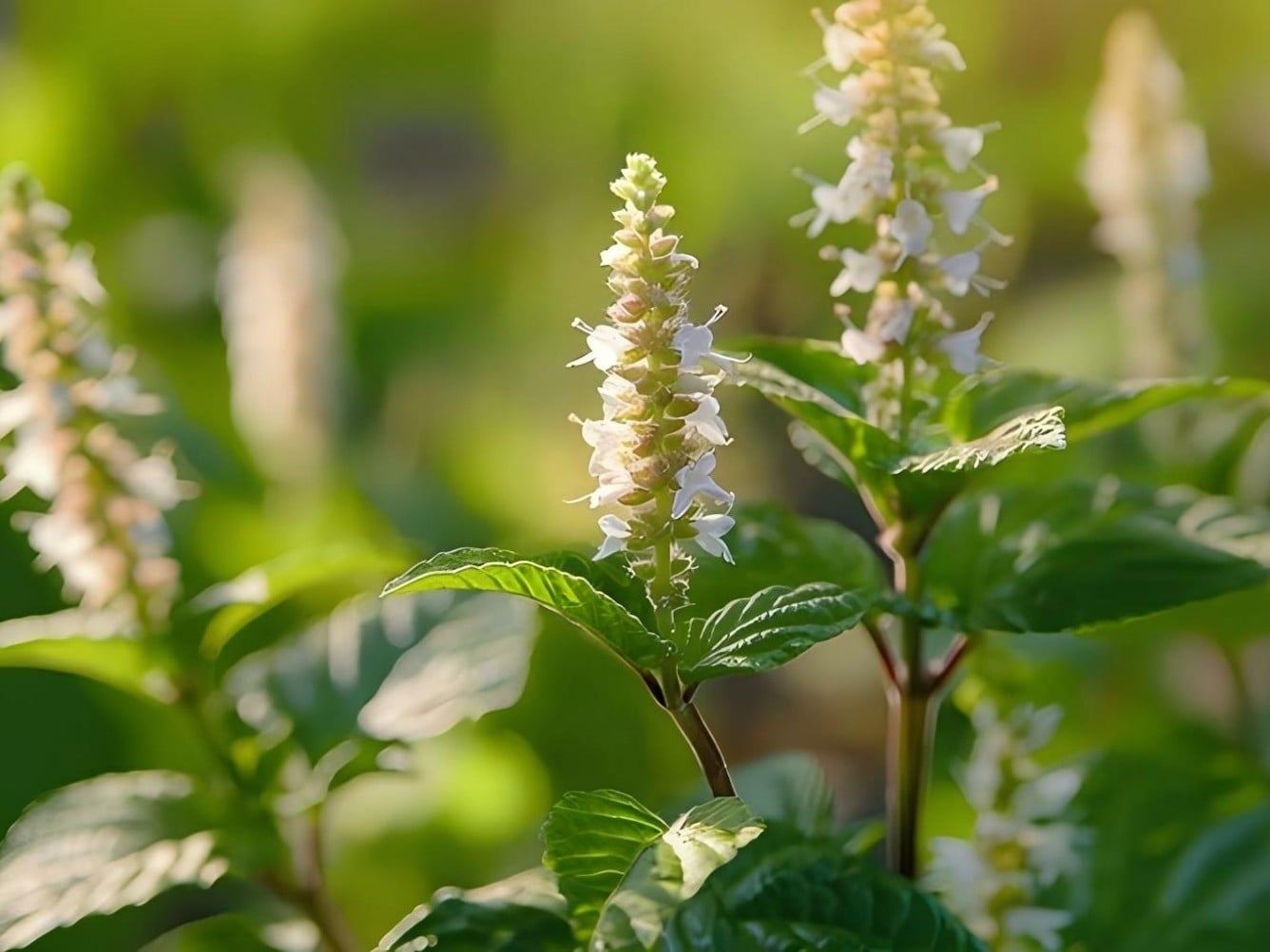
- Perilla frutescens
-
-
-
Edible and medicinal
- Pogostemon cablin
-
-
-
Edible and medicinal
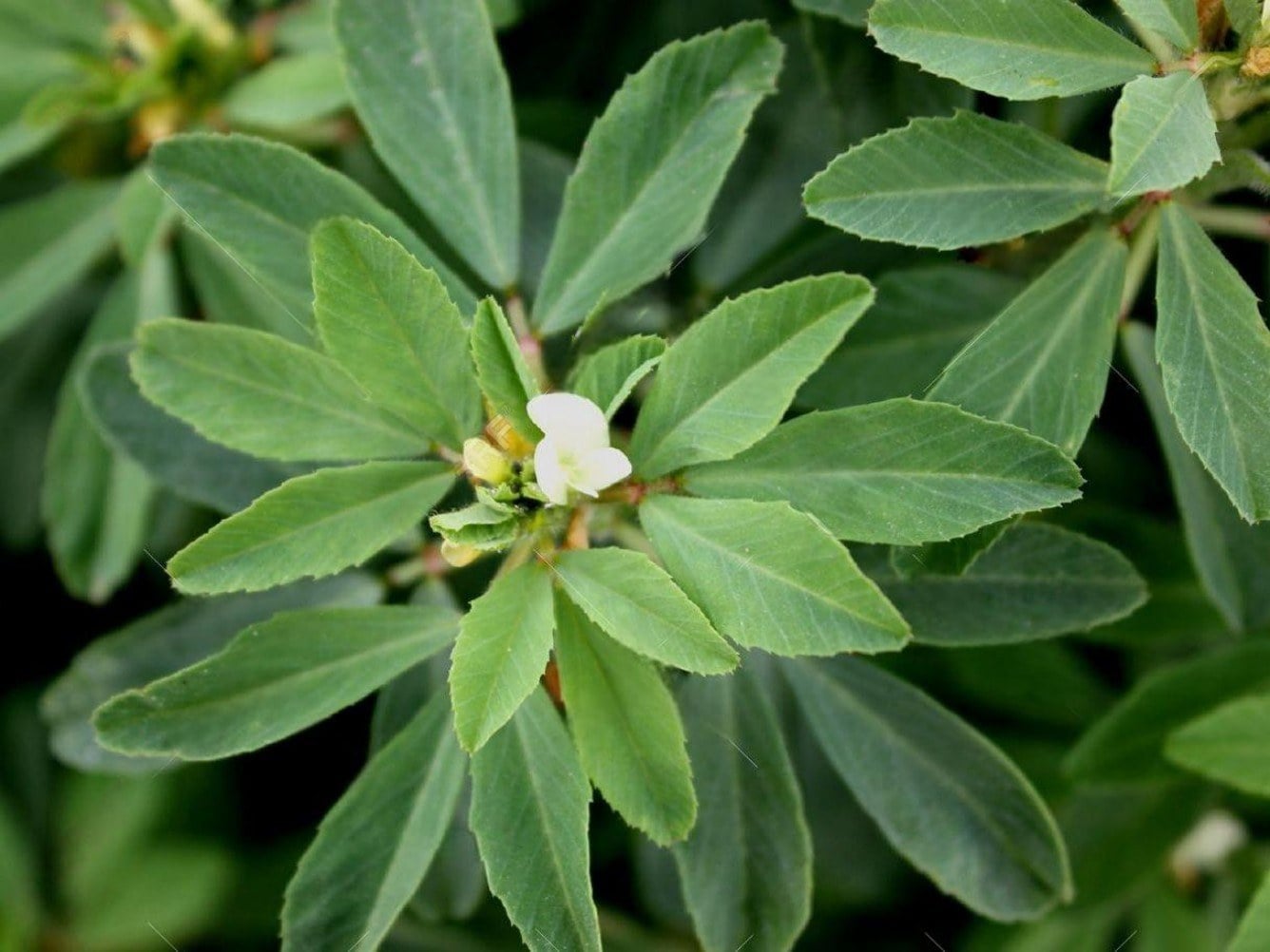
- Common fenugreek
-
-
-
Edible and medicinal
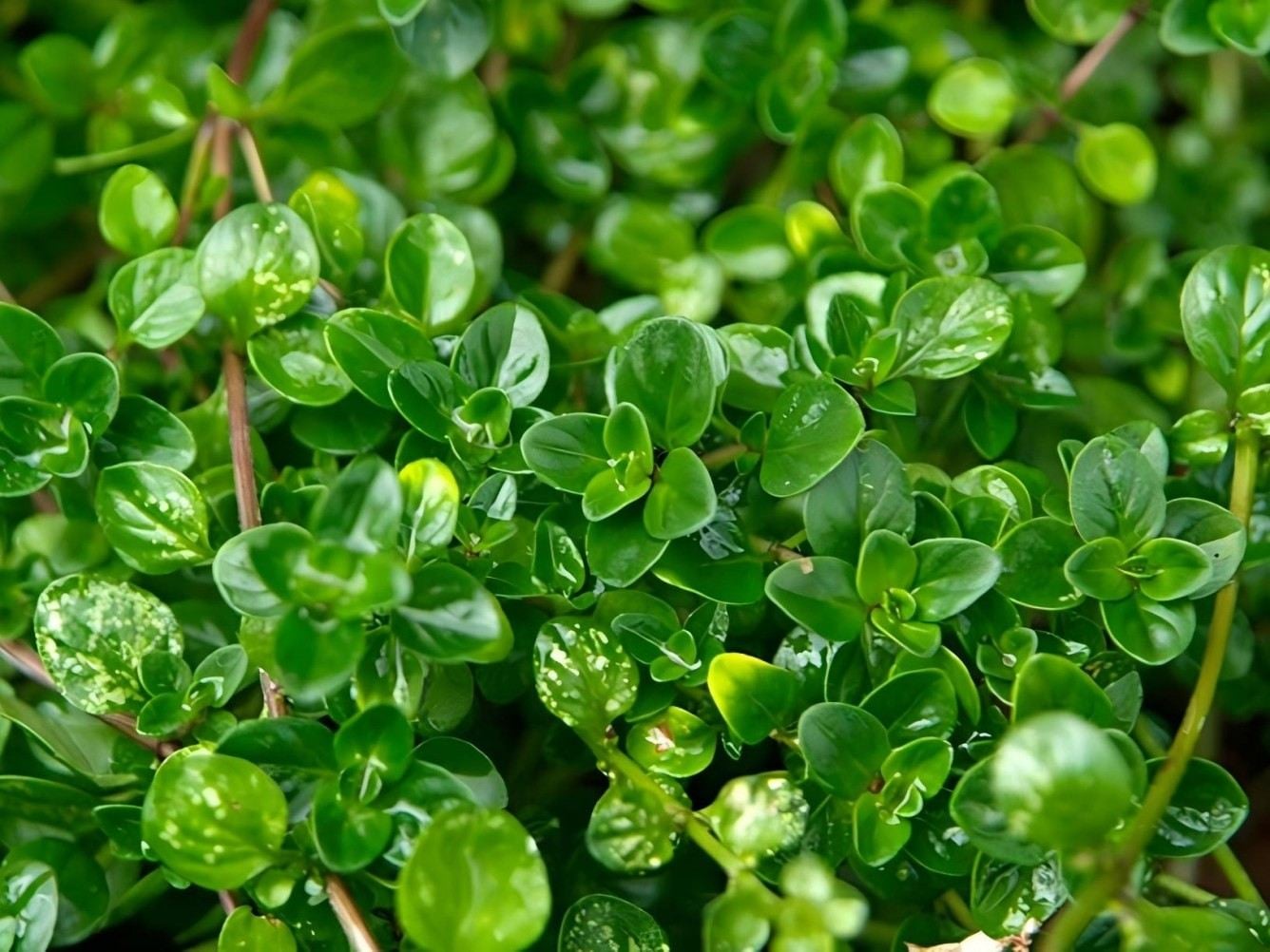
- Garden Thyme
-
 Poisonous and danger
 Edible and medicinal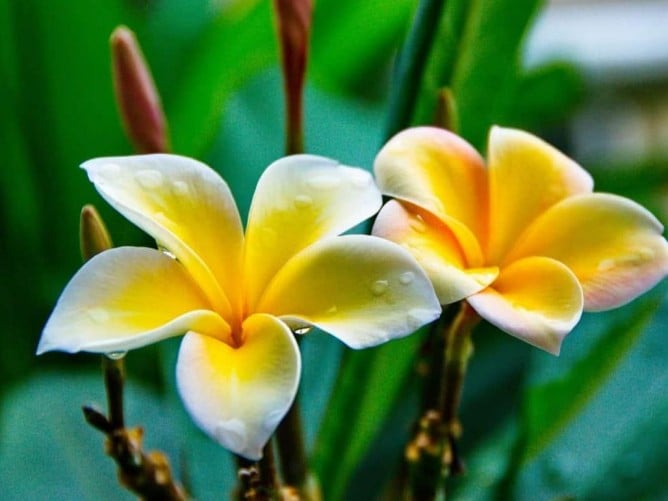
 Wild and common weed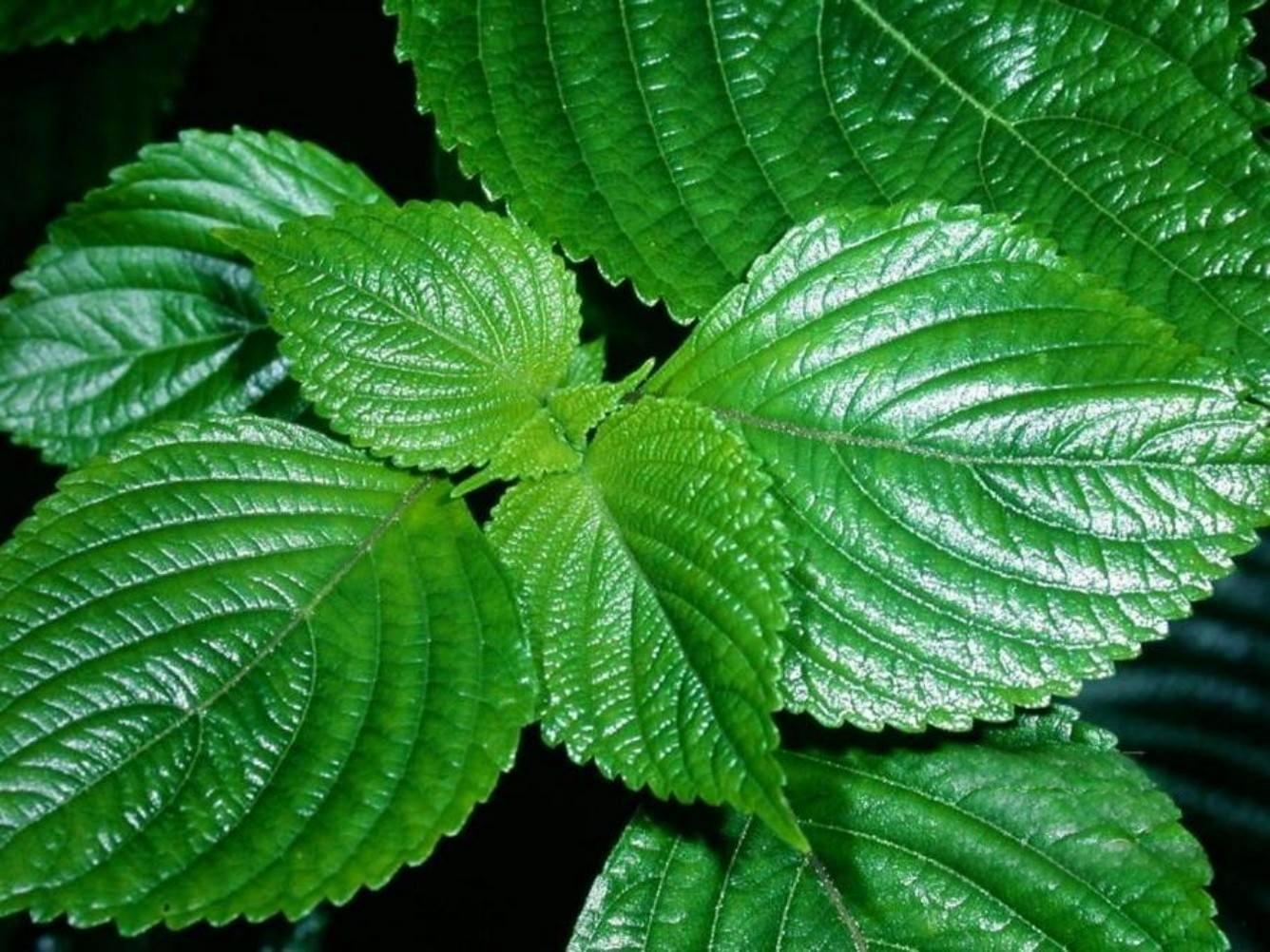
Advertisement