Myosotis
-
 Ornamental and lands
 - Also known as:Mouse-ear Forget-me-not,Woodland Forget-me-not,Statice
 Ornamental and lands
Nursing Skills
The key attributes of *Myosotis* lie in its excellent environmental adaptability, capacity for self-seeding, and enduring ornamental value. It grows rapidly in cool, moist conditions and propagates naturally through abundant, tiny seeds; thanks to its strong ability to regenerate via self-seeding, it can create sweeping seas of flowers under favorable conditions.
Advertisement
Plant Properties
-
- Toxicity
- Non-toxic
-
- Plant height
- Typically 15–40 cm
-
- Flower shape
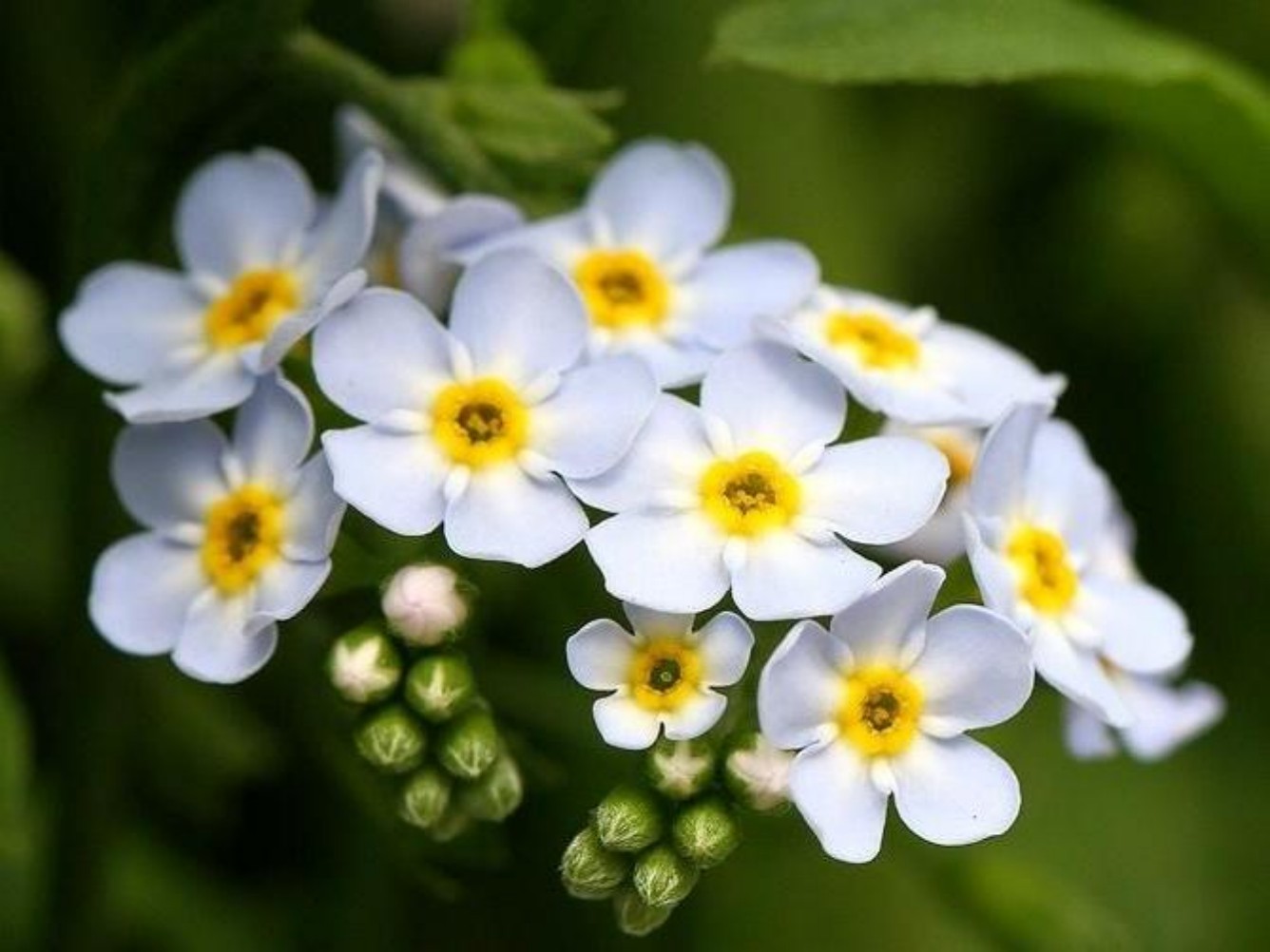
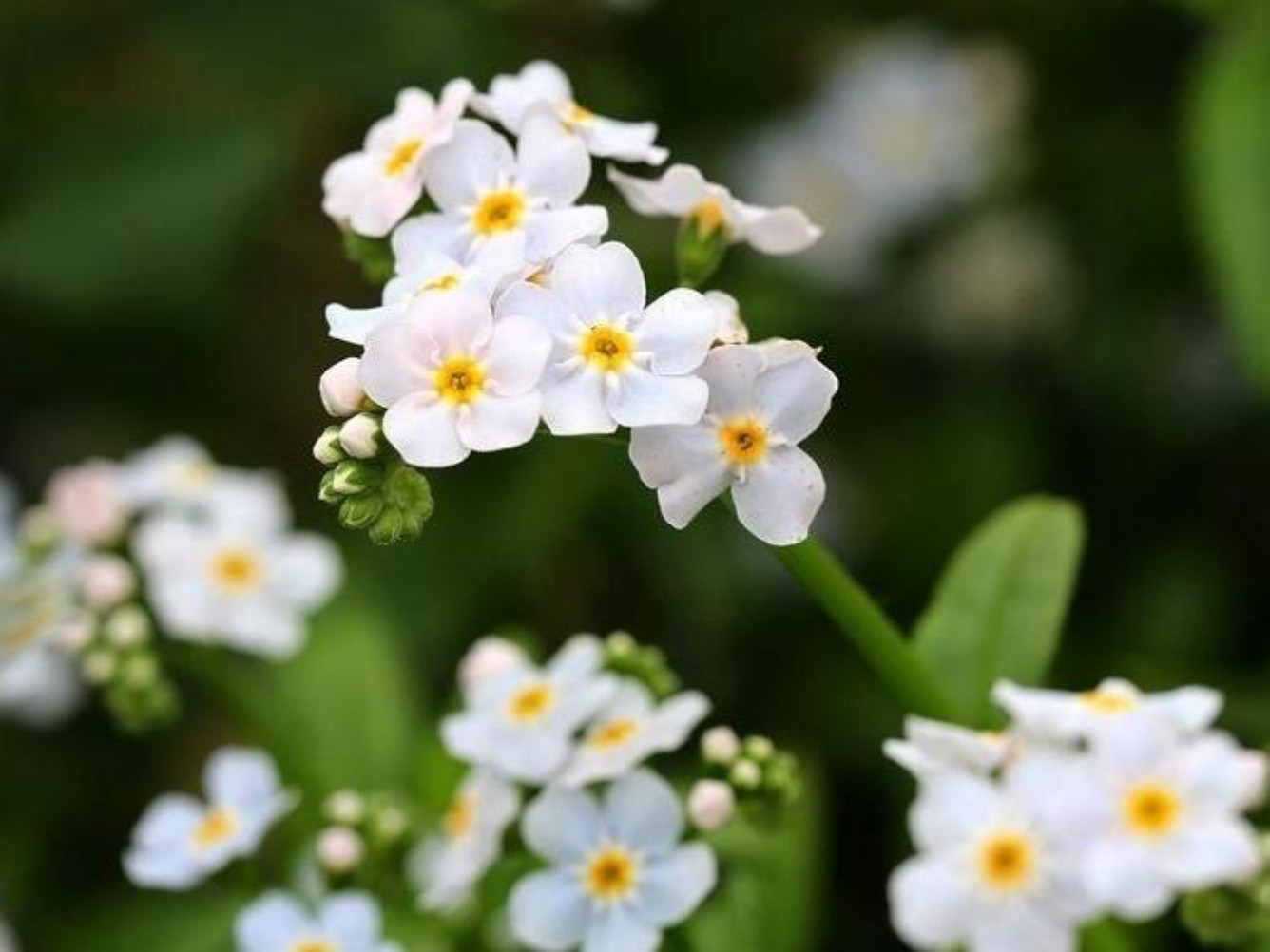
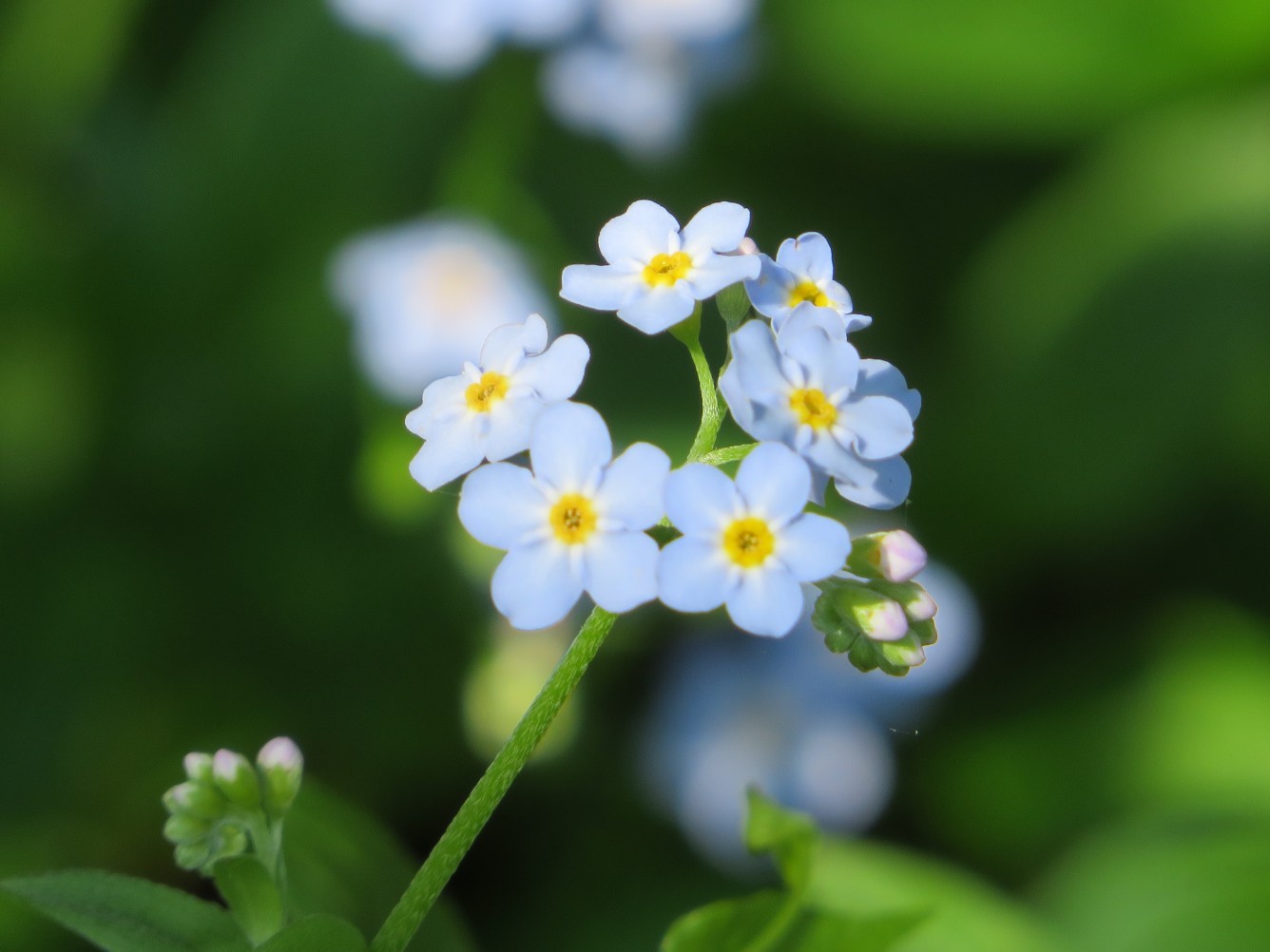
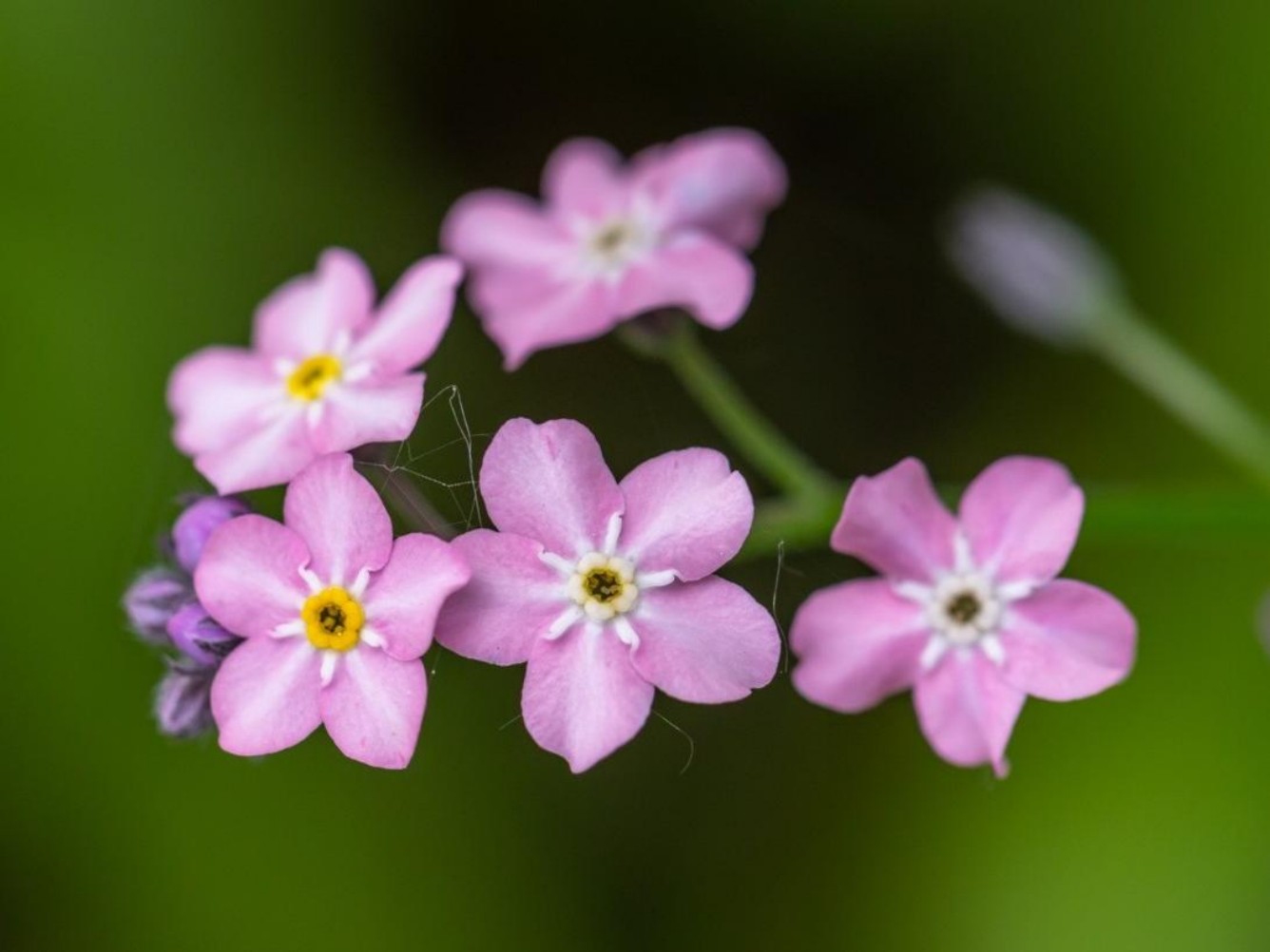
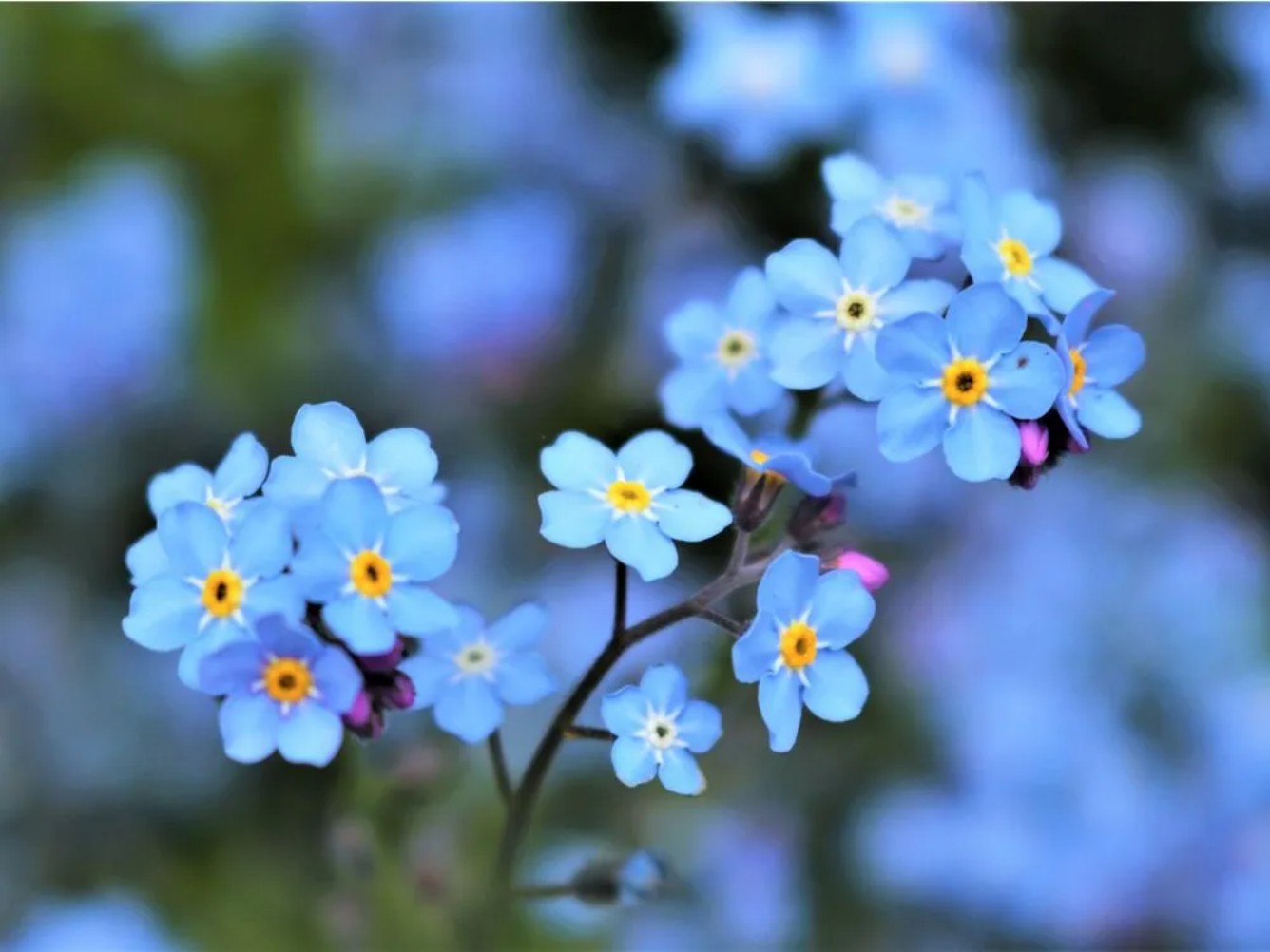
- Five-petaled star or disc-shaped
-
- Flower color
- Sky blue, pink, white, or pale purple
-
- Blooming period
- Typically blooms from April to July
-
- Plant type
- Annual, biennial, or perennial herbaceous flowering plant
Plant Care Requirements
-
Care Difficulty
Easy; highly suitable for gardening beginners
-
Ventilation Needs
Prefers an environment with good air circulation
-
Watering Needs
Prefers moist soil; keep the soil slightly damp during the growing season
-
Light Requirements
Thrives in conditions ranging from full sun to partial shade
-
Soil Requirements
Best grown in loose, fertile, well-draining loam or humus-rich soil
-
Planting Method
Primarily propagated by seed; can also form naturalized colonies through self-seeding
-
Planting Time
Best sown in spring or autumn
Advertisement
Plant Care Guide
-
How can I extend the flowering period of *Myosotis* ?
Management involves three key aspects: light, water, and nutrientsTo prolong the display of *Myosotis* flowers, you need to manage light, moisture, and nutrients effectively. Providing ample yet soft light encourages continuous blooming; keeping the soil moderately moist helps maintain the condition of the flowers; and applying appropriate amounts of phosphorus and potassium fertilizers during the flowering season boosts plant vigor. Additionally, promptly removing withered flowers reduces nutrient waste and stimulates the formation of new flower buds. Good ventilation and suitable temperatures also help extend the overall flowering period.
-
Why isn't my *Myosotis* blooming?
Insufficient light, nutrient imbalance, or unsuitable temperaturesWhen forget-me-nots fail to bloom, it is usually due to insufficient light, nutrient imbalance, or unsuitable temperatures. If kept in a dark environment for an extended period, the plant may continue to grow but will struggle to form enough flower buds. Additionally, applying too much nitrogen fertilizer can cause excessive foliage growth and inhibit flowering. High temperatures can also affect flower bud development. It is recommended to increase the duration of light exposure, apply phosphorus and potassium fertilizers appropriately, and maintain a cool, well-ventilated growing environment. These measures can effectively improve the flowering rate.
-
How can I ensure *Myosotis* produces abundant blooms and richer flower colors?
Care should focus on three key aspects: light, nutrients, and pruningTo achieve lush blooms and vibrant colors, focus on light, nutrients, and pruning. Ensure the plant receives full sun during its growing season and avoid shady environments; ample light promotes extensive flower bud differentiation and intensifies the blue-purple hues of the petals. During the bud differentiation stage, prioritize phosphorus and potassium fertilizers along with trace elements while reducing nitrogen intake to prevent leggy foliage growth from competing with flowering needs. Pinch back the tips (deadheading/topping) during the seedling stage to break apical dominance and encourage branching; more branches result in a greater volume of flowers. Strictly control watering before the flowering stage, keeping the soil slightly dry; alternating between wet and dry conditions stimulates bud formation and results in richer, more saturated flower colors.
-
How can I remedy the heavy dropping of flowers and buds during the *Myosotis* blooming season?
Sudden environmental changes, water/nutrient imbalances, and pests or diseasesHeavy flower and bud drop during the blooming season is usually caused by sudden environmental changes, imbalances in water and nutrients, or pests and diseases. First, stop moving the pot and stabilize the temperature and lighting conditions to prevent excessive temperature fluctuations or sudden changes in light exposure from worsening the drop. Promptly adjust watering and fertilization—applying light doses of phosphorus and potassium—while ensuring the soil is neither too dry nor waterlogged, thereby replenishing the nutrients needed for flowering. Carefully inspect the plant to remove small pests like aphids hiding in concealed spots and pluck off flower buds showing signs of mild disease. Improve ventilation and lower humidity to prevent the plant from becoming stiflingly hot or developing mold. Promptly clear away fallen buds and debris to reduce pathogen growth; attentive care can help preserve the remaining buds and mitigate flower drop.
-
Does *Myosotis* require regular pruning, and how should it be done?
Regularly prune spent flowers and withered stems after bloomingYes, *Myosotis* requires regular pruning; proper pruning encourages lateral branching, extends the flowering period, and maintains an attractive plant shape. Routinely remove yellowing, withered, or sickly leaves to minimize nutrient waste. After flowering, promptly trim off spent blooms and withered stems to prevent nutrient depletion from seed formation and to encourage a second flush of flowers. In summer, foliage often ages and yellows after blooming; moderately prune overly dense foliage and leggy shoots to improve air circulation and light penetration. Sterilize pruning tools beforehand to prevent infection at the cut sites. After pruning, place the plant in a well-ventilated area and suspend fertilization until it resumes vigorous growth, then return to a normal care routine.
-
How shade-tolerant is *Myosotis*? Can it bloom in an environment with diffused light?
It has poor shade toleranceMyosotis has poor shade tolerance and is a light-loving herbaceous plant; it can only withstand short periods of soft, diffused light and cannot grow in dark environments for long. If kept indoors in weak, diffused light for extended periods, the plant will become leggy—characterized by weak stems, sparse foliage, and elongated internodes. Flower buds will fail to differentiate properly, resulting in sparse blooms, dull colors, or a complete lack of flowers. While it can grow normally with brief exposure to morning or evening diffused light, achieving a successful, abundant bloom requires sufficient daily direct sunlight. Maintenance in diffused light may keep the plant alive, but it will not yield the best ornamental or flowering results.
Advertisement
Frequently Asked Questions
-
1 How should powdery mildew on *Myosotis* be treated and prevented?
Powdery mildew is a common fungal disease for *Myosotis*, often triggered by high humidity, stifling heat, and poor ventilation. It manifests as a white, powdery coating on the leaves, causing the plant to wither and fail to bloom. Upon detection, immediately remove all infected leaves and stems, isolate the plant, and spray with a fungicide specifically designed for powdery mildew; apply once a week for 2–3 consecutive treatments to ensure complete eradication. Daily prevention involves maintaining proper spacing between plants to ensure good airflow and light penetration—avoid overcrowding and stuffy conditions. Prevent prolonged leaf wetness and control ambient humidity. Regularly spraying a diluted fungicide solution during the growing season as a preventive measure can significantly reduce the risk of powdery mildew.
-
2 Can *Myosotis* be exposed to rain? What precautions should be taken during rainy weather?
Ground-planted *Myosotis* can tolerate brief, light rain; moderate rainfall washes dust from the leaves and replenishes moisture, benefiting growth. However, exposing potted *Myosotis* to rain is not recommended, as the soil can quickly become waterlogged, leading to root suffocation and rot. During prolonged overcast or heavy rain, the plant should be sheltered; heavy rain can break stems and leaves or ruin the plant's shape, while waterlogging causes root rot and leaf yellowing. During rainy weather, ensure the pot's drainage holes remain clear. After the rain, loosen the soil to improve aeration and increase ventilation to dissipate moisture. Remove any leaves or flower buds that have become waterlogged or rotted, and suspend fertilization to prevent fertilizer burn or disease outbreaks caused by high humidity.
-
3 What are the key points for caring for *Myosotis* seedlings, and how can one cultivate robust plants?
The core focus during the seedling stage is controlling leggy growth, promoting root development, and strengthening stems. Seedlings require ample light; avoid low-light conditions, which cause them to become weak and leggy. Follow the principle of "little and often" when watering—keep the soil slightly moist but free of standing water. Moderate water control encourages roots to grow deeper and become more robust. Frequent fertilization is unnecessary at this stage; once 4–5 true leaves have emerged, apply a small amount of diluted, balanced liquid fertilizer to provide basic nutrients. Promptly remove weak or sickly seedlings to ensure adequate growing space for the healthy ones. When seedlings reach a height of about 8 cm, lightly pinch off the growing tip to encourage lateral branching, laying the foundation for a full plant shape and abundant flowering later on.
-
4 What are the most common mistakes made when caring for *Myosotis*?
Common mistakes in *Myosotis* care generally fall into four categories: first, frequent watering out of fear of drought, leading to waterlogged soil, root rot, and plant death; second, indiscriminately applying nitrogen fertilizer during the flowering period, which causes excessive foliage growth and leads to flower drop or a failure to bloom; third, excessive shading in summer, where prolonged low light causes leggy growth and loss of color; and fourth, neglecting ventilation, as enclosed environments frequently trigger powdery mildew and root rot. Many people mistakenly believe *Myosotis* prefers hot, humid conditions, whereas it actually thrives in cool, well-ventilated environments. Successful care relies on four key principles: keep the plant cool and moist, ensure plenty of light, and avoid waterlogging and stuffy conditions. By avoiding practices like heavy watering, excessive fertilizing, and over-shading, you can prevent the vast majority of care-related issues.
Advertisement
Introduction
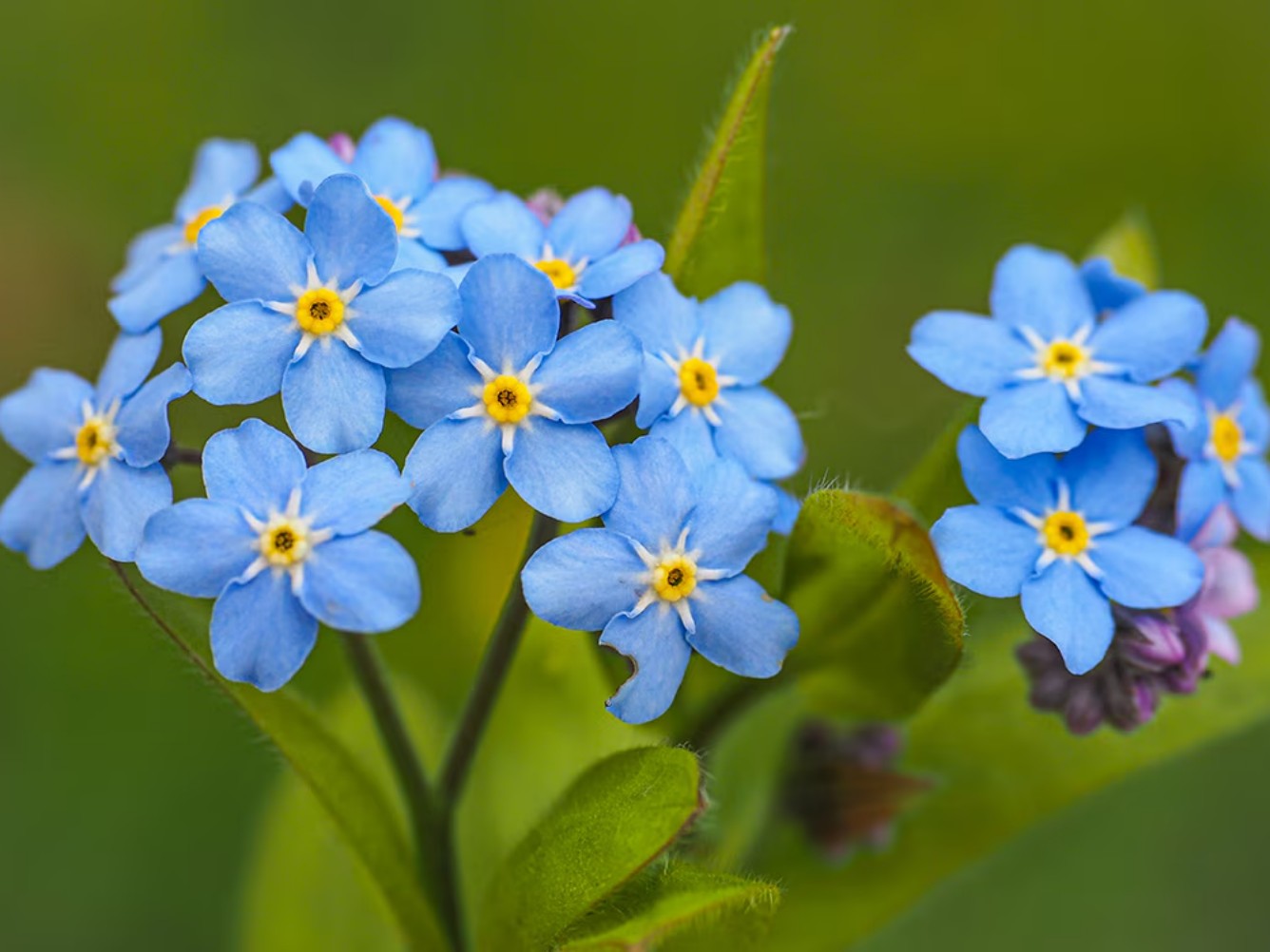
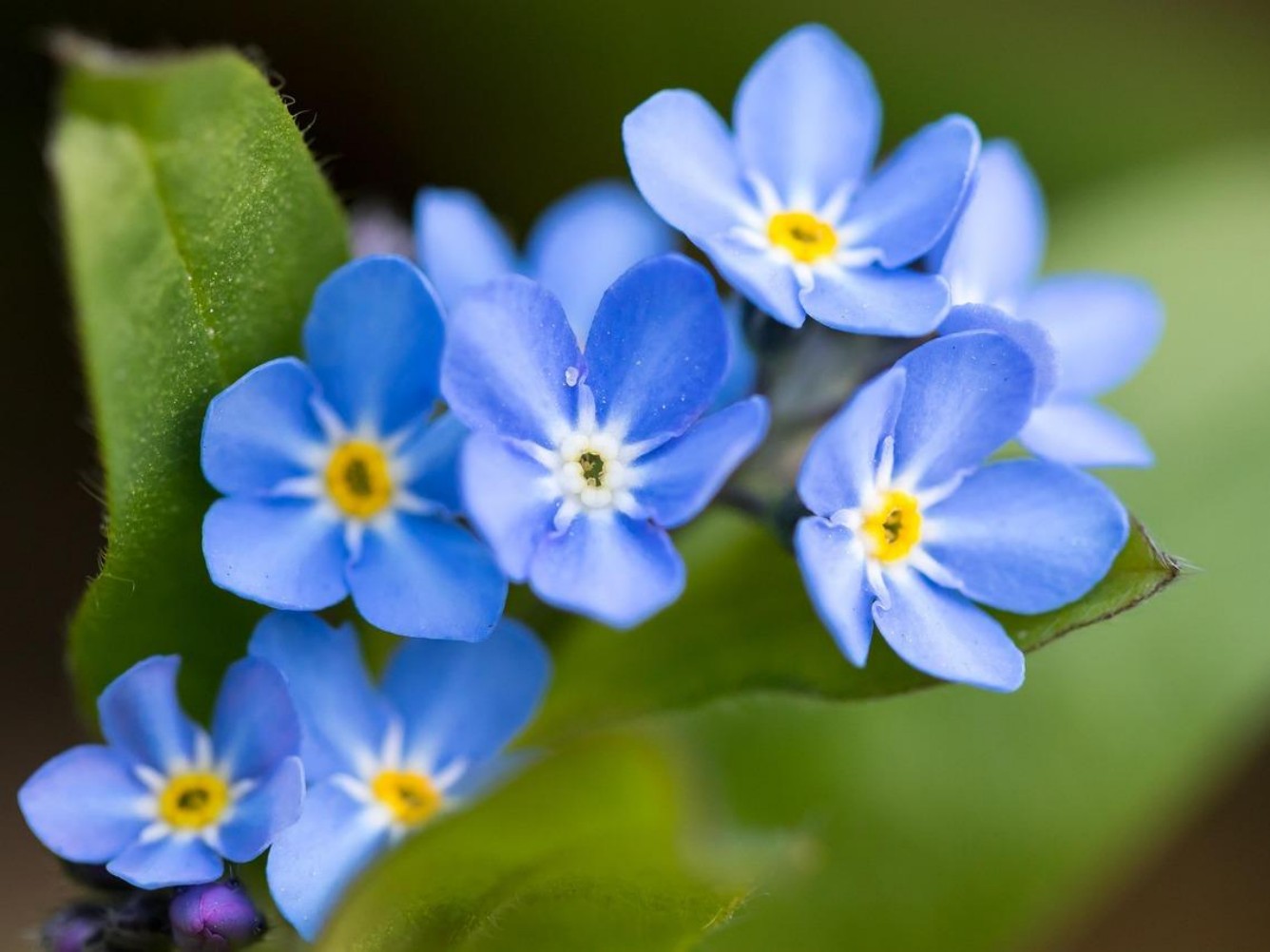
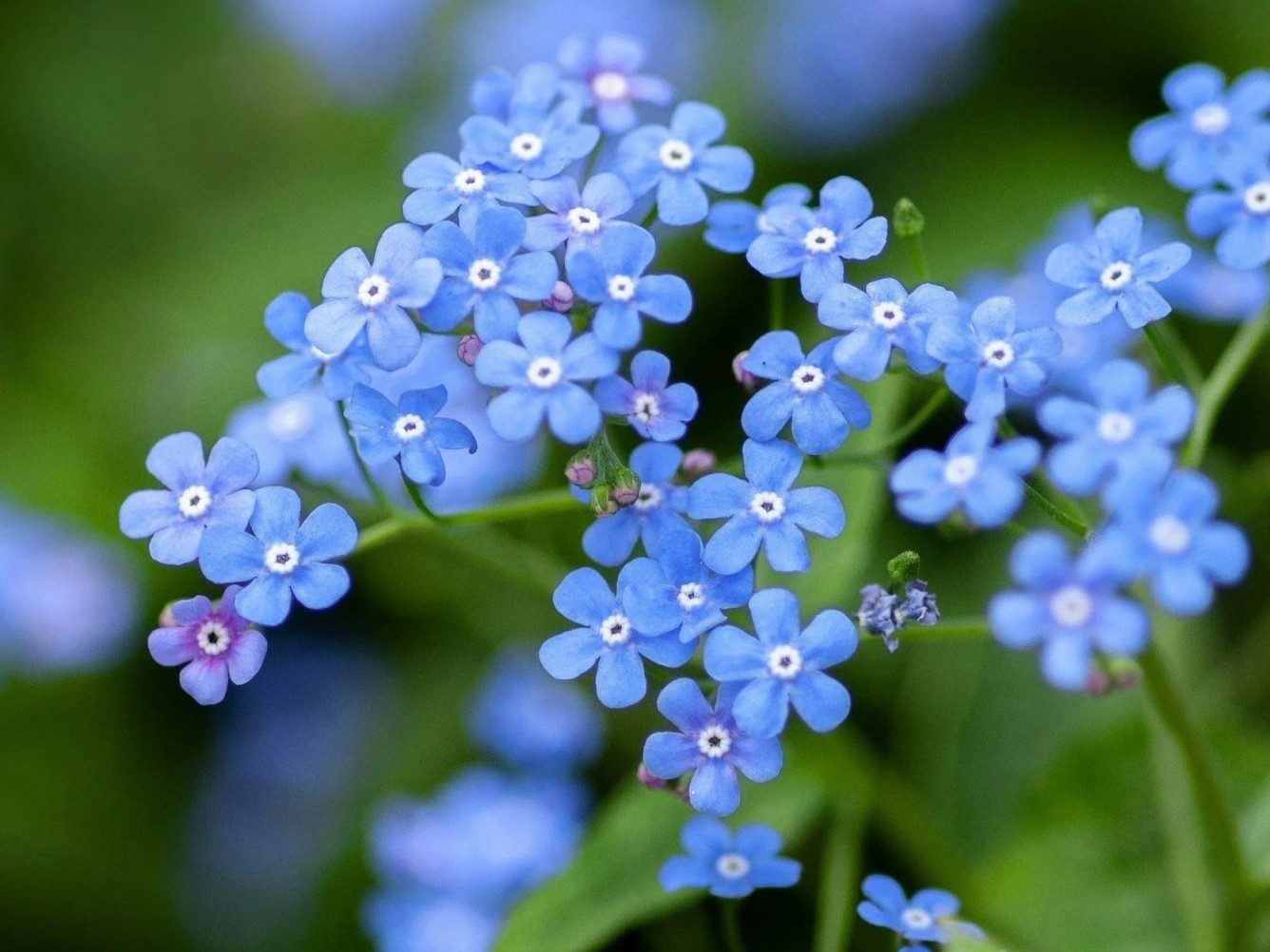
*Myosotis* is a popular ornamental plant belonging to the Boraginaceae family, renowned for its delicate blue flowers and fresh, elegant charm. Typically growing 15 to 40 centimeters tall, the plants feature five-petaled, star-shaped blossoms—most commonly sky-blue with bright yellow centers—that create the appearance of a light, airy blue cloud when in full bloom. Native to Europe and temperate regions of Asia, the plant is highly adap and thrives in cool, moist environments with ample sunlight.
Popular Plant Encyclopedia
-
-
Poisonous and danger
- Rhus typhina
-
-
-
Edible and medicinal
- Common sunflower
-
-
-
Poisonous and danger
- Plumeria rubra
-
-
-
Wild and common weed
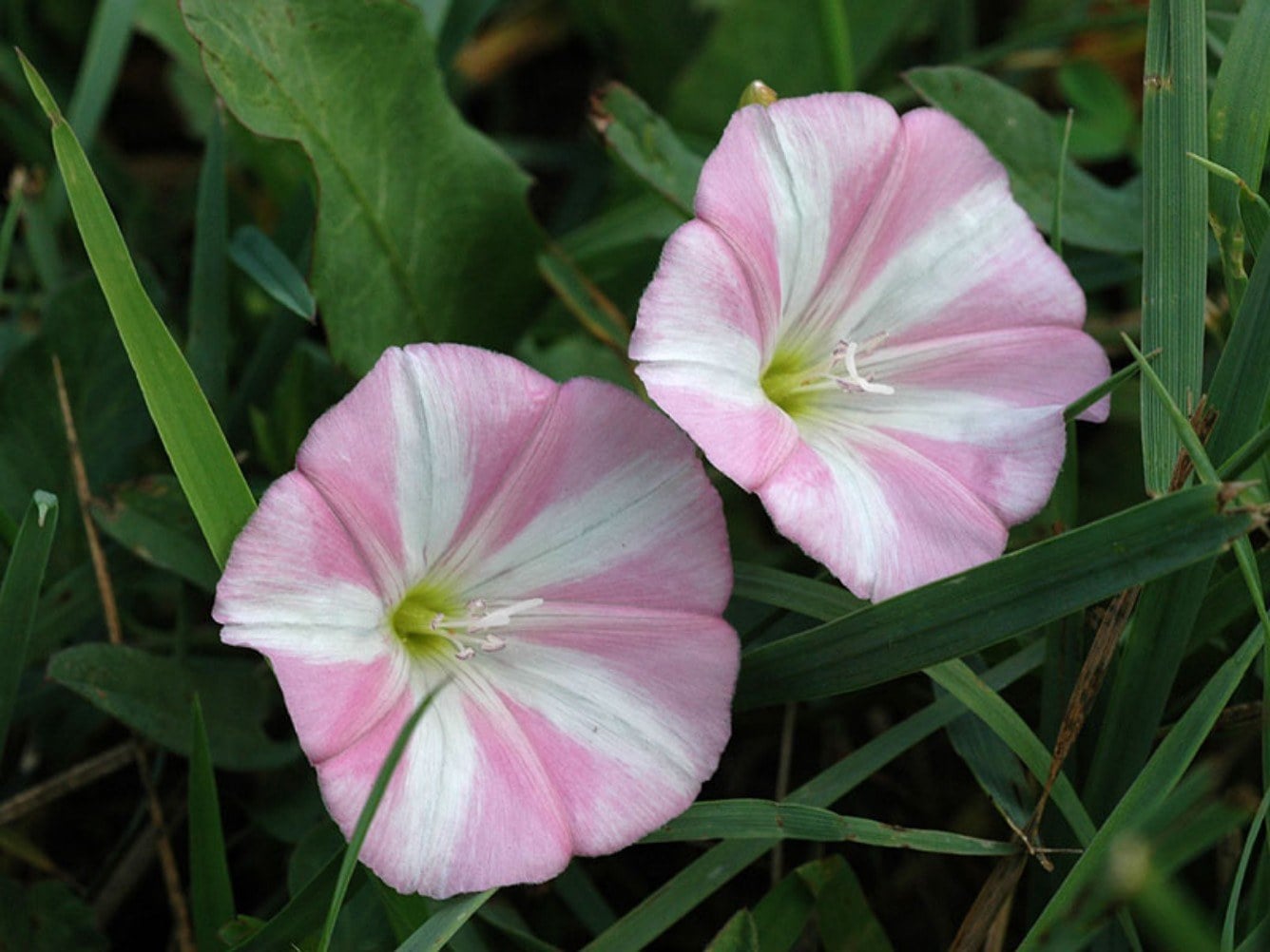
- Convolvulus arvensis
-
-
-
Edible and medicinal
- Perilla frutescens
-
-
-
Edible and medicinal
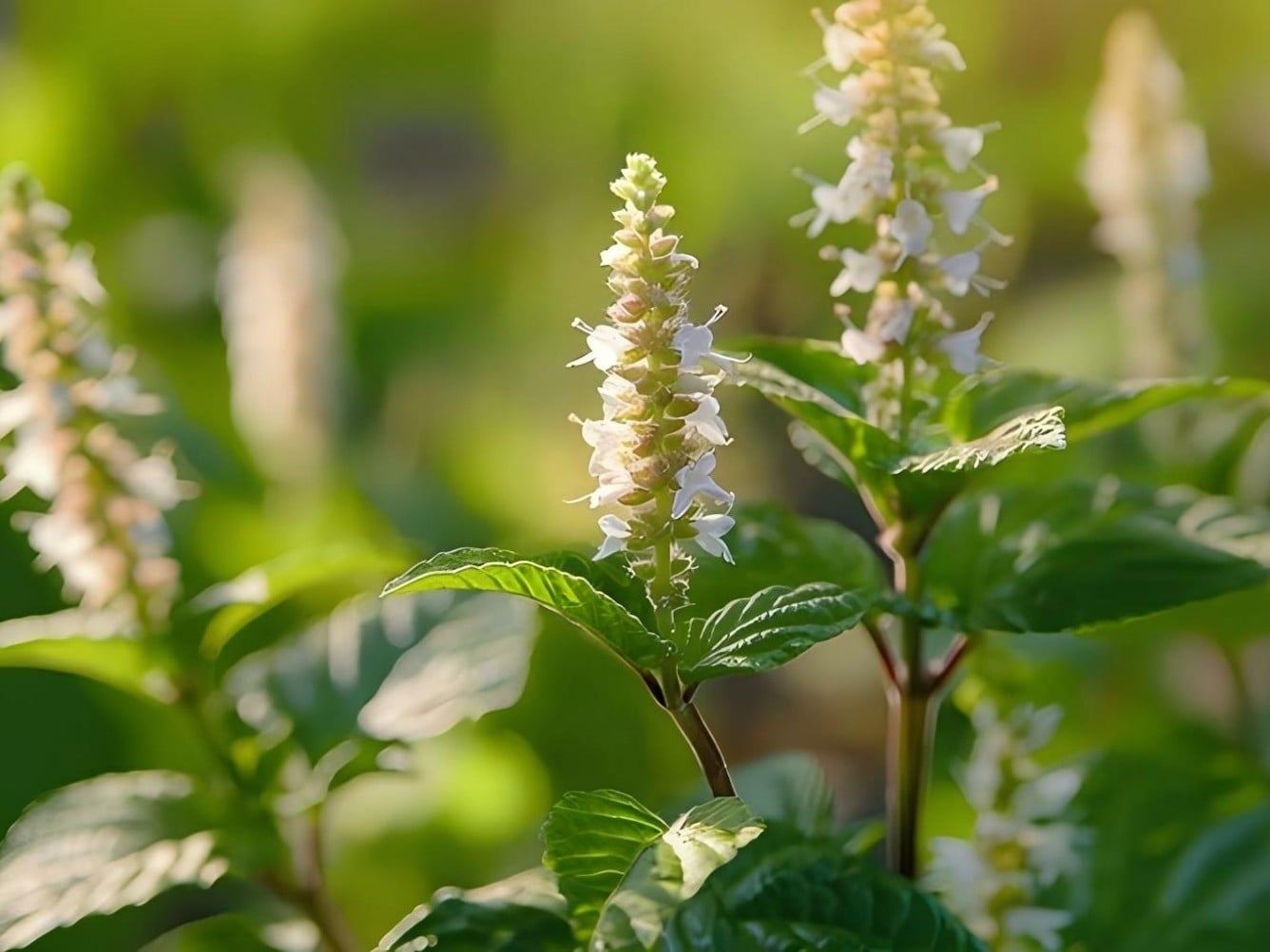
- Pogostemon cablin
-
-
-
Edible and medicinal
- Common fenugreek
-
-
-
Edible and medicinal
- Garden Thyme
-
 Poisonous and danger
 Edible and medicinal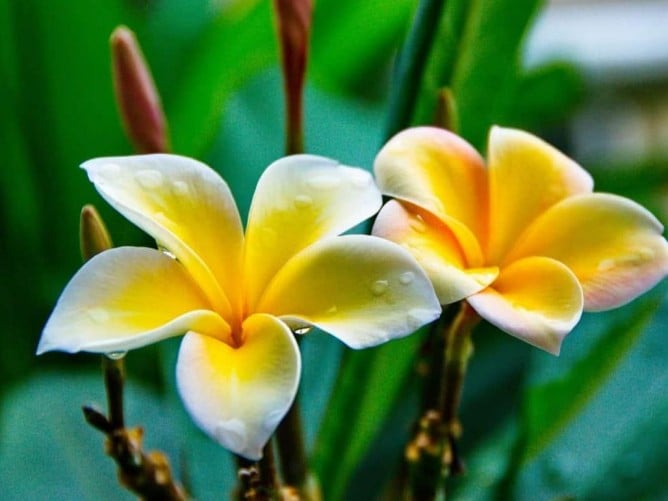
 Wild and common weed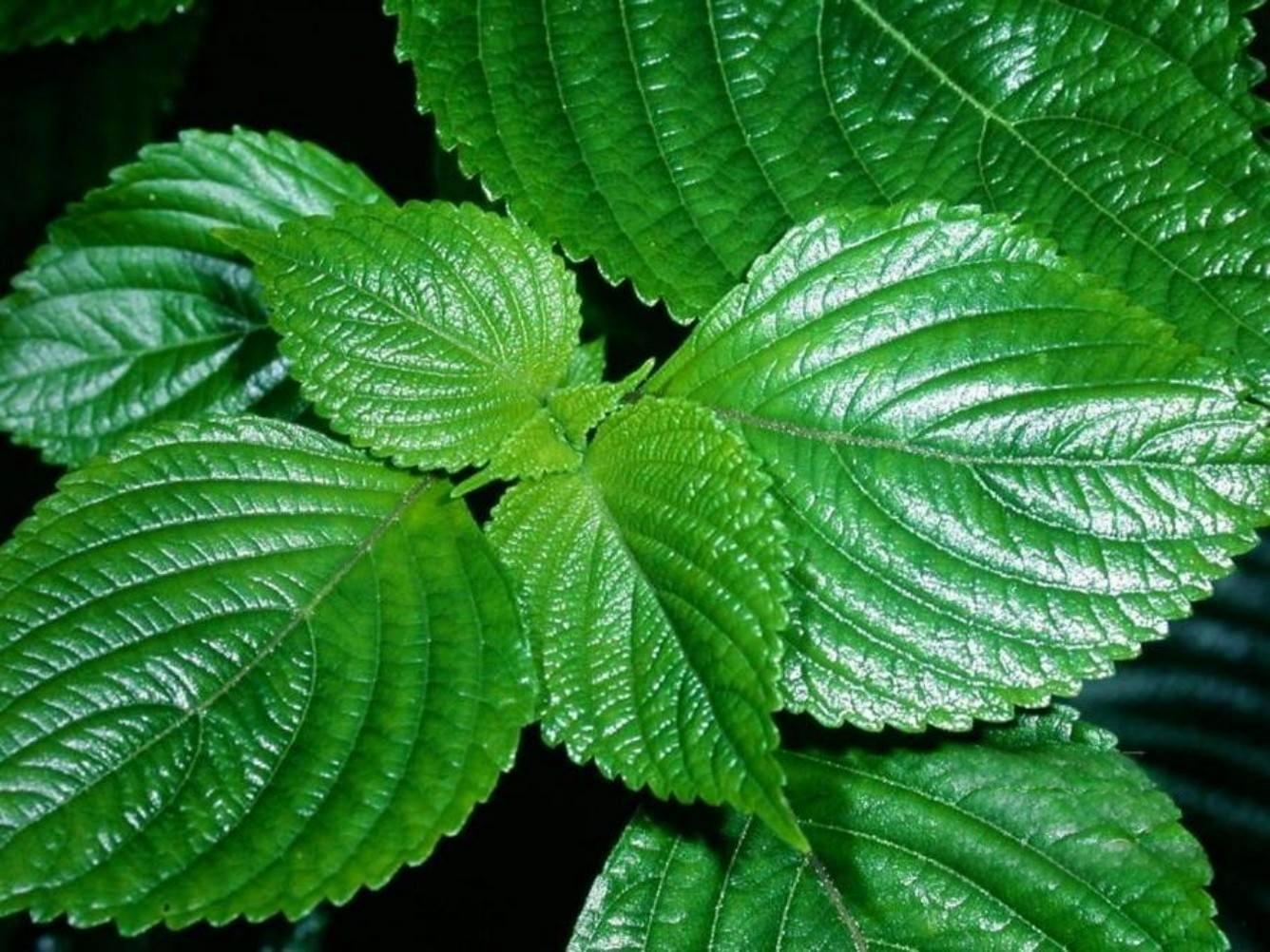
Advertisement