Nandina domestica
-
 Poisonous and danger
 - Also known as:Heavenly Bamboo or Sacred Bamboo
 Poisonous and danger
Nursing Skills
Nandina domestica prefers a sunny to partially shaded location with well-drained soil. Its drought-tolerant once established, but for optimal growth, water regularly, particularly in dry periods. Fertilize in early spring with a slow-release, balanced fertilizer. Prune in late winter or early spring to maintain shape and promote new growth. The plant can tolerate cold, but protect it from harsh winter winds.
Advertisement
Plant Properties
-
- Toxicity
- Toxic to humans and some animals
-
- Growth cycle
- Perennial
-
- Flowering period
- Spring
-
- Plant height
- 1-3 m
-
- Leaf color
- Green, Red
-
- Fruit color
- Bright red, orange-yellow
-
- Stem color
- Green, brown, gray-brown
-
- Leaf type
- Evergreen
-
- Plant type
- Shrub/small tre
Plant Care Requirements
-
Care difficulty
low
-
Planting time
spring, summer, and autumn
-
Soil pH
5-7
-
Light requirements
full sun to semi-shade
-
Ideal temperature
15-25℃
-
Fertilizer requirements
slow-release fertilizer in spring and autumn
Advertisement
Plant Care Guide
-
How often should I water Nandina domestica?
Water regularlyNandina domestica requires regular watering, especially during dry periods when rainfall isn't providing adequate moisture. Typically, a thorough watering once a week should suffice. However, it's important to let the top inch of the soil dry out between waterings to prevent root rot. Once the plant is established, it becomes quite drought-tolerant, reducing the need for frequent watering. In winter, reduce watering further as the plant's growth slows down and it requires less moisture.
-
What is the ideal temperature?
15-25℃Nandina domestica is a hardy plant that can withstand temperatures down to -10 degrees Celsius. Despite its hardiness, it should be sheltered from harsh winter winds, which can desiccate the leaves and cause damage. In regions where temperatures drop below this threshold, it's recommended to move the plant to a sheltered location or provide it with some form of frost protection.
-
What type of soil is best?
Well-draining soilNandina domestica thrives in well-draining soil. It's fairly adaptable and can tolerate a range of soil types, from clay to loamy and sandy soils. The key is good drainage to prevent waterlogging and root rot. If your soil retains too much water, consider amending it with organic matter or sand to improve its drainage capabilities.
-
How much sunlight does it need?
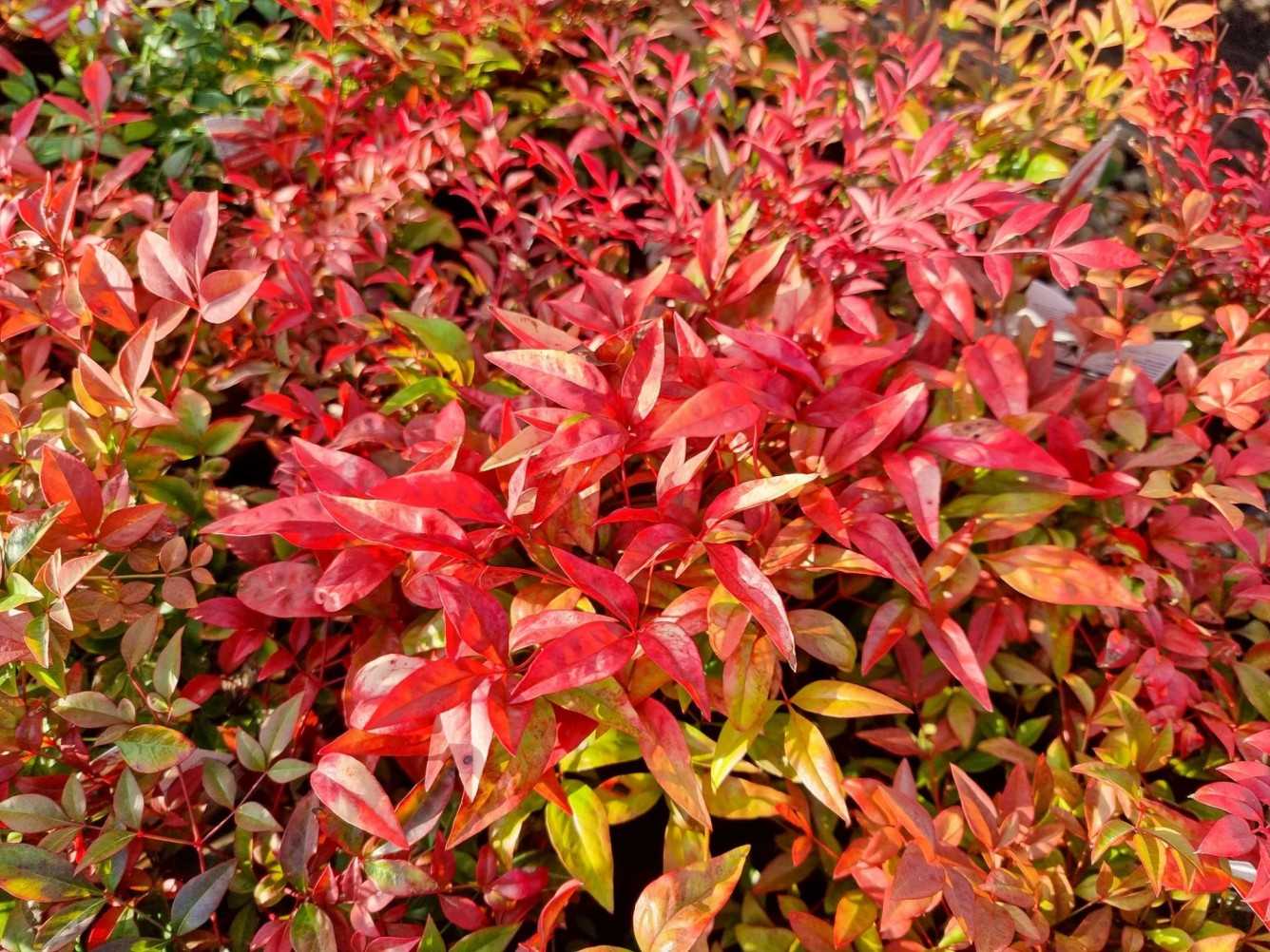
Full sun to partial shadeNandina domestica grows best in locations that offer full sun to partial shade. The intensity of the foliage color is directly related to the amount of sunlight the plant receives. In full sun, the leaves will exhibit more vibrant reds and oranges, while in shadier locations, the foliage may lean more towards green. However, in very hot climates, some afternoon shade can protect the plant from scorching.
-
How to fertilize?
Slow-release fertilizerFertilizing Nandina domestica should be done with a slow-release, balanced fertilizer applied in early spring. This helps to provide the nutrients the plant needs for vigorous growth and to enhance the color of the foliage. Fertilizer should be applied according to package instructions, and it's always a good idea to water the plant well after fertilizing to help the nutrients soak into the soil.
-
When to repot?
2-3 yearsNandina domestica should be repotted when it becomes root-bound, which typically occurs every 2-3 years. This is when the roots take up most of the pot, leaving little room for soil or water. The best time to repot is in the spring, before the onset of the growing season. When repotting, choose a pot that is one size larger than the current one and use fresh, well-draining potting soil.
-
How to prune?
Prune in late winter or early springPruning Nandina domestica should be done in late winter or early spring, just before new growth begins. This helps to maintain the plant's desired shape and promotes more vigorous, bushy growth. During pruning, any dead or damaged stems should be removed at the base. If the plant has become too dense, some of the older canes can be pruned back to allow light into the center of the plant.
Advertisement
Frequently Asked Questions
-
1 Why are the leaves on my Nandina domestica turning yellow?
If your Nandina domestica's leaves are turning yellow, it could be a sign of overwatering or poor drainage. While the plant is relatively hardy, it prefers well-drained soil and can suffer from root rot if the soil is too waterlogged. Adjust your watering schedule and ensure your plant is in well-draining soil.
-
2 How fast does Nandina domestica grow?
Nandina domestica has a moderate growth rate. With adequate light, water, and nutrients, it can grow several feet in a year. However, growth tends to slow as the plant matures. Regular pruning can help stimulate new growth and maintain the plant's shape.
-
3 Can Nandina domestica be grown in pots?
Absolutely, Nandina domestica grows quite well in pots. It's a great way to control the size of the plant and to move it around based on sunlight needs or seasonal changes. Just ensure the pot has good drainage and is large enough to accommodate the plant's growth.
-
4 Does Nandina domestica attract wildlife?
Yes, the bright red berries of Nandina domestica are known to attract birds, making it a great choice for bird lovers. However, it's important to note that the berries are toxic if ingested in large quantities, so they're not a good food source for wildlife.
-
5 I've heard Nandina domestica is invasive. Is that true?
In some regions, Nandina domestica has been labeled as invasive due to its ability to spread via suckers. It's always a good idea to check with your local extension service or nursery to see if it's considered invasive in your area. If it is, or if you simply want to control its spread, regular pruning and removal of suckers can help keep the plant in check.
-
6 Is Nandina domestica pet-friendly?
No, Nandina domestica is not considered pet-friendly. The bright red berries that it produces are attractive but toxic if ingested. They contain compounds that can cause upset stomachs in pets and humans. Therefore, it's best to keep this plant out of reach of pets and children, or to pick and dispose of the berries as they ripen.
Advertisement
Introduction
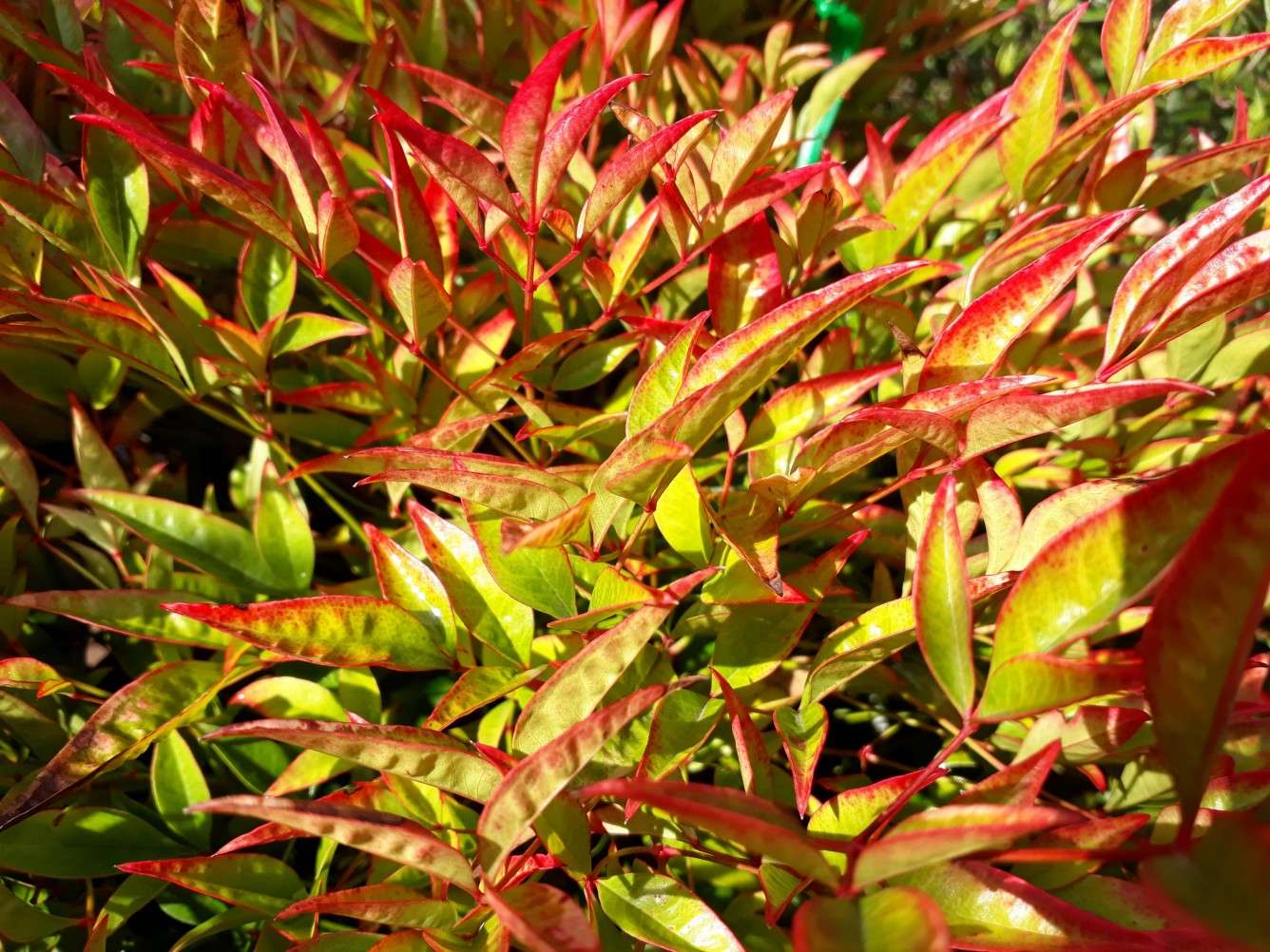
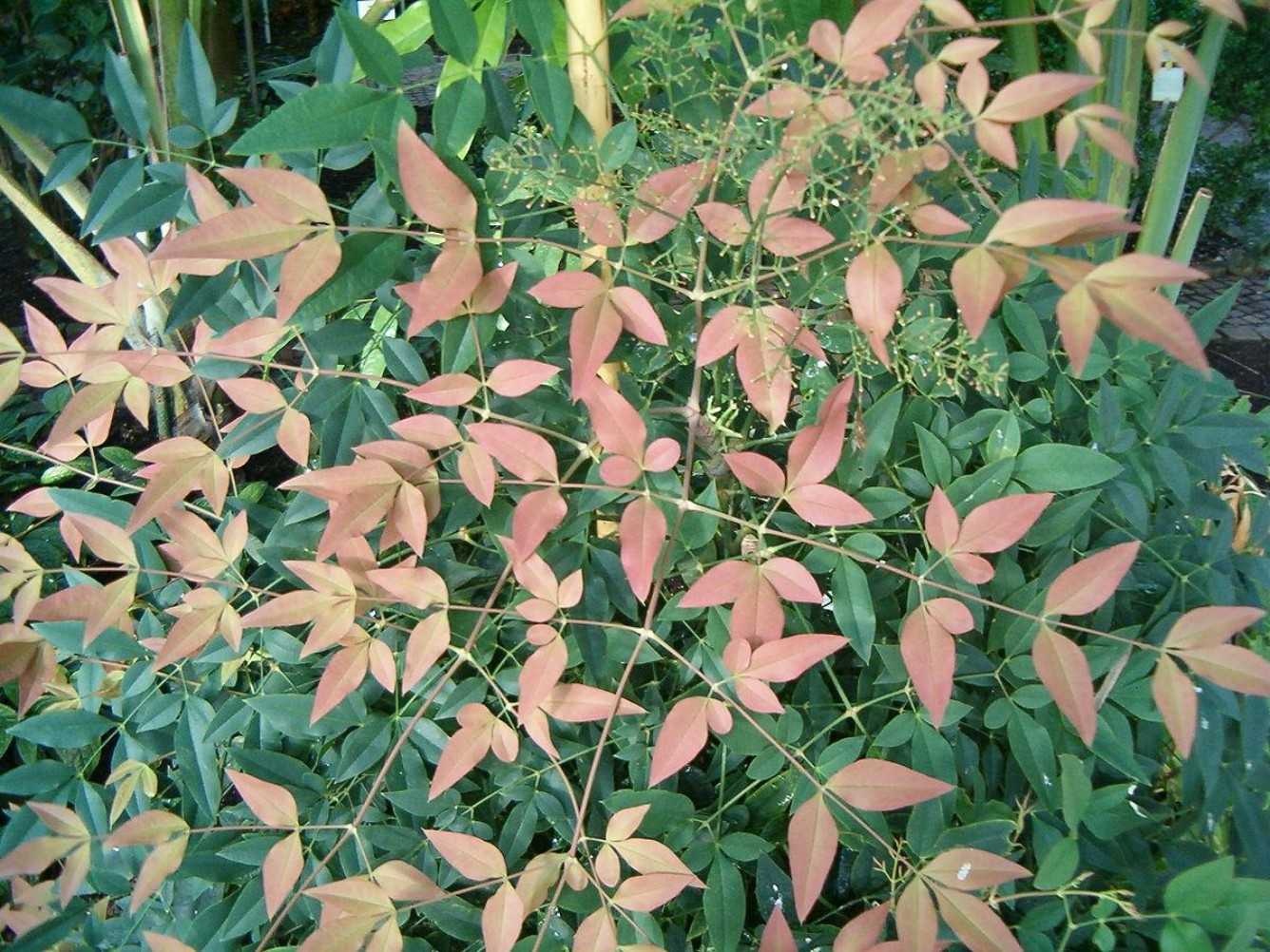
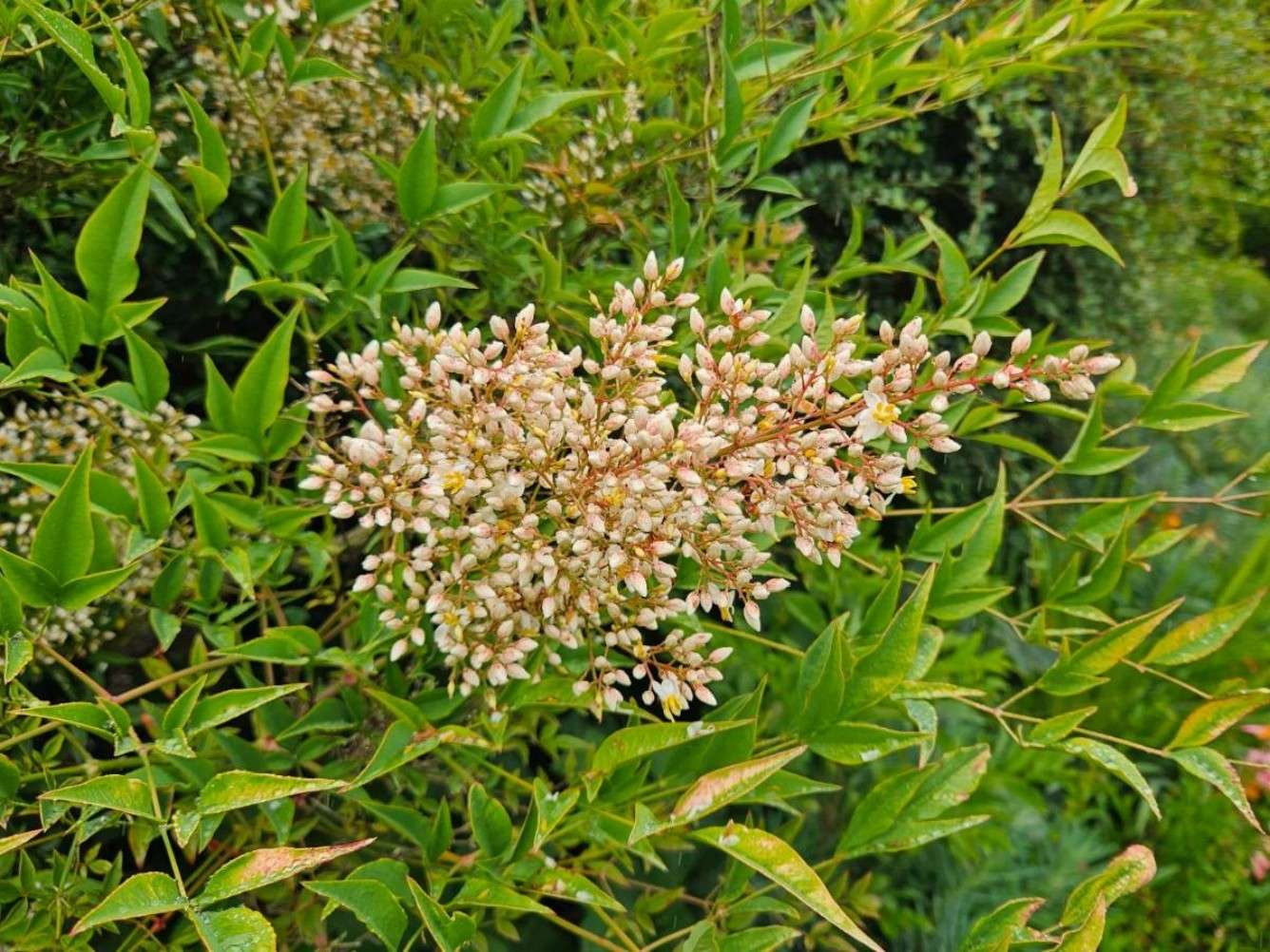
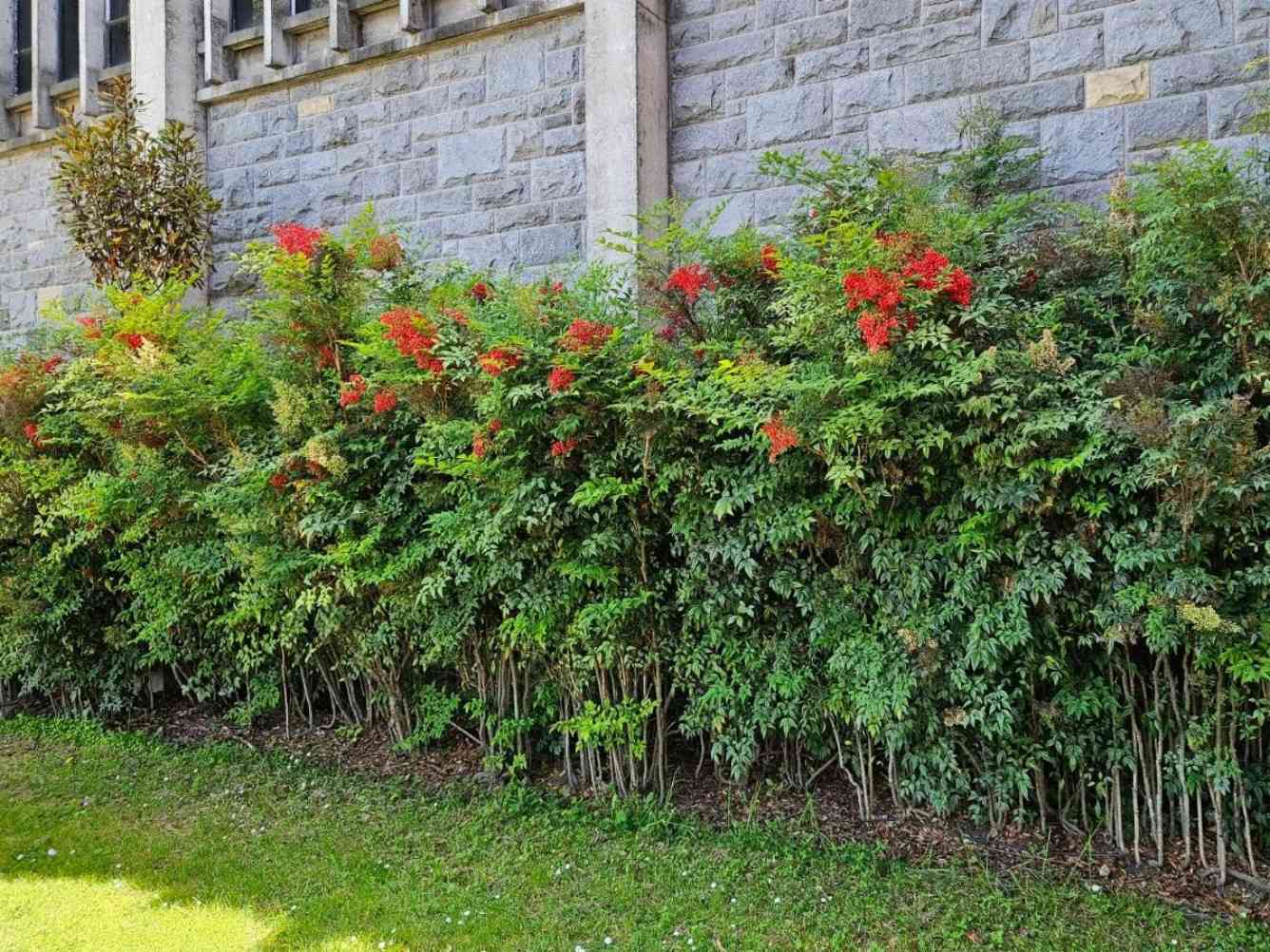
Nandina domestica is a versatile, evergreen shrub native to East Asia. Despite its common name, its not a bamboo but belongs to the Berberidaceae family. Its multi-stemmed growth habit and lacy, bamboo- foliage make it an attractive addition to landscapes. The leaves change color throughout the year, from pinkish-red when young, to green in summer, and fiery red in autumn and winter. It produces clusters of white flowers in spring, followed by bright red berries in the fall and winter. Prefers full sun to partial shade and well-drained soil, its drought-tolerant once established.
Popular Plant Encyclopedia
-
-
Poisonous and danger
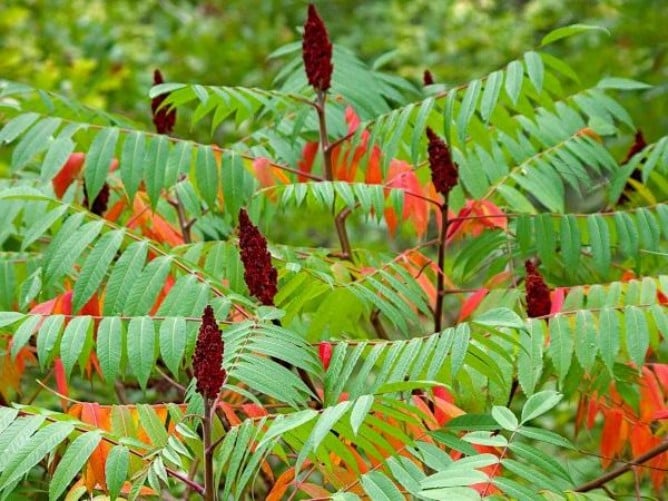
- Rhus typhina
-
-
-
Edible and medicinal
- Common sunflower
-
-
-
Poisonous and danger
- Plumeria rubra
-
-
-
Wild and common weed
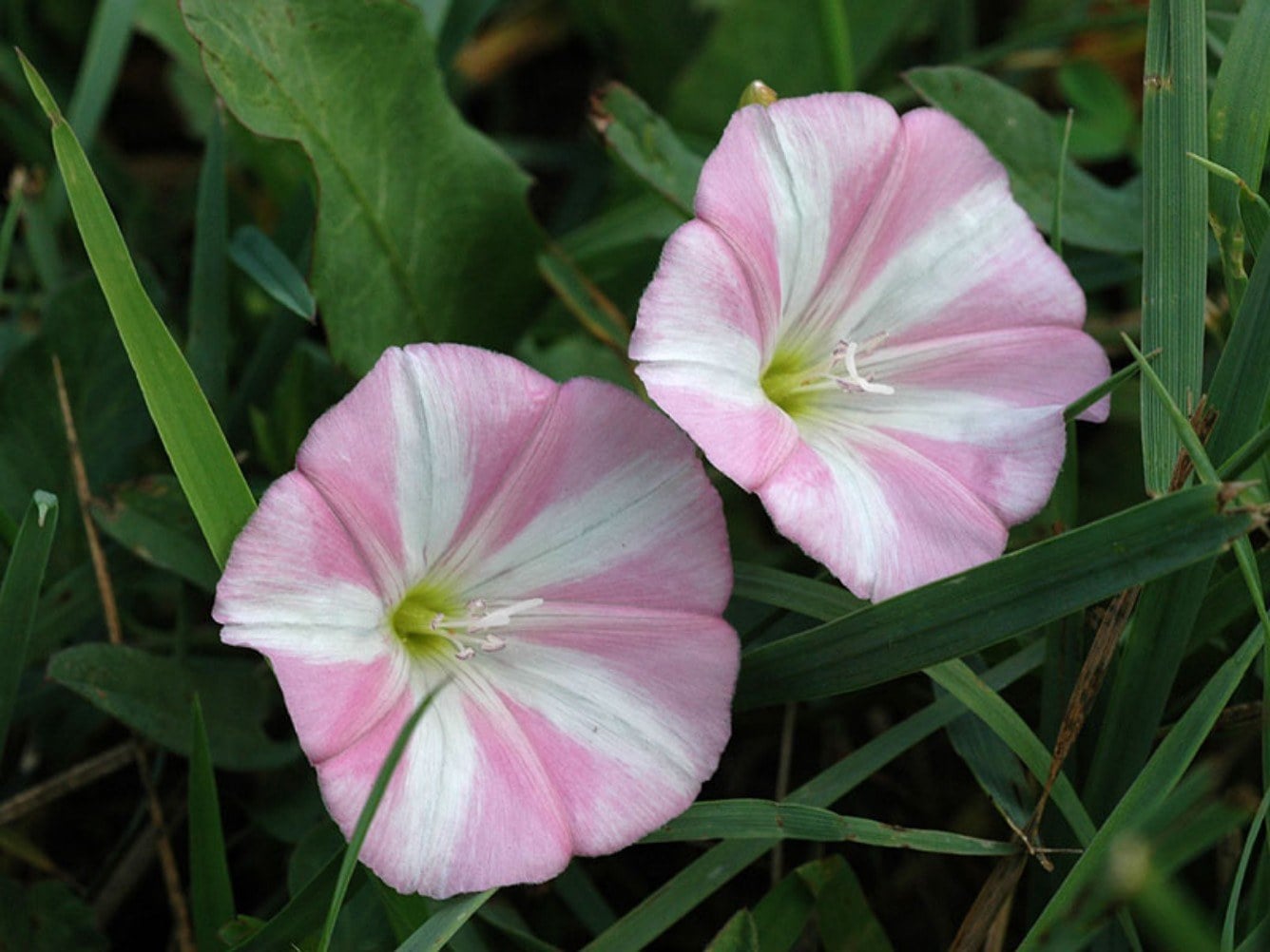
- Convolvulus arvensis
-
-
-
Edible and medicinal
- Perilla frutescens
-
-
-
Edible and medicinal
- Pogostemon cablin
-
-
-
Edible and medicinal
- Common fenugreek
-
-
-
Edible and medicinal
- Garden Thyme
-

 Edible and medicinal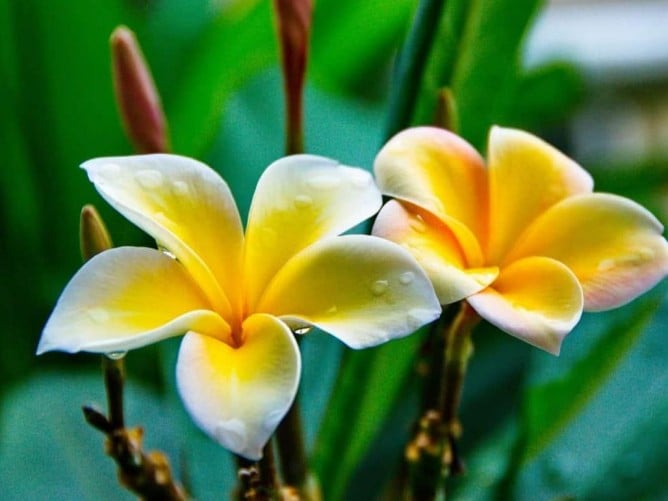
 Wild and common weed
Advertisement