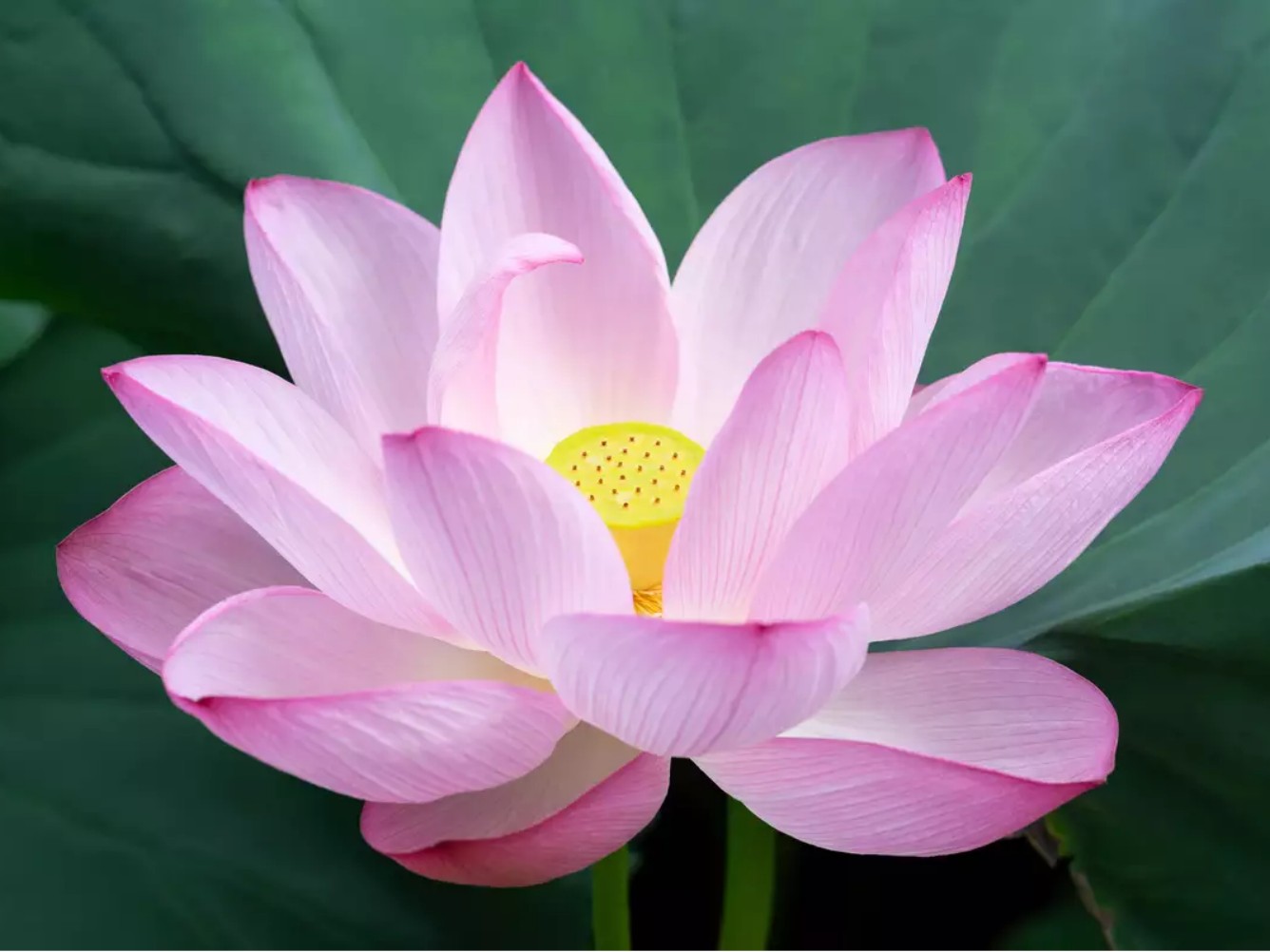
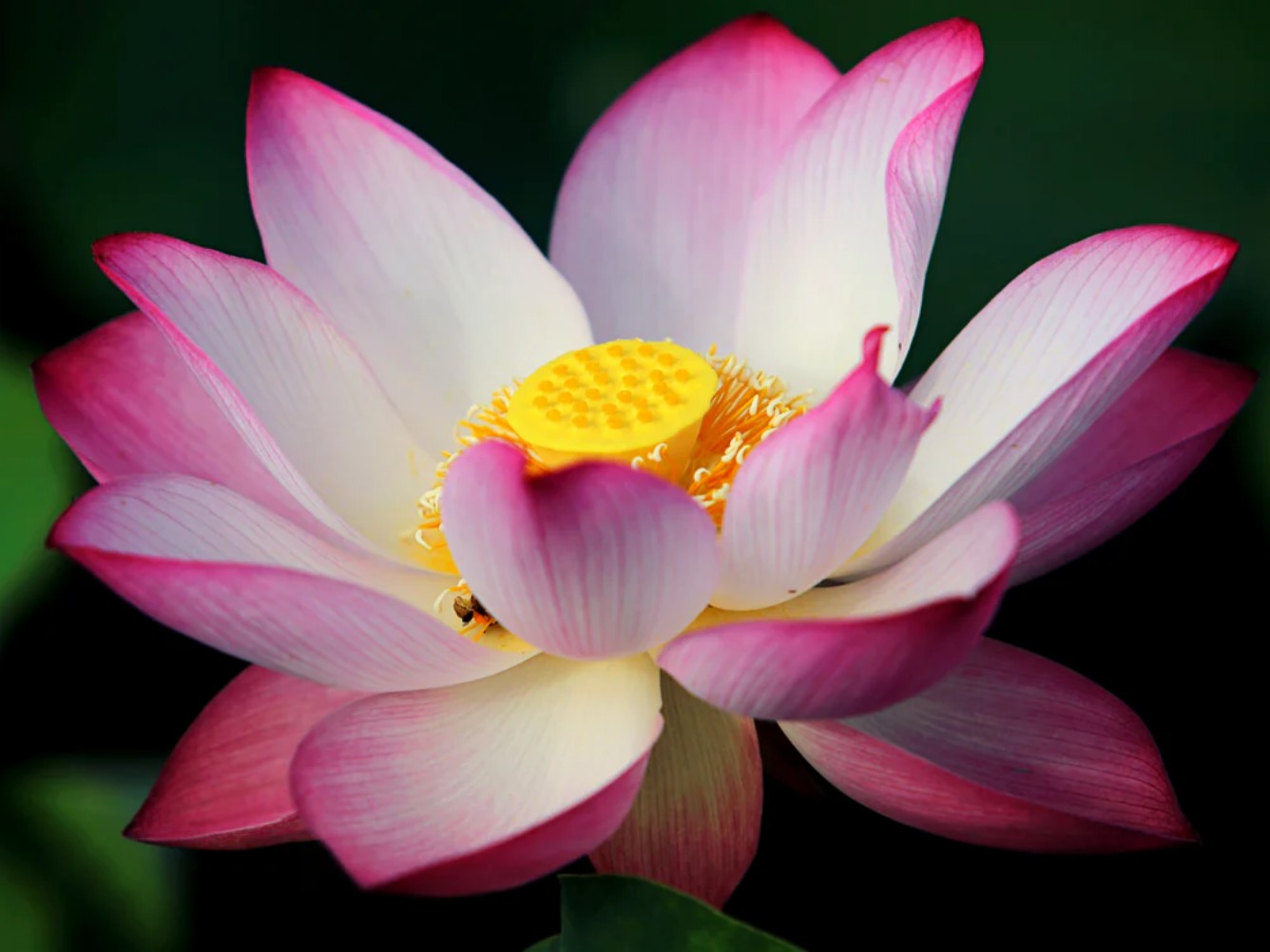
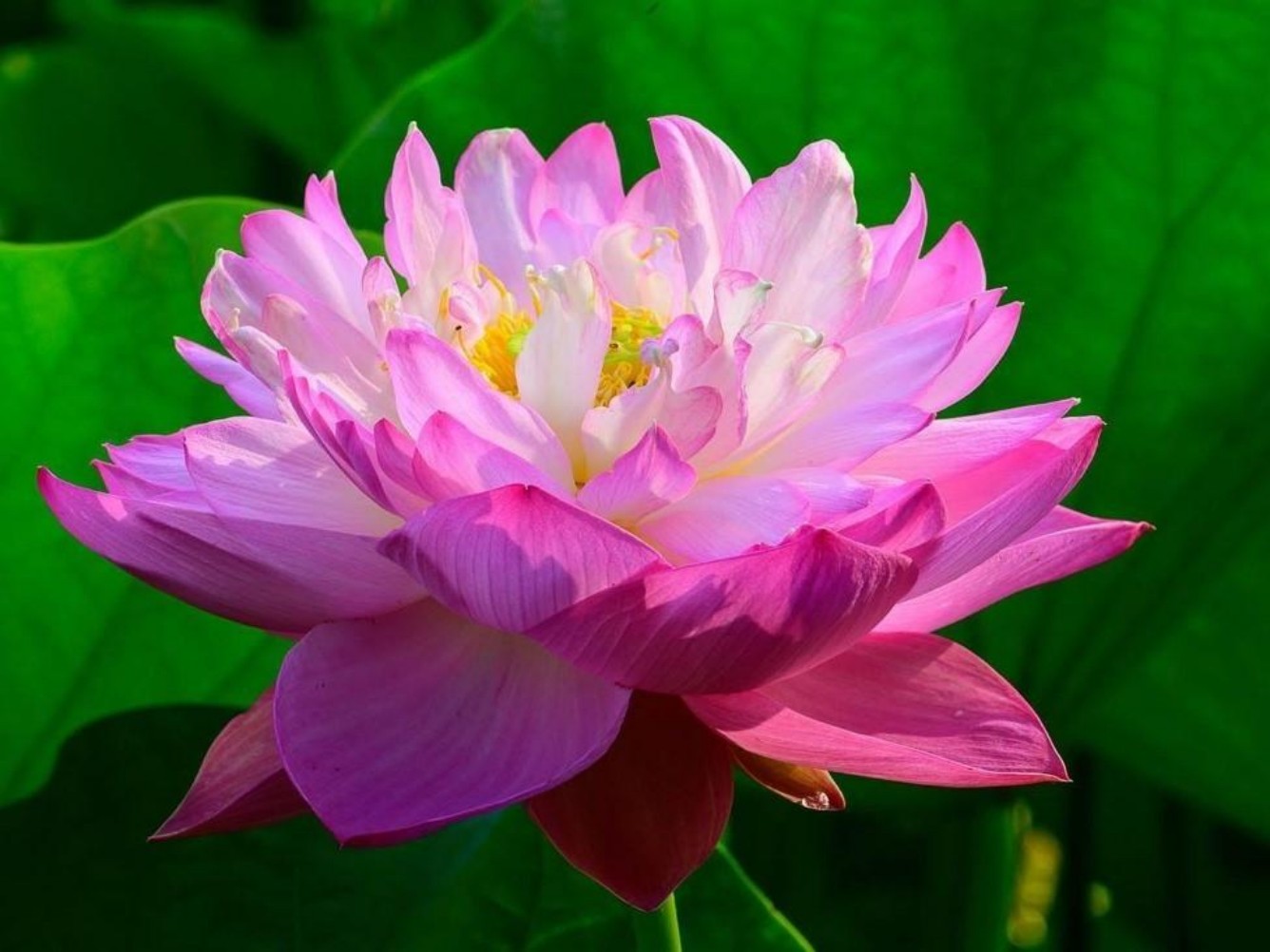
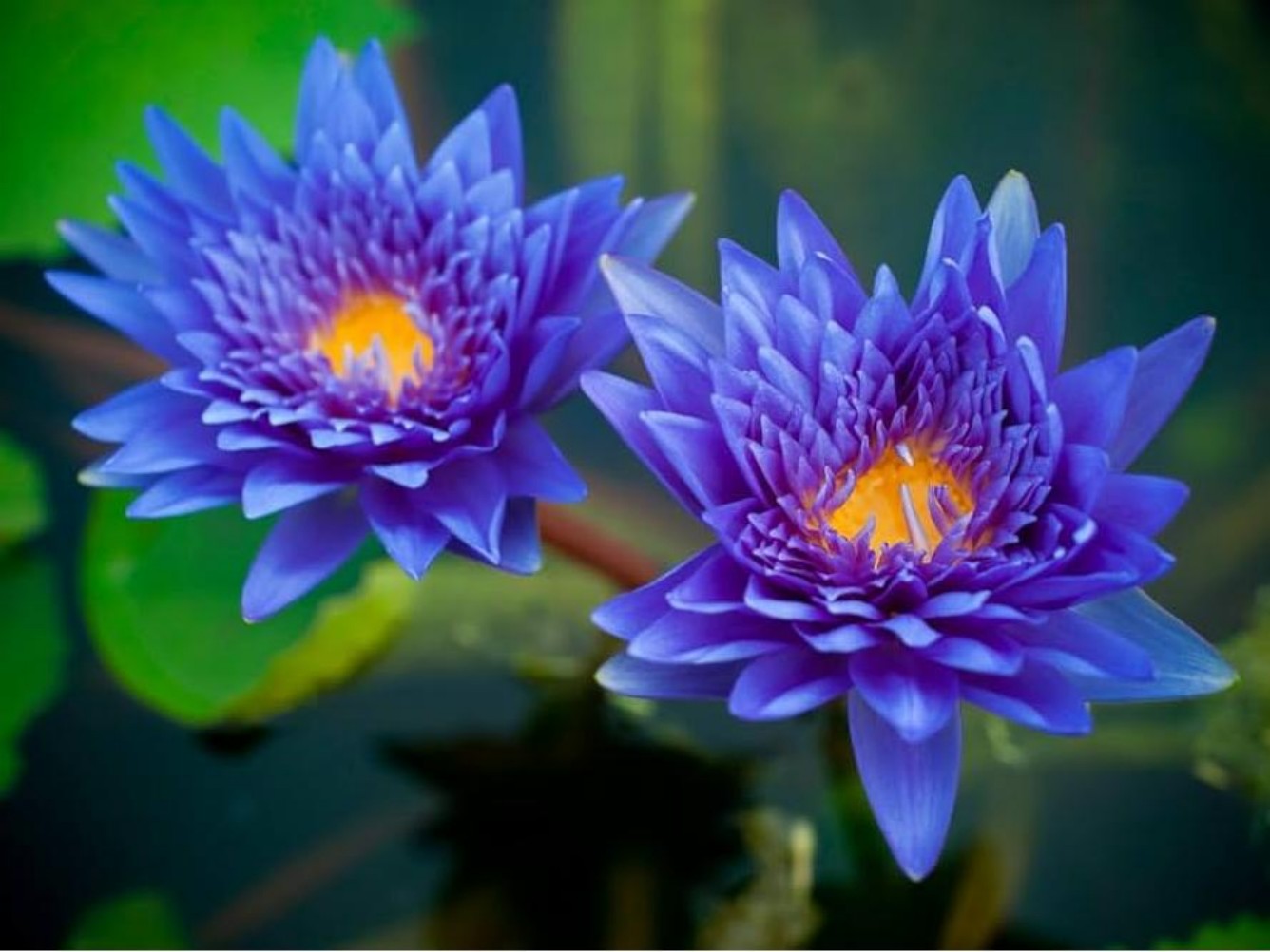
Nelumbo nucifera
-
 Ornamental and lands
 - Also known as: lotus, water hibiscus, hibiscus flower
 Ornamental and lands
Nursing Skills
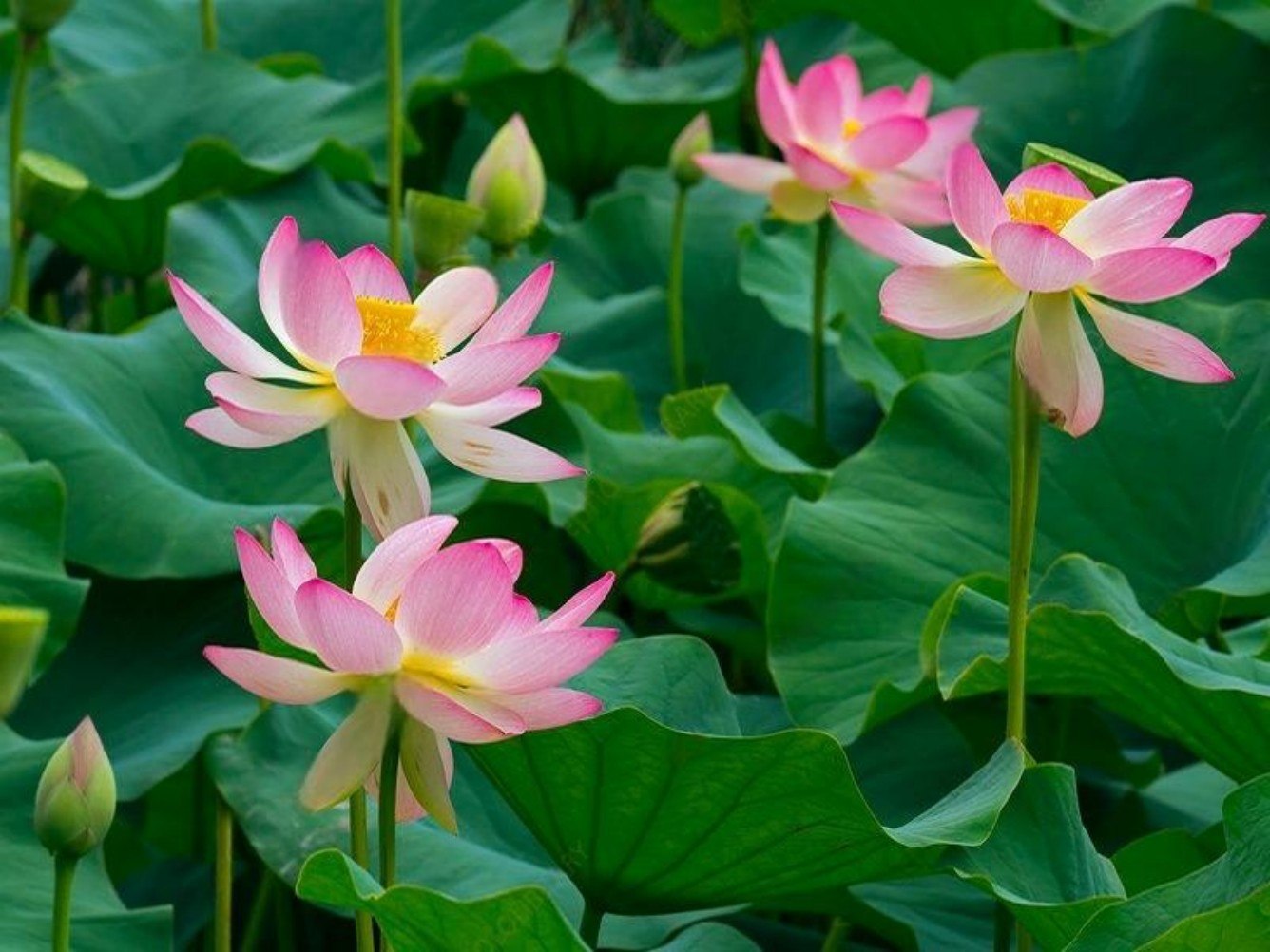
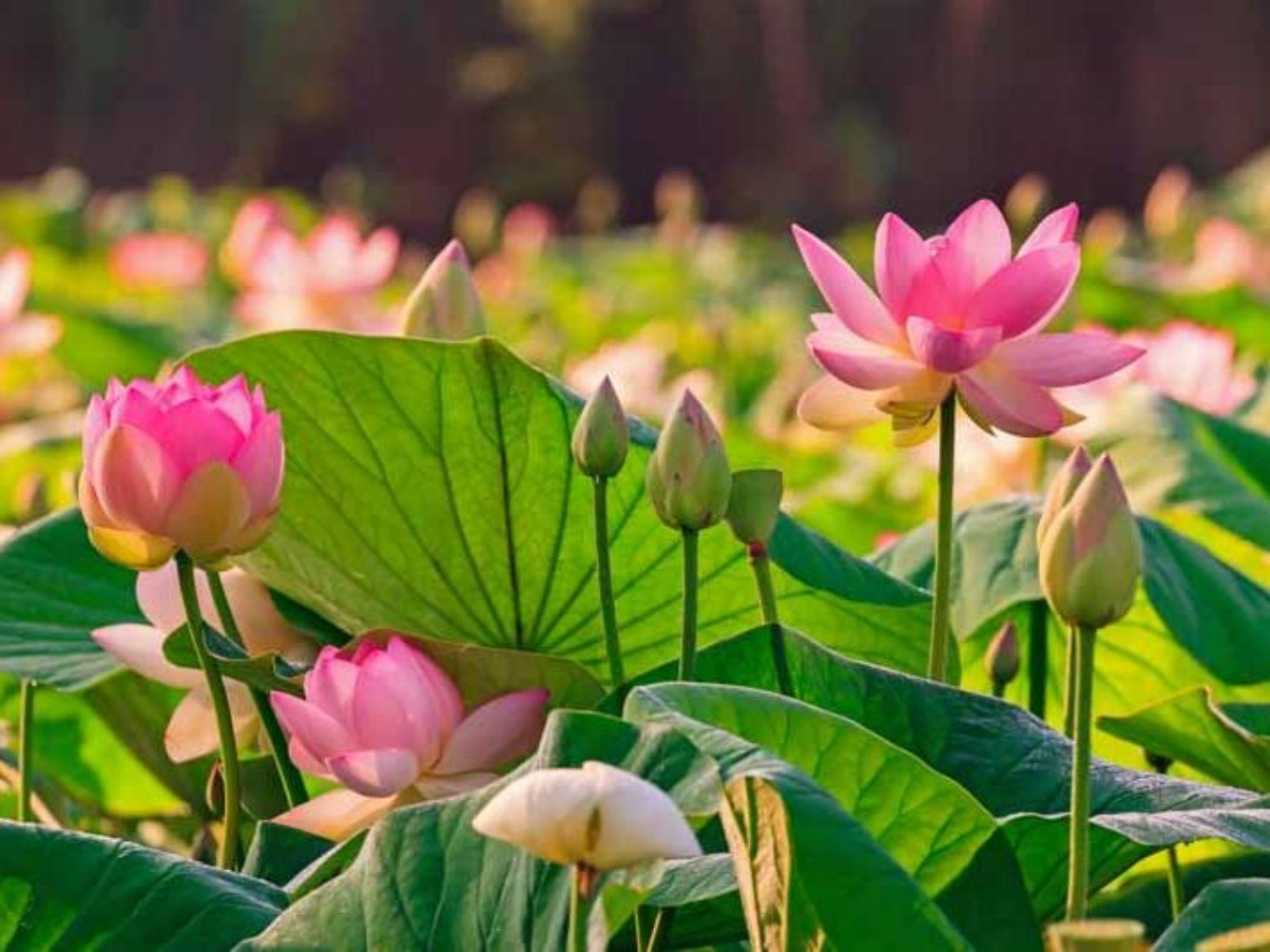
Nelumbo nucifera is a warm and sunny environment and is sui for growing in still water or slow-flowing water. Keep the water clean and the water depth generally maintained at 20-40 cm to help the root system develop. Apply fertilizer in spring and summer to promote growth and flowering. Be careful to avoid strong winds and low temperatures. In winter, keep the lotus roots at the bottom of the water to avoid freezing. Clean up dead leaves regularly to prevent diseases and pests.
Advertisement
Plant Properties
-
- Toxicity
- non-toxic
-
- Family
- Nelumbonaceae, Nelumbo
-
- Plant type
- perennial aquatic herb
-
- Flowering season
- summer (June to September)
-
- Fruit season
- July to September
-
- Flower color
- pink, white, yellow and other colors
-
- Leaf shape
- large round leaves with long stalks
-
- Edible properties
- lotus roots, lotus seeds, and petals are all edible
Plant Care Requirements
-
Difficulty of care
medium
-
Light requirements
6 hours of direct sunlight
-
Soil pH
slightly acidic to neutral soil of 6.5 to 7.5
-
Growing environment
planted in 20 to 40 cm of still water
-
Fertilization requirements
fertilize once a month during the growing season
-
Reproduction method
propagation by underground lotus roots or seeds
Advertisement
Plant Care Guide
-
What to do if lotus does not bloom?
Insufficient light and insufficient nutrientsThe lotus may not bloom due to insufficient light, inappropriate water depth or improper fertilization. The solution is to move the plant to a sunny location, keep the water depth at 15-30 cm, and apply phosphorus and potassium fertilizers to promote flowering. It is also necessary to keep the soil fertile, avoid excessive fertilizer concentration, control the water temperature above 20℃, and create a good growth environment.
-
What should I do if the lotus pond water stinks?
Avoid over-fertilization and leaf rot and clean it regularlyThe stinking of the pond water is mostly caused by eutrophication and hypoxia of the water body. The solution is to regularly replace part of the pond water, maintain fluidity, increase aeration devices or plant aquatic plants to assist purification. Avoid over-fertilization and leaf rot, and clean the silt at the bottom of the pond. Reasonably control the temperature and transparency of the water body to prevent algae outbreaks.
-
What should I do if there are insect pests on the lotus leaves?
Spray insecticides in timeCommon pests on the leaves are aphids, thrips, etc., which harm the leaves. The solution is to spray low-toxic aquatic plant-specific pesticides in time, or use soapy water and chili water for natural prevention and control. Keep the pond clean and reduce the breeding environment of pests. Check the plants regularly, and deal with pests in time to prevent them from spreading.
-
What's the matter with the wilting lotus leaves?
Lack of water or high temperatureThe wilting of leaves may be caused by lack of water or high temperature. The solution is to check the water level, add appropriate amount of water, and keep the water surface stable. In summer, shade should be provided to prevent leaves from being burned. Keep the water clean and avoid water accumulation and deterioration. Timely ventilation and water change will help the lotus to recover.
-
What should I do if the lotus grows slowly?
Insufficient light, lack of nutrients or low water temperatureSlow growth may be caused by insufficient light, lack of nutrients or low water temperature. Increase the sunshine time and keep more than 6 hours of sunlight per day. Apply organic fertilizer in time to supplement nitrogen, phosphorus and potassium nutrients. Ensure that the water temperature is maintained above 20℃, improve the fertility of the substrate, and promote healthy growth.
-
How to choose a suitable container for planting lotus?
Large diameter and moderate depthWhen planting lotus, you need to choose a container with a large diameter and moderate depth to ensure that the root system has enough space to grow. The container material can be ceramic, plastic, etc., but it should not seep water. It is best not to have drainage holes at the bottom of the container to store water. Choose a container of appropriate size according to the variety of lotus planted. Small varieties such as bowl lotus can use smaller containers, while large varieties require larger pots.
Advertisement
Frequently Asked Questions
-
1 What should I do if the lotus only grows leaves but does not produce lotus roots?
The formation of lotus roots requires a certain growth cycle and suitable environmental conditions. Ensure that the plant grows strong, has sufficient light, and applies sufficient phosphorus and potassium fertilizers to promote the growth of underground stems. Choose varieties suitable for producing lotus roots. Some varieties are mainly for viewing flowers and have weak lotus root production ability. Give the plant sufficient growth space. If the pot is too small, it will limit the growth of lotus roots.
-
2 What should I do if the lotus pods produced by the lotus are empty and the lotus seeds are not full?
The development of lotus seeds requires sufficient nutrients and suitable pollination conditions. Artificial assisted pollination can be carried out during the flowering period to increase the fruiting rate. Ensure sufficient light and water supply to provide the necessary conditions for the growth of lotus seeds. During the development period of the lotus pods, phosphorus and potassium fertilizers can be applied appropriately to promote the fullness of lotus seeds. Avoid pests and diseases from invading the lotus pods and affecting the normal development of lotus seeds.
-
3 What are the ways to reproduce lotus?
Lotus mainly reproduces by seeds and rhizomes. When propagating by seeds, lotus seeds have a hard shell and strong vitality, and can be preserved for a long time even in harsh environments. After the lotus seeds are sown, they will sprout and take root, and gradually grow into new plants. Rhizome propagation uses the underground stems of lotus, which are lotus roots. New buds will grow on the lotus nodes, and these new buds can develop into new lotus plants under a suitable environment. This is also an important way for lotus to be widely distributed in the natural environment.
-
4 Does lotus have edible and medicinal value?
Many parts of lotus have edible value. Lotus seeds can be cooked into porridge, stewed soup, and made into desserts, which can nourish the heart and calm the mind, benefit the kidneys and astringe the essence; lotus roots can be mixed and stewed, which can aid digestion and enhance immunity. Lotus has the effects of promoting blood circulation and stopping bleeding, removing dampness and eliminating wind; lotus seed heart clears heart fire and calms liver fire, which is suitable for restlessness and insomnia; lotus leaves clear heat and relieve summer heat, cool blood and stop bleeding, and have the effect of losing weight and reducing fat.
Advertisement
Introduction
Nelumbo nucifera is a perennial herbaceous plant that grows in water and belongs to the family Nelumbo. It is famous for its large, round floating leaves and beautiful flowers, which are mostly pink or white, with layers of petals and rich ornamental value. Lotus is not only an important part of waterscape, but also has profound cultural symbolic meaning, such as purity and sacredness in Buddhism.
Popular Plant Encyclopedia
-
-
Poisonous and danger
- Rhus typhina
-
-
-
Edible and medicinal
- Common sunflower
-
-
-
Poisonous and danger
- Plumeria rubra
-
-
-
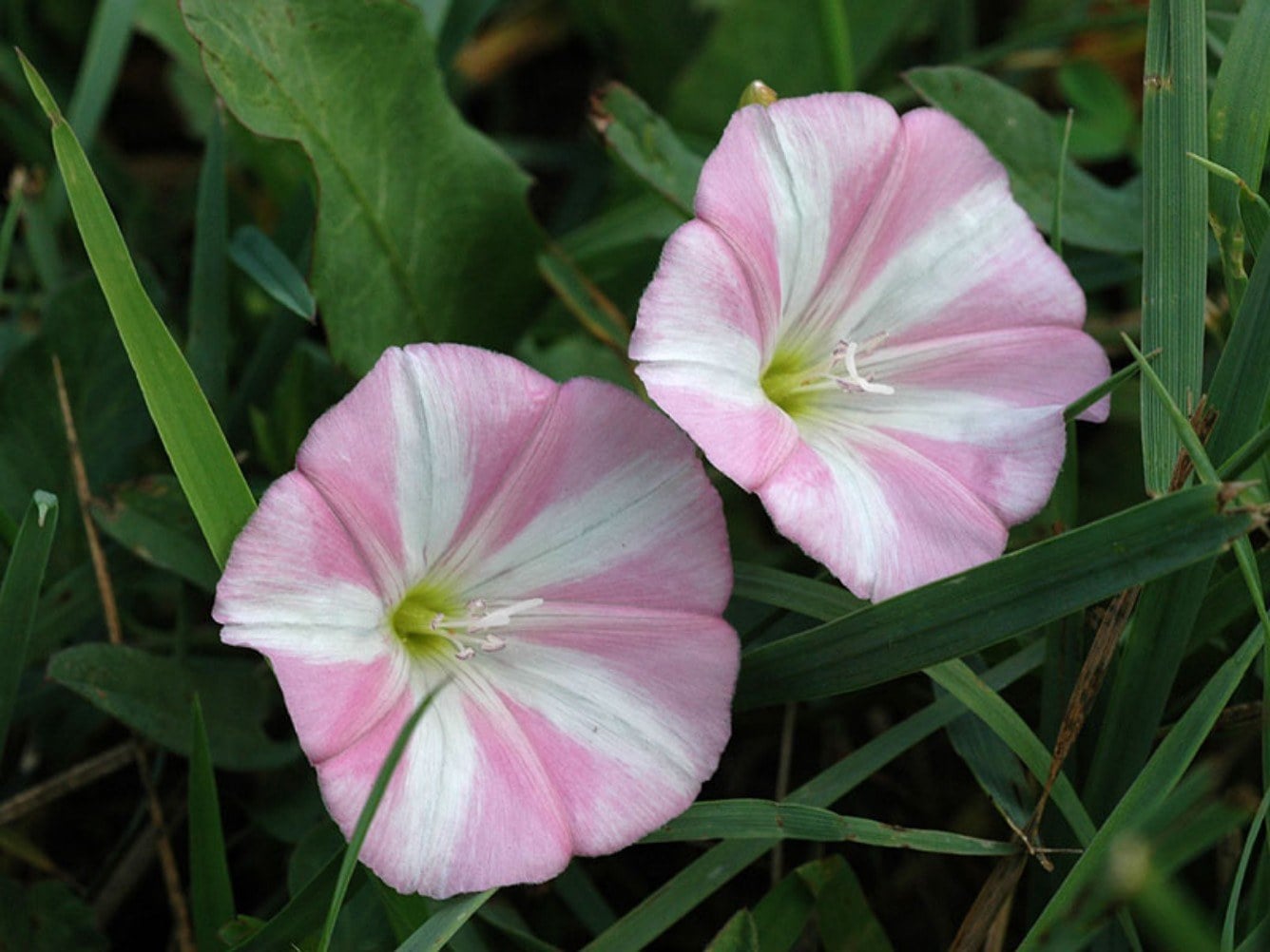
Wild and common weed
- Convolvulus arvensis
-
-
-
Edible and medicinal
- Perilla frutescens
-
-
-
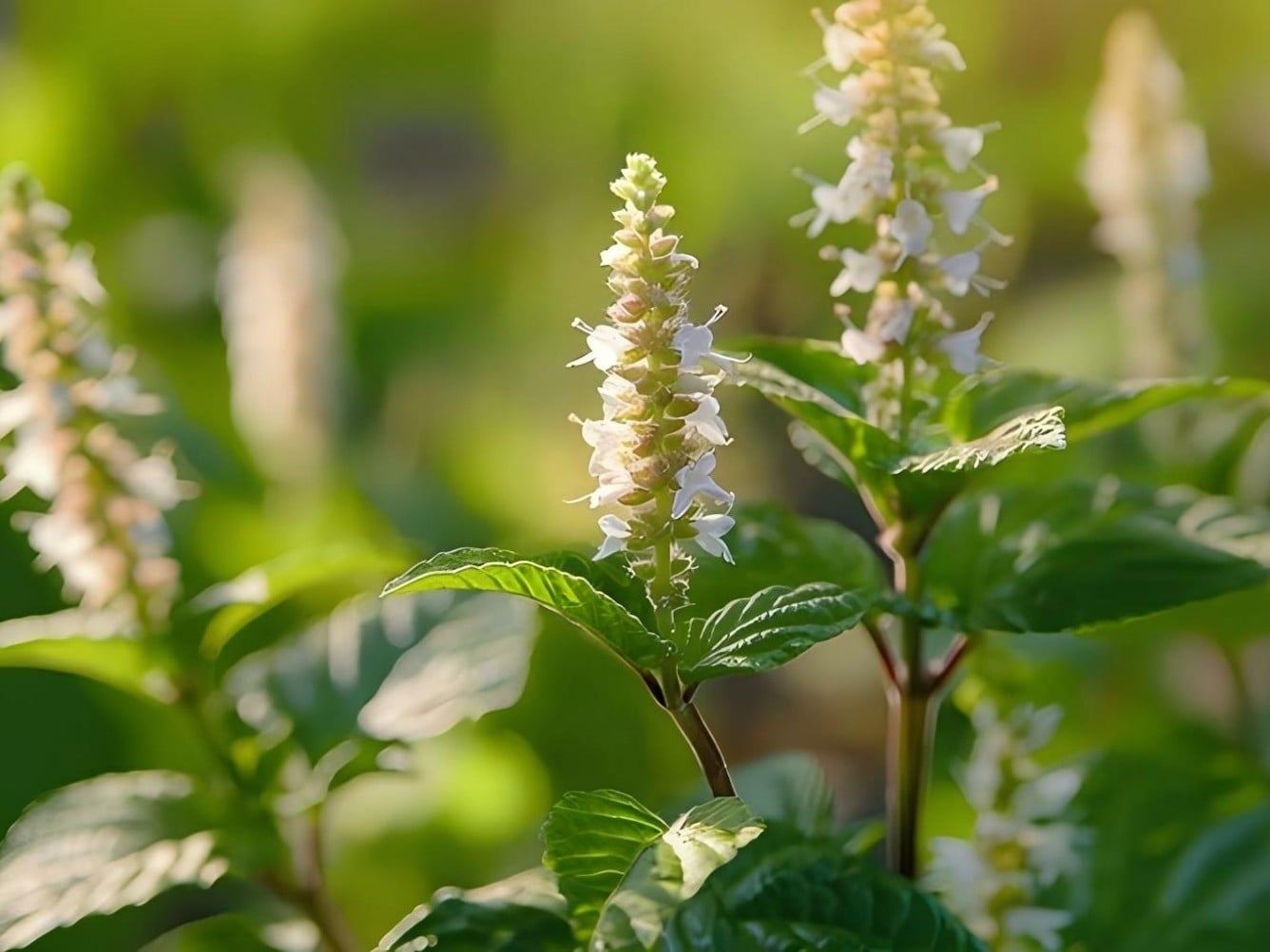
Edible and medicinal
- Pogostemon cablin
-
-
-
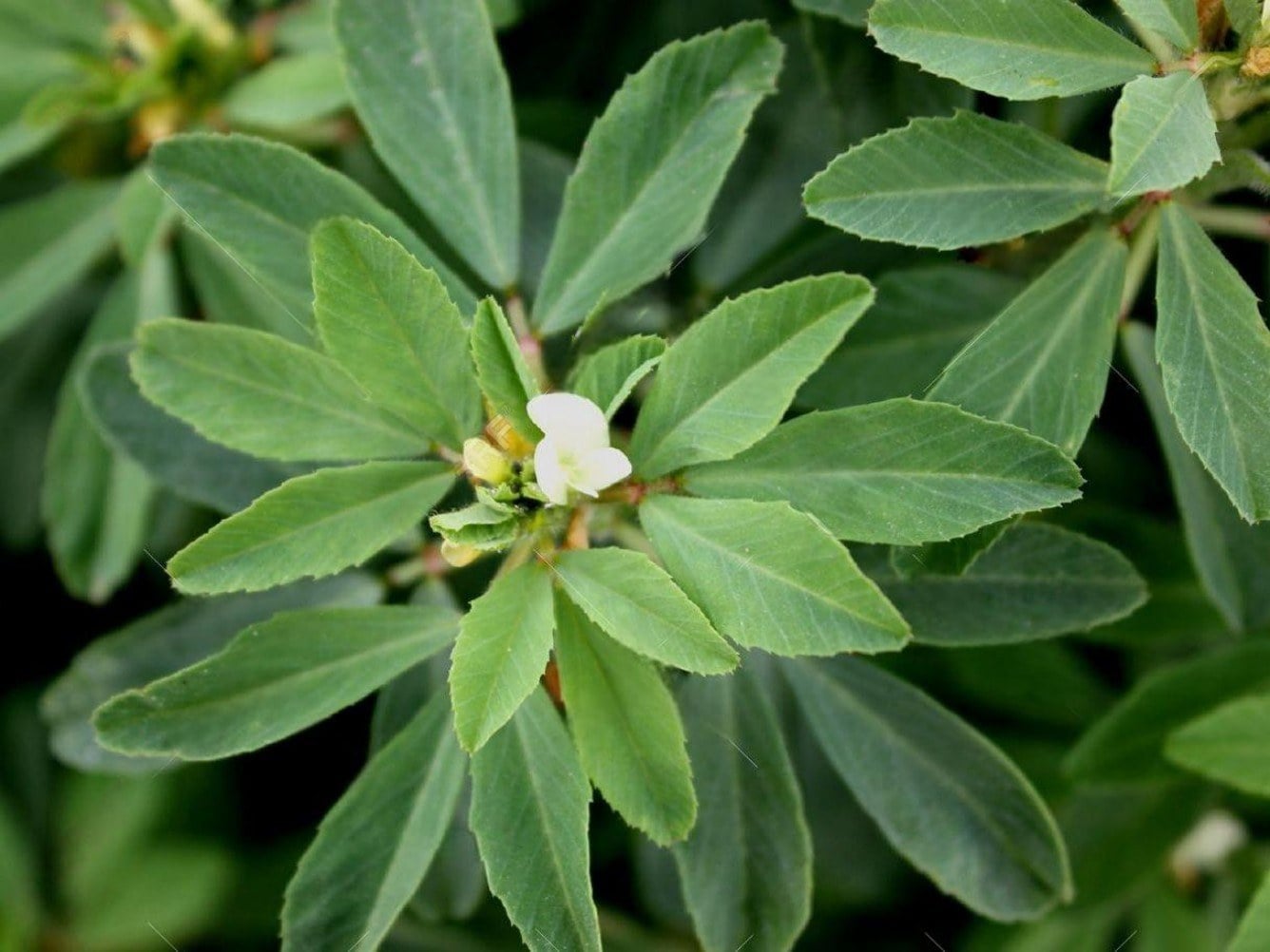
Edible and medicinal
- Common fenugreek
-
-
-
Edible and medicinal
- Garden Thyme
-
 Poisonous and danger
 Edible and medicinal
 Wild and common weed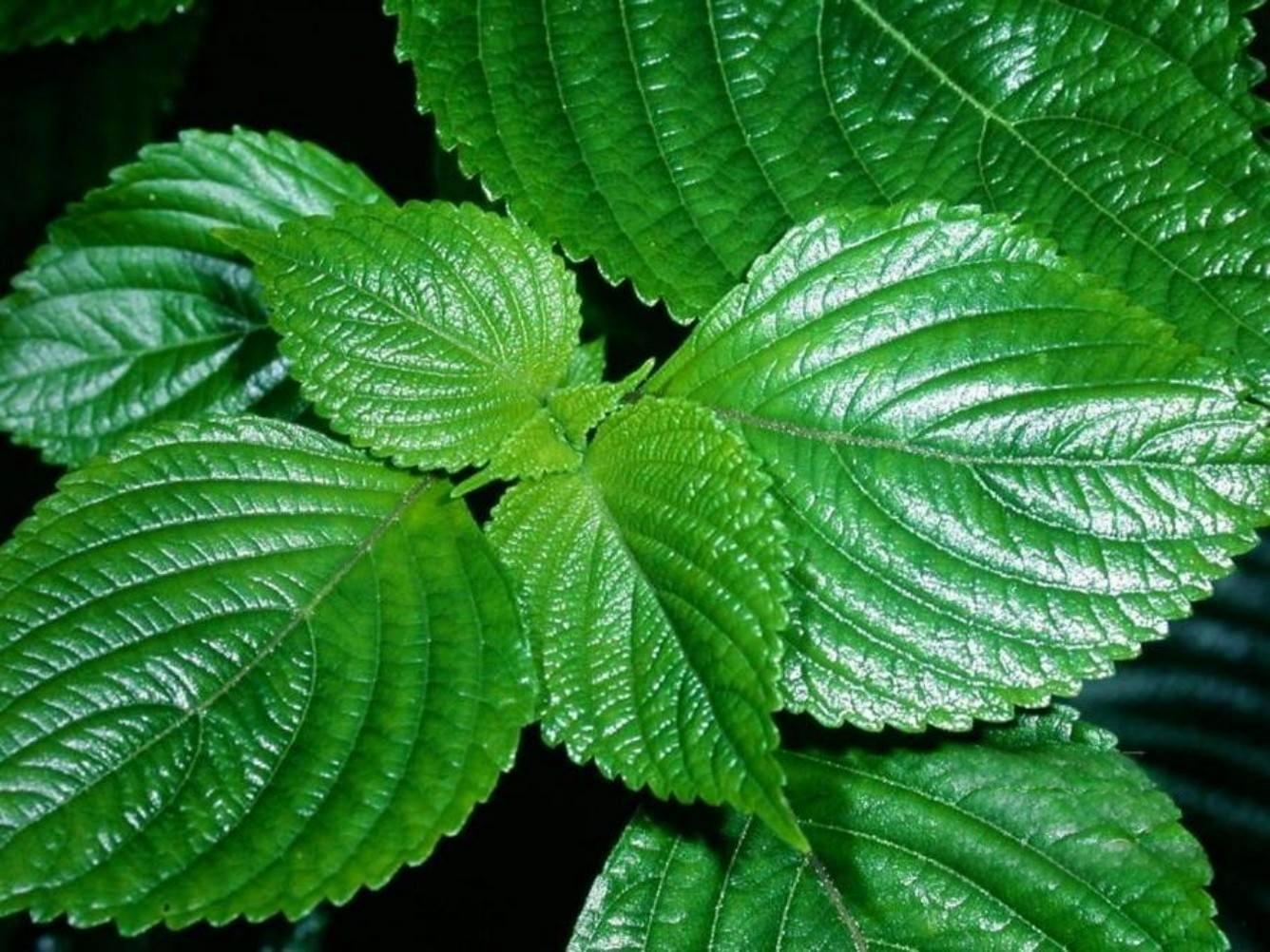
Advertisement