Nepeta cataria
-
 Poisonous and danger
 - Also known as: catnip, catmint
 Poisonous and danger
Nursing Skills
Plant Nepeta cataria in full sun with well-drained neutral to slightly alkaline soil. Water moderately; let soil dry between watering to avoid root rot. Trim overgrown stems regularly to boost bushy growth. It tolerates drought and poor soil. Cut back after flowering to encourage reblooming, and divide clumps every two years for vigorous growth.
Advertisement
Plant Properties
-
- Toxicity
- Humans
-
- Flower Color
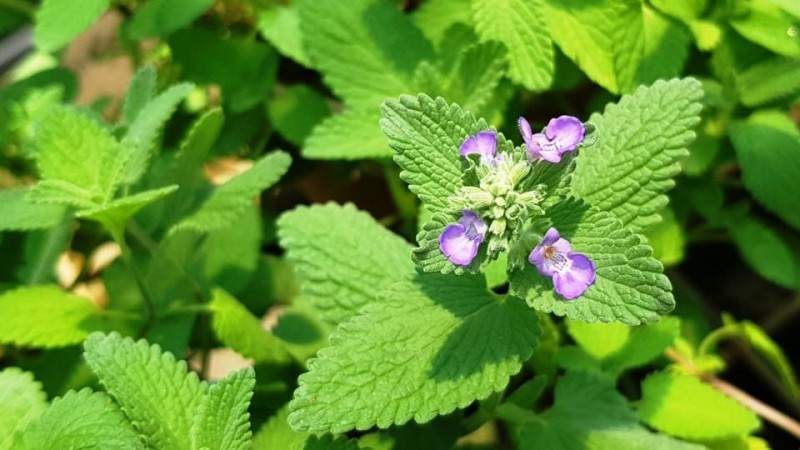
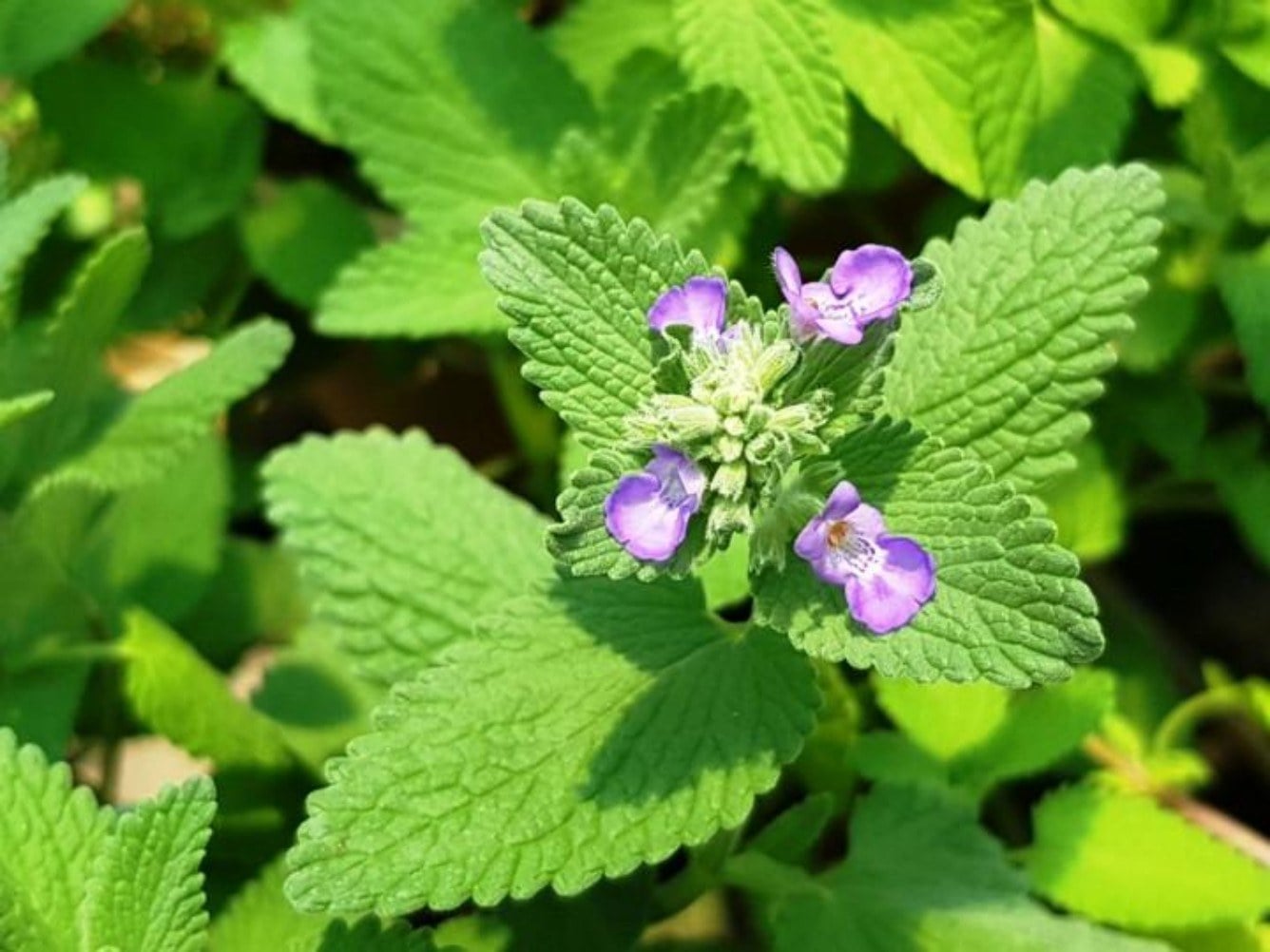
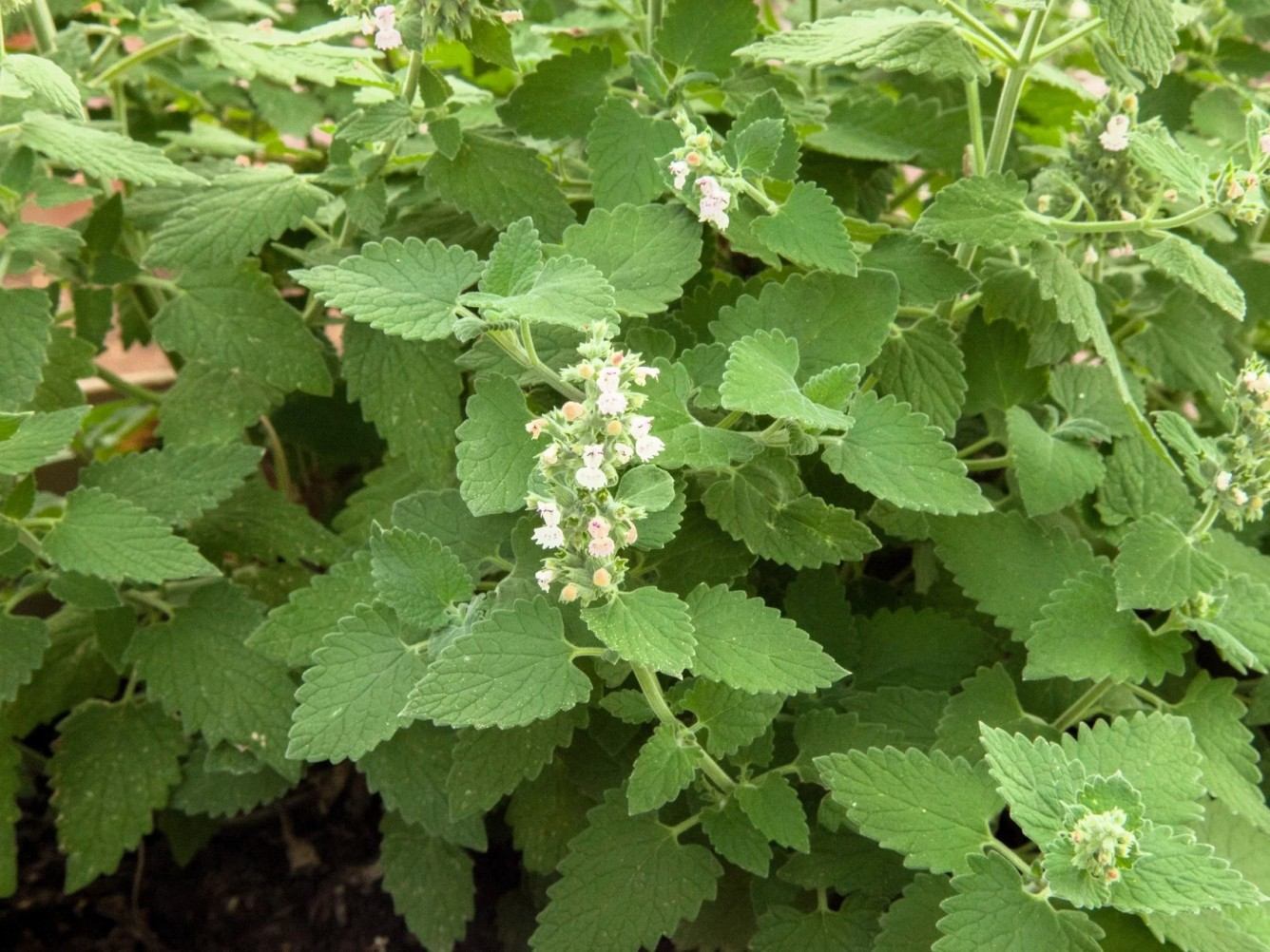
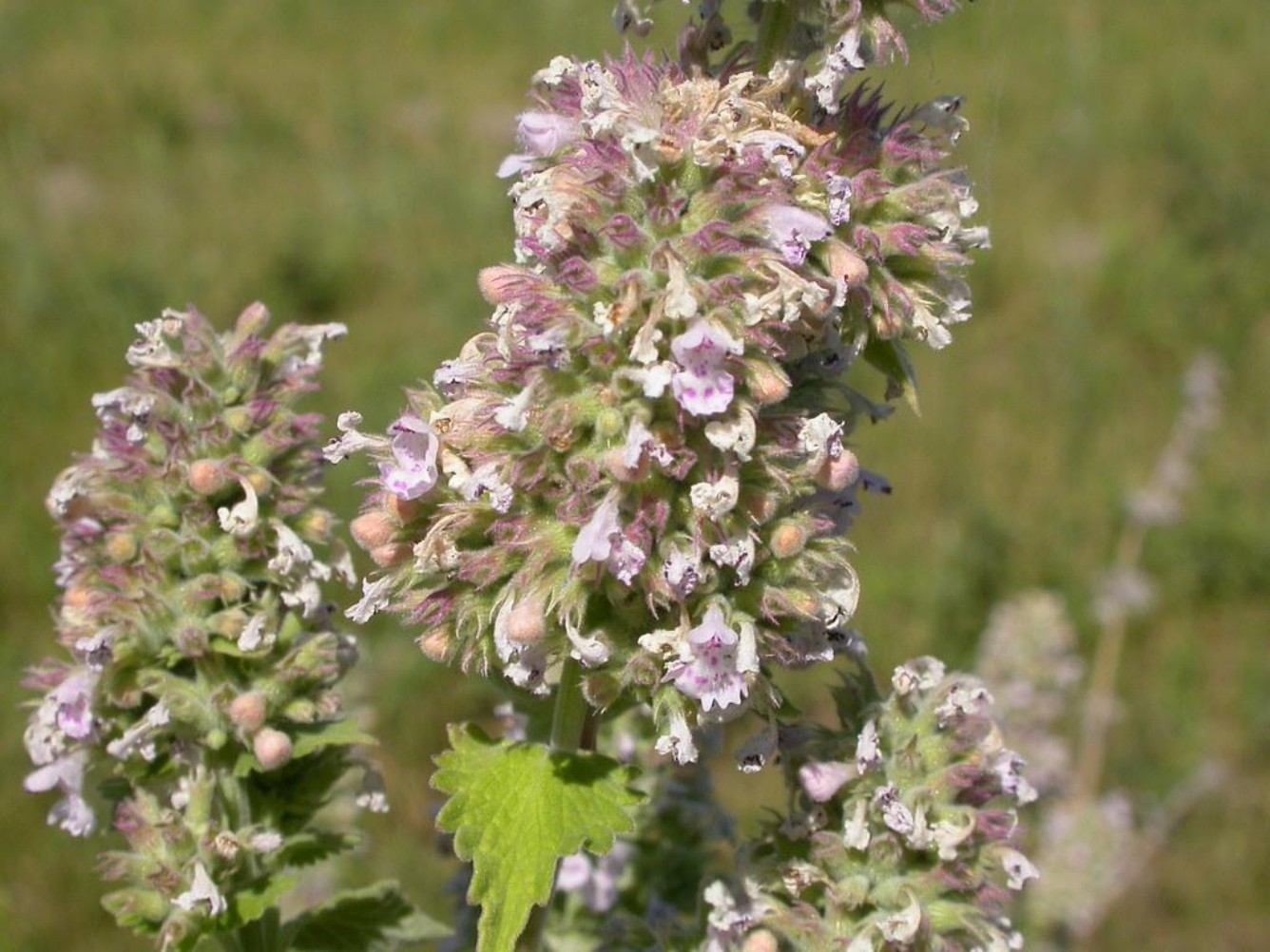
- White with small purple speckles
-
- Plant Type
- Perennial herb
-
- Leaf Type
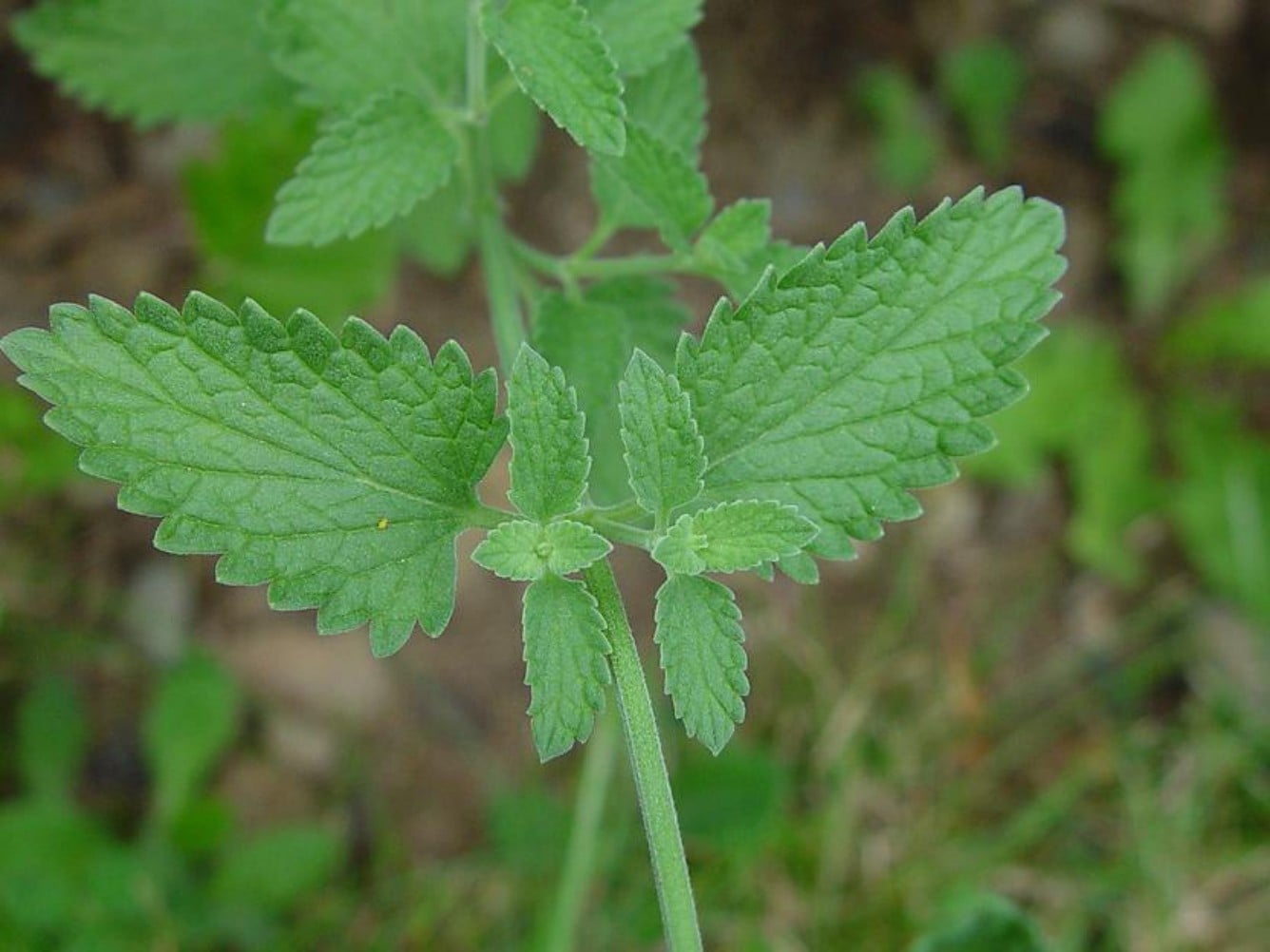
- Heart-shaped, fuzzy gray-green leaves
-
- Bloom time
- Late spring to early autumn
-
- Lifespan
- Multi-year perennial, long-lived
Plant Care Requirements
-
Difficulty Level
Very easy
-
Watering Schedule
Moderate, let soil dry out between waterings
-
Light Requirements
Full sun
-
Soil pH
Neutral to slightly alkaline
-
Planting Time
Spring or early fall
-
Hardiness Zones
3–9
-
Growth Rate
Fast
Advertisement
Plant Care Guide
-
What sunlight conditions does Nepeta cataria require for healthy growth and strong cat-attracting effects?
Nepeta cataria thrives best under full direct sunlight, requiring a minimum of 6–8 hours of unfiltered sun every single day throughout its growing season. When planted in partial shade, the plant grows thin, leggy branches with sparse foliage, and the production of nepetalactone—the volatile oil that excites cats—drops sharply, making the herb far less appealing to felines. Heavy shade will also suppress flowering and raise the risk of mold forming on its fuzzy leaves. You can grow it beside garden borders, open herb beds, or balcony planters with unobstructed southern exposure. If you only have mild dappled sunlight available, trim surrounding taller plants to open up light flow. Mature catnip can tolerate brief afternoon shade during extreme heatwaves, but prolonged low light will permanently weaken its vigor. Full sun also speeds up leaf oil accumulation; harvest sun-grown leaves for stronger cat toys or calming herbal tea. Rotate potted catnip weekly if placed on shaded balconies to evenly expose all sides of the plant to sunlight and avoid lopsided growth.
-
What is the correct watering routine for Nepeta cataria, and how to avoid root rot?
Water thoroughly every 4-6 daysCatnip is highly drought-tolerant once established and hates constantly soggy soil, so moderate, infrequent watering is the golden rule. For newly planted seedlings in spring, water deeply once every 4–6 days to help roots spread into surrounding soil; check that the top 1–2 inches of soil fully dry out before re-watering. Mature catnip only needs irrigation during extended heat spells with no rain, roughly once every 10–14 days. Always water slowly at the base of the stems instead of spraying leaves overhead—wet fuzzy foliage traps moisture and triggers powdery mildew. If your garden soil holds water easily, add coarse sand or gravel to the planting hole to boost drainage. In rainy seasons, clear away mulch piled against the stem base to prevent water pooling around roots. Overwatering is the most common killer of catnip; yellow lower leaves and wilting despite damp soil are clear signs of early root rot. Cease watering immediately and loosen topsoil to speed moisture evaporation to save the plant.
-
What soil pH and soil texture work best for growing Nepeta cataria successfully?
Ph 6.6-7.5Nepeta cataria prefers neutral to slightly alkaline soil with a pH range of 6.6 to 7.5, though it can adapt to mild acidity short-term. Unlike acid-loving garden herbs, catnip struggles in highly acidic ground, which slows nutrient uptake and stunts leaf production. Test your garden soil before planting; if pH sits too low, mix a small amount of garden lime into the topsoil to raise alkalinity gently. In terms of texture, loose, well-draining loam or sandy soil delivers optimal results. Heavy compacted clay retains too much water, leading to root rot, so amend clay soil with compost and grit to open air pockets. The plant does not need overly rich, nutrient-dense soil—excess nitrogen creates soft, weak growth prone to pest damage. Avoid thick layers of moisture-locking peat moss around its root zone. For container cultivation, use standard potting mix blended with perlite to improve drainage. Well-drained, moderately alkaline soil lets catnip produce abundant aromatic foliage and continuous blooms from late spring through early fall.
-
When is the ideal planting time for Nepeta cataria, and how to transplant seedlings without shock?
The last frost in early spring 4-6 weeks before the first frost in early autumnThe two prime planting windows for Nepeta cataria are early spring after the last frost passes, and early autumn around 4–6 weeks before the first predicted freeze. Spring planting gives seedlings the full warm growing season to build strong root systems before winter dormancy, making it the most reliable choice for beginners. Fall planting works well in mild hardiness zones 6–9, as cooler temperatures reduce transplant stress and let roots settle before summer heat arrives. Never plant during mid-summer peak heat; intense sun paired with high temperatures causes rapid leaf wilting and often kills young transplants. When moving nursery catnip into garden beds or pots, dig a hole twice as wide as the root ball to loosen surrounding soil. Keep the original root depth consistent—do not bury the base of the stems. Water thoroughly right after transplanting to settle soil around roots, and add a thin layer of dry straw mulch to lock moisture for the first two weeks. Shield new seedlings from harsh midday sun for 3–5 days if heatwaves strike to lower shock risk.
-
How and when should I prune Nepeta cataria to encourage bushy growth and repeated blooming?
Late SpringRegular trimming is essential to stop catnip from growing tall, spindly and sparse, and it directly triggers multiple flushes of flowers each year. The first light pruning happens in late spring, once seedlings reach 8–10 inches tall; pinch off the top growing tips of every stem to force lateral side branches to sprout, creating a full, bushy plant instead of a single tall stalk. After the first major bloom cycle finishes in mid-summer, perform a harder cutback: trim all stems down to half their original height. This removes spent flower heads, eliminates leggy growth, and stimulates fresh new leaf growth with high nepetalactone oil content. Throughout the growing season, pluck off any yellowed or damaged leaves to redirect energy to healthy foliage. Avoid heavy pruning in late autumn, as new tender growth will get damaged by incoming frost. Disinfect trimming shears between uses to prevent fungal spread. All trimmed fresh leaves can be dried for cat toys or homemade herbal tea without waste.
-
What hardiness zones can Nepeta cataria survive in, and how to protect it through cold winter months?
3–9Nepeta cataria is hardy across USDA zones 3 through 9, capable of surviving winter lows as cold as -34°C (-30°F) with proper seasonal care. In zones 7–9, catnip stays semi-evergreen through mild winters and requires minimal protection; simply cut back dead top growth once frost arrives. For colder zones 3–6, complete winter preparation prevents root freeze damage. After the first hard frost turns foliage brown, trim all stems down to 2–3 inches above the soil surface to clear dead material that holds ice and rot. Add a thick insulating layer of straw or dry leaf mulch over the root zone, covering the entire base of the plant to shield underground roots from freeze-thaw cycles. Potted catnip is far more vulnerable to cold than in-ground specimens; move planters into an unheated garage or covered porch once freezing temperatures hit. Avoid overwatering catnip during winter dormancy—moist soil combined with frost quickly rots dormant roots. Come early spring, pull back half the mulch to let new shoots emerge naturally as temperatures warm up.
Advertisement
Frequently Asked Questions
-
1 Why does my Nepeta cataria grow spindly with few leaves and weak cat-attracting effects?
Leggy, sparse catnip almost always stems from insufficient sunlight, paired with minor care missteps. Nepeta cataria requires a minimum of six to eight hours of full direct sunlight daily. If it sits under partial shade beside walls, shrubs or patio covers, the plant stretches upward to chase light, producing thin stems, small pale leaves, and drastically reduced nepetalactone—the essential oil that attracts cats. Even short daily shade will cut down oil production, making the herb far less stimulating for felines. Overly rich soil with excess nitrogen fertilizer worsens this issue, creating soft, floppy growth prone to leaning. To fix it, relocate the plant to an open, south-facing spot with unblocked sun exposure. Trim back all stretched, tall stems by half to trigger dense side branching. Cut back on high-nitrogen feeds; catnip thrives in moderately poor, well-drained soil. You can also add a thin layer of grit to the ground to firm weak root systems. Keep consistent light exposure through the whole growing season, and within four to six weeks, fresh bushy foliage rich in aromatic oils will regrow, restoring its signature effect on cats.
-
2 How can I prevent powdery mildew and root rot on my Nepeta cataria?
Powdery mildew and root rot are the two most widespread diseases affecting catnip, both caused by excess trapped moisture around leaves and roots. Powdery mildew forms a white dusty coating on fuzzy foliage when water lingers on leaves or air circulation is poor. Root rot develops in waterlogged, compacted soil after heavy rain or overwatering. To stop mildew, always water directly at the base of stems instead of spraying leaves; avoid watering late in the evening so surface moisture evaporates before nightfall. Space catnip plants at least 12 inches apart to boost airflow, and routinely prune dense inner branches to open up the canopy. For root rot prevention, amend clay-heavy soil with sand and compost before planting to improve drainage. Let the top one to two inches of soil fully dry out between watering sessions. Clear piled mulch from the stem base to stop water pooling around roots. If mildew already appears, spray diluted neem oil on affected leaves weekly. For early root rot, pause irrigation and loosen topsoil to speed evaporation; severely rotted plants should be removed to avoid spreading pathogens to surrounding herbs.
-
3 Is Nepeta cataria safe for cats and humans, and how do I properly harvest its leaves for use?
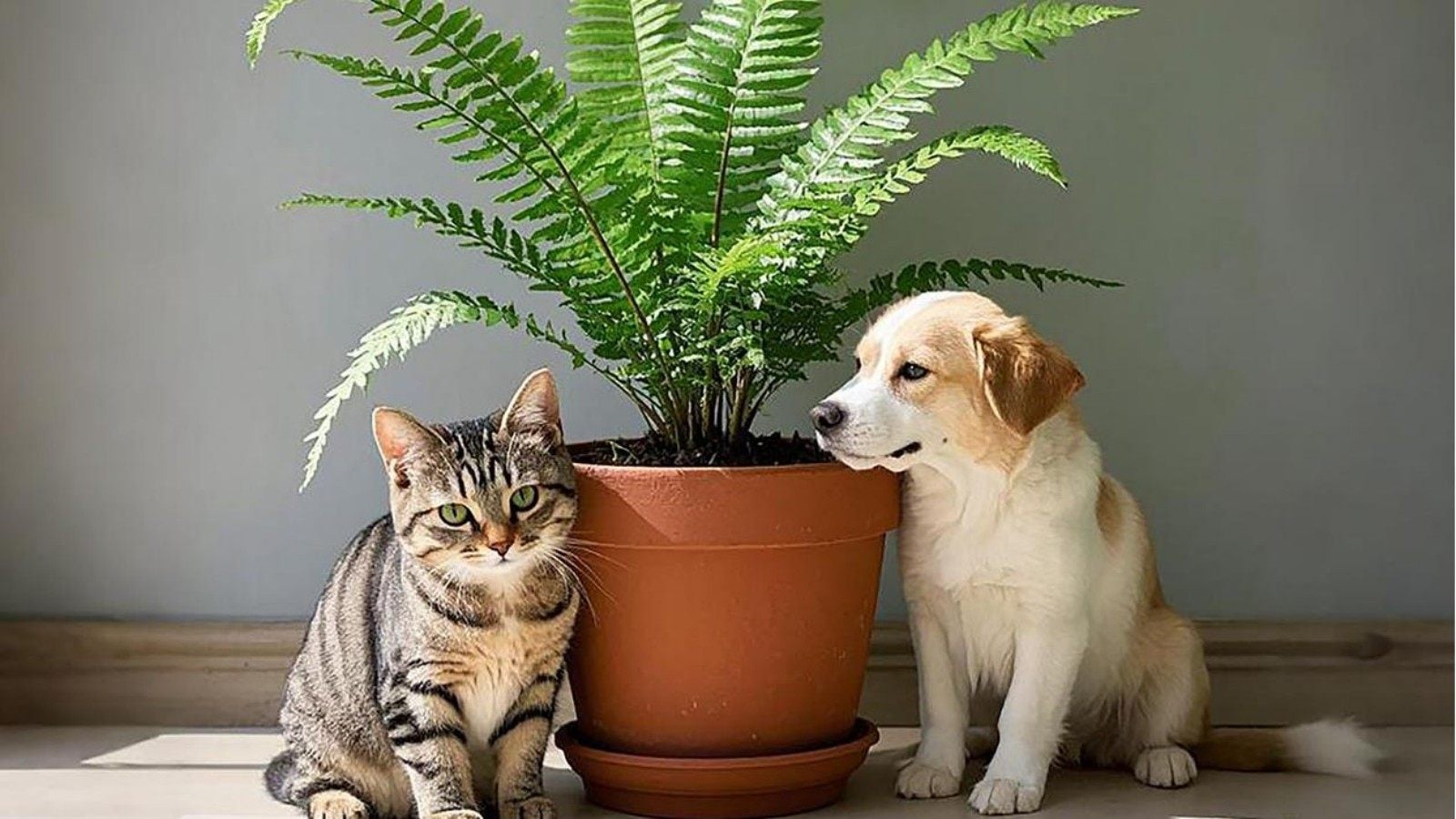
Nepeta cataria is completely non-toxic to both cats and humans, with zero harmful compounds that cause poisoning. For cats, nepetalactone triggers temporary playful, relaxed behavior that lasts 10 to 15 minutes, with no long-term negative impacts even with frequent exposure. Kittens under six months old rarely react to the herb, as their sensory receptors have not fully developed yet. For humans, dried catnip leaves make mild calming herbal tea to ease stress and light insomnia, and it works as a natural insect repellent around garden borders. When harvesting, pick foliage on dry sunny mornings after dew evaporates, as oil concentration peaks in midday sunlight. Cut full healthy stems mid-growing season, before flowers fully open. Hang bunches upside down in a cool, shaded, well-ventilated room for one to two weeks until fully crisp. Store dried leaves in sealed glass jars away from direct light to preserve aromatic oils. Avoid harvesting more than one-third of the plant’s foliage at once; over-harvesting weakens growth and limits later blooming. Leave enough leaves to support photosynthesis so the catnip regrows quickly for future harvests.
Advertisement
Introduction
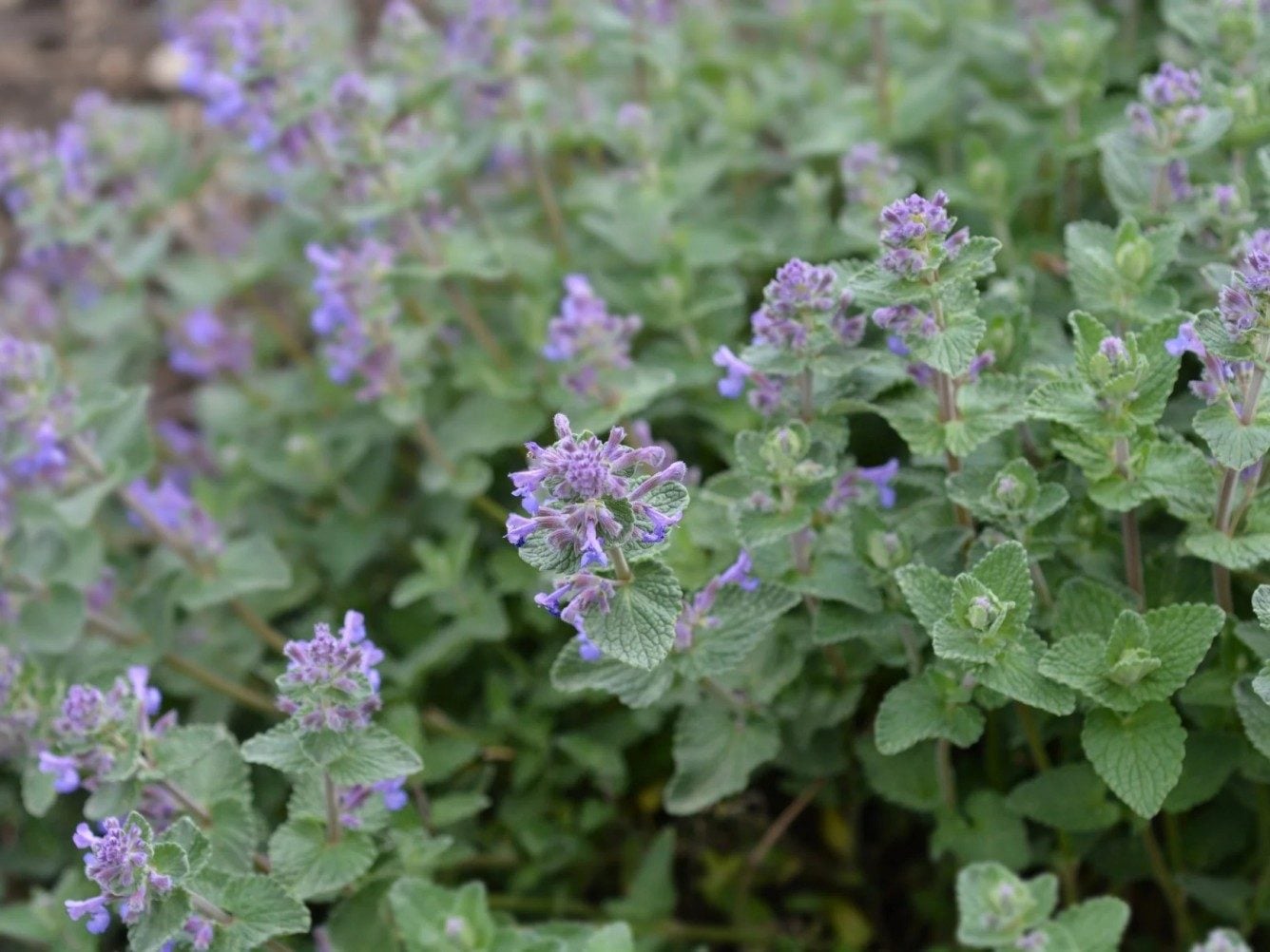
Nepeta cataria, known as catnip, is a hardy perennial herb from the mint family, native to Eurasia. It bears fuzzy heart-shaped gray-green leaves and tiny white blooms dotted with purple marks from late spring to early autumn. Its leaves release nepetalactone, a chemical that triggers playful euphoria in most cats. Drought-resistant and low-maintenance, it grows well under full sun. Humans brew its foliage calming herbal tea, and it also works as a natural insect repellent in home gardens.
Popular Plant Encyclopedia
-
-
Poisonous and danger
- Rhus typhina
-
-
-
Edible and medicinal
- Common sunflower
-
-
-
Poisonous and danger
- Plumeria rubra
-
-
-
Wild and common weed
- Convolvulus arvensis
-
-
-
Edible and medicinal
- Perilla frutescens
-
-
-
Edible and medicinal
- Pogostemon cablin
-
-
-
Edible and medicinal
- Common fenugreek
-
-
-
Edible and medicinal
- Garden Thyme
-

 Edible and medicinal
 Wild and common weed
Advertisement