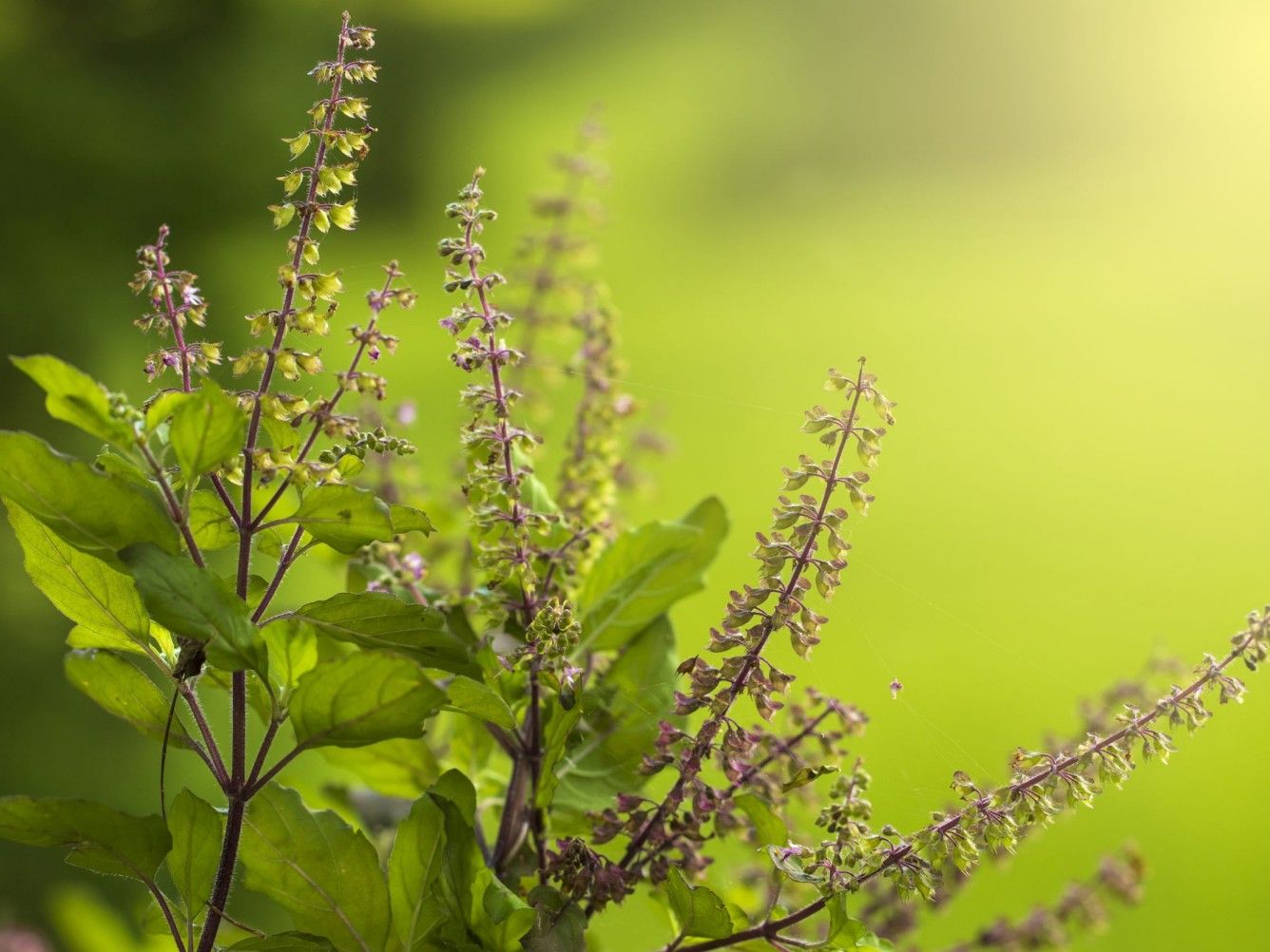
Ocimum sanctum
-
 Edible and medicinal
 - Also known as: Hot Basil, Tulasi
 Edible and medicinal
Nursing Skills
Ocimum sanctum thrives in warm, sunny environments with well-draining soil. It prefers full sun for at least 6 hours daily and regular watering to keep the soil slightly moist but not soggy. Plant in spring after frost danger has passed. Prune regularly to encourage bushy growth. It does best in loamy, slightly acidic to neutral soil, and benefits from monthly feeding with organic fertilizer.
Advertisement
Plant Properties
-
- Lifespan
- Perennial, Annual
-
- Plant Type
- Herb
-
- Bloom Time
- Late spring, Summer, Early fall
-
- Harvest Time
- Late spring, Fall
-
- Plant Height
- 30 cm to 1 m
-
- Leaf Color
- Green, Blue
-
- Flower Size
- 2.5 cm
-
- Fruit Color
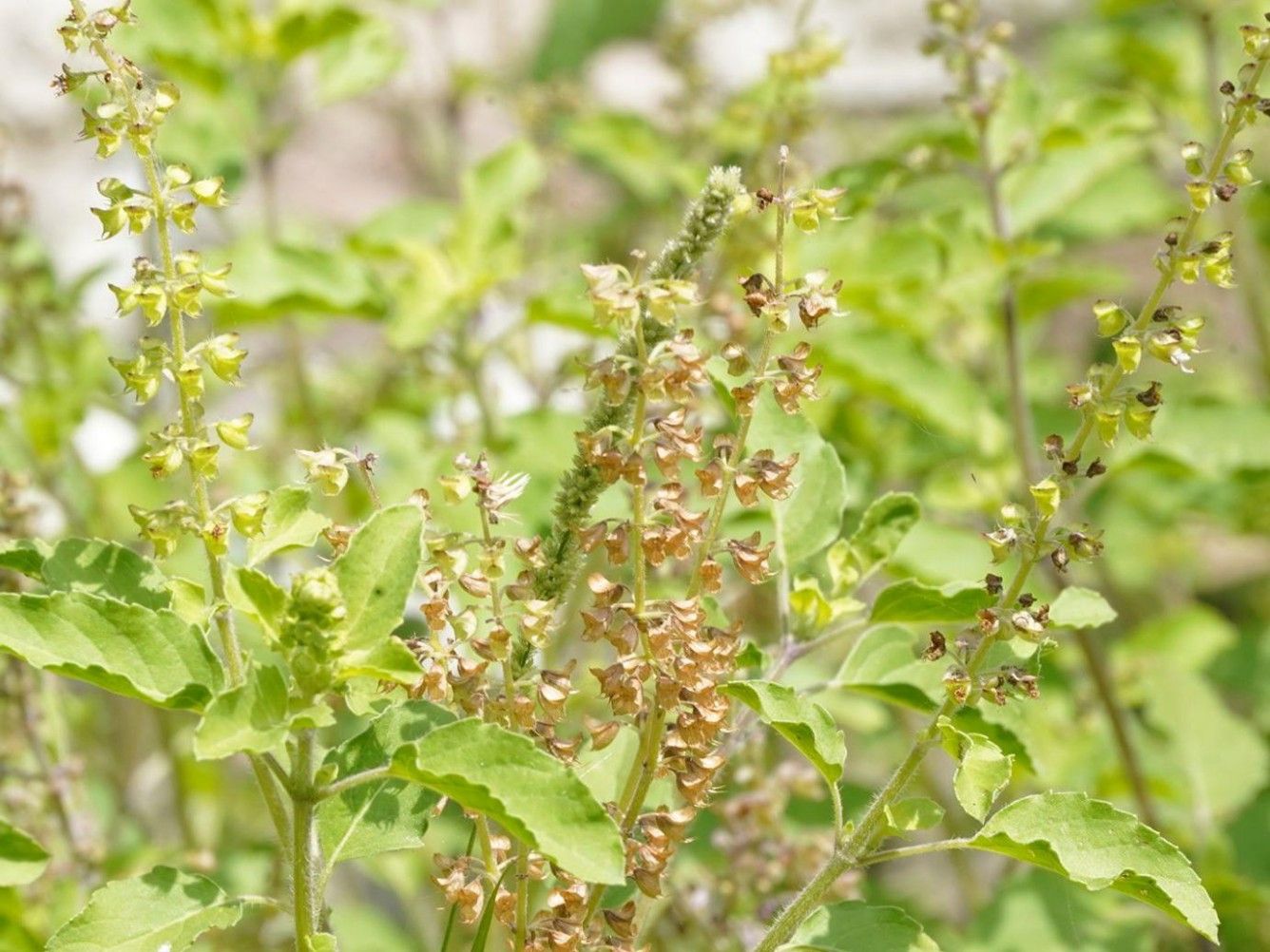
- Brown, Green, Purple, Copper, Lavende
-
- Flower Color
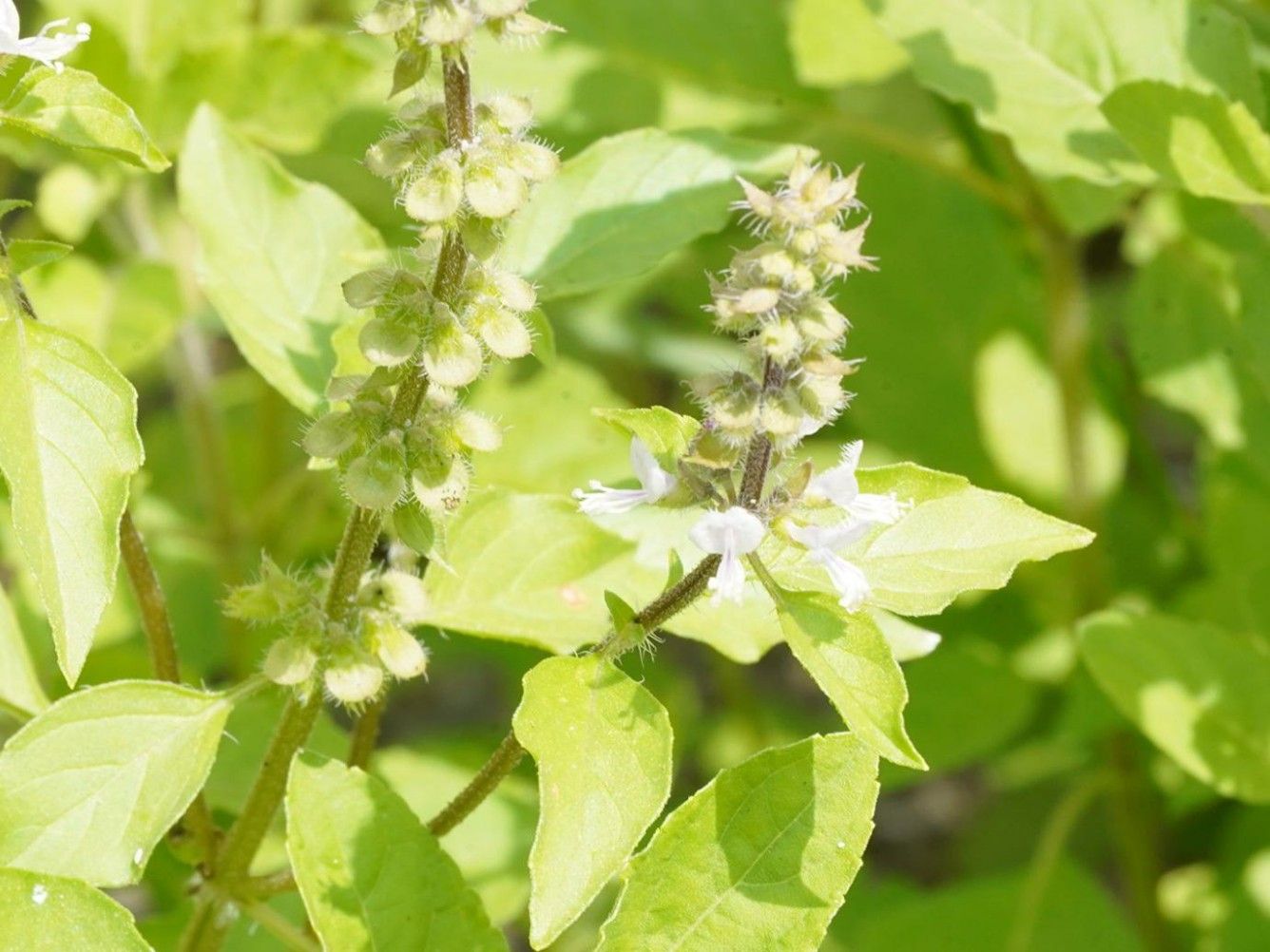
- White, Pink, Purple, Lavender
-
- Stem Color
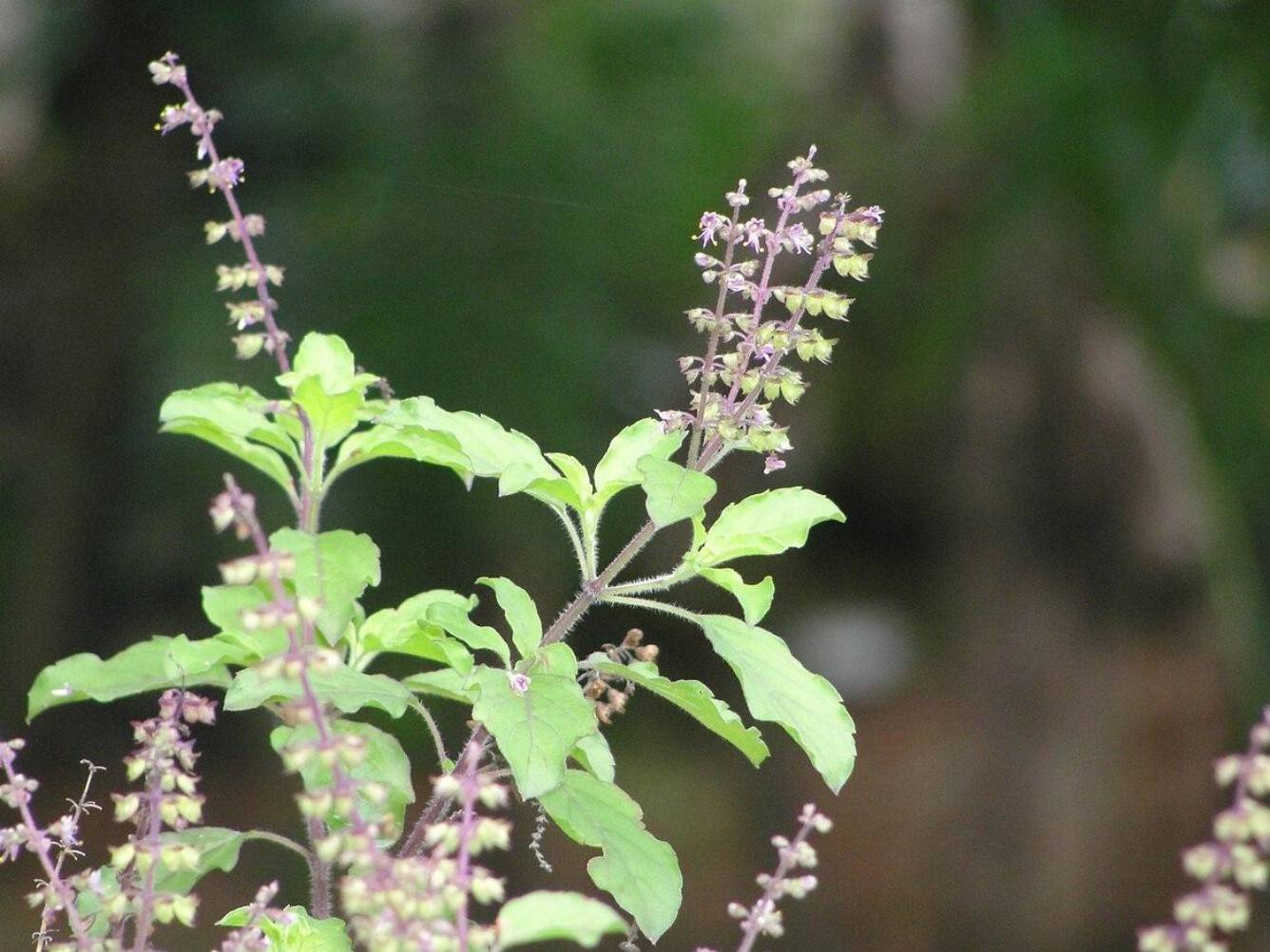
- Green, Purple, Lavender
-
- Leaf type
- Evergreen
Plant Care Requirements
-
Difficulty of Care
Easy to grow and care for, great for beginners
-
Watering Schedule
Keep the soil moist but not soggy
-
Light Requirements
About 6–8 hours of direct sunlight daily
-
Soil Type
Grows best in well-draining, loamy soil with a pH of 6.0 to 7.5
-
Hardiness Zone
10-11
-
Growth Rate
Grows quickly, especially in warm, sunny weather
-
Ideal Temperature
Prefers temperatures between 21–35°C, protect from frost
Advertisement
Plant Care Guide
-
How much sunlight does Ocimum sanctum need daily?
Ocimum sanctum requires 6 to 8 hours of full sunlight daily for optimal growth. It flourishes best in warm, sunny spots that mimic its native tropical climate. Full sun exposure helps produce more aromatic and nutrient-rich leaves. If growing indoors, ensure the plant is placed near a south-facing window or use supplemental grow lights to provide enough light intensity.
-
What type of soil is best for growing Holy Basil?
pH6.0-7.5Holy Basil prefers well-draining, loamy or sandy soil that is rich in organic matter. The ideal soil pH ranges from 6.0 to 7.5, which supports nutrient availability and healthy root development. To improve drainage, you can add perlite or coarse sand. Compost or aged manure can be mixed into the soil to boost fertility and improve texture.
-
How often should I water Ocimum sanctum?
Soil surface dryWater Ocimum sanctum when the top 1 inch (2.5 cm) of soil becomes dry to the touch. In hot weather or summer months, this might mean watering every 2–3 days, while in cooler months, reduce frequency to avoid overwatering. It’s essential to keep the soil moist but not soggy, as too much water can lead to root rot. Always use a pot with drainage holes if growing in containers.
-
What is the ideal temperature for Ocimum sanctum to grow?
21°C to 35°CTulsi grows best in warm environments with temperatures between 70°F and 95°F (21°C to 35°C). It is not frost-tolerant, so it should be protected or moved indoors when temperatures fall below 50°F (10°C). A sudden drop in temperature can damage the plant or stunt its growth. In colder regions, consider growing it in pots that can be relocated indoors during the fall and winter.
-
Can Holy Basil be grown indoors?
SuitableYes, Holy Basil can be successfully grown indoors if given proper light and care. Place the plant near a bright window that receives at least 6 hours of sunlight. If natural light is insufficient, use full-spectrum grow lights to simulate daylight. Maintain good airflow, and avoid placing the plant in areas with cold drafts or temperature fluctuations. Water as needed and rotate the pot weekly for even growth.
-
When is the best time to plant Ocimum sanctum?
Late spring and early summerThe best time to plant Ocimum sanctum is in late spring to early summer, after the danger of frost has passed. The soil should be warm (above 65°F or 18°C) for seeds or young plants to establish well. In cooler climates, you can start seeds indoors 6–8 weeks before the last frost date and transplant outdoors when the weather warms up.
-
Does Ocimum sanctum require regular fertilization?
Occasionally fertilizeWhile Ocimum sanctum is not a heavy feeder, it benefits from occasional feeding. Use a balanced organic fertilizer (like 10-10-10) or compost every 4–6 weeks during the growing season to encourage lush foliage and strong stems. Avoid over-fertilizing, as it may cause excessive leaf growth at the expense of essential oil concentration and flavor. For a more natural approach, liquid seaweed or fish emulsion works well too.
Advertisement
Frequently Asked Questions
-
1 What are the health benefits of Ocimum sanctum ?
Ocimum sanctum is renowned for its adaptogenic and medicinal properties. It is believed to help reduce stress, support immune function, improve respiratory health, and balance blood sugar levels. In Ayurveda, it’s used to treat colds, inflammation, digestive issues, and skin conditions. Its leaves are rich in antioxidants, essential oils like eugenol, and compounds with anti-bacterial and anti-inflammatory properties. Regular use in teas or infusions is common in traditional medicine.
-
2 How do I propagate Ocimum sanctum?
Ocimum sanctum can be propagated by seeds or stem cuttings. For seed propagation, sow seeds in moist, warm soil with good light—germination usually occurs within 7–14 days. For cuttings, take a healthy 4–6 inch stem, remove the lower leaves, and place it in water or moist soil until roots form (typically 1–2 weeks). Transplant rooted cuttings into pots or your garden when they’re strong enough to thrive.
-
3 How do I harvest Ocimum sanctum without damaging the plant?
To harvest Ocimum sanctum without harming it, pinch off leaves or soft stems above a node (where two leaves emerge) using clean fingers or scissors. Start harvesting when the plant reaches at least 8–10 inches (20–25 cm) tall. Regular trimming encourages bushier growth and delays flowering, which can reduce leaf quality. Avoid removing more than one-third of the plant at a time to prevent stress and ensure continued healthy growth.
-
4 Why is my Ocimum sanctum plant losing leaves or turning yellow?
Yellowing leaves or leaf drop can be caused by overwatering, poor drainage, lack of sunlight, nutrient deficiencies, or cold exposure. Ensure the soil is not soggy, the plant receives 6–8 hours of sunlight, and you’re not exposing it to temperatures below 50°F (10°C). Occasionally, pests like aphids or spider mites may also weaken the plant. Adjust watering, light, and fertilization accordingly, and check the plant regularly for infestations.
-
5 Can I grow Ocimum sanctum indoors, and how do I care for it?
Yes, Ocimum sanctum can be successfully grown indoors in a sunny window (preferably south-facing). Use a well-draining potting mix, and keep the soil consistently moist but not waterlogged. Rotate the pot occasionally to encourage even growth. If natural light is insufficient, consider using grow lights. Indoor air can be dry, so misting occasionally helps. Regular pruning keeps the plant compact and healthy indoors.
Advertisement
Introduction
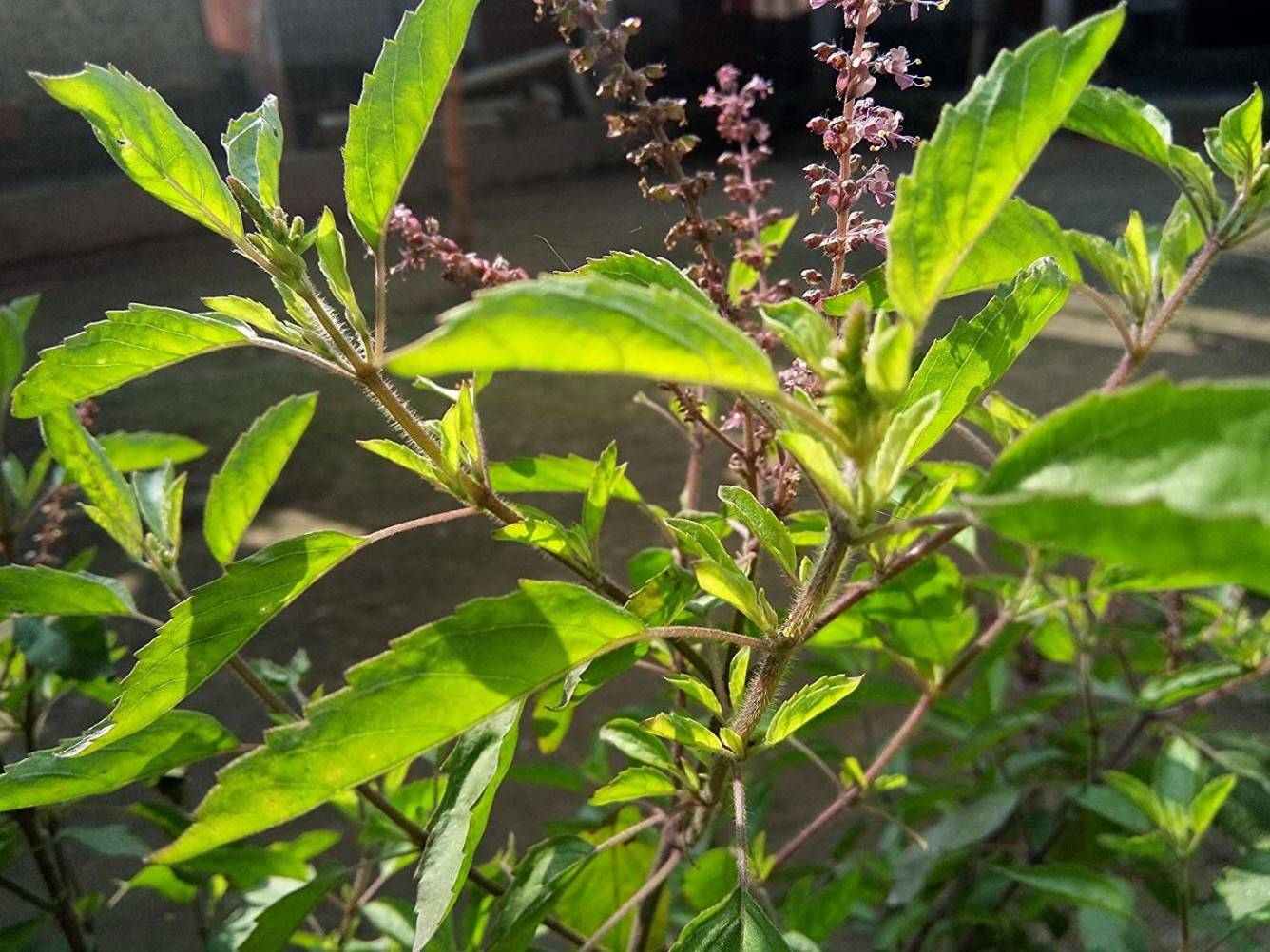
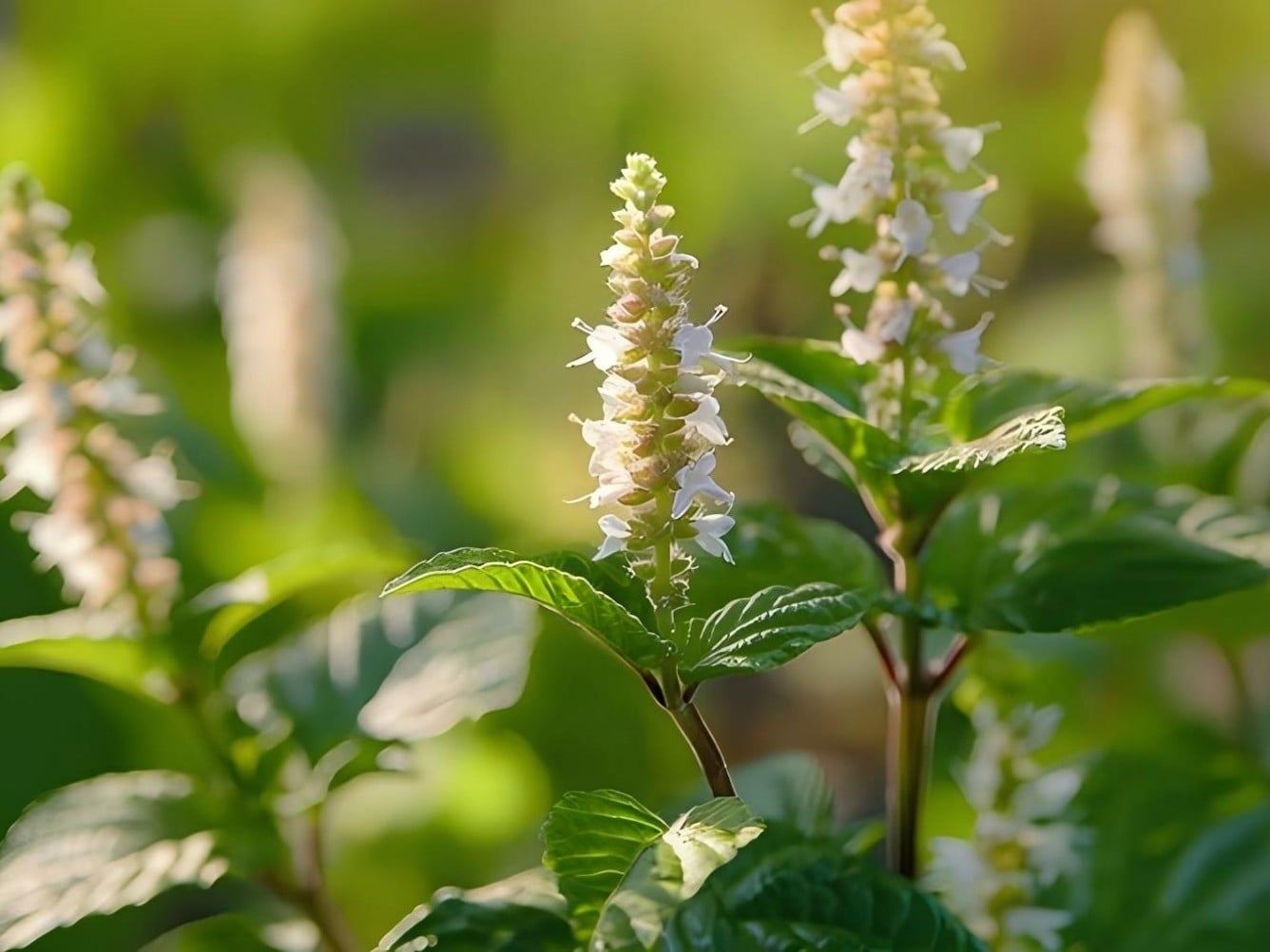
Ocimum sanctum is a sacred and aromatic herb native to India, revered in Ayurvedic medicine and Hindu spiritual practices. This perennial plant belongs to the mint family (Lamiaceae) and features fragrant leaves, purple stems, and small purplish flowers. It is widely known for its medicinal properties, including stress relief, immune support, and anti-inflammatory effects. Grown in gardens, temples, and homes, Holy Basil thrives in warm climates and is also used in teas, tonics, and traditional remedies.
Popular Plant Encyclopedia
-
-
Poisonous and danger
- Rhus typhina
-
-
-
Edible and medicinal
- Common sunflower
-
-
-
Poisonous and danger
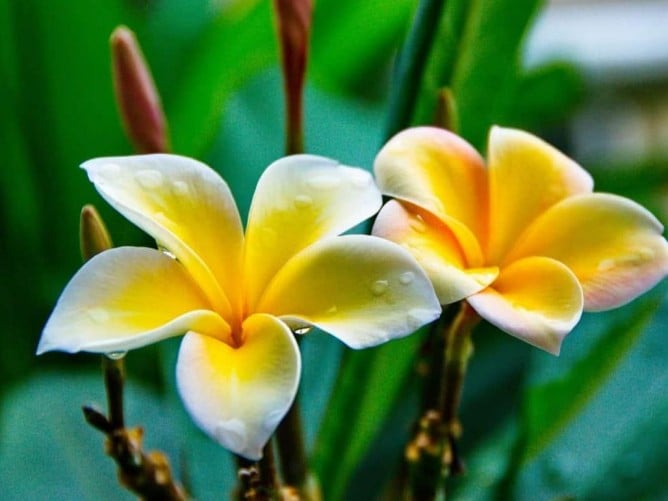
- Plumeria rubra
-
-
-
Wild and common weed
- Convolvulus arvensis
-
-
-
Edible and medicinal
- Perilla frutescens
-
-
-
Edible and medicinal
- Pogostemon cablin
-
-
-
Edible and medicinal
- Common fenugreek
-
-
-
Edible and medicinal
- Garden Thyme
-
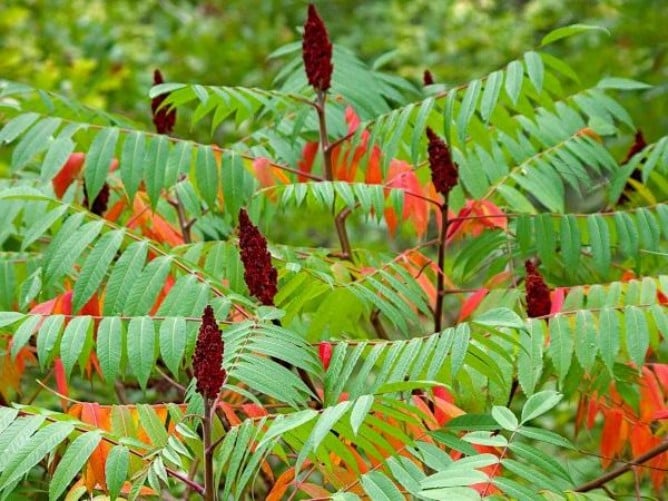
 Poisonous and danger
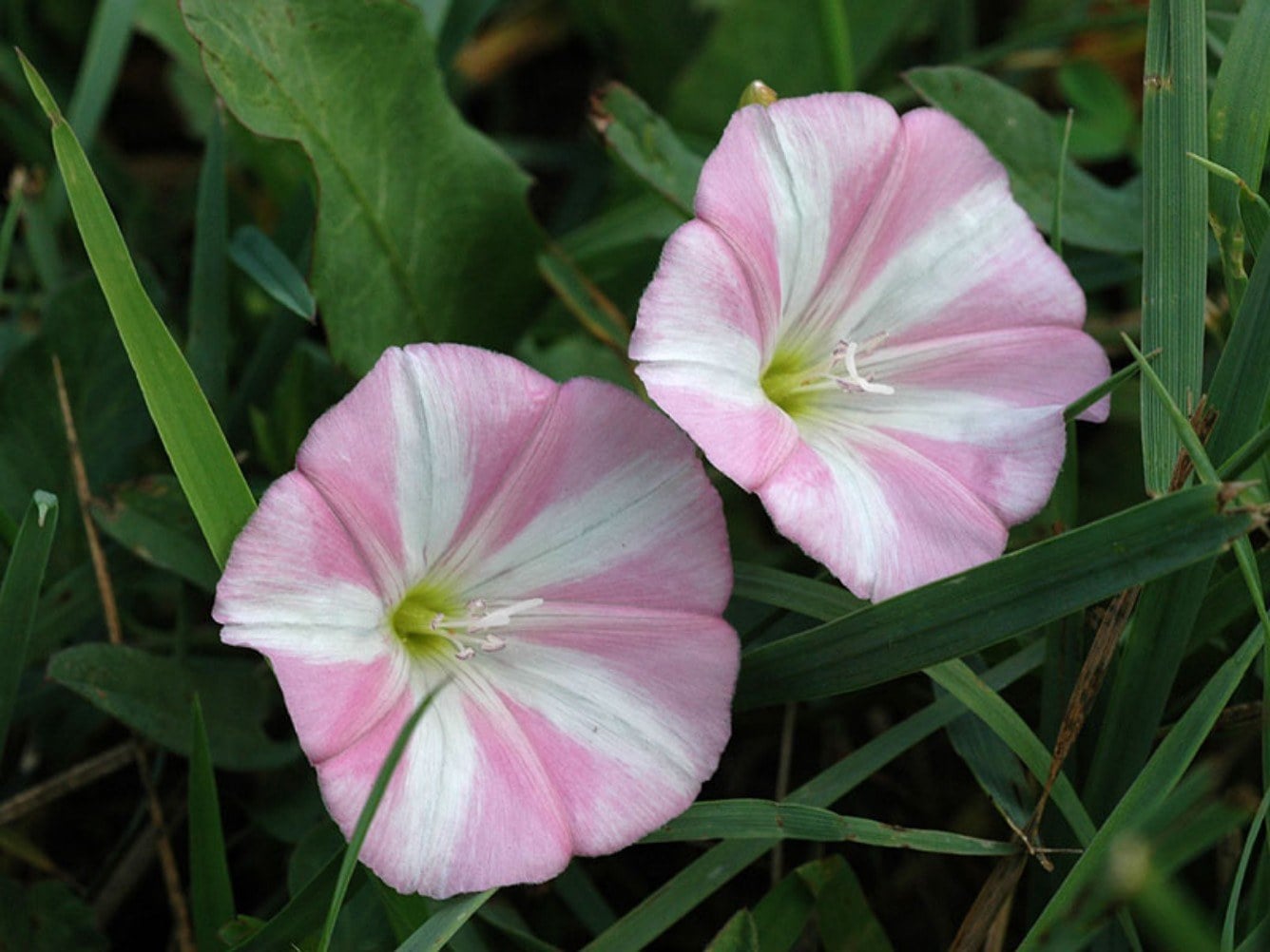
 Wild and common weed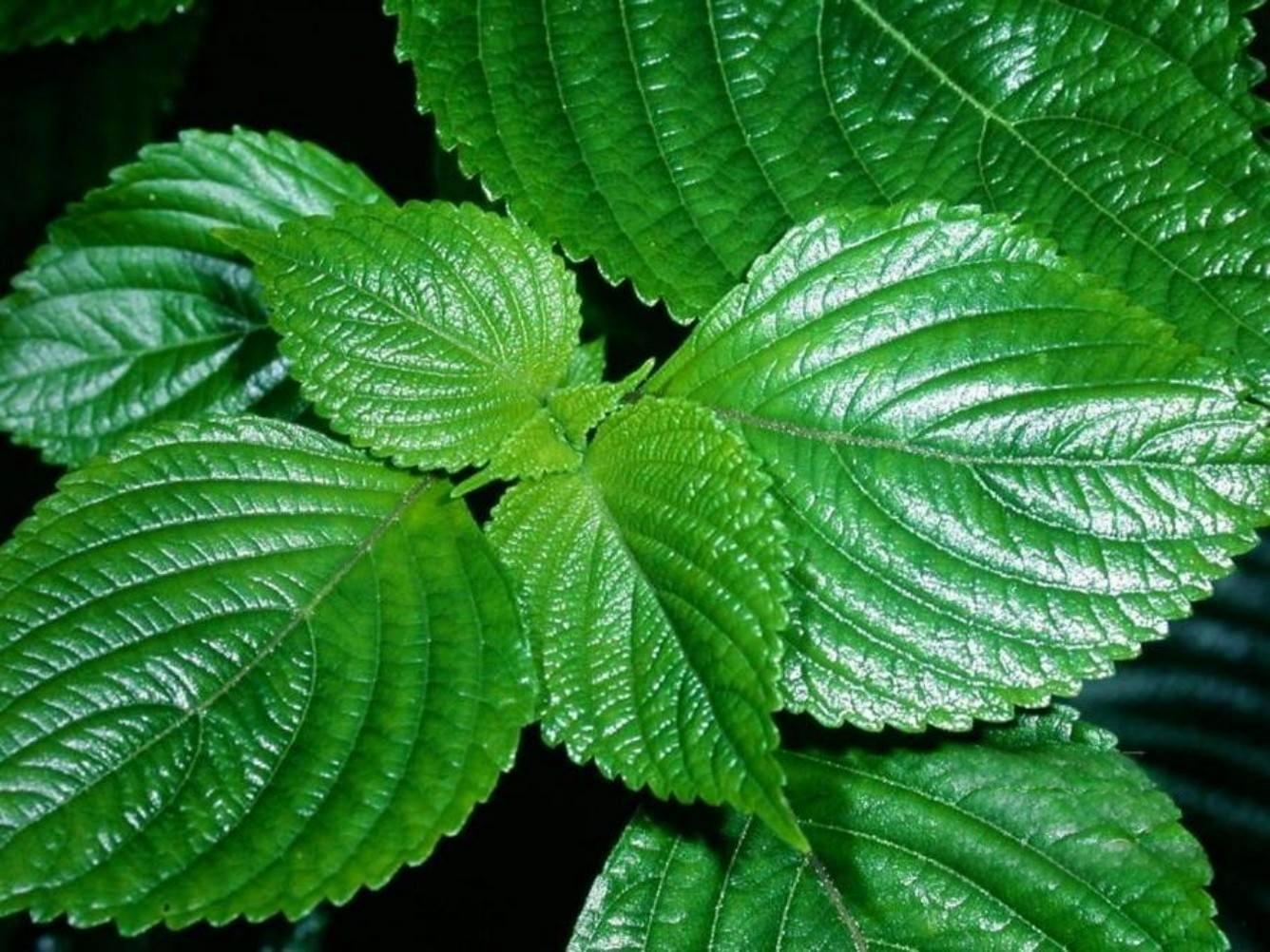
Advertisement