Oleander
-
 Poisonous and danger
 - Also known as: Common oleander, Roseday, Sweet-scented Oleander.
 Poisonous and danger
Nursing Skills
Apply balanced fertilizer every month in spring and autumn, apply thin fertilizer every 10 days in summer, and stop fertilizing in winter; place in a sunny place with more than 6 hours of light per day; cut off dead flowers and branches after flowering, and prune the main trunk to control height in spring; pay attention to cold protection in winter, and check regularly to prevent diseases and pests.
Advertisement
Plant Properties
-
- Toxicity
- Toxic to humans
-
- Plant type
- Shrubs, vines
-
- Flowering time
- Late spring, summer, early autumn
-
- Leaf type
- Determined, semi-evergreen
-
- Lifespan
- Long-lasting
-
- Flower color
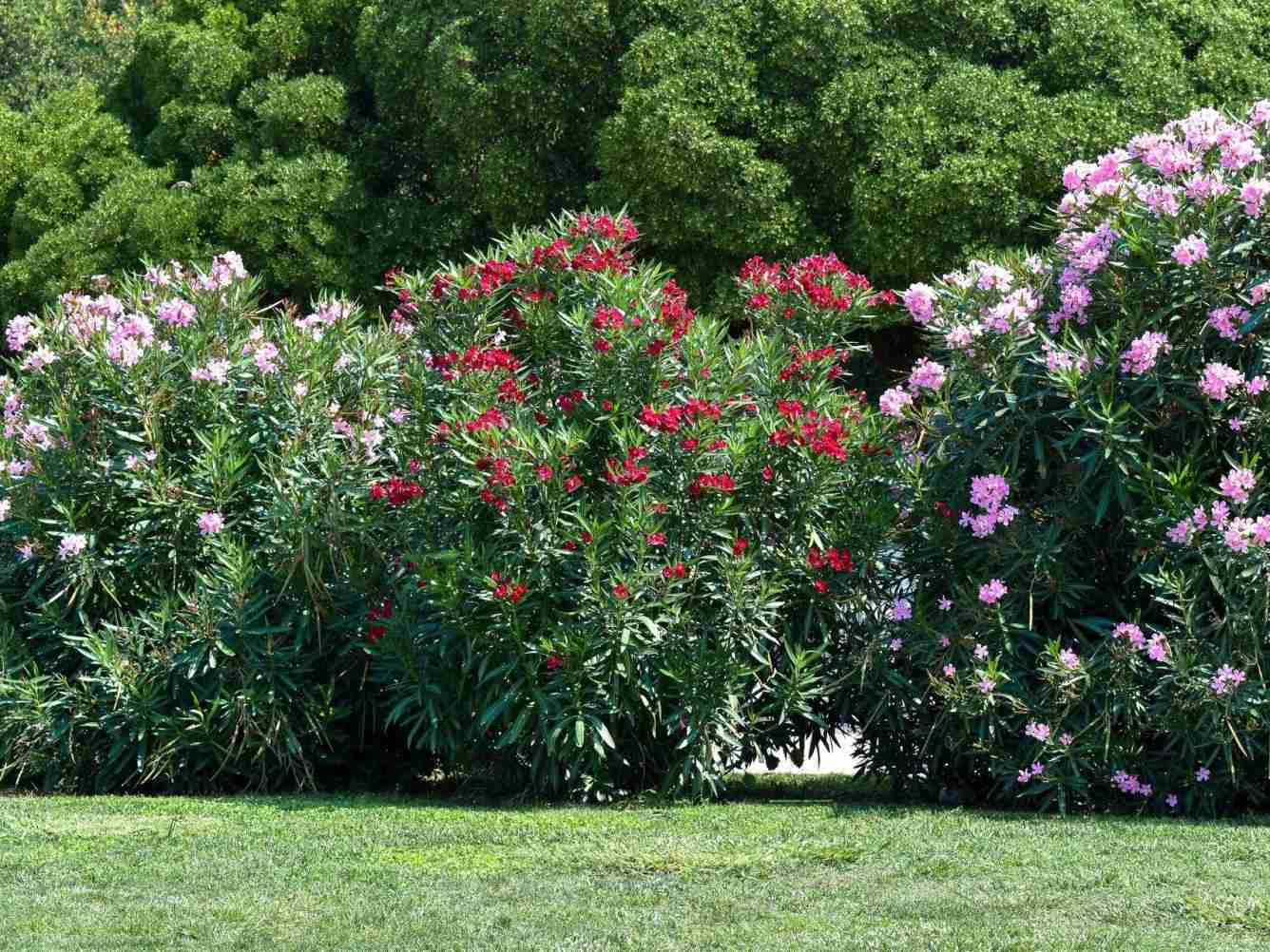
- Purple, red, white, yellow, pink
Plant Care Requirements
-
Soil pH
5-7
-
Planting Time
Spring, Summer, Fall
-
Hardiness Zones
6-10
-
Sunlight Requirements
Full sun
-
Care Difficulty
Easy
-
Watering Schedule
Every Week
Advertisement
Plant Care Guide
-
How often should I water?
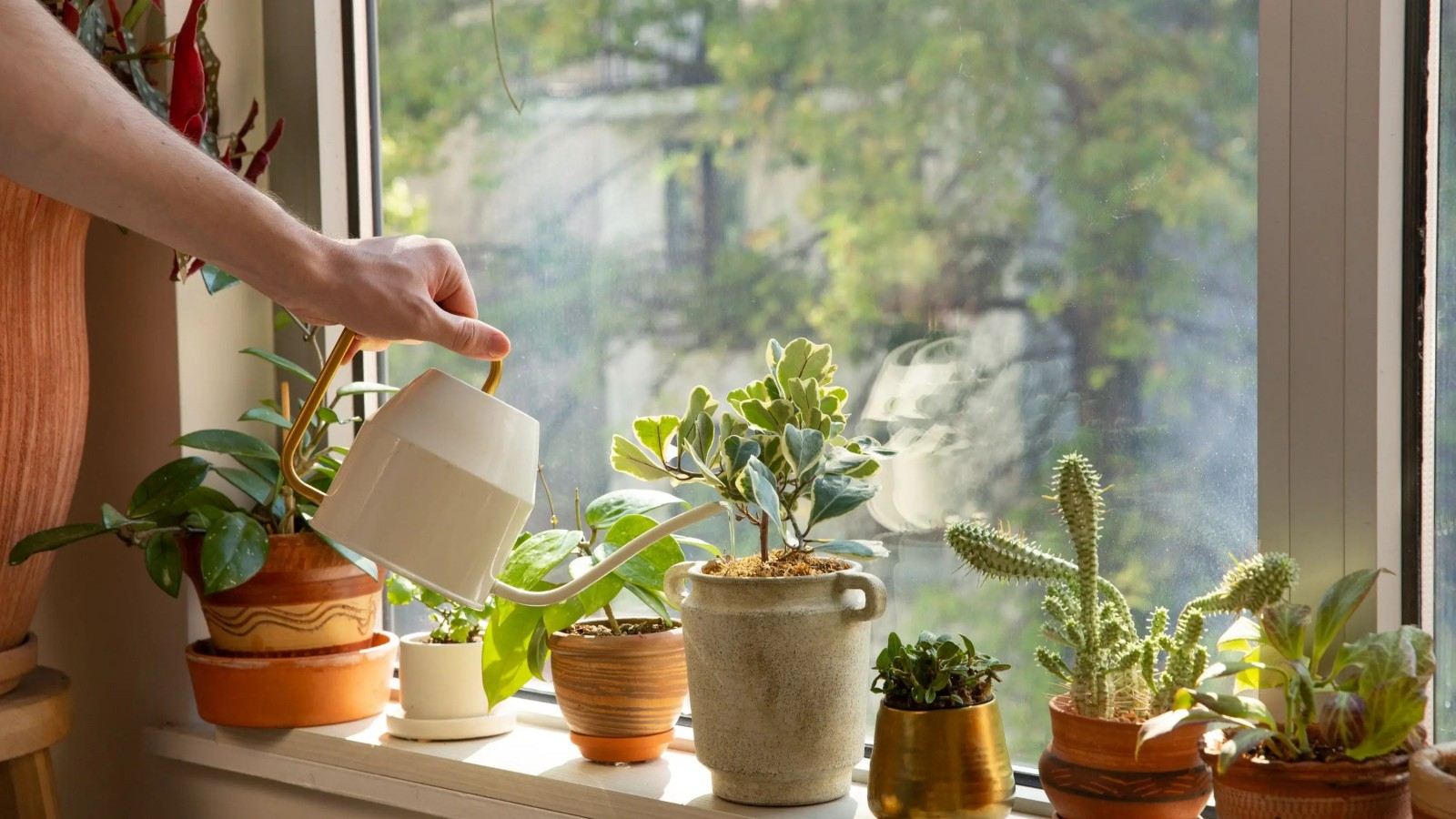
Once a weekWatering of oleander needs to be adjusted according to the season. In spring and autumn, water 2-3 times a week to keep the soil slightly moist; in summer, the high temperature evaporates quickly, so water once in the morning and evening every day, and spray the leaves to keep them moist; in winter, reduce to once every 7-10 days, and keep the soil slightly dry. Be careful to avoid water accumulation, and drain water in time on rainy days to prevent root rot.
-
How much sunlight is needed?
Full sunOleander likes full sun and needs 6-8 hours of light every day. Adequate sunlight promotes photosynthesis, making the leaves green and the flowers lush. If there is insufficient light, the growth is slow and the leaves are prone to yellowing. Appropriate shade is required at noon in summer to avoid strong light burning the leaves. Indoor maintenance can be placed on the south-facing balcony to ensure sufficient light.
-
When should I fertilize?
Once a month during the growing seasonFertilization of oleander needs to be adjusted according to the growth stage. Spring and autumn are its vigorous growth period. Balanced fertilizer, such as compound fertilizer, can be applied once a month to provide comprehensive nutrients for plant growth; summer is in the growth period, and the demand for nutrients is large. Thin liquid fertilizer, such as decomposed cake fertilizer water, can be applied every 10 days or so to meet its rapid growth needs; in winter, oleander grows slowly or enters a dormant period, and fertilization should be stopped to avoid fertilizer damage.
-
How to prune?
Prune after floweringOleander pruning should choose the right time and method. After flowering in autumn, cut off the remaining flowers in time to avoid nutrient consumption, and at the same time cut off dead branches, diseased branches and overly dense branches to improve ventilation and light conditions; before budding in spring, prune the main trunk to control the height of the plant and make it grow more compact; if the plant is too high, it can be beheaded to promote the germination of side branches and make the tree shape more beautiful. After pruning, thin liquid fertilizer can be applied appropriately to promote plant recovery and new branch growth.
-
How cold-tolerant is it?
Average cold toleranceOleander has moderate cold resistance, and the suitable growth temperature is above 15℃. When the temperature is below 5℃ in winter, warming measures such as moving indoors or covering with straw curtains should be taken. The cold resistance of oleander varies depending on the variety and maintenance conditions, and protection measures need to be adjusted according to the climate.
-
How to prevent and control pests and diseases?
Regular inspection, timely prevention and controlAdopt the "natural enemy reservoir" system, use oleander to attract beneficial insects such as ladybugs and lacewings, and control pests such as aphids in a natural way. At the same time, pesticides can also be used for prevention and control, such as pyraclostrobin for aphids and carbendazim for diseases, spraying comprehensively and focusing on early intervention.
Advertisement
Frequently Asked Questions
-
1 Is oleander poisonous?
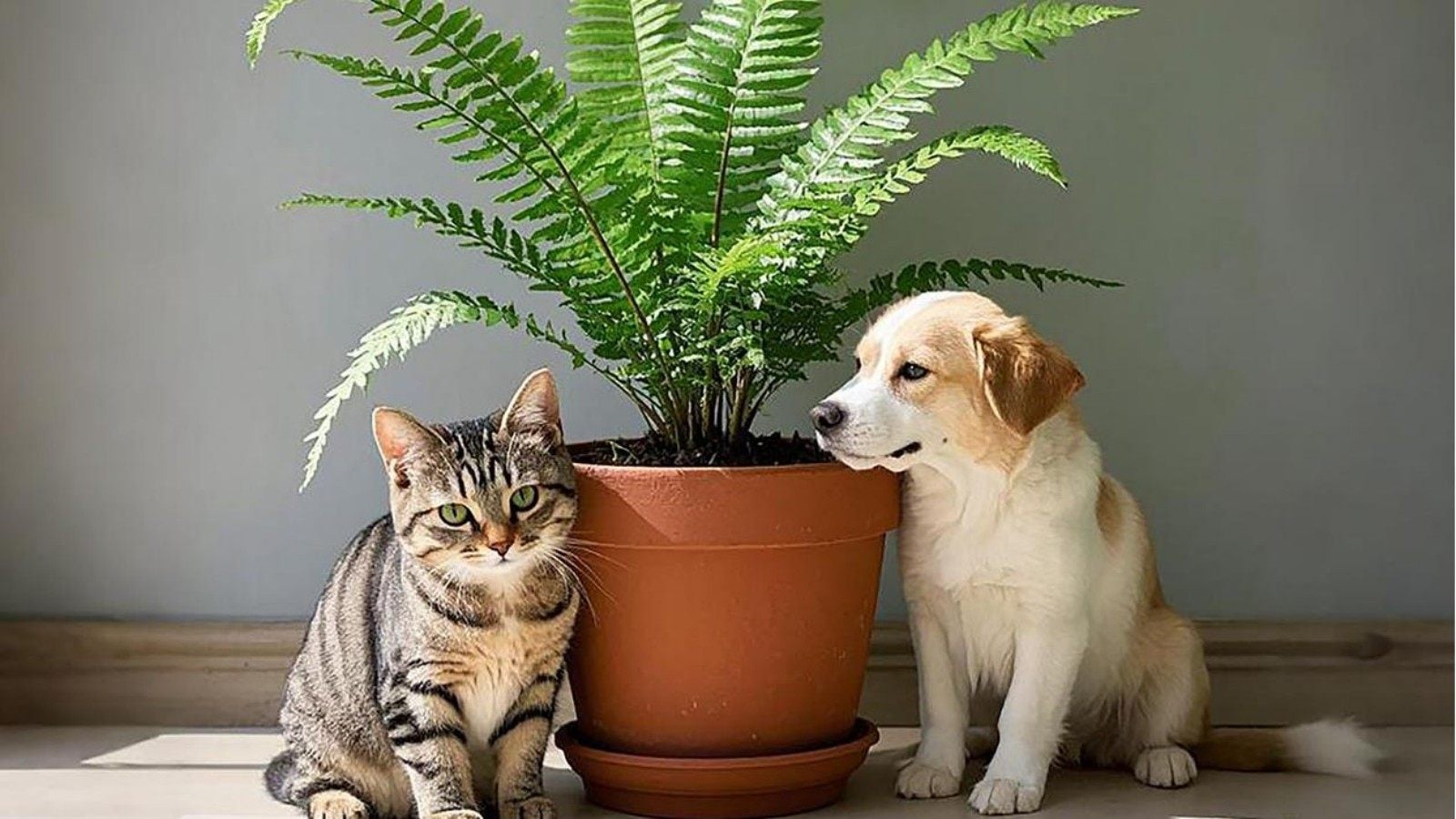
Yes, the whole plant of oleander is poisonous and contains a variety of cardiac glycoside toxins. Ingestion or contact with its juice may cause poisoning, with symptoms such as nausea, vomiting, diarrhea, headache, dizziness, and even fatal in severe cases. Therefore, when planting and viewing oleander, special attention should be paid to its toxicity to avoid ingestion or contact with its juice.
-
2 What environment is suitable for oleander to grow in?
Oleander is highly adaptable and can grow in arid and barren soils, but prefers a warm, humid and sunny environment. When planting, choose well-drained and fertile soil and ensure that the plant can receive enough sunlight.
-
3 How to prevent and control pests and diseases in oleander?
Common pests and diseases of oleander include aphids and scale insects. When preventing and controlling pests and diseases, a combination of biological control, physical control and chemical control can be used. For example, you can use natural enemy insects to control the number of aphids, or use a soft brush and wet cloth to remove scale insects. If necessary, you can also use appropriate pesticides for spraying and prevention, but you should pay attention to the concentration and frequency of use to avoid pesticide damage to the plants.
Advertisement
Introduction
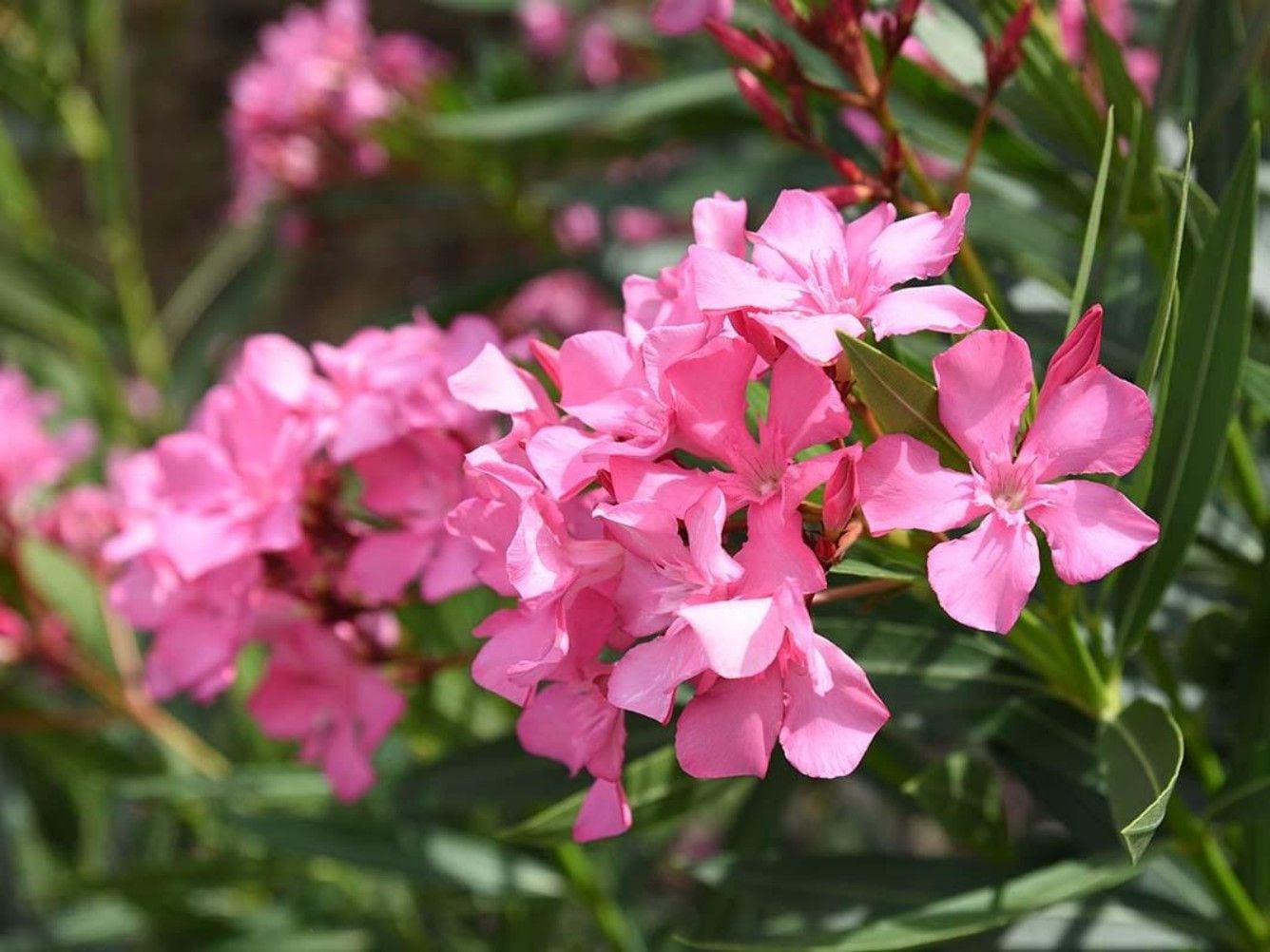
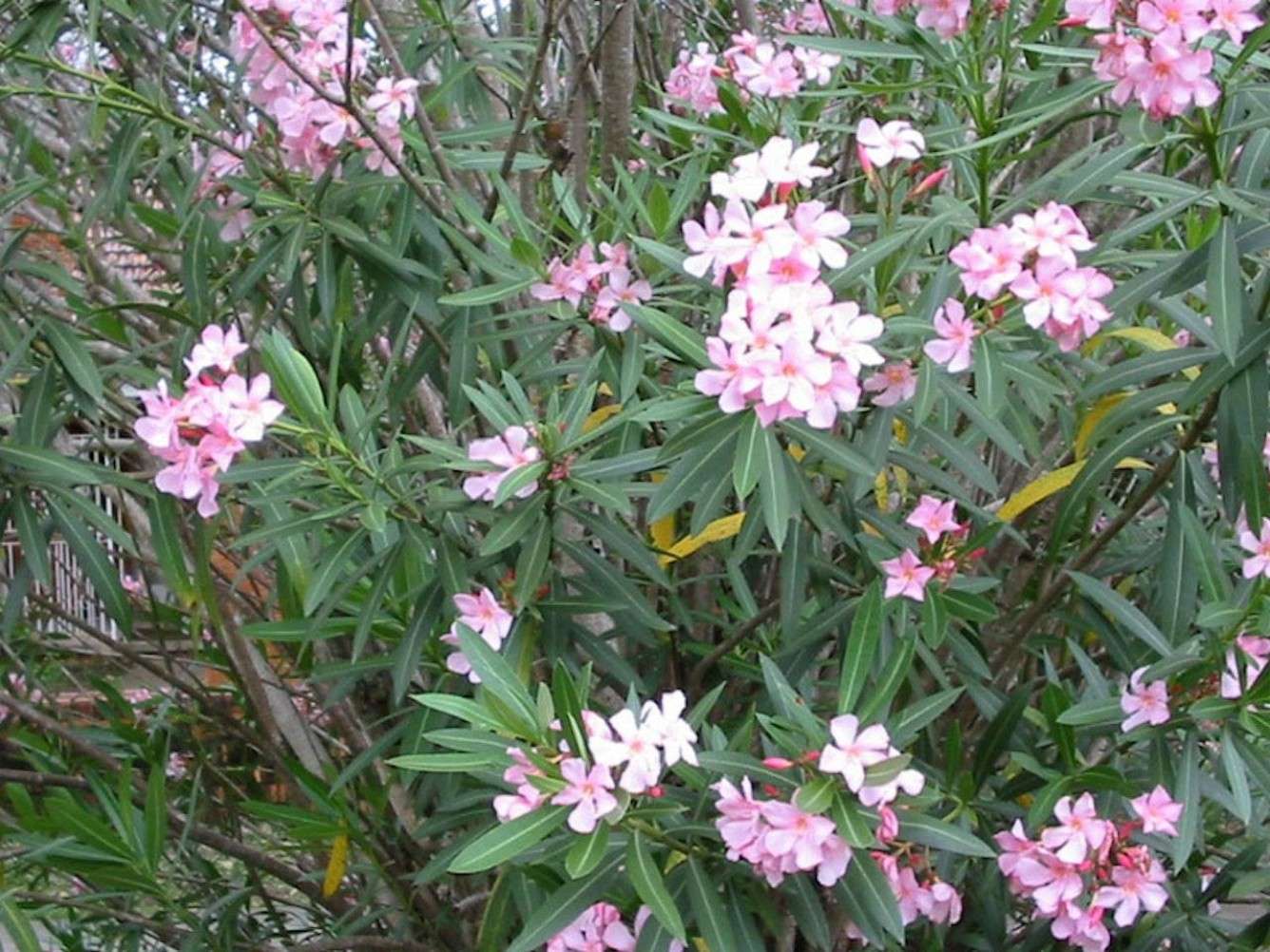
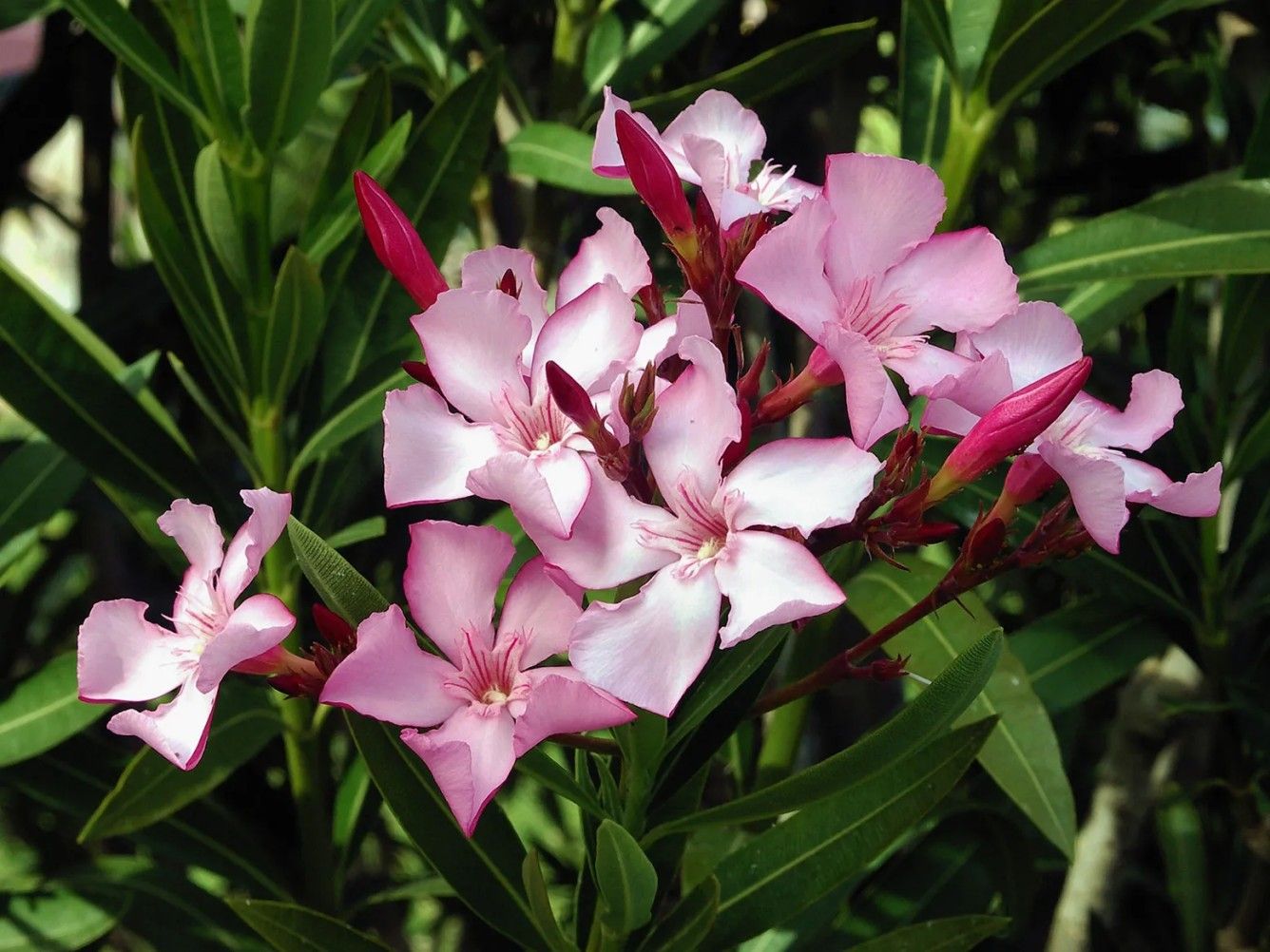
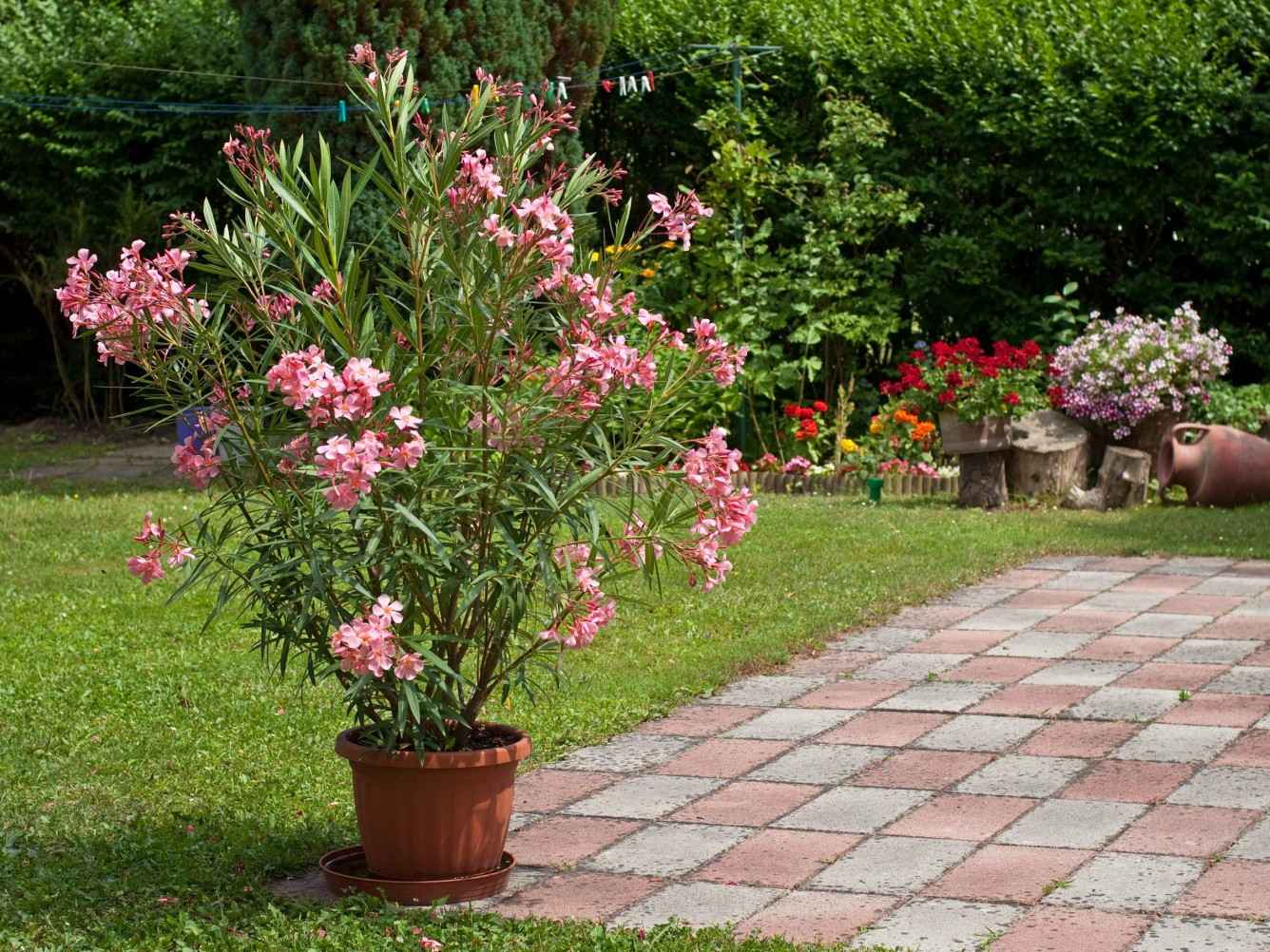
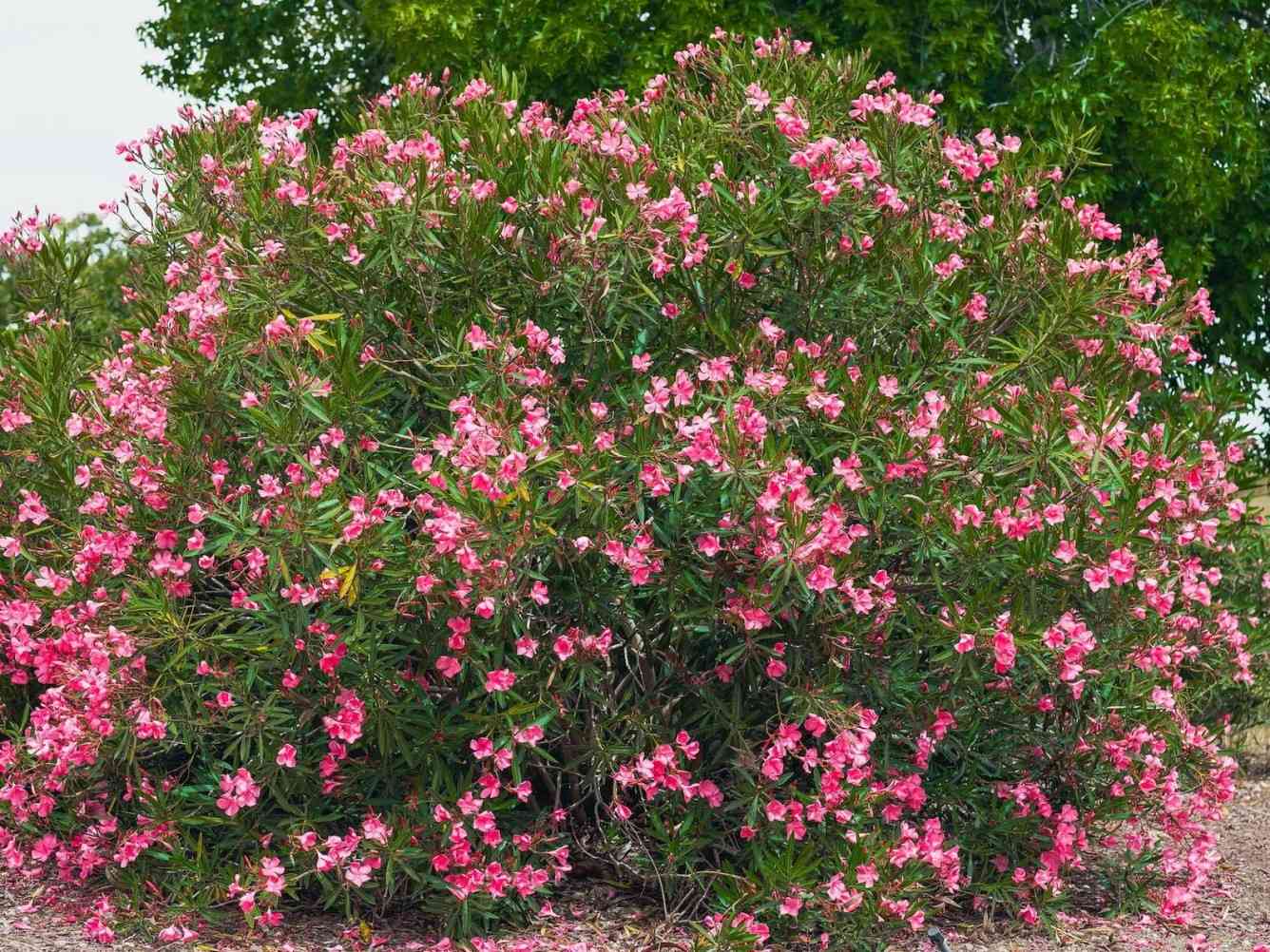
Oleander is an evergreen large upright shrub. Its leaves are willows and bamboos, and its red flowers are very ornamental. It is highly adap, drought-resistant and heat-resistant, and is widely distributed in warm areas. However, the whole plant of oleander is poisonous, containing a variety of cardiac glycoside toxins. Ingestion or contact with the juice may cause severe poisoning reactions, even endangering life.
Popular Plant Encyclopedia
-
-
Poisonous and danger
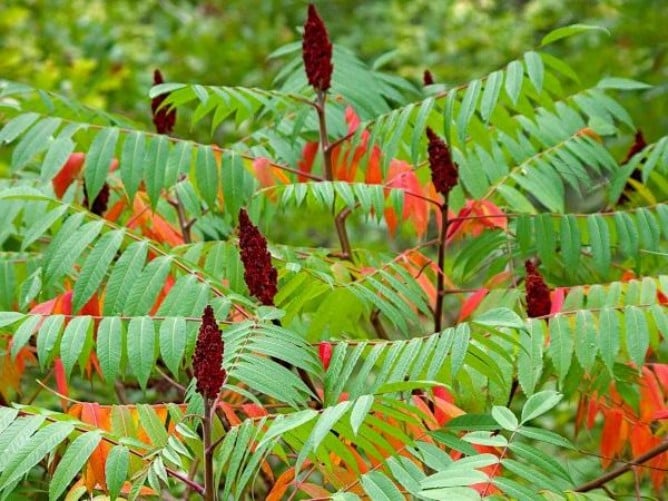
- Rhus typhina
-
-
-
Edible and medicinal
- Common sunflower
-
-
-
Poisonous and danger
- Plumeria rubra
-
-
-
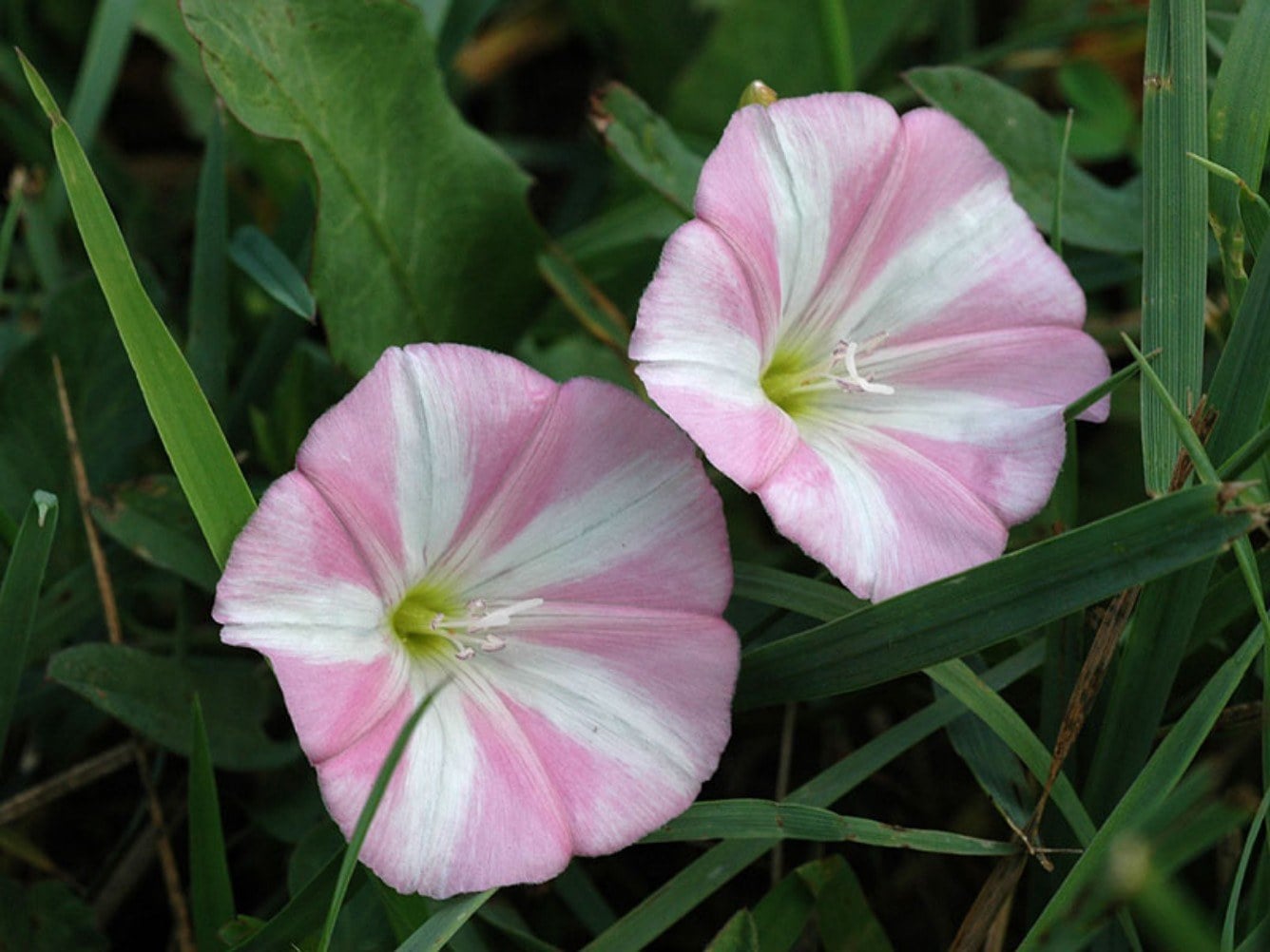
Wild and common weed
- Convolvulus arvensis
-
-
-
Edible and medicinal
- Perilla frutescens
-
-
-
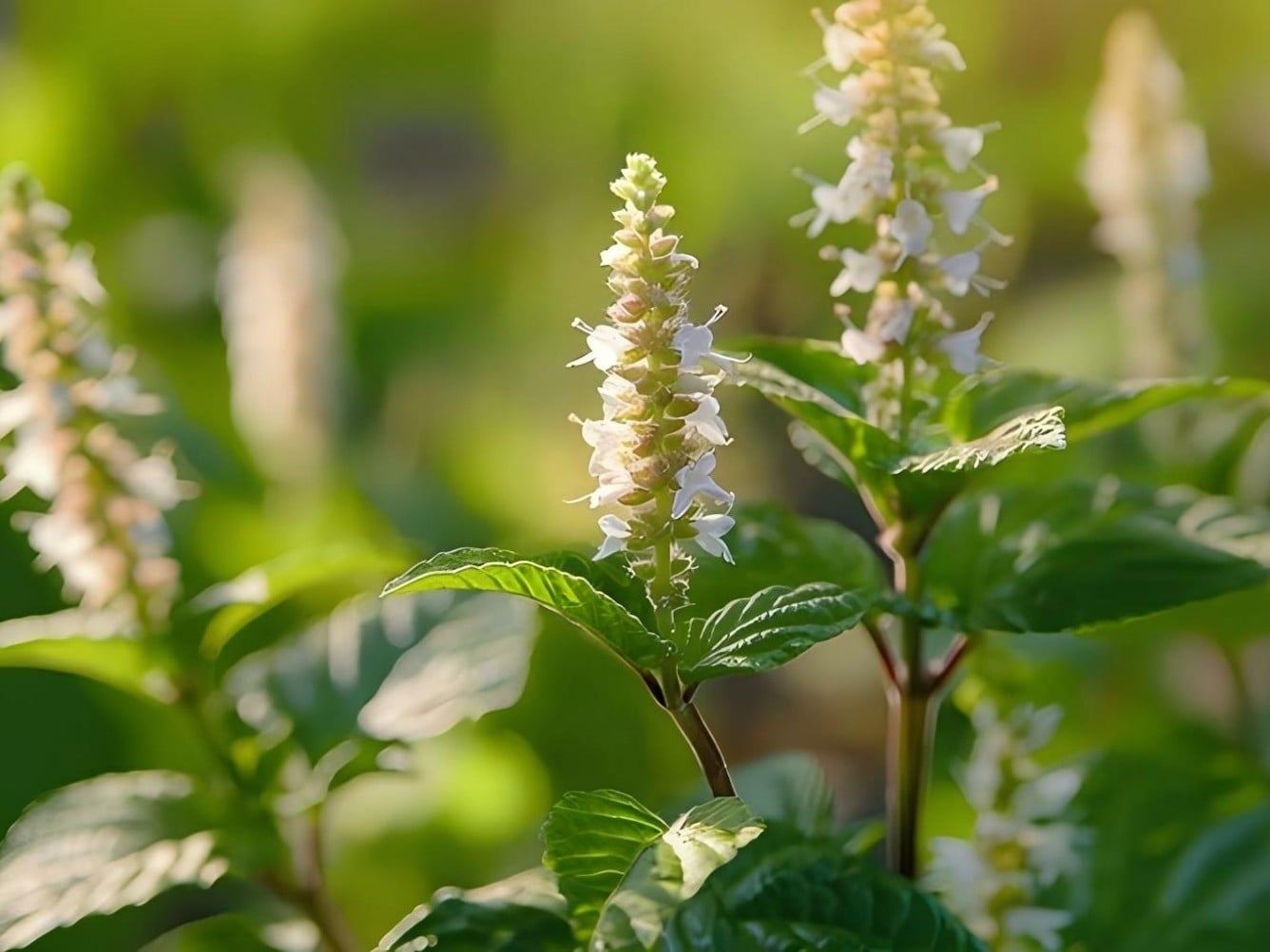
Edible and medicinal
- Pogostemon cablin
-
-
-
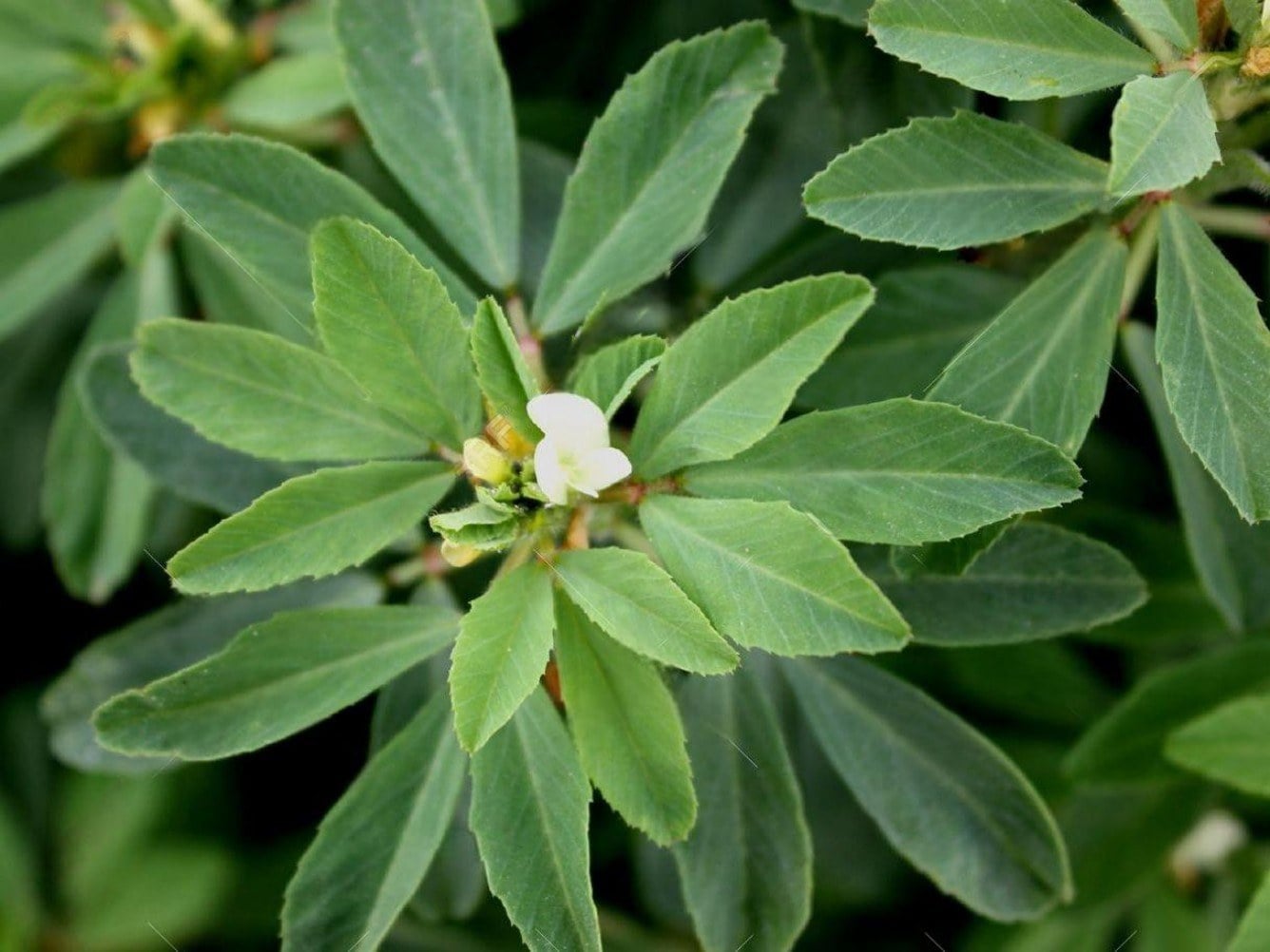
Edible and medicinal
- Common fenugreek
-
-
-
Edible and medicinal
- Garden Thyme
-

 Edible and medicinal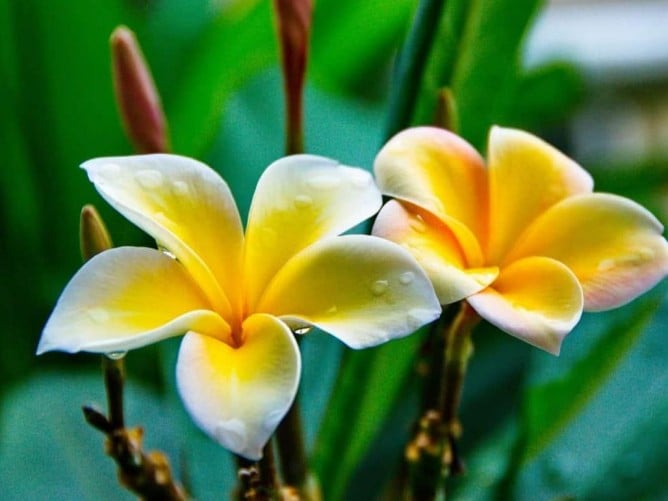
 Wild and common weed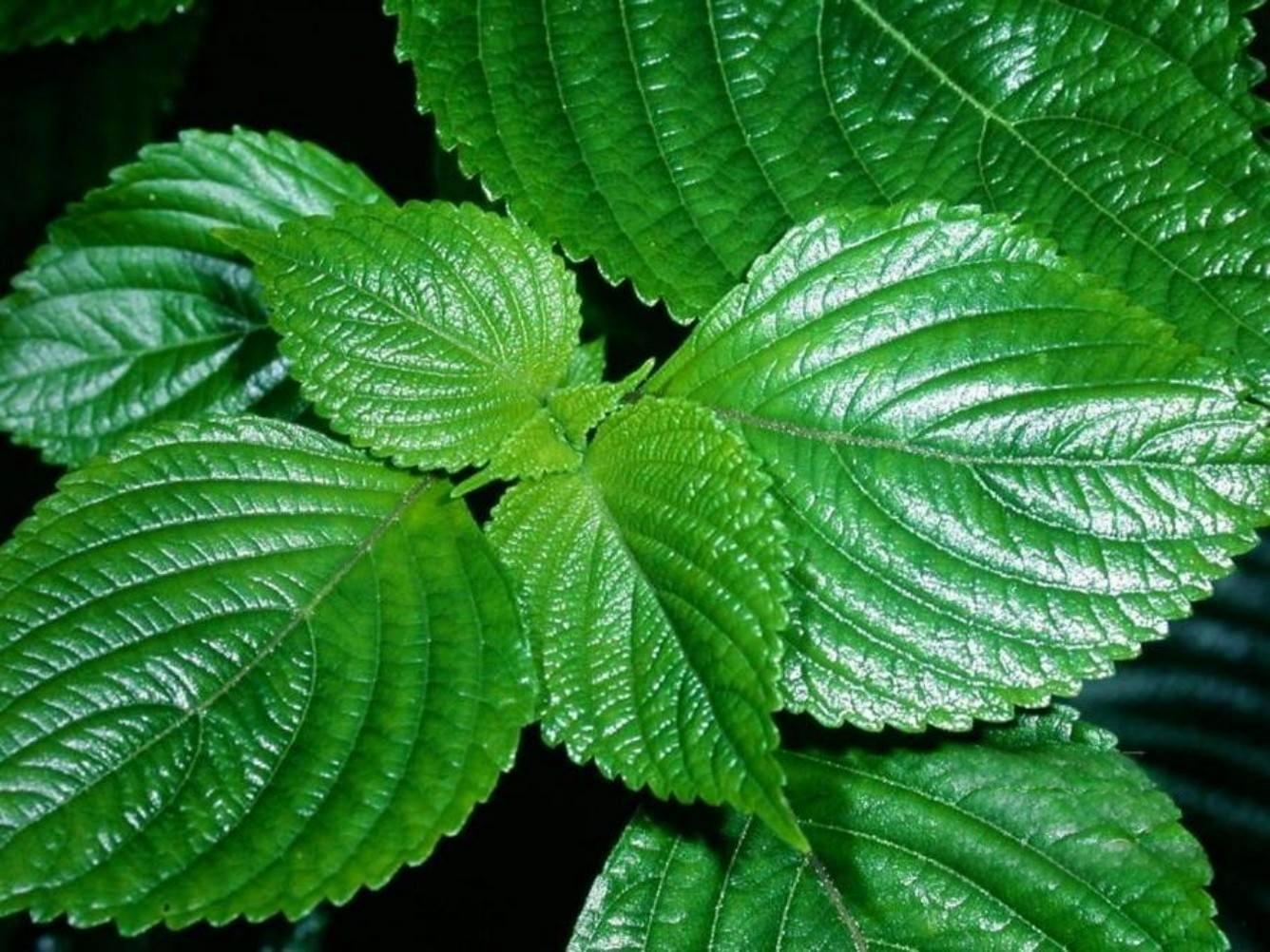
Advertisement