Oxalis
-
 Wild and common weed
 - Also known as: Sorrel, Clover, Lucky Clover, Sour Grass, Purple Leaf Edelweiss
 Wild and common weed



Nursing Skills
Oxalis prefers bright light, but avoid strong direct sunlight. Grow in well-drained soil rich in organic matter. Watering should follow the principle of “dry and wet” to avoid long-term waterlogging that may lead to root rot. Some of the edelweiss will go dormancy in summer or winter, and will resume normal care after regrowth. For indoor potted edelweiss, maintaining moderate air humidity is beneficial to its growth.
Advertisement
Plant Properties
-
- Height
- 10-30 centimeters
-
- Toxicity
- Generally non-toxic
-
- Flower color
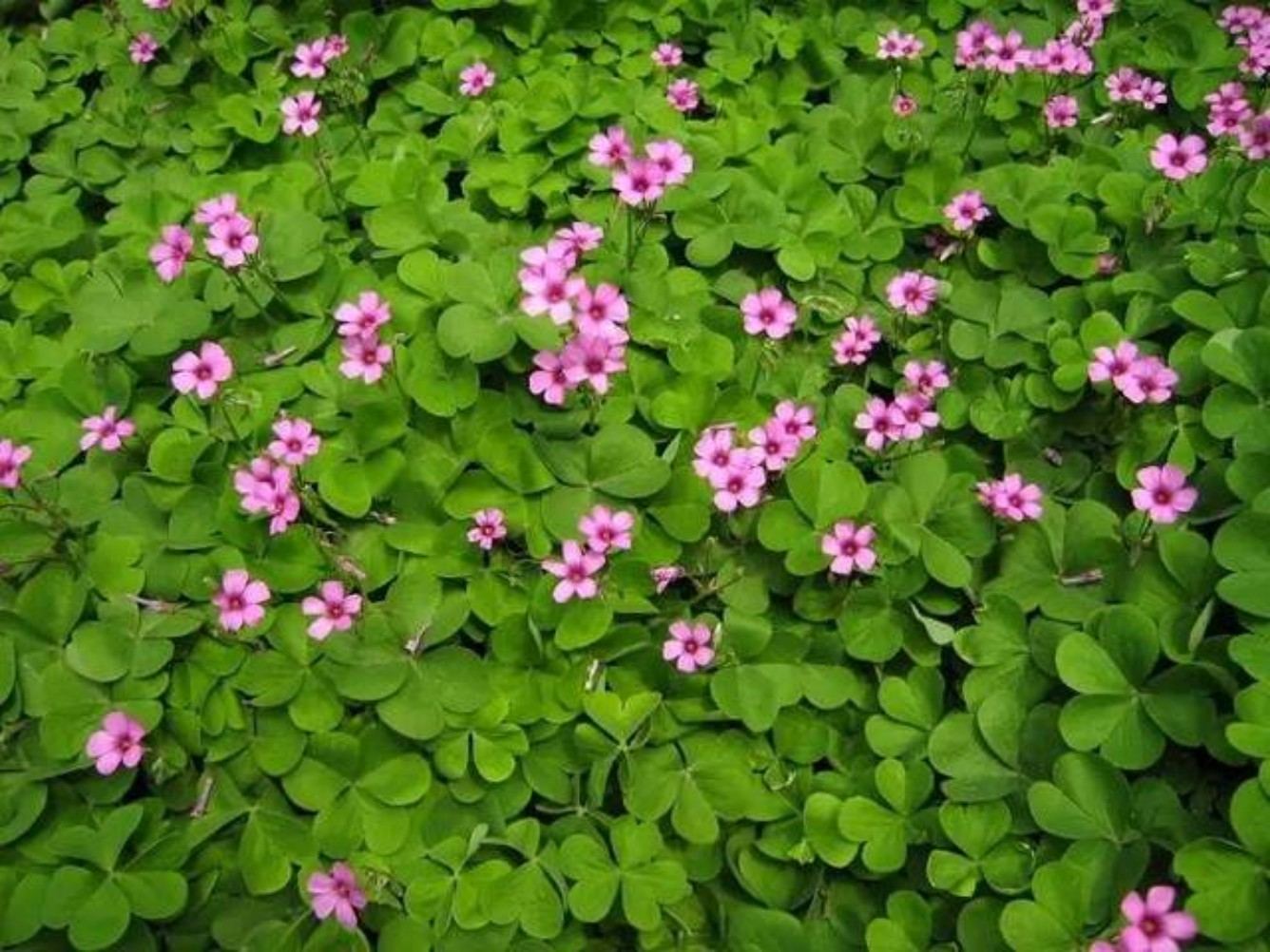
- pink, white, purple
-
- Leaf color
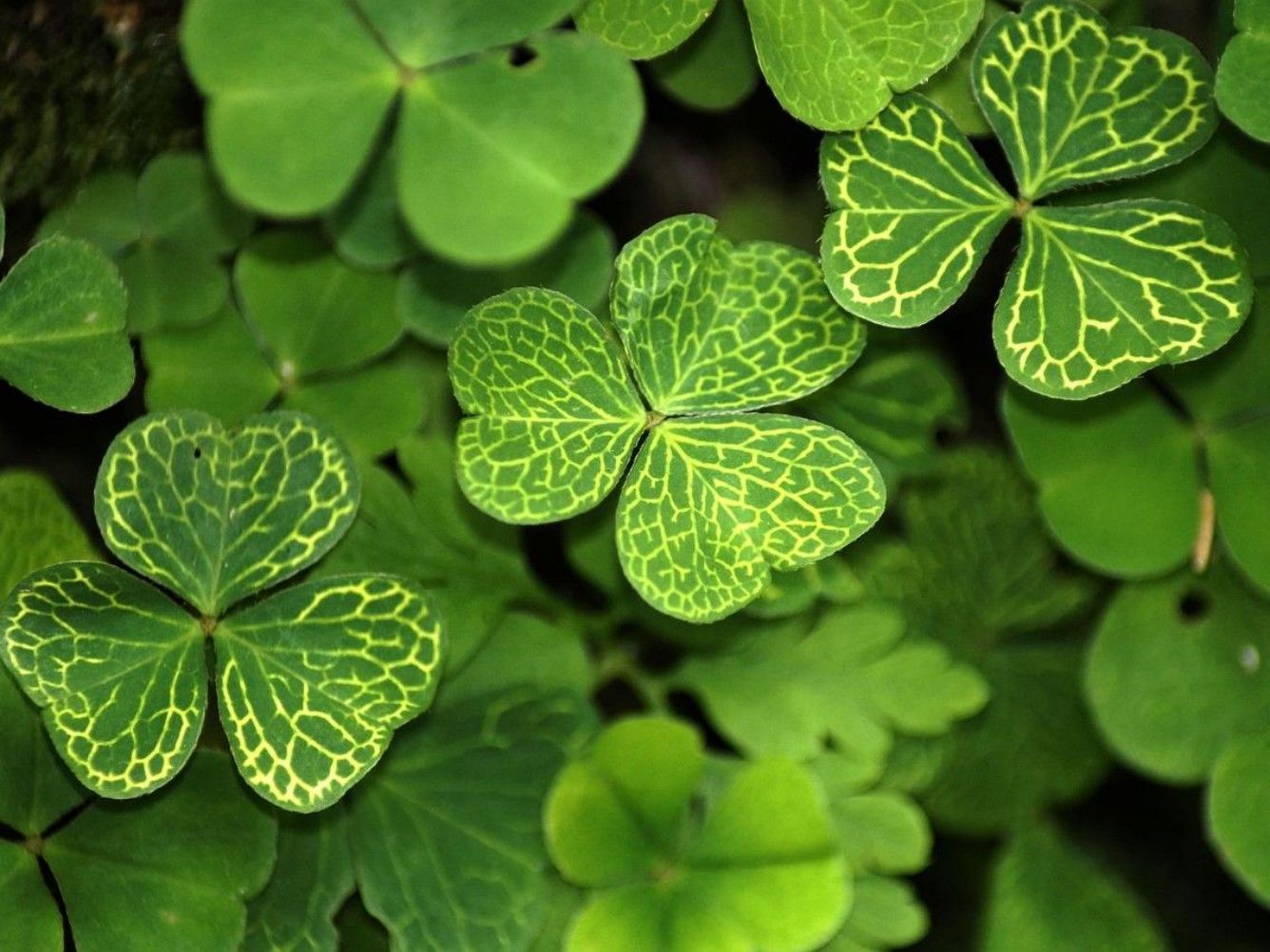
- green, two-color gradient
-
- Flowering period
- late spring to summer
-
- Leaf shape
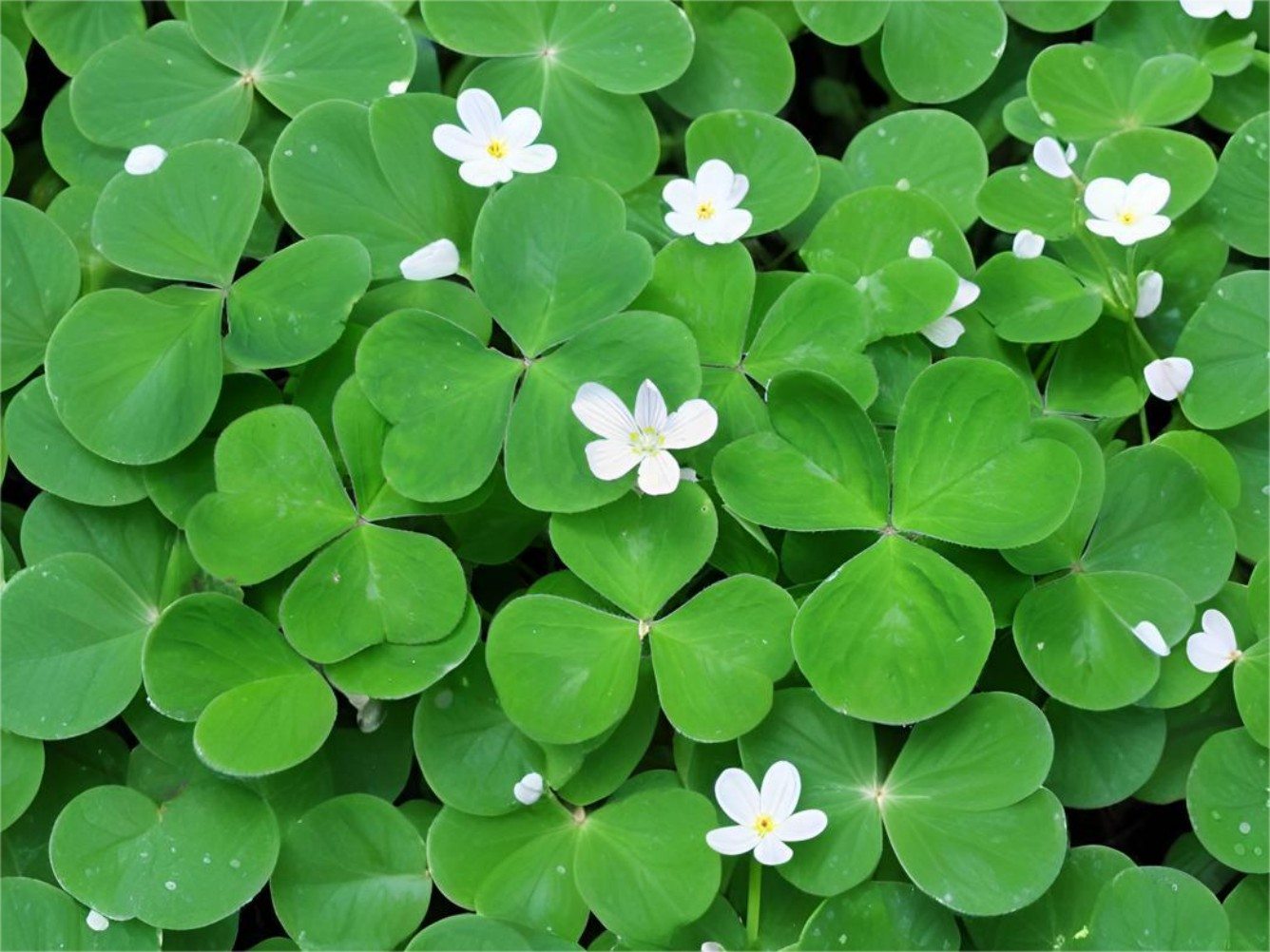
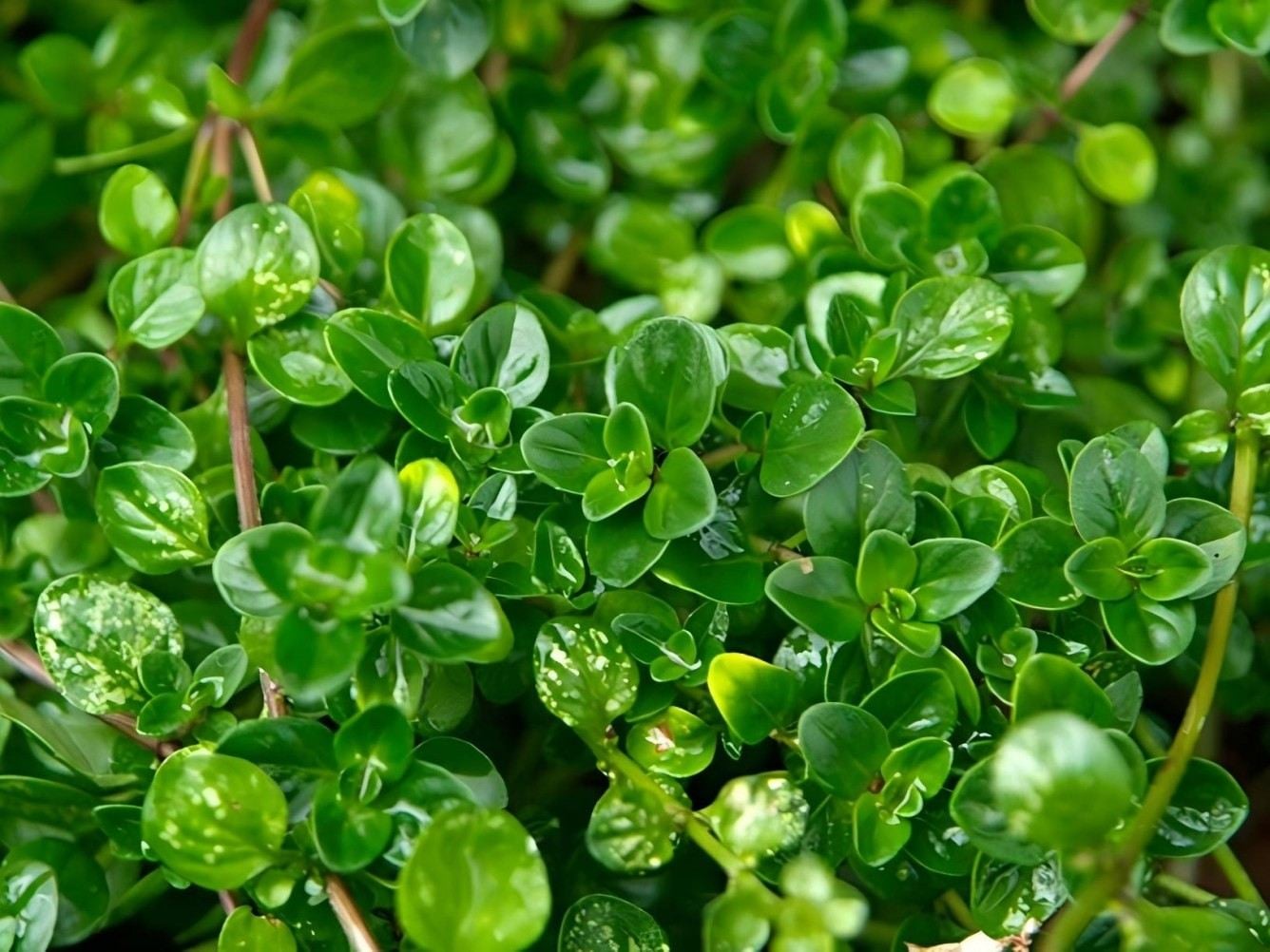
- three divided, shaped like a love heart
Plant Care Requirements
-
Cold hardiness
4-9
-
Care Difficulty
low or medium
-
Watering Requirements
Once a week
-
Nutritional Needs
Thin fertilizer once a month
-
Soil Requirements
pH 6.0~6.5
-
Sunlight Requirements
2 hours of diffused light per day
Advertisement
Plant Care Guide
-
Why do Oxalis leaves appear curled and not spreading?
Proper wateringThe appearance of curled and unstretched Oxalis leaves is usually caused by environmental factors. Excessive sun exposure, high temperatures or drought may cause the plant's leaves to become dehydrated and curled. In addition, overwatering or high humidity may also cause the roots to not be able to absorb water properly, which in turn affects the spreading of the leaves. Adjusting environmental conditions and proper watering can help the plant return to normal growth, and loosening the soil once a year in the spring and supplementing with organic fertilizer improves soil quality.
-
Why does Oxalis have uneven leaf growth?
Uneven light distributionUneven leaf growth is usually due to uneven light distribution, which prevents some leaves from getting enough sunlight and affects their normal growth. To improve this situation, make sure that the plant can be placed in a well-lit position and avoid surrounding objects that block the sunlight. In addition, regular repositioning of the plant so that each section receives even sunlight will help promote healthier and more balanced growth.
-
Which cultivation methods are suitable for Oxalis?
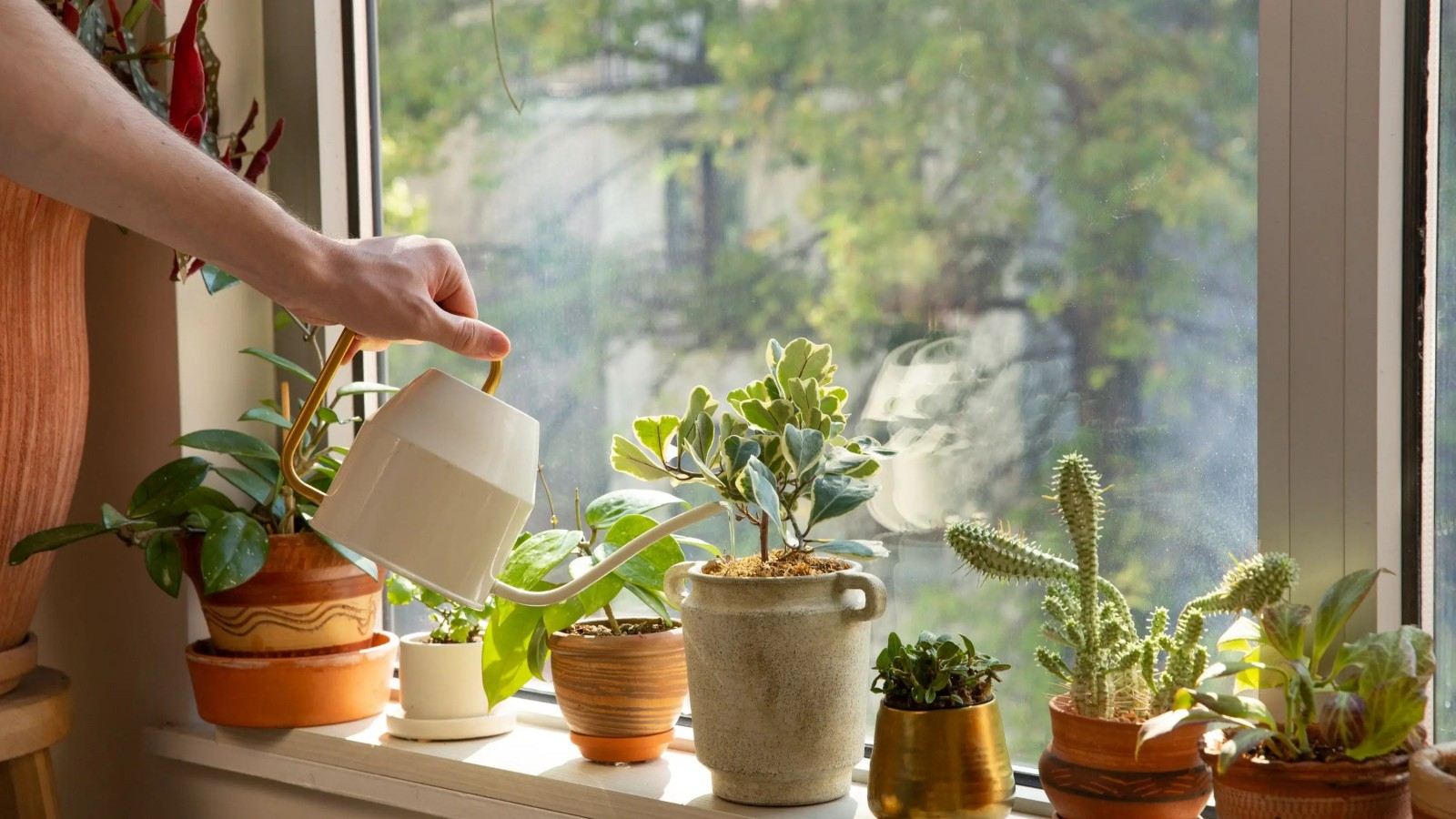
Choose indoor windowsill pots, balconies or outdoor gardensOxalis is ideal for potting and can be grown indoors on a windowsill, balcony or outdoor garden. Its attractive appearance and small size make it ideal for indoor landscaping. When grown with other smaller plants, it can create a rich botanical landscape, but care needs to be taken to avoid potting with plants with deeper root systems that may compete for nutrients and water, which can affect their respective growth.
-
How is the easiest way to propagate Oxalis plants?
Propagation by division and bulbThere are two main ways to propagate Oxalis: division and bulb propagation. Dividing is usually done in the spring or fall by carefully dividing a healthy rhizome into multiple parts, retaining a portion of the root system and foliage in each part, and replanting. Bulb propagation, on the other hand, involves planting the bulbs directly in loose soil, keeping the soil moist and waiting for new shoots to grow. Both methods are effective in helping Oxalis to propagate and maintain their healthy growth.
-
Is hydroponics feasible for Oxalis?
Yes, the roots need to be in contact with the water but not completely submerged.Oxalis can also be cultivated by hydroponics, especially at the bulb stage. In this method, the bulb is gently placed in water, ensuring that its roots touch the surface but are not completely submerged. To keep the water clean, it needs to be changed regularly to avoid stagnant water that can lead to root rot. Hydroponics promotes healthy root growth and also provides Oxalis with sufficient water to help it germinate and grow better.
-
How to choose a variety of Oxalis?
Depending on the size of the plant, leaf color, flower colorOxalis comes in a variety of attractive varieties, which include Purple Leaf Oxalis, Gold Edge Oxalis, and more. Each variety is distinctive in its leaf color and flower form, such as the deep purple foliage of Purple-leaved Oxalis and the yellow edges of Golden-edged Oxalis, making it a very unique ornamental plant. When choosing a variety, you can decide on the most suitable type according to your personal preferences, taking into account the size of the plant, the color of its foliage, the color of its flowers and whether it is adapted to the environment in which it is cultivated.
Advertisement
Frequently Asked Questions
-
1 Is Oxalis symbolic?
Oxalis does have a wealth of symbolism in different regions, and the four-leaved Oxalis in particular is often seen as a symbol of good luck due to its rarity. It is believed that finding a four-leafed Oxalis brings good luck, wealth and happiness, making it a symbol of good fortune. And in some regions, Oxalis represents the resilience and resurgence of life, as its leaves close at night, showing the natural cycle of growth and vitality.
-
2 Is Oxalis poisonous?
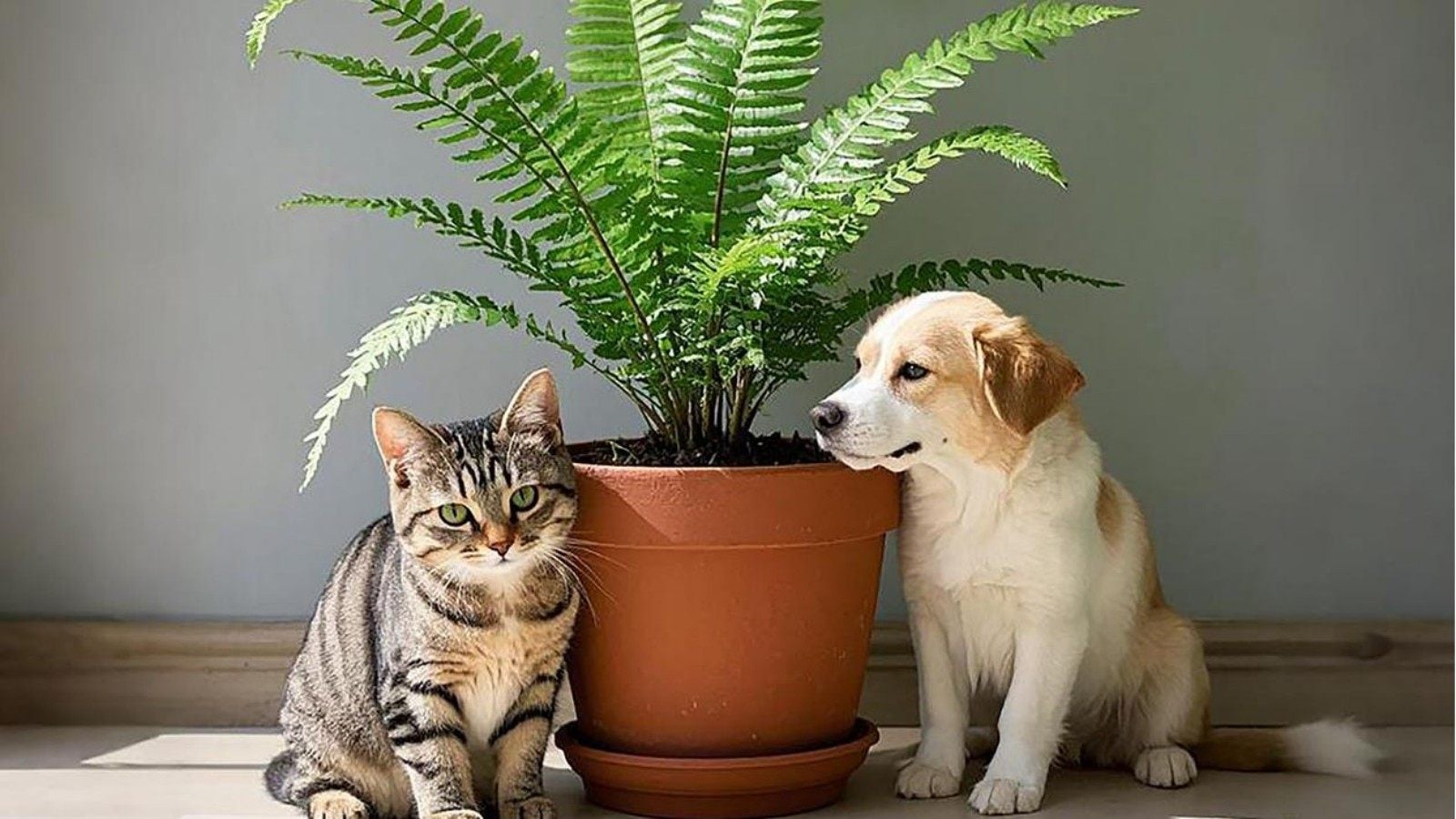
Oxalis plants contain oxalic acid, a component that can cause discomfort to humans and animals when ingested in excess. Oxalic acid can combine with calcium to form calcium oxalate, which can lead to kidney stones or other health problems. Although Oxalis is usually harmless as an ornamental plant, accidental ingestion of its leaves or flowers can trigger a toxic reaction in children and pets, so special care should be taken to prevent them from coming into contact.
-
3 Does Oxalis appear to open day and close night?
The foliage of Oxalis is extremely sensitive to changes in light and exhibits a unique diurnal opening and closing phenomenon. During the day, when there is full sunlight, the leaves unfold upwards in a beautiful green or purple color. At night or when the light is low, the leaves will close, like a small flower quietly closed. This phenomenon brings unique viewing pleasure to gardeners and adds to the vividness of the plant.
Advertisement
Introduction
Oxalis, is a diverse plant, they are found all over the globe and are especially diverse in the tropical regions of Brazil, Mexico and South Africa. Oxalis are usually low-growing herbs, and many are named “sorrel” for their slightly sour taste. Some edelweiss is widely cultivated as an ornamental plant because of its distinctive leaf shape and colorful flowers. The foliage is sensitive to light and exhibits an interesting day-opening and night-closing phenomenon, making it a unique ornamental experience for gardening enthusiasts.
Popular Plant Encyclopedia
-
-
Poisonous and danger
- Rhus typhina
-
-
-
Edible and medicinal
- Common sunflower
-
-
-
Poisonous and danger
- Plumeria rubra
-
-
-
Wild and common weed
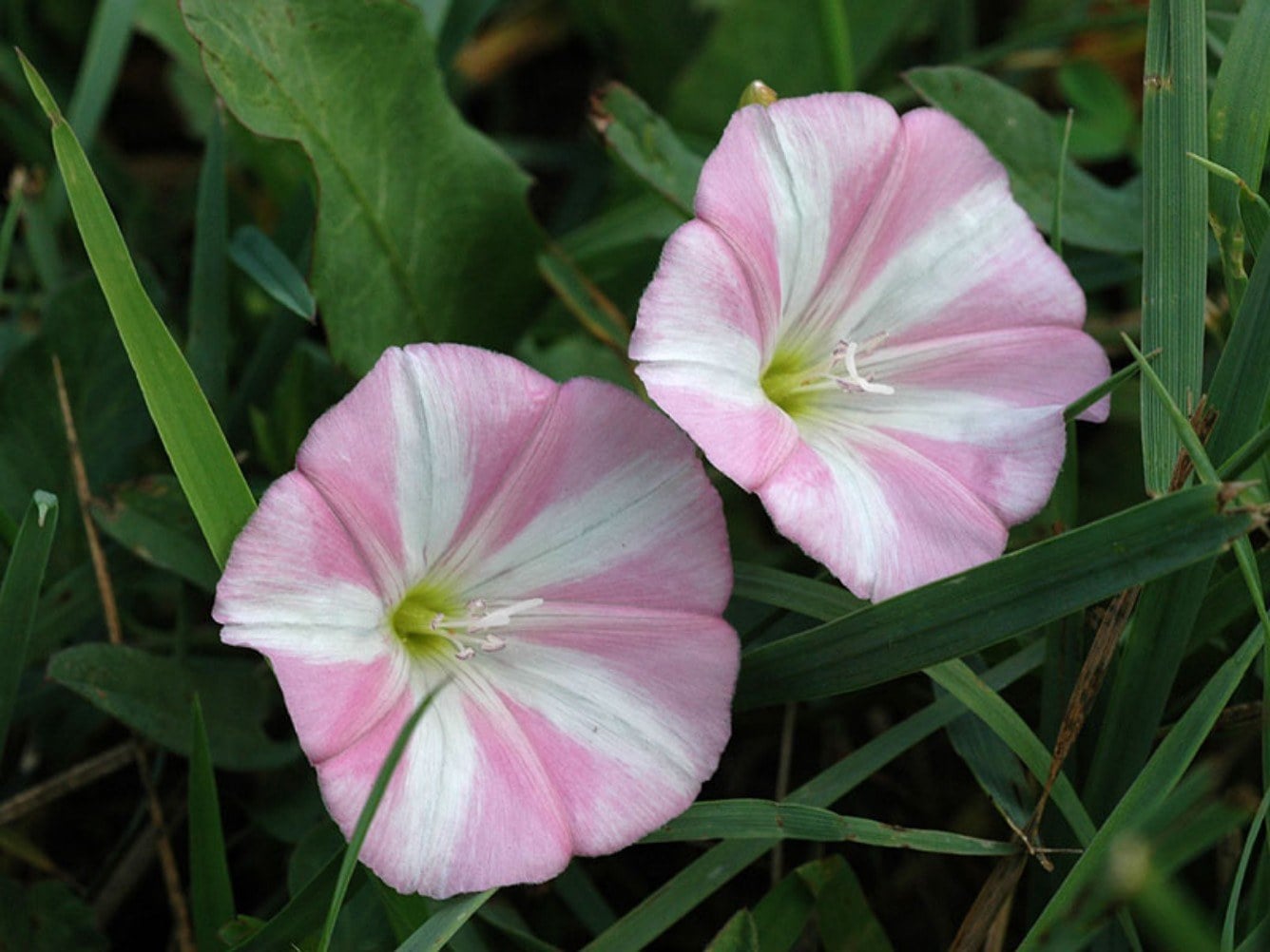
- Convolvulus arvensis
-
-
-
Edible and medicinal
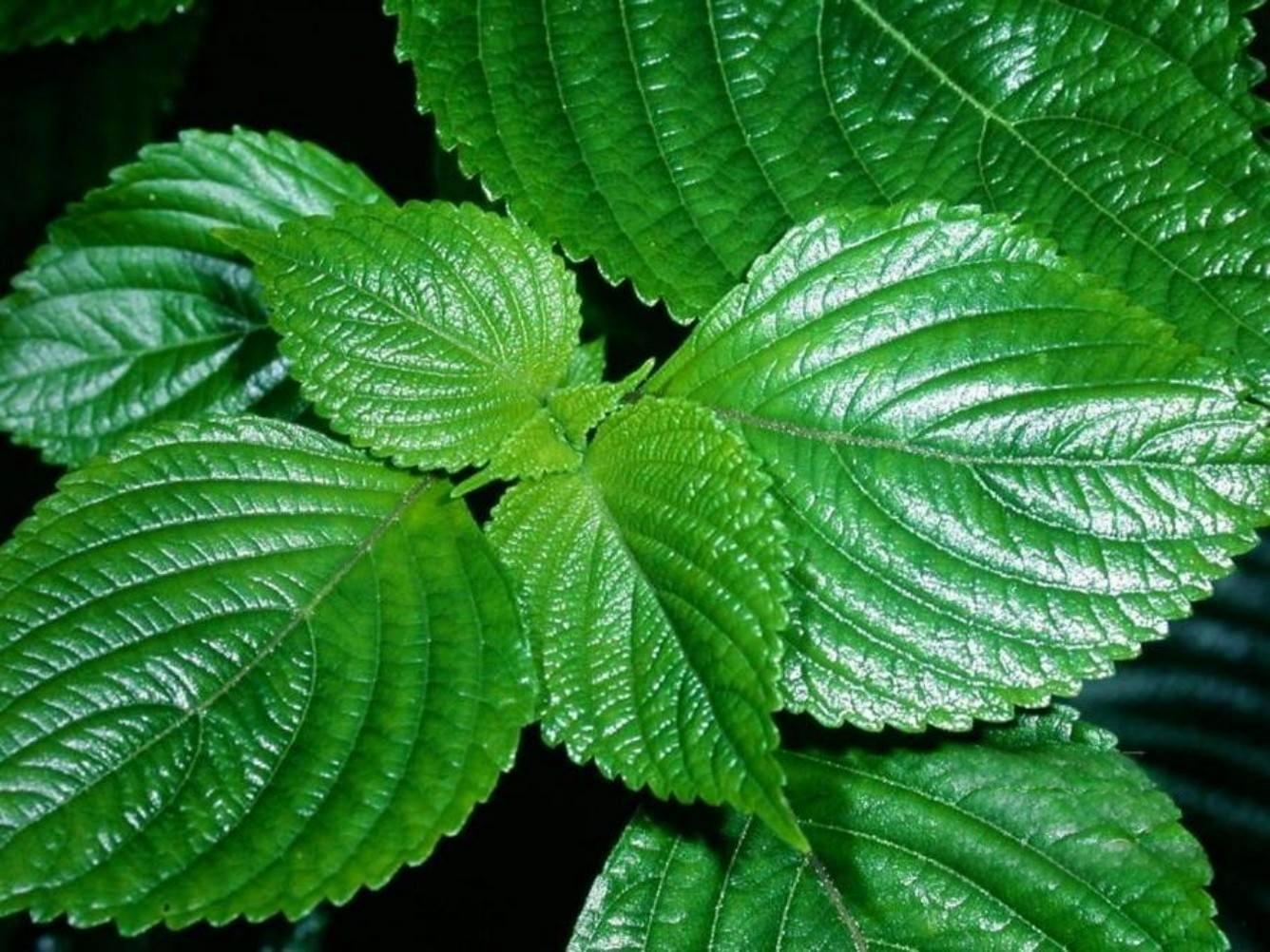
- Perilla frutescens
-
-
-
Edible and medicinal
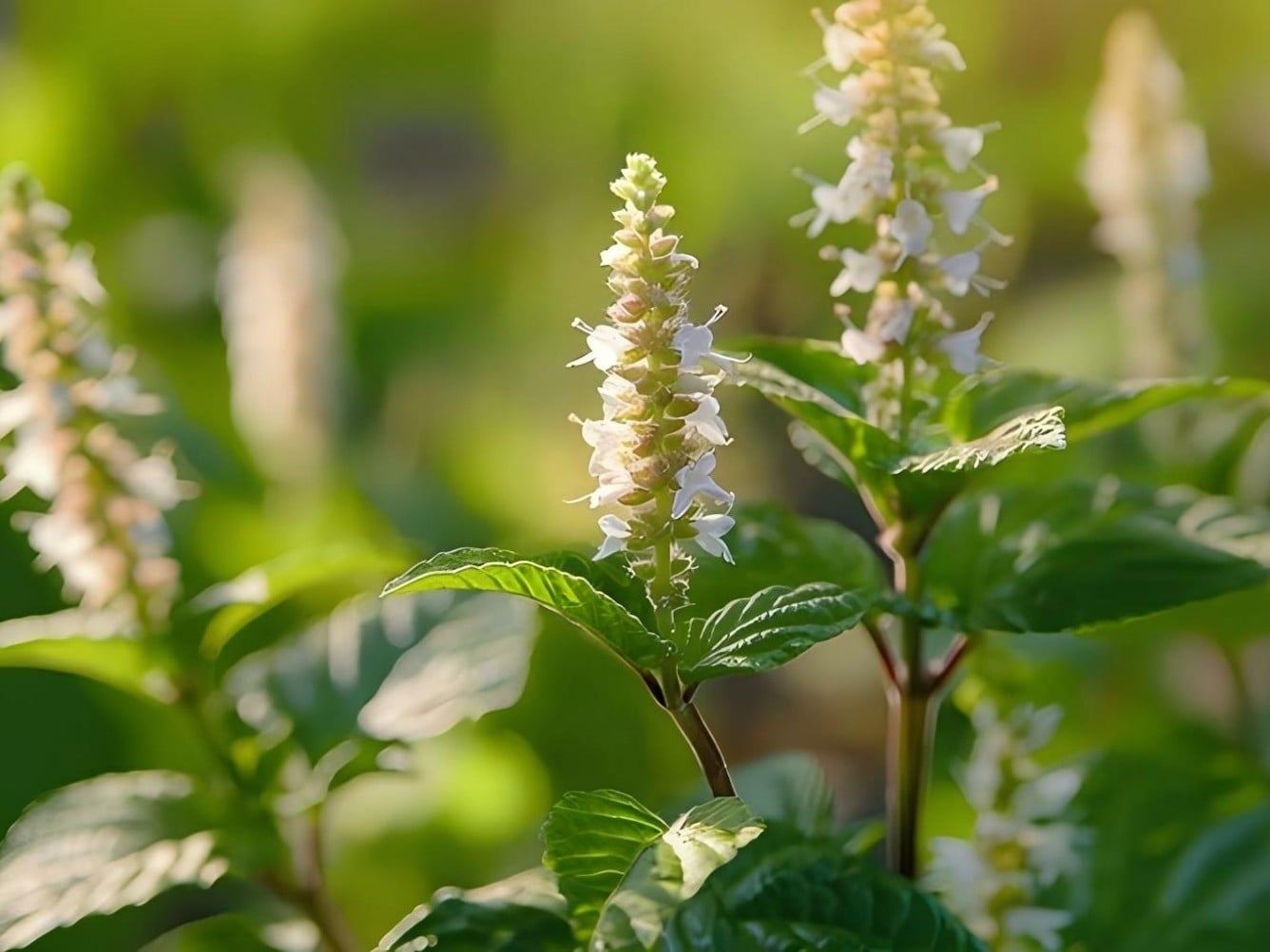
- Pogostemon cablin
-
-
-
Edible and medicinal
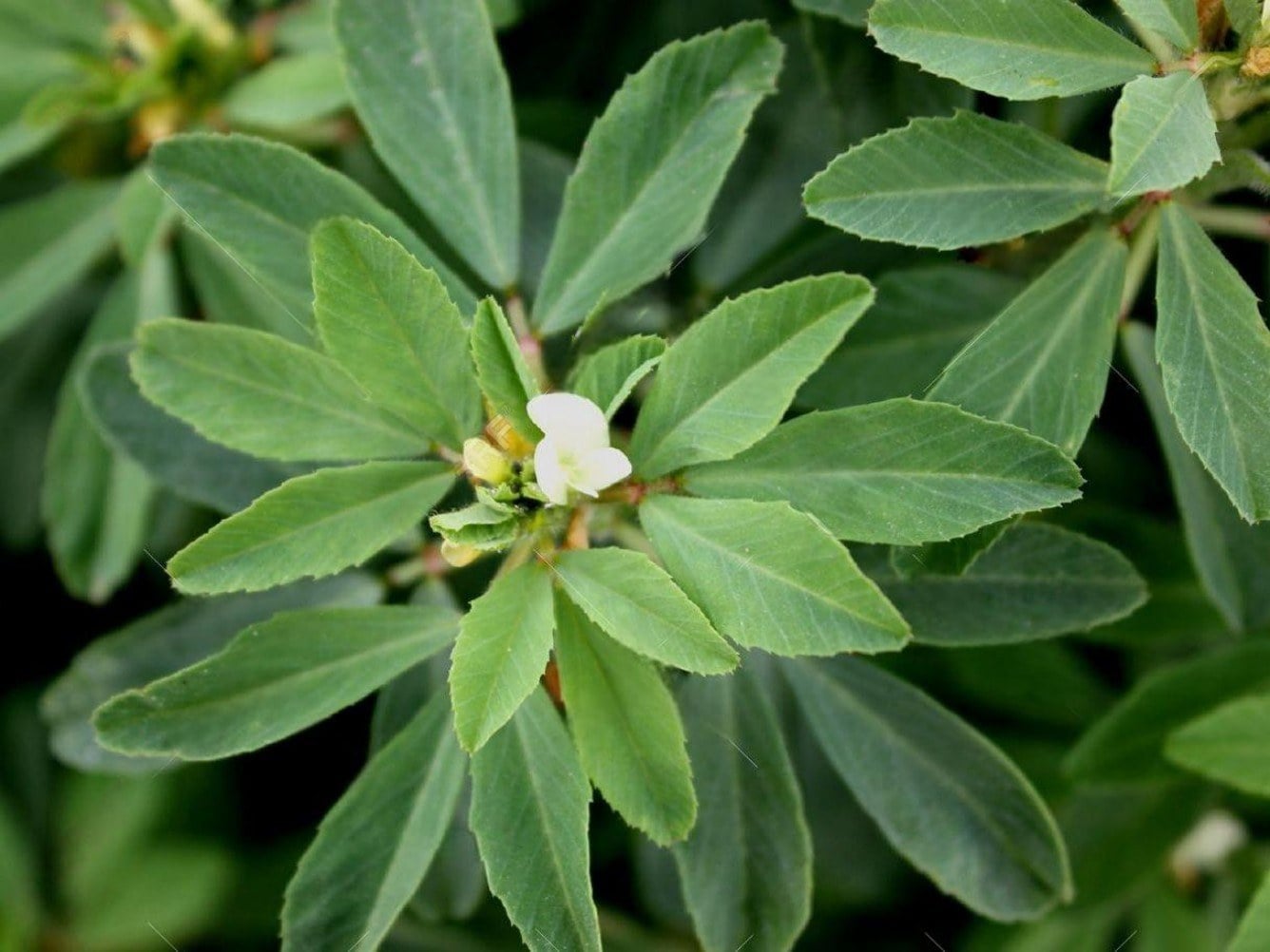
- Common fenugreek
-
-
-
Edible and medicinal
- Garden Thyme
-
 Poisonous and danger
 Edible and medicinal
Advertisement