Peony
-
 Ornamental and lands
 Ornamental and lands
Nursing Skills
Peony s plenty of sunlight and well-drained soil. When planting, choose a ventilated place to avoid waterlogging. Apply fertilizer in spring and autumn to promote flower bud differentiation. Prune the remaining flowers in time after the flowering period to reduce nutrient consumption. In winter, the above-ground part can be cut off after it withers and covered to keep warm. Avoid frequent transplanting to avoid affecting flowering.
Advertisement
Plant Properties
-
- Flowering period
- Apr–May
-
- Poisonous or not
- Generally non-toxic
-
- Flower Shape
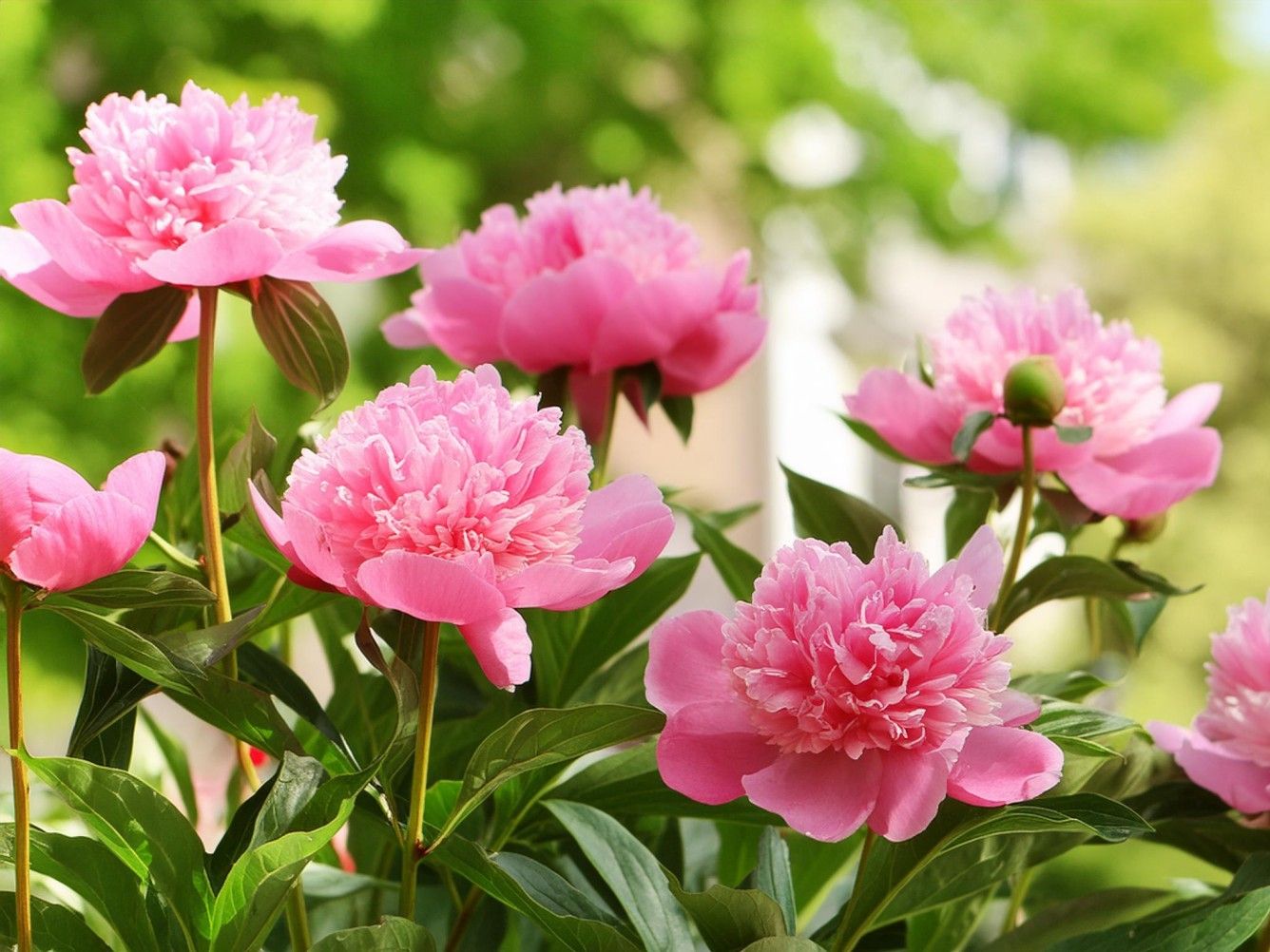
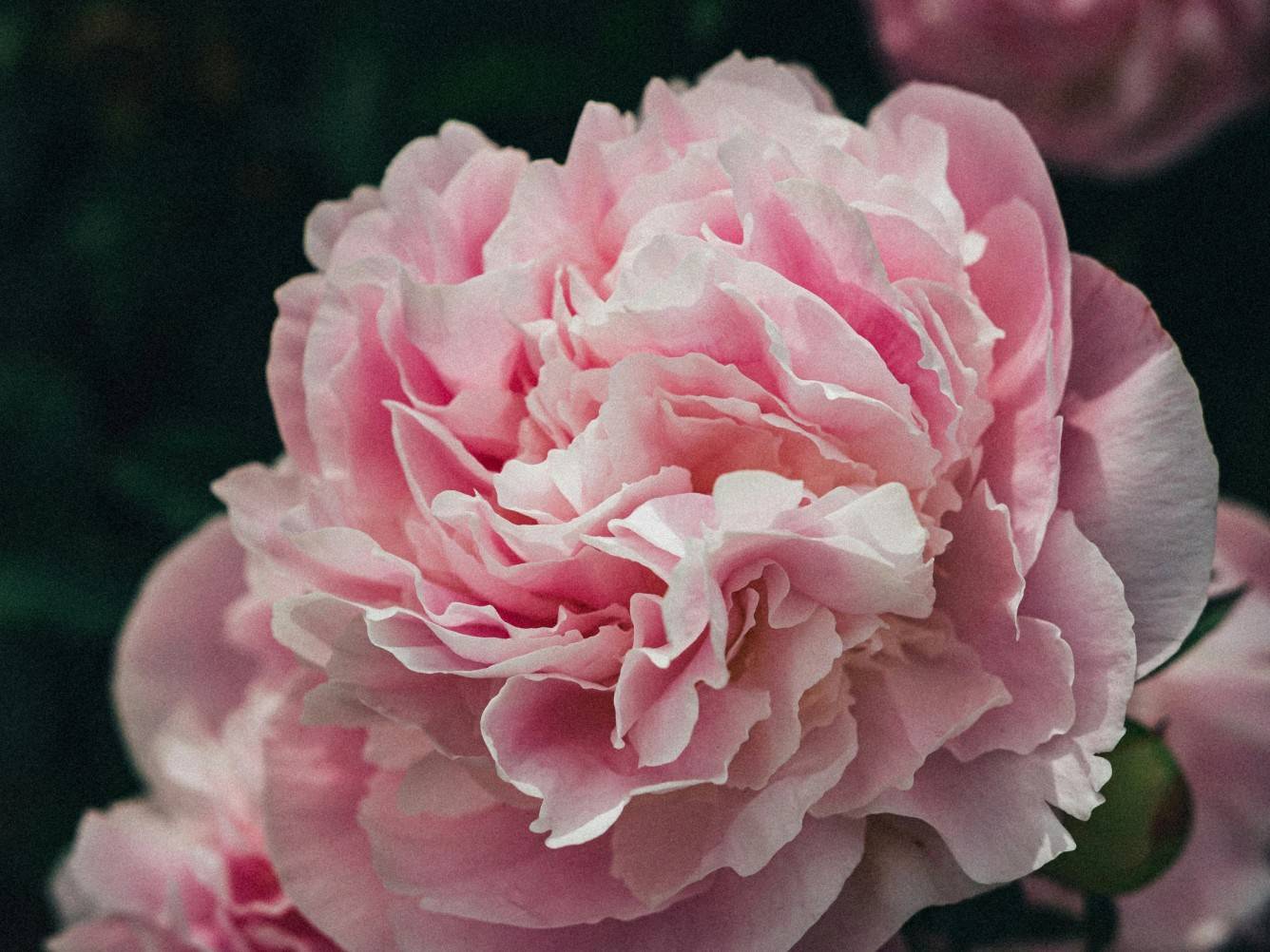
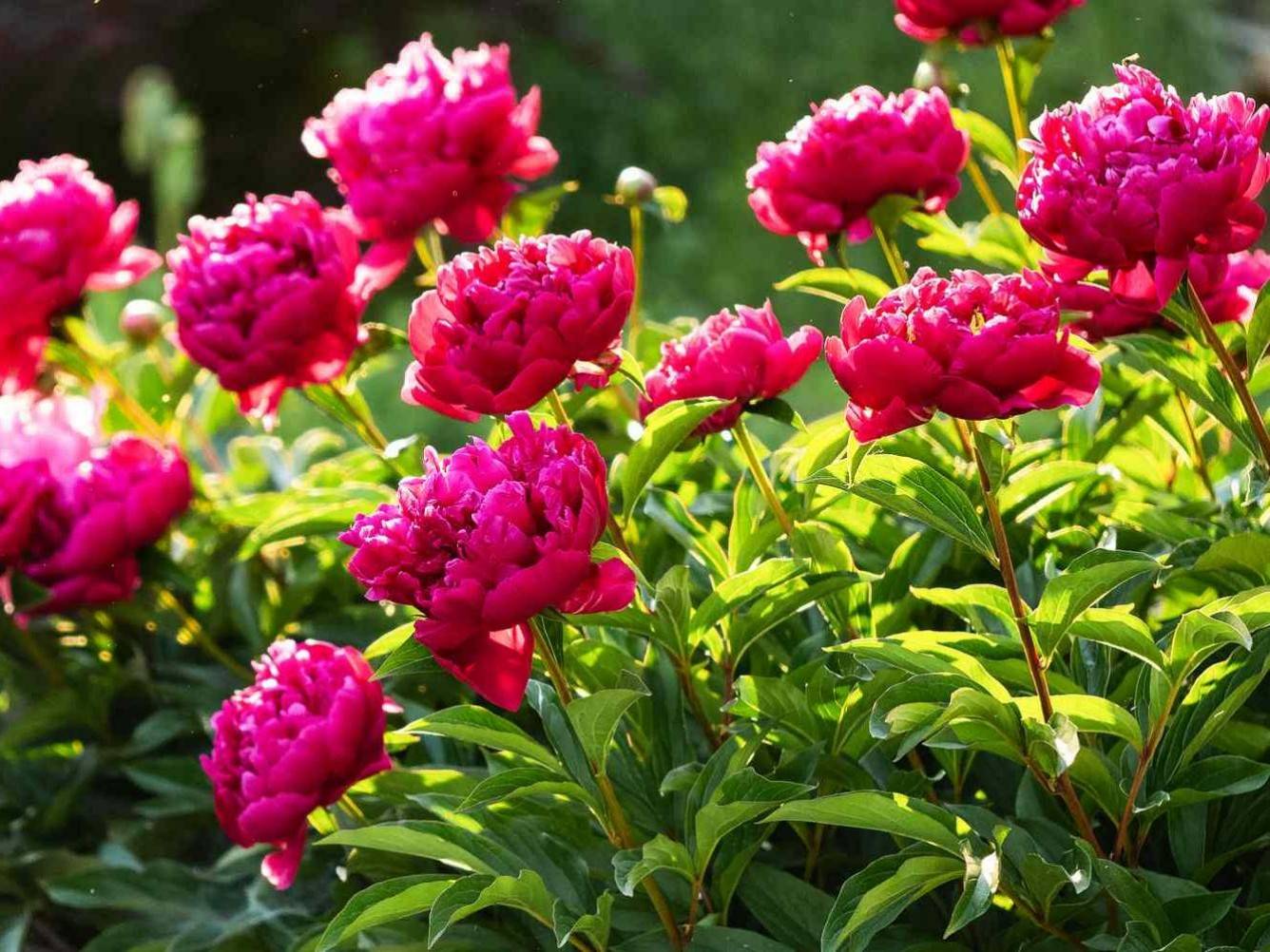
- Large, layered flowers with single, double, or multi-petal forms
-
- Strong fragrance
- Lightly scented
-
- Flower Color
- red, pink, white, yellow, purple, and more
-
- Rootstock
- yellowish white or light brown
Plant Care Requirements
-
Fertilize
Apply basal fertilizer at budding to boost growth
-
temperature requirement
15°C-25°C
-
Prevent diseases and pests
Watch for gray mold, aphids—treat promptly
-
Care Difficulty
moderately difficult
-
illumination
Requires more than 6 hours of sunlight per day
-
planting time
Spring (March-April), Fall (September-November)
Advertisement
Plant Care Guide
-
How to judge whether the peony needs to be repotted?
2-3 yearsRepotting is required when the roots squeeze out of the drainage holes, the soil is compacted, or the plant growth stagnates. It is recommended to do it every 2-3 years after flowering in spring. Choose a breathable ceramic pot that is one size larger than the original pot. When transplanting, trim the aging roots and retain the heart soil.
-
What are the possible reasons for the yellowing and curling of peony leaves?
Overwatering, iron deficiency chlorosis, aphid infestationIt may be caused by excessive watering (water accumulation and root rot), iron deficiency chlorosis (too high soil pH), aphid infestation or sunburn. It is necessary to check the root system, adjust the amount of watering, and spray chelated iron or pesticides.
-
Does the peony need special care during the winter dormancy period?
Mulch with hay or pine needlesIn cold areas, 5-10cm thick hay or pine needles should be covered to protect the root neck and avoid direct trampling on the soil to cause freezing. In warm areas, it can overwinter naturally, but dead branches need to be cut off and fallen leaves need to be cleaned to prevent diseases.
-
How to control the plant shape of the peony and promote rejuvenation through pruning?
Retain 3-5 strong branchesAfter flowering, cut off the remaining flowers and dead branches in time, and keep 3-5 strong branches; after the leaves fall in autumn, prune again, cut off the diseased and weak branches and cross branches, and keep the base buds to stimulate the germination of new branches.
-
How long does it take for peony seeds to bloom after sowing? How to improve the germination rate?
2-3 yearsIt takes 2-3 years to bloom after sowing. Soak the seeds in warm water for 24 hours before sowing to soften the seed coat, cover with soil twice the diameter of the seeds, keep the soil moist but avoid waterlogging, and the suitable temperature for germination is 15-20℃.
-
What are the natural prevention and control methods for the common peony pest "aphids"?
Use of deworming articlesSpray diluted garlic water or chili water to repel; hang yellow sticky insect boards; release ladybugs to prey; spray with neem oil or pyrethrin in severe cases to avoid chemical pesticides from harming pollinating insects.
Advertisement
Frequently Asked Questions
-
1 Is the transparent "vitrification" of peony petals a disease? How to deal with it?
Petal vitrification is usually caused by the following factors: extreme high temperature (>30℃) leading to imbalanced water metabolism; soil humidity fluctuates, root water absorption is unstable; spray concentration is too high to burn petals. Solution: Move to a cool and ventilated place, stop spraying, keep the soil moist but avoid water accumulation, and cut off damaged petals to prevent bacterial infection in severe cases.
-
2 How to distinguish between peony and peony (Paeonia lactiflora)? What are the differences in maintenance?
Morphological differences: Peony is a shrub (woody stem), peony is a perennial herb (fleshy root); peony leaves have deeper lobes, peony leaves are smoother. Maintenance differences: Peony needs winter low temperature vernalization (<5℃ for 6 weeks) to bloom, peony is slightly less cold-resistant but adapts to high temperatures; Peony should not be pruned in summer, peony can be lightly pruned.
-
3 How to restore the vitality of peony after years of planting (reduced flowering and short plants)?
The main cause of degeneration is root aging or soil nutrient depletion. The following measures can be taken: 1. Division and renewal: dig out the plant in autumn, cut off the middle aging part, retain the outer strong buds and replant; 2. Soil improvement: replace with loose and fertile mixed soil (leaf humus + perlite + bone meal); 3. Heavy pruning to promote new growth: cut off old branches to the base to stimulate the sprouting of new branches; 4. Dormancy regulation: cover in winter to prevent cold but avoid too thick to ensure sufficient low-temperature vernalization.
Advertisement
Introduction
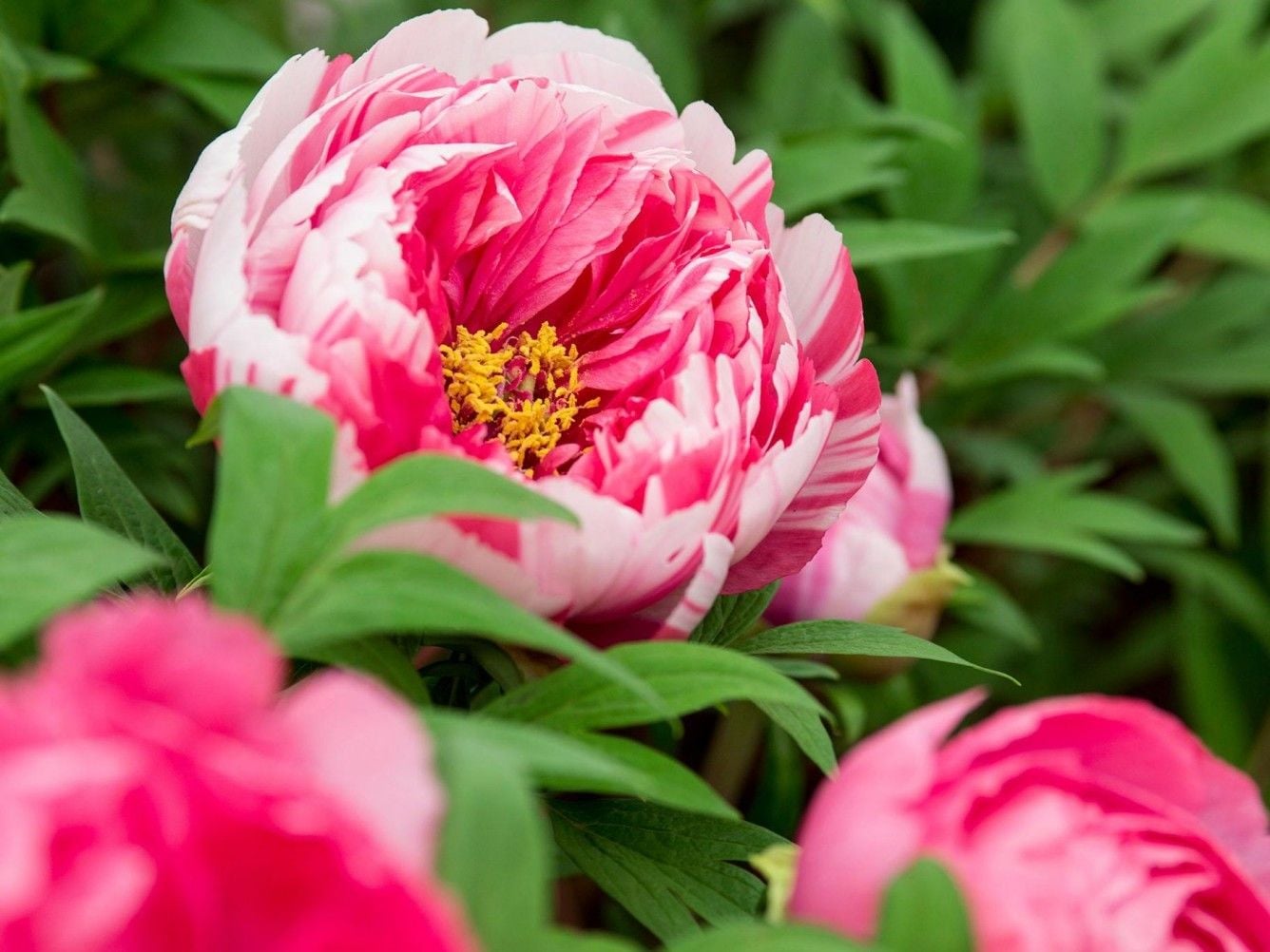
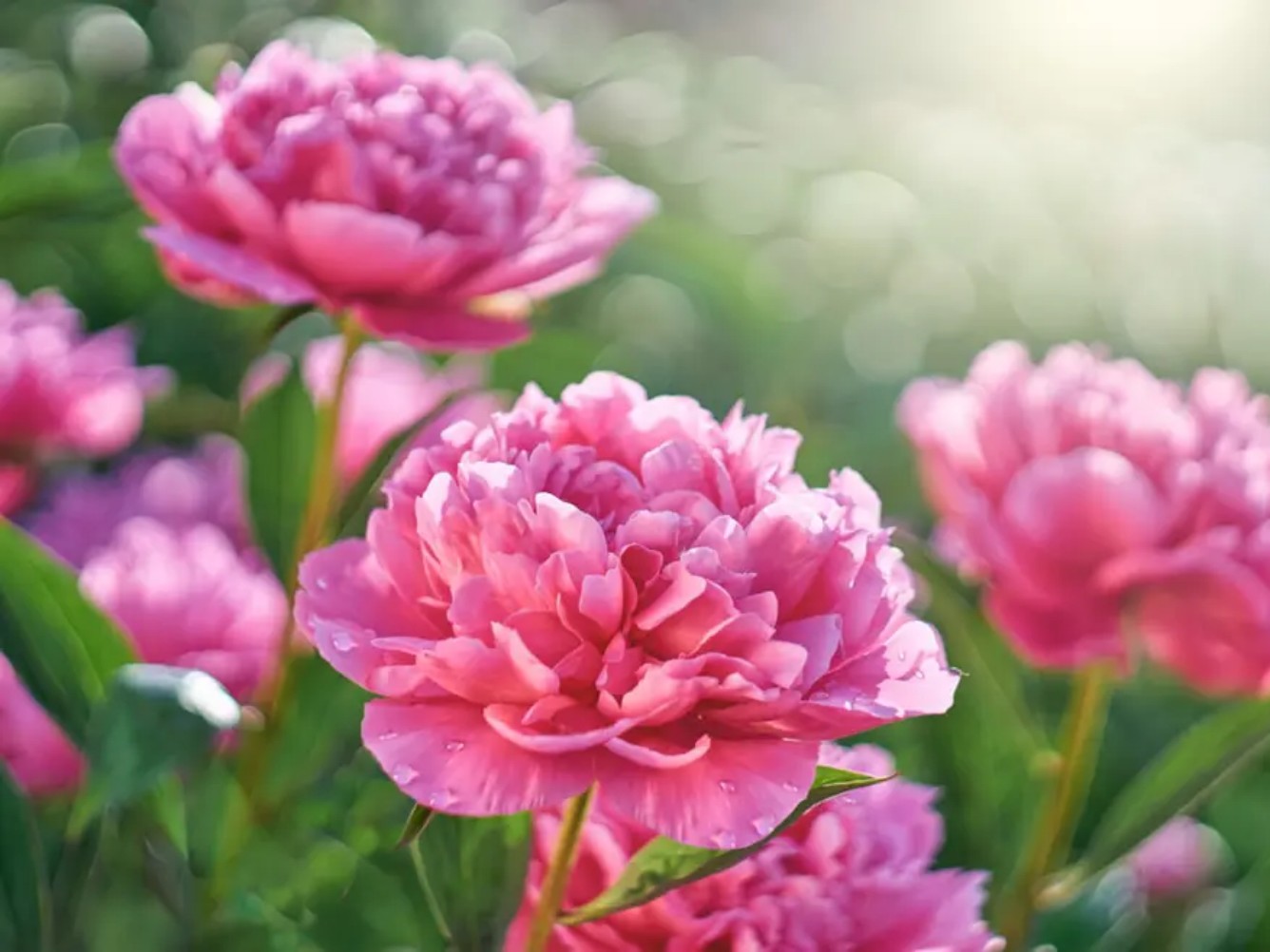
Peony is a perennial deciduous shrub of the genus Paeonia. It has large flowers with a diameter of up to 20-30 cm. The petals are broad and thick, with rich colors, including red, pink, white, purple and other colors. It is native to China and prefers warm, cool, dry and sunny environments. It has a certain degree of cold resistance.
Popular Plant Encyclopedia
-
-
Poisonous and danger
- Rhus typhina
-
-
-
Edible and medicinal
- Common sunflower
-
-
-
Poisonous and danger
- Plumeria rubra
-
-
-
Wild and common weed
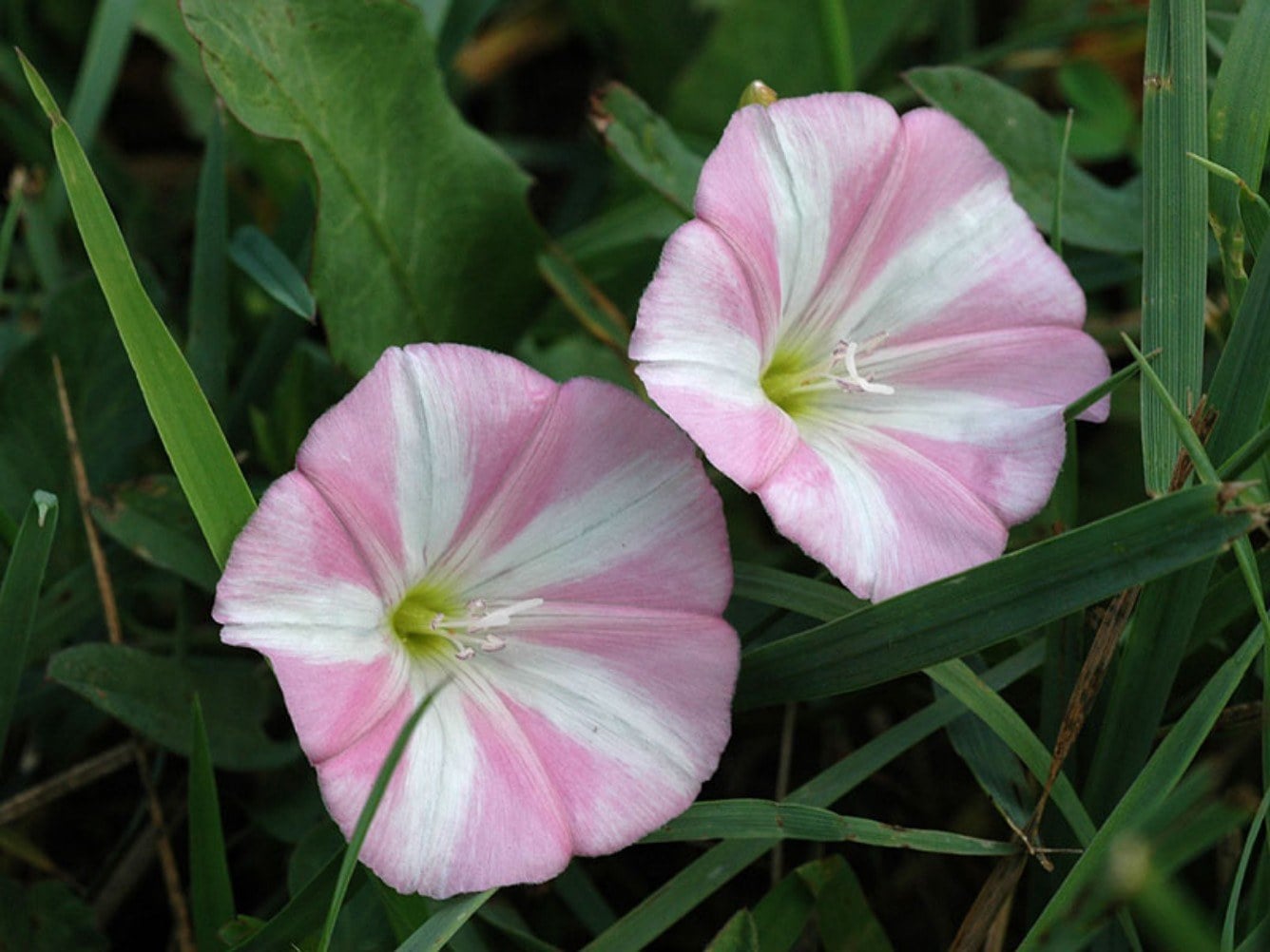
- Convolvulus arvensis
-
-
-
Edible and medicinal
- Perilla frutescens
-
-
-
Edible and medicinal
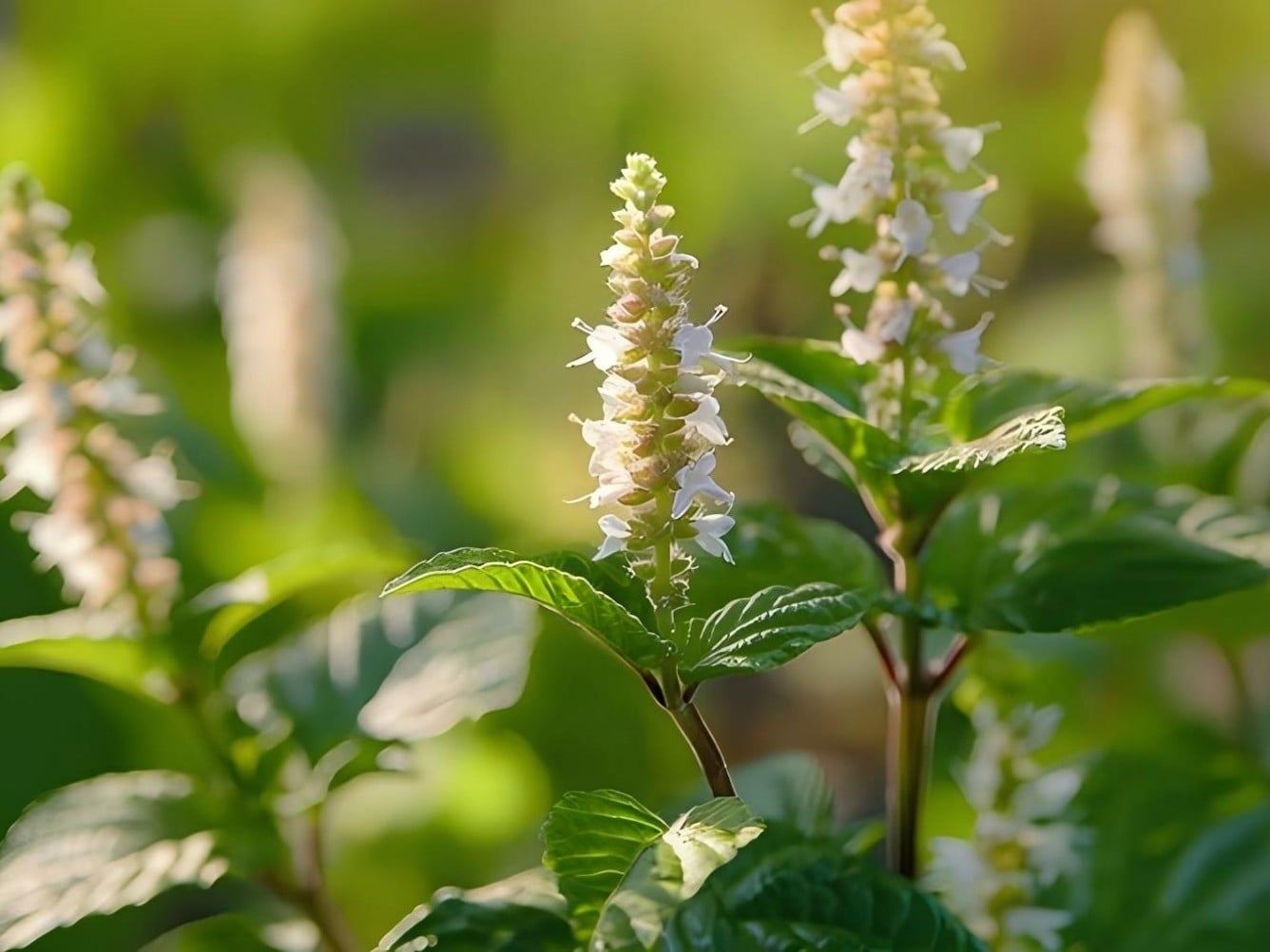
- Pogostemon cablin
-
-
-
Edible and medicinal
- Common fenugreek
-
-
-
Edible and medicinal
- Garden Thyme
-
 Poisonous and danger
 Edible and medicinal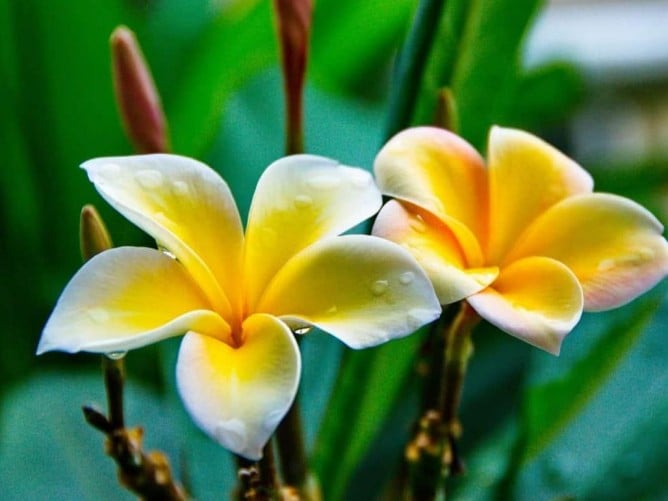
 Wild and common weed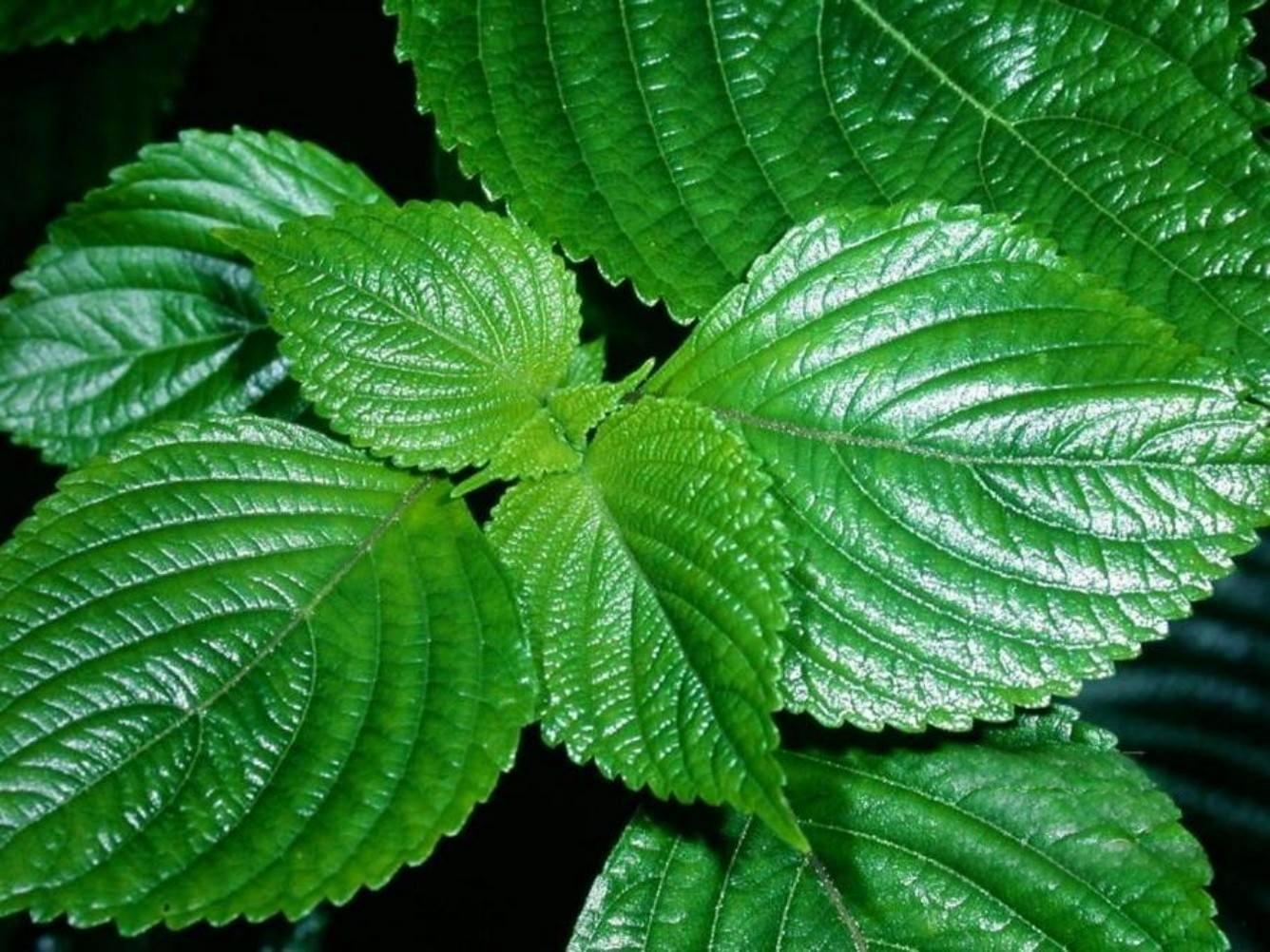
Advertisement