Phalaenopsis Orchid
-
 Ornamental and lands
 - Also known as:Moth Orchid,Butterfly Orchid,Phalaenopsis Orchid,Fengdie Orchid
 Ornamental and lands
Nursing Skills
Phalaenopsis orchids thrive in s environments characterized by warmth, humidity, and good ventilation. They prefer diffused light and should be shielded from intense direct sunlight. A well-aerated growing medium composed of bark or sphagnum moss is ideal. During the active growth period, apply a diluted orchid fertilizer every 2–3 weeks. Maintaining high air humidity promotes healthy growth of both leaves and flower spikes.
Advertisement
Plant Properties
-
- Toxicity
- Non-toxic
-
- Plant Height
- Typically 30–60 cm
-
- Blooming Season
- Late winter to spring
-
- Flowering Period
- Lasts 2 to 4 months
-
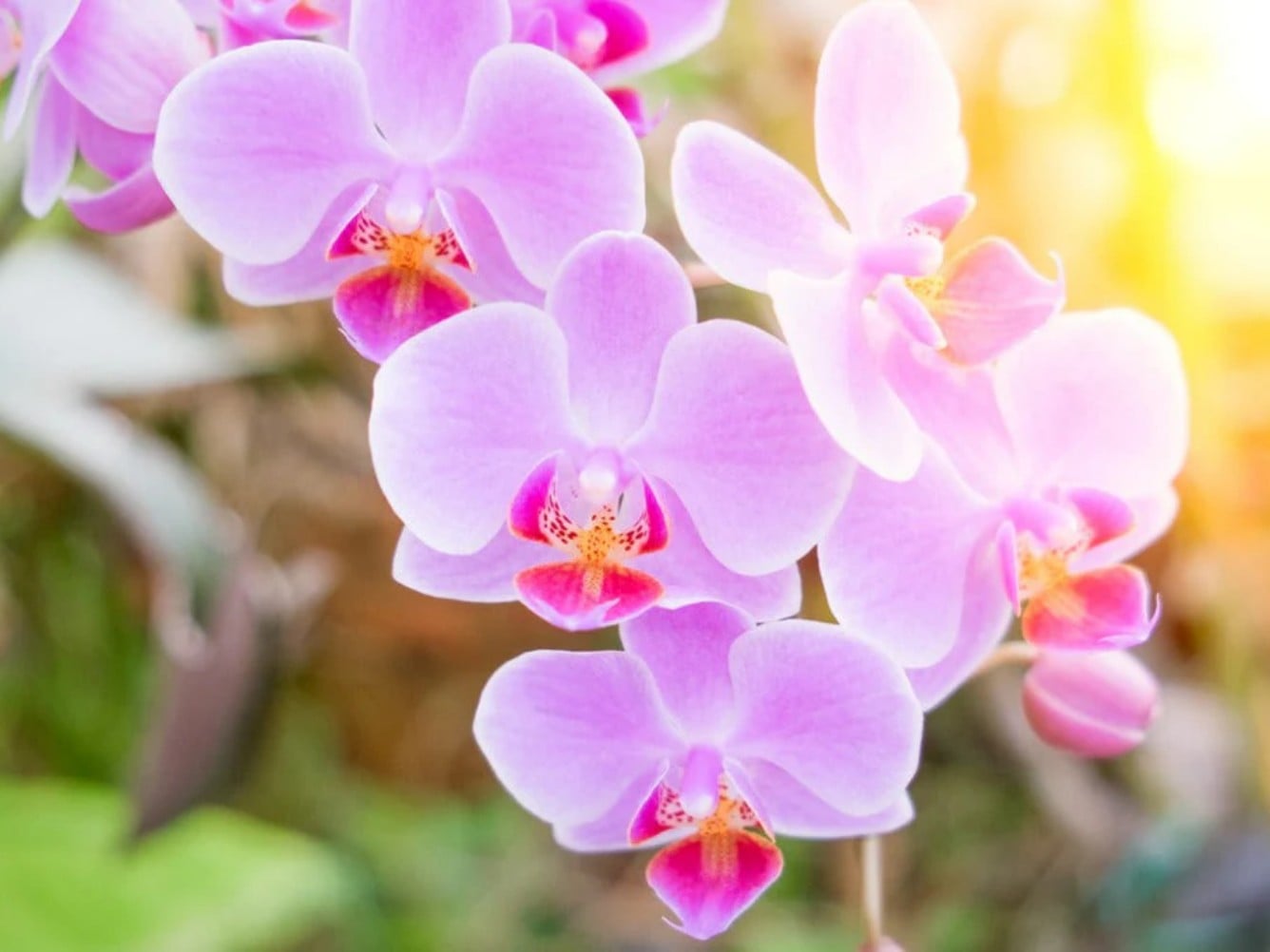
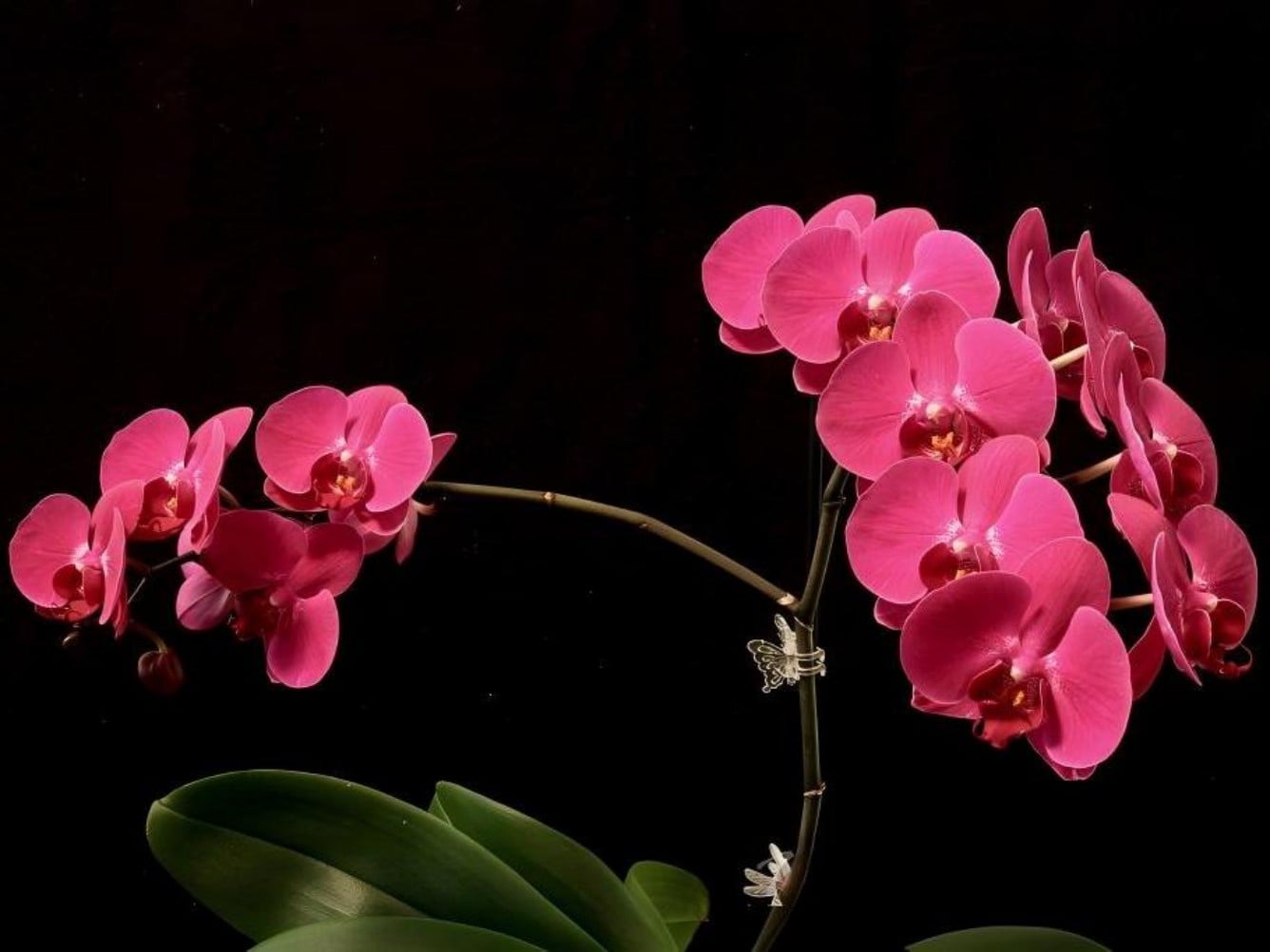
- Flower Shape
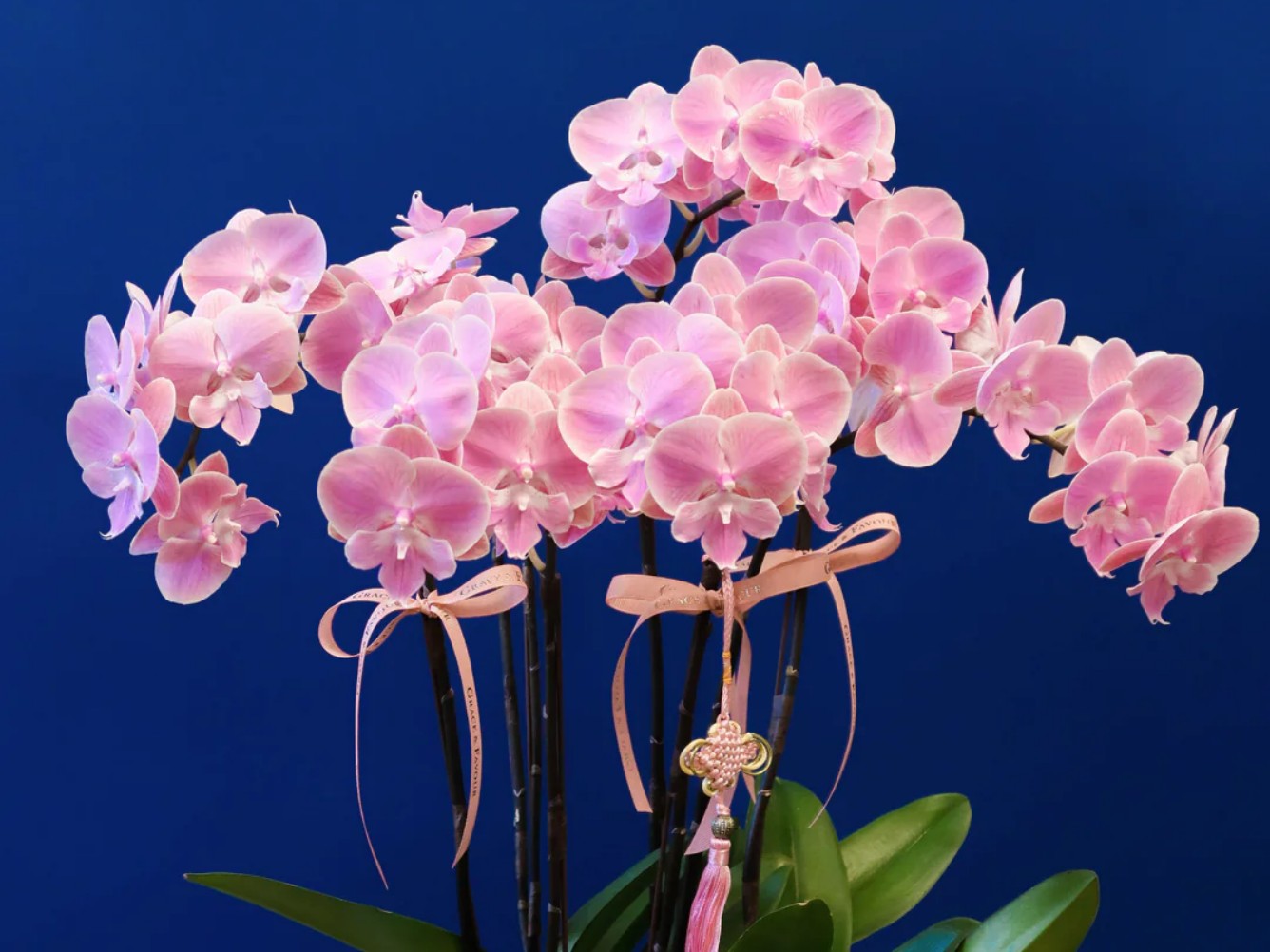
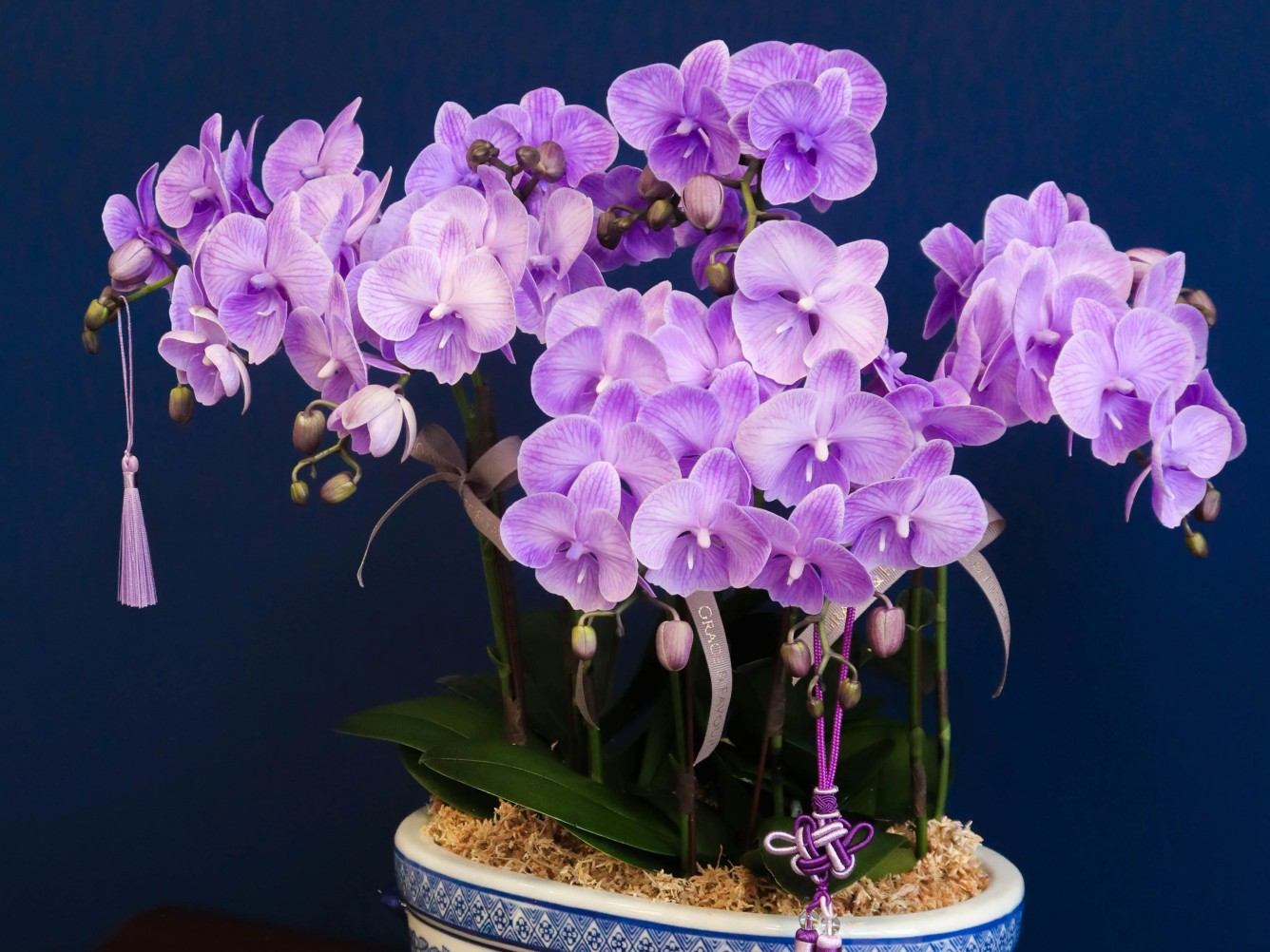
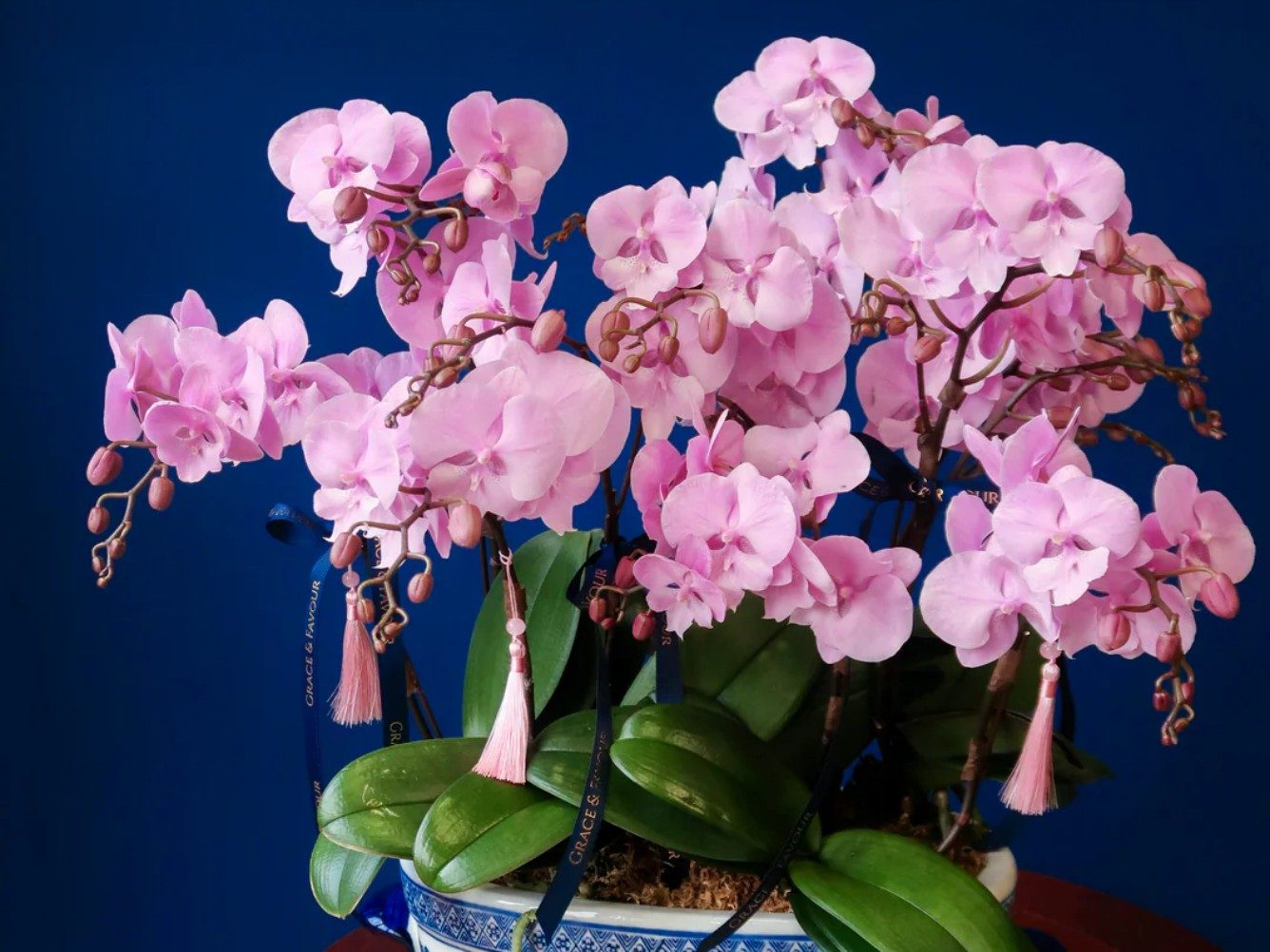
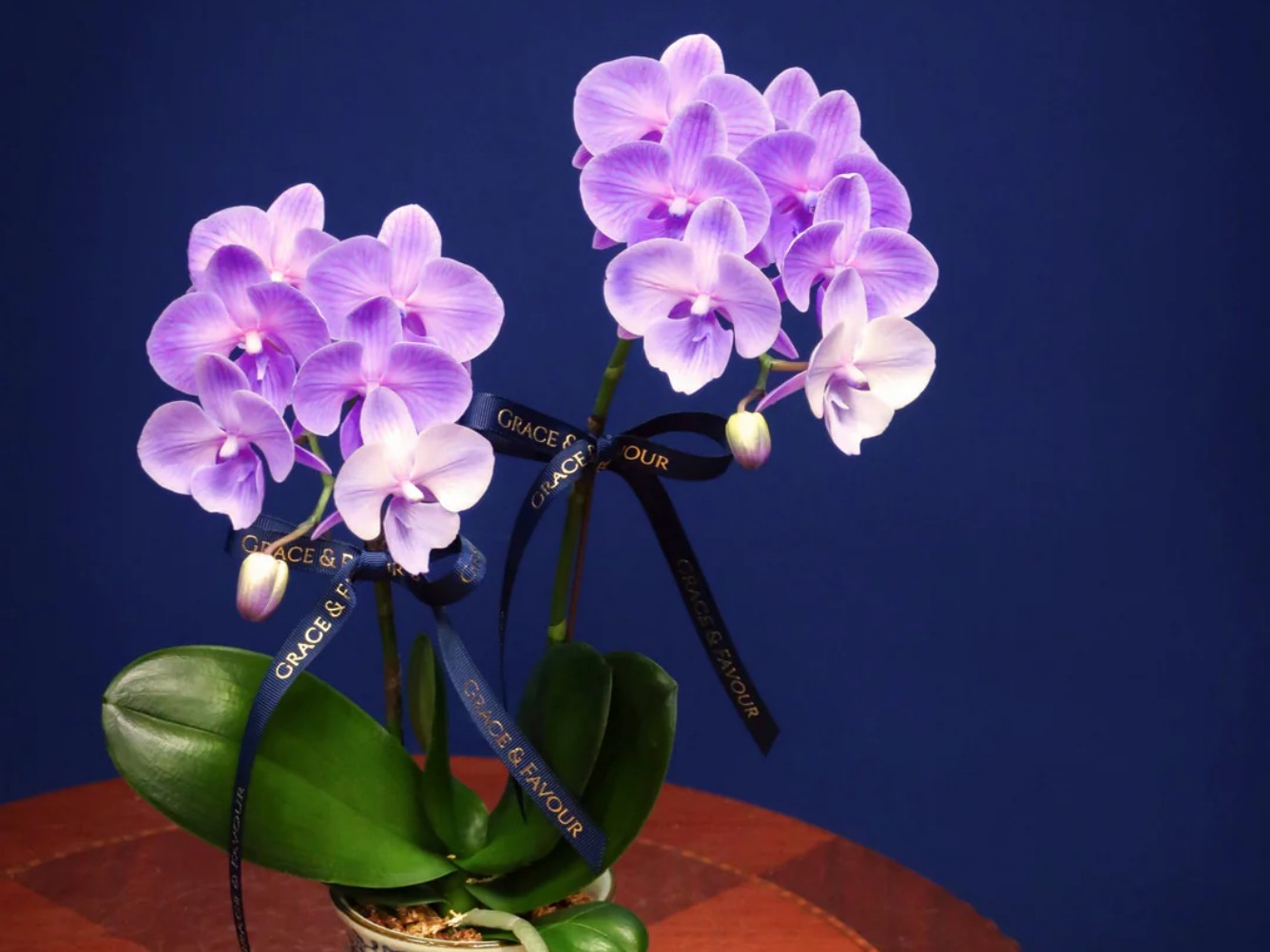
- Resembles butterflies in flight
-
- Plant Type
- Perennial herbaceous orchid
-
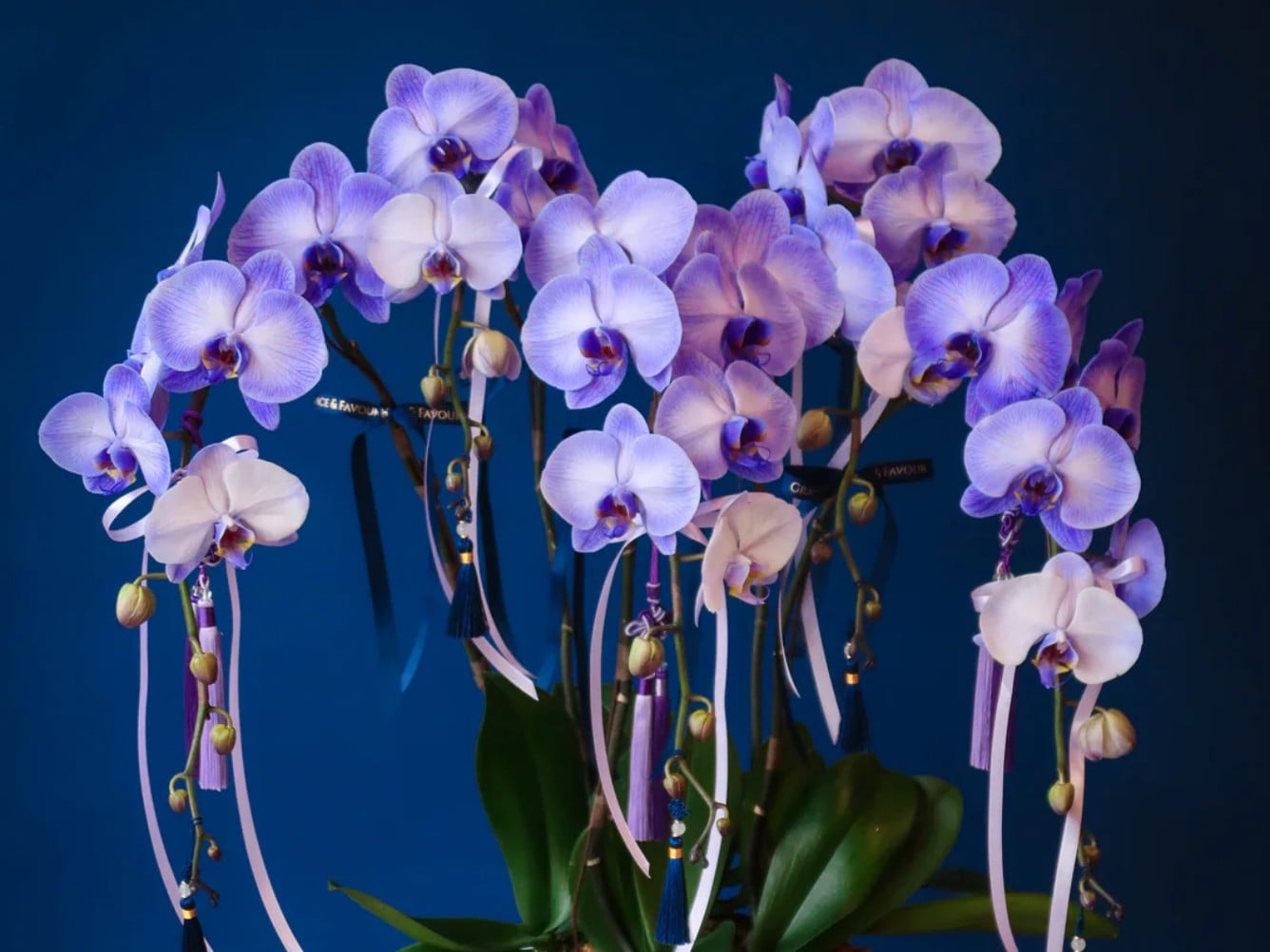
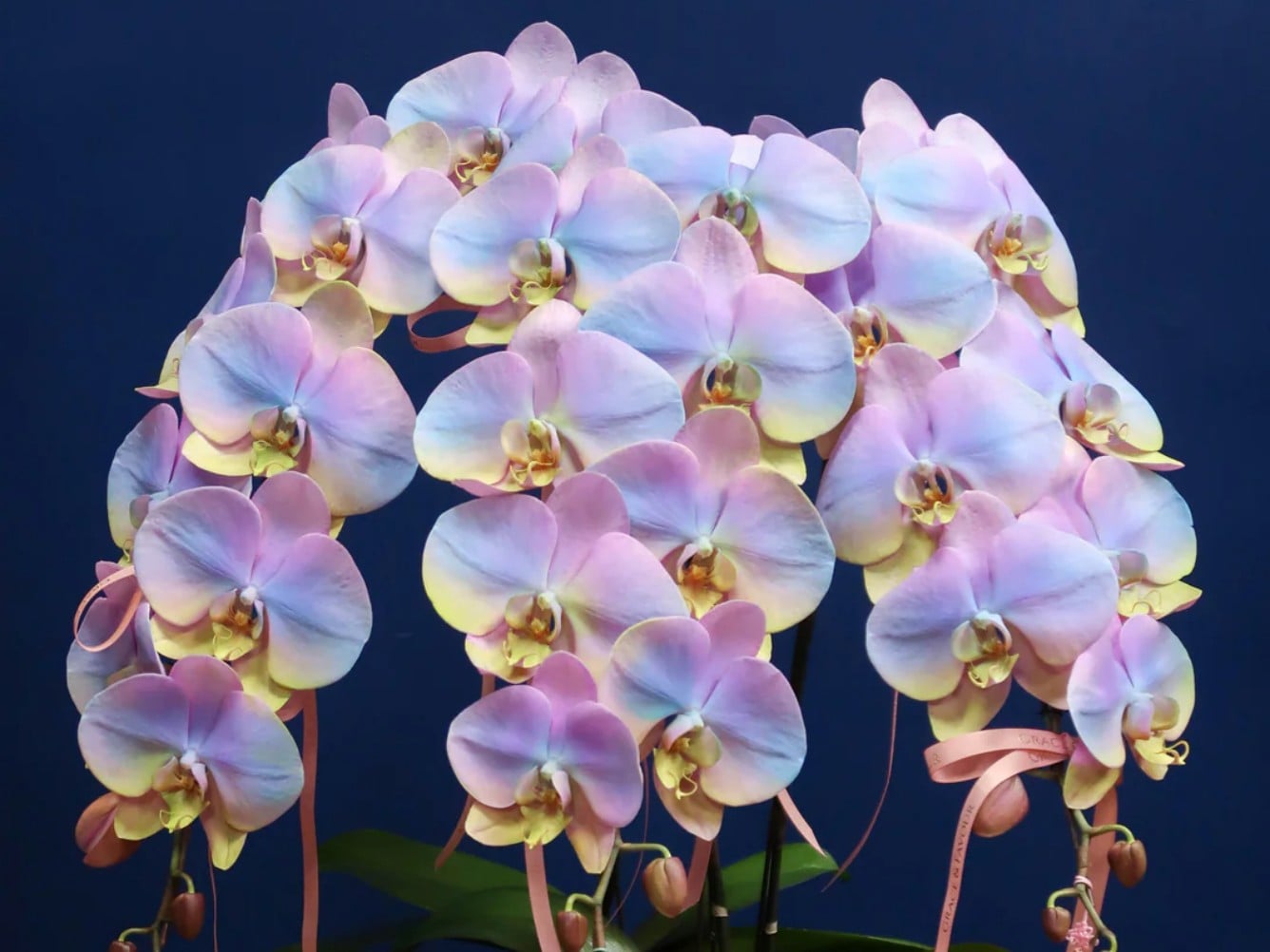
- Flower Colors
- Pure white, pink, purple-red, yellow, etc.
Plant Care Requirements
-
Care Level
Low to moderate difficulty
-
Light
Prefers partial shade; avoid intense direct sunlight to prevent leaf scorch
-
Fertilization
Apply diluted specialized liquid fertilizer every 2–3 weeks during the growing season
-
Watering
Water approximately every 7 days in spring and summer; extend to every 10–14 days in fall and winter
-
Temperature
Maintain daytime temperatures between 22–28°C and nighttime temperatures between 18–22°C
-
Pest and Disease Control
Prone to aphids, spider mites, and fungal infections; requires regular inspection
Advertisement
Plant Care Guide
-
How should lighting be controlled to ensure healthy growth of Phalaenopsis orchids?
Maintain approximately 10–12 hours of gentle light daily.Phalaenopsis orchids thrive in light but cannot tolerate direct sunlight. Intense light will scorch the leaves, while insufficient light will prevent flowering. The optimal placement is on an east- or north-facing windowsill indoors, where gentle morning or evening light is most suitable. If ambient light is insufficient, supplemental grow lights can be used, but avoid excessive intensity to prevent yellowing or scorching of leaves. Aim for approximately 10–12 hours of light daily, while avoiding direct exposure to intense sunlight and prolonged periods in dark environments.
-
How should I fertilize without harming my Phalaenopsis orchid?
During the growing season, repot every 2–3 weeks.During the growing season, apply a diluted liquid fertilizer every 2–3 weeks to prevent root burn from excessive concentration. During flowering, reduce nitrogen fertilizer and increase phosphorus and potassium fertilizers to promote bloom development and extend the flowering period. Use orchid-specific fertilizer diluted according to instructions. Avoid getting fertilizer on the leaf bases or flower buds during application. Follow the watering sequence: water first, then fertilize. This prevents direct fertilizer contact with roots and ensures balanced nutrient absorption.
-
When should you repot a phalaenopsis orchid?
Repot every 1–2 years.Repotting is typically done every 1–2 years, or when the growing medium has decomposed or the roots have become overcrowded. During repotting, trim away dead roots while preserving healthy ones. Choose a well-aerated and well-draining medium such as bark chips, limestone granules, or moss. The best time for repotting is during the spring or summer growing season, which facilitates recovery and rapid growth. Handle the plant gently during repotting to avoid root damage, and ensure the new medium is moist but not waterlogged.
-
What should be done with flower stems after blooming?
After blooming, you can trim off the withered flower stems.After blooming, trim off withered flower stems while retaining green, healthy branches to conserve the plant's nutrients. If stems remain green and vigorous, they can be left to produce new blooms in subsequent flushes. Use clean, sterilized pruning shears to prevent disease transmission. Following stem removal, adjust watering and fertilization accordingly while maintaining adequate light and humidity. This supports the plant's recovery and energy accumulation, laying the groundwork for the next flowering season.
-
How to determine if the watering, fertilization, and lighting for Phalaenopsis orchids are appropriate?
Inspect the Phalaenopsis Orchid's Leaves and Flower BudsHealthy Phalaenopsis orchids feature bright green leaves, plump and flexible roots, and plump flower buds with vibrant colors. If leaf tips dry out or leaves turn yellow, it indicates improper lighting, humidity, or fertilization; soft, rotten roots or roots turning dark brown suggest overwatering or poor drainage. By observing the condition of leaves, roots, and flower buds, and adjusting light, temperature, moisture, and fertilization frequency according to the growing season, you can effectively maintain healthy Phalaenopsis growth.
-
What should be noted when caring for Phalaenopsis orchid leaves?
Remove diseased leaves when they turn black or rot.Leaves serve as vital organs for photosynthesis and water storage, requiring cleanliness and health maintenance. Gently wipe dust with a damp cloth, avoiding chemical cleaners. Leaf yellowing may indicate excessive or insufficient light, dehydration, or over-fertilization—promptly adjust care accordingly. Remove blackened or rotting leaves while inspecting root and potting medium moisture levels. Maintaining overall plant health is key to extending lifespan and promoting blooming.
Advertisement
Frequently Asked Questions
-
1 Why do flower buds dry out or fall off?
Flower buds often dry out or drop due to sudden temperature changes, dry air, or improper watering. Maintain a warm daytime and slightly cool nighttime environment; keep the potting mix moist but not waterlogged; avoid wetting the flower buds and leaf bases. Maintaining stable temperature and humidity levels along with appropriate light exposure can effectively reduce bud drying and dropping, ensuring successful blooming of your Phalaenopsis orchid.
-
2 How can I extend the blooming period?
A short flowering period may stem from insufficient light, excessive heat, or improper fertilization. Provide ample diffused light, maintain suitable day-night temperature variations, and apply phosphorus-potassium fertilizer to prolong blooming. Ensure balanced moisture levels and avoid wetting flower buds. Refrain from excessive pruning or moving the plant; maintaining a stable environment significantly extends flower longevity, allowing Phalaenopsis orchids to bloom longer.
-
3 Why is my Phalaenopsis growing slowly?
Slow growth may result from insufficient light, unsuitable temperatures, or unhealthy roots. Ensure adequate diffused light by relocating to a brighter spot; maintain warmth with stable temperature fluctuations; inspect root health, promptly trimming dead roots and replacing the growing medium for better aeration. Proper watering and fertilization combined with good ventilation will accelerate growth, promoting thicker leaves and fuller root systems.
-
4 Why won't my Phalaenopsis orchid bloom?
Failure to bloom may stem from insufficient light, inadequate day-night temperature variation, or imbalanced nutrient allocation. Ensure bright, indirect light during the day, while slightly cooler nights stimulate flower bud differentiation. Apply balanced fertilizer during growth, increasing phosphorus and potassium while reducing nitrogen during flowering. Maintain healthy roots and well-aerated potting mix to prevent waterlogging. By comprehensively adjusting light, temperature variation, and nutrition, most Phalaenopsis orchids will bloom successfully.
Advertisement
Introduction
Phalaenopsis orchids are ornamental varieties cultivated from the Phalaenopsis genus. Their butterfly- blooms exhibit graceful postures and a rich, varied color palette, with extended flowering periods and exceptional ornamental appeal. Featuring compact growth habits and thick, vibrant green foliage, they thrive as indoor potted plants. Highly shade-tolerant and relatively easy to care for, they are frequently used in home décor, festive displays, and high-end floral arrangements, making them one of the most popular orchid varieties.
Popular Plant Encyclopedia
-
-
Poisonous and danger
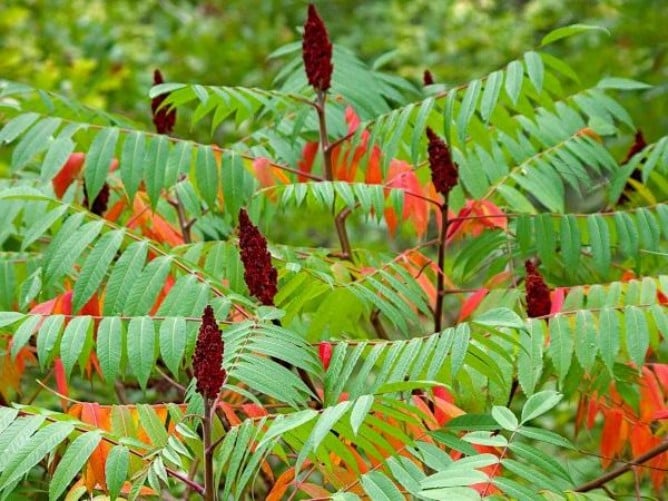
- Rhus typhina
-
-
-
Edible and medicinal
- Common sunflower
-
-
-
Poisonous and danger
- Plumeria rubra
-
-
-
Wild and common weed
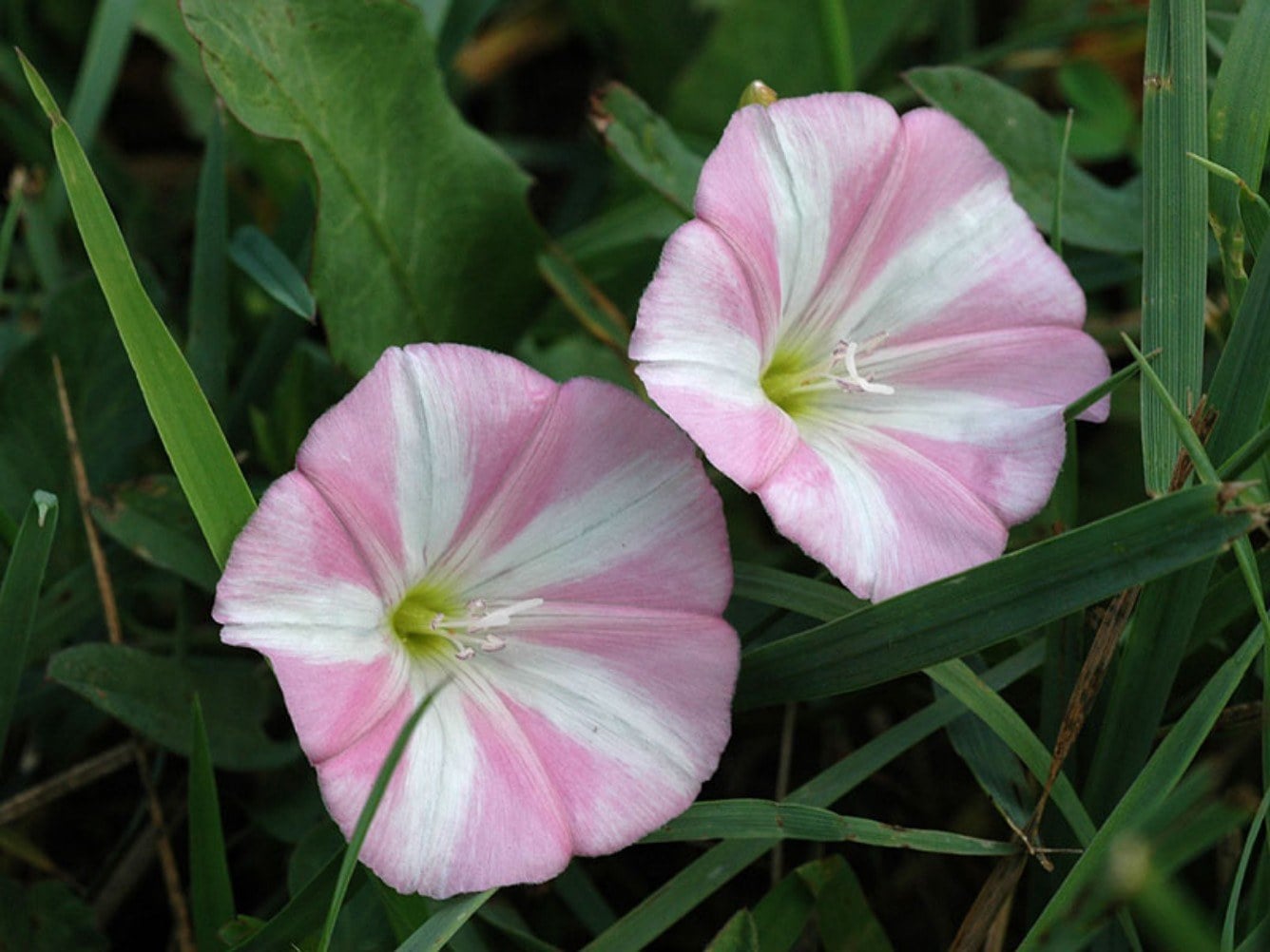
- Convolvulus arvensis
-
-
-
Edible and medicinal
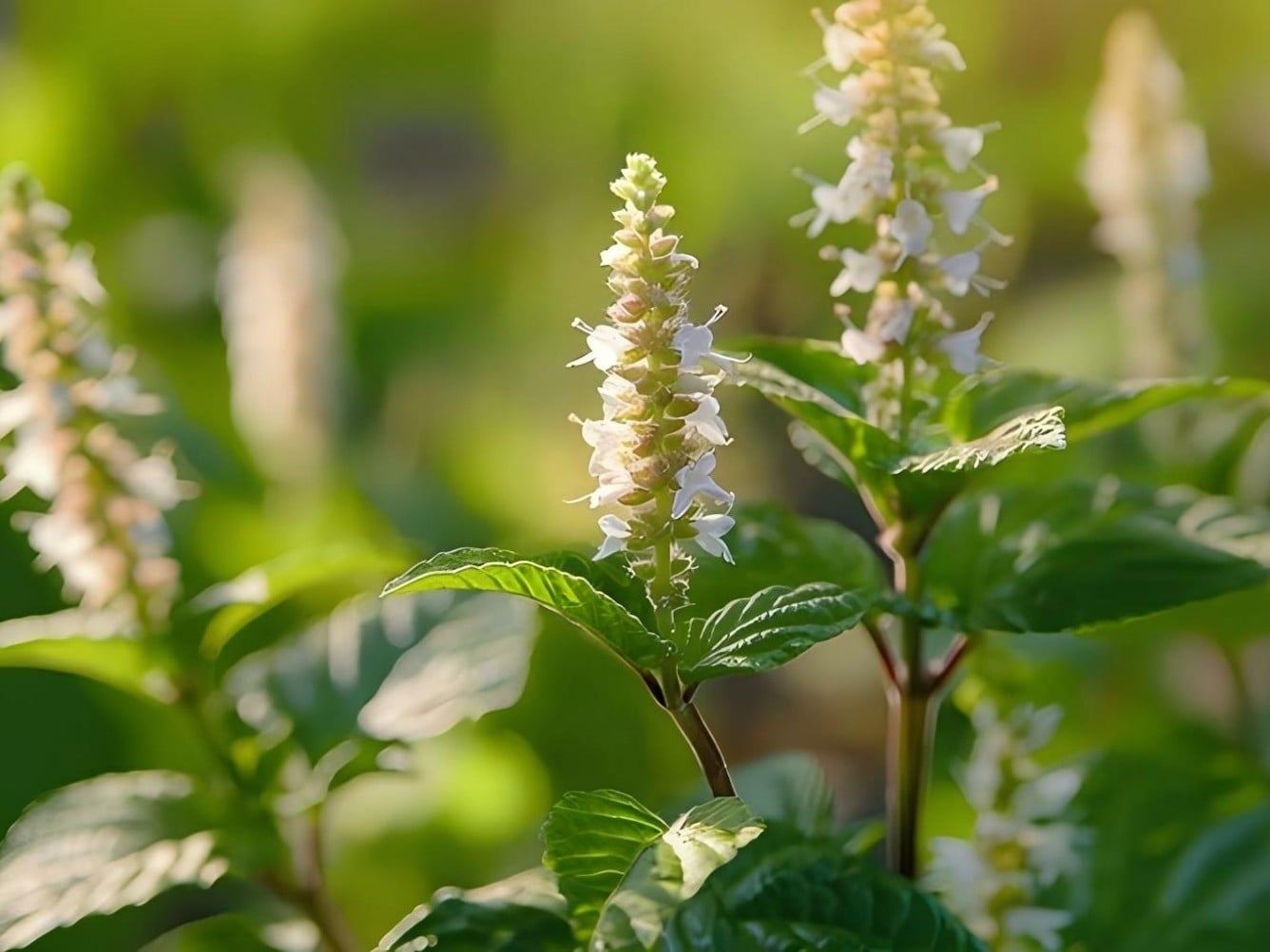
- Perilla frutescens
-
-
-
Edible and medicinal
- Pogostemon cablin
-
-
-
Edible and medicinal
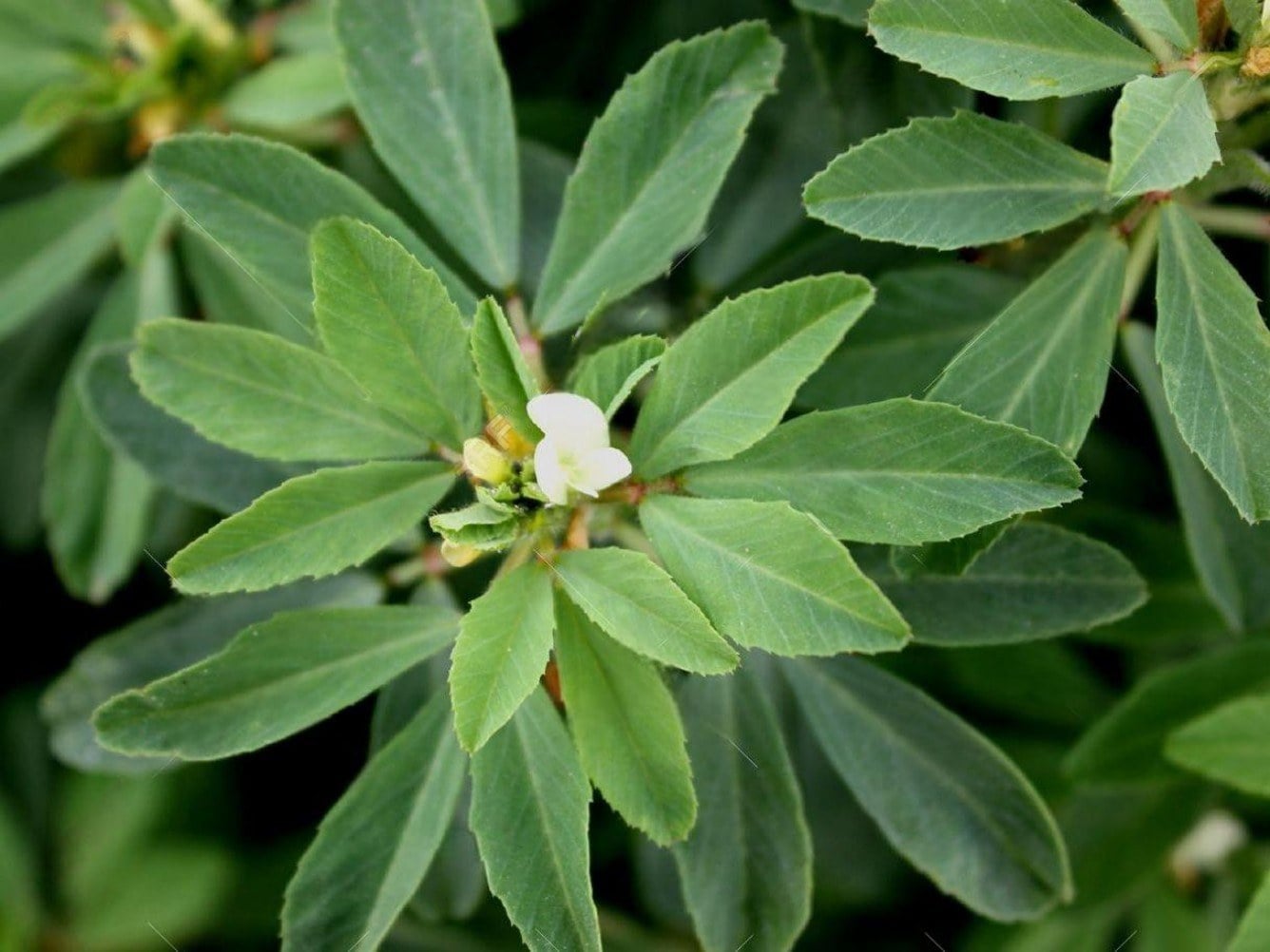
- Common fenugreek
-
-
-
Edible and medicinal
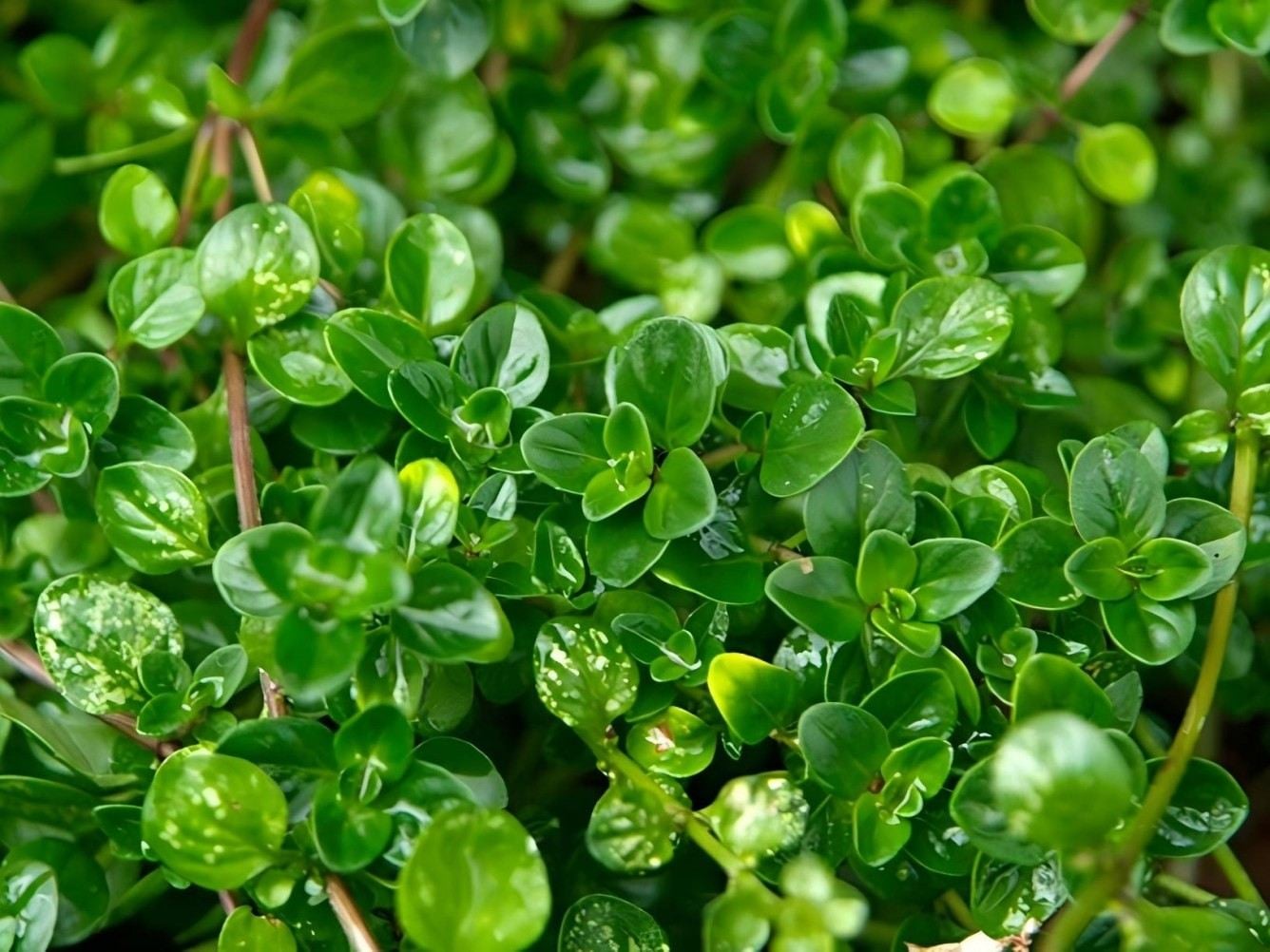
- Garden Thyme
-
 Poisonous and danger
 Edible and medicinal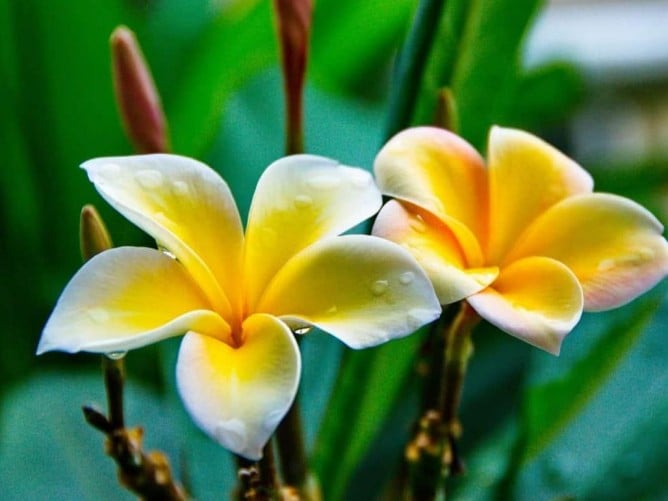
 Wild and common weed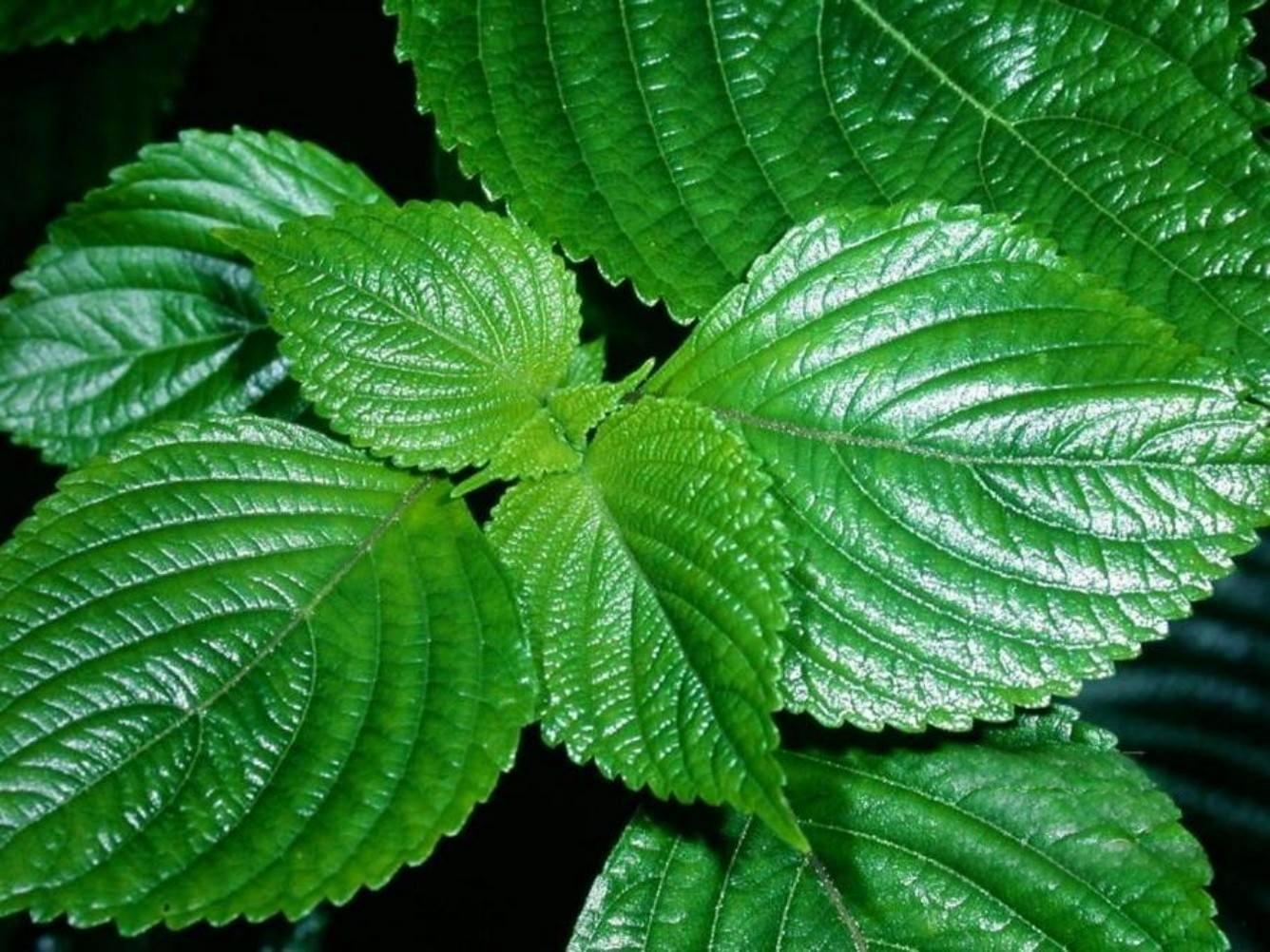
Advertisement