Philodendron
-
 Poisonous and danger
 Poisonous and danger
Nursing Skills
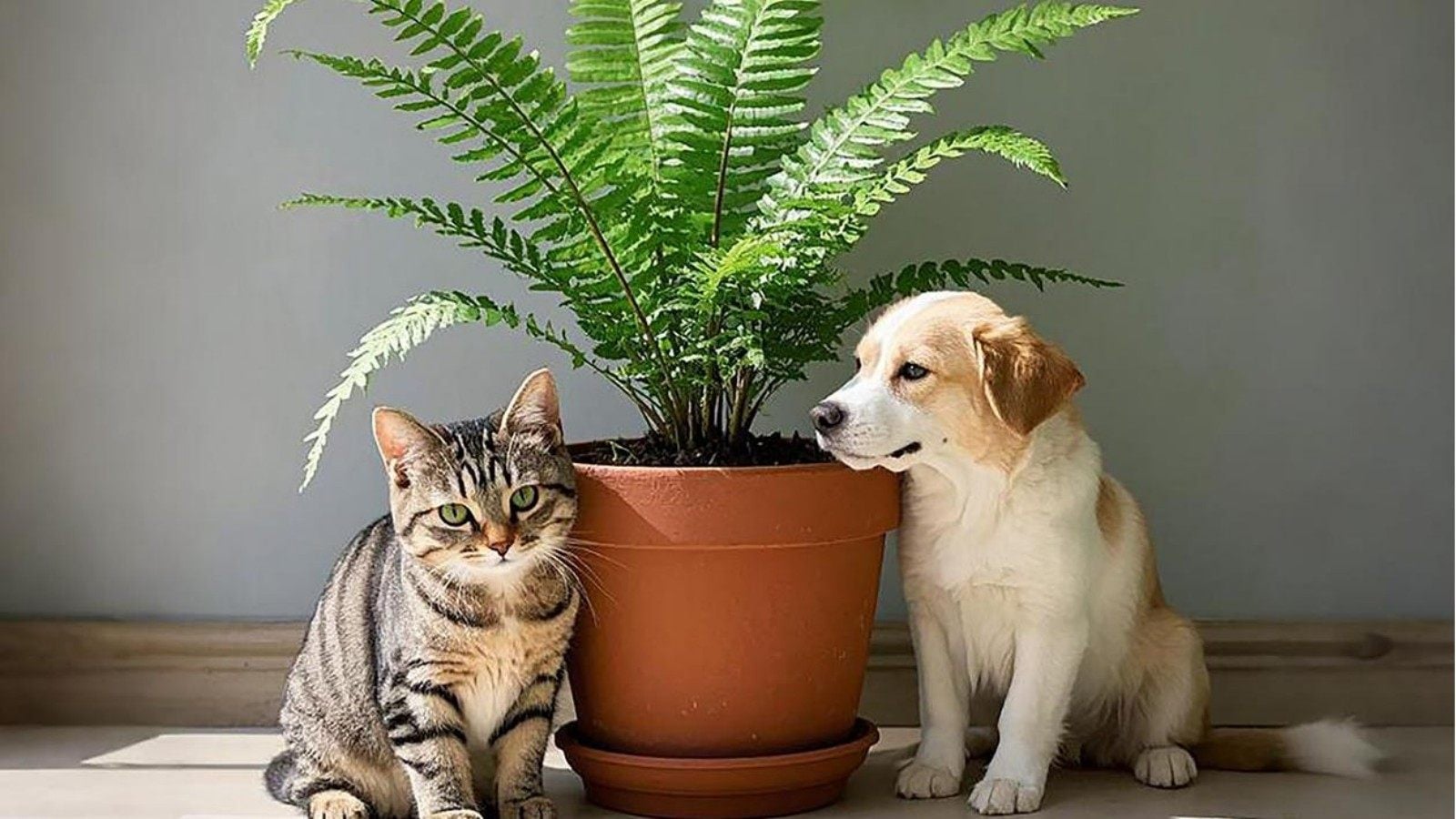
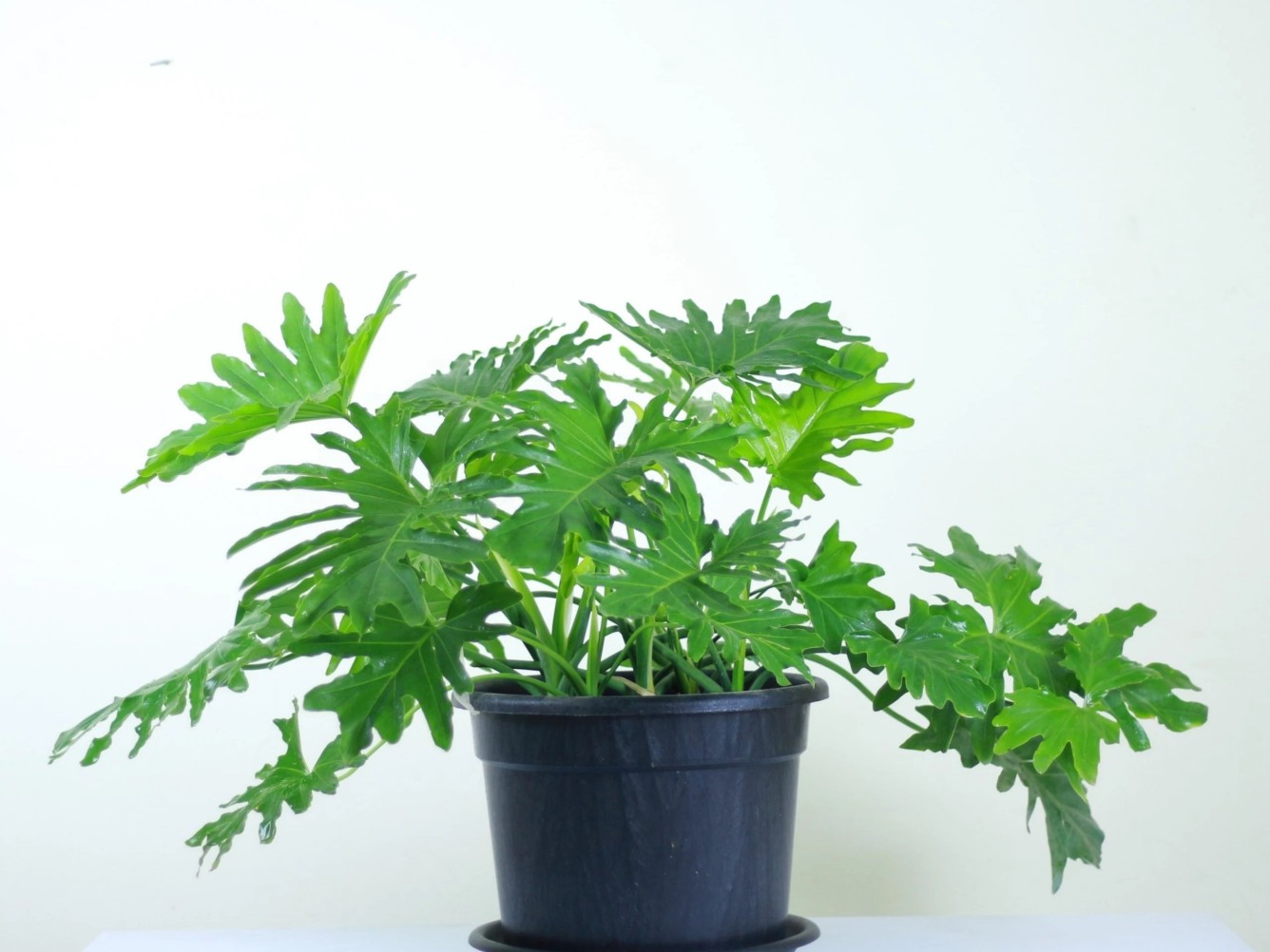
Place philodendron in bright indirect light, avoid harsh direct sun. Water when topsoil dries out, prevent soggy roots. Use well‑draining loose potting mix, maintain 18‑27°C temperature with decent humidity. Feed diluted liquid fertilizer in growing seasons. Wipe dusty leaves regularly, prune old foliage to encourage new growth. Keep away from kids and pets due to toxicity.
Advertisement
Plant Properties
-
- Toxicity
- humans
-
- Flower Color
- White‑cream spadix, green spathe
-
- Plant Type
- Tropical evergreen houseplant
-
- Leaf Type
- heart‑shaped, lobed, elongated or split leaves
-
- Bloom time
- Late spring to summer
-
- Lifespan
- Many‑year perennial
Plant Care Requirements
-
Care Difficulty
Easy, perfect for beginners.
-
Watering Schedule
Water when the top 2–3 inches of soil feel dry
-
Light Requirement
Thrives in bright, indirect light
-
Soil pH
pH5.5 to 7.0
-
Planting Time
early spring or summer
-
Hardiness Zone
USDA zones 9–11
-
Growth Rate
Moderate to fast growing
Advertisement
Plant Care Guide
-
What is the ideal lighting setup for philodendron to keep leaves vibrant and healthy?
Philodendron performs best under bright indirect light, which mimics its native tropical forest canopy environment. Direct harsh sunlight will scorch leaf surfaces, creating brown crispy spots and bleached faded foliage, so you should keep it away from south‑facing windows with unfiltered midday sun. An east‑facing window is often perfect, offering soft morning rays without burning risk. While many philodendron varieties can survive low‑light corners, prolonged dim conditions lead to slow growth, smaller new leaves, leggy stretched stems, and loss of distinctive leaf patterns. If natural light is limited, gentle full‑spectrum grow lights work as a solid substitute; keep lights 30‑45 centimetres above the plant and run them 8‑10 hours daily. Rotate your pot every two to four weeks, so all sides receive even light exposure. Avoid sudden large light changes, which can shock the plant and trigger leaf drop. Observe your foliage: yellowing leaves may signal too much light, while tiny new leaves indicate insufficient brightness. Adjust placement gradually to help your philodendron adapt without stress.
-
How should I water my philodendron correctly and avoid overwatering damage?
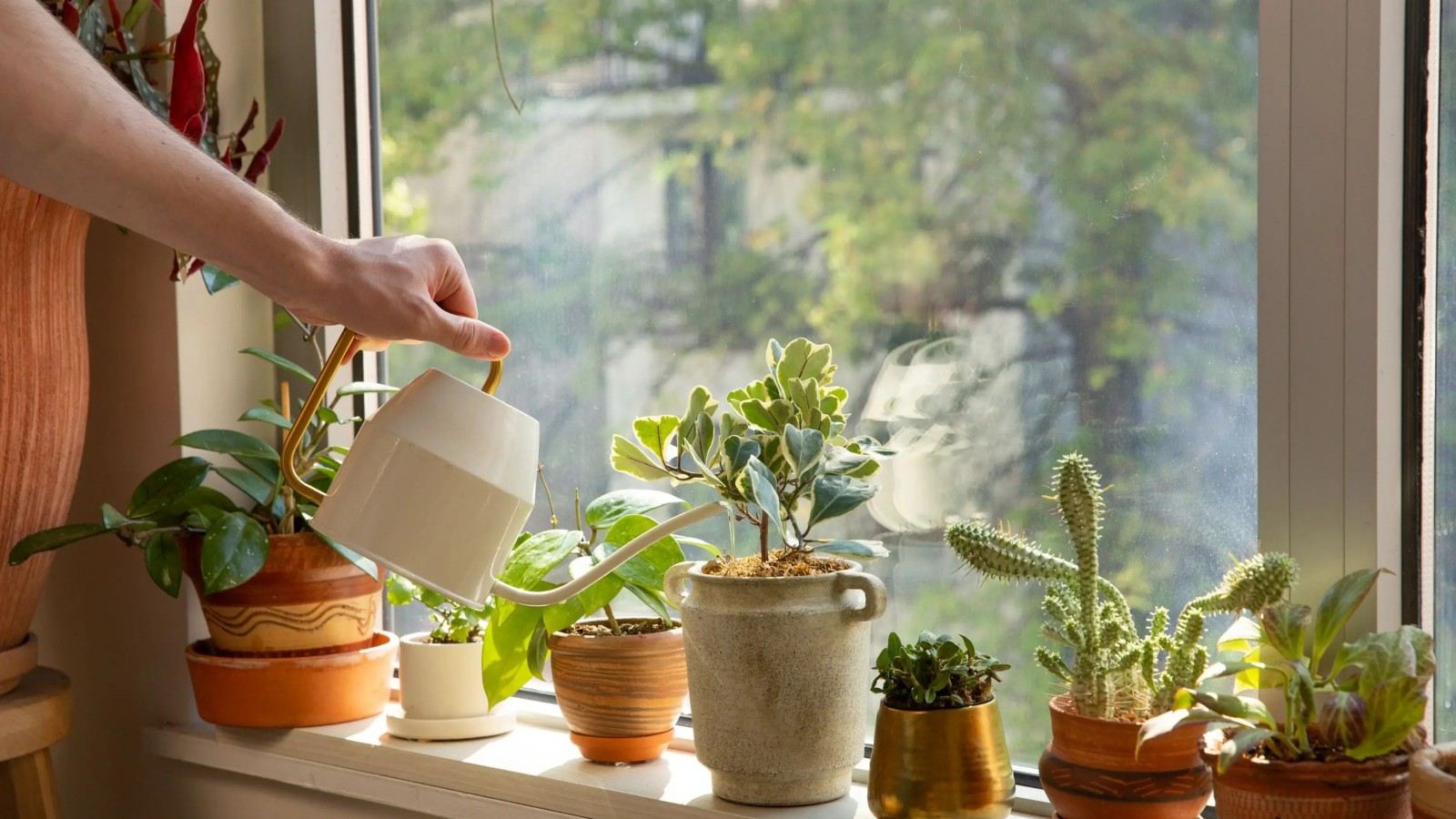
5-7.5 cmWatering mistakes are the most common cause of philodendron health issues. You should only water when the top 2‑3 inches of potting soil have fully dried out. Stick your finger into the substrate; if it still feels damp, hold off on watering. When watering, pour slowly and evenly across the soil surface until water flows freely out of drainage holes at the bottom of the pot. Discard all standing water from saucers immediately, never let roots sit in pooled water, this quickly causes root rot. Reduce watering frequency heavily during autumn and winter, because cooler temperatures and slower plant growth mean soil stays wet far longer. Many new growers follow rigid weekly watering schedules, yet indoor humidity, pot material, light intensity and season all change soil drying speed. Yellow mushy lower leaves are a classic warning sign of overwatering. Wrinkled, droopy leaves usually tell you the plant is thirsty. Prioritize checking soil moisture instead of sticking to fixed calendars to maintain consistent root health.
-
What kind of soil and pot should I choose for philodendron repotting?
pH5.5-7.0Philodendron requires loose, well‑aerated, fast‑draining potting mix; dense compact garden soil is completely unsuitable for container‑grown specimens. A reliable homemade blend combines regular potting soil, orchid bark, perlite and small amounts of peat moss or coco coir. This mixture retains slight moisture while creating air pockets around roots, preventing suffocation. The soil pH should sit between 5.5‑7.0, slightly acidic to neutral. When selecting pots, always pick containers with drainage holes. Do not jump to an overly large pot, excess unused soil holds moisture and raises rot risk. Repot your philodendron every 2‑3 years in early spring, when you notice roots circling the pot interior or growing out drainage openings. Gently tease apart tangled roots during repotting, trim away any dark mushy rotten root sections. After repotting, give one gentle watering and place it in indirect light for recovery, hold off fertilizing for roughly four weeks to avoid burning sensitive fresh roots.
-
What temperature and humidity levels does philodendron need for steady growth?
18‑27 °CAs tropical understory plants, philodendrons thrive within 18‑27 degrees Celsius. Temperatures below 13°C will halt growth, and cold drafts from windows, air conditioners or doorways create severe stress. Never place philodendrons close to cold winter windows, cold air exposure causes brown leaf edges and unexpected leaf drop. Average household humidity around 40‑50% works fine for most common philodendron types. However, higher humidity ranging from 60‑70% encourages larger, glossier, perfectly formed new leaves. Dry indoor winter air frequently leads to crispy brown leaf tips. You can boost humidity by grouping houseplants together, placing pots above pebble‑filled water trays, or running a small room humidifier. Misting leaves only offers very temporary humidity improvement and will not solve chronic dry air problems. Avoid placing philodendrons beside heating vents, hot radiators or fireplaces, hot blowing air rapidly saps moisture out of foliage and weakens overall plant vigour.
-
How to fertilize philodendron properly and prevent fertilizer burn?
not require heavy doses of plant foodPhilodendrons are moderate feeders, they do not require heavy doses of plant food. Apply diluted balanced liquid houseplant fertilizer throughout the active growing period from early spring to late summer. Mix the fertilizer to half of the manufacturer’s recommended strength, full‑strength formula easily builds up salt inside soil and burns delicate root systems. Fertilize approximately every four to six weeks during growing months. Completely stop all fertilization from autumn through winter. At this time plant growth slows or pauses, extra nutrients cannot be absorbed and will accumulate inside potting soil. Signs of over‑fertilizing include brown burnt leaf tips, white crusty salt deposits on soil surface, and stunted new leaf growth. If salt buildup appears, flush the whole pot by pouring plenty of clean water through soil several times to wash away leftover chemical residue. Never add fertilizer onto completely dry soil, always water lightly first. Well‑fed philodendron produces large vibrant leaves, yet overfeeding brings far more harm than under‑feeding.
-
How do I prune and propagate philodendron, and what problems should I watch out for?
Regular pruningRegular pruning keeps philodendron tidy, controls size, and stimulates bushier new growth. Use clean sharp scissors or pruning shears sanitized with rubbing alcohol. Trim off yellowed, damaged, old or discoloured leaves at their base. For vining philodendron varieties, cutting back long leggy stems encourages side shoots to emerge. You can take stem cuttings from healthy pruned sections for propagation. Each cutting should contain at least one leaf plus one visible node, the small bump where roots will sprout. Root cuttings either in clean room‑temperature water or moist well‑draining propagation mix. Keep cuttings under bright indirect light, maintain gentle humidity. Water‑grown cuttings can shift to soil once roots grow several centimetres long. Avoid propagating stressed plants suffering from pests or disease. Watch for bacterial infection on fresh cutting wounds. After transplanting new young plants, do not overwater. Be mindful all philodendron plant parts contain calcium oxalate crystals; wear simple gloves while pruning, keep trimmings away from pets and small children to prevent accidental ingestion.
Advertisement
Frequently Asked Questions
-
1 Why are my philodendron leaves turning yellow, and how do I fix this issue?
Yellow leaves are one of the most frequent complaints among philodendron owners, and multiple different triggers can cause this symptom. The leading cause is overwatering. When soil stays persistently wet, root rot develops, roots lose their ability to take up water and nutrients, and older lower‑position leaves turn soft and yellow. Check soil moisture first; if the substrate feels damp deep down, stop watering, remove the plant from its pot, cut away mushy black rotten roots, and repot into fresh dry, well‑draining growing medium. Too much direct sunlight can also bleach and yellow foliage, especially when hot midday sun hits the leaves. Move the plant to a spot with bright indirect light right away. Nutrient deficiency creates uniform pale yellow new leaves. During spring and summer growing months, apply diluted balanced liquid fertilizer to resolve this. Keep in mind that one or two old bottom leaves slowly yellowing is totally natural aging, and you can simply prune them off. Do not panic over single yellow leaves; observe overall soil condition, light exposure and new leaf growth to pinpoint the real root cause before making major adjustments to your care routine.
-
2 My philodendron has brown leaf tips and crispy edges. What is causing this and how can I stop it?
Brown crispy tips and leaf edges are extremely common for indoor‑grown philodendrons, and this issue mostly links to low humidity, watering stress or fertilizer salt buildup. Philodendron originates from humid tropical forest floors. When household air runs dry especially through winter heating seasons, leaf margins lose moisture rapidly and turn brown and brittle. Misting only delivers short‑term relief. Better solutions include grouping plants together, placing the pot over a water‑filled pebble tray, or running a small humidifier nearby to raise ambient humidity consistently. Irregular watering can worsen this problem. Alternating between bone‑dry soil and heavy flooding shocks the root system and shows up as burnt leaf edges. Over‑fertilization is another major culprit. Excess fertilizer salts accumulate inside potting soil and burn fine root hairs. If you notice white crust on the soil surface, flush the whole pot with plenty of clean running water to wash away salt residue. Avoid placing your philodendron near heating vents, radiators or air‑conditioner outlets, where constant blowing dry air damages foliage. You can trim off dry brown tips with clean scissors, but damaged sections will never turn green again; focus on fixing environmental conditions to prevent fresh leaves from developing the same damage.
-
3 How do I identify and treat common pest infestations on philodendron houseplants?
Philodendrons can fall victim to several typical houseplant pests, including spider mites, mealybugs, scale insects and fungus gnats. Early detection makes treatment far easier, so routinely inspect leaf undersides, stem joints and leaf crevices every week. Spider mites leave tiny fine webbing, speckled stippled marks across leaves, and foliage gradually fades to dull grey‑green. Mealybugs look like small white cottony clumps hidden along stems and leaf nodes. Scale appears as hard brown immobile bumps on stems. Fungus gnat tiny flying insects mostly signal overly damp soil. Once pests are spotted, start treatment immediately. First isolate the infected plant away from other houseplants to stop pests spreading. Wipe down all leaves and stems using soft cloth dampened with diluted neem oil or insecticidal soap. Repeat this process every seven to ten days for several cycles, because treatments cannot kill dormant pest eggs hiding in crevices. For heavy infestations, use appropriate houseplant‑safe insect spray. For fungus gnats, let soil dry out more deeply between watering to destroy larval living conditions. Even after visible bugs disappear, keep monitoring for multiple weeks. Good air circulation and avoiding overwatering will greatly lower the chance of future pest outbreaks on your philodendron.
Advertisement
Introduction
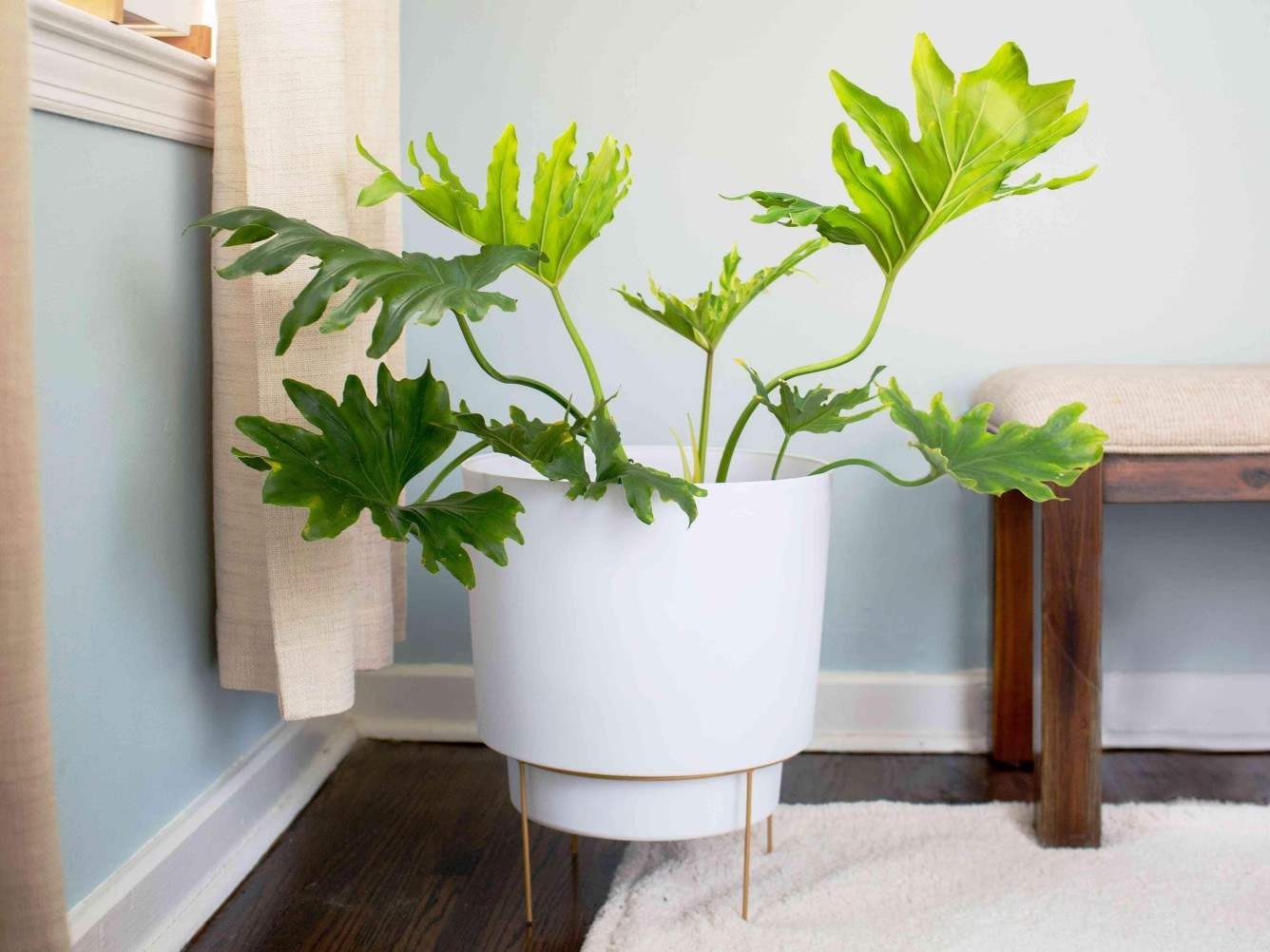
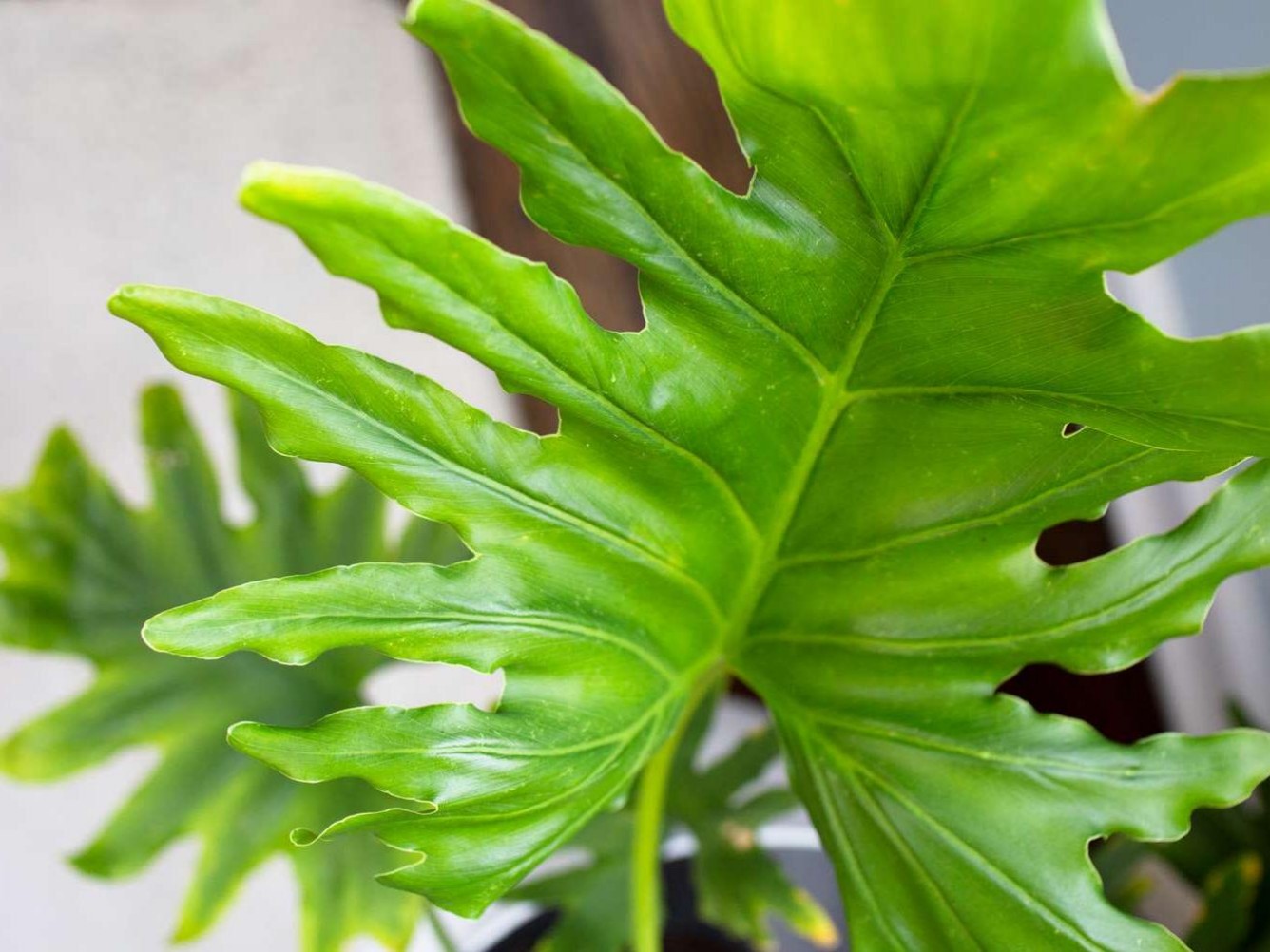
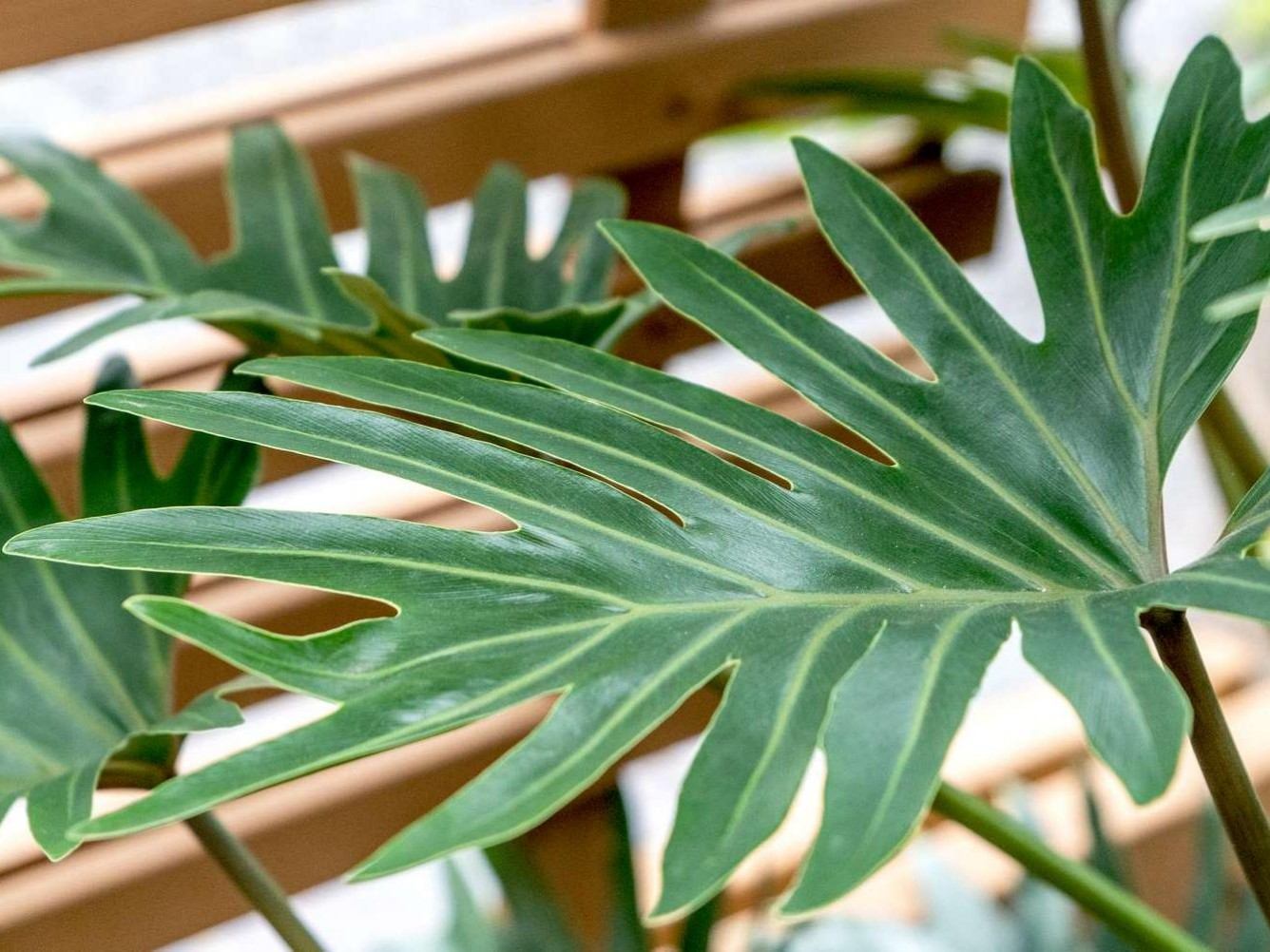
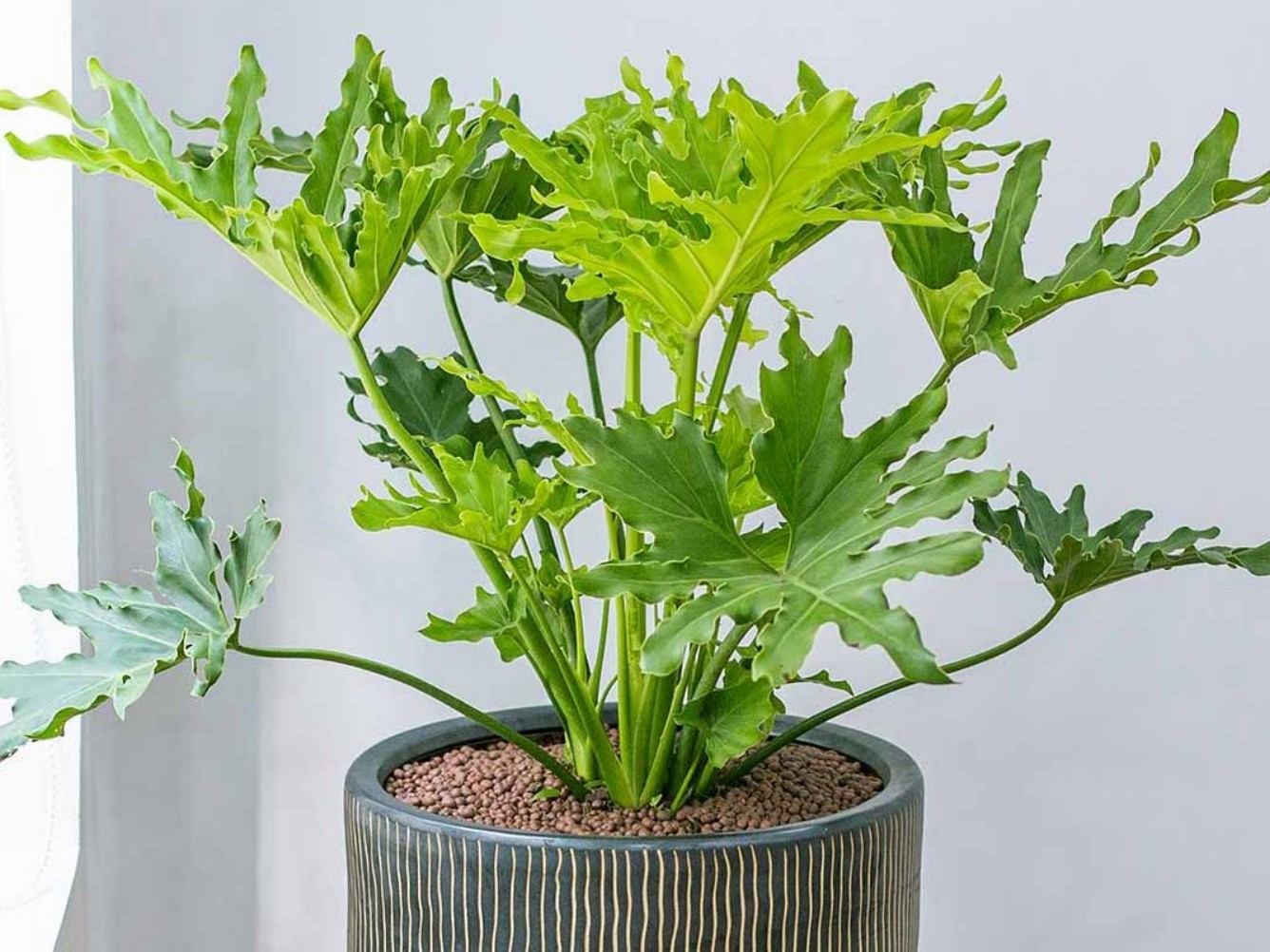
Philodendron is a popular tropical houseplant genus native to the Americas. Boasting diverse leaf shapes and sizes, most varieties feature glossy, lush foliage. It thrives in warm indirect light, adapts well to indoor environments. Mildly toxic to pets and humans if ingested. Easy‑care, fast‑growing, widely loved for home decoration.
Popular Plant Encyclopedia
-
-
Poisonous and danger
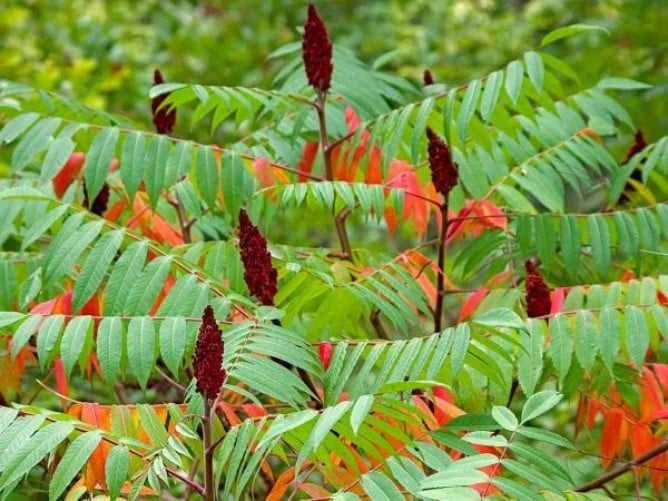
- Rhus typhina
-
-
-
Edible and medicinal
- Common sunflower
-
-
-
Poisonous and danger
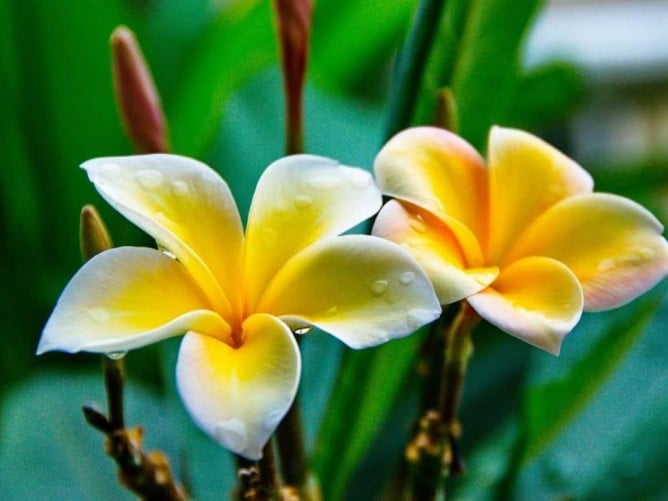
- Plumeria rubra
-
-
-
Wild and common weed
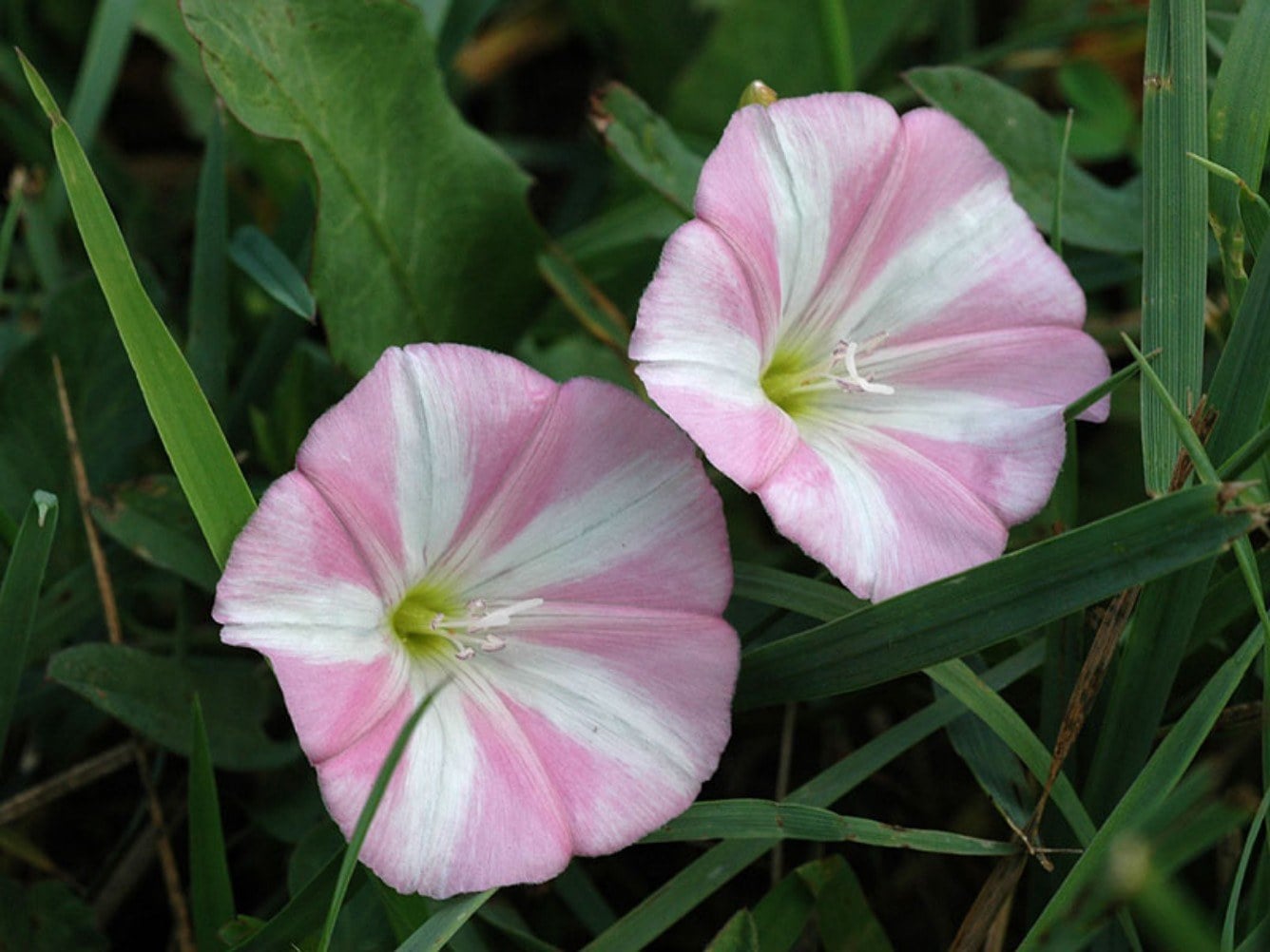
- Convolvulus arvensis
-
-
-
Edible and medicinal
- Perilla frutescens
-
-
-
Edible and medicinal
- Pogostemon cablin
-
-
-
Edible and medicinal
- Common fenugreek
-
-
-
Edible and medicinal
- Garden Thyme
-

 Edible and medicinal
 Wild and common weed
Advertisement