Plantago major
-
 Poisonous and danger
- Also known as:roadweed
 Poisonous and danger
Nursing Skills
Plantago major needs minimal care. It tolerates full sun or partial shade and grows well in poor, compacted soil. Water moderately and avoid waterlogged conditions. Fertilizer is rarely required. It spreads rapidly by self‑sowing seeds. To stop uncontrolled spreading, remove flower spikes before seeds ripen.
Advertisement
Plant Properties
-
- Toxicity
- humans
-
- Flower Color
- Greenish‑white / pale green
-
- Plant Type
- Perennial herb
-
- Leaf Type
- Broad‑ovate, rosette‑forming
-
- Bloom time
- June‑October
-
- Lifespan
- Perennial, multi‑year growth
Plant Care Requirements
-
Difficulty Level
Very easy
-
Watering Schedule
Keep soil moist after sowing
-
Light Requirements
Full sun preferred, tolerates partial shade
-
Soil pH
pH 6.0-7.5
-
Planting Time
Sow in early spring, or fall
-
Hardiness Zones
USDA 3‑9
-
Growth Rate
Fast growing
Advertisement
Plant Care Guide
-
What is the best way to sow and establish Plantago major from seed?
Plantago major is extremely simple to grow from seed, and direct sowing works better than transplanting mature plants. The ideal planting window falls in early spring, once frost danger passes, or you can sow in late autumn for natural cold stratification over winter. You do not need to bury seeds deep; simply scatter them across the soil surface and press lightly to make contact with the ground, since these seeds require light to germinate. Keep the top layer of soil consistently damp but not flooded during germination, which usually takes one to two weeks. You do not need rich fertilized soil. Compacted, low‑nutrient ground is perfectly suitable for this species. Once small rosette seedlings appear, thin them out to leave roughly 10‑15 centimetres between individual plants. Young seedlings need occasional watering until their root systems develop. After establishment, they become very independent. Keep in mind this plant self‑seeds aggressively. If you want to contain its spread, do not let flower spikes fully mature and release seeds. It is not recommended for small tidy garden beds, and it performs best in wild‑style corners of your yard.
-
How much water does Plantago major actually need throughout the growing season?
Keep the soil surface moistNewly sown or newly transplanted Plantago major demands steady surface moisture while roots take hold. During this early phase, check soil every two to three days; water gently whenever the top centimetre dries out. Once fully established, it becomes remarkably drought‑tolerant. In most outdoor settings, natural rainfall supplies nearly all the moisture it requires, and manual watering becomes unnecessary under normal weather conditions. Only during extended heatwaves and prolonged dry spells should you give supplementary water. When watering, soak the soil moderately at ground level, avoid overhead sprinkling that keeps leaves wet for hours. Prolonged wet soil and standing water are its biggest water‑related threats. Constant waterlogging triggers root rot, weakens the rosette, and invites fungal leaf spots. Even though it often grows beside damp paths, it cannot sit in stagnant water. Over‑watering causes far more damage than short‑term dryness, so always err on the side of less water rather than more.
-
What light conditions work best for Plantago major, and can it survive heavy shade?
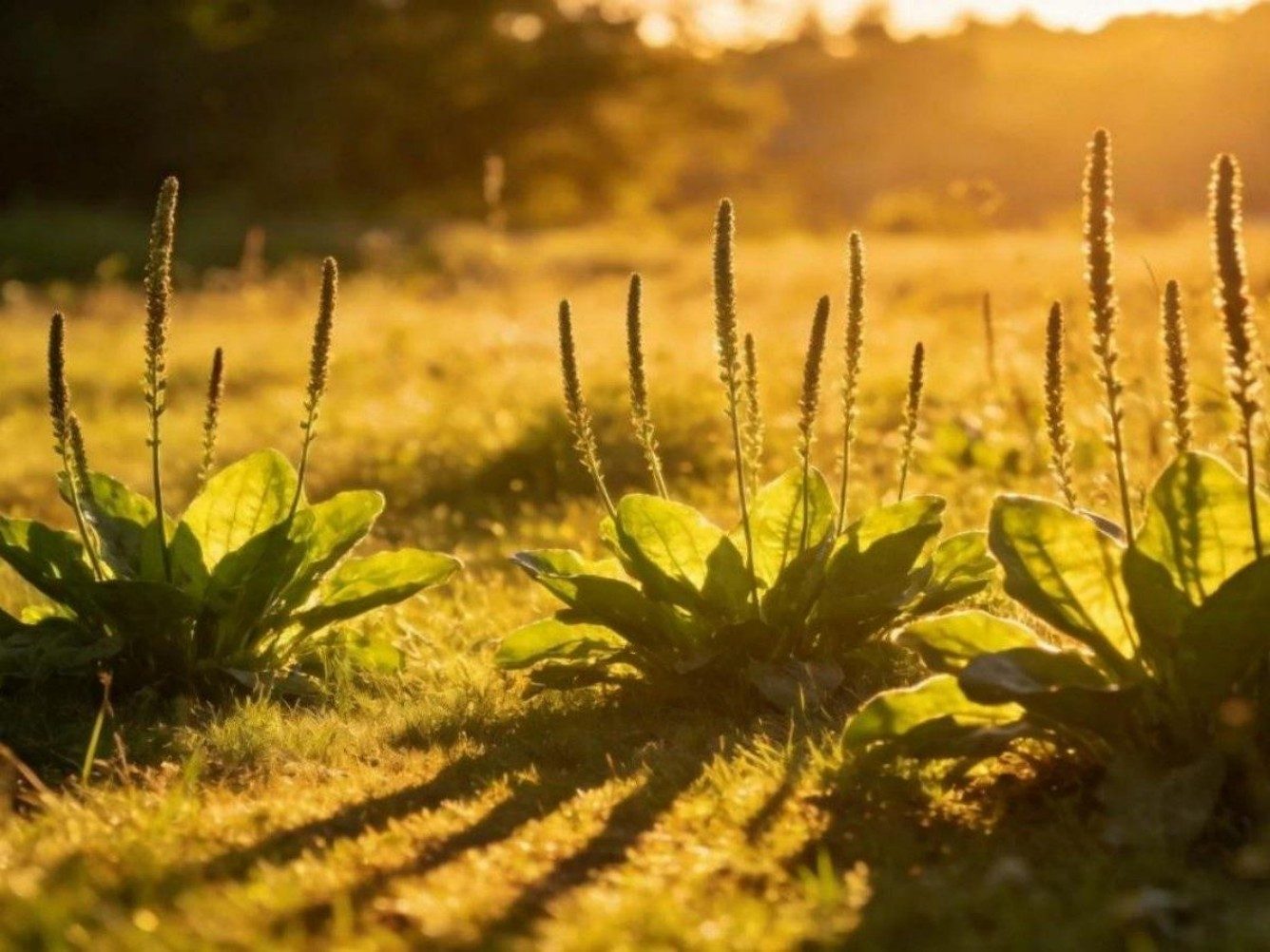
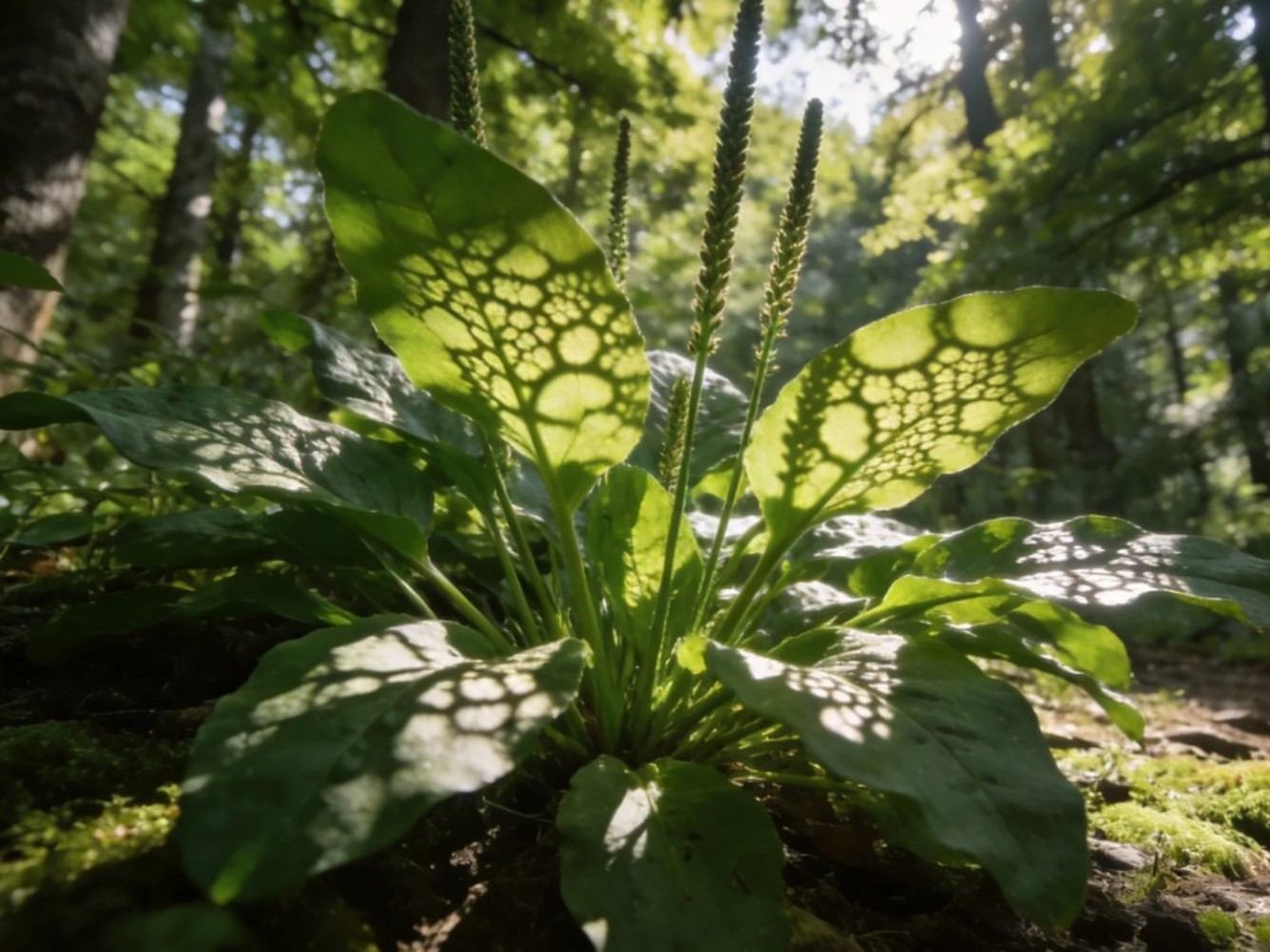
At least six hours a dayFull sun delivers the healthiest, most vigorous growth for Plantago major. Six or more hours of direct sunlight each day encourages thick leaf rosettes, strong flower stalk development, and solid seed production. Under full sun, leaves stay deep green, and the plant builds a robust root system. This explains why you frequently find broad‑leaved plantain thriving along sidewalks, driveways, and open lawn spaces with unobstructed daylight. It still manages to live under partial shade, around three‑four hours of filtered sun. In partial shade, leaves grow larger and softer, yet overall growth slows down, and fewer flower spikes emerge. Deep heavy shade, such as underneath dense tree canopies, creates serious problems. In low light, the rosette becomes sparse, leaves turn pale yellow‑green, and the plant loses vigour. It becomes far more vulnerable to mould and fungal disease. If you are intentionally cultivating this herb, select an open spot. Too much shade will not kill it quickly, but it will never look healthy or produce usable foliage.
-
How cold‑hardy is Plantago major, and what care should I give it over winter?
pH 6.0-7.5One of Plantago major’s most impressive traits is its broad soil tolerance. Unlike many garden herbs, it flourishes in compacted, worn‑out, low‑fertility soil. Heavy clay soil, trodden path soil, and disturbed ground are all acceptable growing locations. Its preferred soil pH sits between 6.0 and 7.5, leaning slightly neutral, yet it can survive mild shifts toward slightly acidic or mildly alkaline conditions without major issues. Well‑draining ground remains the single most important soil rule. Even though it handles poor nutrition, stagnant, water‑retentive heavy soil will rot its roots. You almost never need to add compost or fertilizer. Extra nutrients will make it grow excessively fast and boost self‑seeding, making it spread out of control. If you wish to grow it in containers, pick a pot with drainage holes. Standard general‑purpose potting mix works fine, but do not make the mix overly rich. Avoid adding high‑nitrogen feeds. Keep soil lean to prevent runaway growth and maintain sturdy, natural‑looking plant development.
-
How cold‑hardy is Plantago major, and what care should I give it over winter?
USDA 3‑9Plantago major is incredibly cold‑hardy, rated for USDA hardiness zones 3 through 9. It survives freezing winters, heavy frost, and even light snow cover. As a perennial rosette herb, its above‑ground leaves may look ragged, turn brown, or partially die back in cold winter months. However, the underground rootstock stays alive and dormant. When spring temperatures rise, fresh new leaves sprout directly from the base. Very little winter maintenance is required. You can tidy away dead brown foliage, but leaving some old leaves in place offers minor root insulation. No mulch is mandatory, though a thin light mulch can help in the coldest zone limits. Container‑grown specimens need extra attention in winter; pots expose roots to deeper freeze. Move containers to a sheltered position, and ensure pot drainage stays perfect, because cold wet soil causes winter root rot. This plant does not need indoor winter protection. It evolves to survive outdoors year‑round, and warm indoor winter conditions can disrupt its natural dormancy cycle.
-
How do I control its fast growth and stop Plantago major from spreading all over my garden?
timely pruningPlantago major boasts a fast growth rate and powerful self‑seeding capability. A single mature plant can produce thousands of tiny seeds, which drop onto soil, stay dormant for years, and germinate whenever soil gets disturbed. Without intervention, it will pop up in lawns, flower beds, cracks of pavement, and surrounding planters, behaving like a persistent weed in manicured gardens. The most effective low‑effort control method is removing flower spikes before seeds ripen. Once flower stalks stretch upward, cut them off early. This blocks seed production entirely. If you already have established unwanted rosettes, pull them out while they are young; make sure you extract the full taproot, because leftover root fragments can regrow new plants. Avoid excessive watering and fertilizing near growing areas, richer conditions accelerate its reproduction. If you actively want to grow it, contain it inside pots to prevent seed spreading. Monitor surrounding garden areas regularly for new seedlings. Quick early removal prevents large‑scale infestation and keeps this useful plant from taking over your whole growing space.
Advertisement
Frequently Asked Questions
-
1 Why are the leaves of my Plantago major turning yellow and developing brown spots?
Yellowing and spotted leaves are the most frequent issue when growing Plantago major. In many cases, this comes from overwatering and poorly drained soil. Though broad leaved plantain is tough, its taproot cannot stand constant wet ground. Standing moisture encourages fungal pathogens, triggering leaf spot disease and root rot. Lower older leaves usually turn yellow first, then dark brown blotches spread across the foliage. Humid, rainy weather speeds up this infection process. Begin troubleshooting by checking soil moisture. Stop supplementary watering if the soil stays damp. Improve drainage around the plant, loosen compacted soil if possible. Remove all heavily spotted, dead leaves to reduce fungal spore buildup. Avoid overhead watering that wets the leaf surface. Mild infections can clear up once growing conditions dry out. Severe root rot cannot be reversed; affected plants should be pulled out entirely. Too little sunlight can also cause pale yellow foliage. Move the plant to a sunnier spot if it sits under heavy shade. Excess fertilizer will also burn leaf edges, so skip feeding entirely for this low maintenance herb.
-
2 What common pests attack Plantago major, and how should I manage them organically?
Even though Plantago major is considered a hardy wild herb, it still attracts several common garden pests. Aphids often cluster on young flower stalks and soft new leaves, sucking sap and slowing plant development. Slugs and snails target tender young rosette leaves, creating irregular holes across the foliage. Certain leaf miner insects will tunnel inside leaves, leaving winding pale trails across leaf surfaces. These pests rarely kill fully mature plantain, yet they ruin leaf quality if you plan to harvest it for herbal use. Start management with simple cultural practices. Clear nearby garden debris where slugs and insects hide. For aphids, spray plants with strong jets of water to knock pests off foliage. Hand pick slugs during evening hours. You can apply diluted neem oil for ongoing pest pressure; always spray in cool evening hours to avoid burning leaves under direct sun. Avoid harsh synthetic insecticides if you intend to consume the leaves. Encourage local beneficial insects such as ladybugs, which naturally control aphid populations. Keep in mind some level of pest damage is normal. Total zero pest conditions are unnecessary for this resilient plant. Focus control work only when damage becomes extensive.
-
3 Can I harvest and use Plantago major safely, and are there any risks I need to know?
Plantago major is widely known as an edible and medicinal wild herb, but safe harvesting requires following important guidelines. Young tender leaves are suitable for salads and cooking, while mature older leaves grow tough and fibrous. Harvest leaves only from plants growing in clean locations. Never gather specimens beside busy roads, lawns treated with chemical herbicides, or animal waste contaminated ground, since the leaves easily absorb pollutants and toxic chemical residues. While Plantago major is listed as non toxic, certain people may experience mild allergic skin reactions after contact. Always do a small skin test before frequent handling or consumption. Pregnant people and individuals with chronic health conditions should consult a medical professional before internal herbal use. Do not rely on it as replacement for formal medical treatment. Harvest sparingly, take only part of the rosette so the parent plant keeps growing. If you grow it in your garden, harvest before flower spikes set seed. This dual action gives you usable plant material and also prevents massive self seeding that would let it spread aggressively across your whole garden space.
Advertisement
Introduction
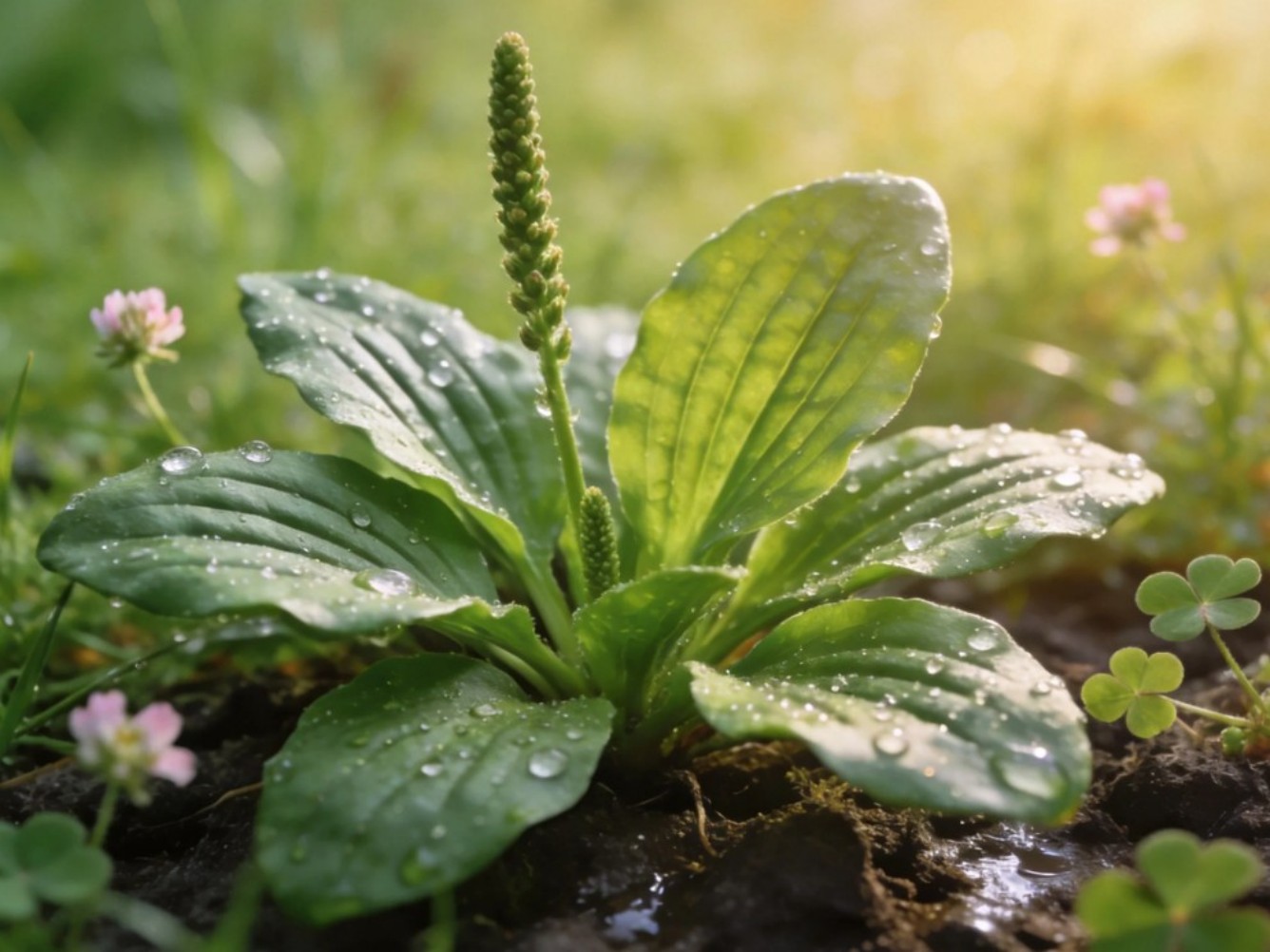
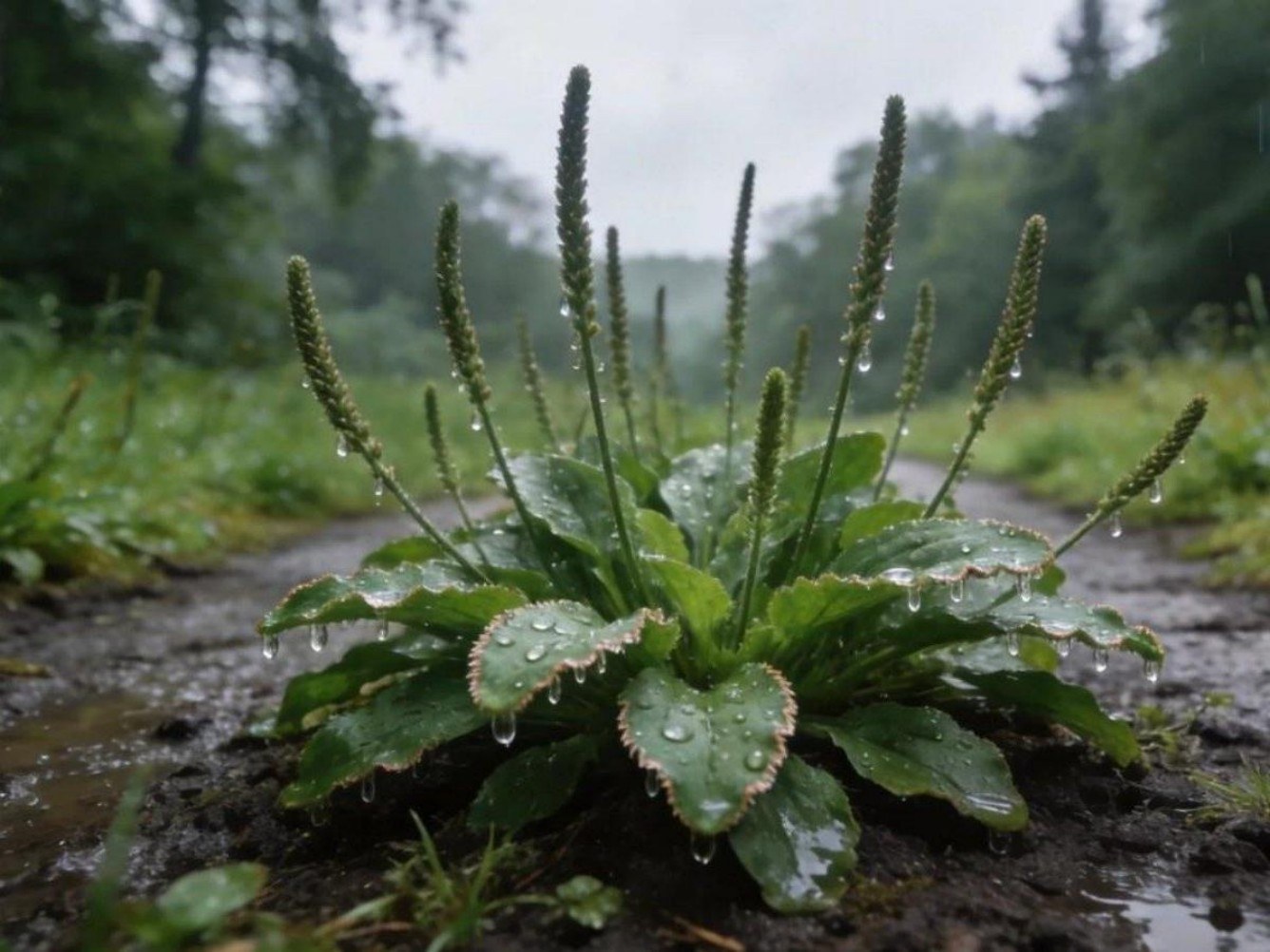
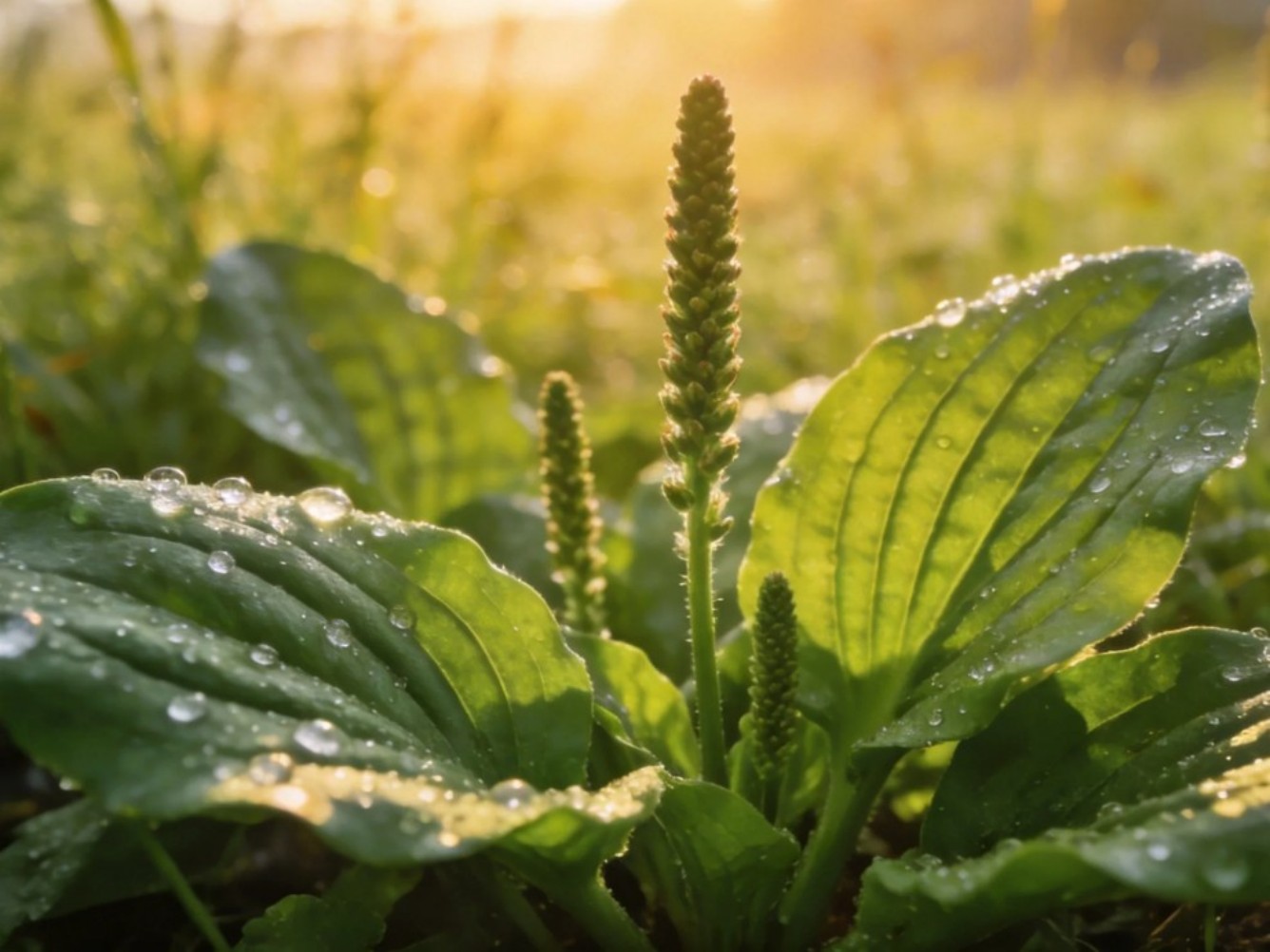
Plantago major, broad‑leaved plantain, is a hardy perennial herb in the plantain family. It forms low rosettes of broad oval leaves with prominent parallel veins. Small greenish flowers cluster on tall thin spikes. Thriving in compacted, trampled ground, it spreads worldwide as a common weed. Its young leaves are edible, and the plant has long‑standing traditional herbal uses.
Popular Plant Encyclopedia
-
-
Poisonous and danger
- Rhus typhina
-
-
-
Edible and medicinal
- Common sunflower
-
-
-
Poisonous and danger
- Plumeria rubra
-
-
-
Wild and common weed
- Convolvulus arvensis
-
-
-
Edible and medicinal
- Perilla frutescens
-
-
-
Edible and medicinal
- Pogostemon cablin
-
-
-
Edible and medicinal
- Common fenugreek
-
-
-
Edible and medicinal
- Garden Thyme
-

 Edible and medicinal
 Wild and common weed
Advertisement