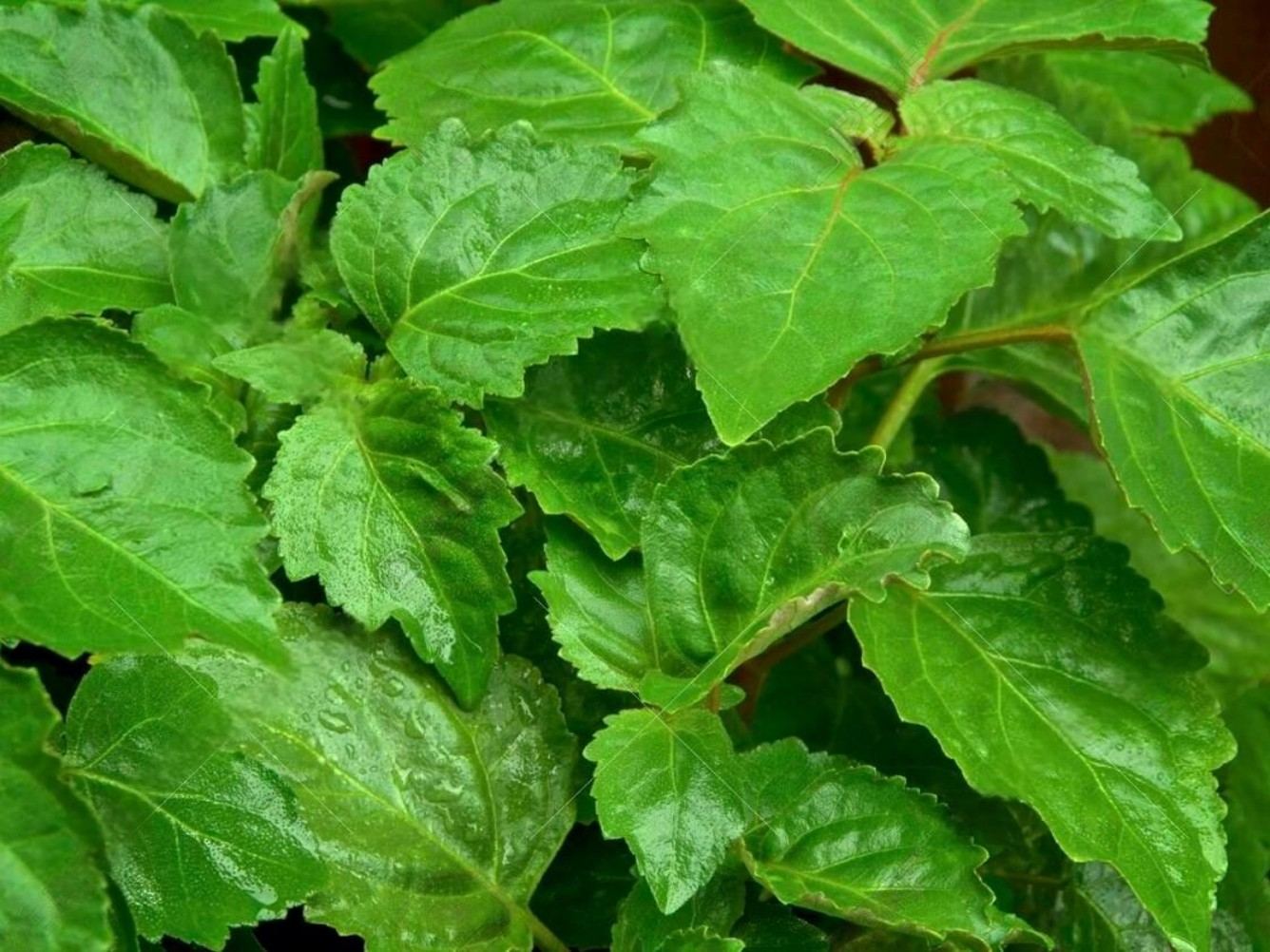
Pogostemon cablin
-
 Edible and medicinal
 - Also known as: Patchouli
 Edible and medicinal
Nursing Skills
Pogostemon cablin thrives in warm, humid conditions with indirect sunlight. Keep the soil consistently moist but well-drained, and avoid waterlogging. Use rich, organic soil and fertilize monthly during the growing season. Protect from cold temperatures and prune regularly to encourage bushy growth and maintain the plant’s health and fragrance.
Advertisement
Plant Properties
-
- Plant Type
- Herb
-
- Bloom Time
- Fall
-
- Plant Height
- 75 cm
-
- Leaf Color
- Green
-
- Flower Size
- 4 cm to 7 cm
-
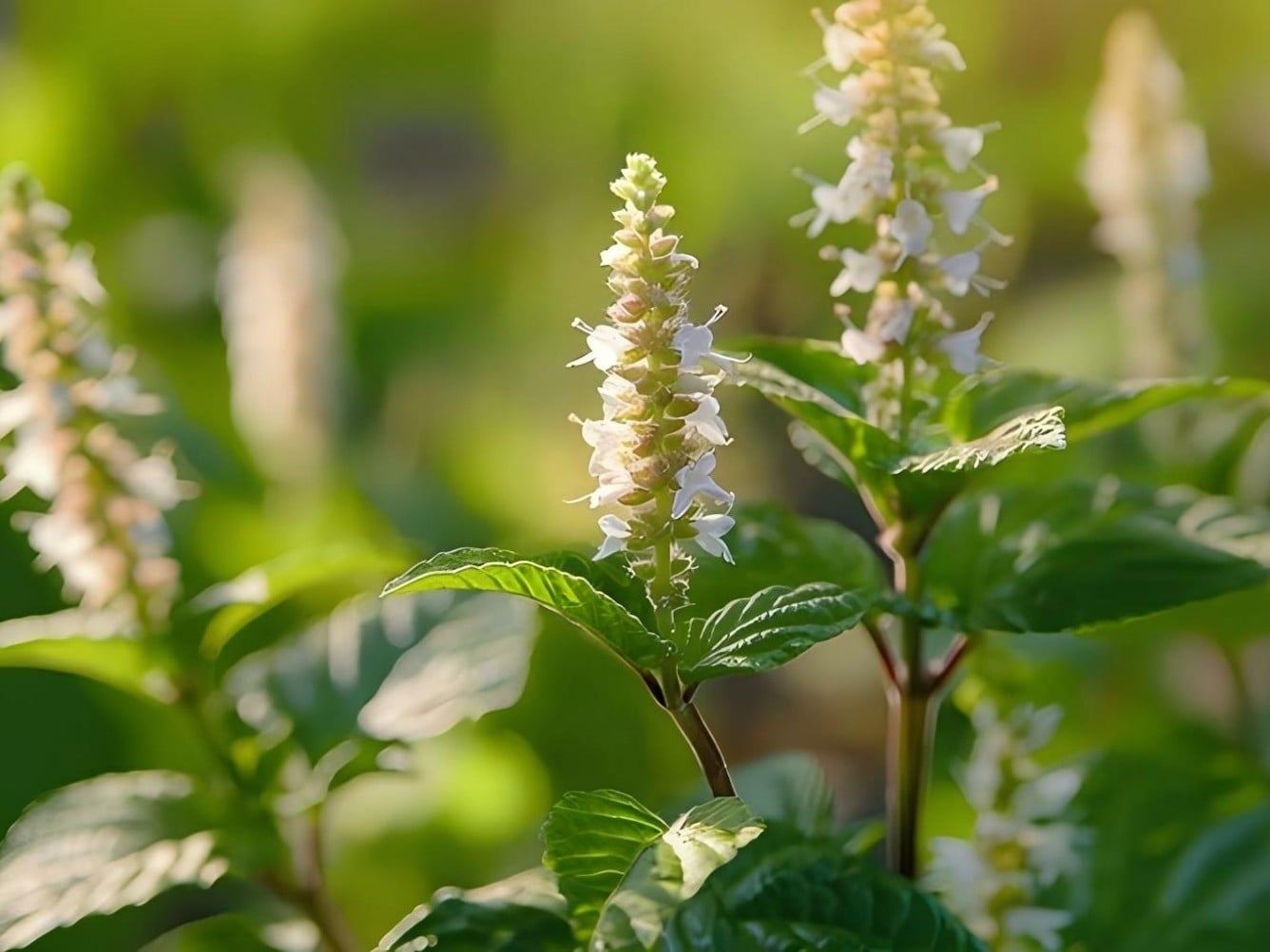
- Flower Color
- White
-
- Stem Color
- Red
-
- Leaf type
- Deciduous
Plant Care Requirements
-
Difficulty of Care
Moderate
-
Watering Frequency
Keep soil consistently moist but not soggy
-
Light Requirements
Prefers bright, indirect sunlight
-
Soil pH
pH 6.0–7.0
-
Planting Time
Best planting time is late spring or early summer
-
Hardiness Zone
USDA Zones 10–12
-
Dormancy Period
May become dormant or die back in cooler seasons or if temperatures drop below (10°C)
-
Ideal Temperature
18–29°C
Advertisement
Plant Care Guide
-
How often should I water Pogostemon cablin?
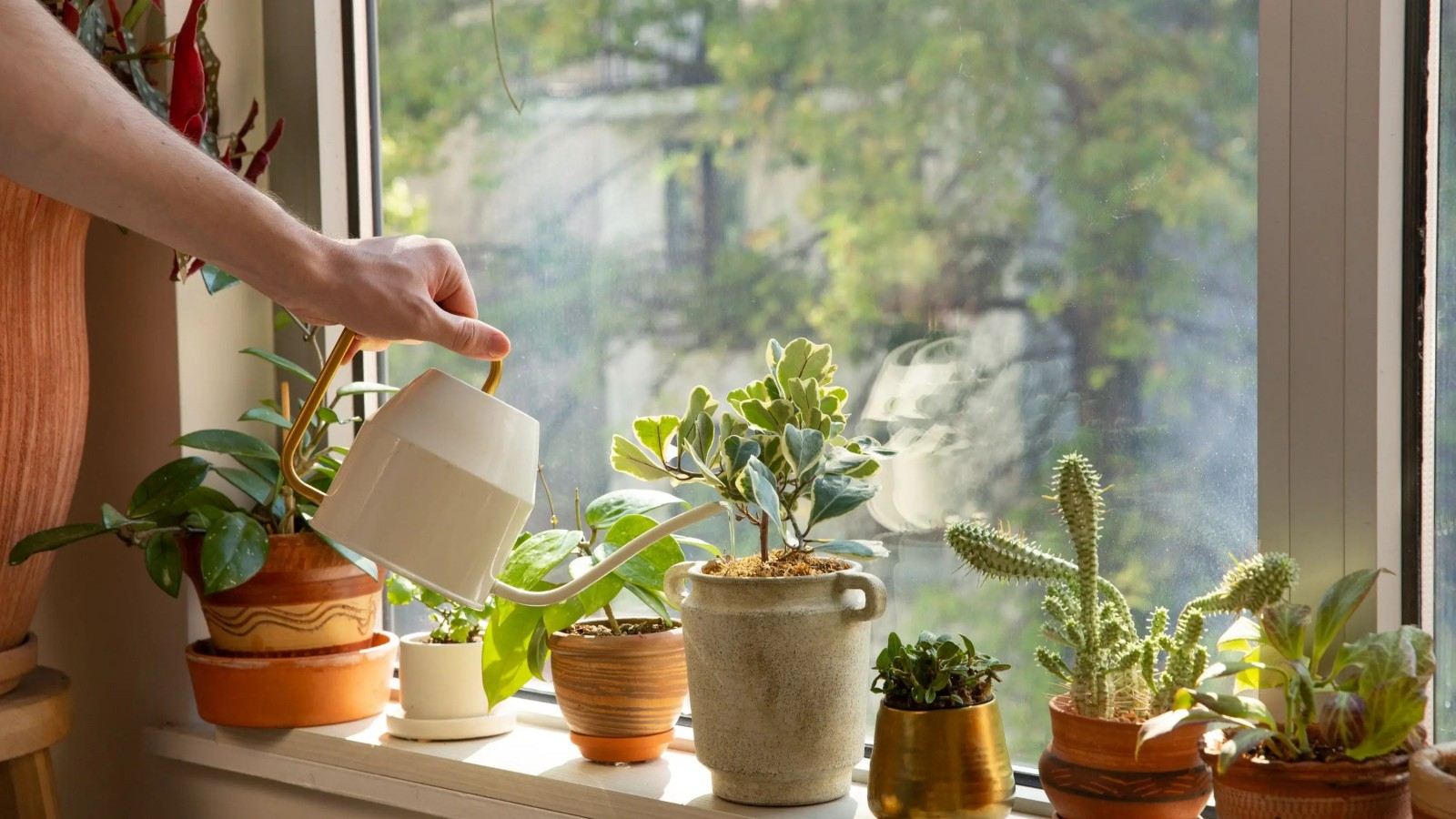
Pogostemon cablin enjoys evenly moist soil, but it’s crucial to avoid waterlogging. During the growing season (spring through early fall), water thoroughly whenever the top 1 to 2 inches of soil feel dry to the touch—usually about 2 to 3 times a week depending on climate and container size. Use room-temperature water and ensure excess drains well. In winter, when growth slows or if the plant goes semi-dormant indoors, reduce watering to once a week or less. Overwatering, especially in poorly drained soil, is a common cause of root rot, so always prioritize drainage and allow the top layer of soil to dry slightly before rewatering.
-
What type of light does Pogostemon cablin need?
At least 4-6 hours a dayPatchouli prefers bright, indirect sunlight for at least 4–6 hours daily. Indoors, place it near an east- or south-facing window where it gets plenty of morning or filtered afternoon sun. Outdoors, dappled shade or partial sunlight works well, especially in hot regions. Direct midday sun can cause leaf scorching, while too little light leads to leggy, weak stems and less fragrant foliage. If natural light is insufficient, consider using a full-spectrum grow light for 12–14 hours per day during shorter winter days or in darker homes.
-
What is the ideal temperature range for Pogostemon cablin?
18-29 degrees CelsiusPatchouli thrives in warm, tropical to subtropical climates. The optimal temperature range is between 65°F and 85°F (18°C–29°C). It’s highly sensitive to cold and must be protected from temperatures below 50°F (10°C), which can cause stress or leaf drop. For growers in cooler climates, it’s best to cultivate patchouli in containers so you can bring the plant indoors as temperatures begin to fall. Avoid placing it near drafts, air conditioning vents, or cold windows during the winter. Sudden fluctuations in temperature or exposure to cold can hinder growth and reduce oil production in the leaves.
-
What soil is best for growing Pogostemon cablin?
pH 6.0 to 7.0This aromatic herb thrives in rich, well-draining, loamy soil. A mix of potting soil, compost, and perlite or sand creates an ideal growing medium. The soil should hold moisture without becoming soggy. Patchouli prefers a slightly acidic to neutral pH, ideally between 6.0 and 7.0. Regularly amending the soil with organic compost boosts nutrient content and supports healthy microbial activity around the roots. In container growing, make sure your pots have ample drainage holes, and consider using a raised bed or mound for outdoor cultivation to enhance drainage and root aeration.
-
When is the best time to plant Pogostemon cablin?
Late spring and early summerPlant patchouli outdoors in late spring to early summer, once all danger of frost has passed and nighttime temperatures consistently stay above 60°F (15°C). The plant enjoys warm soil and humid air, both of which promote rapid establishment and growth. If starting indoors, sow seeds or take stem cuttings 6–8 weeks before the last expected frost. Harden off young plants by gradually acclimating them to outdoor conditions over a week before transplanting. This timing allows patchouli to take full advantage of the long, warm growing season.
-
How fast does Pogostemon cablin grow, and how can I encourage bushier growth?
Moderate to fastUnder ideal conditions, patchouli grows at a moderate to fast pace, reaching up to 2–3 feet tall within a single growing season. It develops a bushy, lush form with regular care. To encourage dense growth, pinch or prune the tips of young plants frequently. This stimulates lateral branching and increases leaf production, which is especially desirable if harvesting for fragrance or medicinal use. Fertilize monthly with a balanced organic fertilizer during the growing season, and be sure to rotate the plant regularly if grown indoors to prevent uneven growth toward light sources.
-
Does Pogostemon cablin go dormant, and how should I care for it in winter?
Semi-dormant in winterIn cooler regions, Pogostemon cablin can enter a semi-dormant state during the winter months. Growth slows considerably, and the plant may drop some leaves. When overwintering indoors, reduce watering frequency, maintain temperatures above 60°F (15°C), and ensure the plant receives bright light. Avoid fertilizing during dormancy. If grown in zones 10–12 where winters remain mild, the plant may remain evergreen. In colder zones, treat patchouli as a tender perennial and bring it indoors before frost. Resume regular feeding and watering when new growth appears in spring.
Advertisement
Frequently Asked Questions
-
1 What are the ideal growing conditions for Pogostemon cablin?
Pogostemon cablin grows best in warm, humid climates with consistent temperatures between 65°F and 85°F (18°C–29°C). It prefers bright, indirect sunlight and thrives in rich, well-draining soil with a pH between 6.0 and 7.0. Patchouli is sensitive to frost and should be planted after all risk of freezing has passed. If growing in cooler climates, it’s best to cultivate the plant in containers so it can be moved indoors during colder months. Maintaining high humidity also supports optimal growth and oil production in the leaves.
-
2 How should I water Pogostemon cablin, and what are the signs of overwatering?
Patchouli prefers evenly moist soil, but not soggy. Water the plant thoroughly when the top 1–2 inches of soil feel dry. Overwatering is a common issue and can lead to root rot, marked by yellowing leaves, drooping stems, or a foul odor from the soil. Ensure the pot or bed has excellent drainage. During winter, when growth slows, water less frequently. Always adjust watering based on climate, container size, and indoor humidity levels to keep the plant healthy and balanced.
-
3 Can Pogostemon cablin be grown indoors year-round?
Yes, Pogostemon cablin can be successfully grown indoors all year, especially in colder climates where outdoor growing is limited. Indoors, place it in a spot with bright, indirect sunlight—ideally near an east- or south-facing window. Use a humidifier or a humidity tray to maintain moisture in dry indoor environments, as patchouli thrives in high humidity. Regular pruning, rotating the plant to ensure even light exposure, and monitoring watering needs are essential for maintaining indoor health and vigor.
-
4 How and when should I fertilize Pogostemon cablin?
Fertilize patchouli during the active growing season (spring through early fall) using a balanced, water-soluble fertilizer (e.g., 10-10-10 or organic compost tea) every 4–6 weeks. Feeding encourages strong, leafy growth and enhances the plant’s signature fragrance. Avoid fertilizing during winter dormancy, when the plant's nutrient requirements are minimal. Be careful not to over-fertilize, as too much nitrogen can lead to overly lush foliage with reduced essential oil content. Always follow label instructions for dosage and frequency.
-
5 How can I propagate Pogostemon cablin?
Pogostemon cablin is easily propagated through stem cuttings. Choose a healthy stem about 4–6 inches long with several leaf nodes. Remove the lower leaves and place the cutting in water or moist potting mix. Roots typically develop within 2–3 weeks. Once rooted, transplant it into a pot with well-draining soil. Propagation is most successful during the warmer months when the plant is actively growing. Regular pruning also encourages bushier growth, making it easy to collect cuttings for propagation while shaping the plant.
Advertisement
Introduction
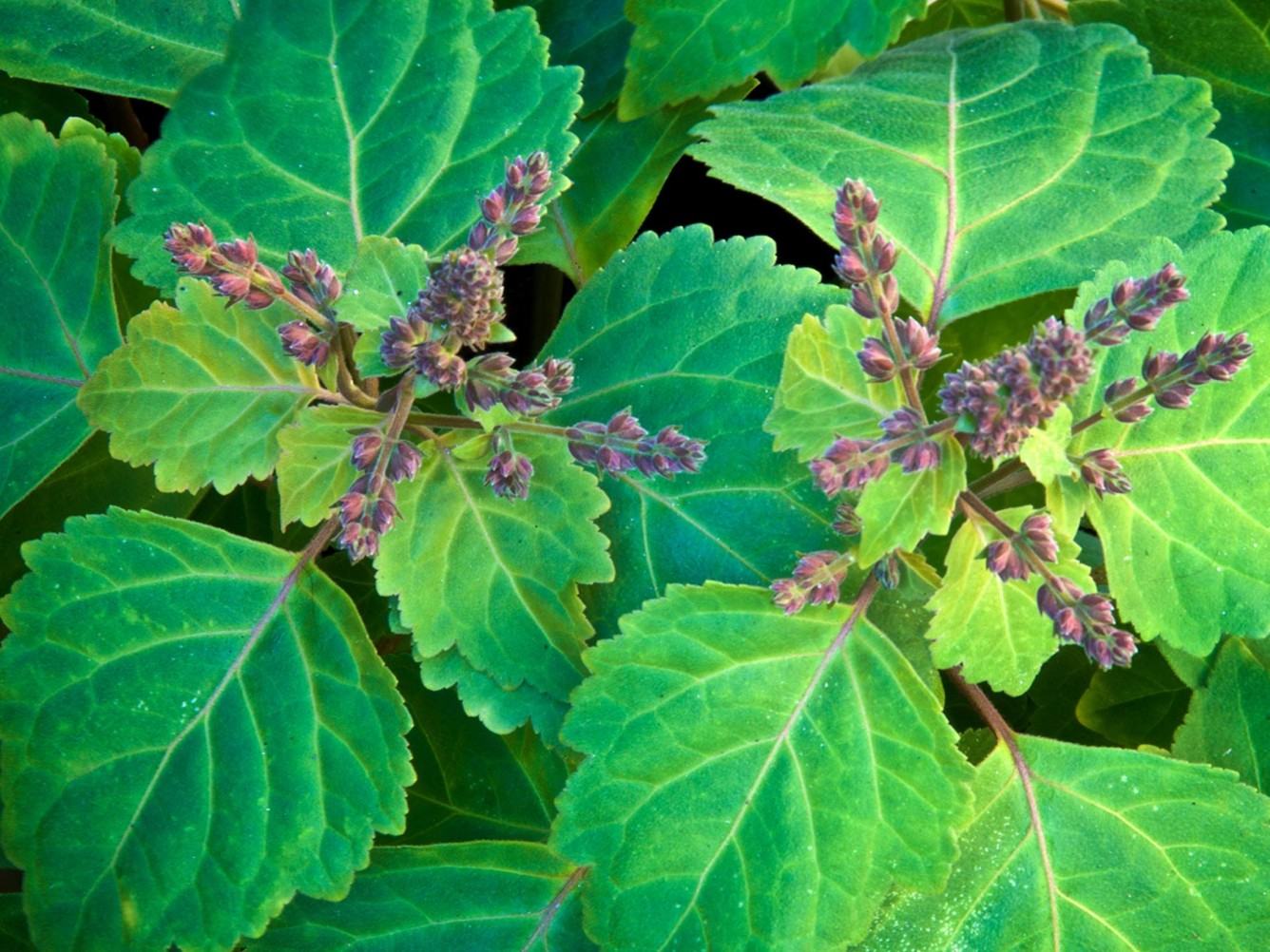
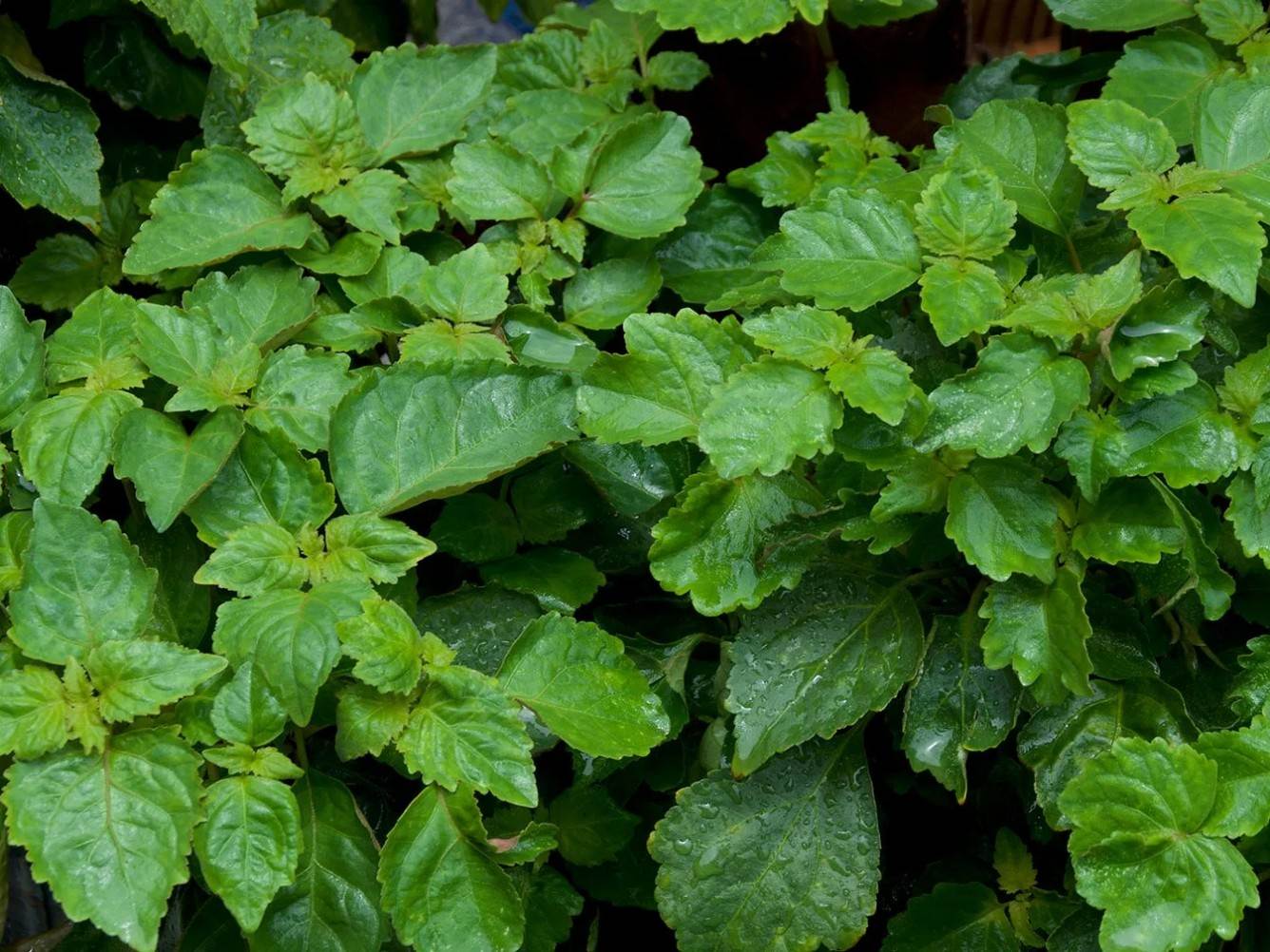
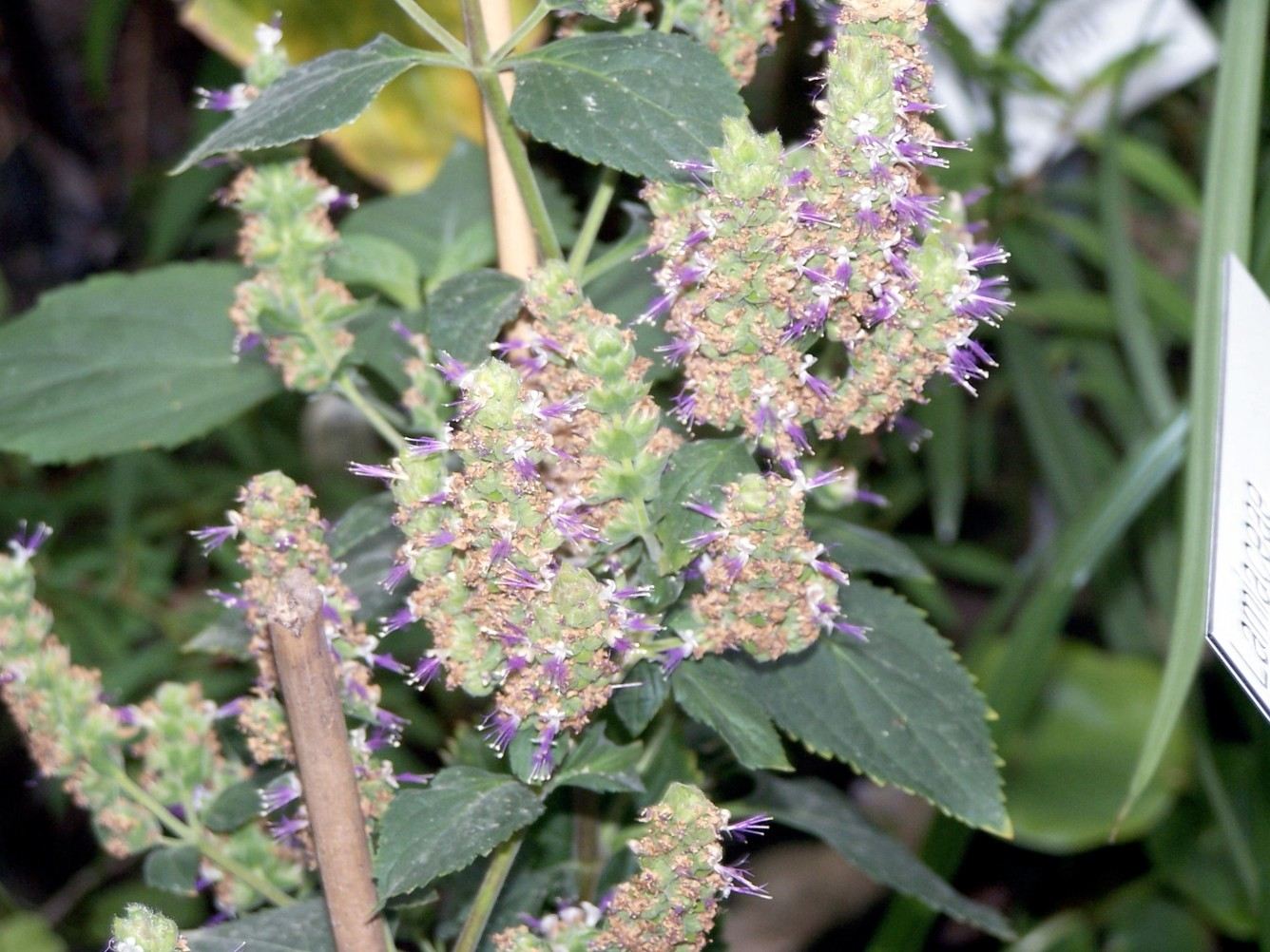
Pogostemon cablin, commonly known as patchouli, is a tropical herb in the mint family (Lamiaceae). Native to Southeast Asia, it is prized for its aromatic leaves, which produce a rich, earthy essential oil widely used in perfumes, incense, and aromatherapy. The plant grows as a bushy perennial with soft, hairy stems and fragrant, green leaves. Patchouli thrives in warm, humid climates and well-drained soil. Beyond its fragrance, it is also valued for its potential medicinal and insect-repellent properties.
Popular Plant Encyclopedia
-
-
Poisonous and danger
- Rhus typhina
-
-
-
Edible and medicinal
- Common sunflower
-
-
-
Poisonous and danger
- Plumeria rubra
-
-
-
Wild and common weed
- Convolvulus arvensis
-
-
-
Edible and medicinal
- Perilla frutescens
-
-
-
Edible and medicinal
- Pogostemon cablin
-
-
-
Edible and medicinal
- Common fenugreek
-
-
-
Edible and medicinal
- Garden Thyme
-
 Poisonous and danger
 Wild and common weed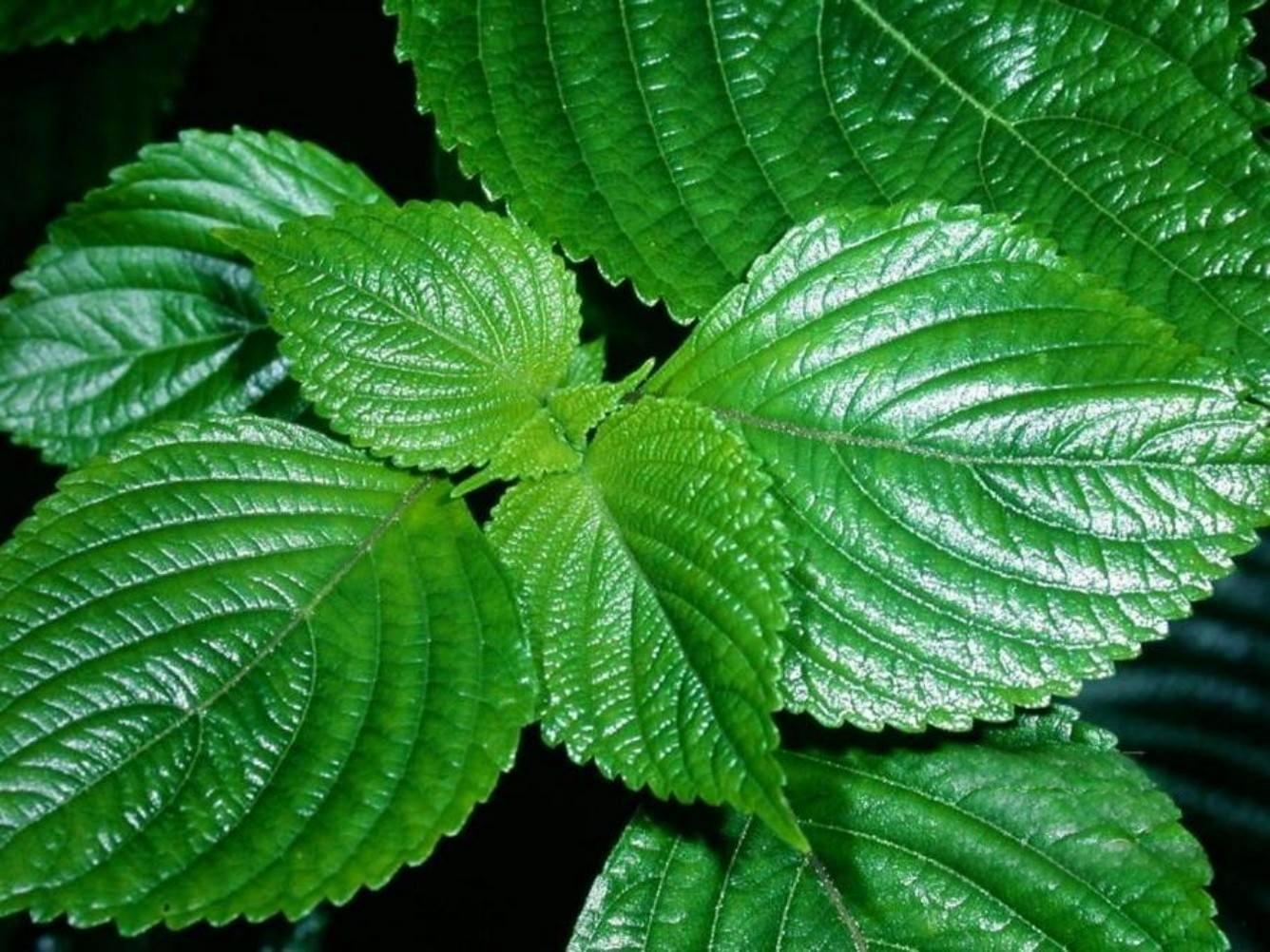
Advertisement