Poinsettia
-
 Poisonous and danger
 - Also known as:Christmas Star and Christmas Flower.
 Poisonous and danger
Nursing Skills
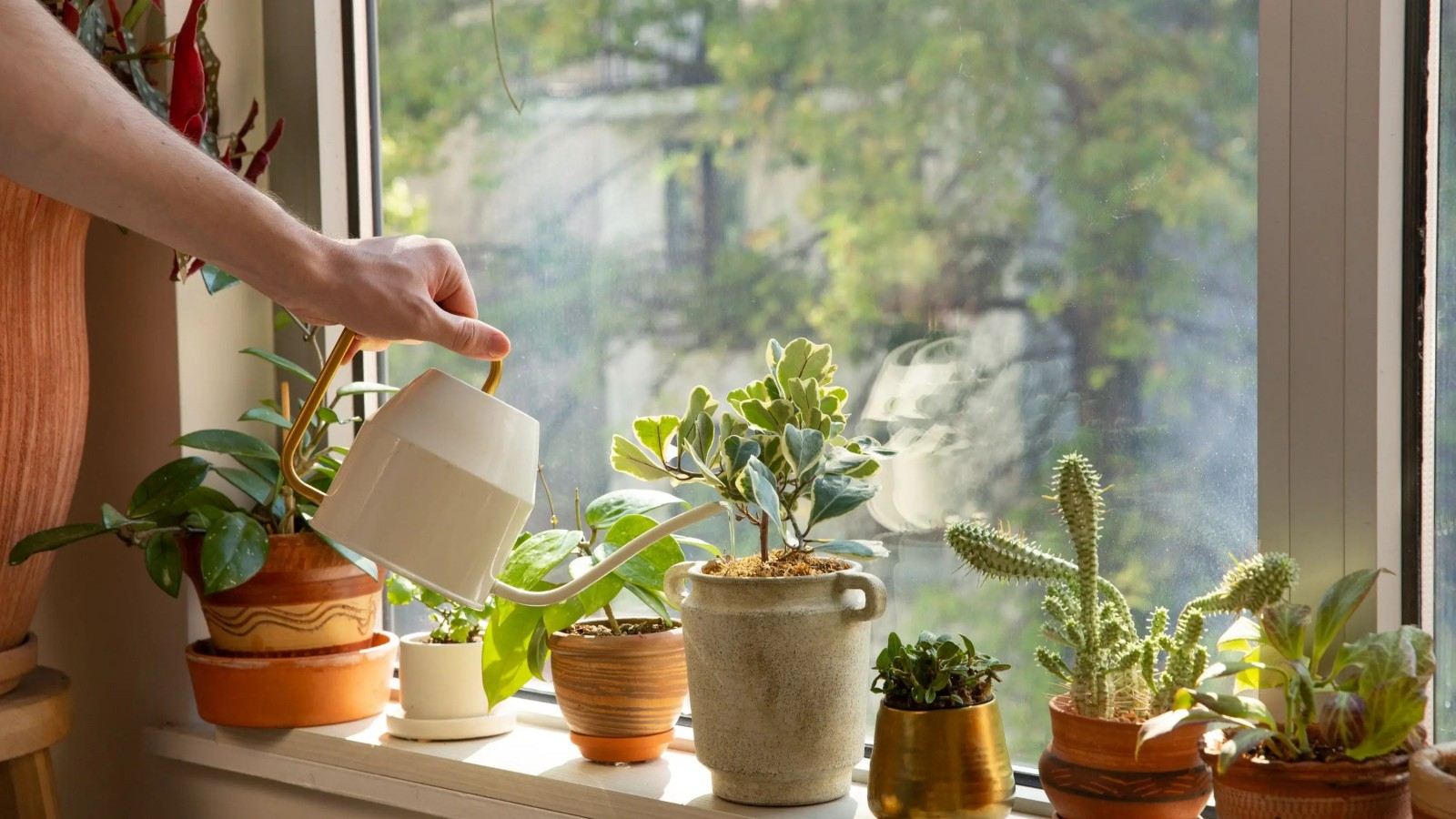
Poinsettia require bright, indirect light and should be kept away from direct sunlight that can scorch their leaves. They prefer well-drained soil, and should be watered when the top layer of soil feels dry. Avoid overwatering as this could lead to root rot. They thrive in a warm environment, ideally between 60-70 degrees Fahrenheit, away from drafts or heating vents. After the holiday season, allow it to dry out slightly between waterings to encourage blooming next year.
Advertisement
Plant Properties
-
- Toxicity
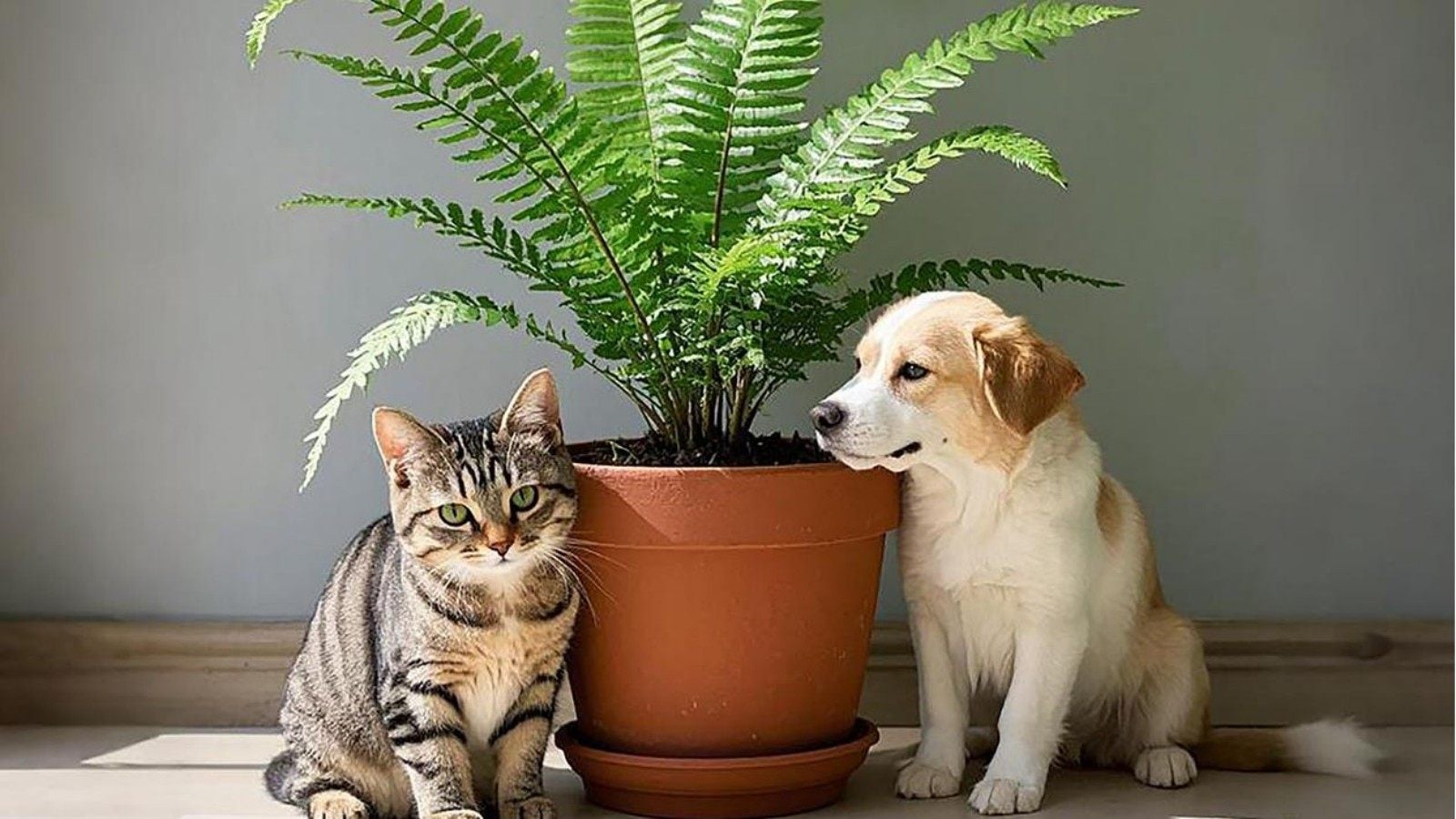
- Toxic to humans, toxic to pets
-
- Flowering period
- winter
-
- Plant height
- 30 cm to 1.5 m
-
- Leaf color
- green
-
- Fruit color
- brown
-
- Stem color
- green
-
- Leaf type
- evergreen
-
- Growing season
- spring, summer
-
- Plant type
- shrub
Plant Care Requirements
-
Difficulty of care
medium
-
Planting time
spring
-
Light requirements
full sun
-
Humidity requirements
medium
-
Soil requirements
loose slightly acidic soil
-
Ideal temperature
15 - 25℃
Advertisement
Plant Care Guide
-
How often should I water my Poinsettia?
Water when topsoil is dryFor Poinsettia, it's crucial to follow the "water when dry" principle. Check the topsoil regularly; when the top 1 - 2 inches of soil feel dry to the touch, it’s time to water. In spring and autumn, watering once every 3 - 5 days usually suffices. During hot summer months, due to rapid evaporation, you may need to water every 2 - 3 days. In winter, as the plant's growth slows down, watering every 7 - 10 days is appropriate. Always water thoroughly, but avoid waterlogging, as excessive moisture can lead to root rot, severely damaging the plant.
-
What kind of light does Poinsettia need?
Full sun combined with diffused lightPoinsettia thrive in bright light conditions. During the growing season, they require full sun, with at least 6 - 8 hours of direct sunlight daily to ensure healthy foliage growth. However, during the intense midday sun in summer, it's advisable to provide some shade to prevent leaf scorching. In winter, which is a critical period for bract coloration and flower bud development, ensure the plant receives ample light. Place it near a south - facing window or other well - lit areas to promote vibrant bract color and proper flower bud formation.
-
How do I fertilize my Poinsettia?
Fertilize by growth stageFertilization for Poinsettia should be adjusted according to different growth stages. During the growing season (spring and summer), apply a balanced slow - release fertilizer every 2 - 3 weeks. This provides the plant with a steady supply of nutrients, promoting lush foliage growth. About 1 - 2 months before the flowering period, switch to a fertilizer higher in phosphorus and potassium, such as 0 - 10 - 10 or 5 - 10 - 10. Apply this fertilizer every 10 - 15 days, either by spraying the leaves or watering the soil. This helps with flower bud development and results in larger, more colorful bracts. In winter, as the plant's growth rate decreases, reduce or stop fertilization.
-
What is the ideal temperature for Poinsettia growth?
15 - 25°CThe optimal temperature range for Poinsettia growth is between 15 - 25°C (59 - 77°F). Temperatures above 30°C (86°F) can inhibit growth, causing symptoms like yellowing and curling of leaves. On the other hand, temperatures below 10°C (50°F) slow down the plant's development, affect bract formation, and may even lead to frost damage. In winter, especially in regions with cold climates, it’s essential to keep the plant indoors in a warm area. You may need to use heaters or other warming devices to maintain the temperature above 10°C and protect the plant from the cold.
-
What type of soil is best for Poinsettia?
Loose, slightly acidic soilPoinsettia prefer loose, well - drained, slightly acidic soil with a pH range of 5.5 - 6.5. A good soil mixture can be made by combining peat moss, perlite, and vermiculite in a ratio of 4:3:3. This mixture not only provides good aeration and drainage but also retains the right amount of moisture. Well - drained soil is crucial to prevent waterlogging, which can cause root diseases. Additionally, it's recommended to repot the plant every 1 - 2 years to refresh the soil and ensure the plant has enough space for root growth.
-
How should I prune my Poinsettia?
Prune during growing season and after floweringPruning is an important part of Poinsettia care. During the growing season, remove any leggy, overcrowded, dead, or diseased branches. This improves air circulation and light penetration within the plant, allowing nutrients to be focused on healthy growth. After the flowering period, typically when the bracts start to fade, perform a more significant pruning. Cut the plant back to about one - third to one - half of its original height. This helps the plant conserve energy and prepares it for new growth in the next season. Always use clean, sharp pruning shears to make clean cuts and reduce the risk of infection.
-
How can I prevent and treat pests and diseases on my Poinsettia?
Prevention - treatment combinationPoinsettia are prone to pests like aphids, whiteflies, and diseases such as powdery mildew and botrytis. To prevent these issues, maintain good air circulation around the plant and ensure it has proper lighting. Avoid overcrowding plants. If pests or diseases are detected early, for powdery mildew, you can use fungicides like sulfur - based sprays. For aphids and whiteflies, insecticidal soaps or neem oil sprays are effective. Apply these treatments every 7 - 10 days, repeating 2 - 3 times until the problem is resolved. Regularly inspect the plant, especially the undersides of leaves, to catch any signs of pests or diseases in the early stages.
Advertisement
Frequently Asked Questions
-
1 What are the colorful "flowers" of Poinsettia actually?
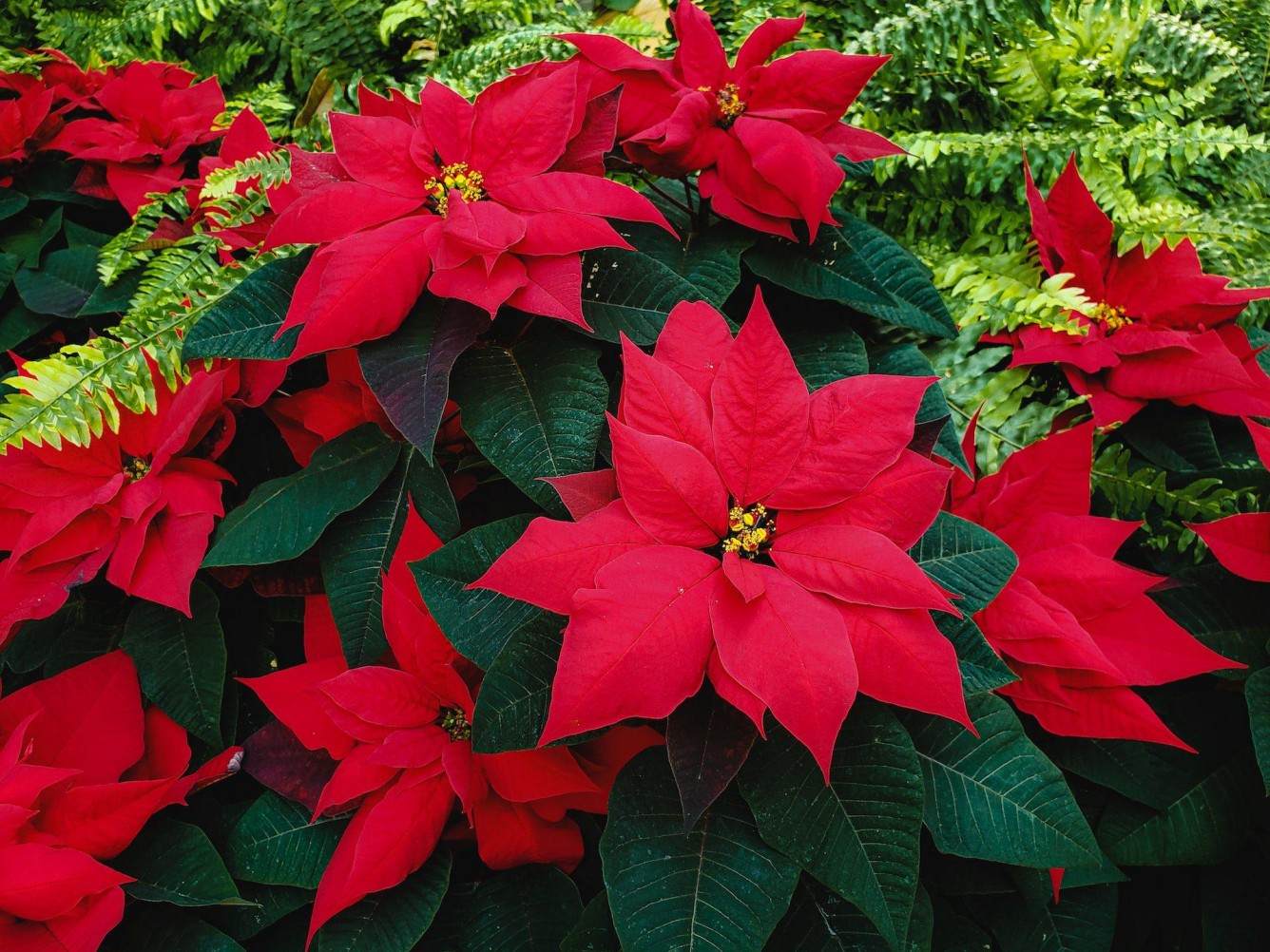
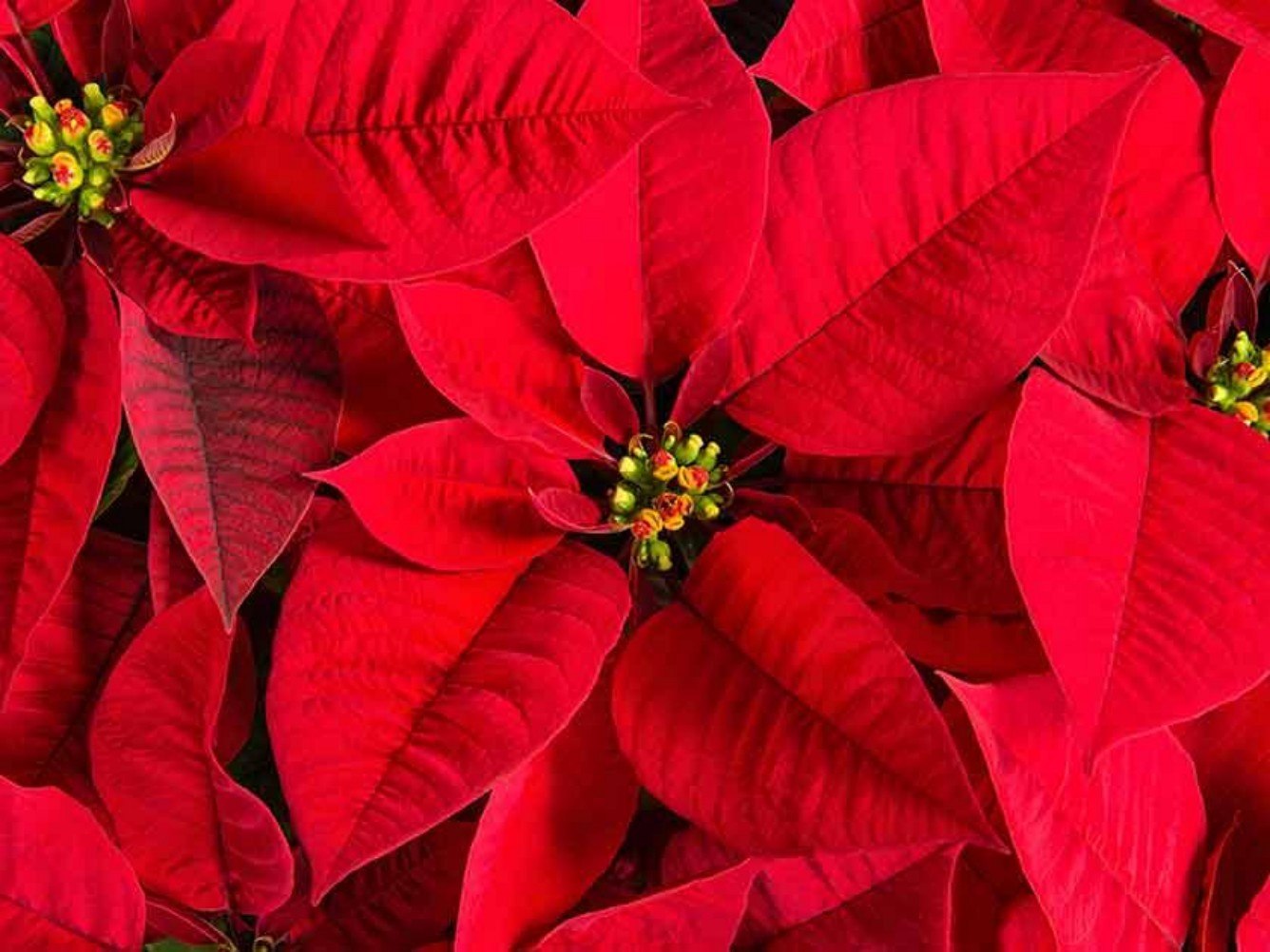
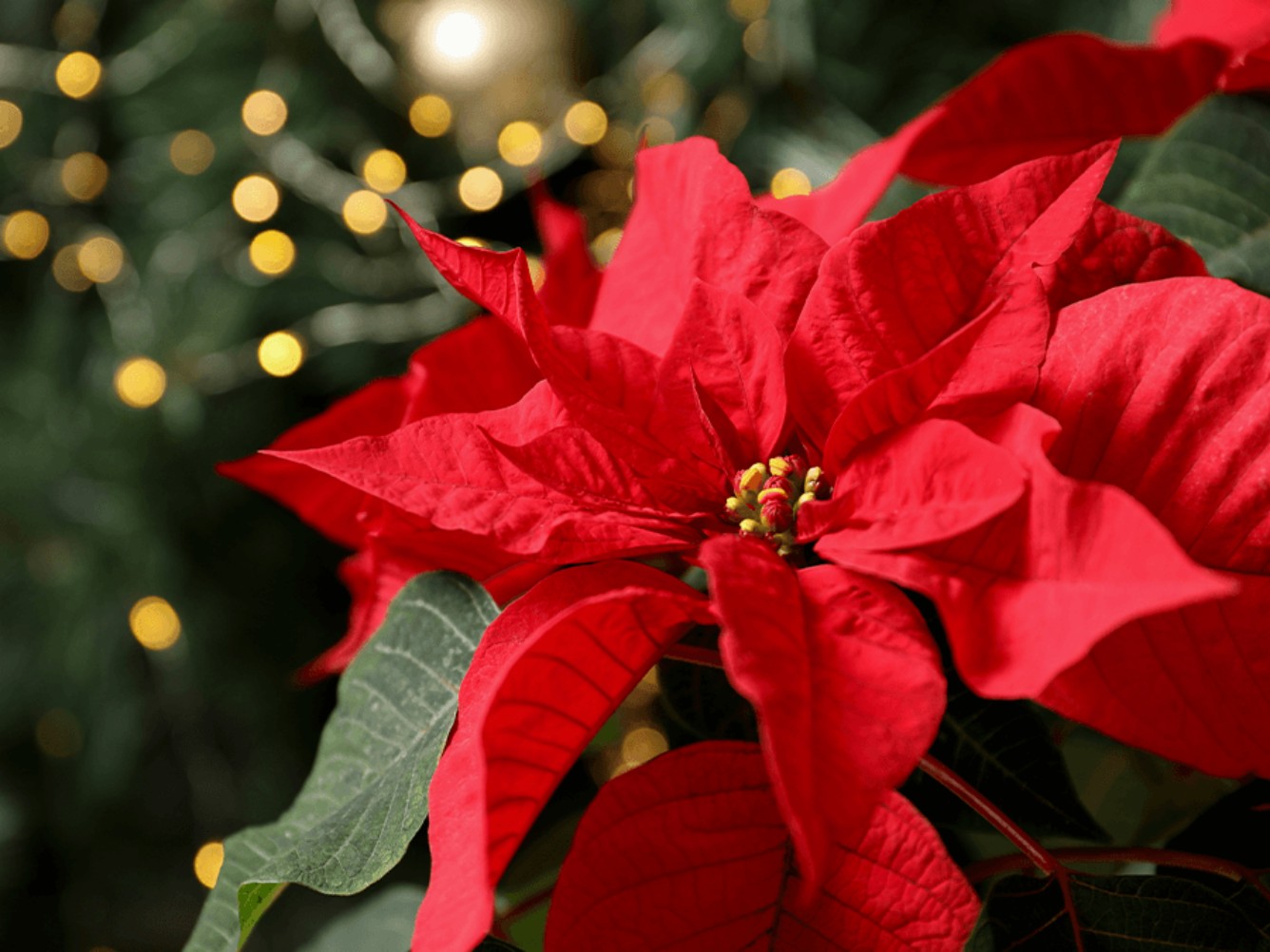
The vibrant "flowers" of Poinsettia are actually **bracts** (modified leaves), not true flowers. The tiny yellow clusters in the center are the real flowers, responsible for reproduction. The striking bracts evolve to attract pollinators like bees and butterflies, making them the plant’s main ornamental feature.
-
2 Why is Poinsettia called the "Christmas Flower"?
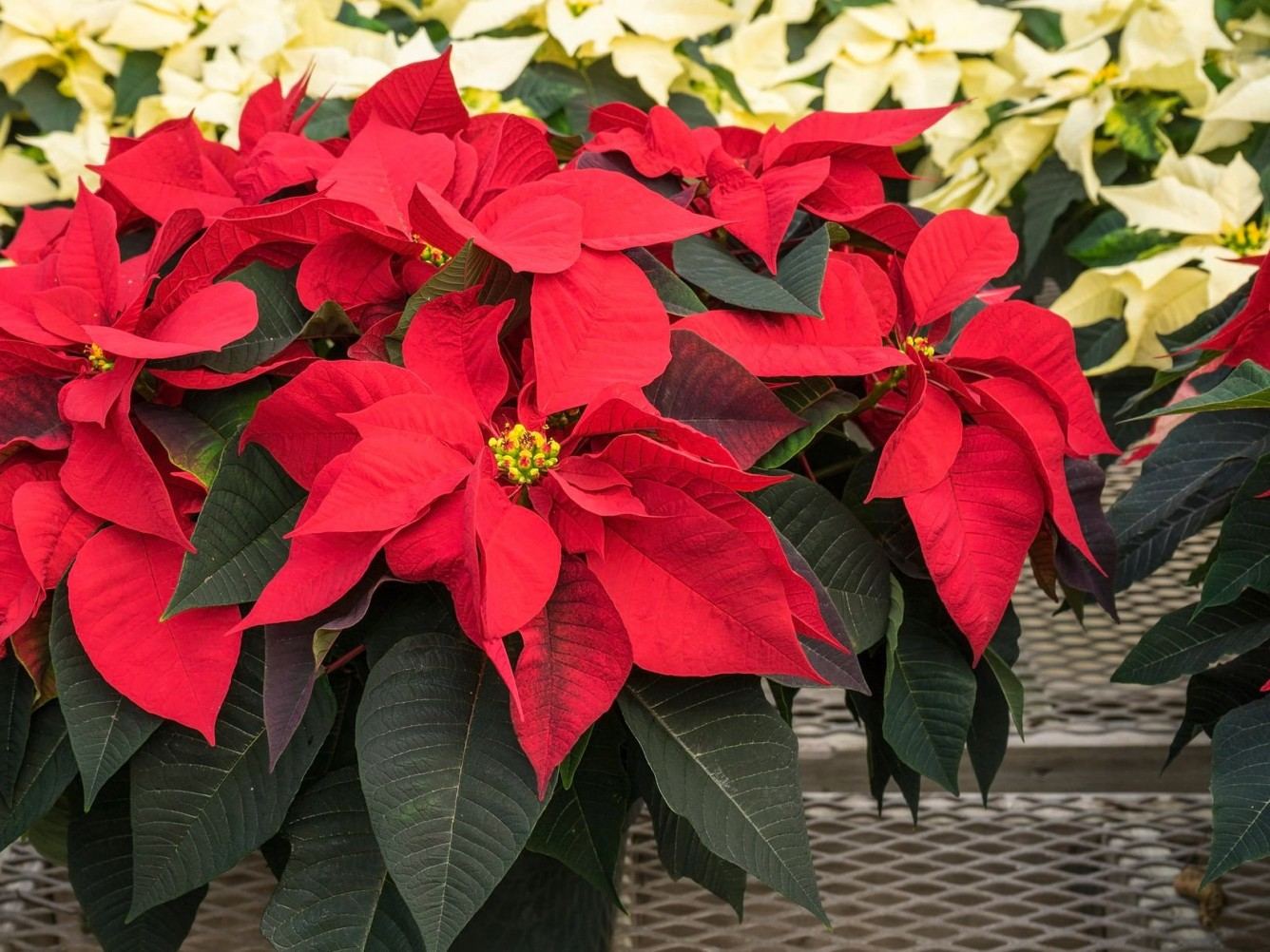
Poinsettia naturally bloom from December to February, coinciding with Christmas. Their bright red or white bracts perfectly match holiday decor, creating a festive atmosphere. They’ve been a staple of Western Christmas traditions since the 19th century, hence the nickname "Christmas Flower."
-
3 Is Poinsettia sap toxic?
Yes, Poinsettia sap contains irritant chemicals. Contact with skin may cause redness or itching, and ingestion can lead to vomiting or diarrhea. While rarely fatal, it’s important to keep them away from children and pets. Wear gloves when pruning to avoid direct skin contact.
-
4 How can I get my Poinsettia to rebloom next year?
To encourage reblooming, start in October by giving the plant **14+ hours of complete darkness daily** (cover with a light - tight box). Maintain this for 6 weeks to trigger花芽分化 (flower bud development). Keep the temperature at 15–20°C (59–68°F) and water moderately. With this care, the bracts will regain their color for the next season.
-
5 What do wild Poinsettia look like?
Wild Poinsettia are much less showy than garden varieties. Their bracts are usually green or pale pink, and the plants can grow up to 3 meters tall in the wild. The vivid red, white, and multicolored cultivars we see today are the result of decades of selective breeding by horticulturists.
Advertisement
Introduction
Poinsettia,scientifically known as Euphorbia pulcherrima, is a popular festive plant native to Mexico, known for its striking color display during the winter holiday season. Its characterized by its bright red, pink, or white bracts, which are often mistaken for flowers but are actually modified leaves. The true flowers are the small, yellow structures found in the center of the bracts. Poinsettia require bright, indirect light, well-drained soil, and prefer a warm, draft-free environment. Despite their tropical origins, they are not heavy water drinkers and should be watered only when the soil feels dry to the touch.
Popular Plant Encyclopedia
-
-
Poisonous and danger
- Rhus typhina
-
-
-
Edible and medicinal
- Common sunflower
-
-
-
Poisonous and danger
- Plumeria rubra
-
-
-
Wild and common weed
- Convolvulus arvensis
-
-
-
Edible and medicinal
- Perilla frutescens
-
-
-
Edible and medicinal
- Pogostemon cablin
-
-
-
Edible and medicinal
- Common fenugreek
-
-
-
Edible and medicinal
- Garden Thyme
-
 Edible and medicinal
 Wild and common weed
Advertisement