Portulaca oleracea
-
 Wild and common weed
 - Also known as: Pigweed, Red root
 Wild and common weed
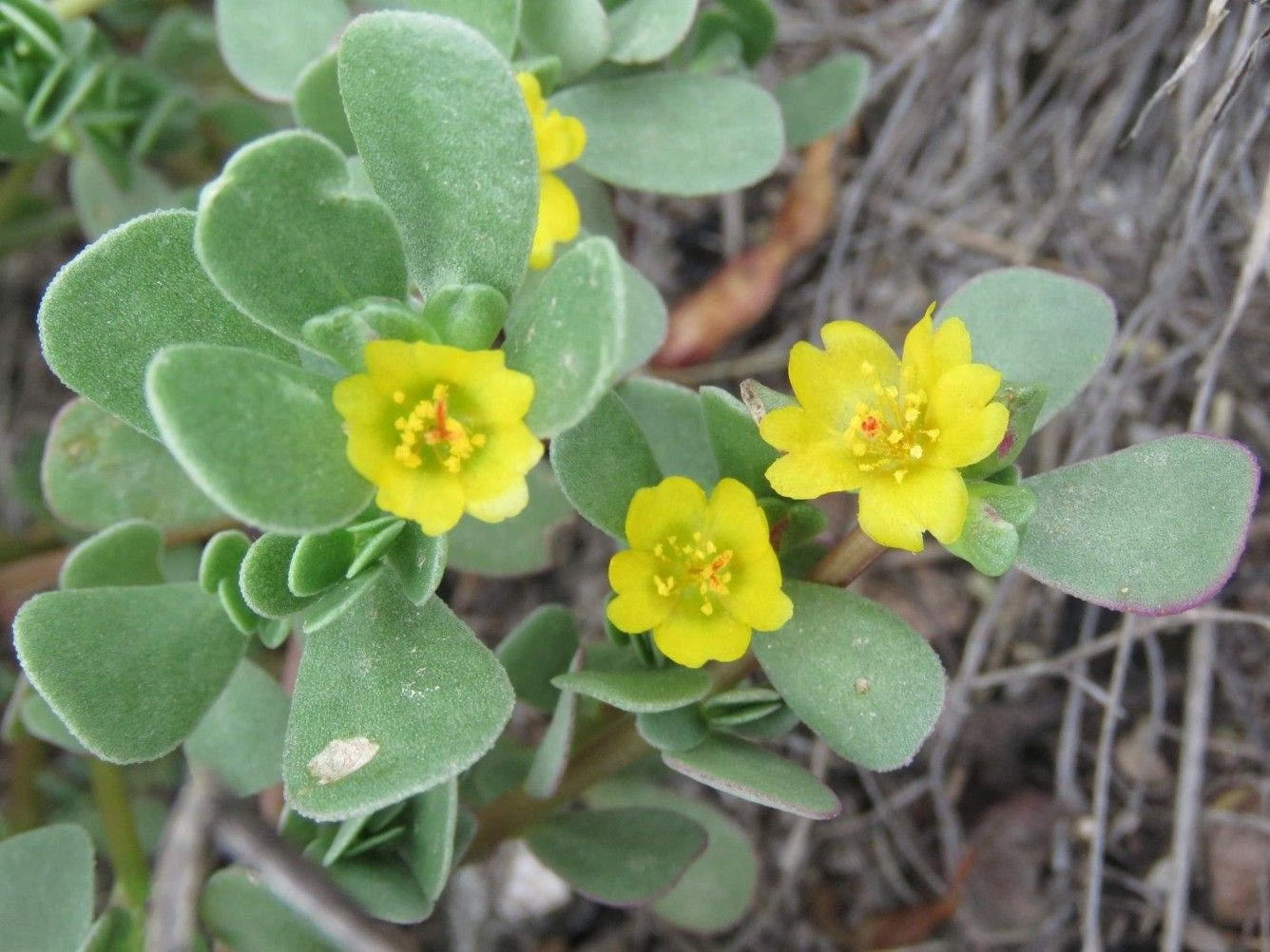
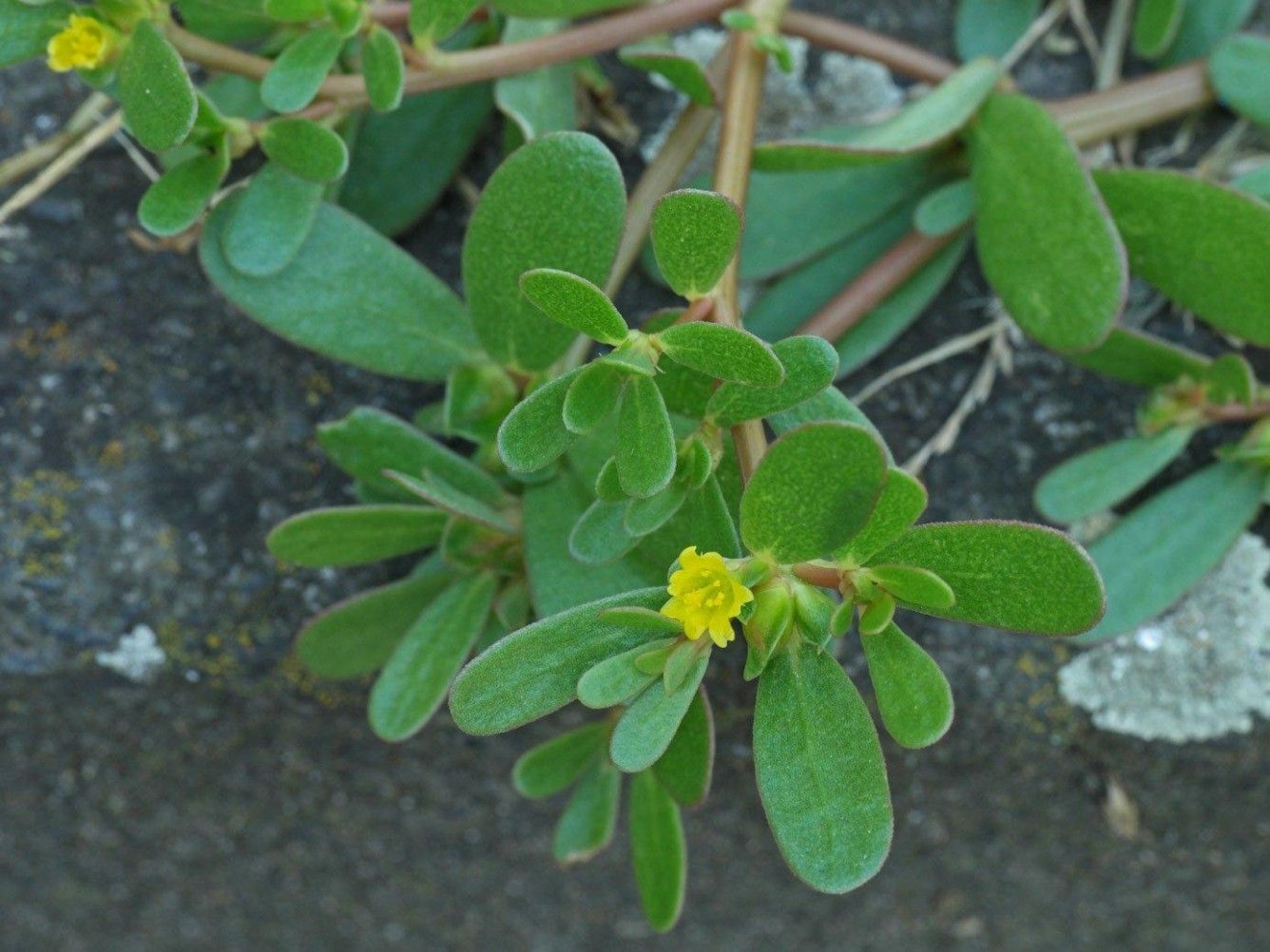
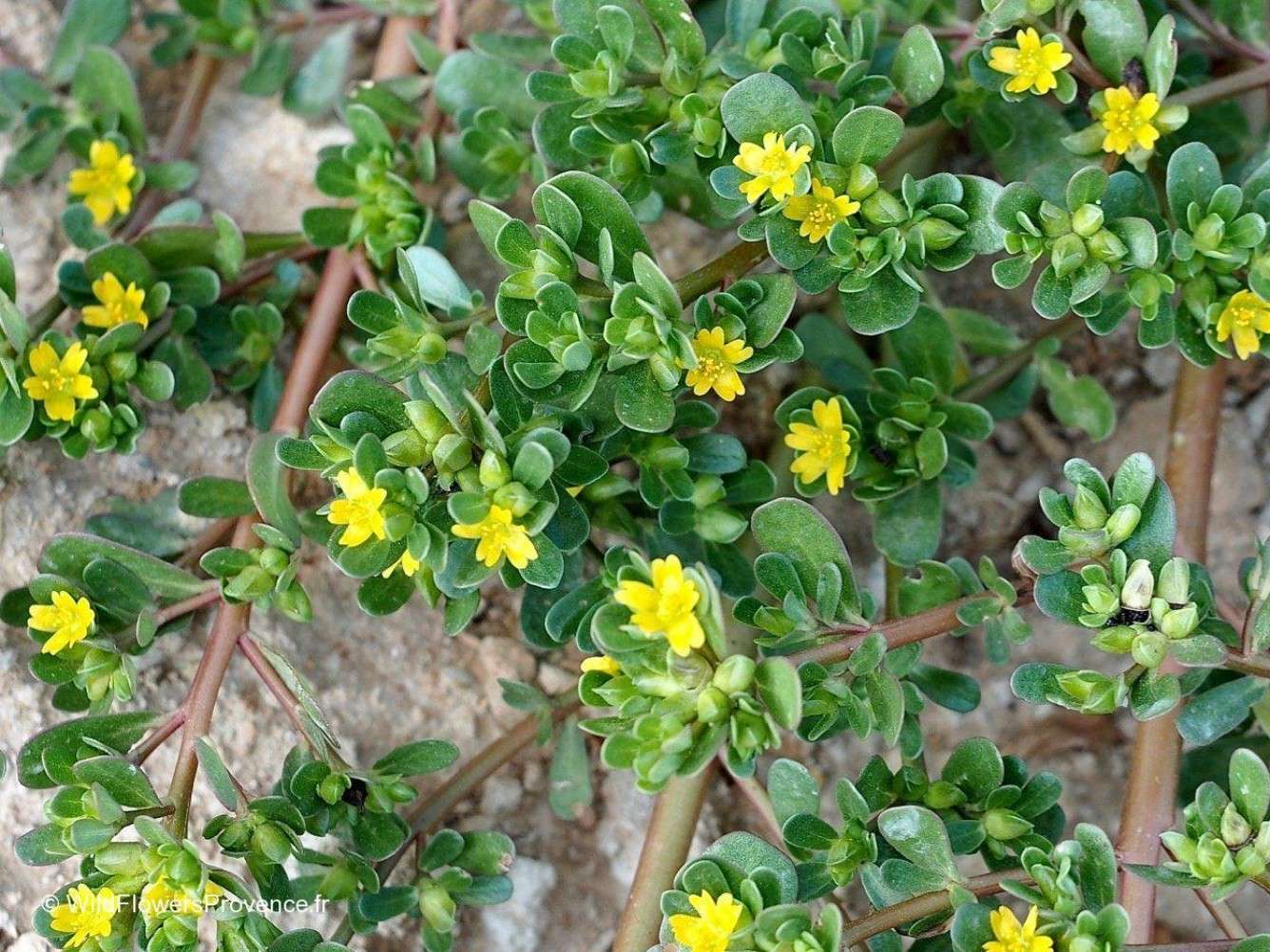
Nursing Skills
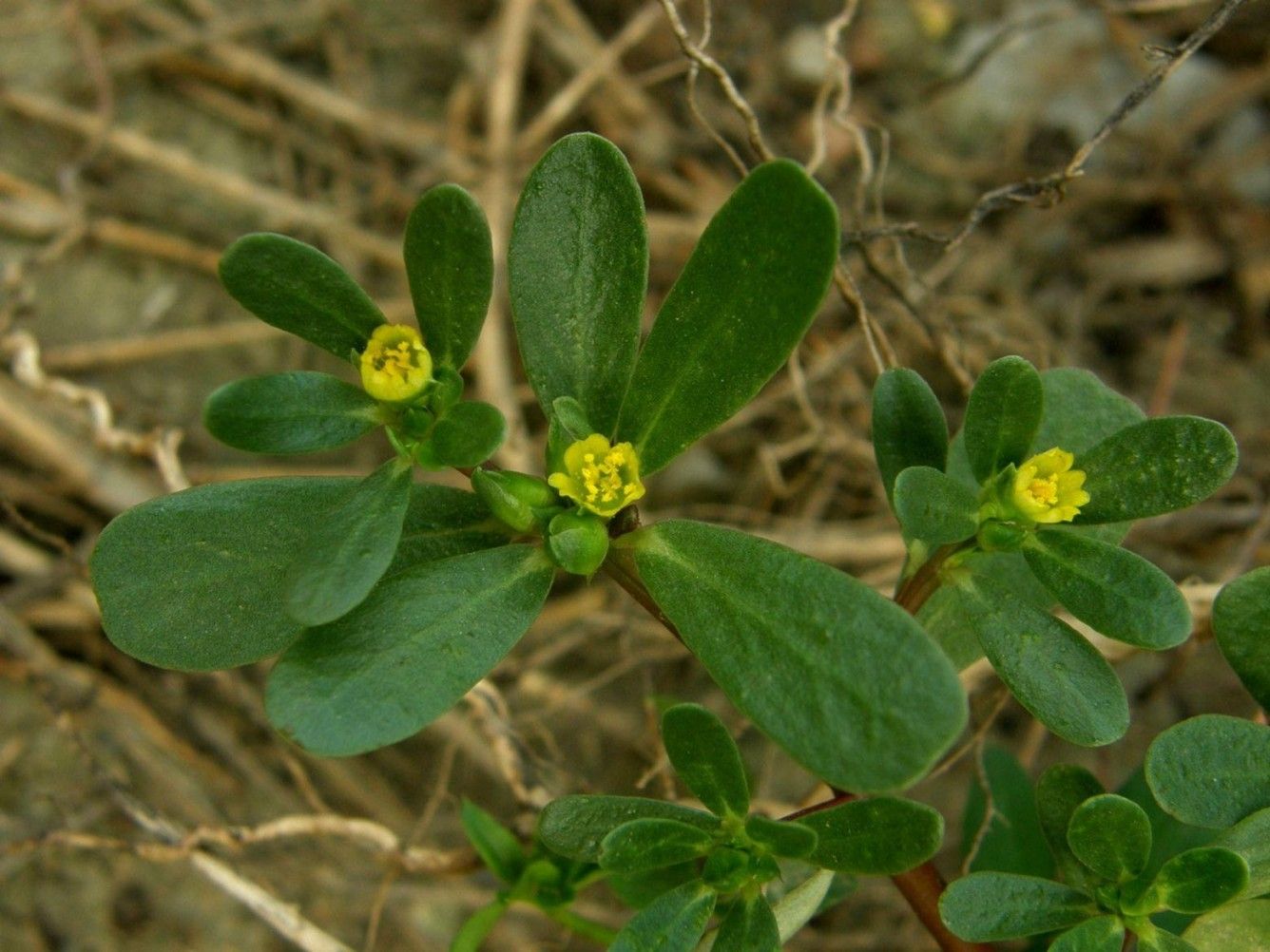
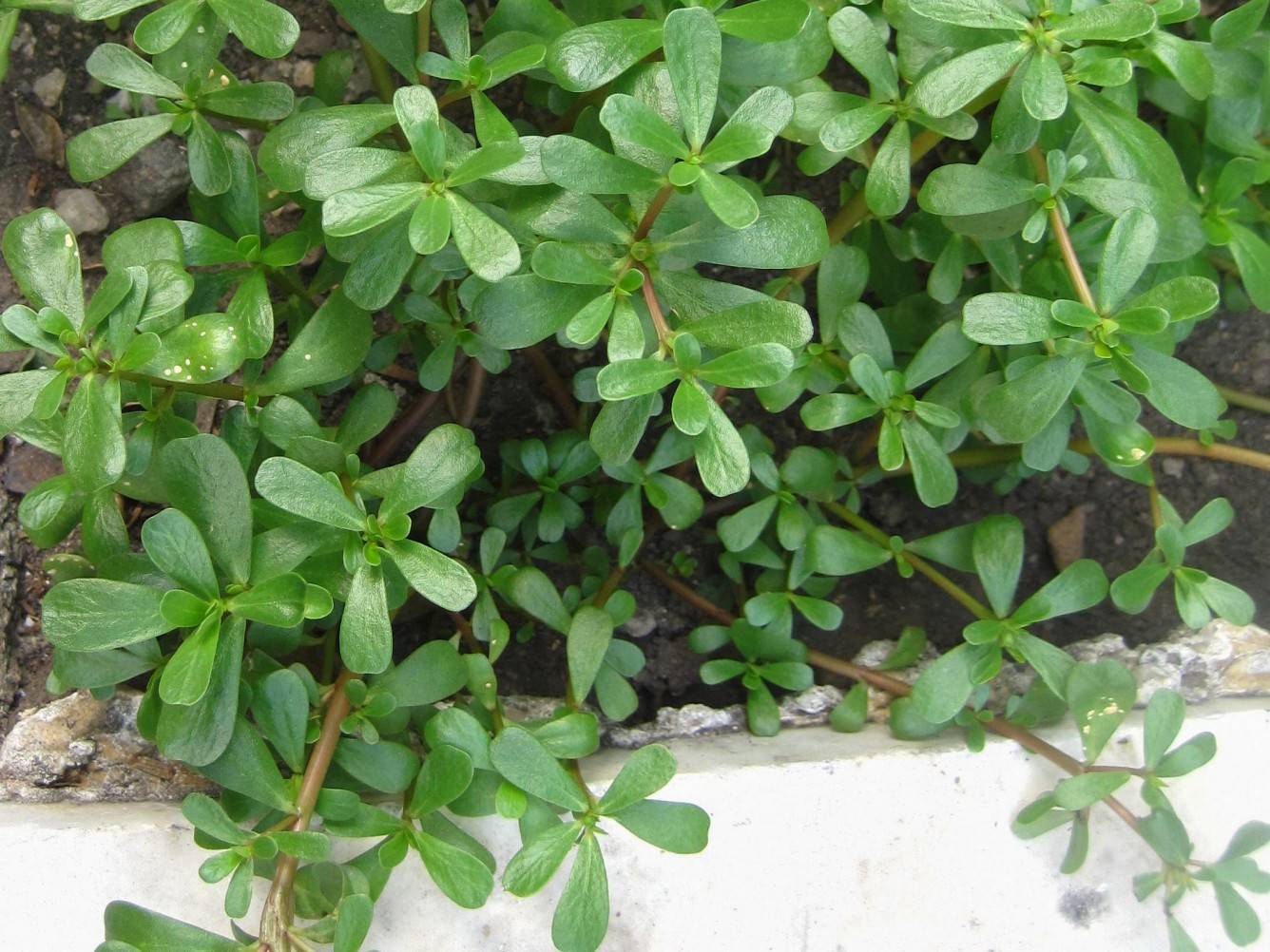
Portulaca oleracea is a hardy, low-maintenance plant that thrives in full sun and well-drained soil. It prefers dry to moderately moist conditions and is highly drought-tolerant, making overwatering unnecessary. Purslane grows best in warm temperatures and can be propagated easily from seeds or cuttings. Regular pruning encourages bushier growth and prevents it from becoming invasive. It doesn’t require fertilizer but benefits from occasional compost.
Advertisement
Plant Properties
-
- Toxicity
- Toxic to Human & Pets
-
- Lifespan
- Annual, Perennial
-
- Plant Type
- Herb
-
- Bloom Time
- Mid spring, Late spring, Summer
-
- Harvest Time
- Mid summer, Late summer, Early fall, Mid fall
-
- Plant Height
- 15 cm to 30 cm
-
- Leaf Color
- Green, Red, Purple
-
- Flower Size
- 3 mm to 1 cm
-
- Fruit Color
- Brown, Black, Copper
-
- Flower Color
- Yellow, Gold
Plant Care Requirements
-
Difficulty of Care
Easy
-
Watering Schedule
Low; water sparingly once established
-
Light Requirements
Full sun
-
Soil pH
5.5–7.5
-
Planting Time
Spring, after the last frost
-
Temperature
20 - 38 ℃
Advertisement
Plant Care Guide
-
What kind of sunlight does Portulaca oleracea need?
Portulaca oleracea thrives in full sunlight. It requires a minimum of 6 to 8 hours of direct sun daily to grow vigorously and produce healthy, succulent leaves. Full sunlight encourages dense growth and abundant flowering if you're growing ornamental varieties. In shaded areas, the plant may become leggy, pale, and far less productive. If you're growing it indoors, place it near a south-facing window or use a grow light.
-
How often should I water Portulaca oleracea?
Depends on climate and soilPurslane is a drought-tolerant succulent and prefers dry conditions once established. Water the plant only when the soil is completely dry. During hot summers, once or twice a week may suffice, depending on the climate and soil type. Avoid overwatering, as soggy soil can cause the roots to rot. In containers, ensure good drainage to prevent standing water at the bottom.
-
What type of soil is best for purslane?
pH5.5-7.5Purslane prefers well-drained, sandy or loamy soil that mimics its native environment. It can grow in poor or nutrient-deficient soils, making it suitable for less fertile areas. However, it struggles in heavy clay or waterlogged soils. The ideal soil pH ranges from 5.5 to 7.5 (acidic to neutral). If your garden soil retains too much moisture, consider amending it with sand or gravel, or planting purslane in raised beds or containers.
-
When is the best time to plant Portulaca oleracea?
Late spring and early summerThe best time to plant purslane is in late spring or early summer, once the danger of frost has passed and the soil has warmed to at least 65°F (18°C). Purslane seeds require warm temperatures to germinate and do not tolerate frost. If starting seeds indoors, sow them 2–4 weeks before the last expected frost and transplant them after hardening off.
-
Does Portulaca oleracea need fertilizer?
Usually not requiredNo, purslane is a tough plant that doesn’t require fertilizer to thrive. In fact, excessive nutrients can cause it to grow too quickly and become leggy or less flavorful if you're harvesting it as an edible green. However, if your soil is extremely poor, you can mix in a little compost or aged manure at planting time for a gentle boost. Avoid high-nitrogen fertilizers, which may promote excessive leaf growth at the expense of plant structure.
-
How do I control purslane from spreading too much?
Regular pruningPurslane spreads rapidly, especially by seed, so it’s important to manage its growth if you don’t want it to become invasive. Regularly harvesting or trimming the plant helps control its spread and encourages new, tender growth. Remove flowers before they set seed, as purslane produces thousands of seeds that can remain viable for years. You can also use edging or plant it in containers to limit its reach.
-
Can I grow purslane in containers?
YesYes, purslane is well-suited to container gardening. Choose a pot with good drainage holes and fill it with a well-draining potting mix—cactus or succulent soil works well. Place the container in a sunny spot where the plant can get plenty of light. Containers are also a great way to manage purslane’s tendency to spread, and they allow for easy relocation or protection from extreme weather.
Advertisement
Frequently Asked Questions
-
1 Is purslane edible, and what does it taste like?
Yes, purslane is entirely edible and highly nutritious. It has a slightly tangy, lemony flavor with a crisp texture, similar to spinach or watercress. Its succulent leaves contain omega-3 fatty acids, vitamins A, C, and E, and minerals like magnesium and potassium. Purslane can be eaten raw in salads, sautéed, or added to soups and stews.
-
2 Can purslane become invasive in the garden?
Yes, purslane can spread aggressively if not managed. It produces thousands of tiny seeds that can survive in the soil for years. Additionally, broken stems can root easily in soil, making control difficult. To prevent invasiveness, harvest regularly, remove flowers before they set seed, and consider growing purslane in containers or raised beds.
-
3 Is there a difference between wild purslane and ornamental varieties?
Wild purslane (Portulaca oleracea) is typically green and grown for its edible leaves. Ornamental varieties, often labeled as Portulaca grandiflora, are cultivated for their colorful, rose-like flowers and used in landscaping. While both are in the same family and have similar growth habits, ornamental types are not commonly consumed due to potential pesticide use or cultivar differences.
-
4 How do I harvest purslane for eating?
Harvest purslane by snipping young, tender stems and leaves, ideally in the morning when the plant is hydrated and crisp. You can use scissors or pinch them off by hand. Regular harvesting encourages new growth. Rinse thoroughly before consuming, especially if grown near roadsides or untreated areas where contaminants might be present.
-
5 Is purslane safe for pets or livestock?
Purslane is generally safe in small amounts for humans and some animals, but it can be toxic to pets like dogs and cats if consumed in large quantities due to its high oxalate content, which can cause kidney issues. Always monitor animal access to the plant, and consult a veterinarian if unsure.
Advertisement
Introduction
Portulaca oleracea is a fast-growing, low-spreading succulent plant found worldwide in warm climates. Valued for its edible, slightly tangy leaves and stems, it’s rich in omega-3 fatty acids, antioxidants, and vitamins A and C. Purslane thrives in poor soils and sunny spots, making it a popular choice in sustainable gardens. Often considered a weed, it’s also used in traditional medicine and culinary dishes across many cultures. Its resilience and nutrition make it a valuable wild edible.
Popular Plant Encyclopedia
-
-
Poisonous and danger
- Rhus typhina
-
-
-
Edible and medicinal
- Common sunflower
-
-
-
Poisonous and danger
- Plumeria rubra
-
-
-
Wild and common weed
- Convolvulus arvensis
-
-
-
Edible and medicinal
- Perilla frutescens
-
-
-
Edible and medicinal
- Pogostemon cablin
-
-
-
Edible and medicinal
- Common fenugreek
-
-
-
Edible and medicinal
- Garden Thyme
-
 Poisonous and danger
 Edible and medicinal

Advertisement