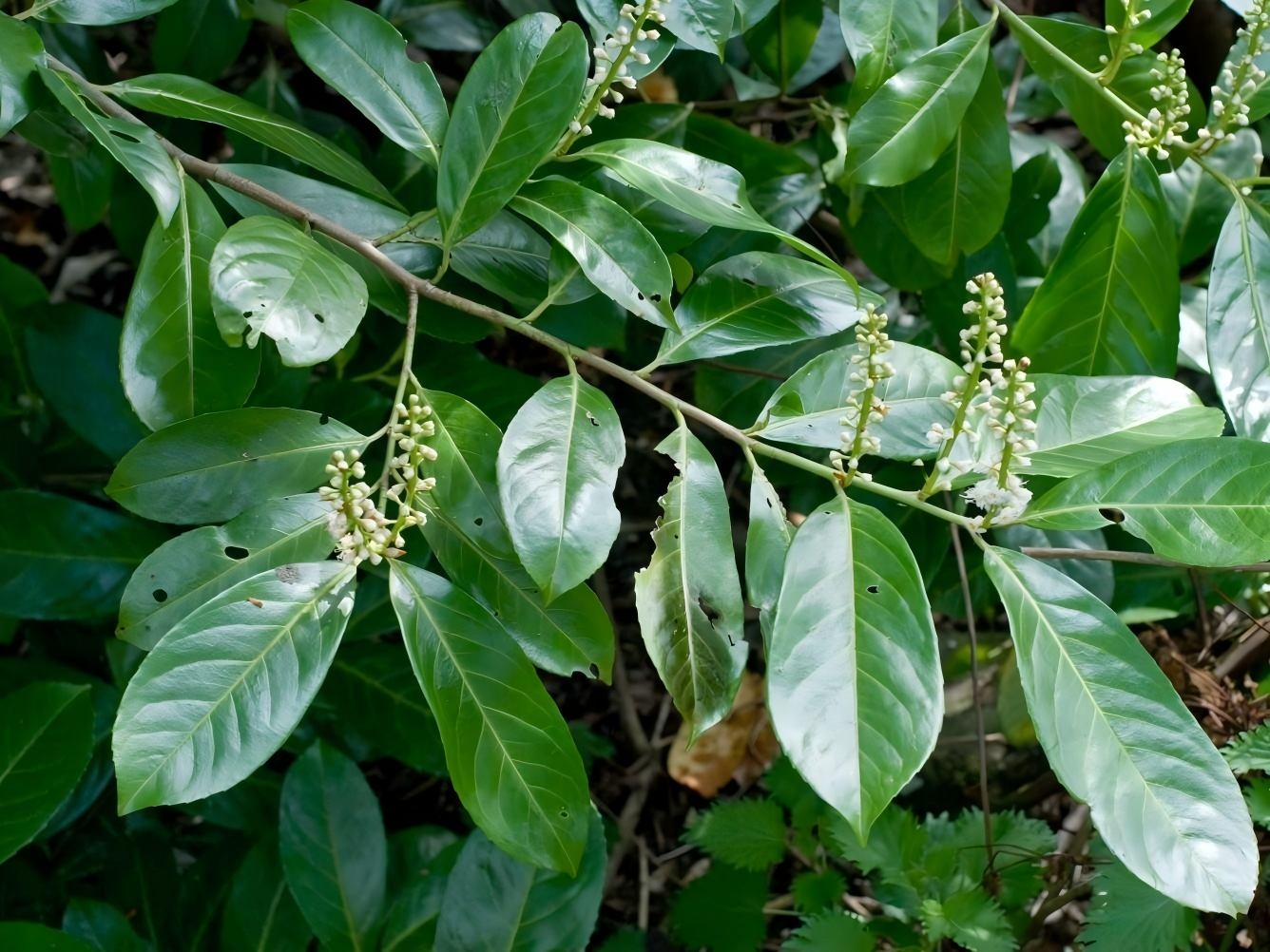
Prunus laurocerasus
-
 Poisonous and danger
 Poisonous and danger
Nursing Skills
Grow Prunus laurocerasus in partial shade to full sun with well-drained soil. Water regularly to keep soil moist but not waterlogged. Prune annually to shape dense hedges. It tolerates cold and most soil types. Apply balanced fertilizer in spring, and watch for leaf spot diseases in humid conditions.
Advertisement
Plant Properties
-
- Toxicity
- Humans,Pets
-
- Flower Color
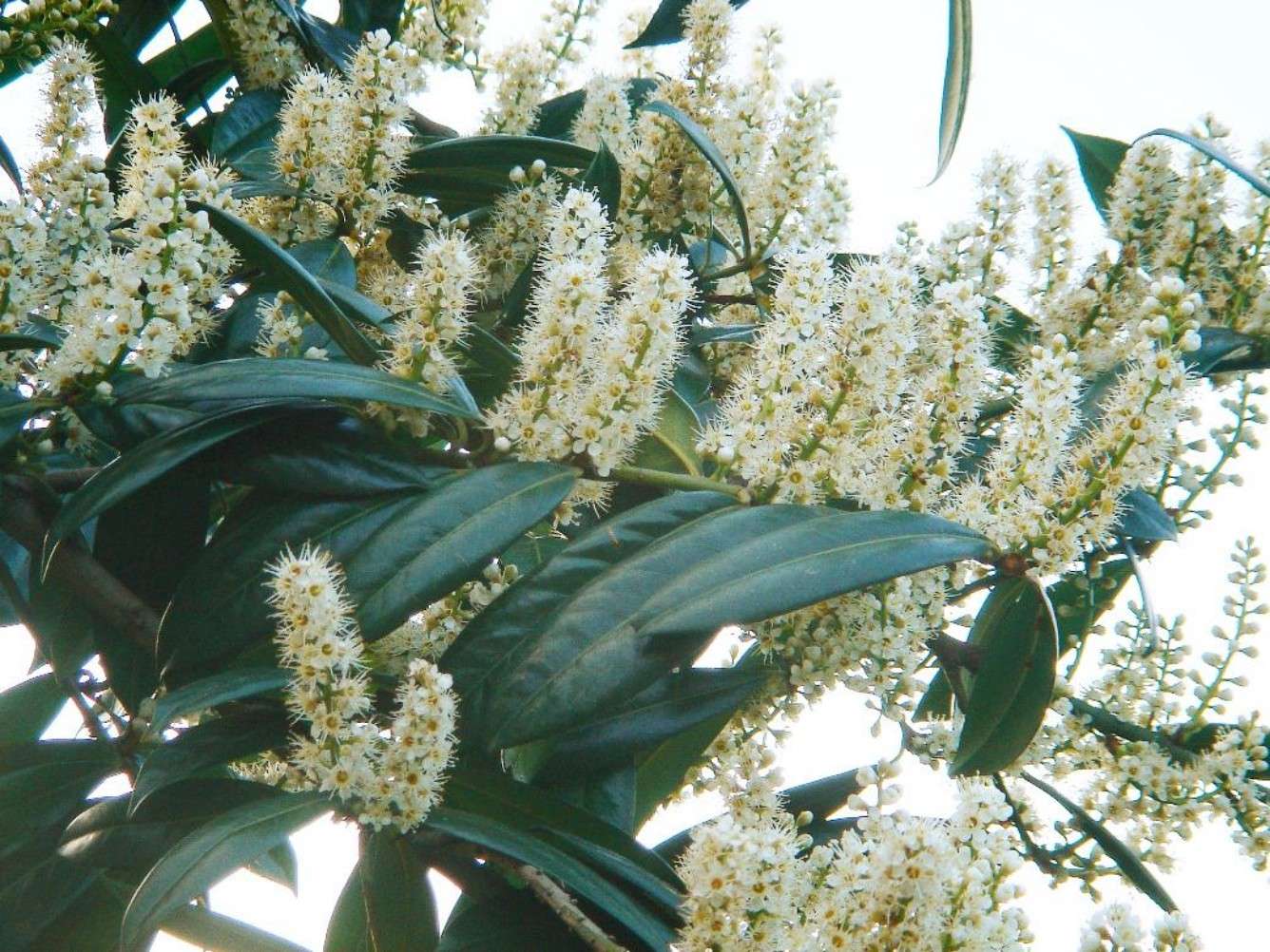
- White
-
- Plant Type
- Evergreen shrub
-
- Leaf Shape
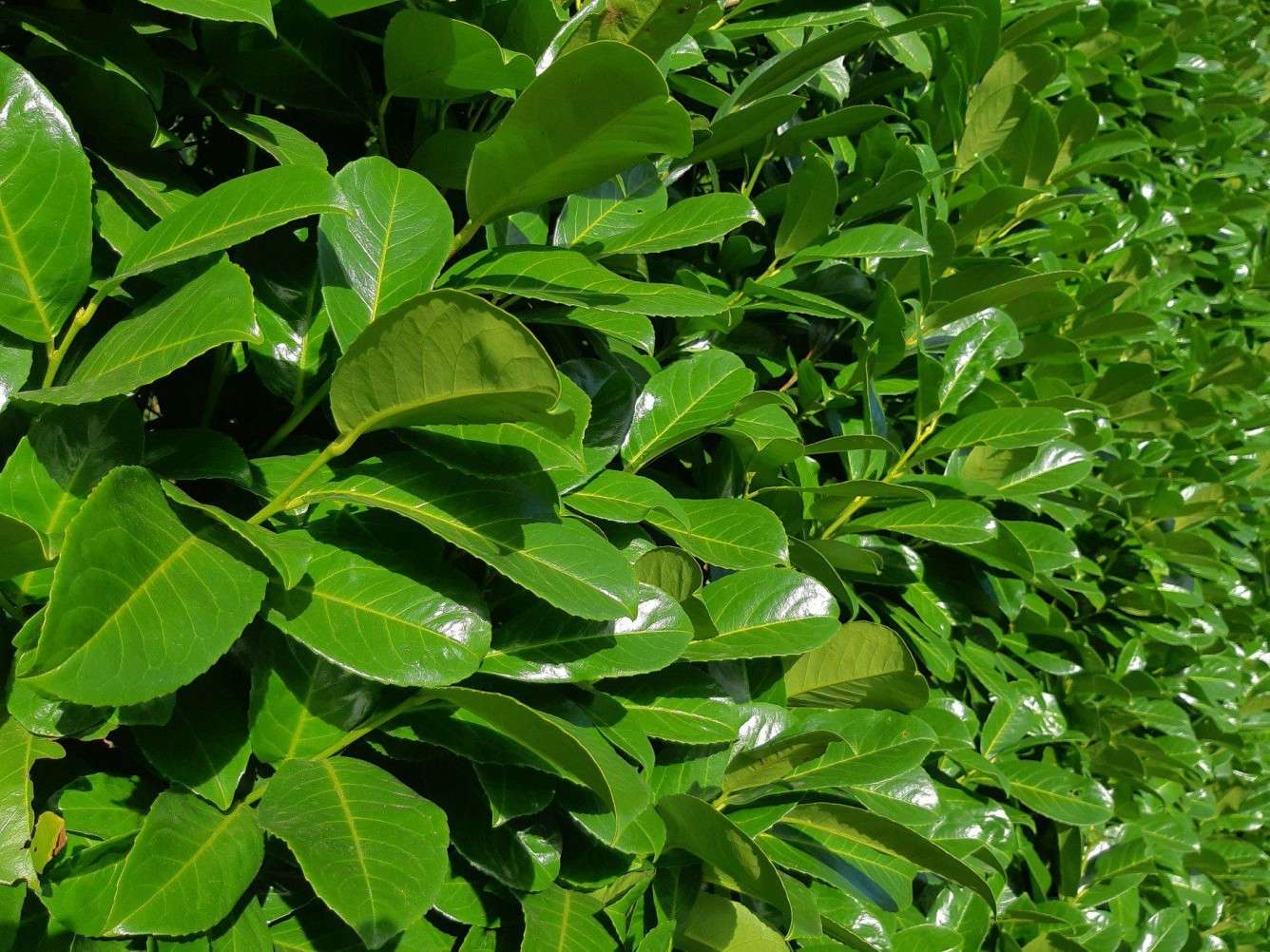
- Oblong, glossy
-
- Bloom time
- Spring
-
- Lifespan
- Long-lived
Plant Care Requirements
-
Difficulty Level
Easy
-
Watering Schedule
Moderate water
-
Light Requirements
Full sun to partial shade
-
Soil pH
Neutral to slightly alkaline
-
Planting Time
Spring / Autumn
-
Hardiness Zones
6–9
-
Growth Rate
Fast
Advertisement
Plant Care Guide
-
What is the overall growing difficulty and basic adaptability of Prunus laurocerasus?
easy Simple watering annual pruning seasonal fertilizationPrunus laurocerasus is categorized as an easy-care, beginner-friendly shrub with extremely strong environmental adaptability, making it one of the most reliable evergreen hedge plants for home gardens and landscape projects. It tolerates a wide range of growing conditions and does not require delicate daily maintenance or strict environmental control. This hardy shrub can adapt to sunny open areas and shaded corners alike, resisting urban pollution, wind, and moderate drought once fully established. Even gardeners with little planting experience can maintain healthy growth with basic routine care. Although it is highly tolerant, poor drainage and long-term waterlogged soil will still cause root rot and leaf yellowing. With simple watering, annual pruning, and seasonal fertilization, Prunus laurocerasus can maintain dense, glossy foliage and vigorous growth all year round.
-
What is the correct watering schedule for Prunus laurocerasus?
Do not waterPrunus laurocerasus requires moderate and consistent watering with strict avoidance of overwatering. Newly planted saplings need regular deep watering two to three times per week during the first growing season to develop a stable and extensive root system, keeping the soil evenly moist. Once mature, the shrub becomes drought-resistant and only needs supplementary water during prolonged high-temperature and dry weather. In rainy seasons, manual watering should be reduced or stopped entirely to prevent standing water around the roots. Gardeners should always water at the base instead of sprinkling foliage, which effectively reduces fungal leaf spot diseases. Well-drained soil and reasonable watering frequency are the key to preventing root rot and maintaining evergreen foliage throughout the year.
-
What light conditions work best for Prunus laurocerasus growth?
Full sun to partial shadePrunus laurocerasus thrives in full sun to partial shade, offering great flexibility for garden layout. When planted in full sunlight, it grows faster, develops denser branches, produces glossier dark-green leaves, and blooms more abundant white flowers in spring. It also performs well in partial shade, making it ideal for planting under tall trees or beside buildings with limited sunlight. However, long-term deep full shade will lead to sparse foliage, leggy branches, and reduced flowering. To maintain its classic compact hedge shape, ensure it receives at least four to six hours of natural light daily. Balanced light exposure guarantees uniform growth, strong disease resistance, and a neat ornamental appearance all year round.
-
What soil pH and soil type are suitable for Prunus laurocerasus?
pH6.5-7.5Prunus laurocerasus prefers soil with a neutral to slightly alkaline pH ranging from 6.5 to 7.5 and adapts slightly to mild acidic soil. It is not picky about soil texture and can grow normally in loam, sandy soil, and ordinary garden soil, as long as the planting site features excellent drainage. Heavy clay soil that easily accumulates water must be improved by mixing coarse sand and organic compost to loosen the structure. Good soil permeability prevents root hypoxia and rot. Proper soil pH balance helps the shrub fully absorb nitrogen, potassium, and trace elements, ensuring thick glossy leaves and steady growth. Regularly removing weeds on the soil surface also helps maintain a clean and healthy root environment.
-
When is the best planting time for Prunus laurocerasus, and why?
Early spring and late autumnThe optimal planting windows for Prunus laurocerasus are early spring and late autumn in temperate climates. These two seasons feature mild temperatures, soft soil, and stable humidity, which greatly reduce transplant shock and promote rapid root recovery and growth. Planting in early spring allows new roots to develop fully before the intense summer heat arrives, supporting robust seasonal foliage growth. Late autumn planting enables the root system to settle steadily during dormancy, preparing for vigorous sprouting in the next spring. Planting in extreme summer heat or freezing winter frost should be avoided, as high temperature causes water loss and low temperature inhibits root activity. Choosing the right planting time effectively improves the survival rate and long-term vitality of the shrub.
-
What are its hardiness zones, growth rate, and seasonal maintenance tips?
Hardiness Zones 6-9Prunus laurocerasus is hardy in USDA zones 6 to 9, tolerating mild winter frost and warm summer weather. It has a fast growth rate, capable of growing vigorously and forming dense hedges in a short period. Annual systematic pruning is essential to control its spreading branches and maintain a tidy shape. Major pruning is best done in late spring after flowering to avoid cutting off flower buds. Applying balanced slow-release fertilizer in early spring can promote leaf density and branch growth. In humid summer weather, keep good air circulation to prevent fungal leaf spot diseases. With strong frost resistance, mature shrubs require almost no winter protection, making them a low-maintenance and high-value landscape evergreen plant.
Advertisement
Frequently Asked Questions
-
1 Is Prunus laurocerasus toxic, and what safety precautions should we take?
All parts of Prunus laurocerasus, including leaves, stems, flowers and fruits, contain toxic cyanogenic compounds, so it is classified as a poisonous evergreen shrub. Ingestion of any plant tissue can trigger serious symptoms such as nausea, vomiting, abdominal pain and dizziness in humans, pets and livestock. The dark berries look appealing but are especially dangerous for young children and curious dogs or cats. When pruning or handling the plant, wear gardening gloves to avoid skin irritation from plant sap. Never place fallen leaves, branches or fruits in compost, and clean up debris on the ground regularly. It is not recommended to plant this shrub near playgrounds, pet activity areas or outdoor dining spaces. As long as you prevent accidental eating and direct long-term skin contact, you can safely grow it as a beautiful landscape hedge.
-
2 How to prune Prunus laurocerasus correctly to keep a neat dense shape?
Prunus laurocerasus has a fast growth rate and needs regular pruning to maintain a compact, tidy hedge or shrub form. The best time for major trimming is late spring, right after it finishes blooming, which avoids cutting off next year’s flower buds. You can also do light shaping trimming in early autumn. Start by cutting back overgrown outer branches and thinning crowded inner twigs to improve air circulation and light penetration. For formal hedges, trim the top and sides evenly to create a slight slope, so sunlight can reach the lower foliage and prevent bare bottoms. Use sharp and disinfected shears for clean cuts. Do not perform heavy pruning in late autumn, because new tender shoots will be easily damaged by winter frost. Proper pruning controls its spread, promotes thicker foliage and effectively reduces fungal diseases.
-
3 What are the most common pests and diseases affecting Prunus laurocerasus, and how to prevent them?
Cherry laurel is tough overall but vulnerable to leaf spot fungus, powdery mildew and aphids, especially in humid and poorly ventilated environments. Fungal leaf spots create brown or black patches on leaves, while powdery mildew covers foliage with a white dusty layer. Aphids often cluster on young shoots and suck sap, slowing down growth. To prevent these problems, first keep the canopy well-pruned to let air flow freely, and always water at the root instead of wetting leaves. Remove and destroy all infected leaves immediately once you find symptoms. For mild pest issues, rinse the shrub with clean water or apply diluted neem oil. For severe fungal infections, use organic copper-based fungicides. Keep the surrounding ground clean and weed-free to cut off overwintering pathogens, which is the most effective long-term protection.
Advertisement
Introduction
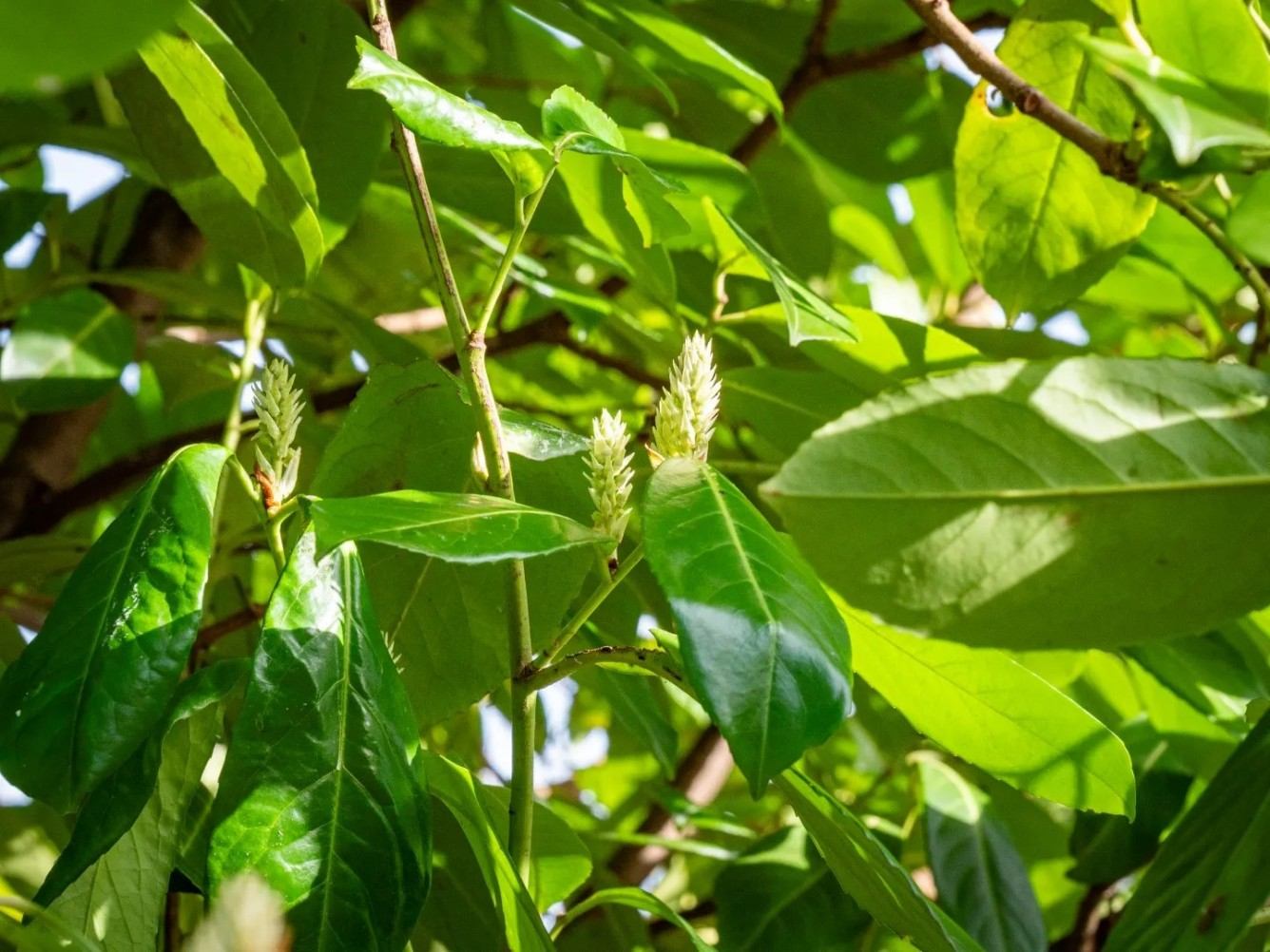
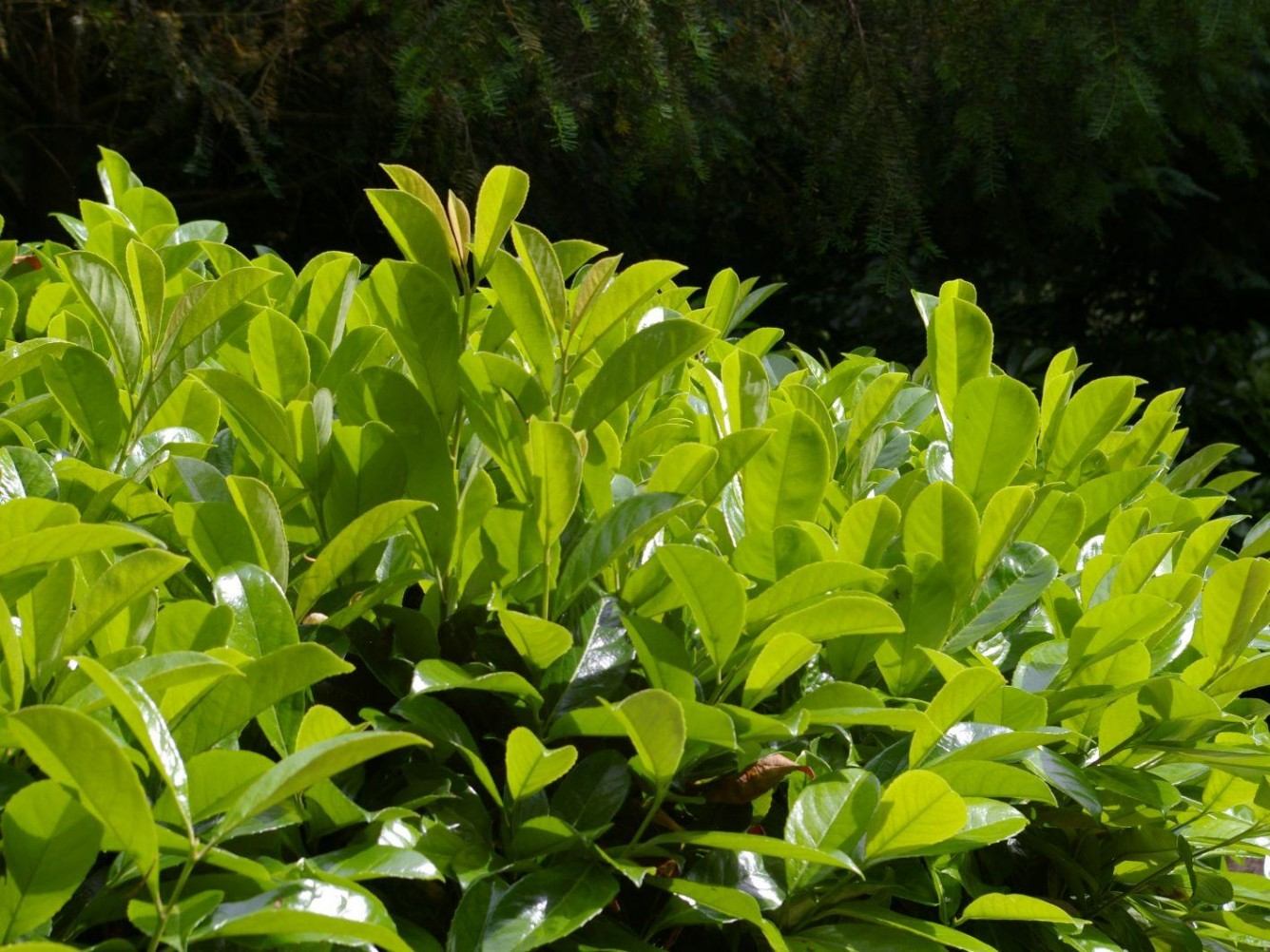
Prunus laurocerasus is an evergreen shrub or small tree belonging to the genus Prunus in the family Rosaceae. It is native to southeastern Europe and West Asia. It grows to a height of 5–15 meters, with dark green, glossy, leathery leaves. It produces fragrant white racemes in spring and small black drupes in autumn. It is shade-tolerant, cold-hardy, and fast-growing, often used as a hedge or ornamental tree.
Popular Plant Encyclopedia
-
-
Poisonous and danger
- Rhus typhina
-
-
-
Edible and medicinal
- Common sunflower
-
-
-
Poisonous and danger
- Plumeria rubra
-
-
-
Wild and common weed
- Convolvulus arvensis
-
-
-
Edible and medicinal
- Perilla frutescens
-
-
-
Edible and medicinal
- Pogostemon cablin
-
-
-
Edible and medicinal
- Common fenugreek
-
-
-
Edible and medicinal
- Garden Thyme
-

 Edible and medicinal
 Wild and common weed
Advertisement