Quercus palustris
-
 Poisonous and danger
 - Also known as:Swamp Spanish oak,Pin Oak
 Poisonous and danger
Nursing Skills
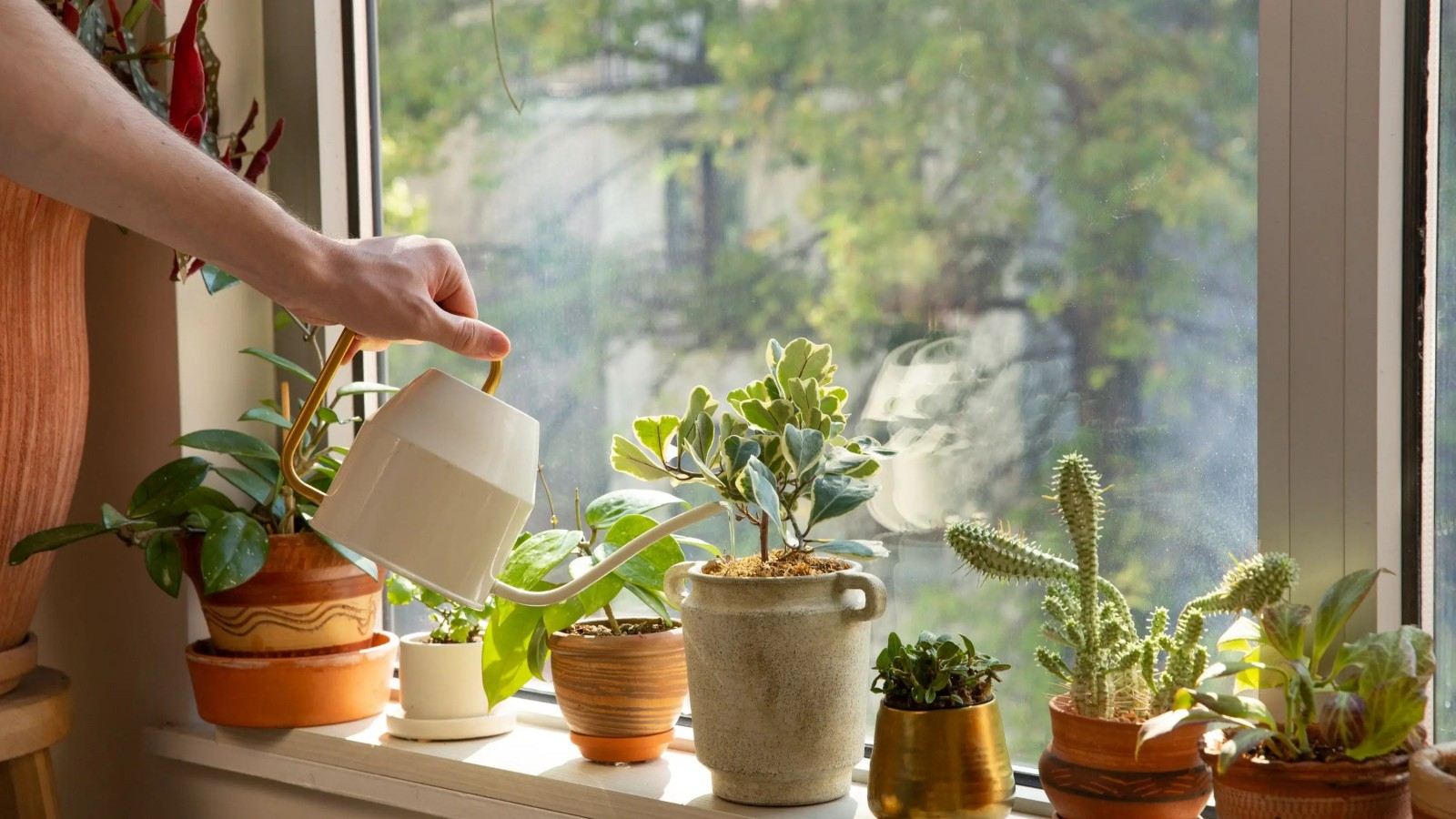
Quercus palustris prefer acidic, moist well-drained soil and full sunlight. Water young trees regularly to keep soil damp; mature ones withstand short droughts. Avoid alkaline ground, which triggers yellowed foliage. Prune in dormant winter to shape drooping lower branches. Add acidic mulch yearly, and use acid fertilizer to maintain healthy dark green leaves.
Advertisement
Plant Properties
-
- Toxicity
- Humans
-
- Flower Color
- Yellowish-green & reddish-green
-
- Plant Type
- Deciduous broadleaf tree
-
- Leaf Shape
- Deep 5–7 lobes
-
- Bloom time
- Mid-spring
-
- Lifespan
- 120–150 years
Plant Care Requirements
-
Difficulty Level
Easy
-
Watering Schedule
Keep moist
-
Light Requirements
Full sun
-
Soil pH
Acidic
-
Planting Time
Late fall
-
Hardiness Zones
4–8
-
Growth Rate
Fast
Advertisement
Plant Care Guide
-
What is the best sunlight condition for growing Quercus palustris?
Quercus palustris requires full sunlight for healthy growth, needing at least 6 to 8 hours of direct sunlight every day. It cannot thrive under heavy shade, and shaded saplings will grow lanky, develop sparse foliage and weak branch structures. Mature pin oaks tolerate slight partial shade temporarily, yet prolonged low light will fade autumn red leaf color and reduce acorn production. When planting, avoid sheltering it under tall buildings or large canopy trees. Full sun helps it build strong root systems, resist fungal leaf diseases, and keep typical layered branch shape. For potted young seedlings, place them in open outdoor spots instead of enclosed balconies to guarantee sufficient daily sunlight all growing seasons.
-
How to water Quercus palustris correctly year-round?
consistently moist well-drainedPin oak favors consistently moist, well-drained soil, and it adapts to wet lowland habitats naturally. Newly planted saplings need deep watering once every 5 to 7 days in the first two growing seasons to stabilize roots; keep topsoil wet but never waterlogged. Mature trees have strong drought tolerance and only need extra watering during prolonged summer high heat. Avoid frequent shallow watering, which restricts root downward growth. Do not irrigate foliage directly to prevent leaf spot fungus. In rainy seasons, clear soil drainage holes to avoid root rot. This species tolerates seasonal ponding better than most oak trees, but long-term stagnant water will damage root cortex gradually.
-
What soil condition and pH value does Quercus palustris need?
pH of 4.5 to 6.5Quercus palustris strictly prefers acidic soil with a pH range of 4.5 to 6.5. Alkaline soil is its biggest growth threat, which easily causes iron deficiency leaf yellowing, stunted growth and branch dieback. It grows best in loamy, humus-rich moist soil with great air permeability. Heavy clay soil is acceptable as long as drainage is improved. Gardeners can spread pine bark mulch yearly to lower soil pH steadily. Never apply lime around its root zone. If leaves turn pale yellow with green veins, add acidic fertilizer or chelated iron to adjust soil environment timely, restoring normal leaf pigmentation within one growing season.
-
When is the ideal planting time for Quercus palustris?
Late autumn to early winterThe optimal planting time is late autumn to early winter after leaves fall off completely. During this dormant period, tree transpiration drops sharply, helping roots recover fast without foliage water consumption. Early spring before bud sprouting is the second choice, but spring planting needs more frequent watering to avoid transplant shock. Avoid summer planting at all costs; high temperature and strong sunlight will lead to severe leaf wilting and seedling death. Choose cool, cloudy days for transplantation. Reserve enough root space when digging planting holes, do not bury the trunk base too deep. Match original soil height after backfilling to ensure stable survival and fast new root germination.
-
How to prune and maintain the branches of Quercus palustris?
Winter dormancy pruningPrune pin oak only in winter dormant season to lower infection risk of tree pathogens. Its natural feature is drooping lower branches, horizontal middle branches and upward top branches. Regular pruning aims to remove dead, broken, diseased crossing branches first. Trim overly sagging low limbs to improve ground ventilation and pedestrian space. Do not cut large thick branches casually, as oak trees heal pruning wounds slowly. Keep the original layered canopy structure instead of heavy shaping trimming. Clean pruning tools with disinfectant before use. Avoid pruning in spring bleeding season, which will cause massive sap loss and weaken overall tree vigor obviously.
-
What hardiness zones and daily maintenance tips fit Quercus palustris?
Zones 4 to 8It adapts to USDA Hardiness Zones 4 to 8, enduring minimum winter temperature down to -34°C. It resists urban pollution, wind and wet soil, featuring fast growth rate and low maintenance difficulty. Basic routine care includes yearly acidic organic mulch covering around root areas, isolating trunk from mulch to prevent bark rot. Control pests like oak caterpillars in late spring via manual removal or mild biological pesticide. Do not apply excessive nitrogen fertilizer, which causes soft tender foliage vulnerable to pests. Check soil pH every two years to prevent alkalization. With simple regular care, this long-lived oak can keep dense foliage and bright autumn color for decades steadily.
Advertisement
Frequently Asked Questions
-
1 Why do the leaves of my Quercus palustris turn yellow with green veins, and how can I fix this issue?
This yellowing condition, known as iron chlorosis, is the most common problem for pin oaks, directly triggered by alkaline soil above pH 6.5. Quercus palustris relies on acidic growing conditions to absorb iron from soil; high alkalinity locks iron into insoluble compounds that roots cannot take up, resulting in pale yellow leaf blades while leaf veins stay dark green. The issue worsens in summer heat, slowing growth, reducing autumn color, and even causing branch dieback in severe cases. To resolve it, first test your soil pH. Apply sulfur or pine bark mulch around the root zone annually to steadily lower pH. For immediate relief, spray chelated iron foliar fertilizer on all leaves in early morning, repeating every 3 weeks through the growing season. Avoid adding lime, cement runoff, or alkaline compost near the tree. Water deeply to flush accumulated alkaline salts from topsoil, and use acid-based slow-release fertilizer in spring. With consistent soil acidification, new foliage will regain rich dark green within one full growing cycle.
-
2 What watering routine should I follow for young and mature Quercus palustris trees year-round?
Pin oaks naturally grow in damp bottomland wetlands, so consistent moist soil is critical, though waterlogging must be avoided. Newly planted saplings under 3 years old need deep, thorough watering every 5–7 days in spring and summer. Pour water slowly over the entire root spread to saturate 30–40cm of soil; light surface sprinkling only encourages shallow, weak roots. In hot, rainless summer stretches, extend watering to twice weekly for young trees, and add a thick pine straw mulch layer to lock moisture and cool roots. Mature established pin oaks (over 5 years old) develop extensive deep root systems with strong drought resistance. They only require supplemental watering during 2+ weeks of extreme dry heat. In autumn, gradually cut back irrigation to harden new growth for winter frost tolerance. In winter dormancy, water once monthly only if soil stays completely dry. Always water at the root base instead of spraying foliage to prevent leaf spot fungal diseases, and clear drainage to eliminate standing water after heavy rains to stop root rot.
-
3 When and how should I prune Quercus palustris without damaging its health and unique shape?
The only safe pruning window for pin oaks is full winter dormancy, from late fall after leaf drop until early spring bud break. Pruning in spring or summer creates open wounds that leak heavy sap and attract oak wilt fungus, a fatal disease for oak species. Quercus palustris has its signature tiered structure: upward upper branches, horizontal middle limbs, and drooping lower branches. Your pruning goal is to preserve this natural silhouette rather than over-shaping. First remove all dead, cracked, diseased, and crossing branches that rub together and create wound entry points for pests. Trim overly sagging low branches if they block walkways, but avoid cutting large mature limbs over 10cm thick, as pin oaks seal wounds very slowly. Disinfect all shears and saws with rubbing alcohol before each cut to avoid pathogen spread. Make clean, angled cuts just outside the branch collar to speed healing. Skip heavy pruning entirely; light annual maintenance every 2–3 years is enough to keep the tree ventilated, neat, and free of weak growth without sacrificing its iconic layered form.
Advertisement
Introduction
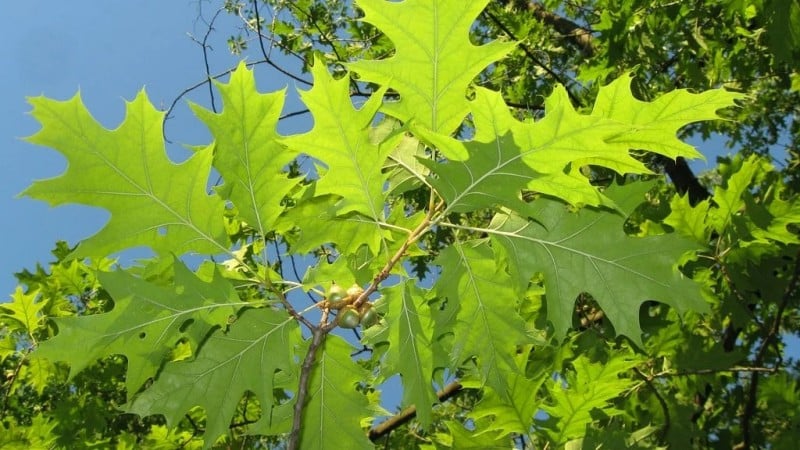
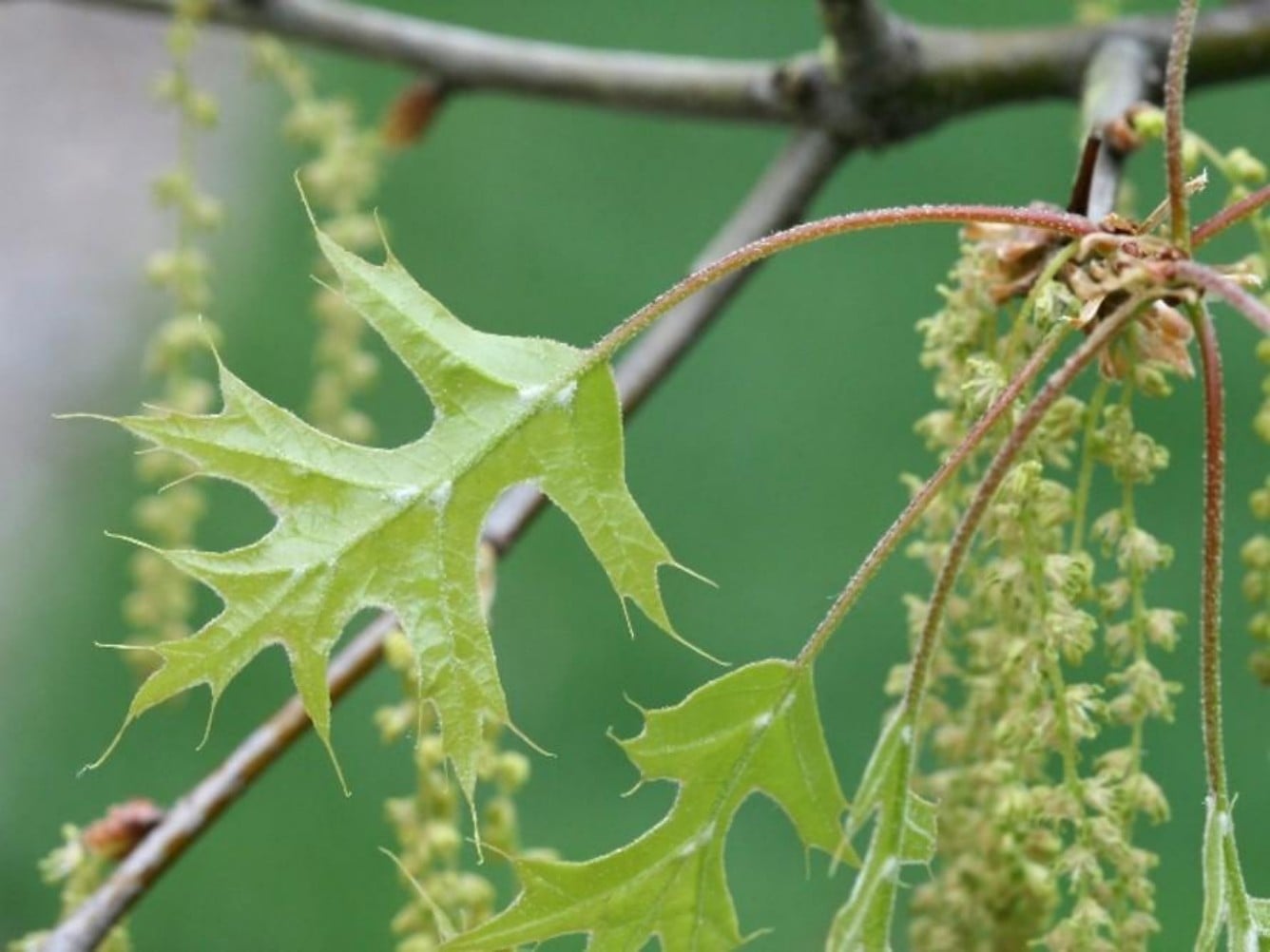
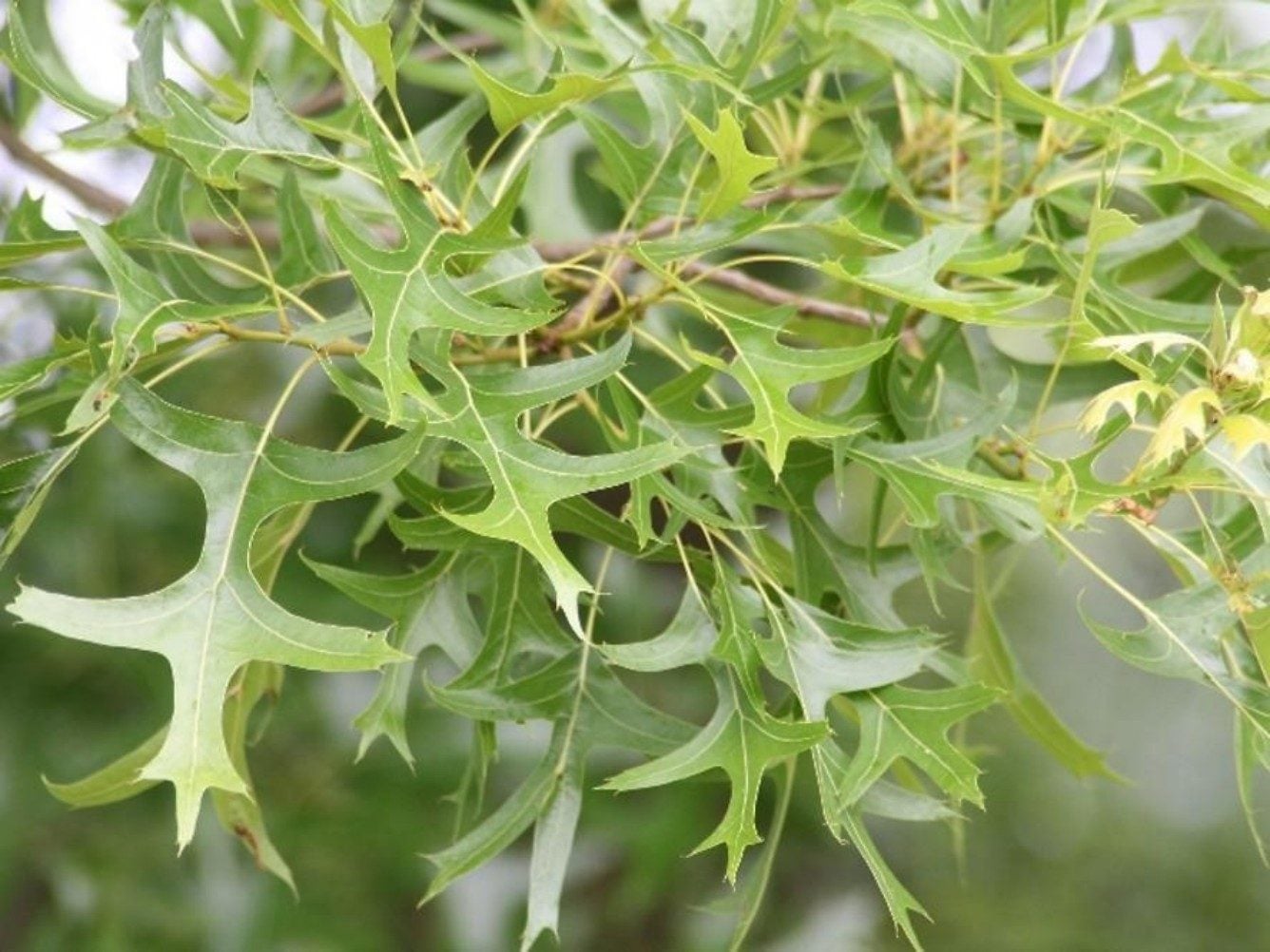
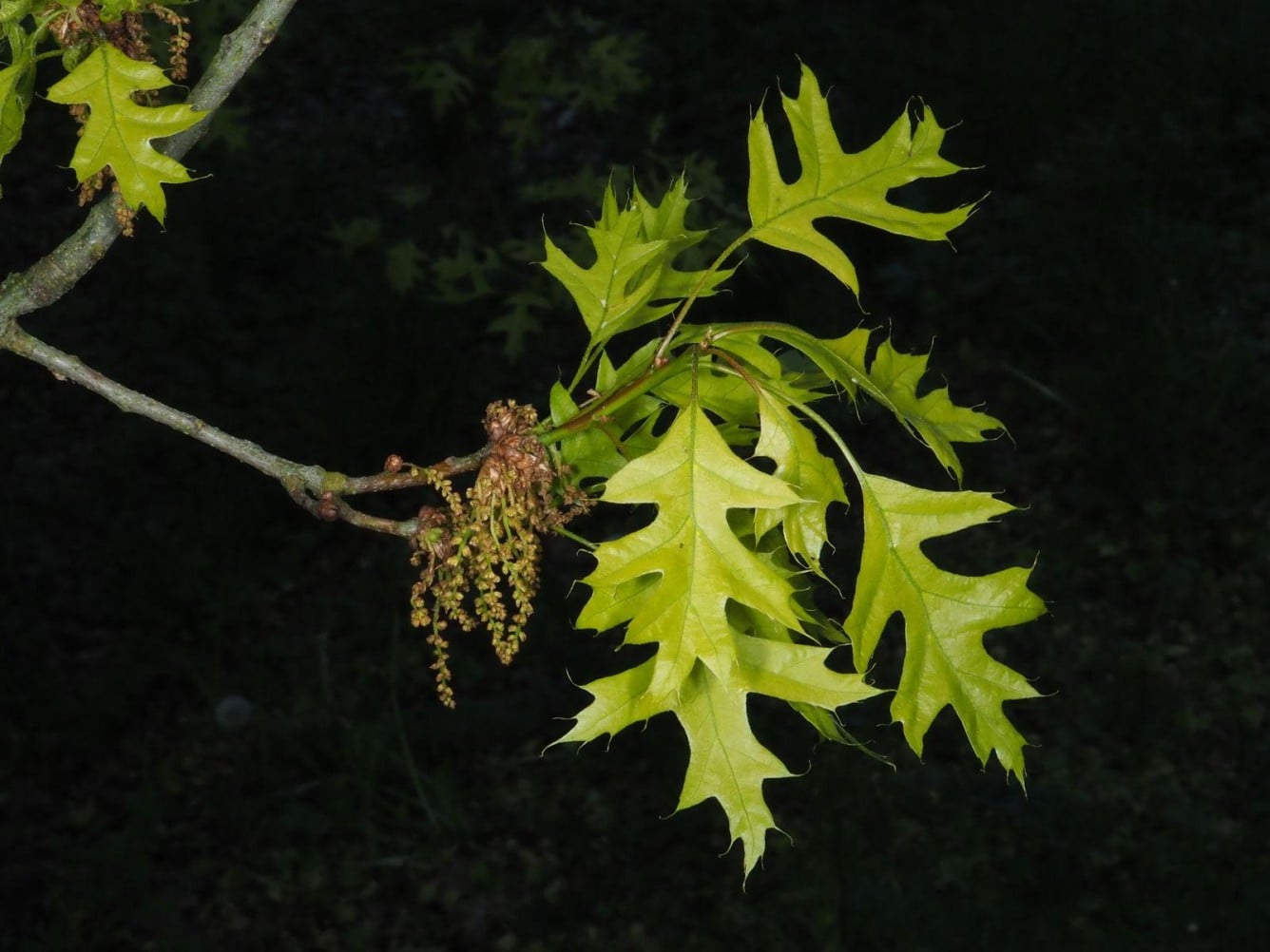
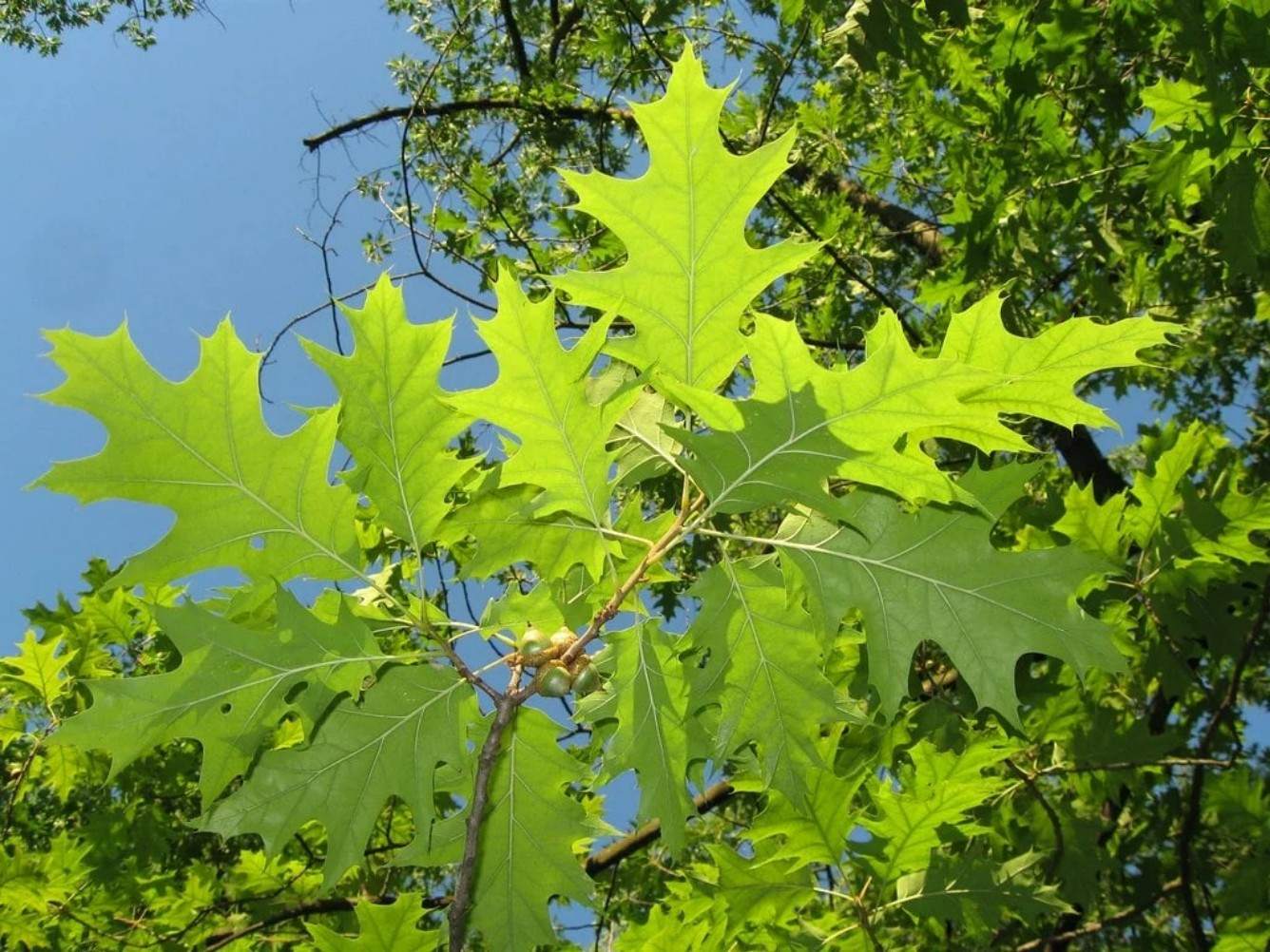
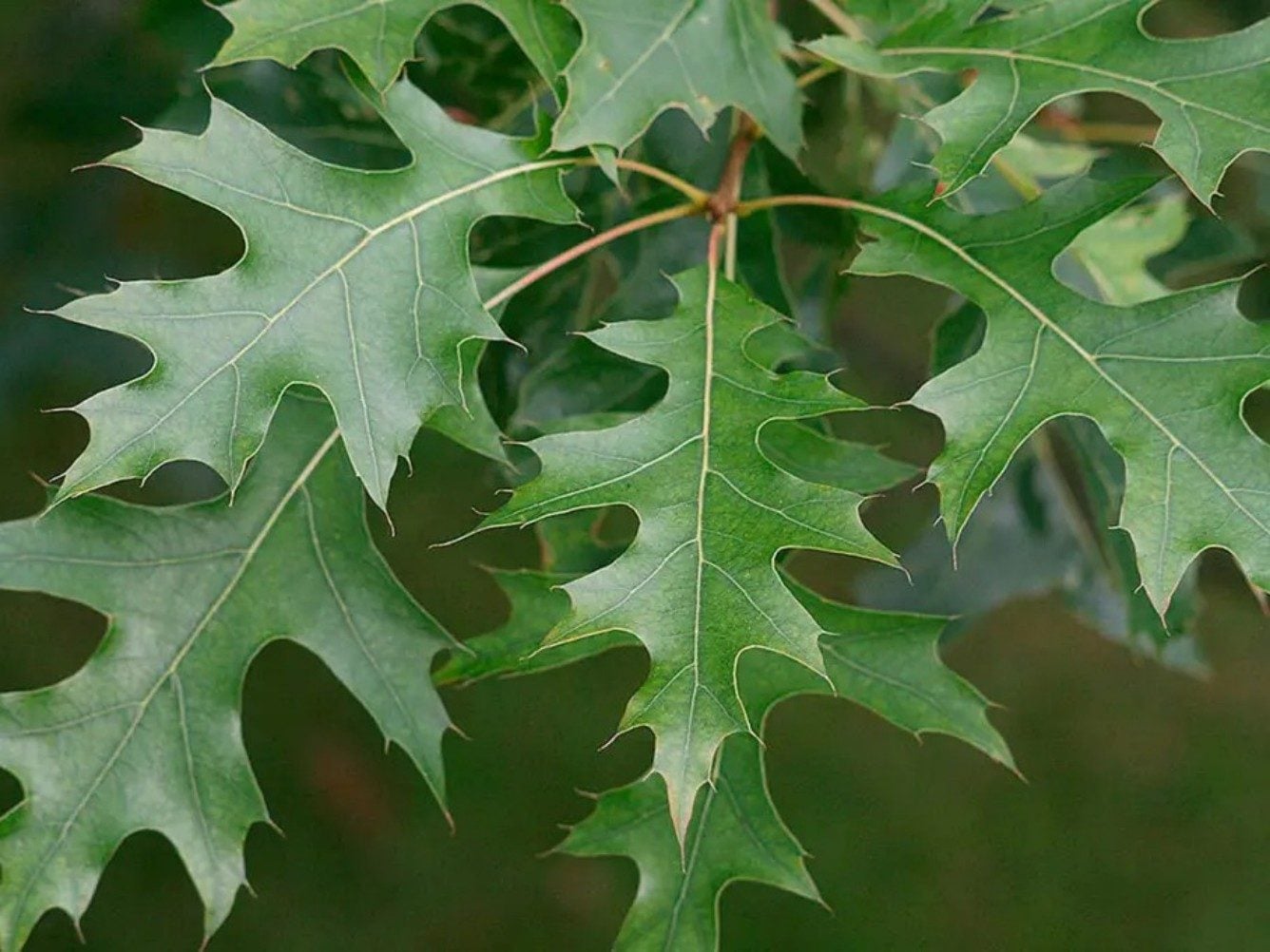
Quercus palustris is a fast-growing deciduous red oak native to eastern North America, naturally thriving in swampy, moist lowlands. It grows up to 25 meters tall with a unique tiered crown: upper branches rise upward, middle ones stretch horizontally, and lower limbs droop downwards. Its glossy green leaves feature deep lobes, turning striking scarlet in autumn. Tolerant of wet soil and urban pollution, this adap tree is widely planted as street and landscape shade trees, while its small acorns supply food for local wildlife.
Popular Plant Encyclopedia
-
-
Poisonous and danger
- Rhus typhina
-
-
-
Edible and medicinal
- Common sunflower
-
-
-
Poisonous and danger
- Plumeria rubra
-
-
-
Wild and common weed
- Convolvulus arvensis
-
-
-
Edible and medicinal
- Perilla frutescens
-
-
-
Edible and medicinal
- Pogostemon cablin
-
-
-
Edible and medicinal
- Common fenugreek
-
-
-
Edible and medicinal
- Garden Thyme
-

 Edible and medicinal
 Wild and common weed
Advertisement