Rhododendron
-
 Ornamental and lands
 - Also known as: Yingshanhong, mountain tramp, Zhaoshanhong, mountain pomegranate
 Ornamental and lands
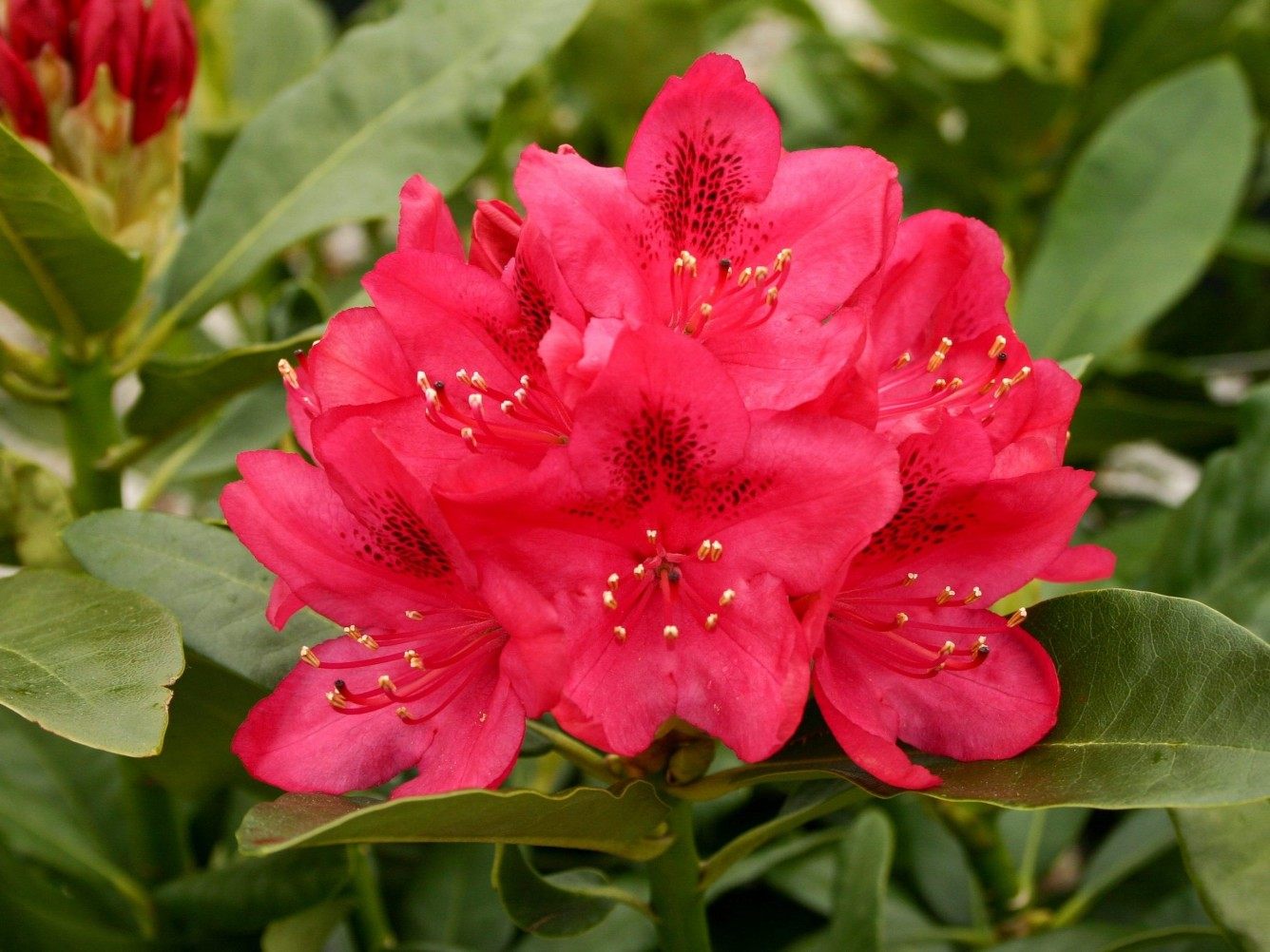
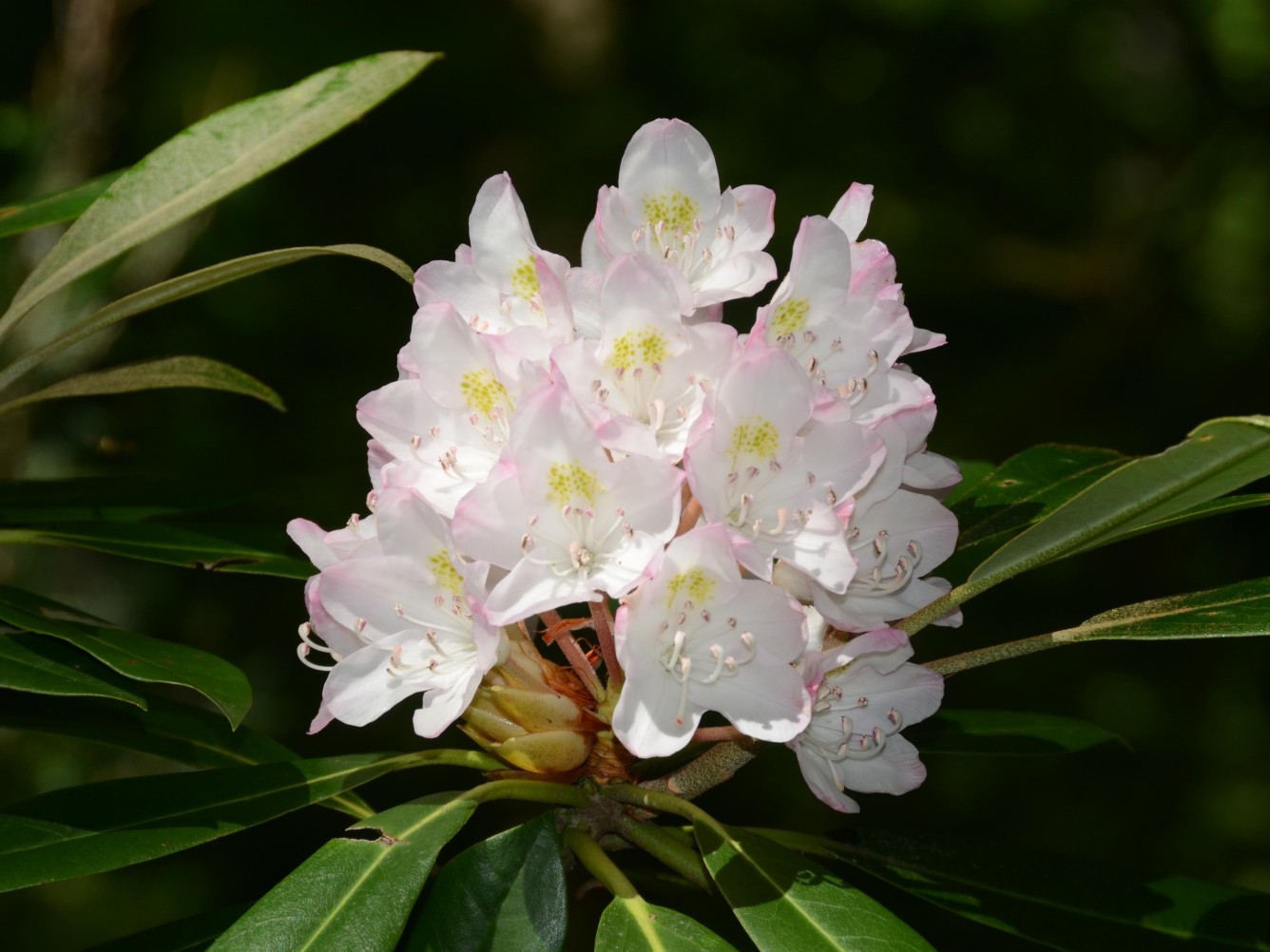
Nursing Skills
Rhododendron prefers acidic soil, should use rotting leaf soil or peat soil planting, keep the soil moist but not waterlogged, avoid strong direct sunlight, can be placed in semi-shade ventilated place. Acidic fertilizer should be applied once a month during the growing period, and the residual flowers and long branches should be pruned in time after flowering to promote the next round of flowering and the healthy growth of the whole plant.
Advertisement
Plant Properties
-
- Growth rate
- moderately slow
-
- Height
- 30 cm - 2 meters
-
- Flowering period
- spring, fall
-
- Leaf color
- dark green
-
- Flower color
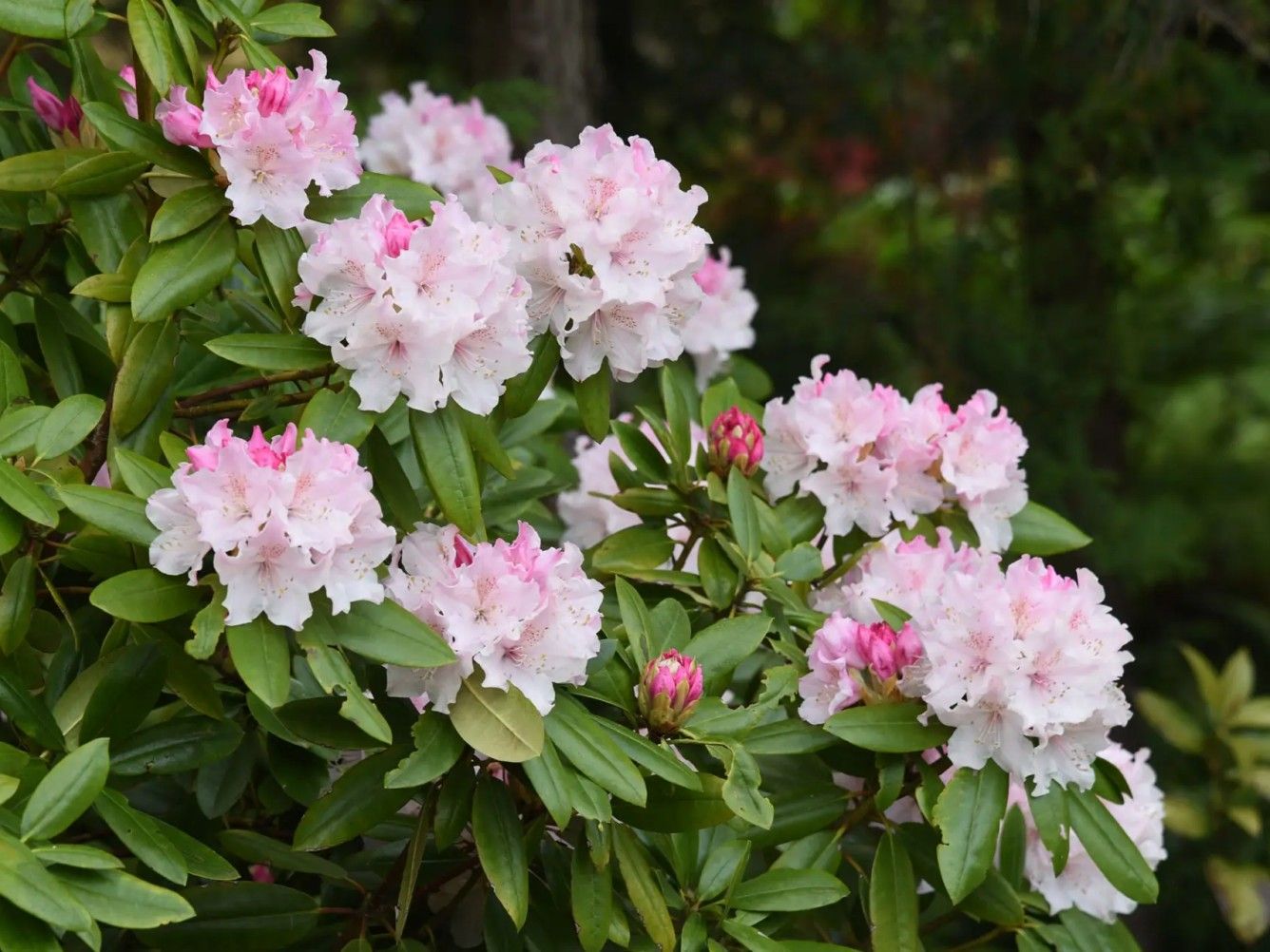
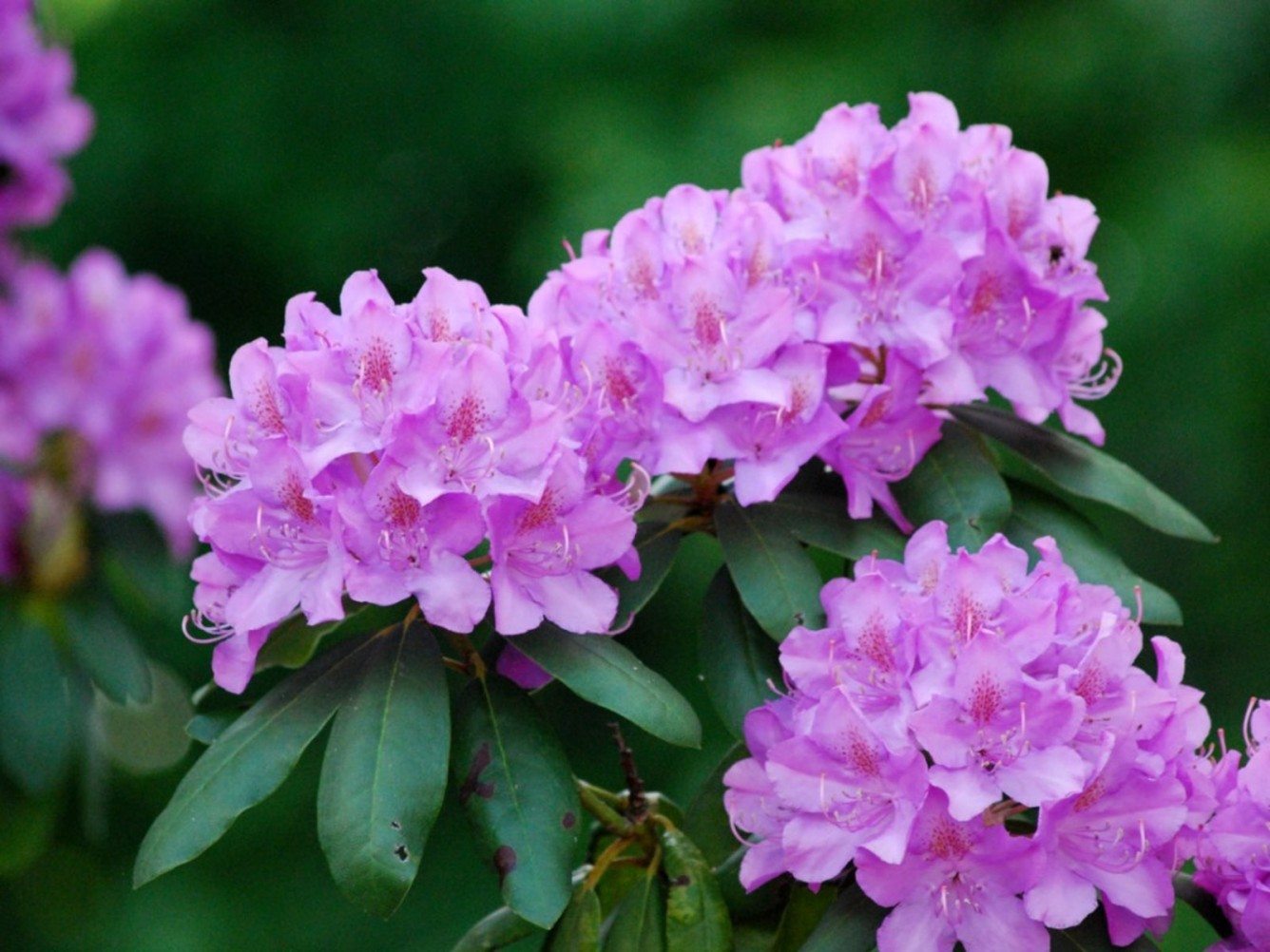
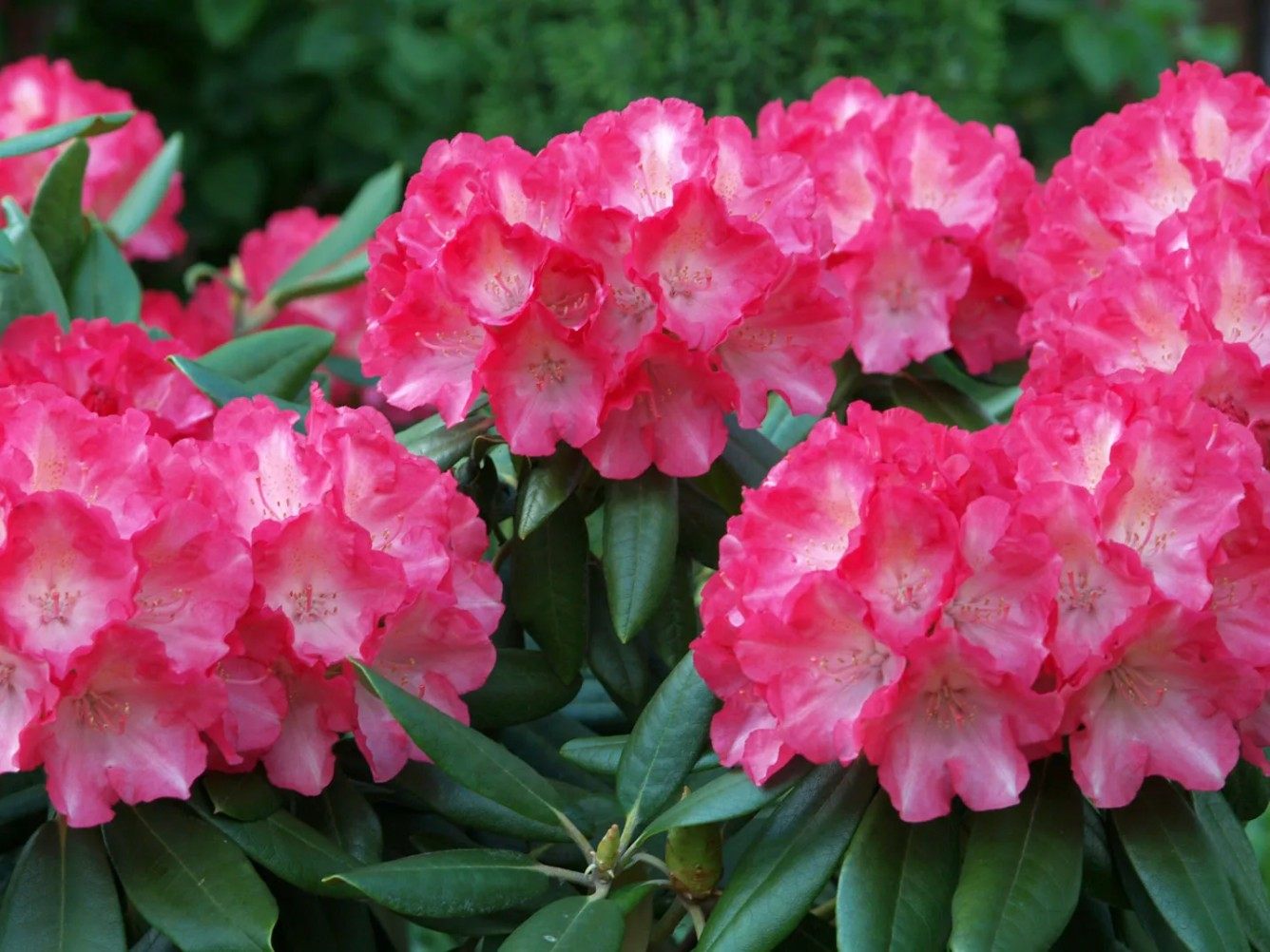
- red, pink, purple, white, yellow, etc
-
- Flower shape
- funnel-shaped or bell-shaped, cymes
-
- Leaf shape
- elliptic or lanceolate, thick texture
-
- Toxicity
- poisonous plant
Plant Care Requirements
-
Care Level
Moderately high
-
Temperature Requirements
-10°C
-
Soil preference
prefers acidic soil, pH 4.5-6.0
-
Soil change requirement
2-3 years once
-
Watering needs
3-5 days watering once
-
Lighting needs
prefer semi-shade, avoid strong sun exposure
-
Nutritional needs
prefer acidic fertilizer, once a month during the growing period
Advertisement
Plant Care Guide
-
Can azaleas be potted with other flowers?
Rhododendron's root system is relatively dense and has strict requirements on soil pH, if it is planted in the same pot with other plants, it is easy to affect the growth due to the competition for nutrients and water, or the soil environment is not suitable for the growth of rhododendron, even leading to yellow leaves, non-flowering and other problems, which is not conducive to the healthy growth and maintenance and management, so mixing and planting is not recommended.
-
How to improve the azalea ornamental?
regular pruningRegular pruning of rhododendron shape, height control and removal of long branches, to keep the plant full and compact, remove residual flowers and old leaves in a timely manner, reasonable control of water and fertilizer, to promote more beautiful and long-lasting bloom, and at the same time placed in a bright light location, can make the flowers more colorful and more beautiful, which is conducive to the ornamental and ventilation.
-
Azalea watering after the soil has a strange smell?
drainage and change to permeable soilAzalea watering soil odor, mostly due to poor drainage or organic matter rot, should immediately check whether the waterlogging, improve the soil structure, change the permeability of the acidic substrate, and in the bottom of the pot with a drainage layer, in order to prevent root rot.
-
How to determine whether the azalea is adapted to the soil?
observe the growth trend firstIf the azalea grows slowly and the leaves are dull, it means the current soil does not meet its growth needs, and may be alkaline or sloughed off, affecting the root system to absorb nutrients. It is recommended to replace it with loose, well-drained, acidic soil, such as a mixture of preserved leafy soil and peat soil to revitalize its growth.
-
How to choose a suitable planting location for azaleas?
avoid prolonged exposure to the sunWhen planting azaleas, you should choose a location with soft sunlight in the morning and shade in the afternoon, avoiding prolonged exposure to strong direct sunlight to prevent problems such as leaf scorching and bud shedding. Meanwhile, moderate light helps to promote photosynthesis and flower bud differentiation, enhancing the quality of blooming and ornamental features.
-
How to tell if azaleas are dehydrated?
leaf drooping, soil drying phenomenonWhen azaleas show the phenomenon of drooping leaves and dry soil, it is often a clear signal of water shortage. At this time, a finger can be inserted into the soil for about 3 centimeters, and if it feels dry, water should be replenished immediately. It is recommended to use soft water to water slowly and thoroughly to avoid the water running over the root system, while keeping the soil moist but not waterlogged will help the plant to regain vitality.
Advertisement
Frequently Asked Questions
-
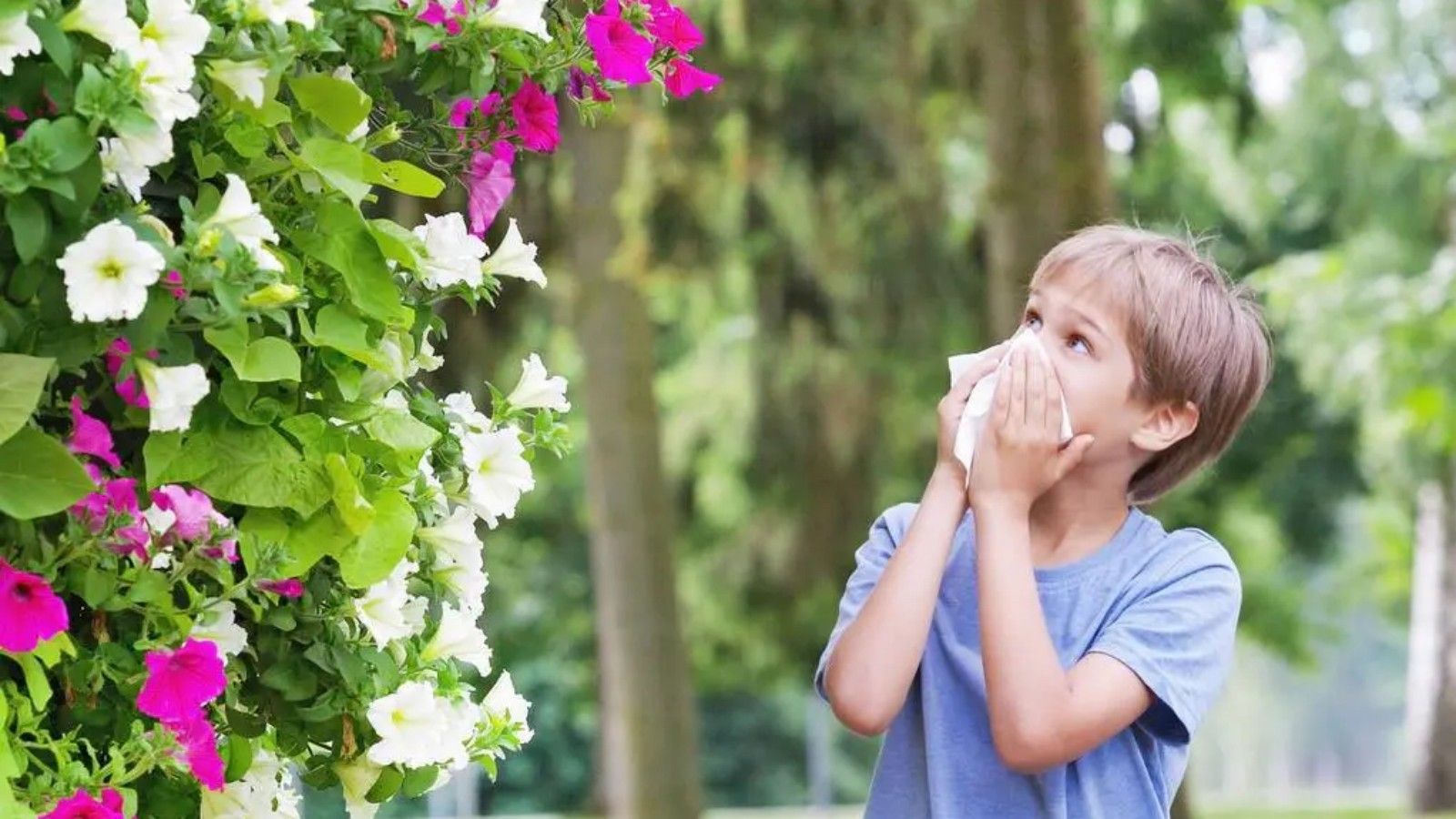
1 Do azaleas cause allergies?
Some people are sensitive to the pollen or leaf emanations of azaleas, and exposure may trigger allergic reactions such as sneezing, tearing, and nasal congestion. Especially during the flowering season when the concentration of pollen is high, the air may drift to the surrounding area, resulting in airborne allergens. Such people should avoid prolonged contact with azaleas or place them in a well-ventilated outdoor area.
-
2 Does placing azaleas indoors affect my sleep?
When azaleas are placed indoors, if the room is not well ventilated, the respiration of the plant will release carbon dioxide, which may affect the air quality and hence the quality of sleep. Especially at night, when the concentration of carbon dioxide in the air is high, it may lead to poor breathing and restless sleep. To avoid this, you may choose to place your azalea in a well-ventilated outdoor patio to keep the air circulating.
-
3 Do azaleas shed a lot of petals during the flowering season?
When azaleas are in bloom, the petals will fall off in large quantities and tend to fall to the ground, causing a messy interior. This not only affects the aesthetics, but may also cause trouble in cleaning. To avoid excessive petal scattering, it is recommended to put a tarpaulin or newspaper underneath the flower pots and sweep regularly to keep the surroundings neat and tidy, which will help minimize the clean-up work.
-
4 Is it suitable for people with pets?
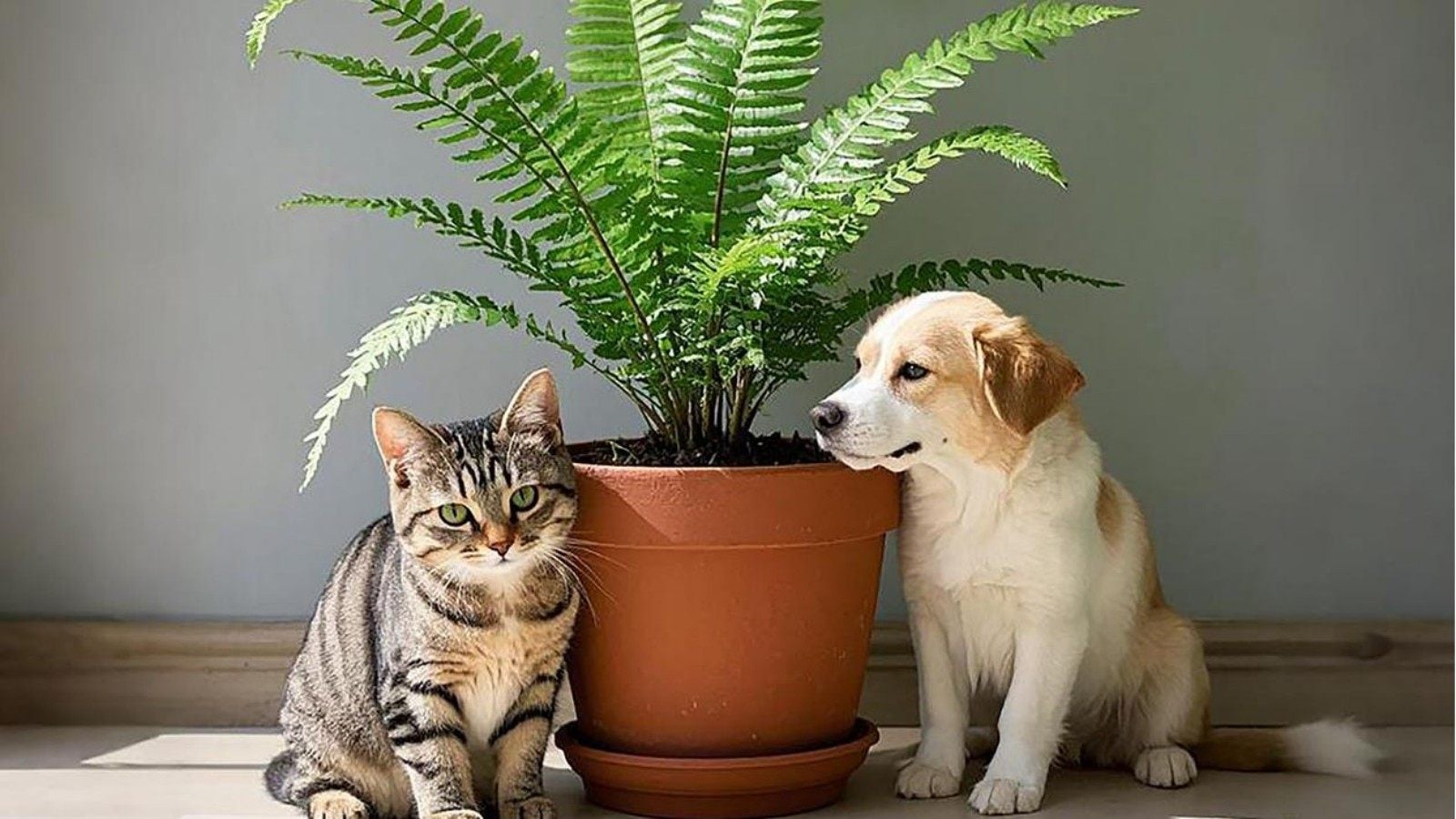
Rhododendron contains toxicity in its entire plant, especially its flowers, leaves and stems. If pets accidentally eat it, it may cause vomiting, diarrhea, drooling and other symptoms of poisoning, and in serious cases, it may even be life-threatening. Therefore, families with pets should avoid letting dogs and cats come into contact with azaleas, especially when the plant is in full bloom, and pay special attention to prevent pets from biting or licking the flowers.
Advertisement
Introduction
Rhododendron is an evergreen or deciduous shrub in the Rhododendron family, with rich flower colors and elegant flower shapes, commonly used in garden ornamental. It is native to China, Japan and Southeast Asia, and is highly adap, especially preferring cool and humid climates. It is one of the representative flowers of spring, and is a famous garden flower, symbolizing passion and resilience.
Popular Plant Encyclopedia
-
-
Poisonous and danger
- Rhus typhina
-
-
-
Edible and medicinal
- Common sunflower
-
-
-
Poisonous and danger
- Plumeria rubra
-
-
-
Wild and common weed
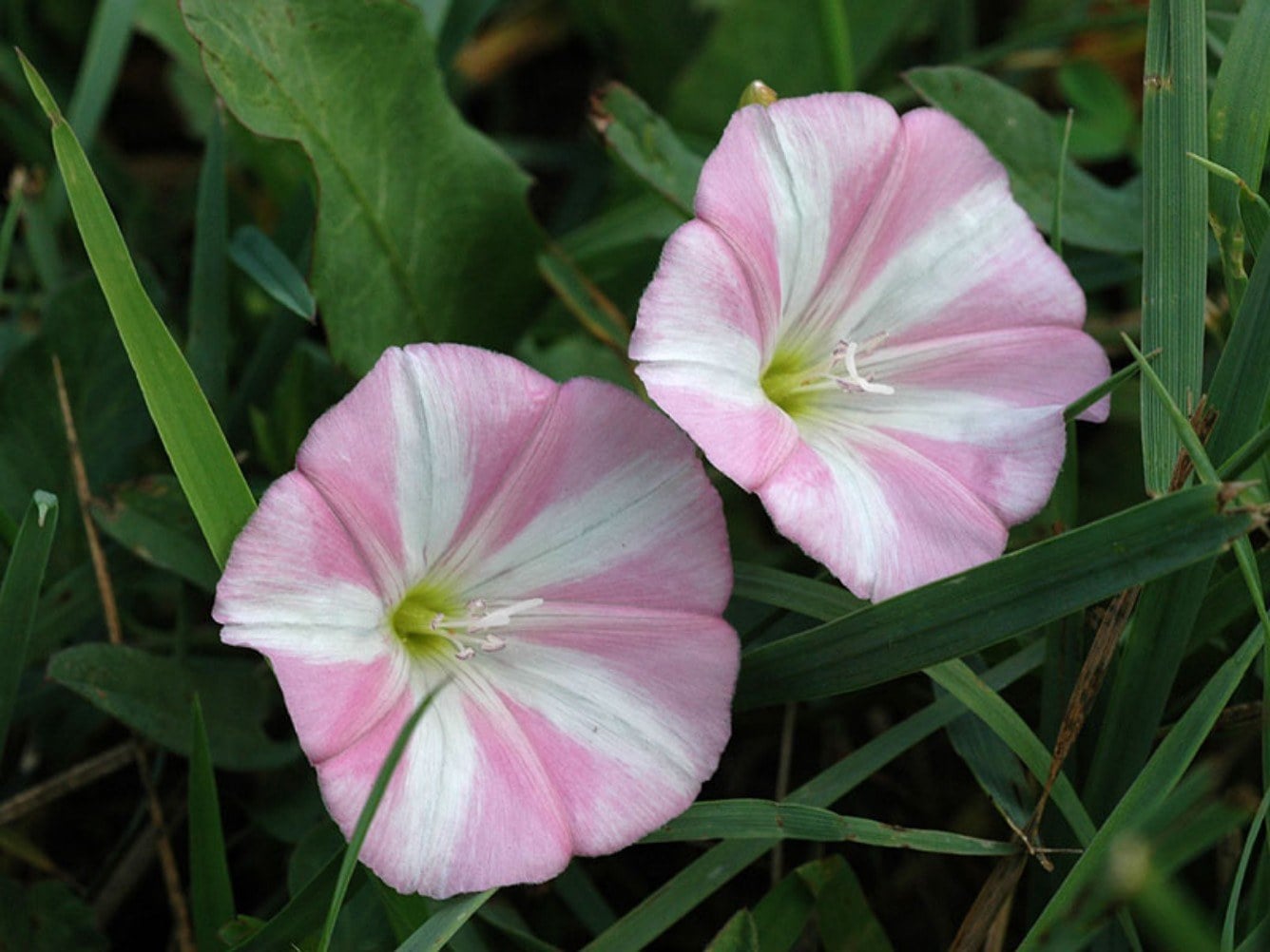
- Convolvulus arvensis
-
-
-
Edible and medicinal
- Perilla frutescens
-
-
-
Edible and medicinal
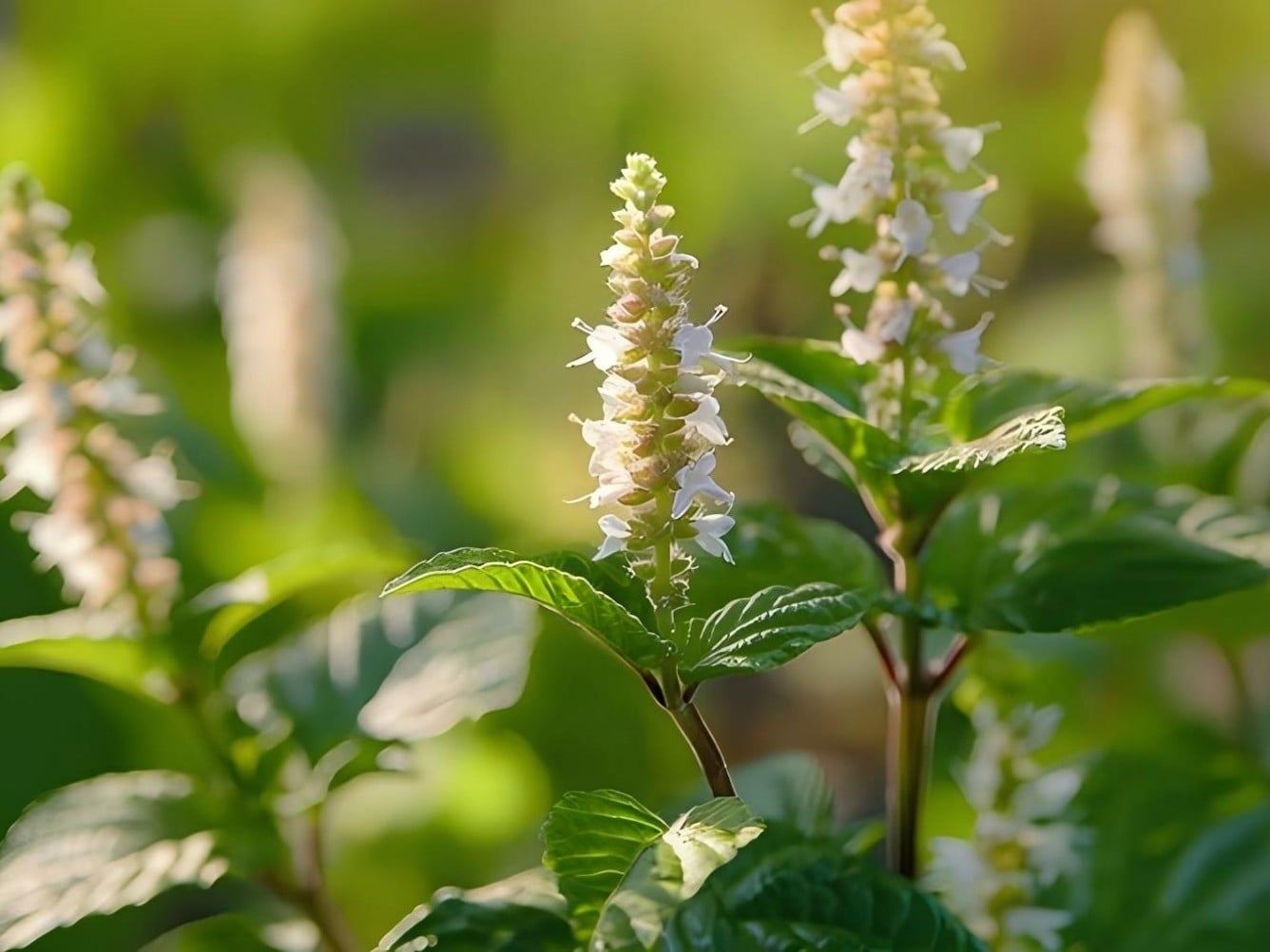
- Pogostemon cablin
-
-
-
Edible and medicinal
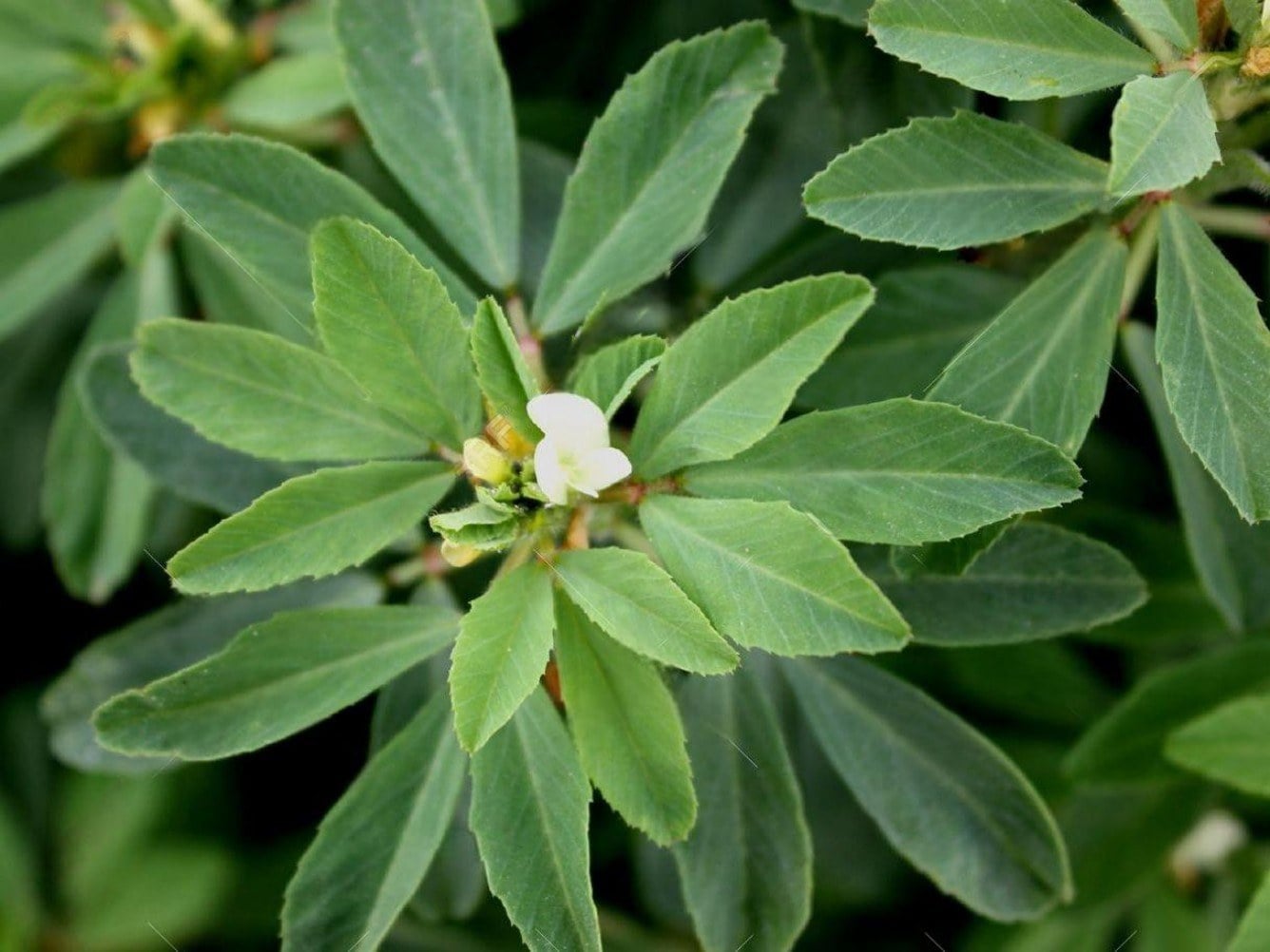
- Common fenugreek
-
-
-
Edible and medicinal
- Garden Thyme
-
 Poisonous and danger
 Edible and medicinal
 Wild and common weed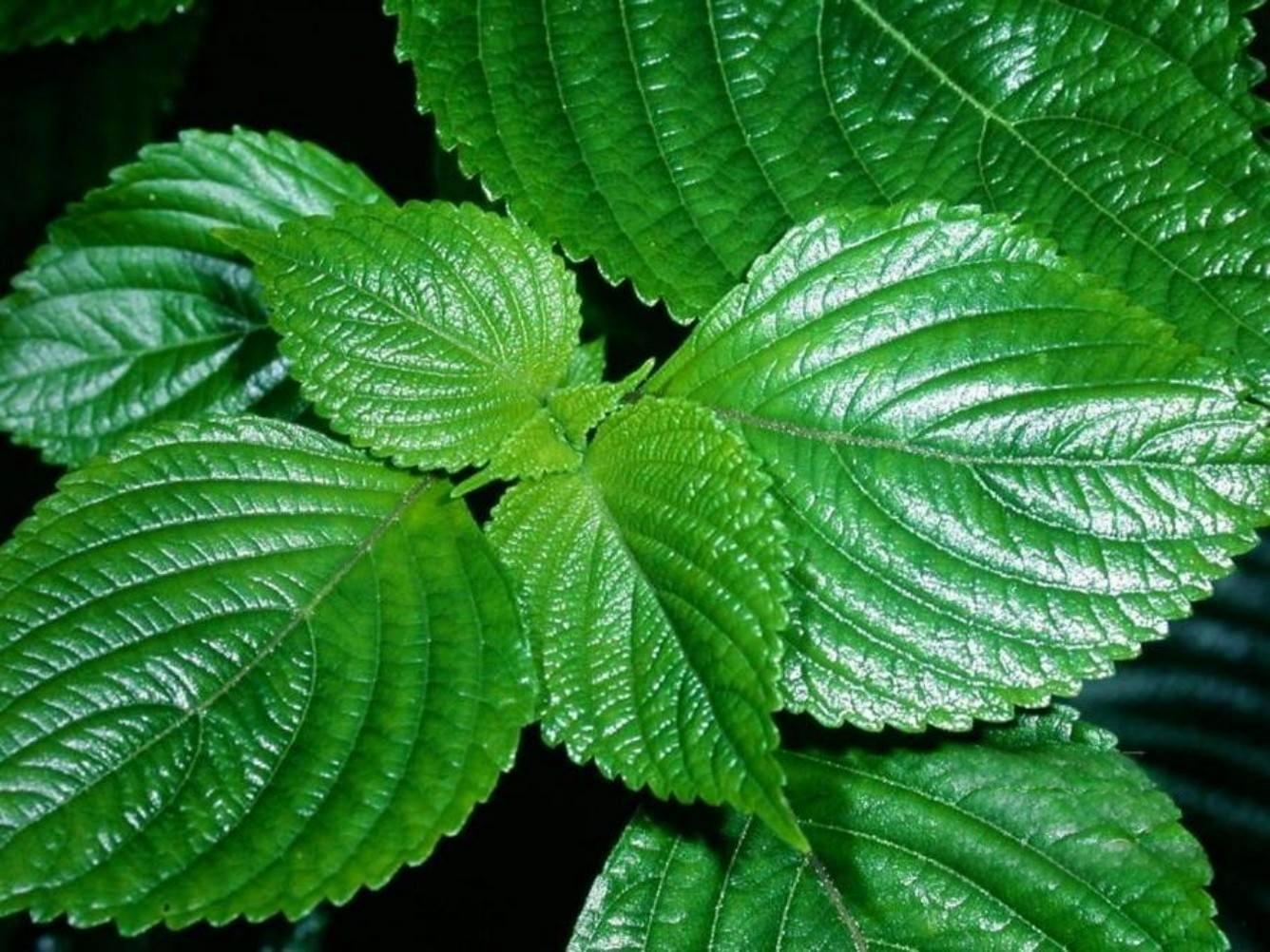
Advertisement