Rosemary
-
 Edible and medicinal
 Edible and medicinal
Nursing Skills
Rosemary thrives in full sun and slightly dry conditions. Key to its care is avoiding frequent watering. Water thoroughly only after the topsoil has completely dried out, ensuring pots or garden beds have excellent drainage. Maintain good air circulation to effectively prevent diseases and root rot.
Advertisement
Plant Properties
-
- Plant Type
- Perennial evergreen herb
-
- Plant Height
- 30–120 cm
-
- Leaf Morphology
- Needle-like, leathery
-
- Leaf Color
- Deep green
-
- Flower Color
- Pale blue, purple, or white
-
- Growth Cycle
- Perennial
-
- Stem Characteristics
- Woody, grayish-brown
Plant Care Requirements
-
Light Requirements
Full sun or strong indirect light
-
Watering Frequency
Sparse, drought-tolerant
-
Temperature Requirements
15–25°C
-
Soil Requirements
Loose, well-draining sandy soil
-
Humidity Requirements
Low, avoid damp environments
-
Toxicity
Non-toxic
-
Planting Season
Spring is most suitable
-
Fertilization Frequency
4–6 weeks
Advertisement
Plant Care Guide
-
How often should I water my rosemary?
Water only when the soil is completely dryRosemary originates from the Mediterranean region, where rainfall is infrequent in its natural habitat. Consequently, it requires far less moisture than most common houseplants. The most important rule for home care is to “water only when the soil is completely dry.” Typically, insert your finger about 2 inches (5 cm) into the soil. If it feels completely dry, it's time for a thorough watering. Water deeply until excess water drains out the bottom of the pot, then discard any water collected in the saucer. Frequent, light watering keeps roots constantly damp, making them highly susceptible to root rot. During winter or periods of low light, when evaporation slows, extend the watering interval further
-
Is rosemary better suited for indoor or outdoor cultivation?
Adequate sunlightRosemary typically thrives more vigorously in outdoor environments, particularly when planted in gardens, patios, or sun-drenched balconies. These settings offer higher natural light intensity and superior ventilation. For indoor cultivation, ensure at least 6 hours of direct sunlight daily, ideally near a south- or west-facing window. Insufficient light causes leggy growth, sparse foliage, and significantly diminished aroma. In areas with limited natural light, many international growers supplement with plant grow lights to maintain healthy rosemary development.
-
Do I need to prune rosemary regularly?
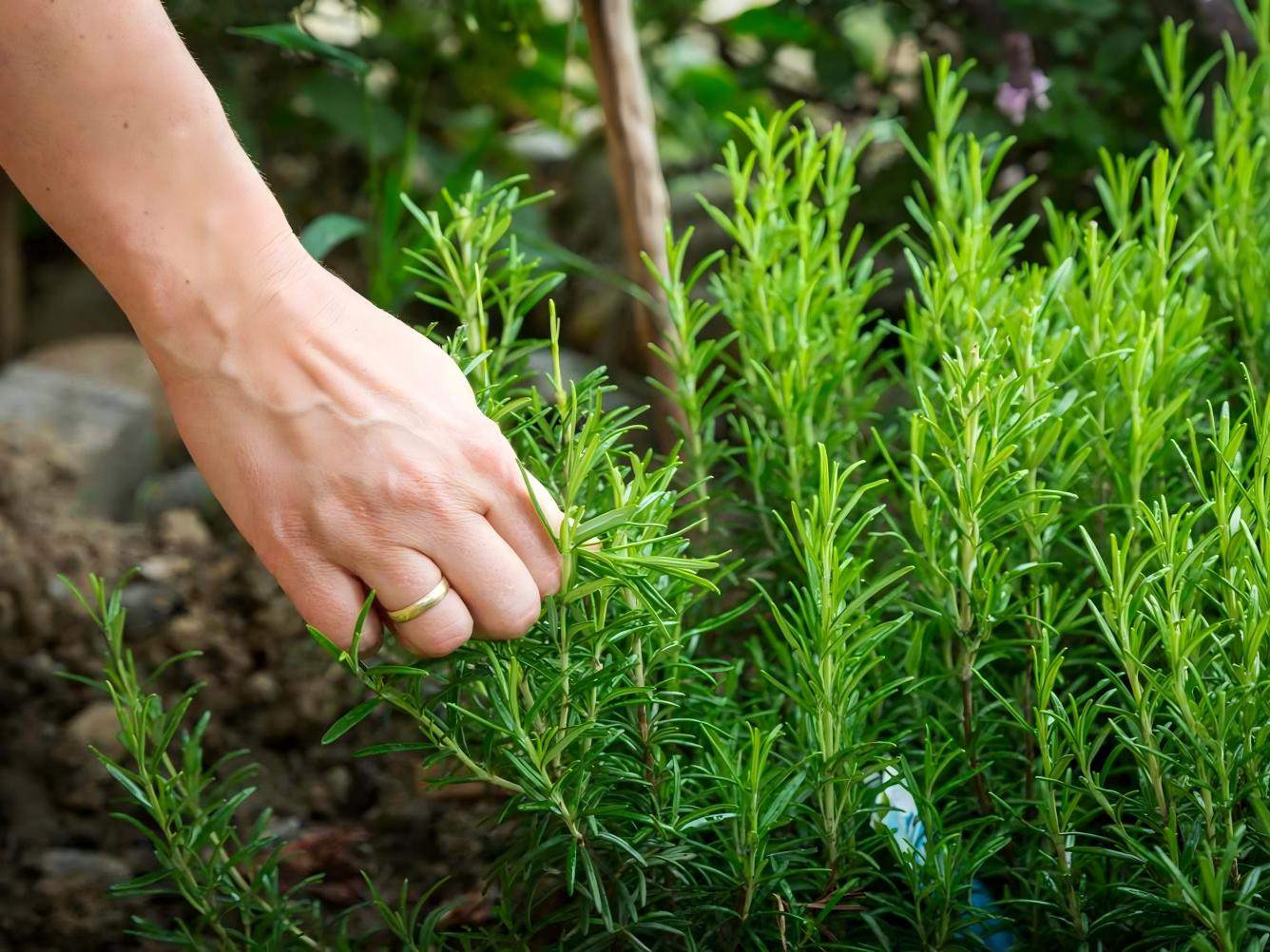
Regular light pruningRegular pruning is essential for rosemary. It not only maintains the plant's attractive shape but also encourages new growth and enhances its fragrance. The optimal pruning times are during the vigorous growth periods of spring and summer. Each pruning session should not remove more than one-third of the plant's total height. Focus on trimming excessively long, overly dense, or inward-growing branches to improve air circulation. Avoid cutting into fully woody, leafless old stems, as these areas have poor recovery capacity. The freshly cut sprigs can be used directly in cooking or dried for later use.
-
Does rosemary need fertilizing?
Less is betterRosemary has low nutrient requirements and thrives in fertile or moderately fertile soil. For ground-planted rosemary, additional fertilization is generally unnecessary. However, potted rosemary, constrained by limited soil volume, can benefit from diluted general-purpose liquid fertilizer or organic fertilizer applied every 4–6 weeks during the spring and summer growing season. Avoid high-nitrogen fertilizers, as excessive nitrogen can cause leggy growth and diminish the herb's aroma. During autumn and winter, when rosemary enters a period of slow growth, cease fertilization to prevent root stress.
-
How to Keep Rosemary Compact and Prevent Lodging?
Water Control & PruningLodging or drooping branches in rosemary are often caused by insufficient sunlight or overwatering. First, ensure the plant receives ample direct sunlight. Second, control watering frequency to avoid prolonged soil moisture. Regularly pruning the top growth effectively lowers the plant's center of gravity, encourages lateral branching, and promotes a more compact overall structure. For potted rosemary, choose deep, stable containers to prevent the plant from toppling over as it grows.
-
How to Care for Rosemary in Winter?
Cold Protection & Water ControlRosemary possesses some cold tolerance, but still requires appropriate protection in severely cold regions. When local winter temperatures consistently drop below 43°F (5°C), move potted rosemary indoors or into a greenhouse. With shorter daylight hours, position it in the brightest indoor location. Reduce watering frequency to keep the soil slightly dry. Avoid placing the plant near radiators or windows with direct cold drafts to prevent leaf drying or shedding.
Advertisement
Frequently Asked Questions
-
1 Why are my rosemary leaves turning yellow?
The most common reasons for yellowing rosemary leaves are overwatering or poor drainage. Prolonged dampness causes root suffocation or rot, preventing nutrients from reaching the leaves and resulting in yellowing. Additionally, insufficient light can lead to pale foliage. Check if the pot has adequate drainage holes and switch to a well-draining potting mix. Move the plant to a brighter location. Typically, new growth will gradually regain healthy color after adjusting care practices.
-
2 Is it normal for rosemary to grow slowly?
Rosemary isn't a fast-growing plant. Slower growth during fall and winter is perfectly normal. If growth remains sluggish during spring and summer, it may be due to insufficient light, a pot that's too small, or compacted soil. Ensure at least 6 hours of daily sunlight and regularly loosen the soil or repot to promote root development. Avoid over-fertilizing, as excessive stimulation can actually inhibit normal growth.
-
3 What should I do if rosemary leaves dry out and fall off?
Significant leaf drop is often linked to environmental changes, such as sudden temperature drops, excessively dry air, or frequent relocation. Rosemary dislikes frequent changes in its growing environment. Maintain consistent light, temperature, and ventilation conditions. If indoors, keep it away from heating vents or air conditioning outlets. Improve air circulation and check for overwatering or underwatering. These steps usually help the plant gradually recover.
-
4 Can Rosemary Be Grown in Pots Long-Term?
Rosemary can thrive in pots long-term but requires regular repotting and pruning. As the plant grows, its roots will gradually fill the pot, hindering water and nutrient absorption. It's generally recommended to repot every 2–3 years, trimming some roots and branches during the process. Choosing pots and soil with excellent drainage is key to successful long-term container cultivation.
Advertisement
Introduction
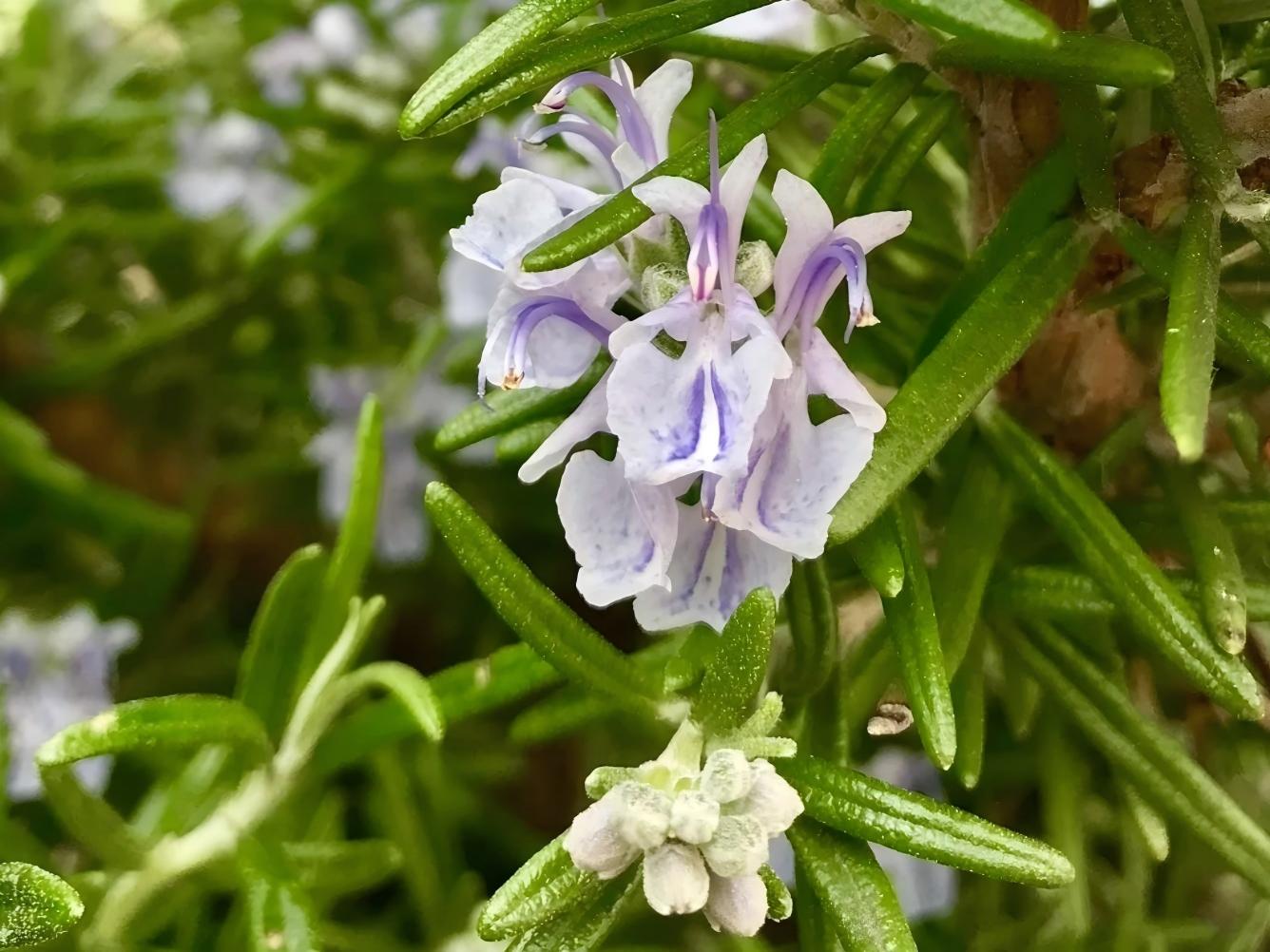
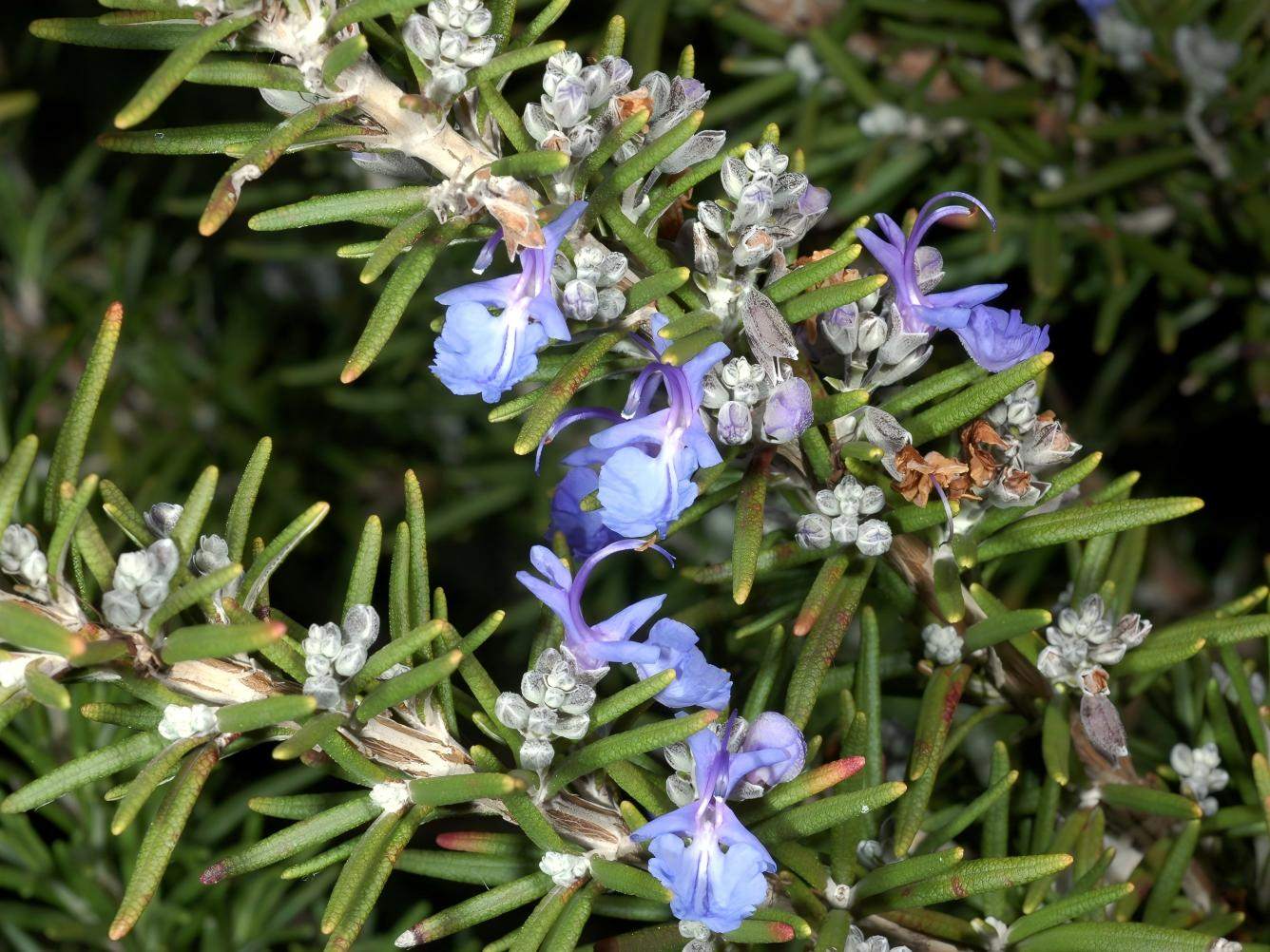
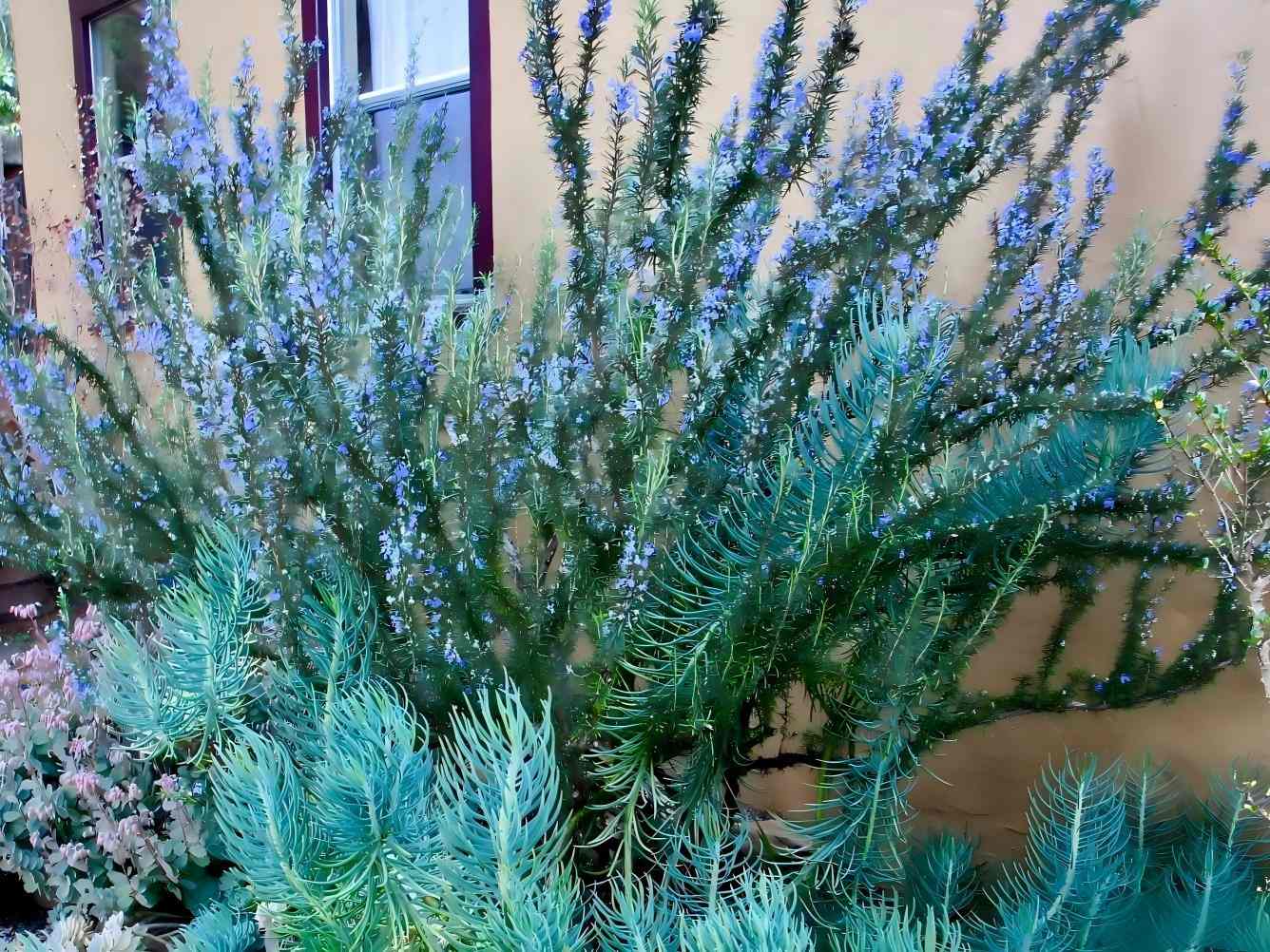
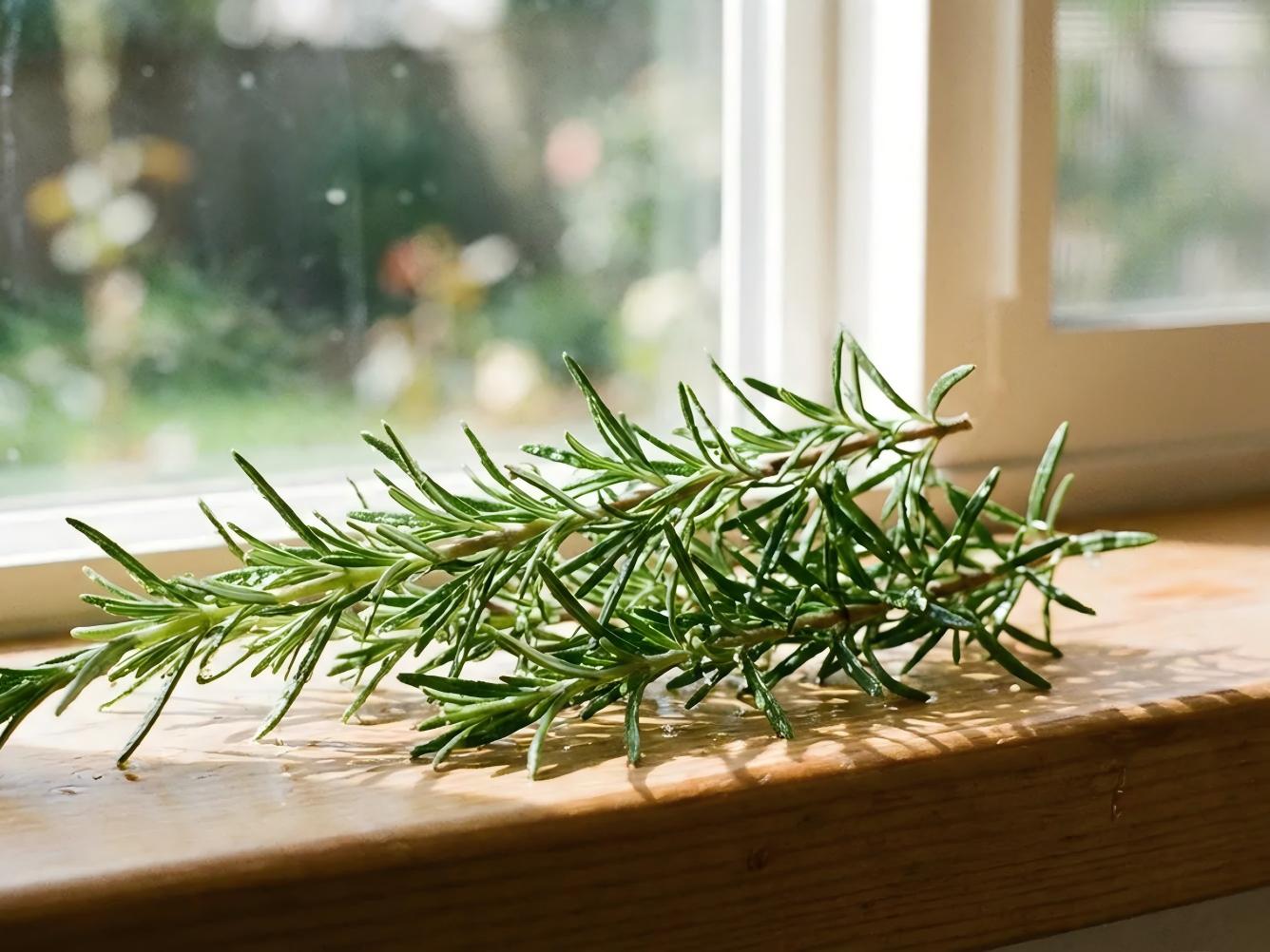
Rosemary is an evergreen woody herb with slender, needle- leaves of deep green color that release a rich, fresh herbal aroma when rubbed. Native to the Mediterranean coast, it thrives in sunny, well-drained environments. Rosemary is not only a highly ornamental plant for gardens or balconies but is also widely cherished for its versatile uses in cooking, seasoning, essential oils, and herbal care. Mature plants feature upright stems and delicate blue or purple blossoms, combining practicality with decorative appeal. It stands as one of the classic herbs cultivated year-round in many Western households.
Popular Plant Encyclopedia
-
-
Poisonous and danger
- Rhus typhina
-
-
-
Edible and medicinal
- Common sunflower
-
-
-
Poisonous and danger
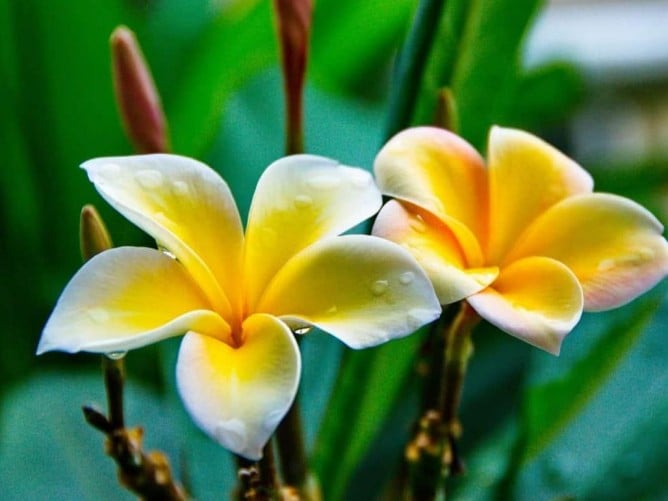
- Plumeria rubra
-
-
-
Wild and common weed
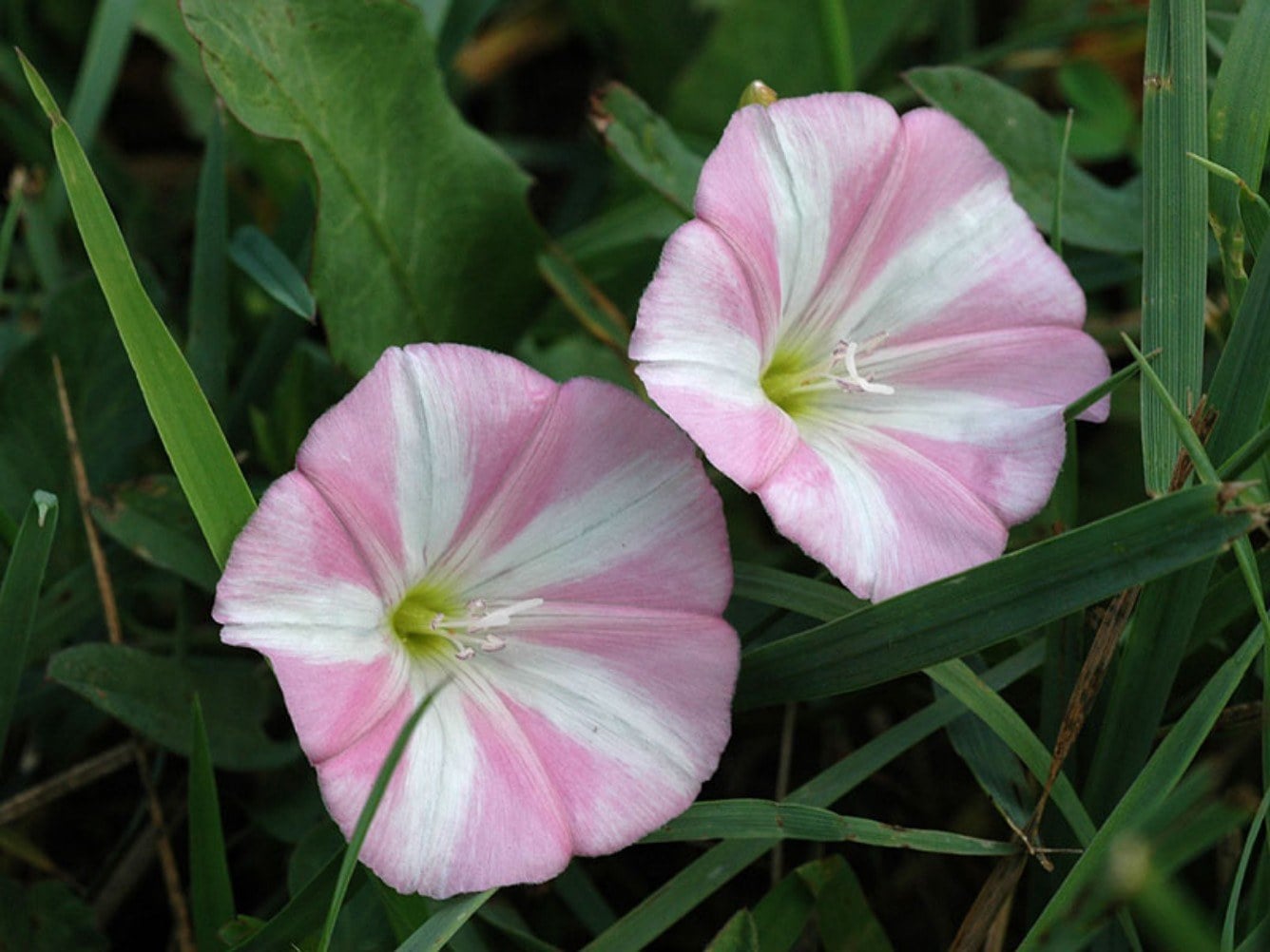
- Convolvulus arvensis
-
-
-
Edible and medicinal
- Perilla frutescens
-
-
-
Edible and medicinal
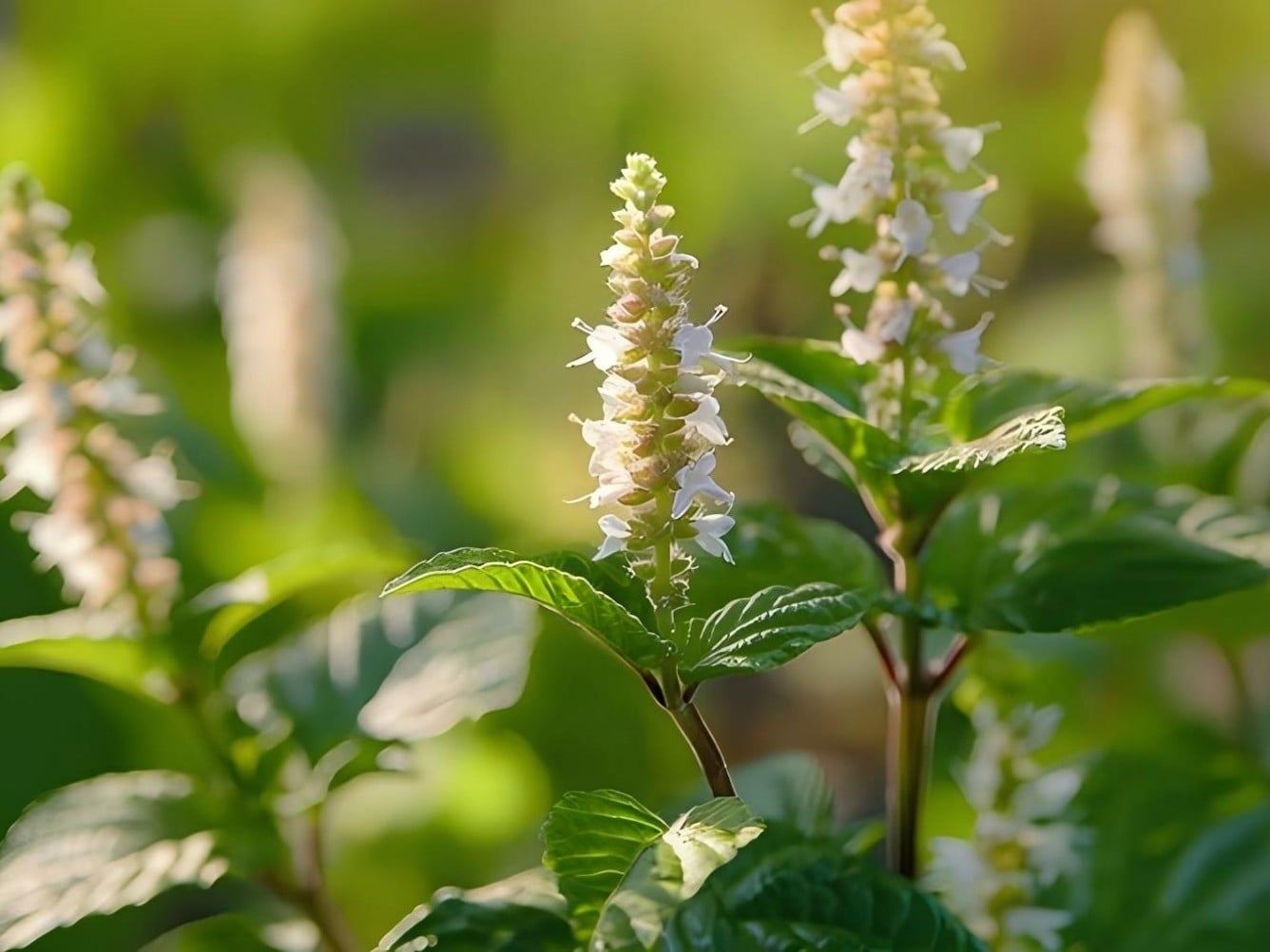
- Pogostemon cablin
-
-
-
Edible and medicinal
- Common fenugreek
-
-
-
Edible and medicinal
- Garden Thyme
-
 Poisonous and danger
 Wild and common weed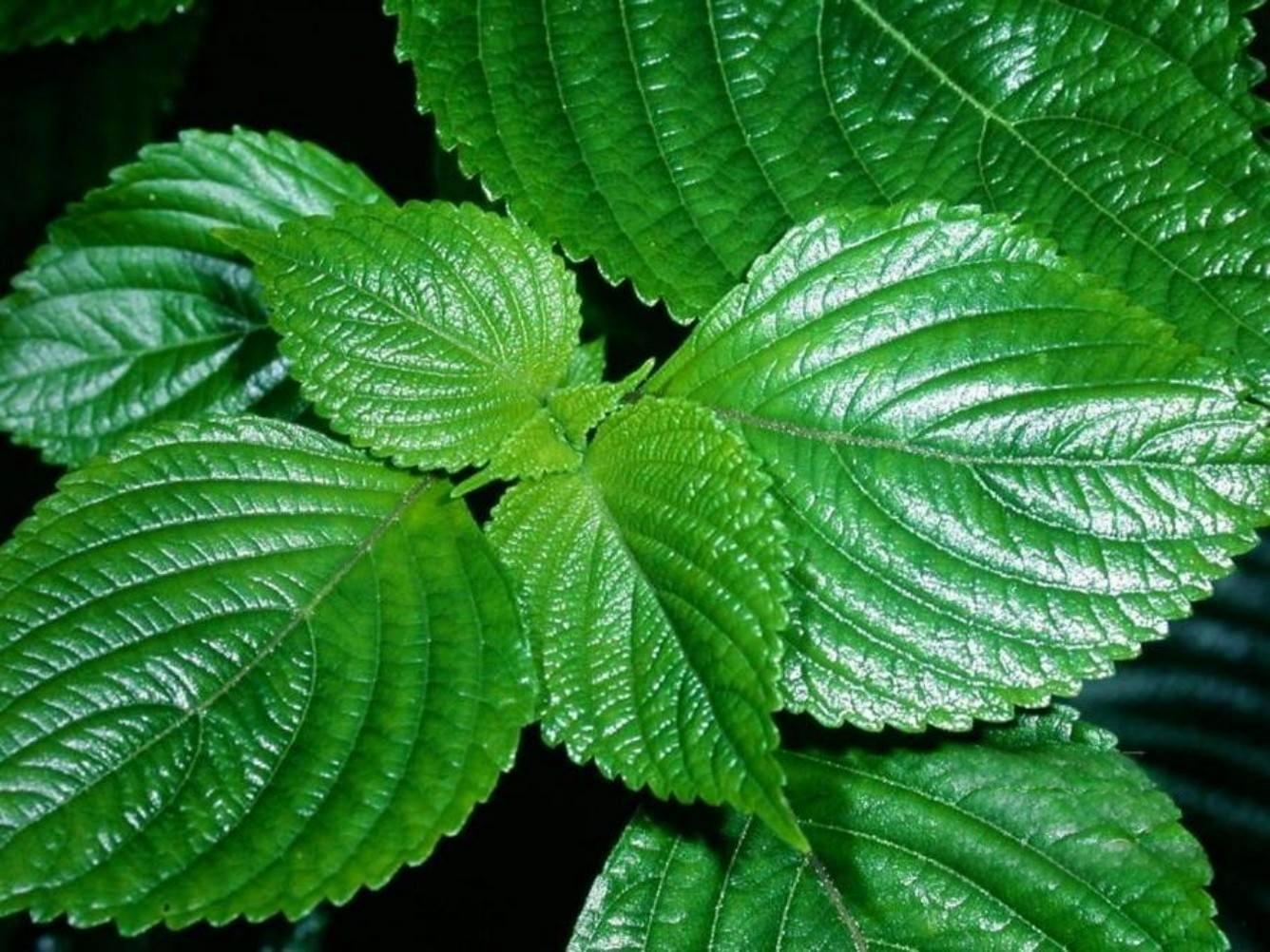
Advertisement