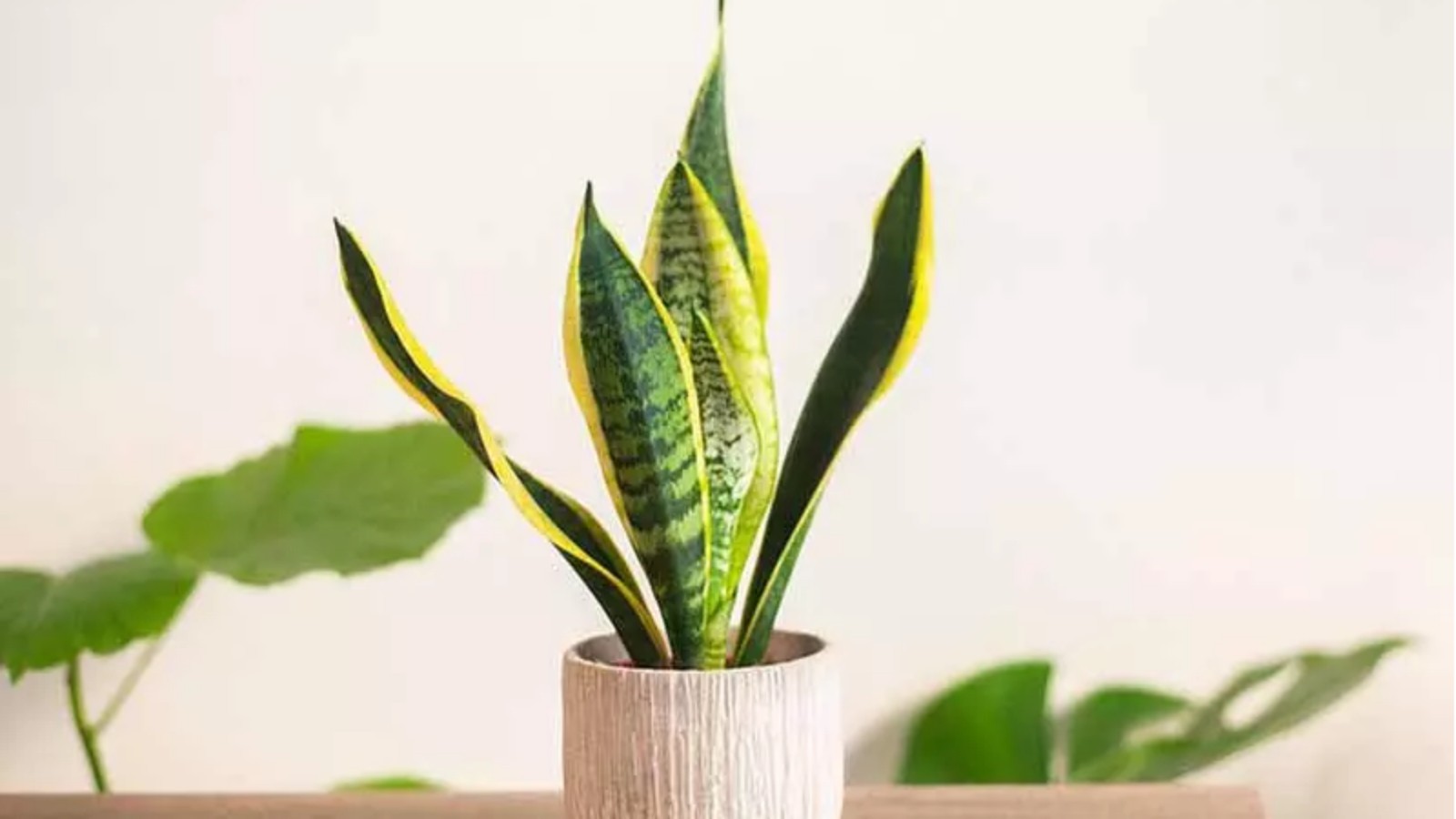
Sansevieria trifasciata
-
 Domestic and indoor
 - Also known as: Snake Plant, Mother-in-laws Tongue
 Domestic and indoor
Nursing Skills
Sansevieria trifasciata is a typical “lazy plant” with excellent drought tolerance and low light requirements. It can grow in low light or even fluorescent light, but does better in bright indirect light. A well-drained succulent mix is best for the soil, and avoiding waterlogged roots is key to care. Watering is usually every 2-3 weeks and may take longer in winter. Fertilizing and pruning yellowed leaves during the growing season will also help keep your plant fresh.
Advertisement
Plant Properties
-
- Plant Type
- Perennial Evergreen Herb
-
- Plant Height
- 30-100cm
-
- Leaf Color
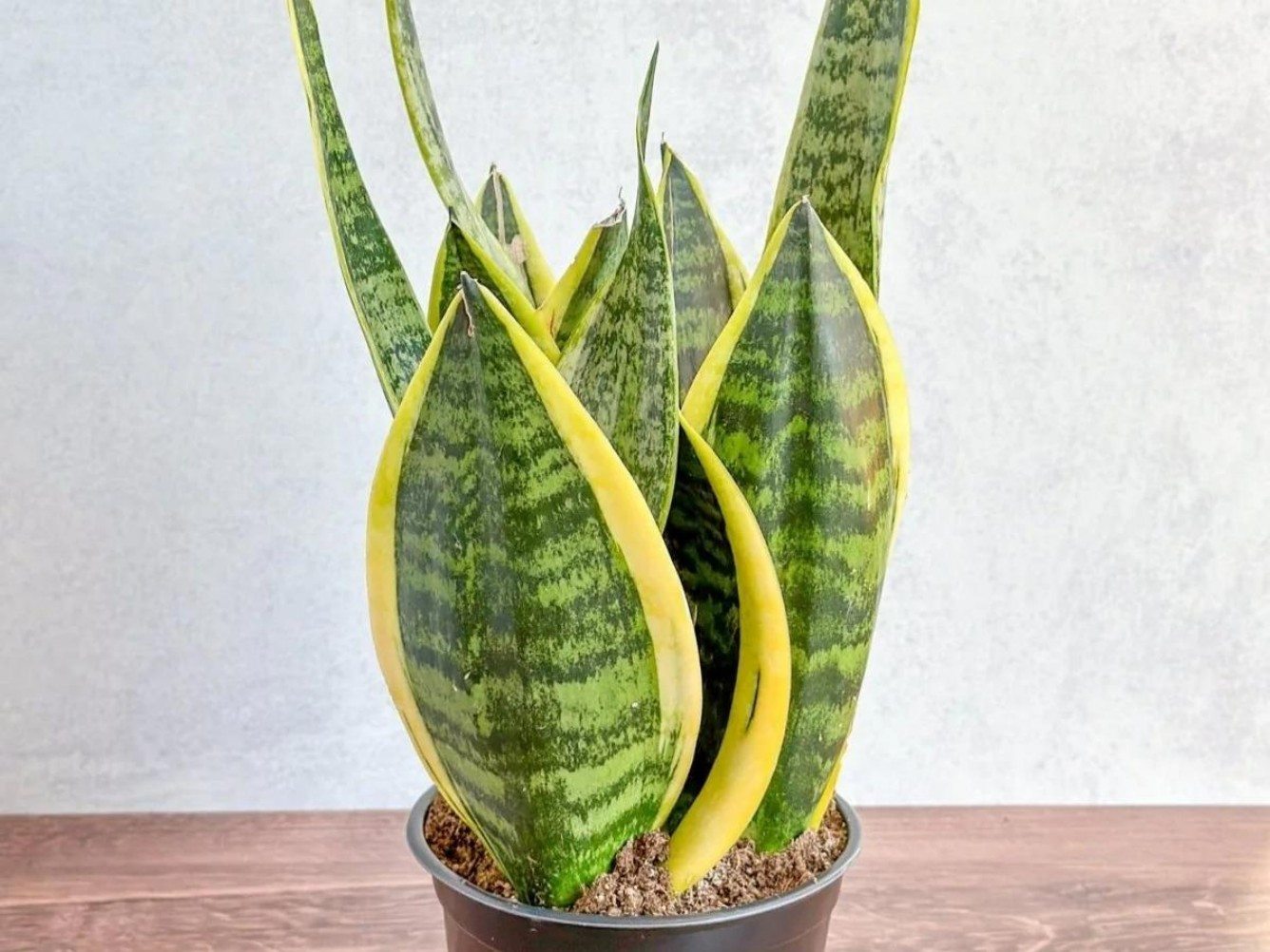
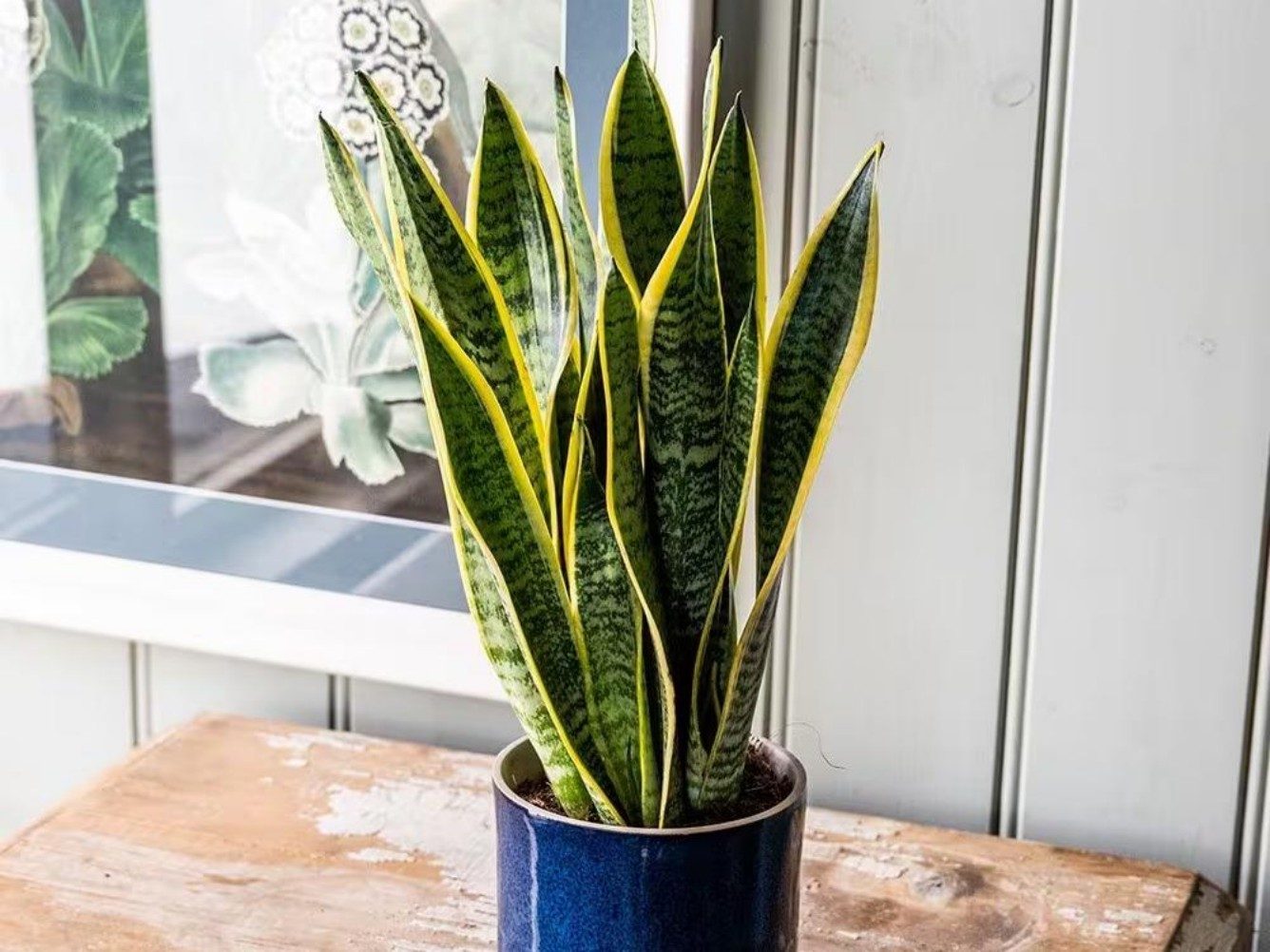
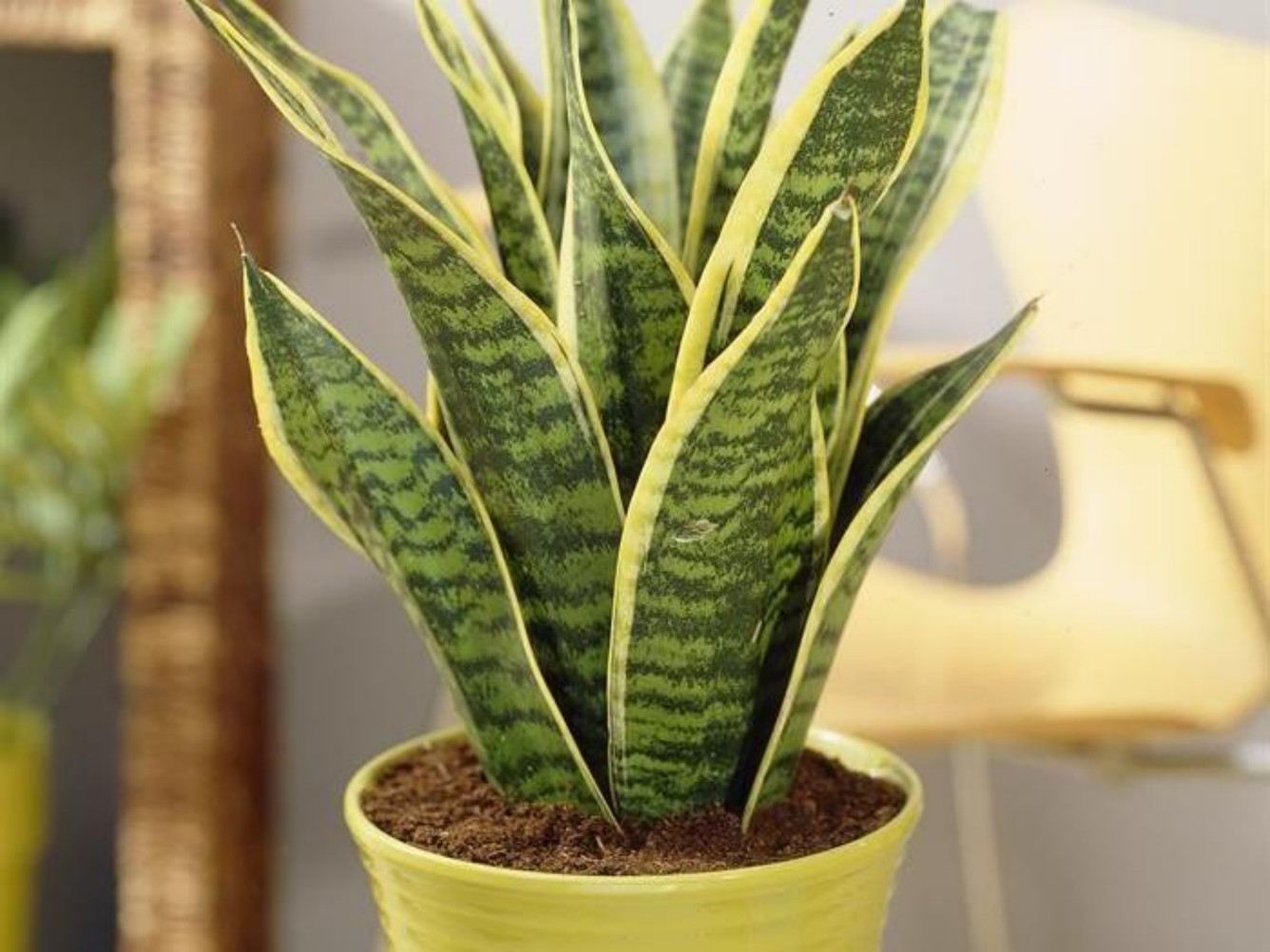
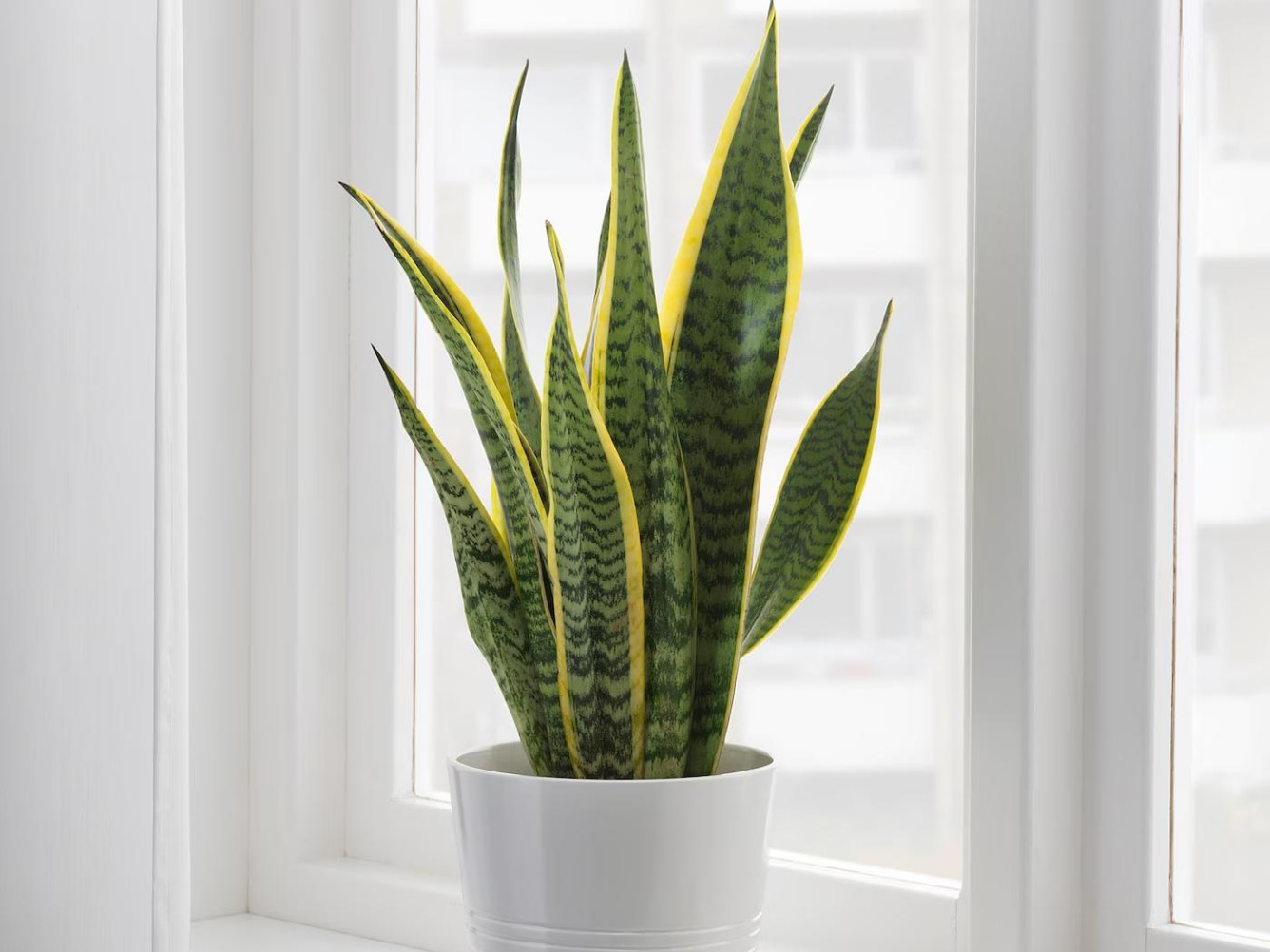
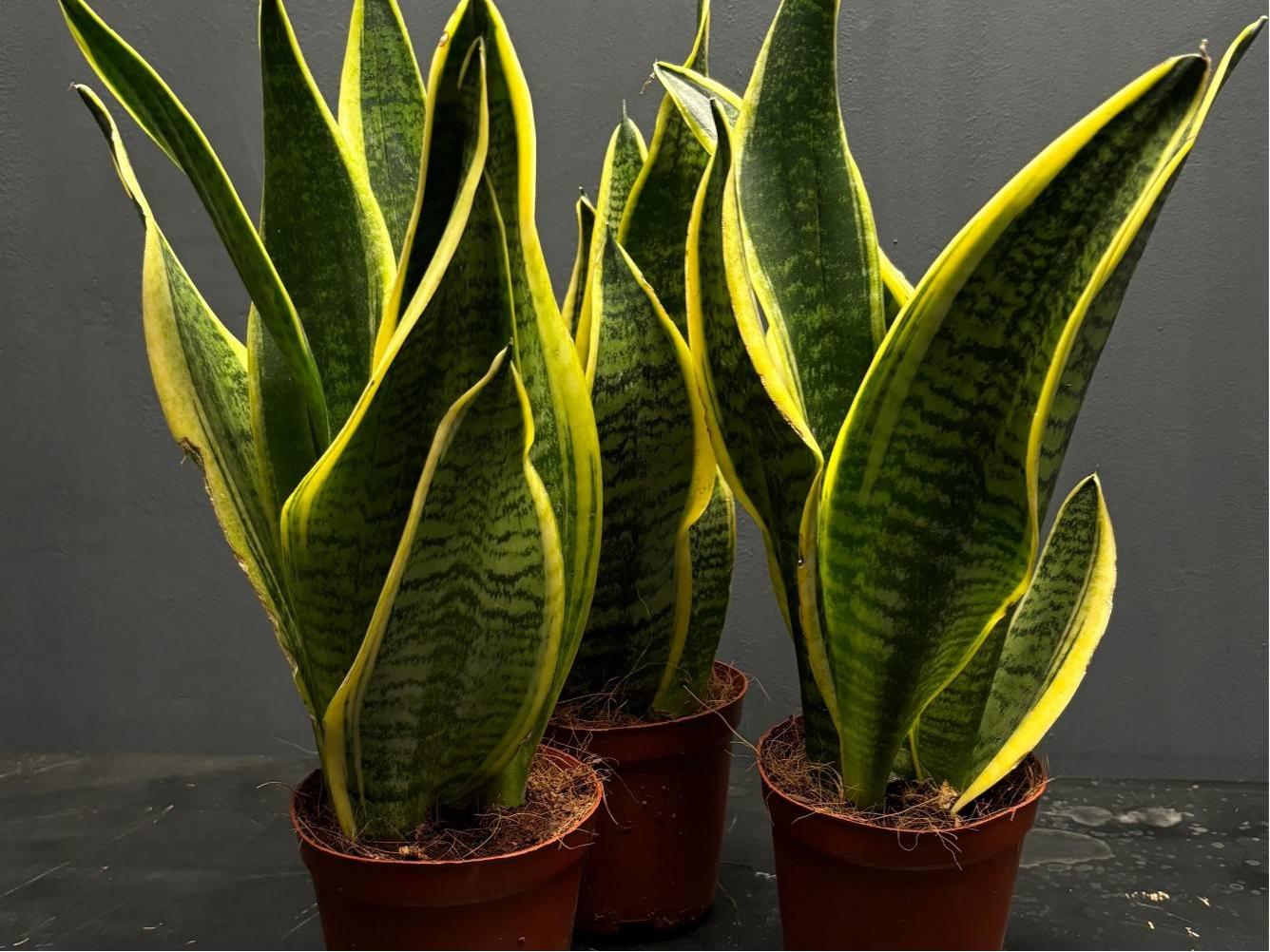
- Dark green with yellowish edges
-
- Flower color
- White-green
-
- Poisonous or not
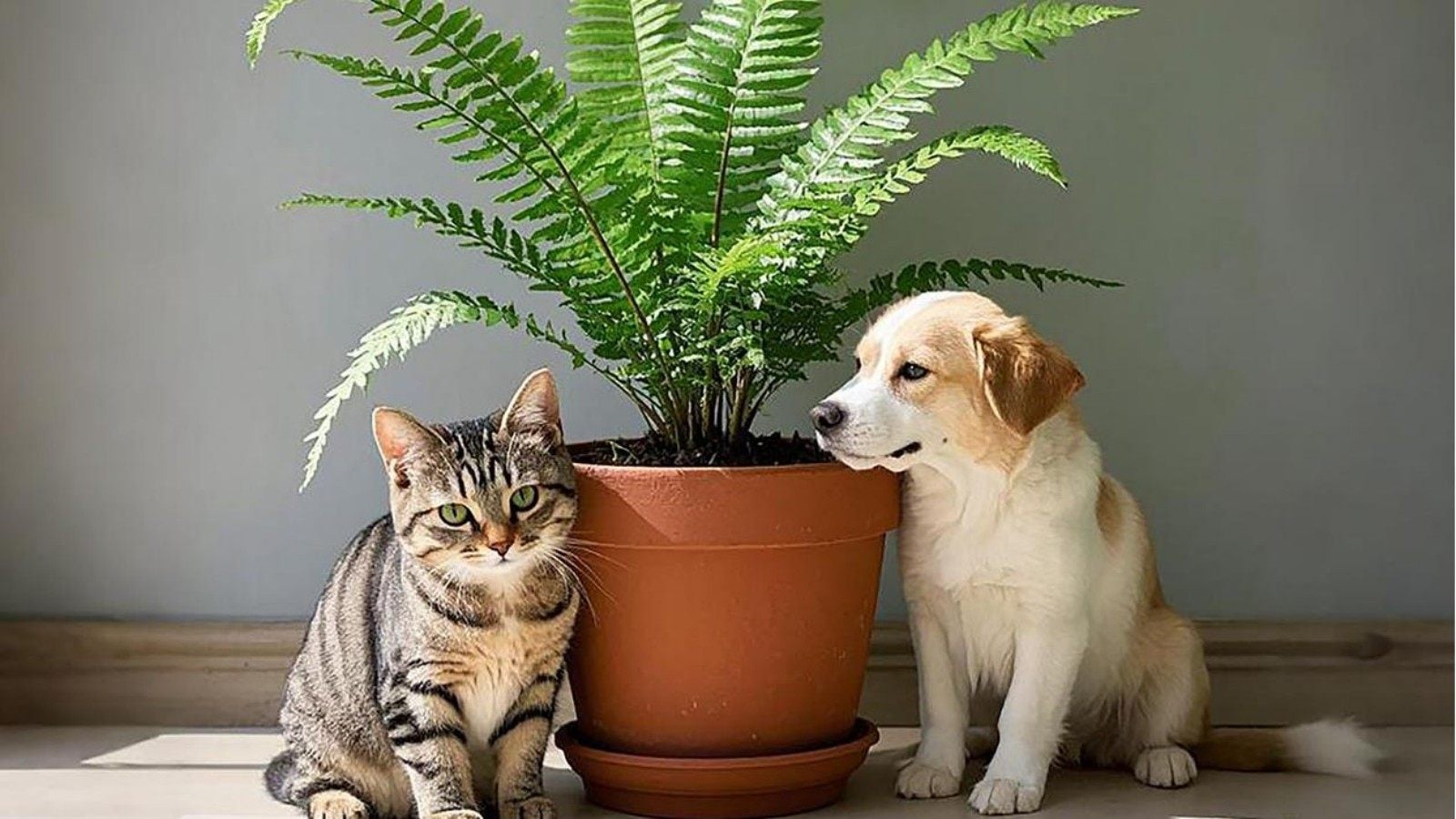
- Toxic to dogs and cats
-
- Growth rate
- Slow to moderate
Plant Care Requirements
-
Lifespan
Perennial plant, can live more than 10 years
-
Planting time
All year round, spring is the best
-
Light requirements
Low light tolerant, prefers bright indirect light
-
Temperature
15-29°C
-
Humidity
Normal indoor humidity
-
Soil requirements
Well-drained succulent soil
-
Watering Frequency
Every 2-3 weeks
-
Fertilizer Requirements
Diluted liquid fertilizer every 2 months in spring and summer
Advertisement
Plant Care Guide
-
How to water?
Avoid waterloggingSansevieria trifasciata is extremely drought tolerant and it is recommended to check that the soil is completely dry before each watering. Insert a stick or finger about 2-3 centimeters and water thoroughly if it feels dry. Remember not to water too often, especially in the fall and winter, as this can easily lead to root rot. It is also important to use pots with drainage holes to ensure that excess water can drain away. After watering, avoid water pooling in the center of the leaves as this can lead to rot.
-
How do I prune it?
Regular pruningSansevieria trifasciata doesn't usually need frequent pruning, but you can help keep your plant looking fresh by periodically cutting back yellowed, diseased or broken leaves. Use clean, sharp scissors to prune from the base of the leaves to avoid tearing them and causing infection. Pruning also helps stimulate new shoot growth, especially during the growing season (spring and summer). Ventilation can also be improved by trimming back some leaf clusters if the whole plant is too dense.
-
How to fertilize?
Proper fertilizationTigertail orchids do not require a lot of nutrients, but proper fertilization will promote strong green foliage and steady growth. During the spring and summer growing season, a general-purpose foliage plant liquid fertilizer can be applied once every two months, diluted according to package directions. Avoid applying strong fertilizer or frequent fertilization to avoid burning the roots. Fall and winter are dormant periods, so you can suspend fertilization. Slow-release fertilizers are also a good choice to provide a long-term, stable supply of nutrients to the plant.
-
Do I need to change the pot?
2-3 yearsSansevieria trifasciata doesn't need much nutrients, but proper fertilization will promote vigorous foliage and steady growth. During the spring and summer months, you can apply a general-purpose liquid foliage plant fertilizer every two months and dilute it according to package directions. Avoid applying strong or frequent fertilizers to avoid burning the roots. Fall and winter are dormant periods for plants, so you can suspend fertilizing. Slow-release fertilizers are also good choices to provide plants with a steady supply of nutrients over time.
-
How to reproduce?
Leaf insertionThe common ways of propagation are plant division and leaf insertion. To divide a plant, you can naturally separate the roots when changing pots and plant them separately; to leaf-plug, you cut a piece of healthy leaf, dry the wound for 1-2 days and then insert it into moist, sandy soil, keeping it bright but avoiding direct light. Rooting occurs in about 3-4 weeks, but some varieties will lose their markings, so if you want to maintain the characteristics of the variety, you should prefer to use the split-plant method.
-
How to clean the leaves?
2-3 weeksThe leaves of Sansevieria trifasciata have a hard surface that tends to collect dust, so it is recommended to wipe them with a soft damp cloth every 2-3 weeks to maintain efficient photosynthesis. Sometimes you can move the whole plant under the shower on a windless day to “rinse” it, but it must be dried in a short time to avoid water accumulation. If white water stains or scale appear on the leaves, gently rub them with a small amount of white vinegar and then wipe them off with water.
Advertisement
Frequently Asked Questions
-
1 Why are the leaves soft and wilting?
This is one of the most common problems with Sansevieria trifasciata and is usually caused by overwatering or waterlogging of the roots.Sansevieria trifasciata is a succulent plant and its roots are extremely sensitive to water. Over-wetting can lead to root rot, which in turn affects the structure of the leaves, causing them to soften, collapse or even wilt. In this case, stop watering immediately, remove the plant from the pot to inspect the roots, prune the rotted root system and replace it with fresh soil. After that, keep the potting soil dry before watering thoroughly so that it does not happen again.
-
2 Why is the plant so slow growing?
Sansevieria trifasciata itself is slow-growing, especially in the fall and winter months or when there is not enough light, and they will almost go dormant, as evidenced by the fact that they will not grow new leaves for weeks or even months. If it still grows slowly during the growing season (spring and summer), it may be due to insufficient light, lack of nutrients or hard potting soil. Try moving it to a place with more light, increasing the frequency of fertilization (but not overdoing it), and consider replacing the potting soil every 2-3 years.
-
3 Is Sansevieria trifasciata susceptible to root rot? How can I tell?
Yes, the root system of Sansevieria trifasciata is particularly sensitive to waterlogging and can rot easily. To determine root rot, look for leaves that suddenly become soft and lose their elasticity, or potting soil that is chronically wet and smelly. If you remove the plant and find that the roots are blackened and softened, easily broken, and accompanied by a rotting odor, the root system has rotted. The roots should be pulled out immediately, sterilized, and then replanted in clean, well-drained soil, and frequent watering should be avoided during the recovery period.
-
4 Why are there black spots on the leaves?
Black spots are mostly caused by fungal infection, waterlogging or poor ventilation. Especially when the humidity is high or the potting soil is wet for a long period of time, the leaves are prone to be wet and harbor fungus, resulting in the appearance of black spots. Cut and destroy the diseased leaves, then spray the whole plant with diluted broad-spectrum fungicide. Avoid spraying water into the center of the leaves, maintain air circulation and strictly control the frequency of watering are the keys to preventing black spot disease.
Advertisement
Introduction
Sansevieria trifasciata, also known as Snake Plant or Mother-in-laws Tongue, is a modern indoor foliage plant native to the western tropics of Africa. With its stiff, sword- foliage and distinctive green markings and yellow or silver margins, it is simple and architectural. Tigress is known for its adaptability and easy care, making it perfect for beginners and “forget-to-water” plant lovers. It also releases oxygen at night, making it one of the most desirable air-purifying plants for the bedroom.
Popular Plant Encyclopedia
-
-
Poisonous and danger
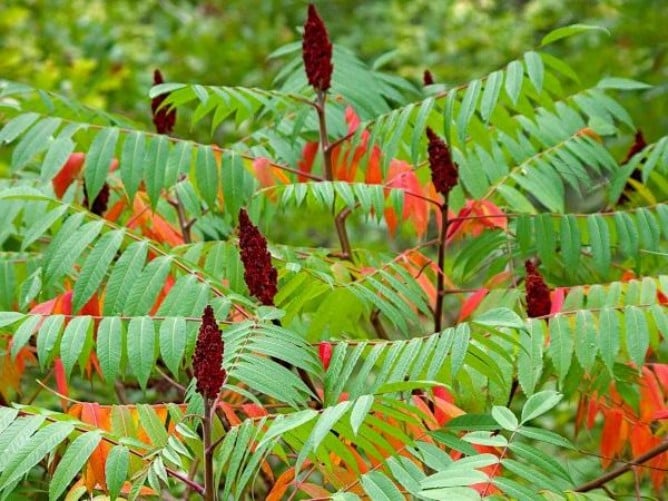
- Rhus typhina
-
-
-
Edible and medicinal
- Common sunflower
-
-
-
Poisonous and danger
- Plumeria rubra
-
-
-
Wild and common weed
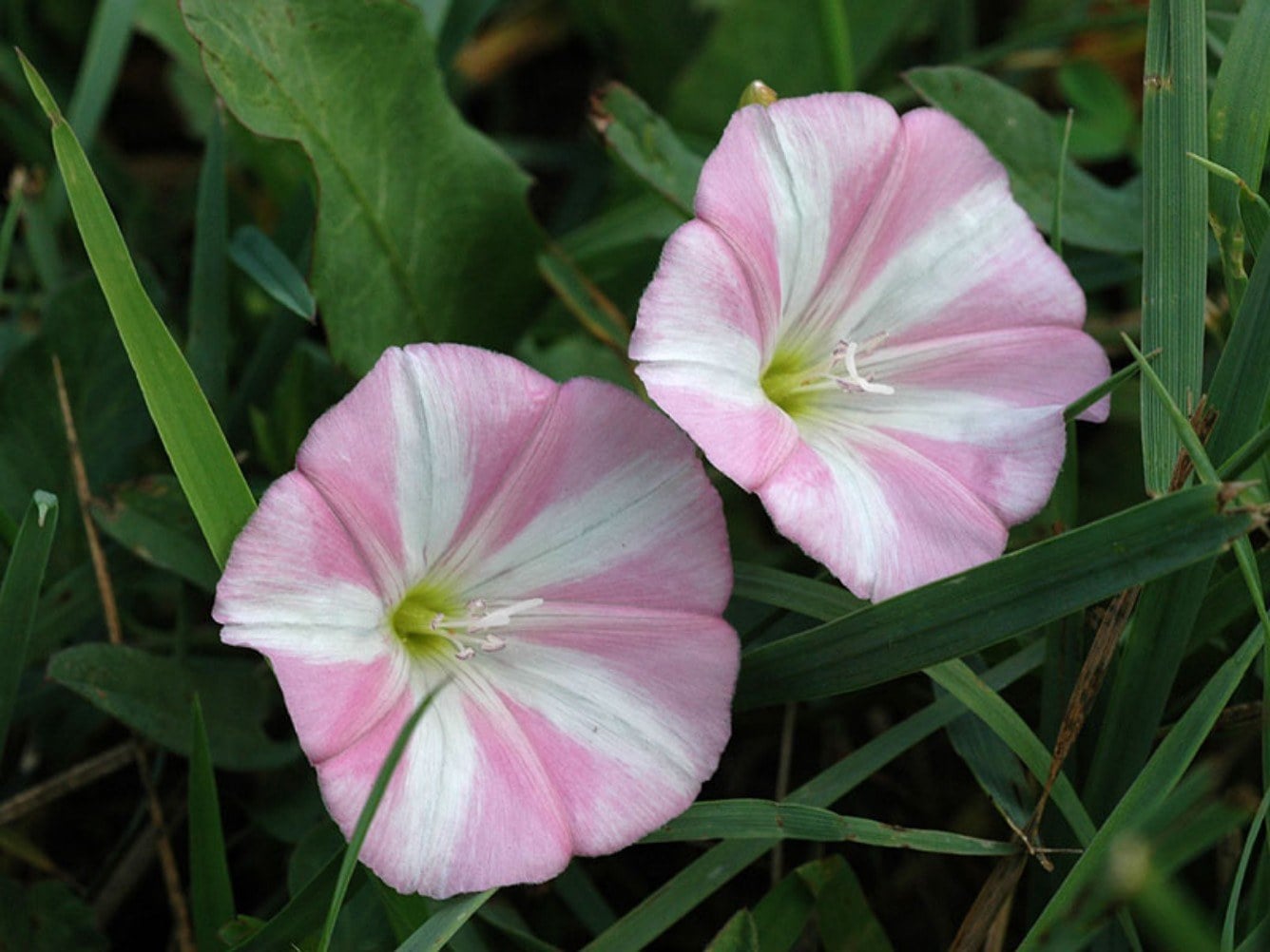
- Convolvulus arvensis
-
-
-
Edible and medicinal
- Perilla frutescens
-
-
-
Edible and medicinal
- Pogostemon cablin
-
-
-
Edible and medicinal
- Common fenugreek
-
-
-
Edible and medicinal
- Garden Thyme
-
 Poisonous and danger
 Edible and medicinal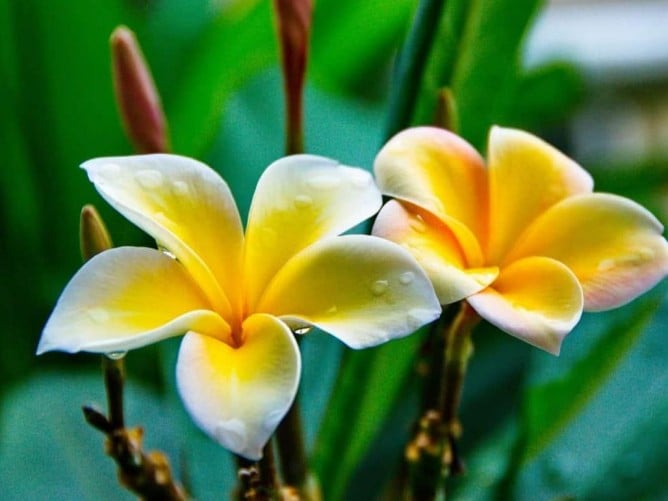
 Wild and common weed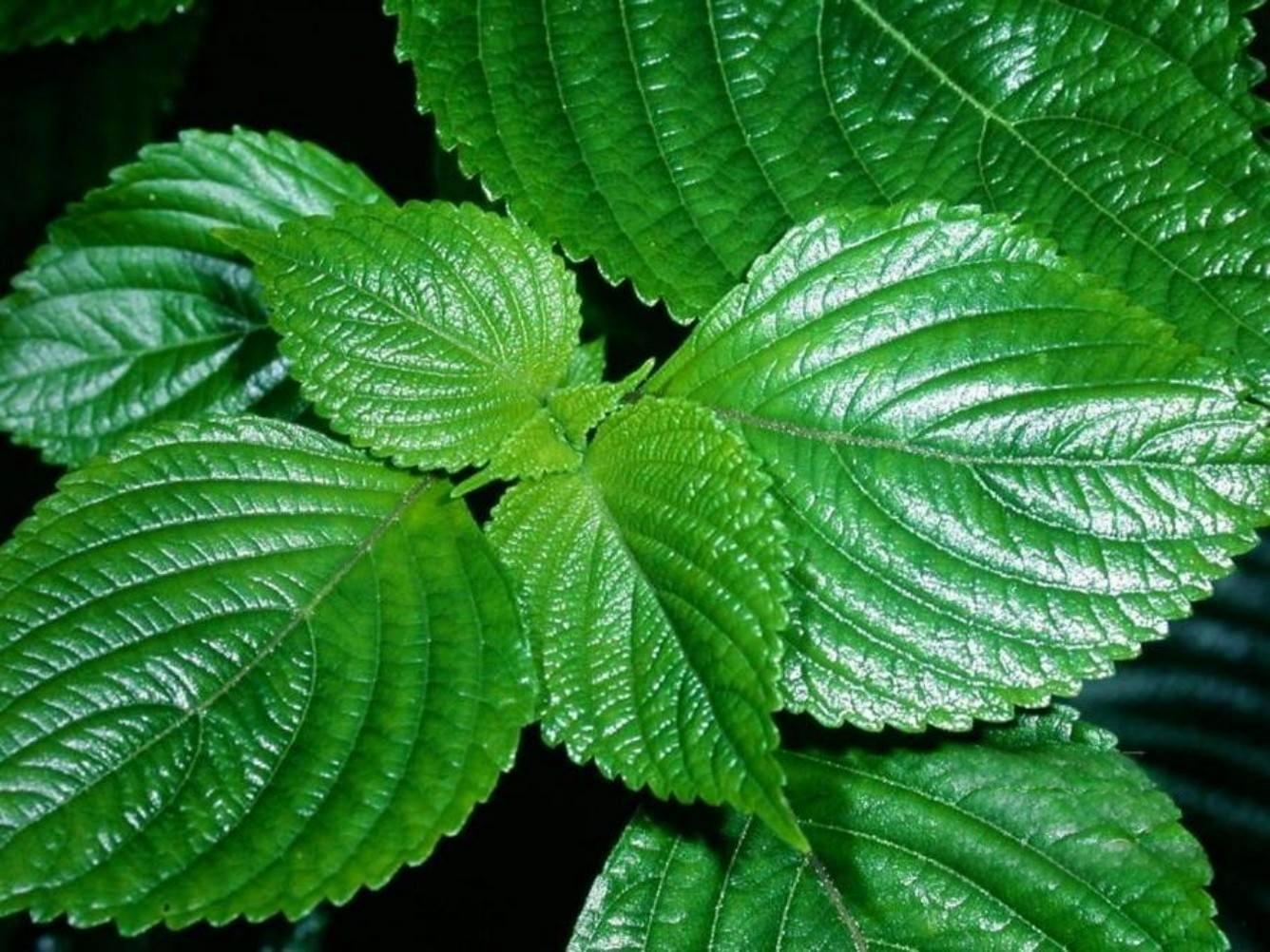
Advertisement