Solanum ptychanthum
-
 Poisonous and danger
 - Also known as:Eastern black nightshade
 Poisonous and danger
Nursing Skills
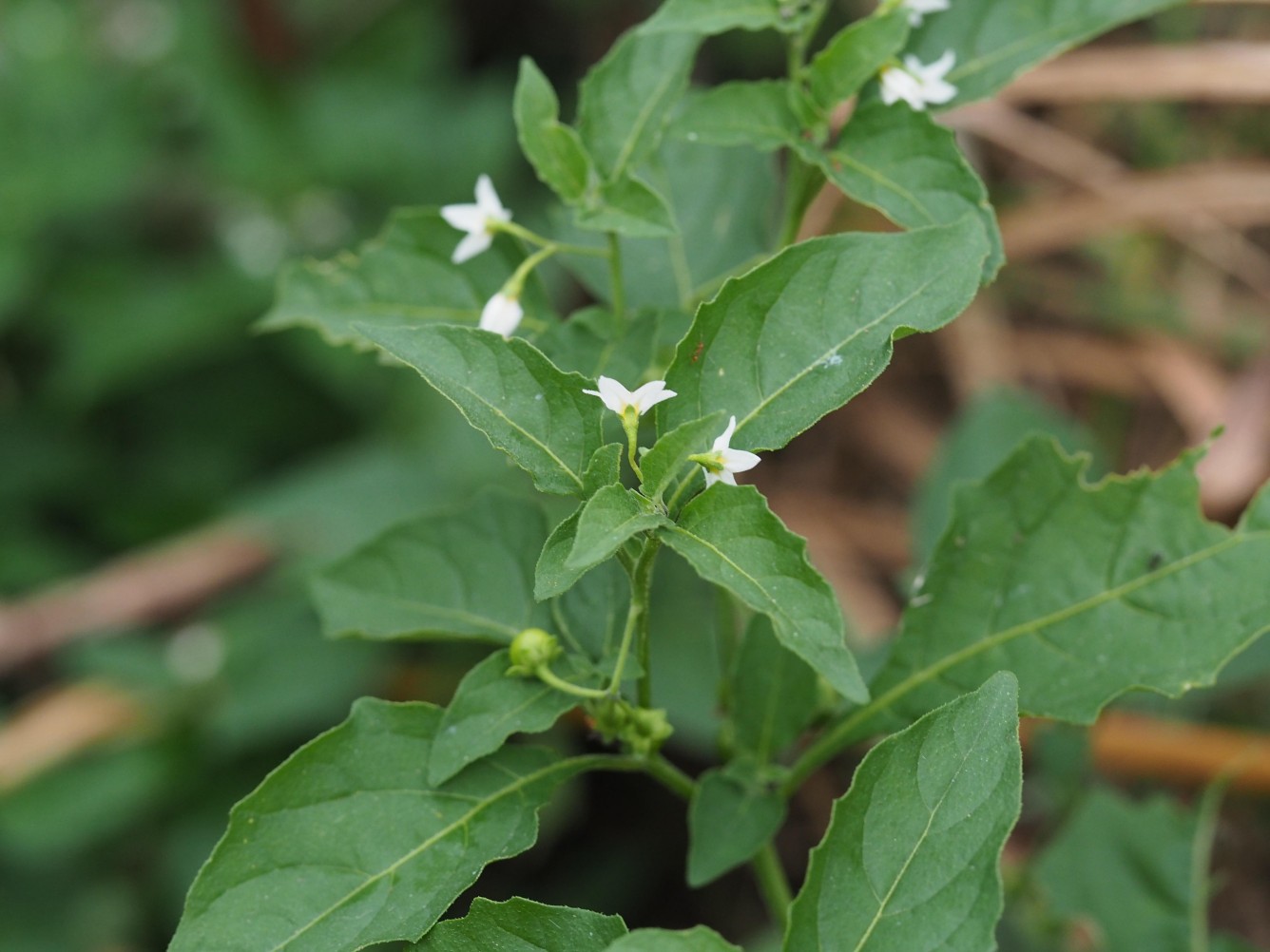
Solanum ptychanthum prefers full sun to partial shade and well-drained soil. Water moderately, allowing the topsoil to dry slightly between waterings. It adapts to poor soils but grows best in fertile ground. Remove weeds around young plants to reduce competition. Wear gloves when handling, as foliage may irritate skin and unripe berries are toxic.
Advertisement
Plant Properties
-
- Toxicity
- Toxic to humans
-
- Lifespan
- Annual
-
- Plant Type
- Herbaceous
-
- Flowering Time
- Spring, Summer
-
- Flower Color
- White
-
- Plant Height
- 30–100 cm
-
- Leaf Type
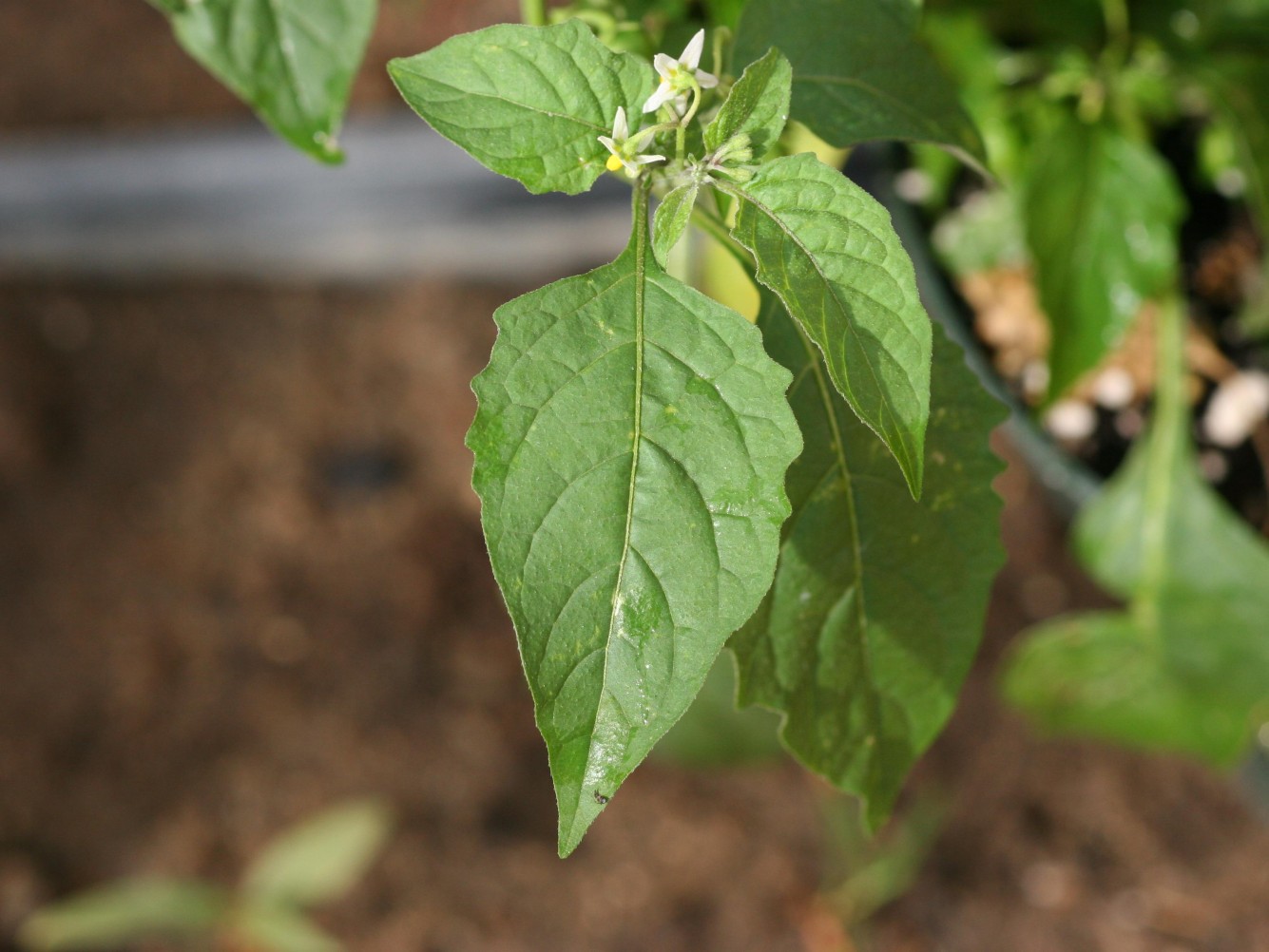
- Ovate, with slightly wavy edges
-
- Ideal Temperature
- 15–30℃
Plant Care Requirements
-
Difficulty
easy
-
Lifespan
one year
-
Water supply time
Per cycle
-
Sunlight requirement
full sunshine to half sun
-
Earth pH
5.5—7.0
-
Planting time
spring, summer
-
Cold resistance zone
4—10
Advertisement
Plant Care Guide
-
How often should I water it?
Water Solanum ptychanthum about once a week under normal conditions. Before watering, check that the top 2–3 cm of soil feels dry. Water thoroughly but avoid waterlogging, as overly wet soil can lead to root rot and poor growth. During hot, dry periods, you may increase frequency slightly. In rainy seasons, reduce watering to prevent soggy conditions and maintain lightly moist, well-drained soil.
-
What light conditions are best?
Full sunThis plant thrives in full sun and performs best with at least six hours of direct sunlight daily. Strong light encourages sturdy stems, better flowering, and fruit production. It can tolerate partial shade, but growth may become leggy and fruiting less abundant. For optimal health and balanced development, choose a bright, open planting site.
-
What type of soil does it prefer?
Well-drained soilSolanum ptychanthum adapts to various soils but grows best in loose, well-drained loam with moderate fertility. A soil pH between 5.5 and 7.0 is ideal. Before planting, mix in compost or organic matter to improve texture and nutrients. Avoid heavy clay soils that retain excess moisture, as poor drainage may damage roots.
-
Does it need fertilizer?
Moderate feedingApply a balanced, diluted fertilizer once a month during the active growing season. Moderate feeding supports healthy foliage and steady fruit development. Avoid excessive nitrogen, as it may promote leafy growth at the expense of flowering and fruiting. In nutrient-rich soil, fertilizing can be reduced to prevent overgrowth.
-
Should it be pruned?
Light pruningRegular pruning is not essential, but removing weak, crowded, or damaged stems improves air circulation and sunlight exposure. Light trimming after fruiting can help maintain a manageable shape and reduce self-seeding. Always wear gloves when handling the plant, as its sap and unripe berries contain toxic compounds.
-
How can pests and diseases be managed?
Pest monitoringCommon pests include aphids and whiteflies. Rinse plants with water or use mild insecticidal soap if infestations appear. Proper spacing and good airflow help prevent fungal diseases. Avoid overwatering, as excessive moisture encourages mold and root problems. Regular inspection ensures early detection and healthier growth overall.
Advertisement
Frequently Asked Questions
-
1 Are the black berries safe to eat?
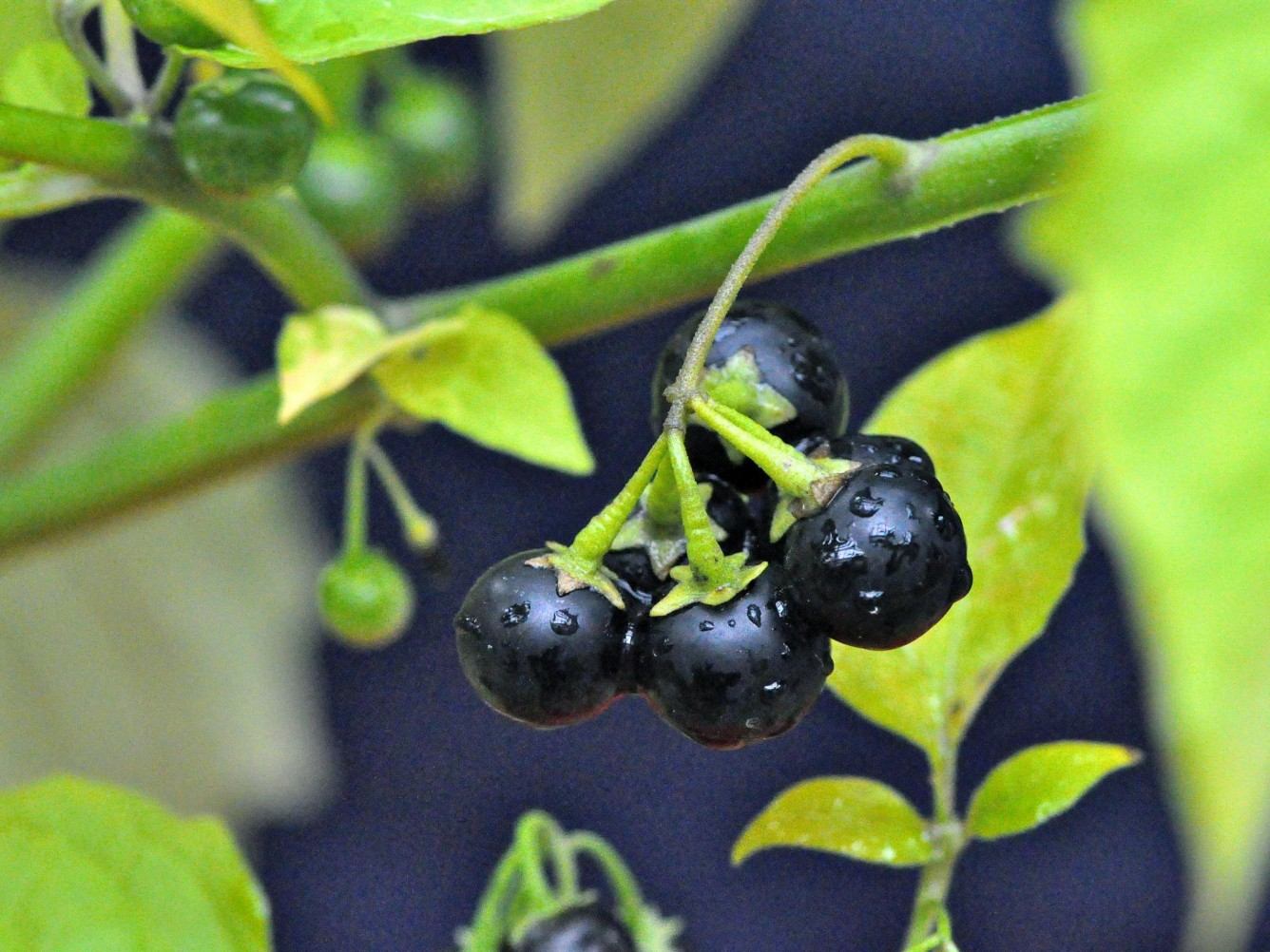
The ripe black berries are sometimes considered edible in small amounts, but caution is strongly advised. Unripe green berries and the foliage contain toxic alkaloids that may cause nausea, vomiting, or other symptoms if ingested. Because it closely resembles other toxic nightshade species, proper identification is essential. When in doubt, it is safest not to consume any part of the plant.
-
2 Why does it grow so easily in disturbed soil?
Solanum ptychanthum is highly adaptable and thrives in disturbed areas such as gardens, roadsides, and vacant lots. It produces many seeds that germinate quickly in warm soil. Its fast growth cycle allows it to complete reproduction before harsh conditions arrive. This survival strategy makes it successful in
-
3 Is it a weed or a beneficial plant?
The answer depends on perspective. In cultivated gardens, it is often labeled a weed because it self-seeds readily and competes with crops. However, it can also support pollinators with its small white flowers and provide food for certain wildlife. Its ecological role shows that even “weeds” can contribute value within natural ecosystems.
-
4 Why do the leaves sometimes look droopy during the day?
Leaves may appear wilted during hot afternoons due to temporary water stress, especially in strong sunlight. This does not always mean the plant needs immediate watering. If the soil is still moist, the plant will usually recover by evening as temperatures drop. Persistent wilting, however, may indicate underwatering, root damage, or poor drainage conditions.
Advertisement
Introduction
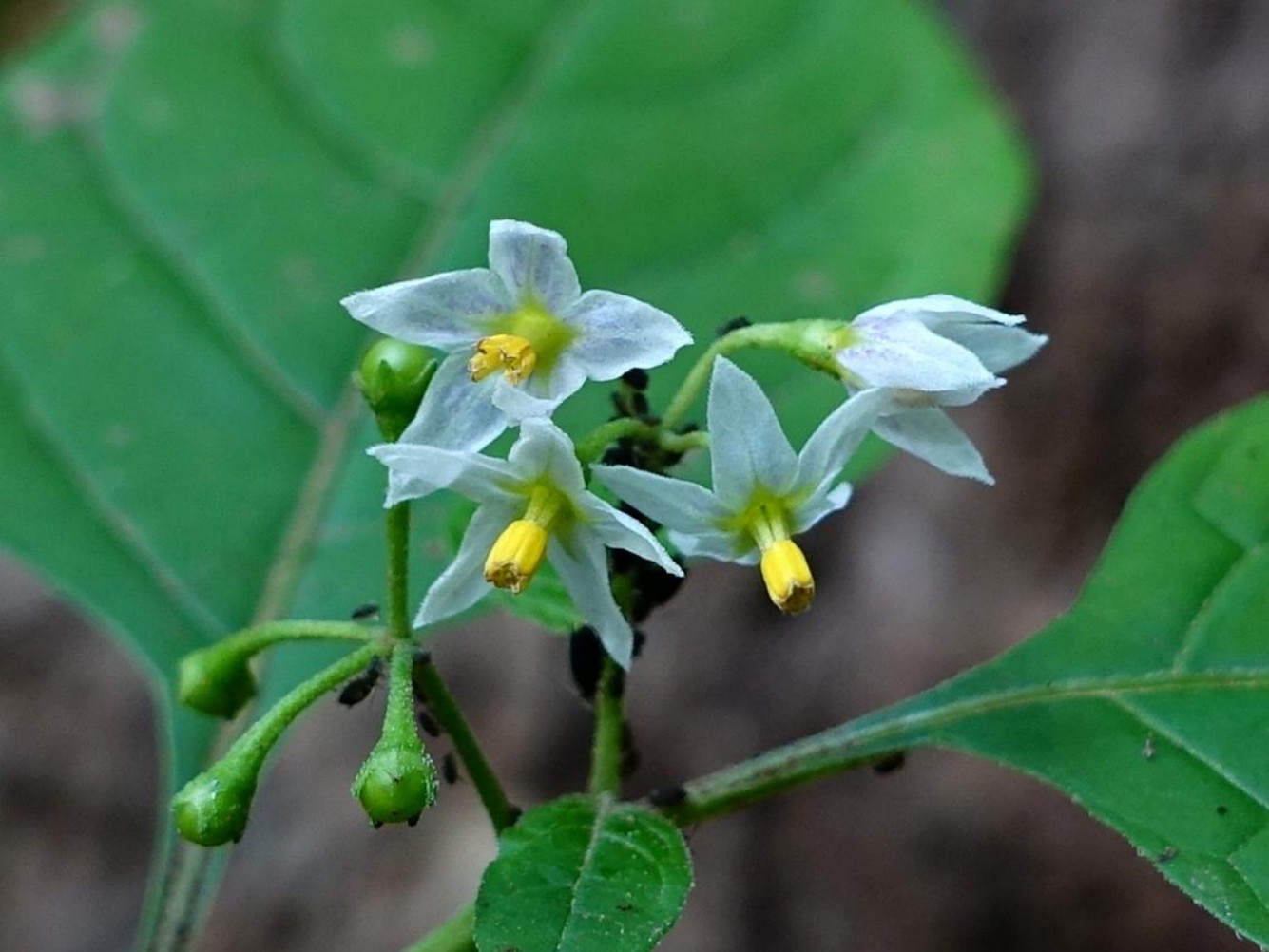
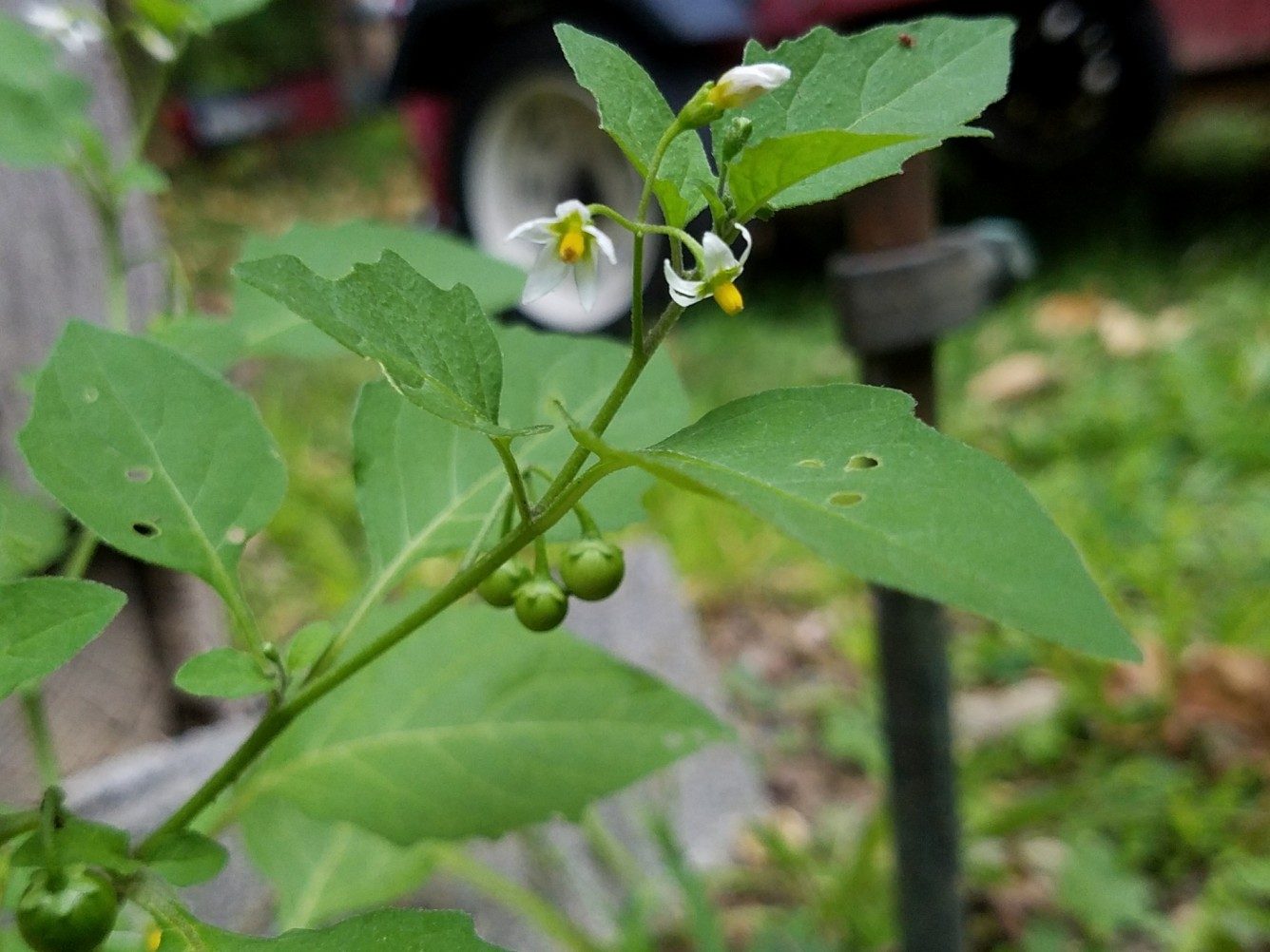
Solanum ptychanthum is an annual herb in the nightshade family (Solanaceae). Native to North America, it commonly grows in gardens, roadsides, and other disturbed soils. The plant has ovate green leaves, small white star-shaped flowers with yellow centers, and shiny black berries when mature. It can reach up to 1 meter in height and prefers full sun to partial shade. Although ripe berries are sometimes regarded as edible, the unripe fruits and foliage contain toxic alkaloids and should not be consumed.
Popular Plant Encyclopedia
-
-
Poisonous and danger
- Rhus typhina
-
-
-
Edible and medicinal
- Common sunflower
-
-
-
Poisonous and danger
- Plumeria rubra
-
-
-
Wild and common weed
- Convolvulus arvensis
-
-
-
Edible and medicinal
- Perilla frutescens
-
-
-
Edible and medicinal
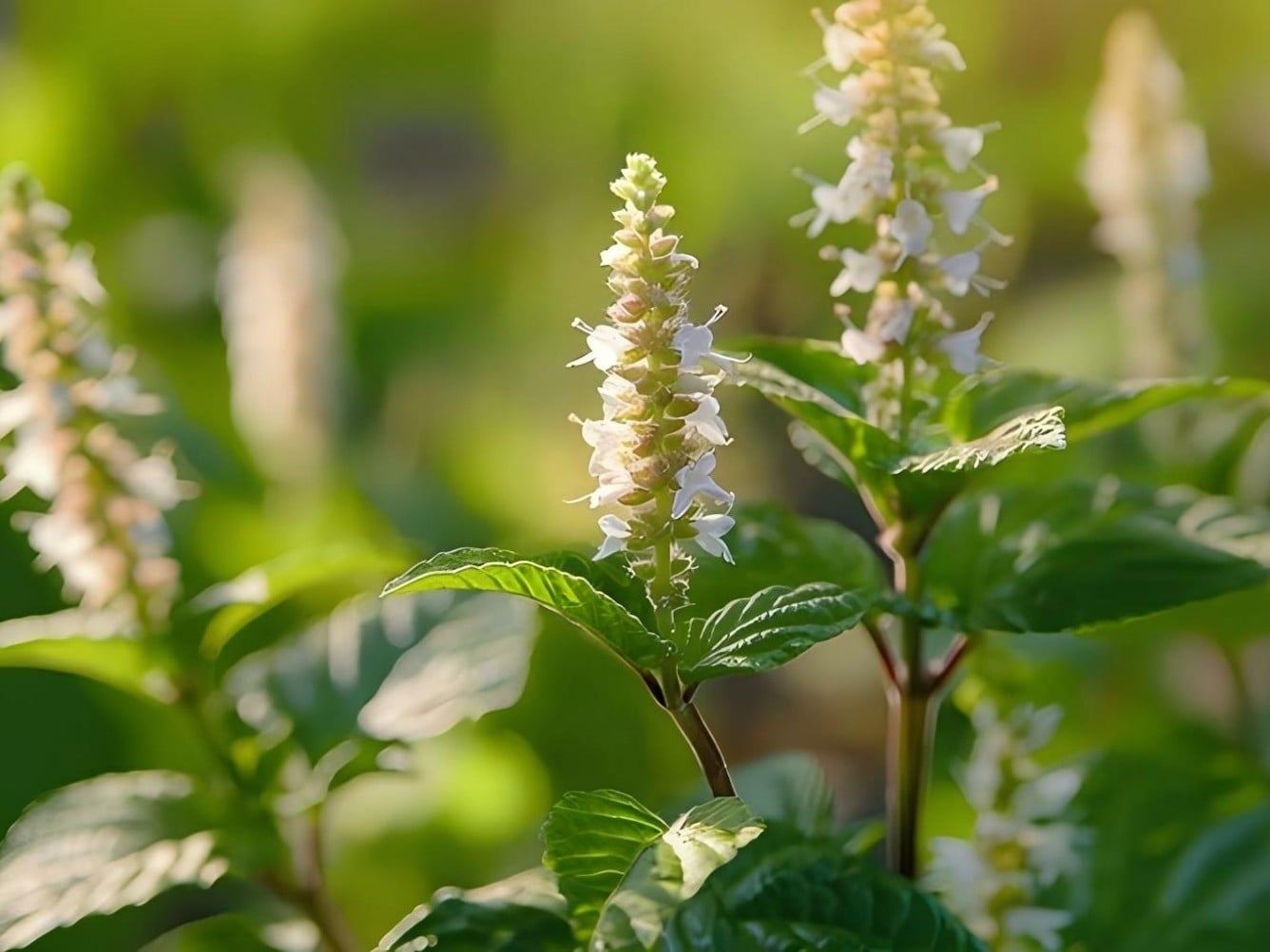
- Pogostemon cablin
-
-
-
Edible and medicinal
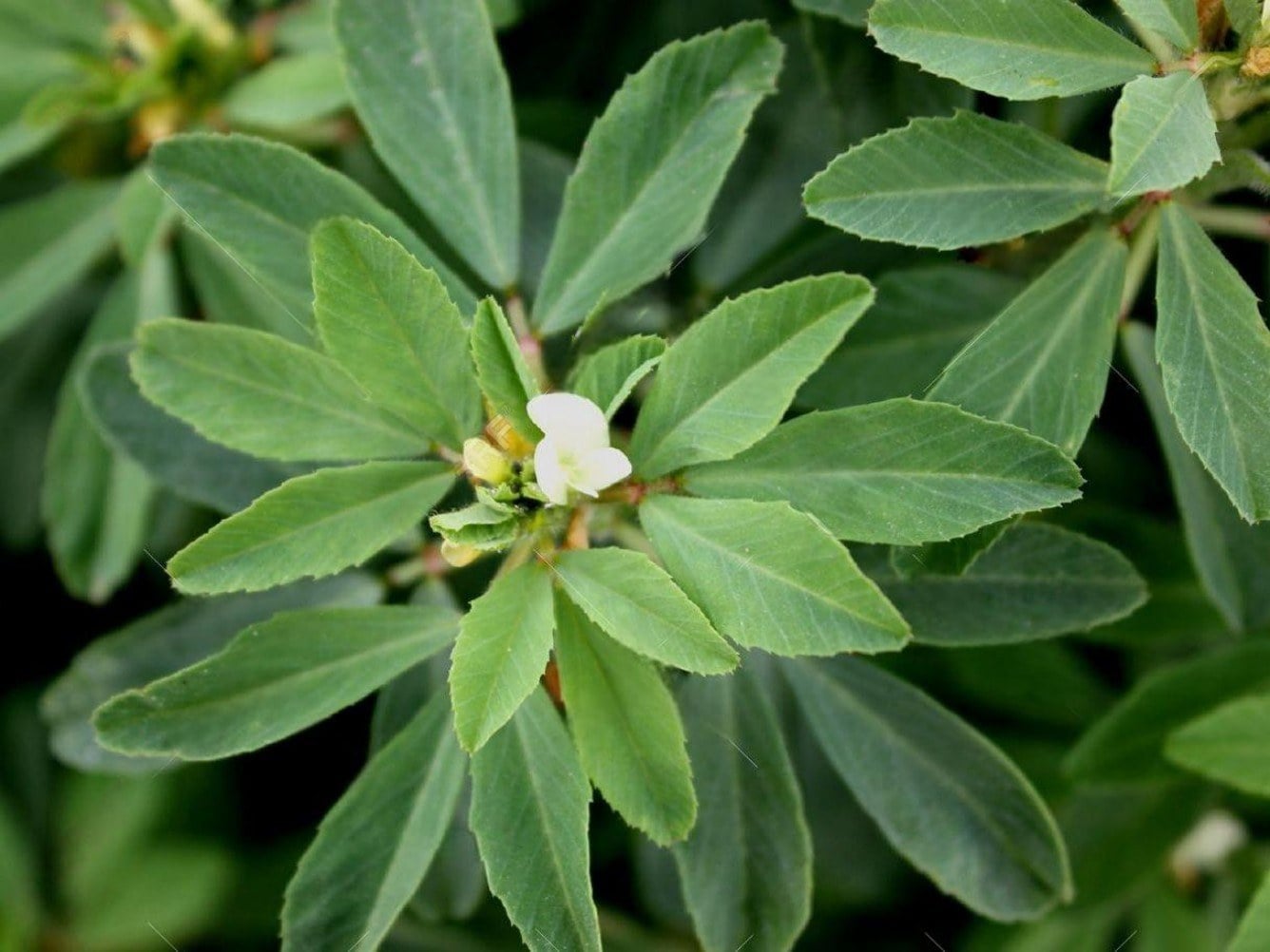
- Common fenugreek
-
-
-
Edible and medicinal
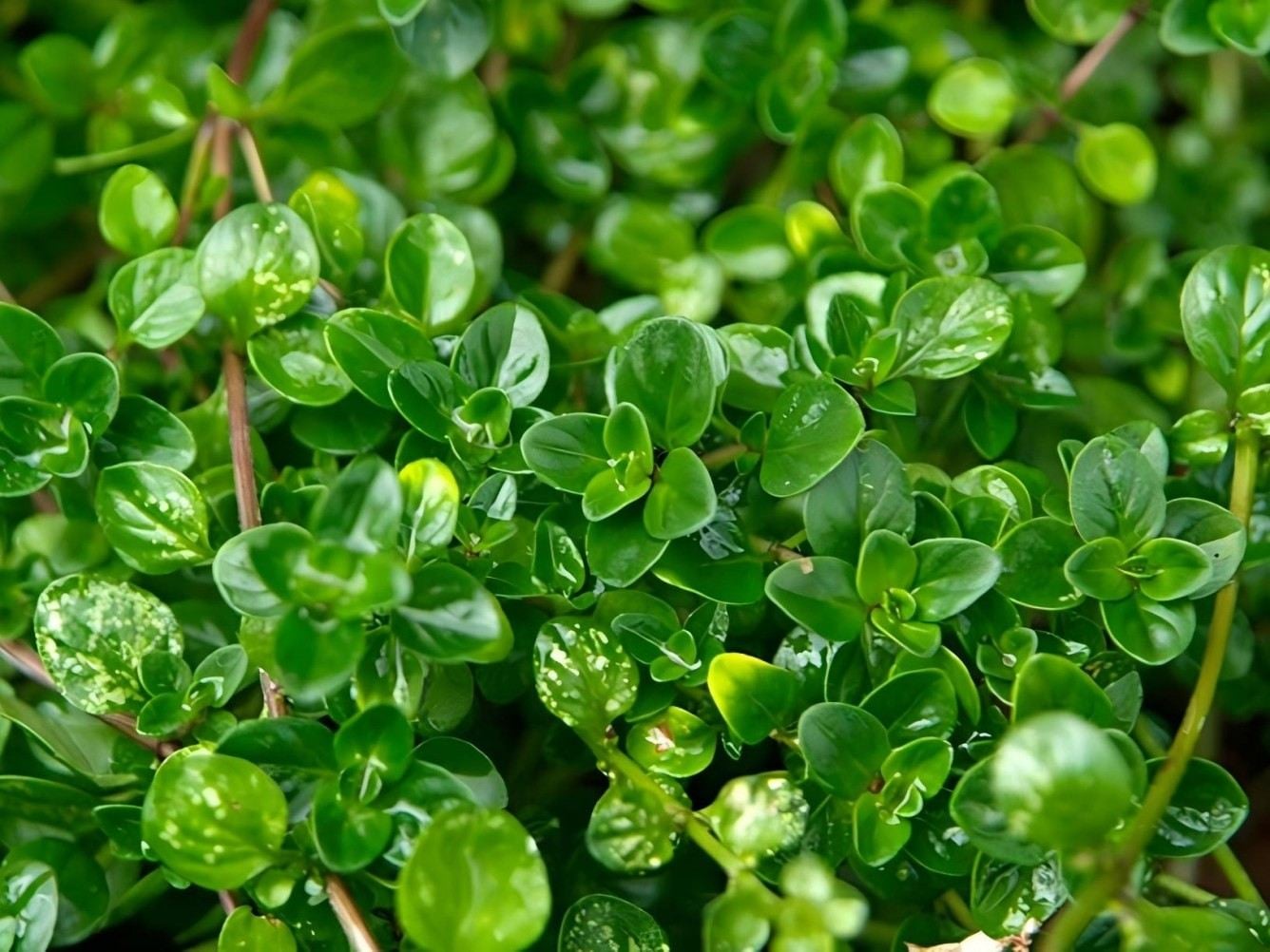
- Garden Thyme
-

 Edible and medicinal
 Wild and common weed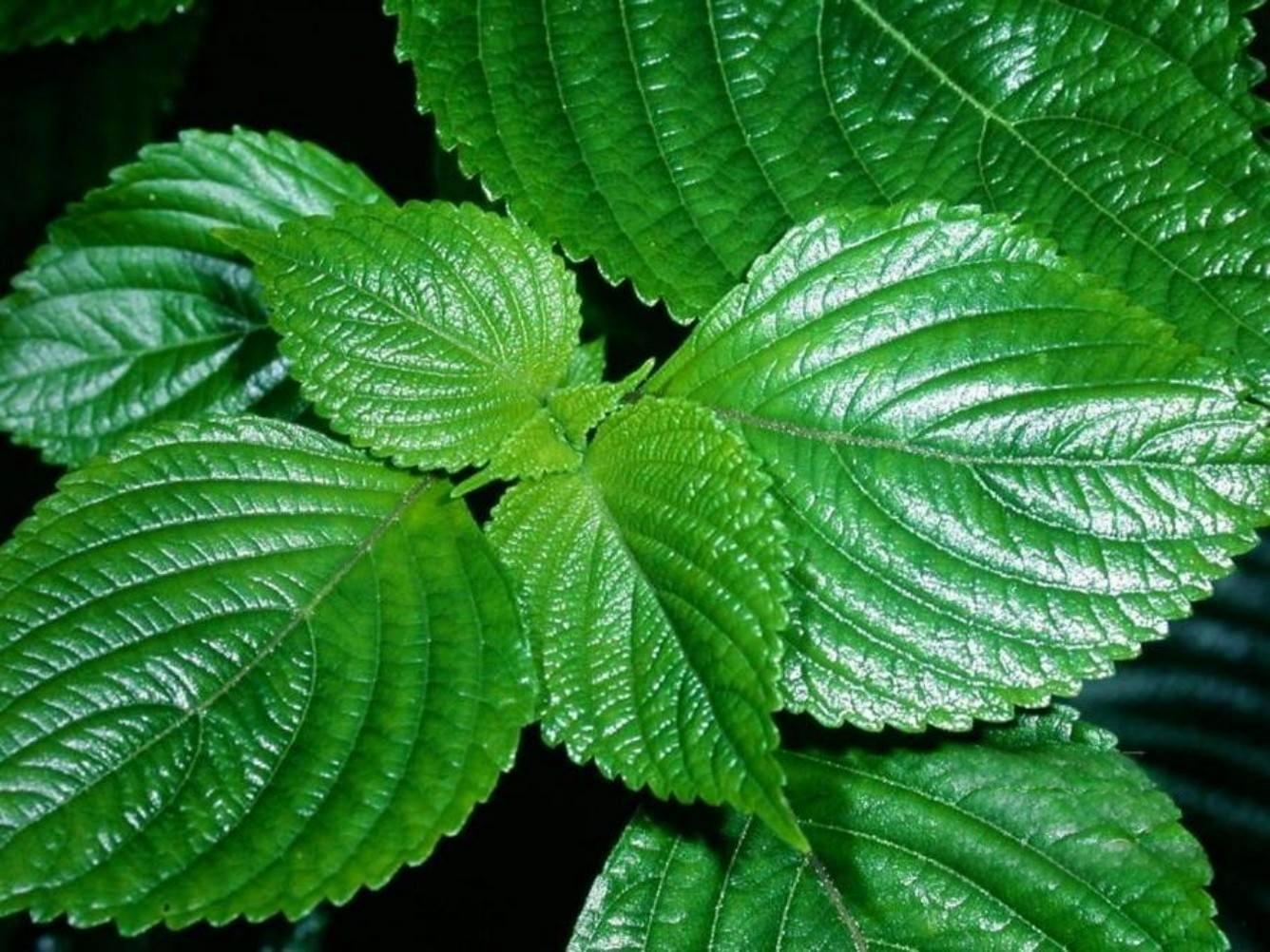
Advertisement