Spathiphyllum spp
-
 Domestic and indoor
 Domestic and indoor
Nursing Skills
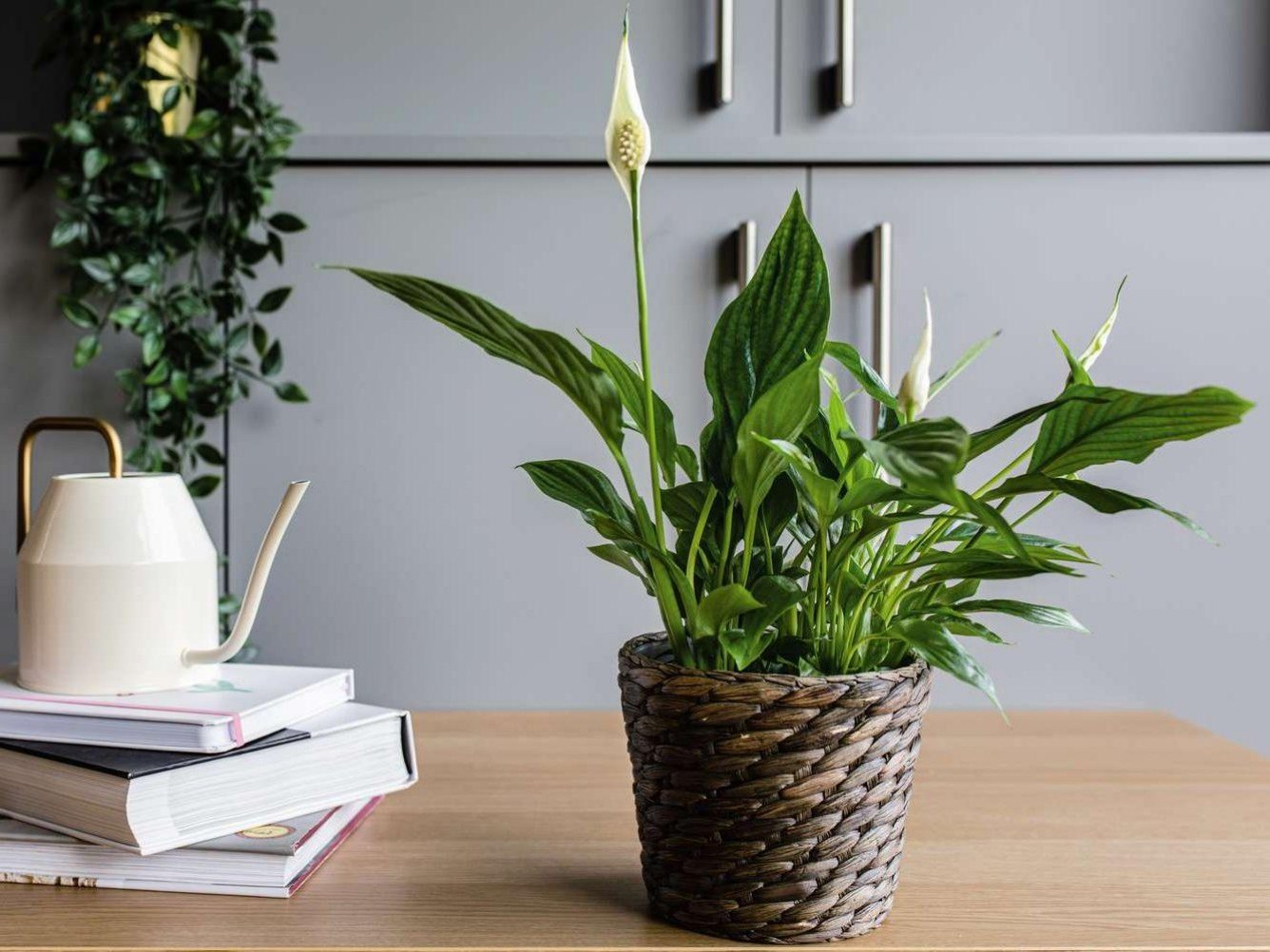
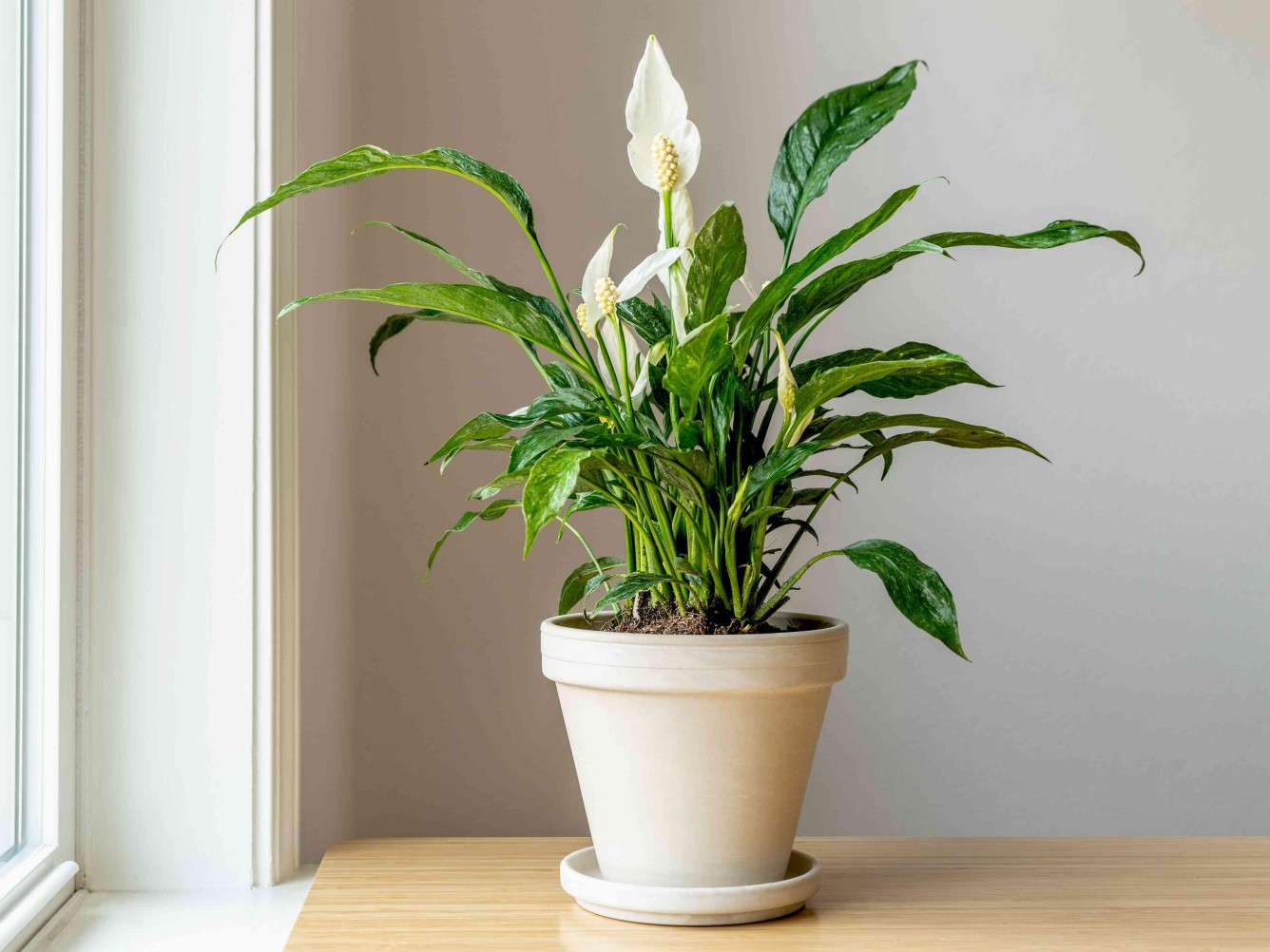
Spathiphyllum spp prefers semi-shade and moist environments, sui for indoor care in diffused or low light. Keeping the soil slightly moist and avoiding waterlogging is the key to healthy growth. A monthly application of diluted liquid fertilizer will help promote new leaf growth and flowering.Spathiphyllum spp is sensitive to air humidity and should be sprayed with water to increase humidity when dry.
Advertisement
Plant Properties
-
- Growth Cycle
- Perennial
-
- Plant Type
- Leafy and flowering herbaceous plant
-
- Toxicity
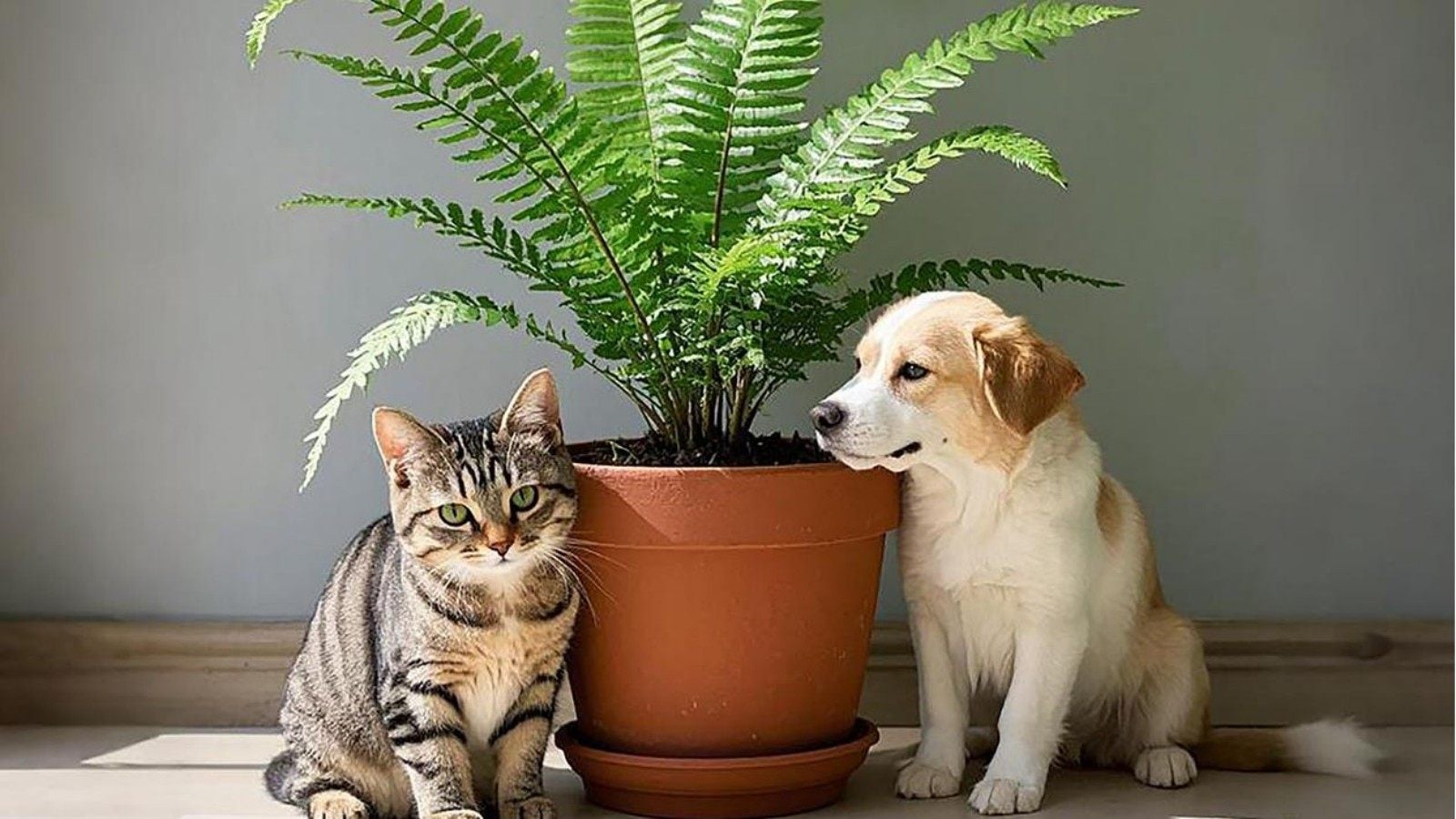
- Whole plant is slightly toxic
-
- Flowering period
- Mainly spring and summer
-
- Plant height
- About 30-60 cm
-
- Crown diameter
- About 40-80 cm
-
- Leaf color
- Dark green
-
- Flower color
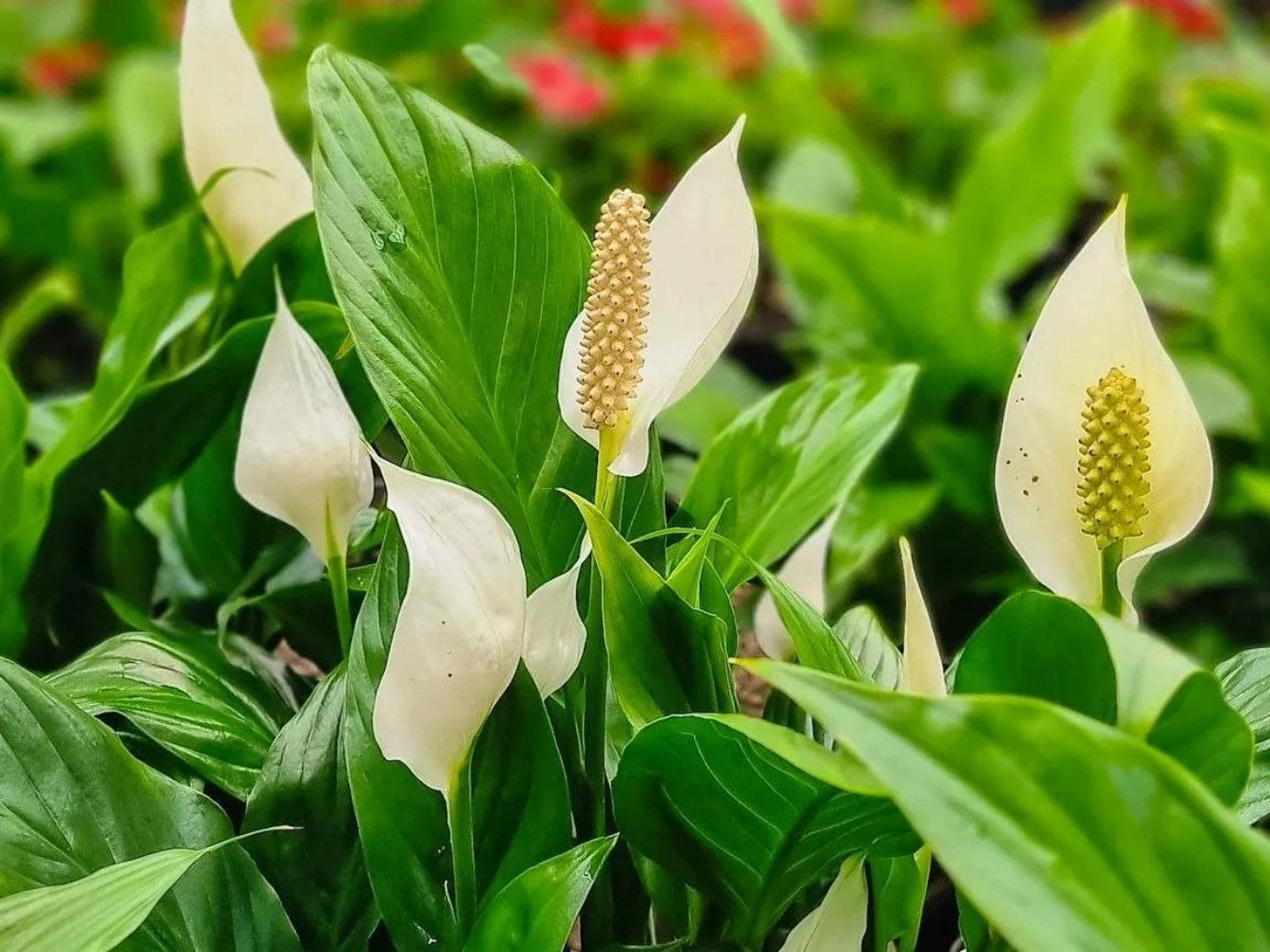
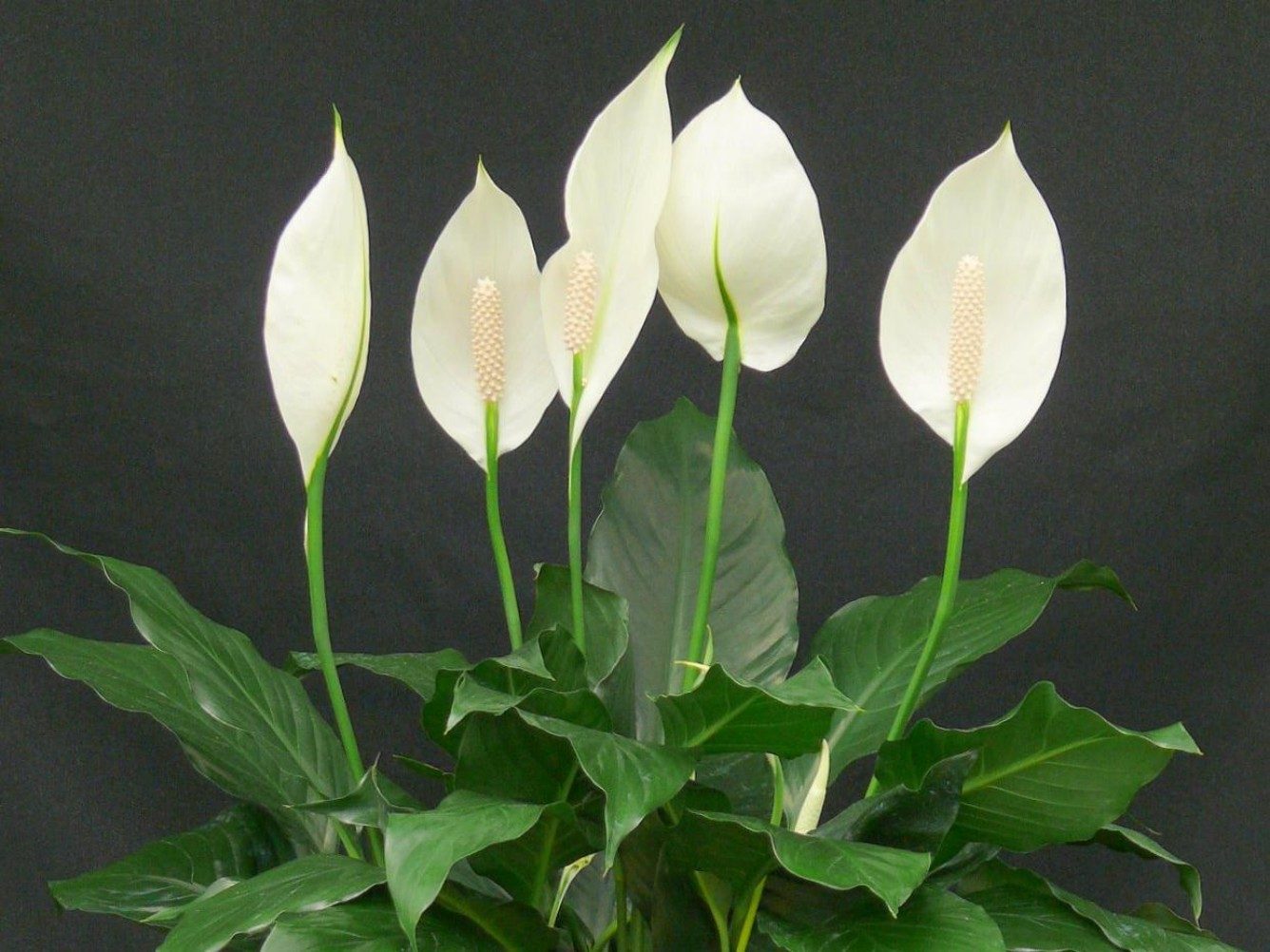
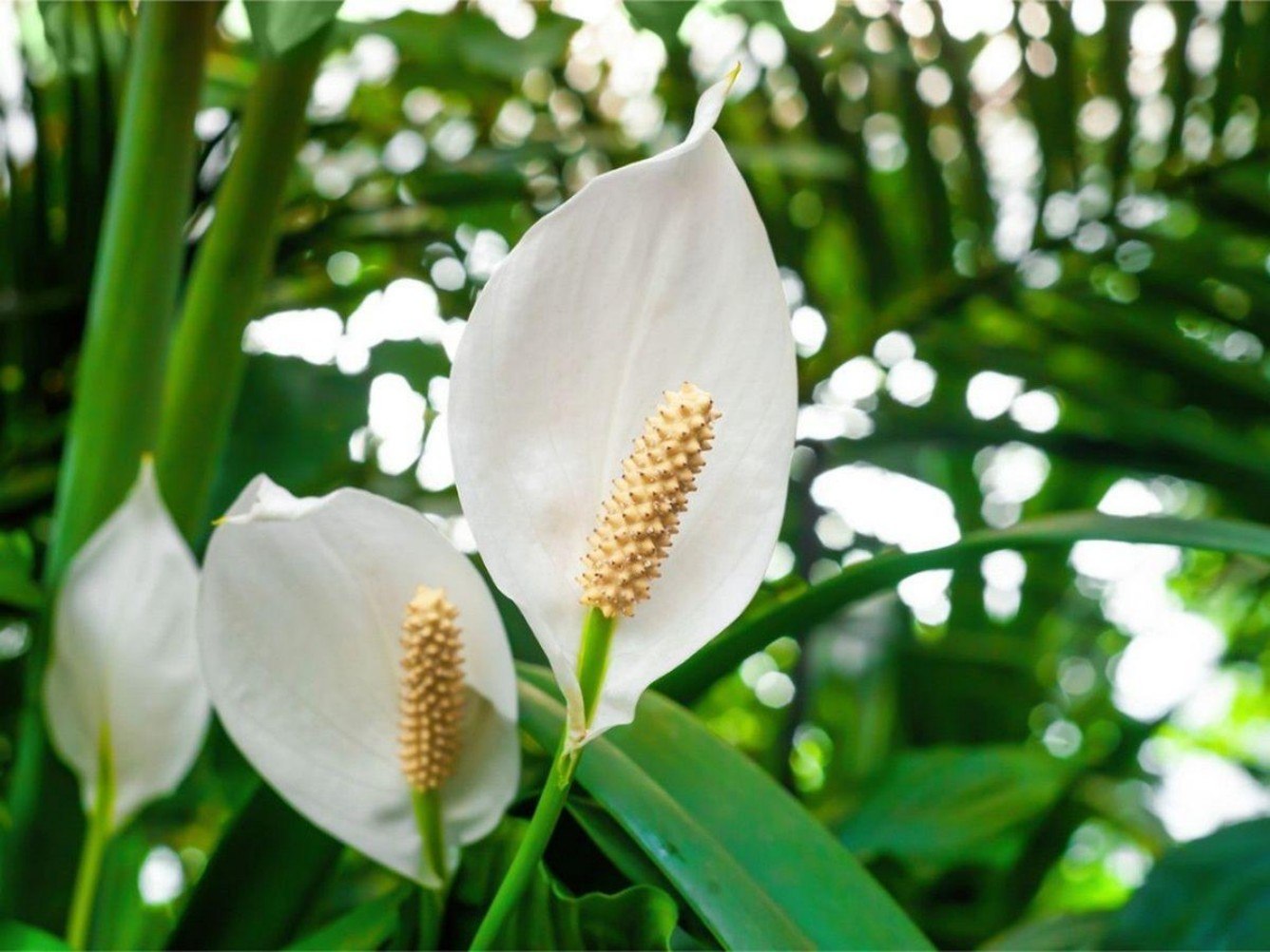
- White spathe, inflorescence yellowish or yellowish green
Plant Care Requirements
-
Light
Prefer semi-shade, avoid direct sunlight
-
Soil Moisture
Keep slightly moist, no waterlogging
-
Soil PH
Slightly acidic to neutral (pH 6.0-7.0)
-
Watering frequency
2 times a week in spring and summer, 1 time a week in fall and winter
-
Fertilizer frequency
Diluted liquid fertilizer once a month during the growing period
-
Temperature
20-28°C
-
Planting time
March-May
-
Lifespan
Perennial
Advertisement
Plant Care Guide
-
How do I know if I need to water my Spathiphyllum spp?
Slightly wet in spring and summerSpathiphyllum spp is sensitive to soil moisture. Generally, you can water when the soil surface is about 2 centimeters dry. Slightly drooping or softening of the leaves is also a sign of water shortage. Avoid frequent watering to avoid waterlogging and rotting of the root system. It should be kept slightly moist in spring and summer, and can be slightly dry in fall and winter. Soft water or tap water that has stood overnight is recommended to minimize root irritation from mineral residue.
-
How do I fertilize my Spathiphyllum spp to promote flowering?
Once a monthSpathiphyllum spp is more likely to flower in a light and warm environment. Apply a diluted phosphorus and potassium fertilizer once a month during the spring and summer months when it is actively growing to encourage flower bud formation. Avoid direct contact with the roots when applying fertilizer. It is recommended to apply the fertilizer to the edge of the pot and dilute it with water immediately. If the plant enters a slow growth period in the fall and winter, you can pause the fertilization or reduce the concentration and frequency of fertilization.
-
How do I prune my Spathiphyllum spp to keep it looking neat?
Regular pruningTo avoid wasting nutrients, ageing or yellowing leaves should be pruned regularly. Use clean, sharp scissors to cut the leaves from the base of the petiole to avoid creating wounds that can lead to disease. At the end of the flowering season, the stems should be cut back along with the spathe, which helps to stimulate new leaf growth and keep the plant looking beautiful. After pruning, the plant should be replenished with water and nutrients for recovery.
-
How to propagate Spathiphyllum spp?
Propagation by divisionSpathiphyllum spp is usually propagated by division. Remove the plants from their pots in the spring and gently separate the clumps of plants with clear root systems by hand, retaining 3-5 sturdy leaves per clump. After transplanting to a new pot, water thoroughly and place them in a ventilated area in semi-shade to slow down seedling growth. Normal care can be resumed in one to two weeks. Dividing is easy to do and is a common method of home propagation.
-
How can I tell if I need to change the pot?
Every 2 yearsStagnant soil, poor drainage, or slow growth with roots coming out of the drainage holes are usually signs that the plant needs to be repotted. It is recommended to change the pot every 2 years, preferably in spring. When changing pots, you should prune some of the old and rotting roots and replace them with new soil that is loose and airy, which will help promote growth and prevent pests and diseases.
-
How do I keep my Spathiphyllum spp leaves shiny?
Every 2 weeksAs the leaves are wide and prone to dust accumulation, it is recommended to gently wipe the foliage with a damp cloth every two weeks, or spray the leaves with water in a fine mist. Keeping the air moist can also make the foliage more glossy. In addition, appropriate application of liquid fertilizer containing magnesium can also help to enhance leaf color and luster. Avoid the use of “foliar gloss” with chemical additives that may damage the epidermis.
Advertisement
Frequently Asked Questions
-
1 What causes leaf tips to turn yellow?
Yellowing or drying of leaf tips is usually associated with dry air, hard water or improper fertilization. This can be improved by increasing air humidity, watering with soft water (such as rainwater or standing tap water), and controlling the concentration of fertilizers (especially those containing fluoride or sodium). Also avoid direct sunlight to burn the leaf tips. After cleaning the leaves and adjusting the humidity of the environment, the plant can usually recover.
-
2 What should I do if my plant does not bloom?
The lack of blooms may be due to insufficient light, lack of nutrients, or old potting soil. We recommend placing it in a location with bright diffused light and supplementing with phosphorus and potassium fertilizers during the spring and summer growing seasons. If the pot has not been changed for a long time, the crowded root system will also affect the flowering, you should consider changing the pot and pruning the root system. Adequate light and reasonable fertilization are the keys to promoting flowering.
-
3 What should I do if I have root rot?
Yes, Spathiphyllum spp is not only an excellent ornamental plant, but also has the ability to purify the air by absorbing harmful gases such as benzene and formaldehyde, which makes it ideal for placement in the bedroom environment. However, it is important to note that Spathiphyllum spp is slightly toxic, so avoid accidental ingestion by children or pets. At the same time, maintain ventilation and moderate humidity is conducive to the health of the plant, will not affect sleep.
-
4 Can I have Spathiphyllum spp in my bedroom?
Yes. White cranesbill is not only highly ornamental, but also has the function of air purification, can absorb benzene, formaldehyde and other harmful gases, suitable for bedroom environment. However, we need to pay attention to its micro-toxicity, to avoid children or pets accidentally eat. At the same time, maintaining ventilation and moderate humidity will help the plant to be healthy and will not affect your sleep.
-
5 What should I do if I have spots on my leaves?
If there are yellowish brown spots or blotches on the leaves, it may be caused by diseases (e.g. Leaf Spot Disease) or burns from strong light. You should cut off the diseased leaves immediately to avoid the spread of the disease and spray them with a broad-spectrum fungicide such as carbendazim. At the same time, move the plant to a well-ventilated place without strong direct light to maintain. Controlling humidity and avoiding water on the leaves can prevent the disease from reoccurring.
-
6 What causes Spathiphyllum spp leaves to droop?
Sagging leaves can be a sign of improper watering or root problems. If the soil is too dry, the plant loses its turgor due to lack of water; conversely, waterlogging that causes rotting of the roots can also lead to weak leaves. Soil moisture should be checked and watering frequency adjusted if necessary. In addition, insufficient light, sudden changes in temperature, or damage to the root system after changing pots may also cause short-term drooping. It usually returns to normal after improving the environment.
Advertisement
Introduction
Spathiphyllum spp is a perennial evergreen herb native to tropical America. Its leaves are broad and green, and the inflorescence is white and erect, a white crane spreading its wings, hence its name. White crane taro has strong ornamental and air purification ability, can effectively absorb formaldehyde, benzene and other harmful substances. Widely used in indoor decoration and office greening, is both practical and aesthetic foliage plants.
Popular Plant Encyclopedia
-
-
Poisonous and danger
- Rhus typhina
-
-
-
Edible and medicinal
- Common sunflower
-
-
-
Poisonous and danger
- Plumeria rubra
-
-
-
Wild and common weed
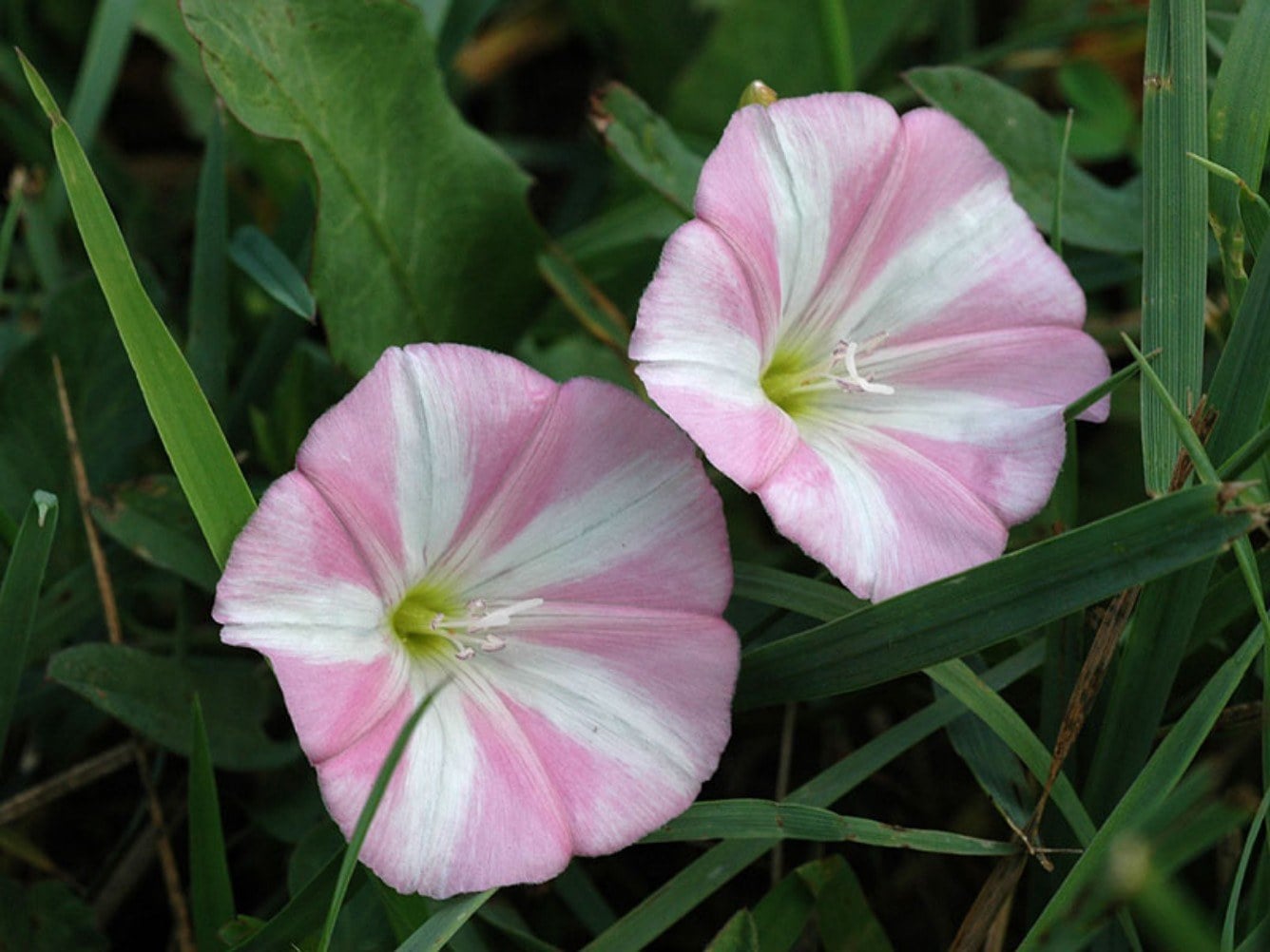
- Convolvulus arvensis
-
-
-
Edible and medicinal
- Perilla frutescens
-
-
-
Edible and medicinal
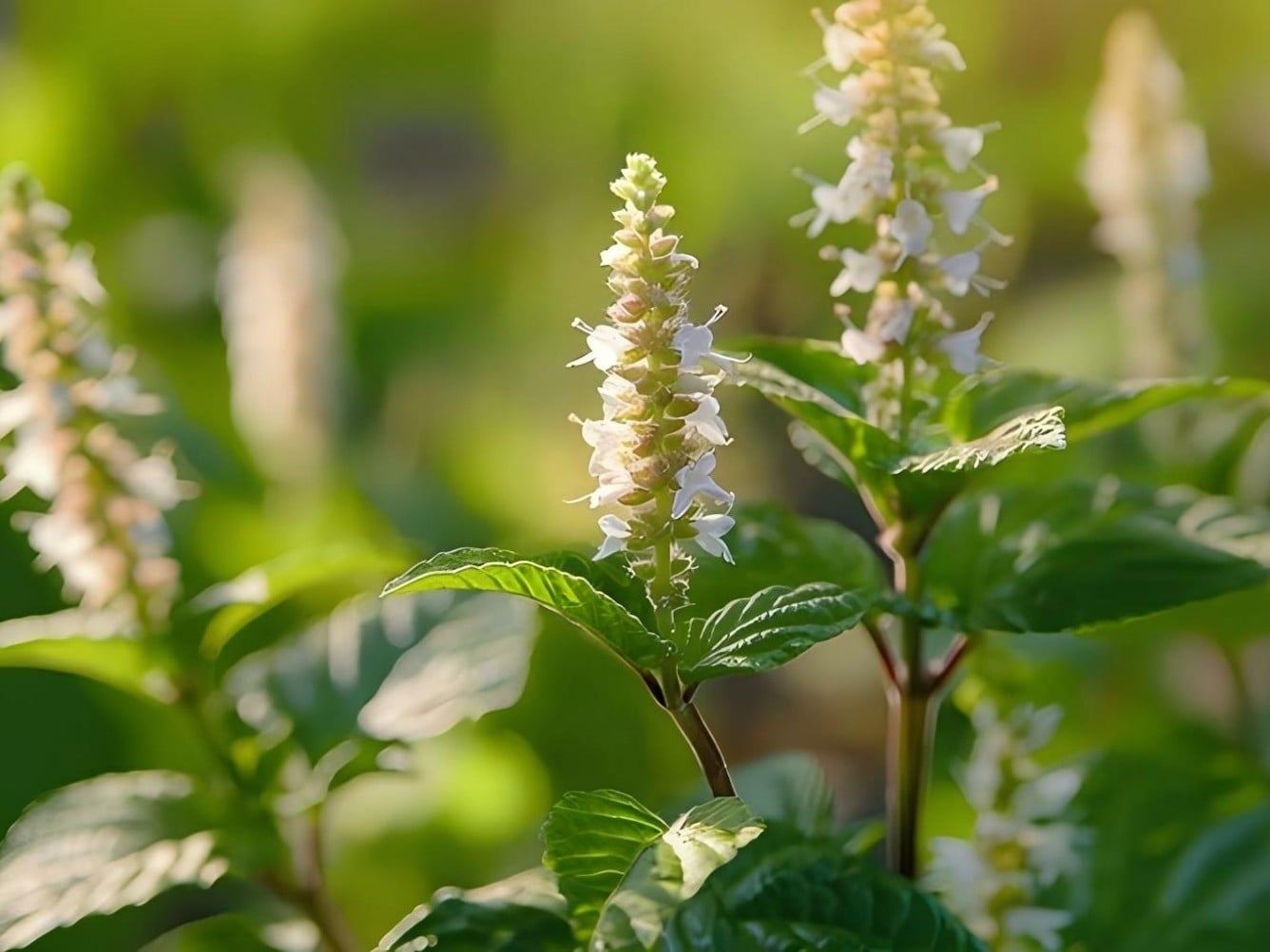
- Pogostemon cablin
-
-
-
Edible and medicinal
- Common fenugreek
-
-
-
Edible and medicinal
- Garden Thyme
-
 Poisonous and danger
 Edible and medicinal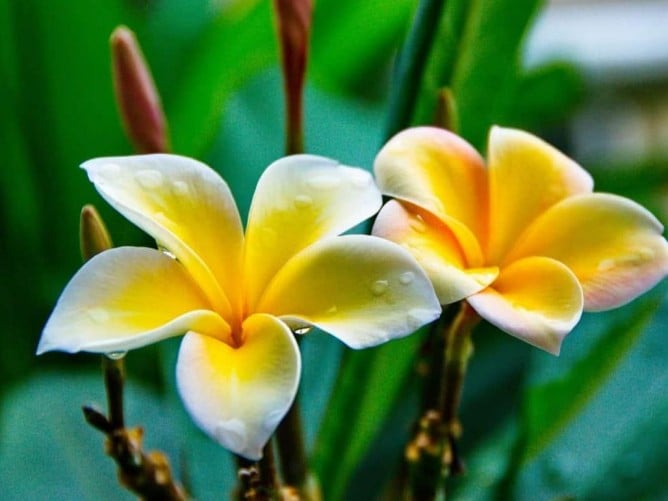
 Wild and common weed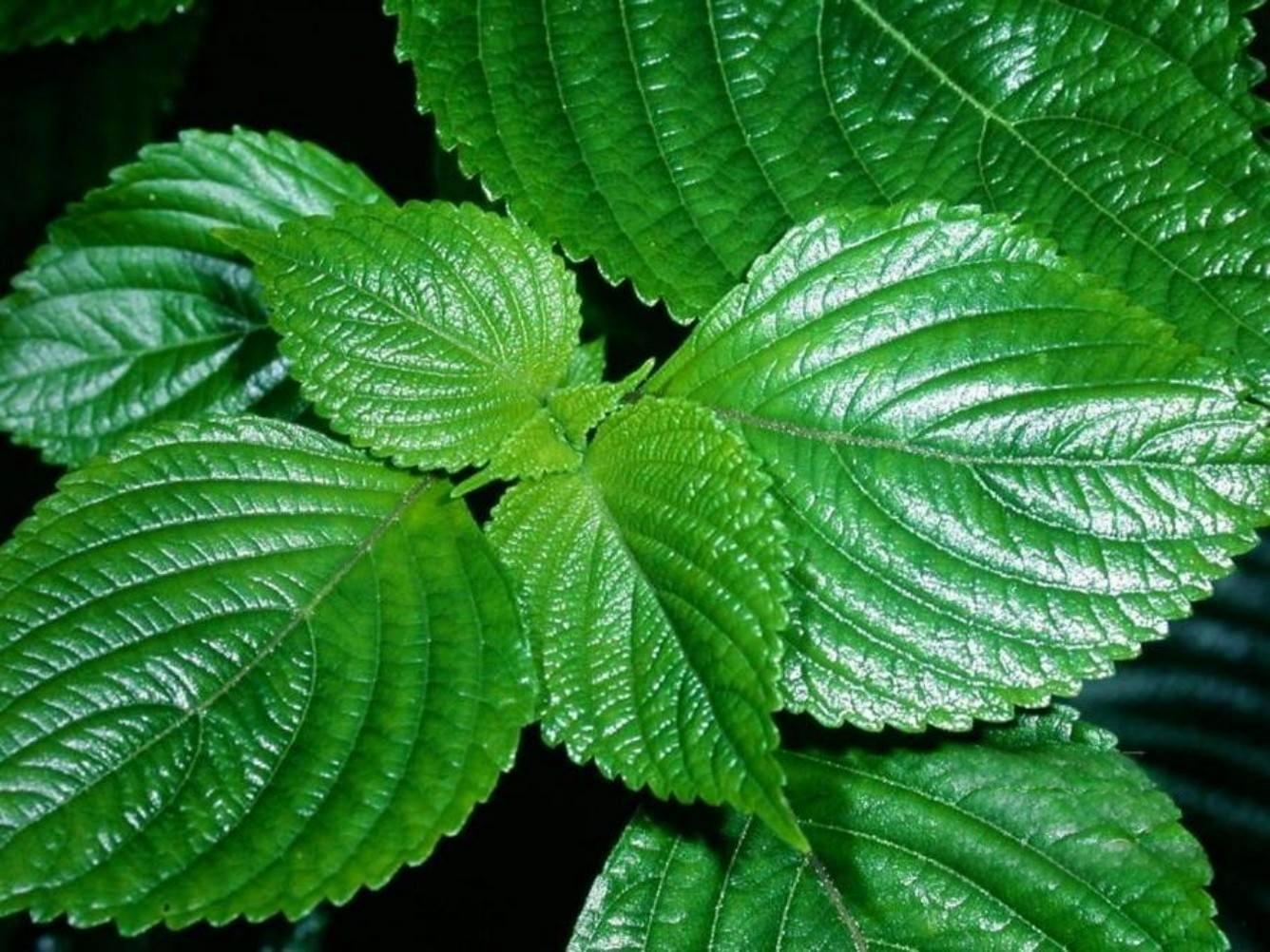
Advertisement