Tulip
-
 Ornamental and lands
 - Also known as:Lotus flower, grass musk, golden incense
 Ornamental and lands

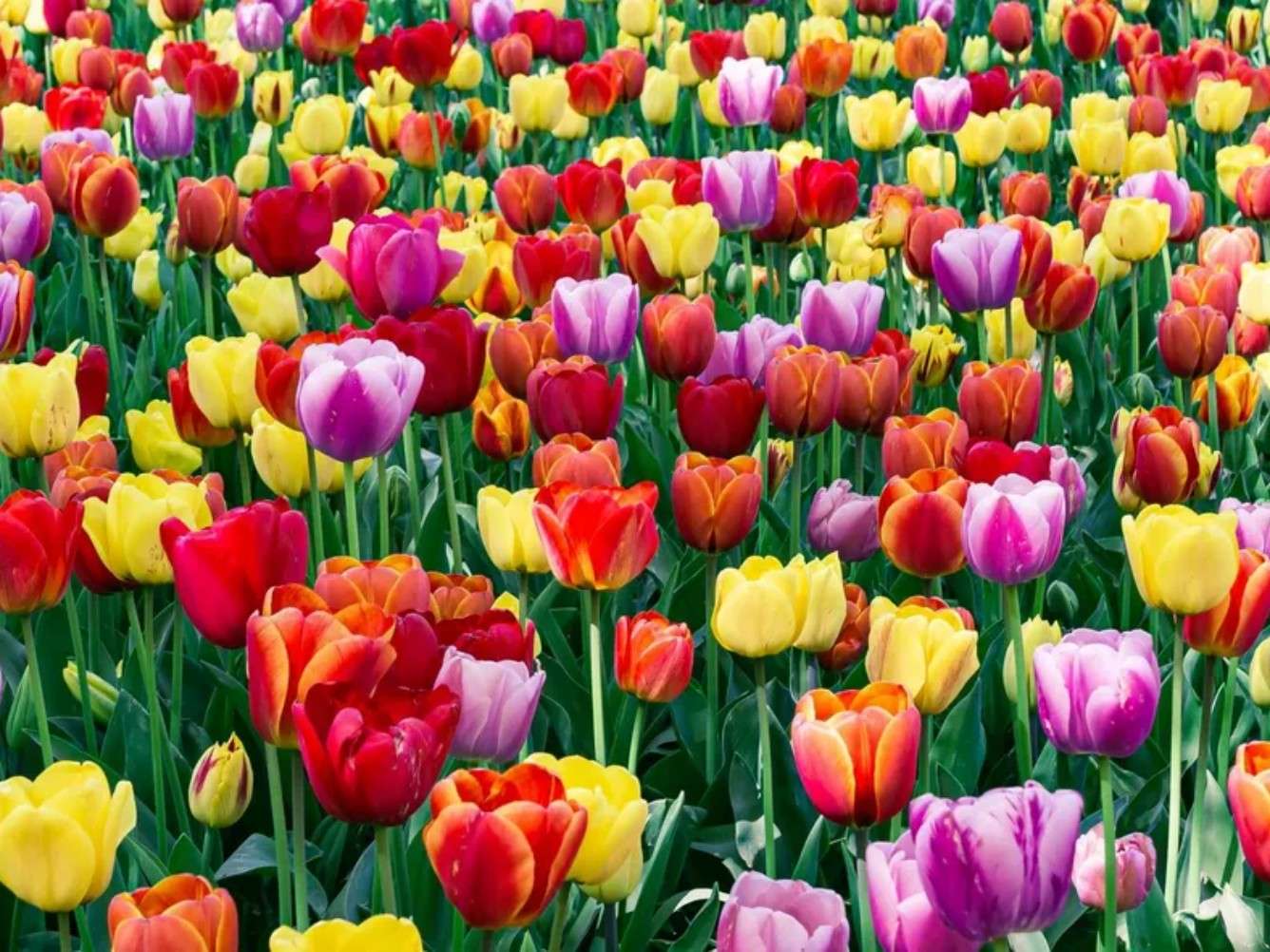
Nursing Skills
Tulip prefer a cool, sunny environment, are cold-resistant, and avoid high temperature and humidity. Choose well-drained sandy soil when planting. Keep the soil slightly moist during the growing period, cut off the remaining flowers after flowering, but keep the leaves for nutrient return. Water control is required during the dormant period, and the bulbs are dug out and stored in a cool and dry place after the above-ground part turns yellow.
Advertisement
Plant Properties
-
- Plant Type
- Herbaceous
-
- Toxicity
- Toxic to pets
-
- Plant height
- 20-60 centimeters
-
- Flower shape
- Petals cup-shaped
-
- Flowering season
- Early spring to early summer
-
- Flower color
- Red, yellow, pink, purple, white, etc
-
- Flowering time
- Single flower lasts about a week
Plant Care Requirements
-
Sunlight requirements
6 hours of direct sunlight
-
Growing period
1-3 months after planting
-
Variety types
thousands of cultivars and hybrids available
-
Planting time
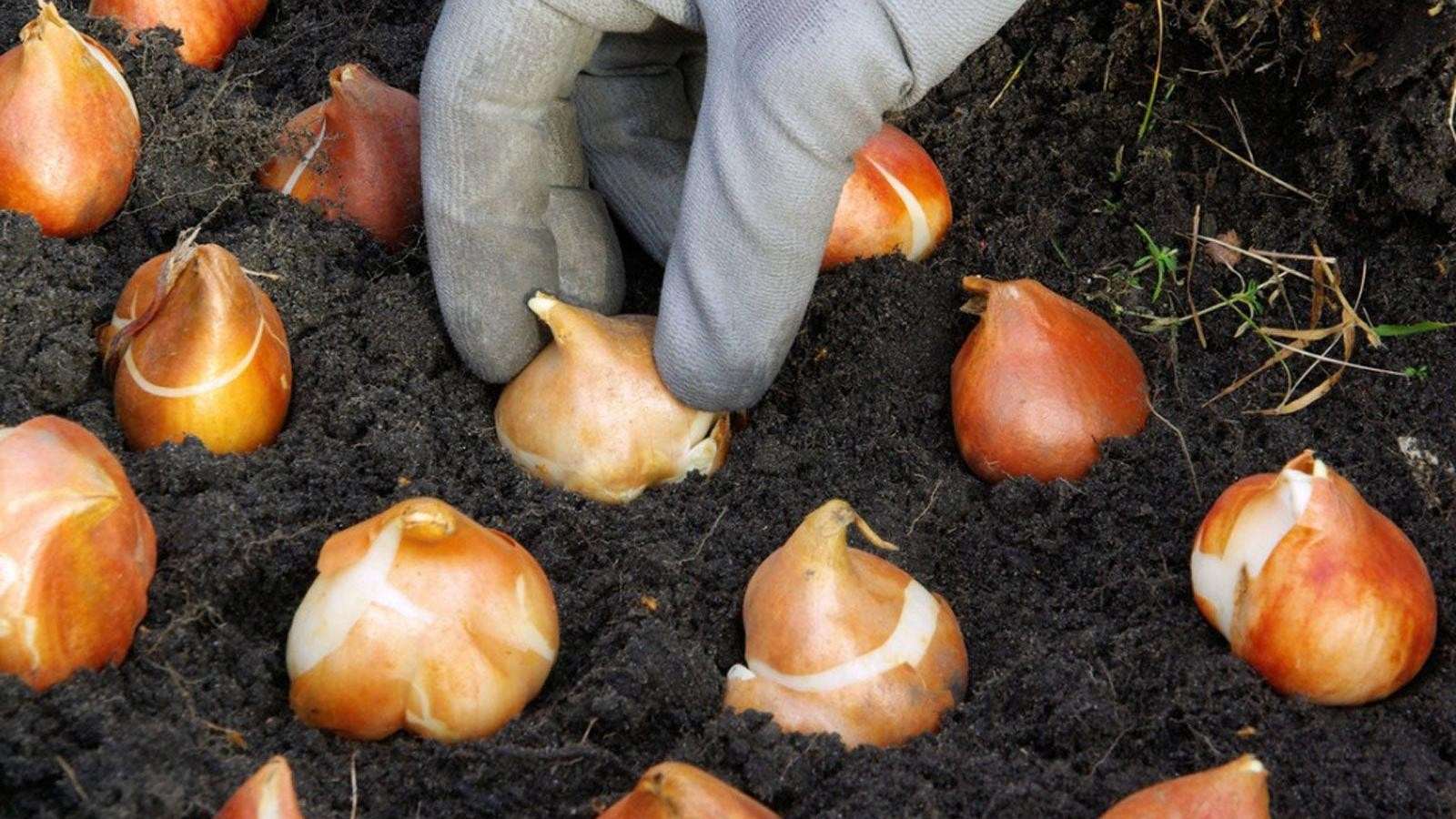
plant the bulbs in the fall for spring flowering
-
cold-proof zone
-10℃-15℃
-
Soil requirements
Slightly acidic to neutral soil, generally between 6.0 and 7.0 pH
Advertisement
Plant Care Guide
-
Why shouldn't tulips be mixed with tall or shade-loving plants?
Tulips love full sun, so avoid mixing them with tall or shade-loving plants in your planting layout. Such plants may block the sunlight during the growing process, making tulips unable to receive enough direct light. Sunlight for tulips is related to the normal growth of the plant, but also one of the important conditions for flower bud differentiation and formation. If it is in the shade for a long time, the leaves of tulips may become thin, light in color, and in the worst case, the buds may not form or wither early due to insufficient light, resulting in delayed blooming or even non-blooming.
-
Why are dark colored pots recommended when planting tulips in cold areas?
pay attention to heat preservationThe use of dark-colored pots can effectively absorb the heat of the sun and raise the soil temperature, which can help promote the early sprouting of tulip bulbs in cold early spring and shorten the time of sprouting. It is especially suitable for use in northern low-temperature areas to improve survival rate and growth rate.
-
Why can't I just sprinkle tulips directly on the leaves when I fertilize them?
slowly pour it into the soil along the edge of the flowerpotAvoid sprinkling fertilizer directly on tulip leaves when applying fertilizer, because the high concentration of nutrients may lead to leaf burning, yellowing or even rotting. The correct method is to pour the diluted liquid fertilizer slowly into the soil along the edge of the pot, so that the fertilizer effect is concentrated on the roots, which is more conducive to absorption and safe.
-
Why should I not cover tulip bulbs with too much mulch when planting them?
2 times or lessWhen planting tulip bulbs, the mulch should not be too thick, if buried too deep, it will delay the germination time, and even lead to bulb rot. Usually the thickness of the mulch is controlled within two times the height of the bulb is ideal, which is conducive to the smooth emergence of buds and maintain appropriate humidity and aeration.
-
Why do I need to adjust my light and ventilation when tulip leaf tips dry out?
insufficient light or poor ventilationWhen tulip leaf tips appear dry phenomenon, may be due to insufficient light or poor ventilation, resulting in abnormal water evaporation or disease breeding. At this time, you should promptly adjust the direction of light, improve ventilation, and moderately loosen the soil to promote root respiration, so as to restore the healthy growth of the plant.
-
Why should tulips not be moved frequently to change the direction of light?
affecting growthTulips are used to growing towards a fixed light source, if you frequently move the pot to change the direction of light, it is easy to cause the stalks to light bending growth or leaf deformation. In order to maintain its natural upright, beautiful flowers, you should keep the position of the pot fixed, to maintain a stable and consistent light environment.
Advertisement
Frequently Asked Questions
-
1 Deformed flowers or abnormal color
Abnormal streaking or mottling of tulip petals is often associated with “streak virus” infection, which can lead to color confusion and loss of ornamental value. The virus can be transmitted through insects or contact, and there is no cure for the infection, so the diseased plants should be pulled out and destroyed immediately to prevent spreading to healthy plants.
-
2 Yellowing of leaves
Tulip leaves yellowing phenomenon, in addition to waterlogged roots may be triggered by a lack of oxygen, may also be the soil lack of iron, magnesium and other trace elements. At this time, soil composition analysis should be carried out to determine the specific lack of elements, and reasonable supplementation of micronutrient fertilizers to restore leaf color and plant health.
-
3 Tulip bloom after the short flowering period, premature fading
Tulips that fade prematurely may be caused by high temperatures, dry air or improper watering. To prolong the flowering period after blooming, keep the environment around the pot cool and airy, avoid direct sunlight on the flowers, and make sure the soil is moist but not waterlogged. Moderate humidity and temperature will help to delay the fading of flowers and prolong the viewing period.
-
4 Slow or stopped growth after germination in soil culture
Tulips that are slow to bud out or stop growing may be due to improper treatment of the bulbs before planting, or soil that is too boggy and poorly aerated. It is recommended to sterilize the bulbs before planting to prevent disease infection. Also, choose loose, well-drained soil to promote root respiration and expansion for healthy growth.
-
5 Can Tulip be hydroponically grown?
Tulip can be hydroponically grown, but special attention needs to be paid to the water level. The water level should be kept below the roots of the tulip to avoid soaking the entire bulb. The bulb can be secured in a hydroponic bottle to ensure that the roots are able to absorb water, while providing sufficient light and suitable temperature to encourage successful growth.
Advertisement
Introduction
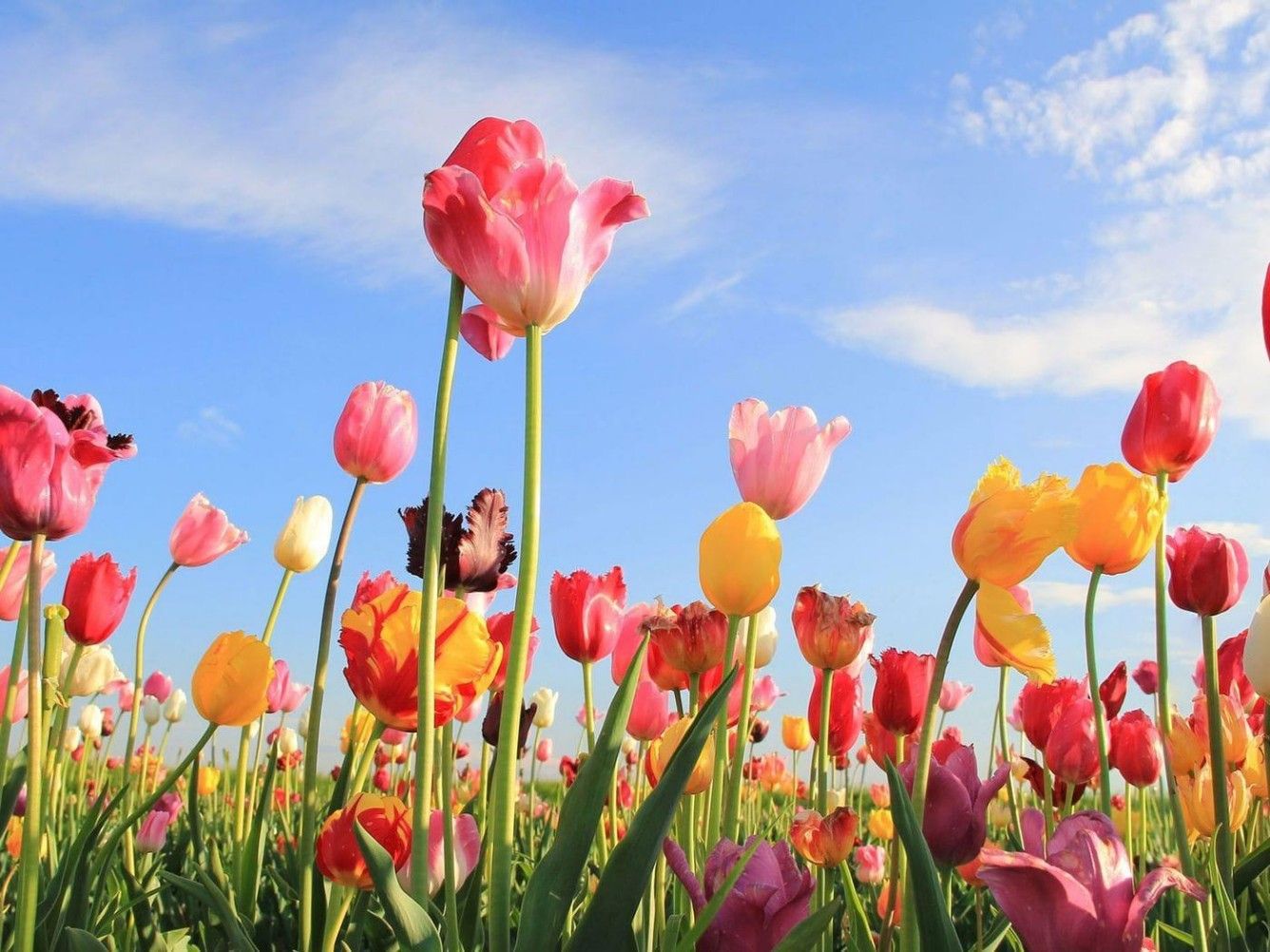
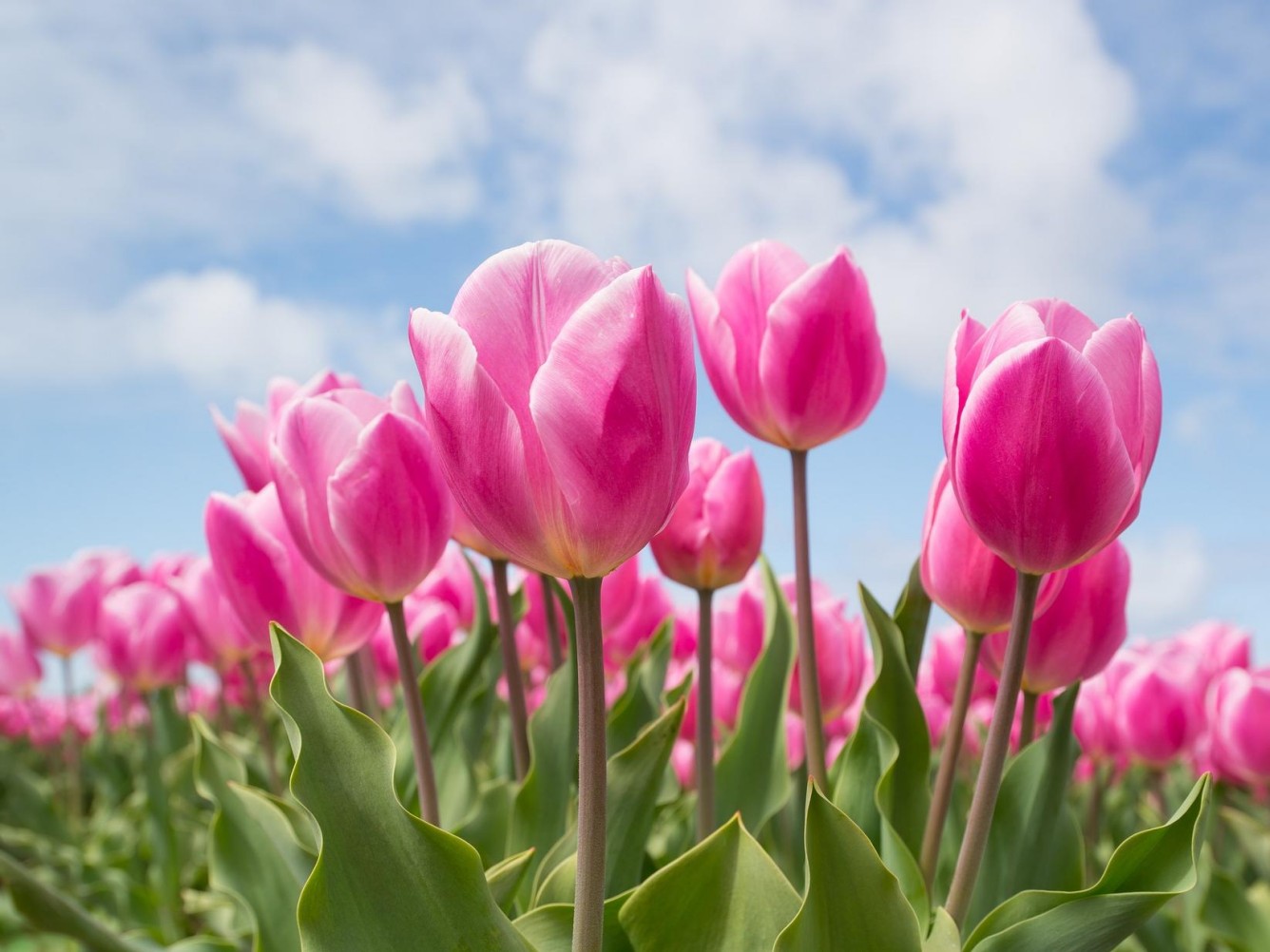
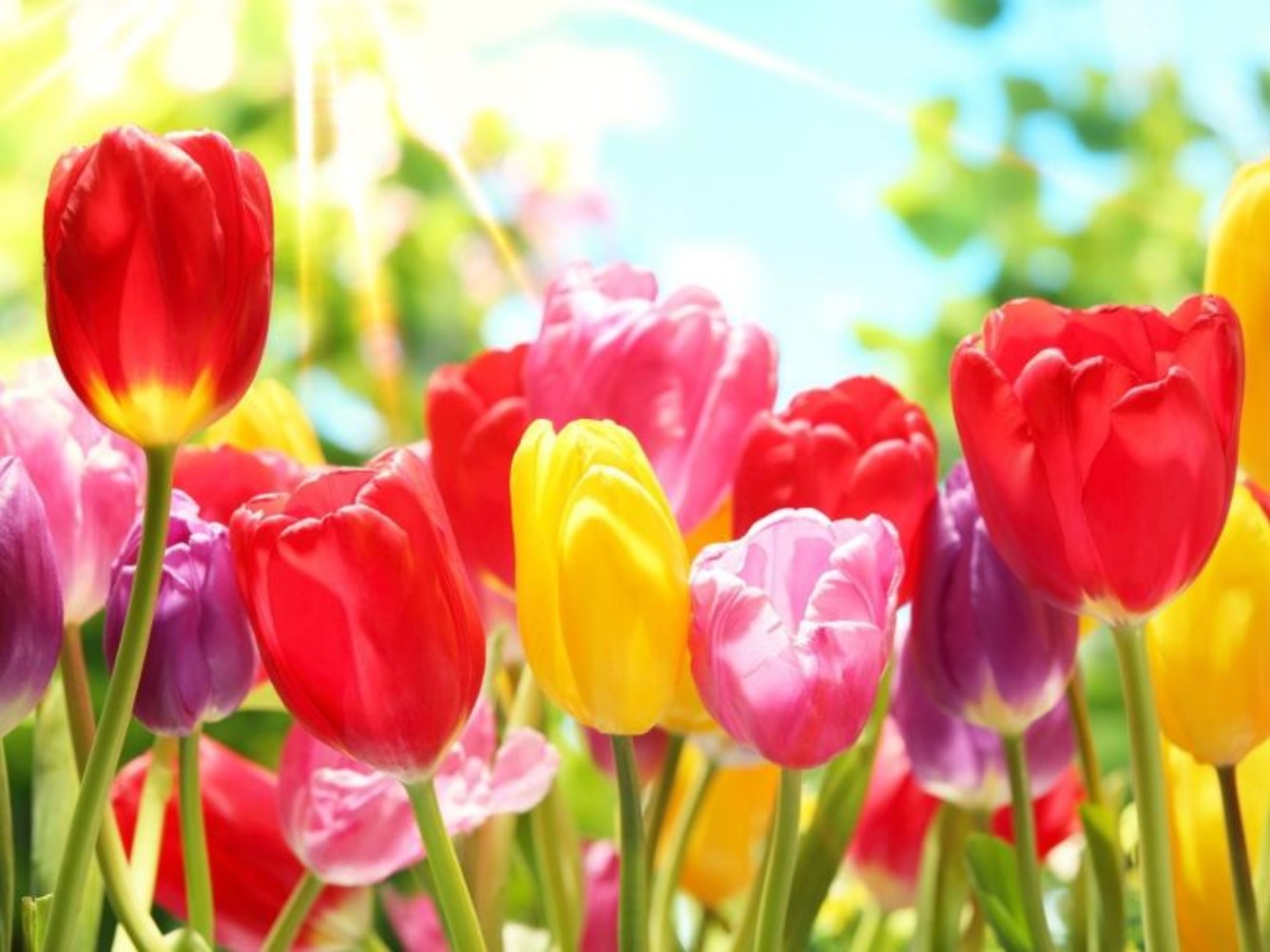
Tulip is a beautiful bulbous plant belonging to the lily family, native to Central Asia and Turkey. Known as the "Queen of Flowers in the World", its flowers are elegant and upright. They are popular for their bright colors and diverse shapes. Common colors include red, yellow, white, purple, etc. Tulips are sui for spring planting. Tulips symbolize fraternity, blessings and eternal love, and are loved by gardening enthusiasts around the world.
Popular Plant Encyclopedia
-
-
Poisonous and danger
- Rhus typhina
-
-
-
Edible and medicinal
- Common sunflower
-
-
-
Poisonous and danger
- Plumeria rubra
-
-
-
Wild and common weed
- Convolvulus arvensis
-
-
-
Edible and medicinal
- Perilla frutescens
-
-
-
Edible and medicinal
- Pogostemon cablin
-
-
-
Edible and medicinal
- Common fenugreek
-
-
-
Edible and medicinal
- Garden Thyme
-
 Poisonous and danger
 Edible and medicinal
 Wild and common weed
Advertisement