Urtica dioica
-
 Edible and medicinal
 - Also known as: California nettle, Stinging nettle
 Edible and medicinal
Nursing Skills
Urtica dioica is a hardy and low-maintenance plant that thrives in moist, nutrient-rich soil with good drainage. It prefers partial shade but can tolerate full sun in cooler climates. Regular watering is essential, especially in dry periods, to maintain healthy growth. Its best planted in spring and spreads rapidly, so containing its roots is advised. While it’s resilient to pests and diseases, wearing gloves is recommended when handling due to its stinging hairs.
Advertisement
Plant Properties
-
- Lifespan
- Perennial, Annual
-
- Leaf Color
- Green
-
- Flower Size
- 2.5 mm
-
- Fruit Color
- Yellow, Gold, Cream, Brown, Tan
-
- Flower Color
- Green, White, Cream
-
- Stem Color
- Green, Cream
-
- Leaf type
- Deciduous
-
- Growth Season
- Spring, Summer
Plant Care Requirements
-
Difficulty of Care
Easy, Suitable for beginners due to its resilience and low maintenance
-
Watering Schedule
Water regularly to keep soil moist but not soggy
-
Light Requirements
Prefers partial shade but tolerates full sun in cooler climates
-
Soil pH
pH 5.5–7.0
-
Planting Time
Best in early spring or fall
-
Hardiness Zone
3–10
-
Ideal Temperature
15–25°C
-
Dormancy Period
Goes dormant in winter, dies back above ground and regrows in spring
Advertisement
Plant Care Guide
-
How much sunlight does Urtica dioica need?
Urtica dioica prefers partial shade, especially in hotter regions, but can tolerate full sun in cooler climates. Too much direct sunlight in hot weather may dry out the soil quickly and stress the plant. Ideal planting spots are along woodland edges or in dappled light where moisture is retained and the environment is naturally cooler.
-
What kind of soil is best for growing stinging nettle?
pH5.5-7.0This plant thrives in rich, loamy, well-draining soil with a high organic matter content. Slightly acidic to neutral pH (5.5–7.0) is optimal. Compost or decomposed leaves can be added to enrich the soil and mimic its native woodland or riverside habitat. Avoid sandy or extremely dry soil, as it doesn’t retain enough moisture.
-
How often should Urtica dioica be watered?
Keep the soil constantly moistKeep the soil consistently moist, especially during dry spells. Water deeply once or twice a week, depending on rainfall and temperature. Overwatering can lead to root rot, so ensure good drainage. In cooler or shaded locations, less frequent watering is needed, but don’t allow the soil to dry out completely for long periods.
-
When is the best time to plant stinging nettle?
Early spring or early autumnEarly spring or early fall is ideal for planting. In spring, young plants establish quickly with warming soil, while fall planting allows roots to settle before winter dormancy. Seeds can also be directly sown in spring after the last frost or in late fall for natural stratification over winter.
-
What are the temperature and climate requirements for Urtica dioica?
15-25°CUrtica dioica is cold-hardy and tolerates a wide range of climates, thriving best in temperatures between 15–25°C (59–77°F). It can survive frost and freezing winters in USDA zones 3–10. In extremely hot areas, extra shade and watering are necessary to prevent stress and ensure continued growth.
-
How fast does Urtica dioica grow, and does it spread?
Up to 1.5 metersThis plant grows rapidly once established and can spread aggressively through underground rhizomes. It can reach full height (up to 1.5 meters) in a single growing season. Regular pruning or planting in containers/barriers can help control its spread if you want to prevent it from overtaking a garden area.
-
Does Urtica dioica go dormant, and how should I care for it in winter?
Dry period in late autumnYes, it enters dormancy in late fall. The above-ground parts die back after the first frost, but roots remain alive underground. There’s no need to water or fertilize during this period. In spring, new shoots emerge. Mulching can help insulate the roots and protect them in colder regions.
Advertisement
Frequently Asked Questions
-
1 Is Urtica dioica edible, and how should it be prepared?
Yes, Urtica dioica, commonly known as stinging nettle, is edible and highly nutritious. Young leaves, especially in spring before flowering, are tender and rich in vitamins A, C, iron, and calcium. However, due to its stinging hairs, it must be properly processed before consumption. Cooking, blanching, steaming, or drying neutralizes the sting, making it safe to eat. Once prepared, nettle can be added to soups, teas, stir-fries, smoothies, or used like spinach in savory dishes. Harvest only the top few inches of young plants, and always wear gloves.
-
2 What medicinal properties does Urtica dioica have?
Stinging nettle has been used medicinally for centuries across various cultures. It contains bioactive compounds like flavonoids, phenolic acids, and lectins that contribute to its anti-inflammatory, diuretic, and antihistamine effects. Traditionally, nettle is used to treat joint pain, arthritis, hay fever, urinary tract issues, and skin conditions. The root is often used for prostate health, while the leaves are brewed into teas or made into tinctures for allergy relief. While generally safe in moderate amounts, people on medications (e.g., blood thinners, diuretics) should consult a healthcare provider before regular use.
-
3 How do I harvest Urtica dioica safely?
Harvesting nettle requires caution due to its stinging hairs. Wear thick gloves, long sleeves, and use clean garden shears or scissors. The best time to harvest is in early spring when the plant is young and tender. Cut the top 4–6 inches of growth, which are the most flavorful and least fibrous. Avoid harvesting after the plant has flowered, as older leaves can accumulate irritating compounds like cystoliths, making them potentially harmful if eaten. Always rinse well and cook, steam, or dry before use. You can also air-dry nettles for long-term storage in teas or herbal blends.
-
4 Can Urtica dioica be invasive in gardens?
Yes, Urtica dioica can be highly invasive due to its aggressive underground rhizome system. It spreads rapidly and can outcompete neighboring plants if not managed properly. To prevent it from taking over your garden, grow it in large containers or designated beds with root barriers. Regular pruning and removal of unwanted runners are crucial. If growing outdoors, consider using raised beds with controlled soil boundaries. Mulching around the plant can also help suppress unwanted shoots. Despite its invasiveness, nettle provides ecological benefits—supporting pollinators, improving soil, and serving as a host plant for butterfly larvae.
-
5 Is Urtica dioica safe to touch or handle?
Unprotected contact with stinging nettle can cause skin irritation, including redness, itching, swelling, or a burning sensation. This is due to tiny hairs (trichomes) that inject histamine, serotonin, and formic acid into the skin. While the reaction is typically mild and short-lived, sensitive individuals may experience stronger discomfort. Wearing gloves and protective clothing while handling or harvesting is strongly advised. If stung, wash the area with soap and water, and apply natural remedies like aloe vera, plantain leaf, or over-the-counter antihistamine creams to soothe the skin. Avoid scratching to reduce the risk of further irritation or infection.
Advertisement
Introduction
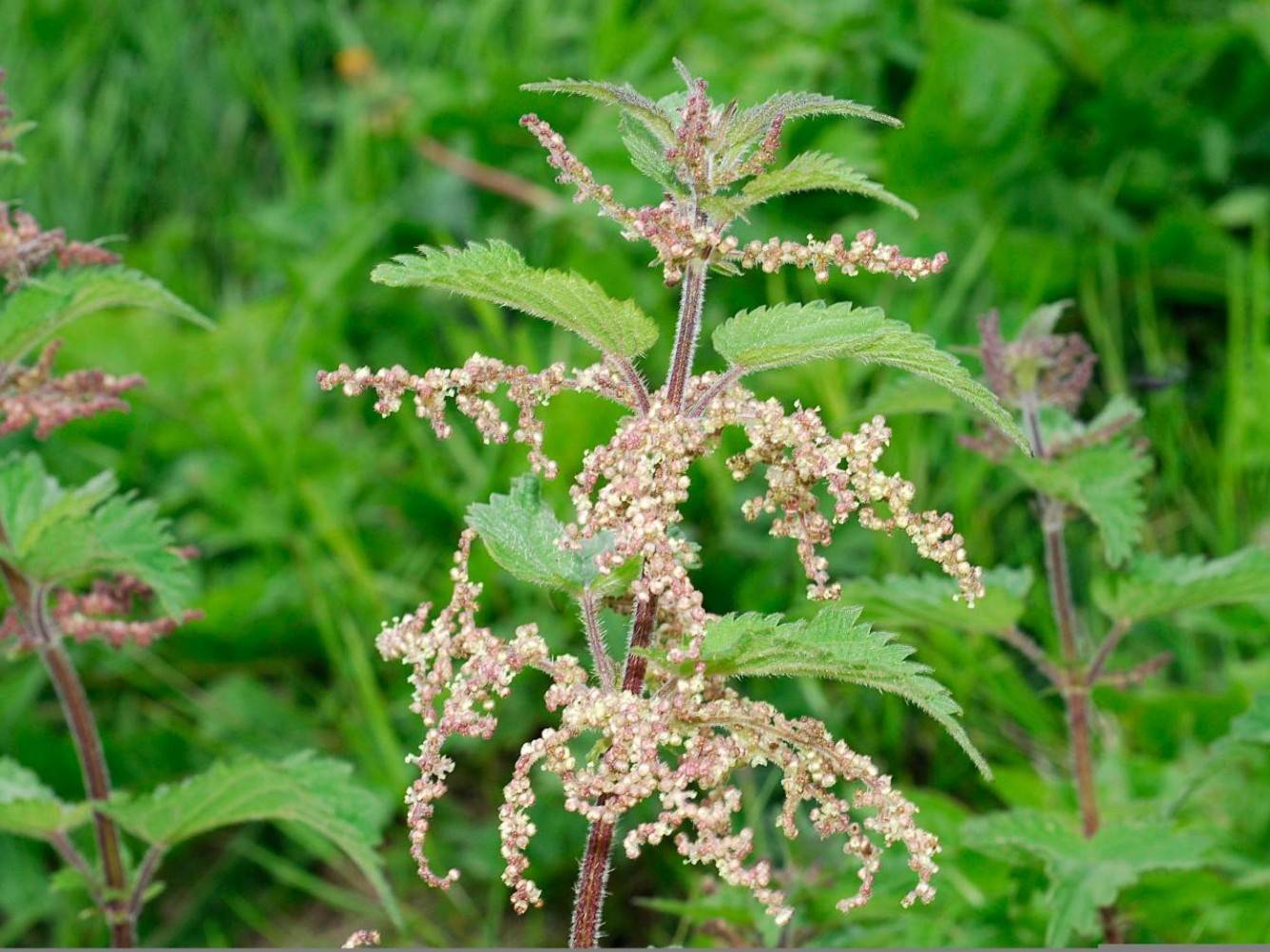
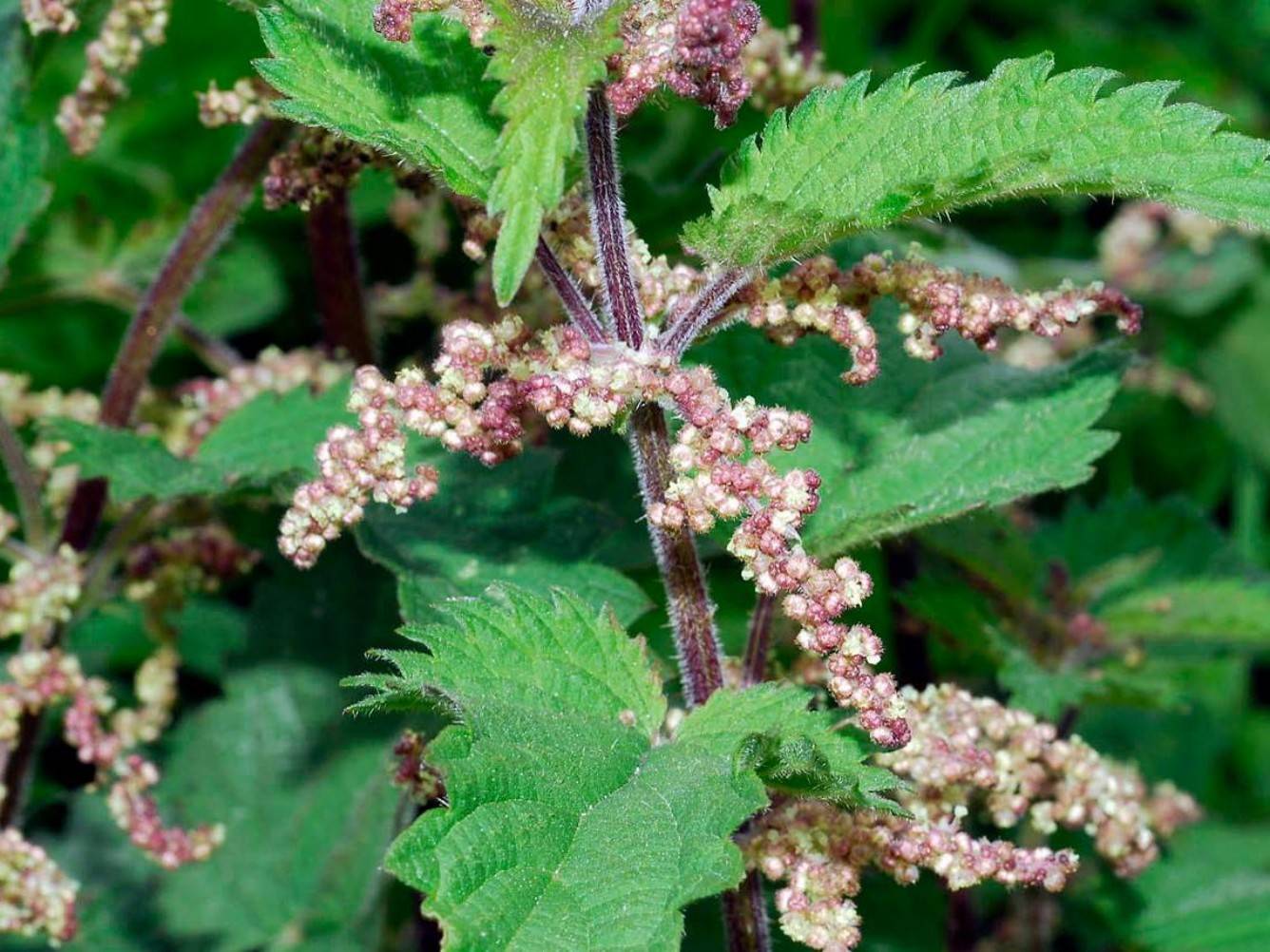
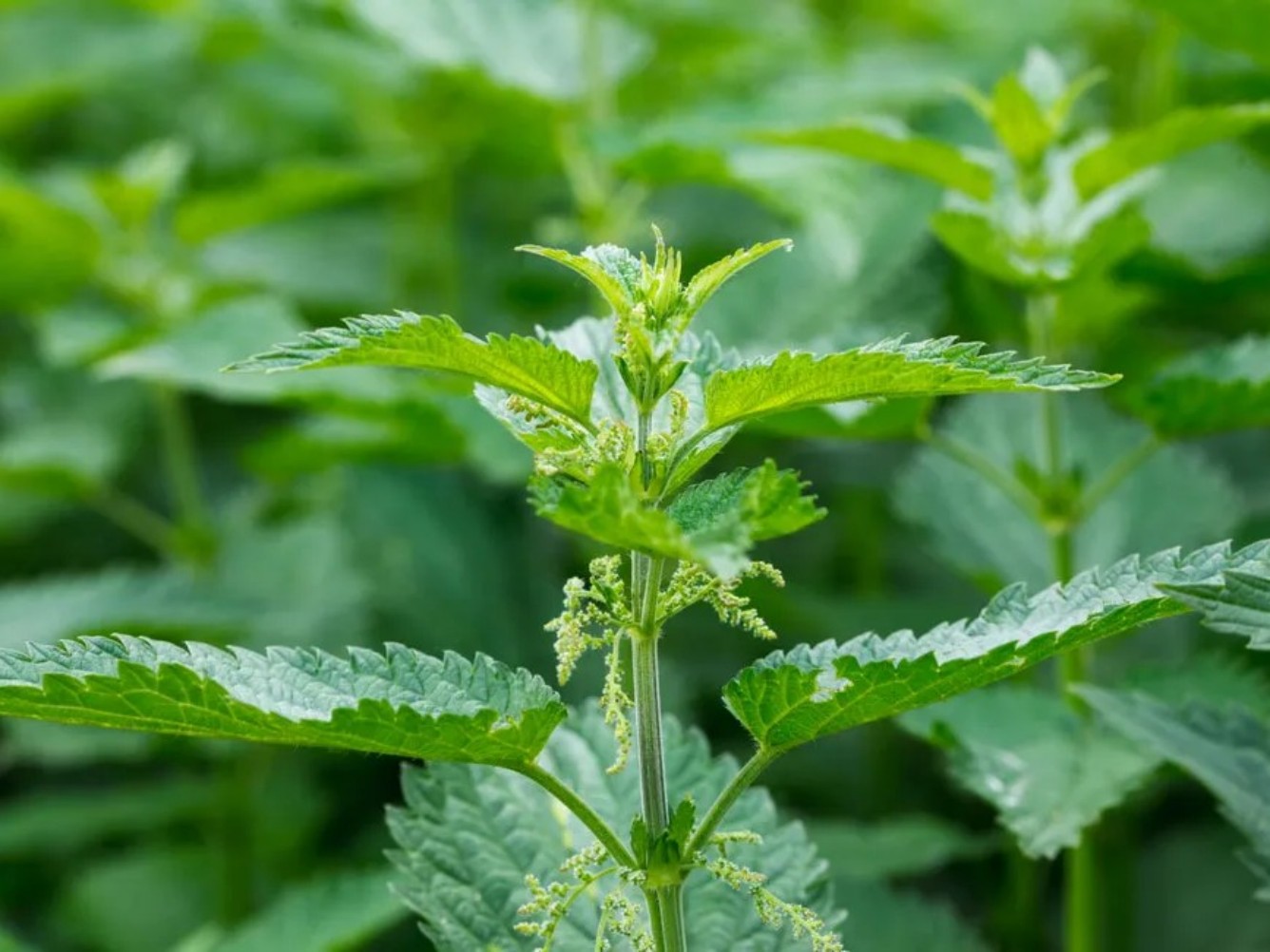
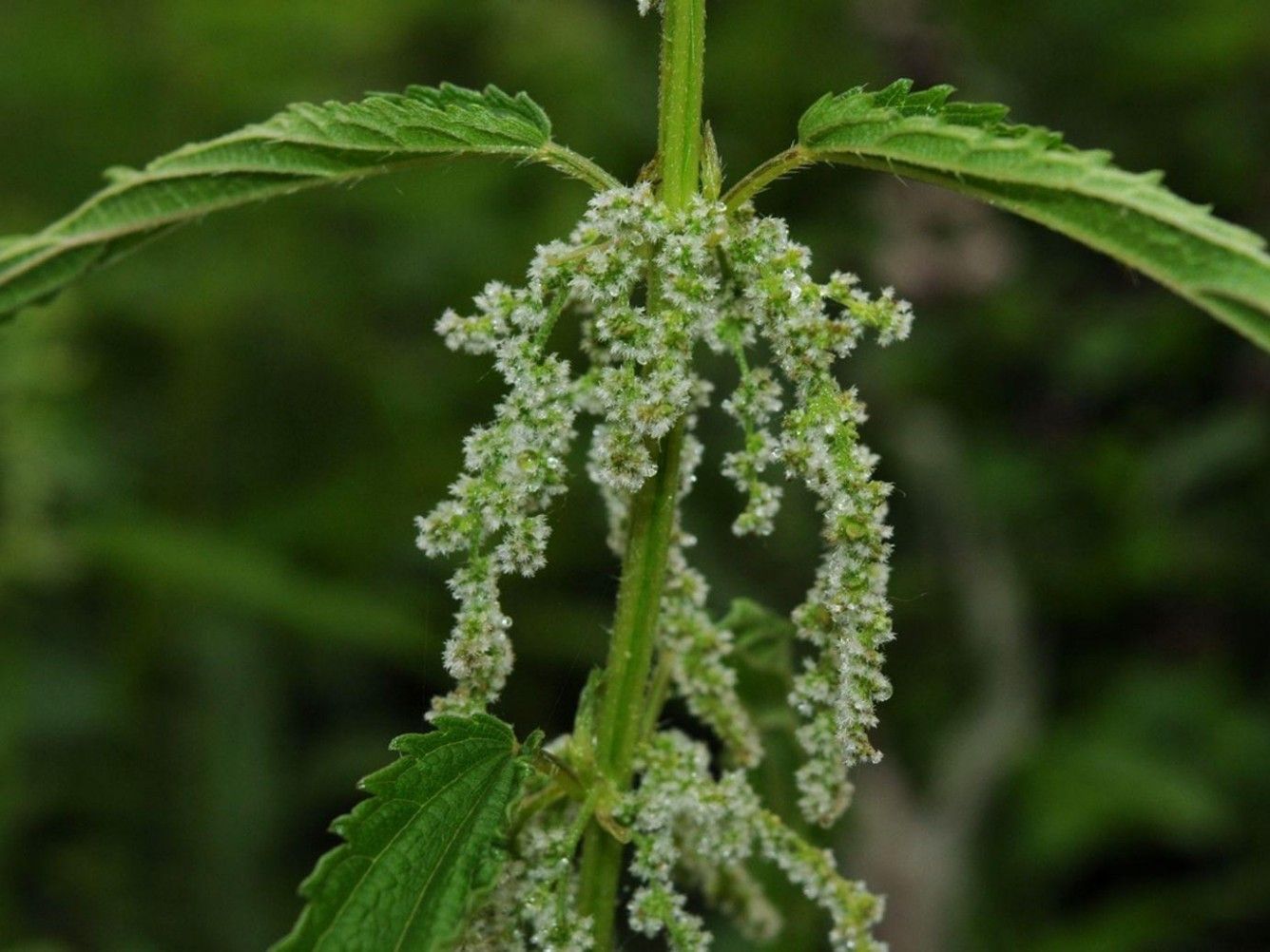
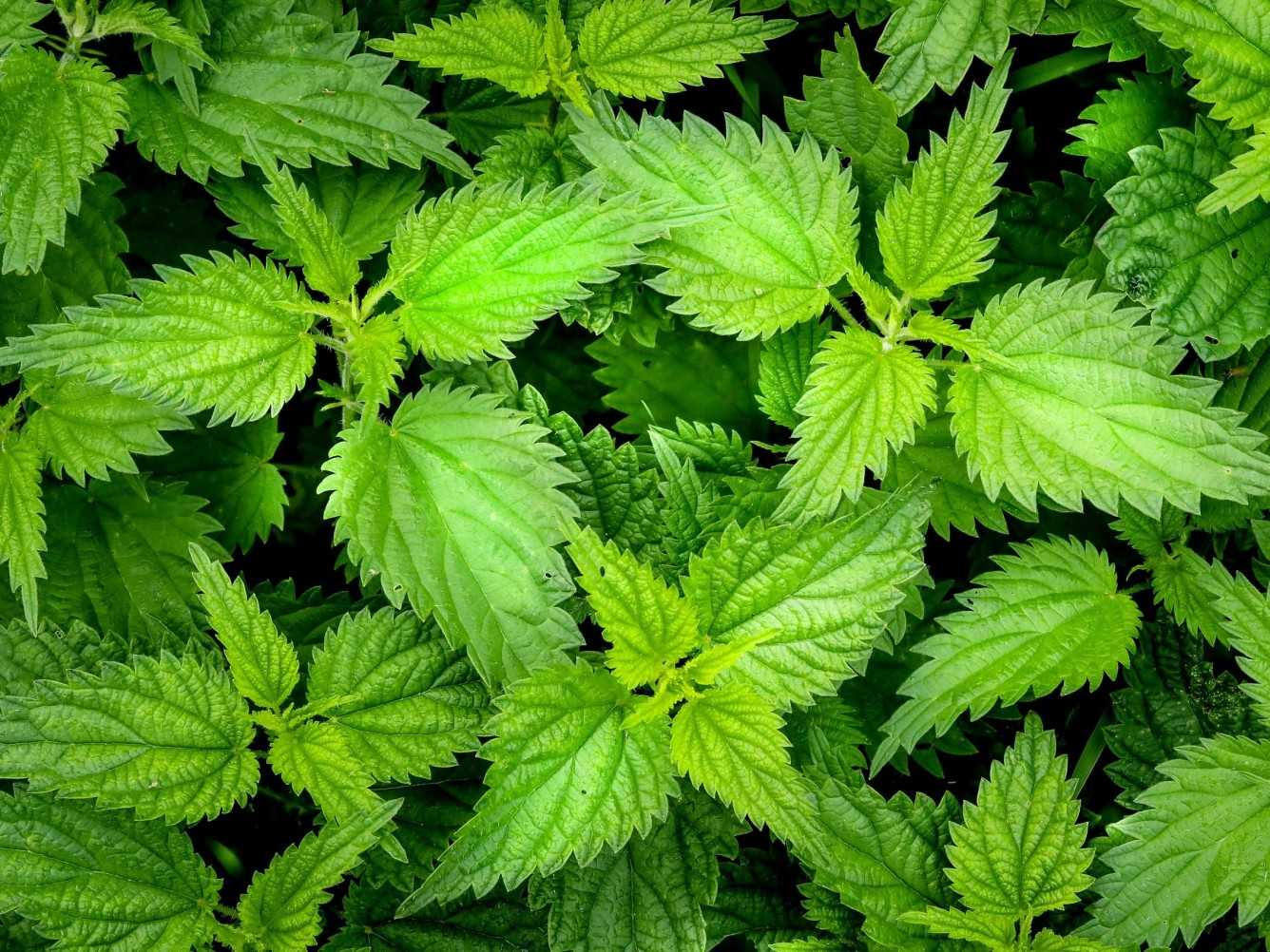
Urtica dioica, commonly known as stinging nettle, is a perennial herbaceous plant native to Europe, Asia, North Africa, and North America. Recognized by its heart-shaped leaves and tiny stinging hairs, it thrives in nitrogen-rich soil and grows up to 2 meters tall. Despite its sting, the plant has been used for centuries in herbal medicine, cooking, and textiles. Rich in vitamins, minerals, and antioxidants, stinging nettle is valued for its potential anti-inflammatory and diuretic properties.
Popular Plant Encyclopedia
-
-
Poisonous and danger
- Rhus typhina
-
-
-
Edible and medicinal
- Common sunflower
-
-
-
Poisonous and danger
- Plumeria rubra
-
-
-
Wild and common weed
- Convolvulus arvensis
-
-
-
Edible and medicinal
- Perilla frutescens
-
-
-
Edible and medicinal
- Pogostemon cablin
-
-
-
Edible and medicinal
- Common fenugreek
-
-
-
Edible and medicinal
- Garden Thyme
-
 Poisonous and danger
 Wild and common weed
Advertisement