Vinca minor
-
 Poisonous and danger
 Poisonous and danger
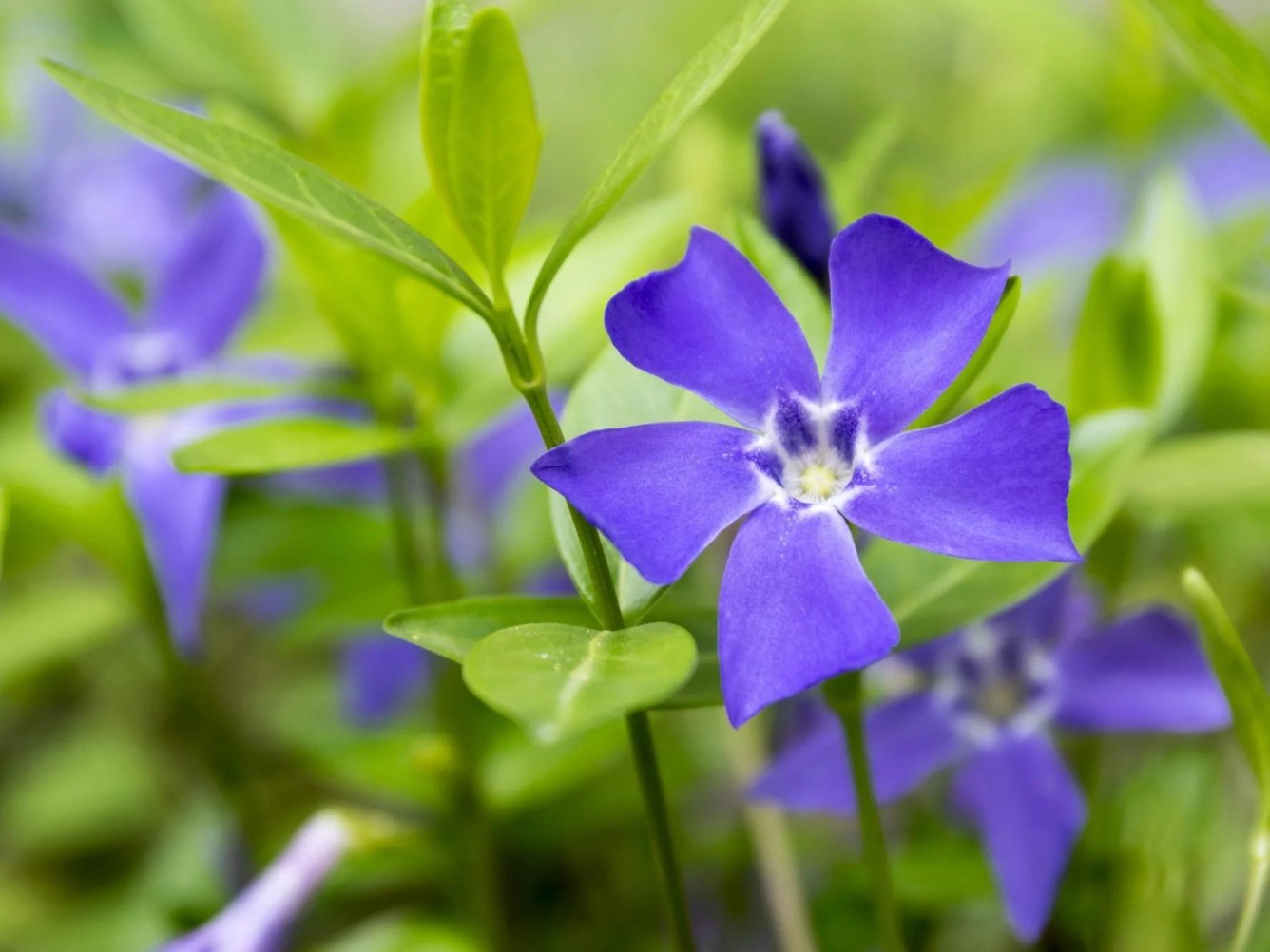
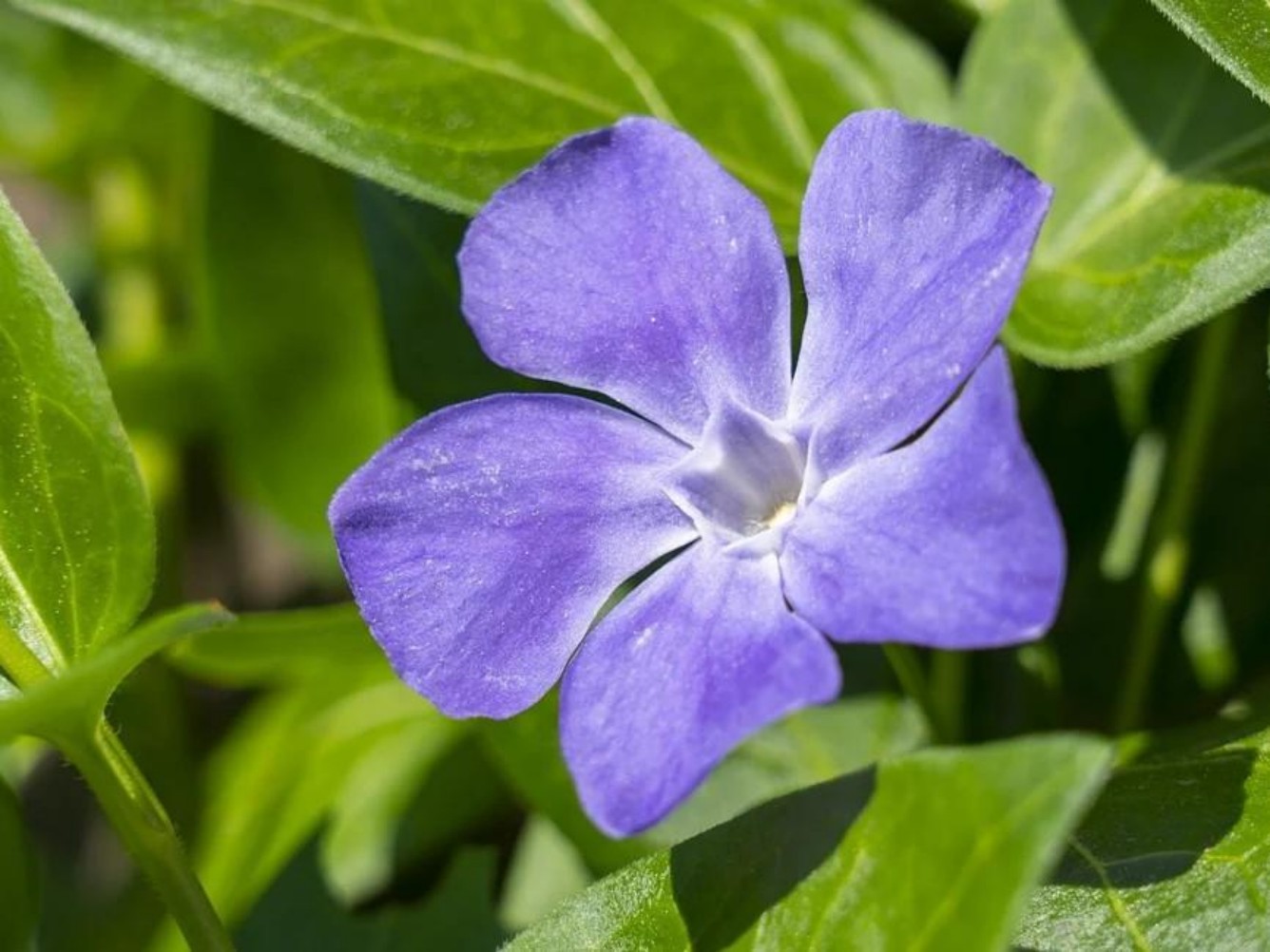
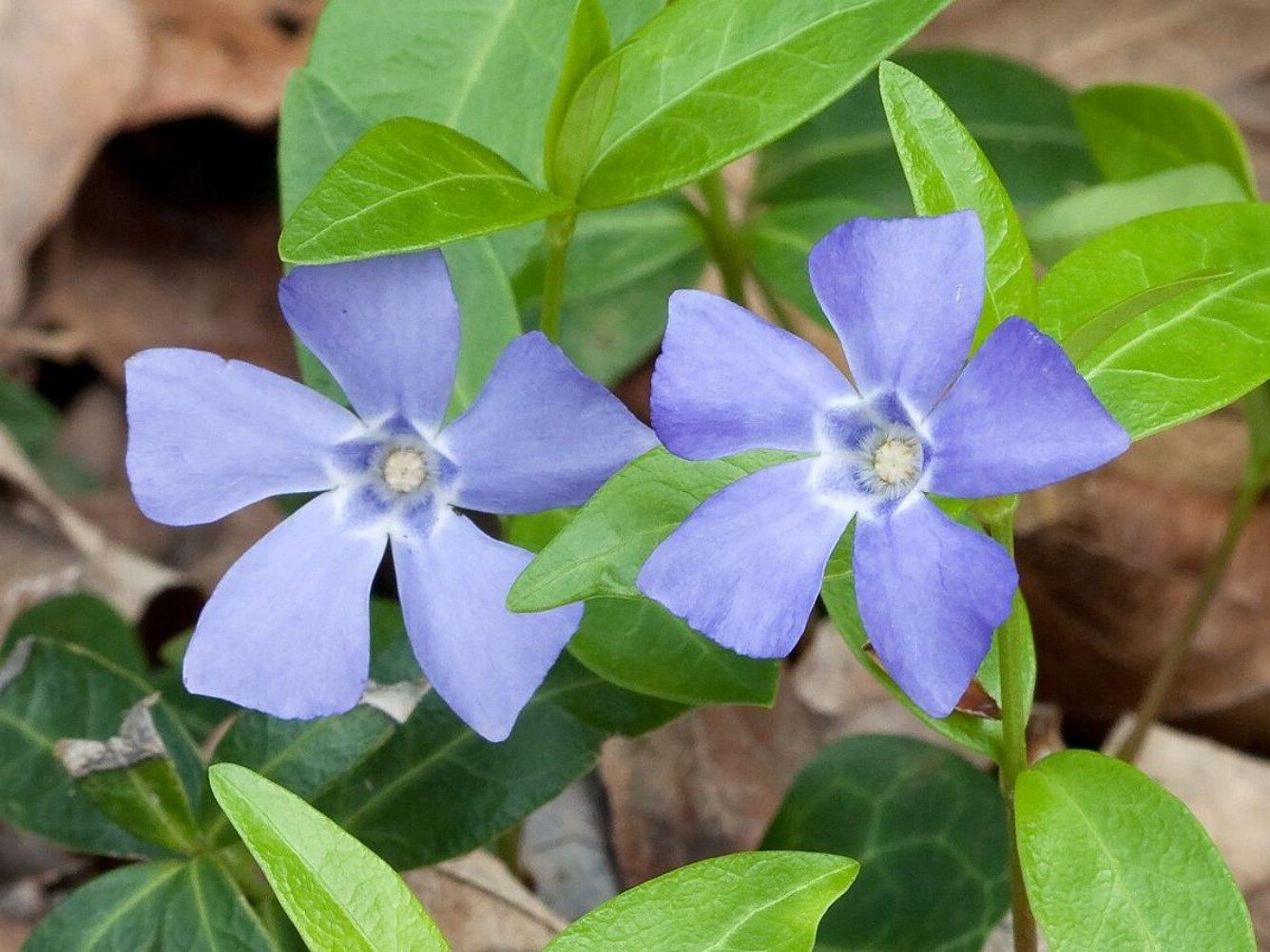
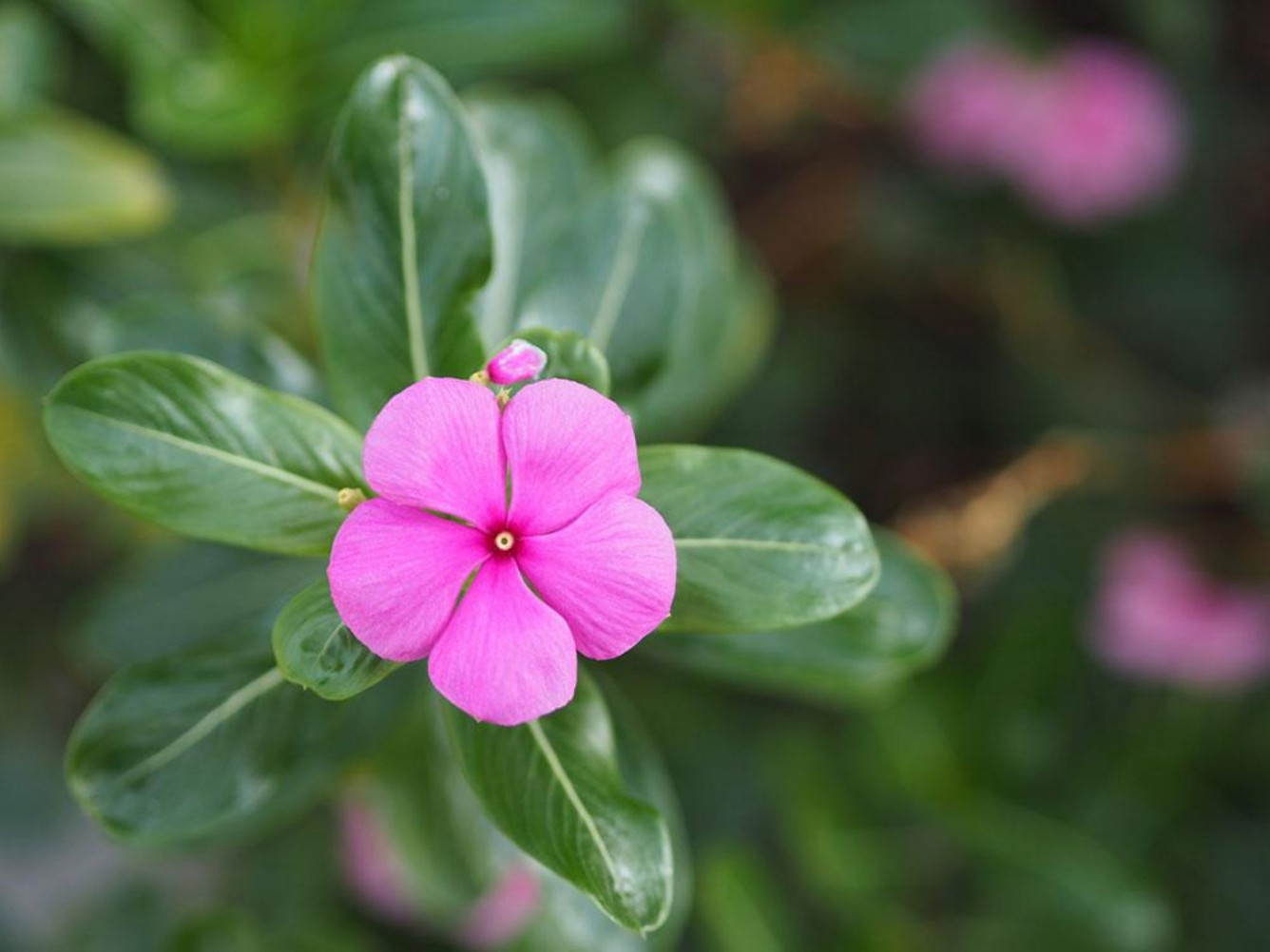
Nursing Skills
Vinca minor thrives in bright shade and avoids harsh full sun. It tolerates most well‑drained soils, neutral to slightly alkaline. Water when dry and never let soil stay waterlogged. Light feeding in growing season. Prune in spring to contain spreading. Very cold‑hardy. Watch for fungal issues under damp, poorly ventilated conditions.
Advertisement
Plant Properties
-
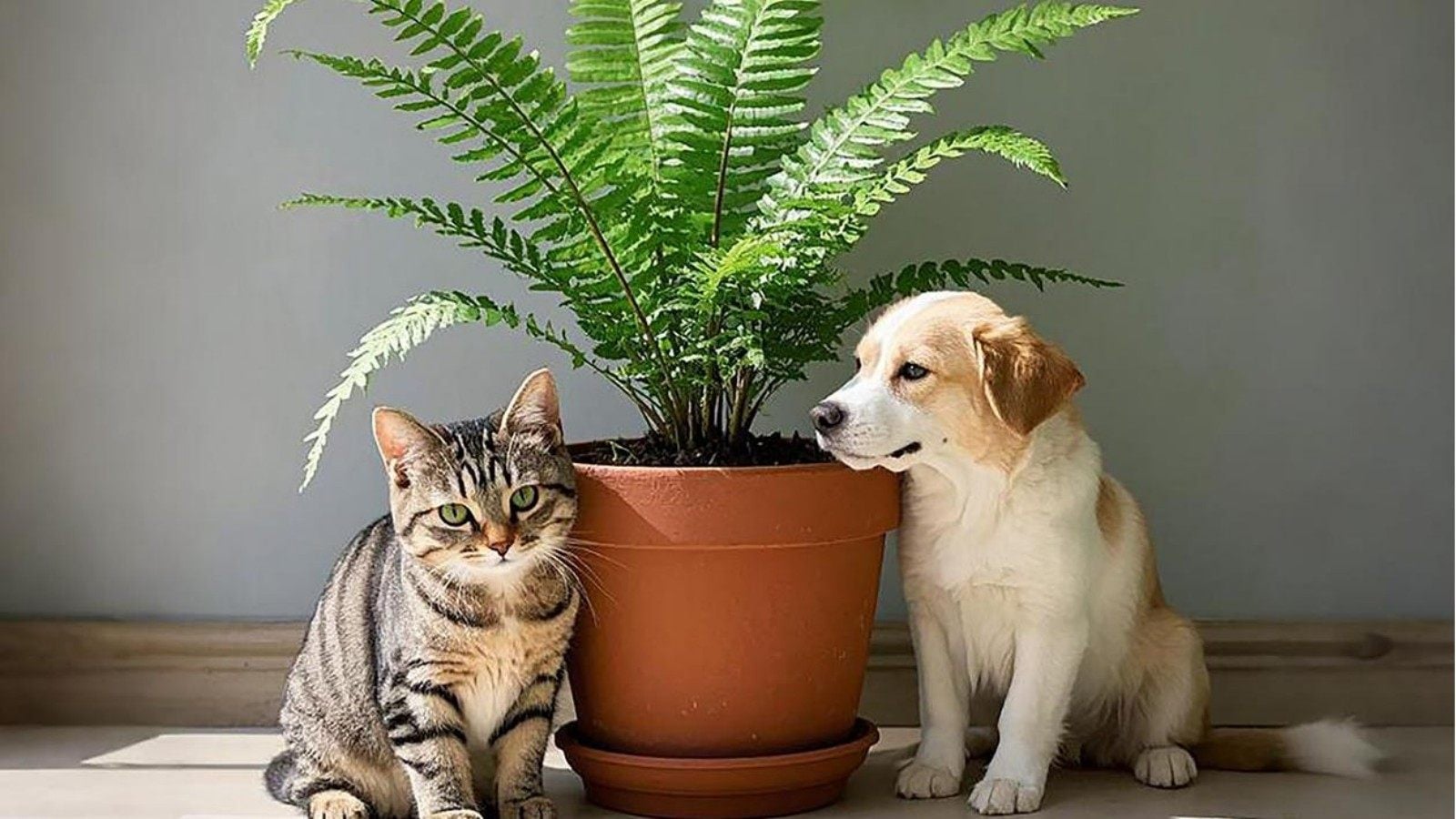
- Toxicity
- humans and pets
-
- Flower Color
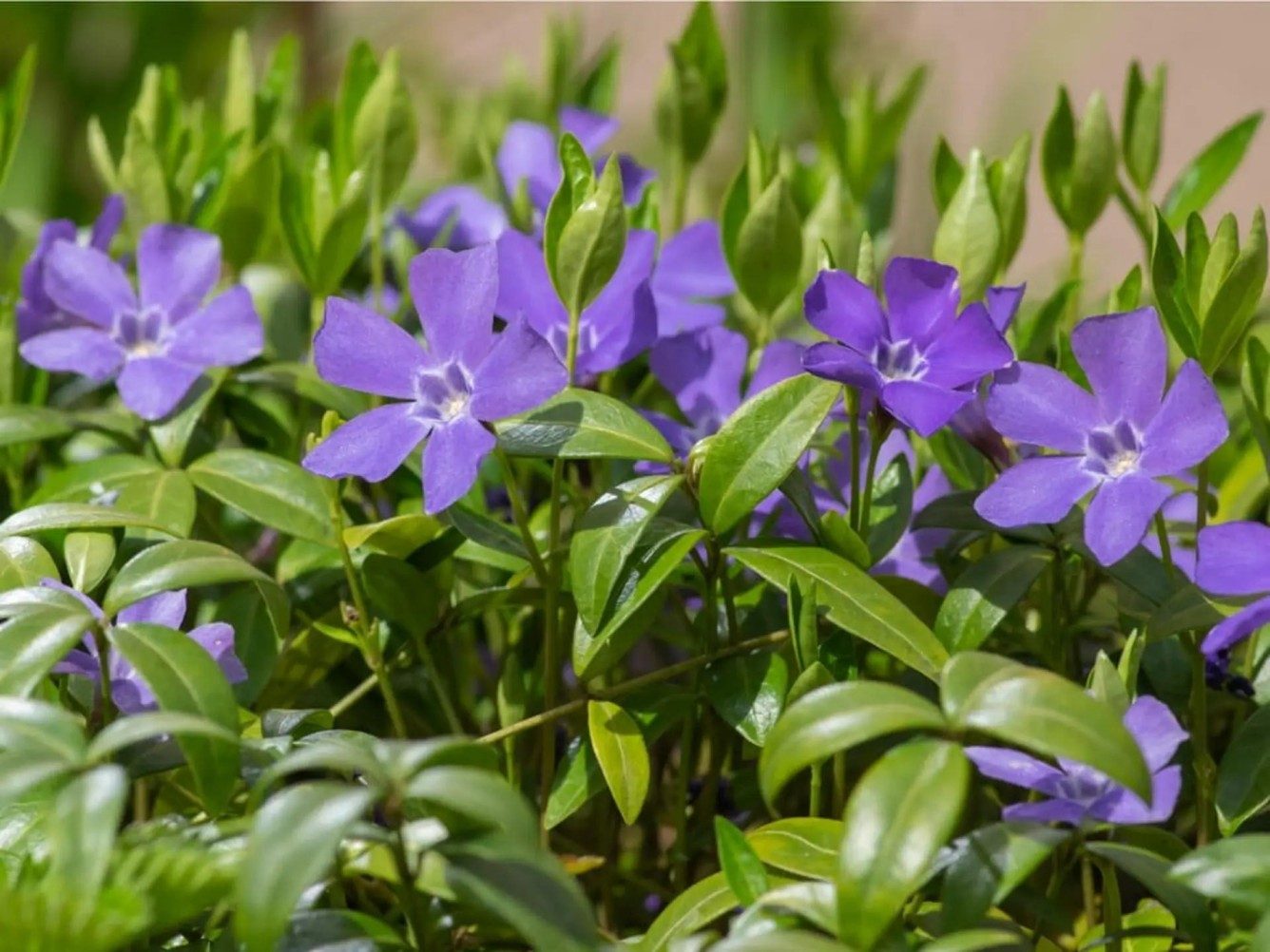
- Pale purple, white
-
- Plant Type
- Perennial ground cover plant
-
- Leaf Type
- Simple leaves, ovate-lanceolate
-
- Bloom time
- Spring, lasting until early summer
-
- Lifespan
- Perennial plant
Plant Care Requirements
-
Care Difficulty
Very easy
-
Watering Schedule
Keep soil slightly moist
-
Light Requirement
Thrives in partial shade and full shade
-
Soil pH
pH 6.0 to 7.5
-
Planting Time
early spring or mild fall
-
Hardiness Zone
USDA zones 4–9
-
Growth Rate
Moderate growth rate
Advertisement
Plant Care Guide
-
What is the ideal planting location for Vinca minor?
ShadeWhen choosing a spot for Vinca minor, shade is your biggest consideration. This groundcover performs best under partial or full shade, such as under trees, along north‑facing foundations, or shaded border areas. Morning gentle sun is acceptable, yet harsh midday direct sunlight will scorch its glossy leaves, turning foliage brown and weakening overall plant health. Avoid fully open, hot locations with unfiltered summer sun. The site must have decent drainage. Low‑lying spots where rainwater pools are not suitable, because standing moisture triggers root rot. While it adapts to many soil types, well‑loosened loamy soil delivers the strongest growth. Keep in mind its spreading habit; do not plant it next to delicate small perennials, as trailing stems may crowd out weaker plants. If you want to limit expansion, install underground edging around the planting area. This perennial works wonderfully as woodland ground cover, slope stabilizer, or beneath shrub layers, as long as you match its preference for cool, shaded conditions.
-
How should I water Vinca minor correctly across different growth stages?
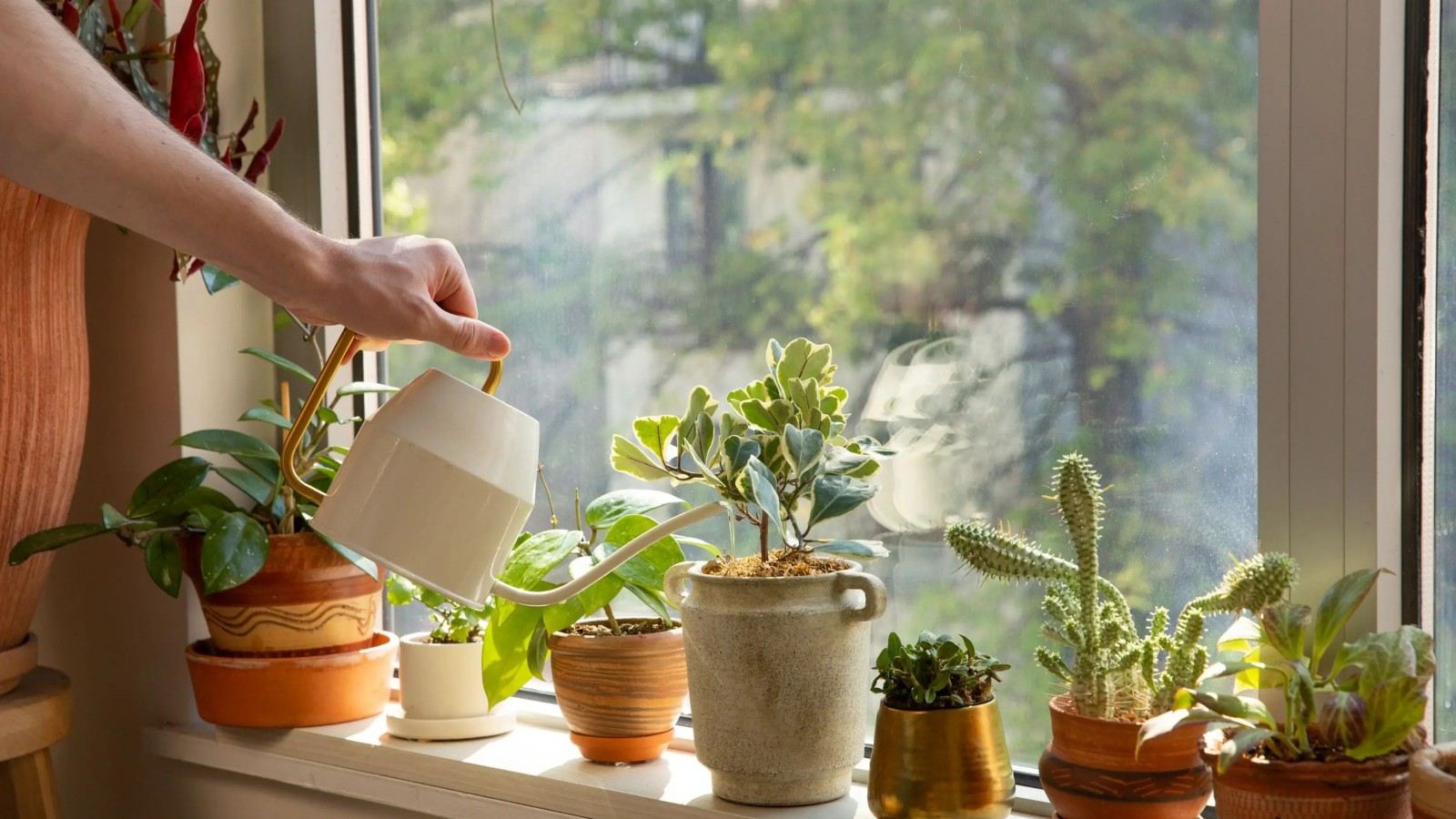
Keep the soil evenly moistWatering rules differ greatly between newly planted and fully established Vinca minor. Right after planting, consistent moisture is critical for root development. For the first 8‑12 weeks, water one to two times per week, keeping soil evenly damp without saturation. Check soil depth; water when top one‑inch layer dries out. Do not let young plants completely dry during this establishment phase. Once rooted firmly, Vinca minor becomes quite drought‑tolerant. Mature plants rarely need routine irrigation. Only water during extended hot, dry spells. Over‑watering creates far more problems than underwatering. Soggy soil brings on fungal leaf spots and root rot. Water at the base of the plant instead of overhead sprinkling, to reduce moisture sitting on leaves. In winter, cut back watering almost entirely; natural rainfall meets most needs. Always prioritize drainage, because even short‑term waterlogged soil can quickly damage this otherwise hardy groundcover.
-
What soil conditions and pH range does Vinca minor prefer?
pH 6.0 to 7.5Vinca minor is famously adaptable toward soil, but certain conditions help it thrive. It favours well‑drained loamy soil, yet can grow in clay or sandy substrates as long as water does not sit for long periods. Heavy clay soil should be amended with compost to improve aeration before planting. Rich organic matter supports denser foliage and better flowering performance, though this plant survives even in relatively poor woodland soils. Optimal soil pH sits between 6.0‑7.5, neutral to slightly alkaline. It can tolerate mild acidity, but highly acidic soil may slow vigour. You can adjust pH with garden lime for overly acidic ground. Avoid heavily fertilized, overly nutrient‑rich soil. Too much fertilizer causes excessive soft leaf growth, making plants vulnerable to disease. Compost added annually is sufficient. Never use heavy potting mixes meant for container houseplants directly in outdoor garden beds. Good drainage remains the single most important soil factor for long‑term healthy Vinca minor growth.
-
When and how do I prune Vinca minor to control spreading and improve health?
Early spring late autumnPruning serves two key purposes for Vinca minor: managing its spreading habit and encouraging fresh, dense foliage growth. The best pruning window is early spring, just before new spring growth kicks in. You can also trim lightly after its main spring flowering period finishes. Avoid heavy late‑autumn pruning, since new tender shoots will get damaged by incoming frost. Use garden shears or string trimmers for large patches. You can cut back foliage fairly hard; Vinca minor bounces back well from aggressive trimming. Remove overgrown, thin, or damaged stems. Trim edges along pathways or garden borders to stop runners from creeping into unwanted areas. If parts of the patch develop sparse or diseased leaves, cut those sections right down. Clear away trimmed plant debris afterward to lower fungal disease risk. Without regular trimming, Vinca minor can spread beyond intended bounds and smother nearby smaller plants. Occasional pruning keeps your patch neat, compact, and less prone to sickness.
-
How to fertilize Vinca minor without causing plant damage?
Apply in small amountsVinca minor does not demand heavy feeding, and over‑fertilizing is a common mistake gardeners make. Too much fertilizer produces weak, lush growth that attracts fungal infections. For most garden soil, annual light compost application is enough to sustain good performance. Chemical fertilizers are optional, not required. If you wish to apply fertilizer, do it once each year in early spring. Pick a balanced, slow‑release garden fertilizer, and use half of the manufacturer’s recommended dosage. Spread it gently over soil around plants, keep fertilizer granules off leaves, then water roughly. Do not fertilize in late summer or autumn, as this pushes new vulnerable growth that winter frost will harm. Observe your plant’s condition: pale leaves and slow growth may signal low nutrients. Dark, abundant foliage means feeding is unnecessary. Rich forest soil will need almost no supplemental feeding. Go light on nutrients, and your Vinca minor will stay robust and disease‑resistant through the seasons.
-
How can I propagate Vinca minor and what common pitfalls should I avoid?
Layering, division or cuttingsPropagating Vinca minor is straightforward, mostly done via stem layering, division, or stem cuttings. Layering is the easiest method: its trailing stems naturally root wherever nodes touch soil. In spring, pin a healthy runner onto soil surface, cover the node lightly with soil. Within several weeks roots develop. You can then separate this new plant from the parent. Division works well in spring or fall; dig up clumps, tease rooted sections apart, and replant pieces. Stem cuttings taken in summer also root reliably in moist medium. Several pitfalls frequently happen. Do not place cuttings or new divisions in full hot sun; bright shade is needed. Avoid water‑soaked propagation medium, which rots stems before rooting. Remember Vinca minor can become invasive in some regions. Do not dump leftover plant cuttings into wild natural areas. Keep new transplants moist while roots establish. Once established, new plants display the same tough, low‑maintenance traits as mature specimens. With simple propagation you can expand groundcover for your garden beds with very little effort.
Advertisement
Frequently Asked Questions
-
1 Why are my Vinca minor leaves turning yellow and developing brown spots?
Yellowing and spotted foliage on Vinca minor most often stem from excess moisture and fungal pathogens, though other triggers exist. Overwatering, poorly‑draining heavy soil, or locations with poor air circulation create damp conditions that invite leaf spot fungus. You will notice yellow patches that later turn brown, sometimes with dark borders on individual leaves. Root rot sets in when roots sit in standing water; in this case, whole sections of the plant fade yellow, stems soften, and growth slows dramatically. Less frequently, intense direct sun can scorch leaves, creating dry brown burnt areas that gardeners sometimes mistake for disease. Begin troubleshooting by checking soil moisture. If soil stays soggy, reduce watering immediately. Remove all heavily spotted, dead foliage to limit spore spread and clear debris from atop the ground. Improve airflow by thinning dense patches with light pruning. Avoid overhead watering that wets the leaf surface. For mild fungal outbreaks, no harsh fungicide is required once environmental conditions are fixed. If the bed sits in heavy clay, amend surrounding soil with compost to boost drainage. Severe root rot is hard to reverse; dig out badly infected clumps to stop it spreading to healthy plants. Moving forward, remember this groundcover tolerates dryness far better than constant wetness.
-
2 My Vinca minor is not blooming well. What could be causing this issue?
When Vinca minor produces lots of green leaves but very few spring flowers, several environmental factors are usually to blame. Deep, heavy shade is one top cause. Though it loves shade, complete permanent darkness under dense tree canopies reduces flower production. The plant survives and spreads vegetatively, but channels energy only into leaf growth instead of blooms. Another frequent mistake is over‑fertilization. Too much nitrogen‑rich feed encourages abundant soft foliage while suppressing flower buds. Improper pruning timing can also remove flower buds: hard trimming in late winter may cut off developing spring bloom points. Start by evaluating light levels. If it grows in total deep shade, thin overhead tree branches to allow dappled filtered sunlight to reach the foliage. Hold back high‑nitrogen fertilizers. If feeding, stick to small amounts of balanced slow‑release fertilizer applied only in very early spring. Adjust your pruning schedule; major trimming should happen right after the spring bloom cycle finishes, not beforehand. Ensure soil drainage remains good, as stressed plants will also skip flowering. Expect the heaviest display in spring, with only scattered blooms later in the season. Realistic expectations help too; Vinca minor is a foliage‑focused groundcover, not a heavy‑flowering ornamental shrub.
-
3 Is Vinca minor becoming invasive in my garden, and how can I contain its uncontrolled spread?
Vinca minor spreads via long trailing runners that root at every node, and in favourable cool shaded gardens it can turn aggressive. It will creep across garden beds, overtake smaller native perennials, spill into lawn areas, and invade shrub borders. Many regions classify it as a potentially escaping ornamental. It rarely chokes large robust plants, but delicate low‑growing species get easily smothered. In wild woodland habitats, escaped Vinca minor can displace local native ground‑cover flora. Containment needs consistent ongoing work, not just a one‑time fix. Physical barriers are effective for bed boundaries. Bury rigid underground edging roughly 15‑20 centimetres deep around your planting zone to block underground runner movement. Conduct regular seasonal trimming, especially in spring and late summer. Use shears or a string trimmer to cut back runners escaping beyond your intended area. Collect all trimmed stems thoroughly; discarded vine pieces can root if left lying on moist soil. Pull out stray rooted fragments by hand wherever they pop up. Do not dump plant waste into forests or natural green spaces. If the patch has already gone wildly out of control, dig up whole clumps, removing every piece of rooted stem. Partial control is never enough; even small stem fragments can restart an infestation. With steady maintenance you get its lovely shade‑tolerant benefits without letting it take over your whole garden.
Advertisement
Introduction
Vinca minor, lesser periwinkle, is an evergreen Apocynaceae groundcover native to Europe and West‑AsiaNational P.... It has glossy dark‑green opposite leaves and trailing stems that root at nodes. Delicate lavender‑blue pinwheel‑shaped flowers bloom from spring through early summer. Hardy and shade‑tolerant, it is widely planted for woodland ground cover. All parts are toxic; it may turn invasive in some regions。
Popular Plant Encyclopedia
-
-
Poisonous and danger
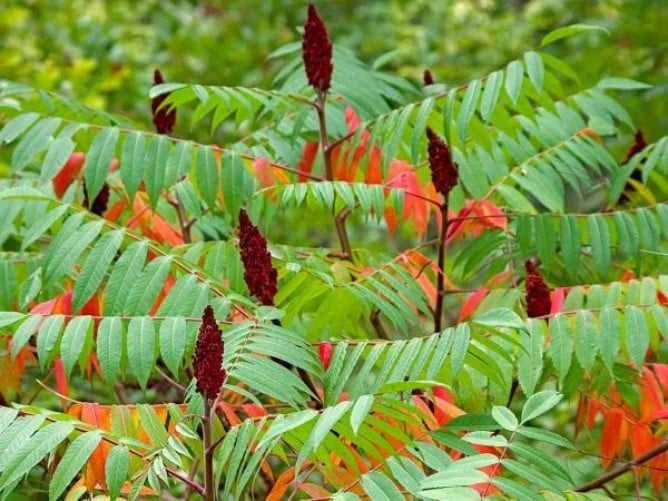
- Rhus typhina
-
-
-
Edible and medicinal
- Common sunflower
-
-
-
Poisonous and danger
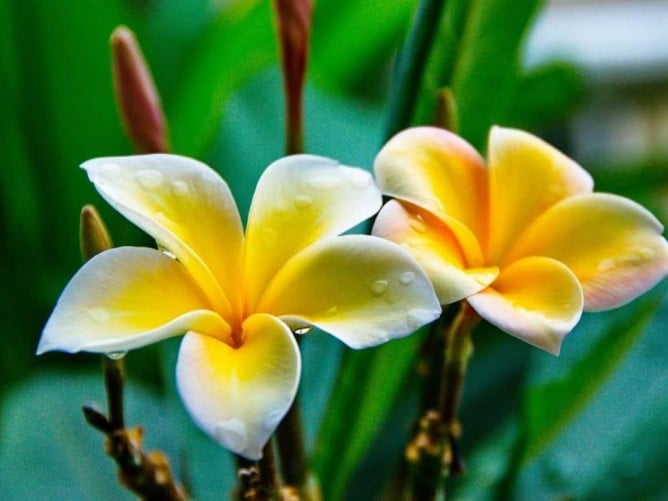
- Plumeria rubra
-
-
-
Wild and common weed
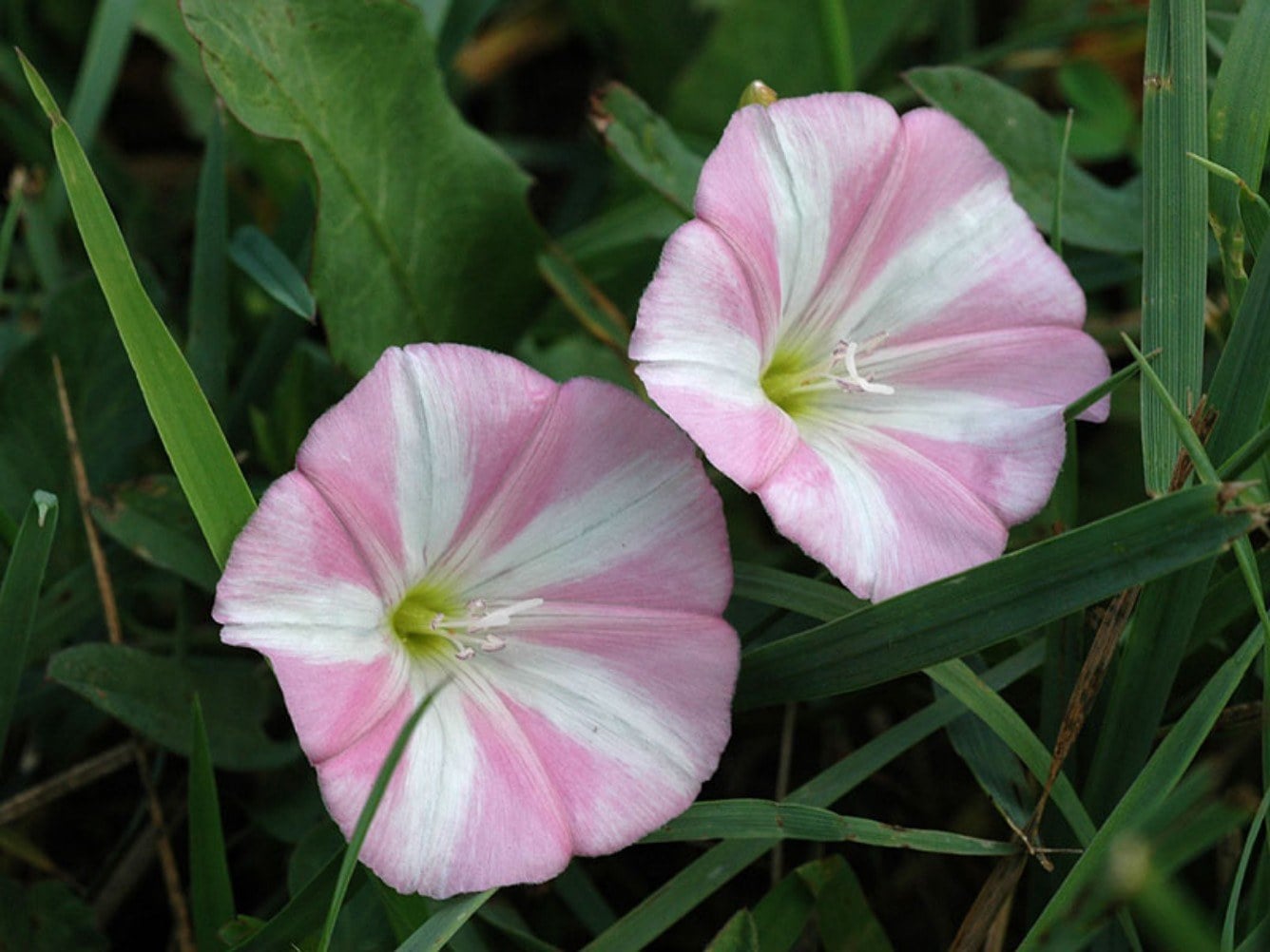
- Convolvulus arvensis
-
-
-
Edible and medicinal
- Perilla frutescens
-
-
-
Edible and medicinal
- Pogostemon cablin
-
-
-
Edible and medicinal
- Common fenugreek
-
-
-
Edible and medicinal
- Garden Thyme
-

 Edible and medicinal
 Wild and common weed
Advertisement