Wax-Leaf Privet
-
 Poisonous and danger
- Also known as:Ligustrum japonicum
 Poisonous and danger
Nursing Skills
Wax-Leaf Privet thrives in full sun to partial shade. It adapts to most well-draining soils with moderate watering; let soil dry slightly between irrigations. Prune regularly in late spring or early summer to maintain hedge shape. Feed with balanced fertilizer in spring. It tolerates drought once established. Keep an eye out for scale insects and fungal leaf spots. Avoid overwatering to prevent root rot.
Advertisement
Plant Properties
-
- Toxicity
- humans and pets
-
- Flower Color
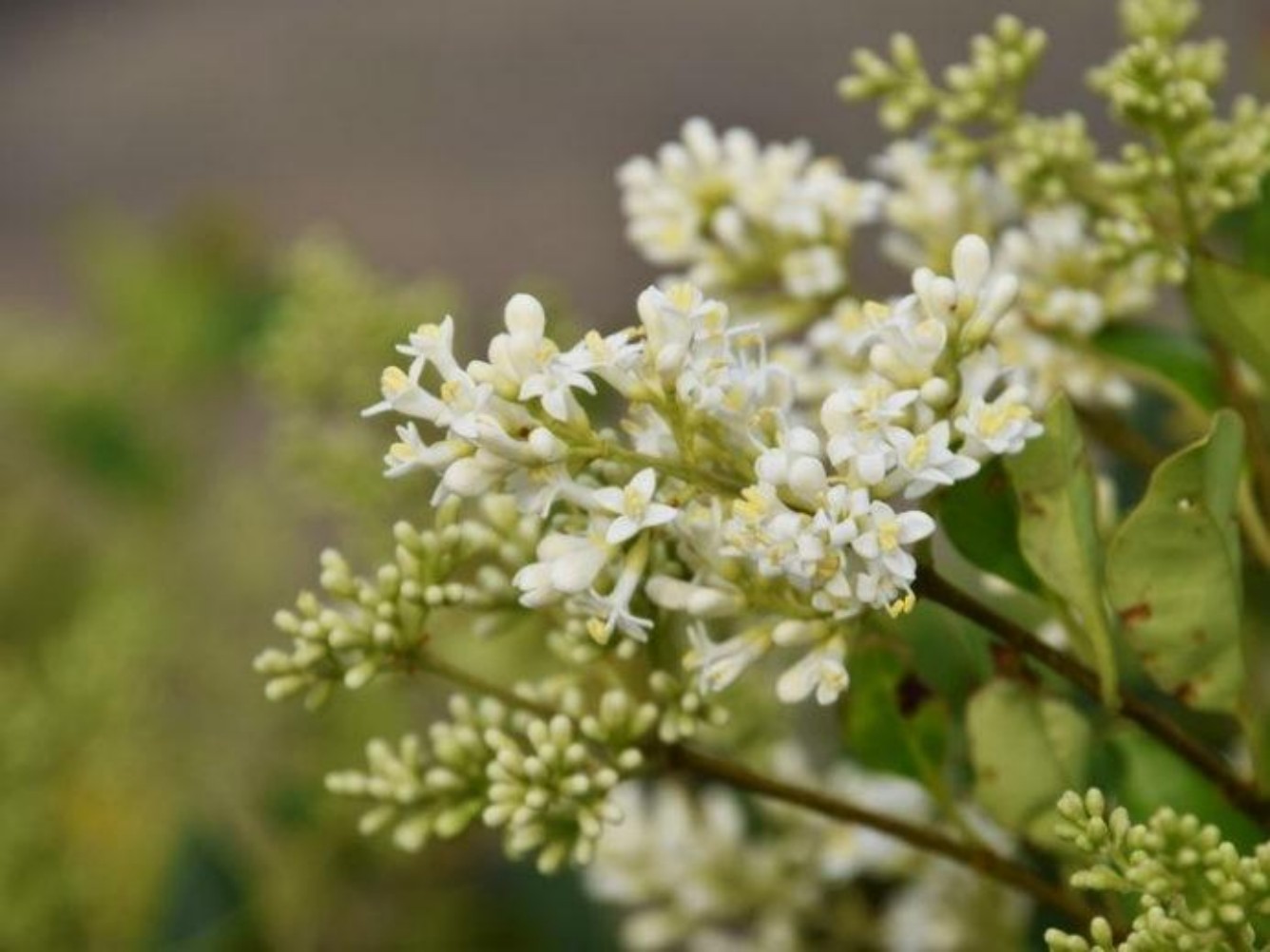
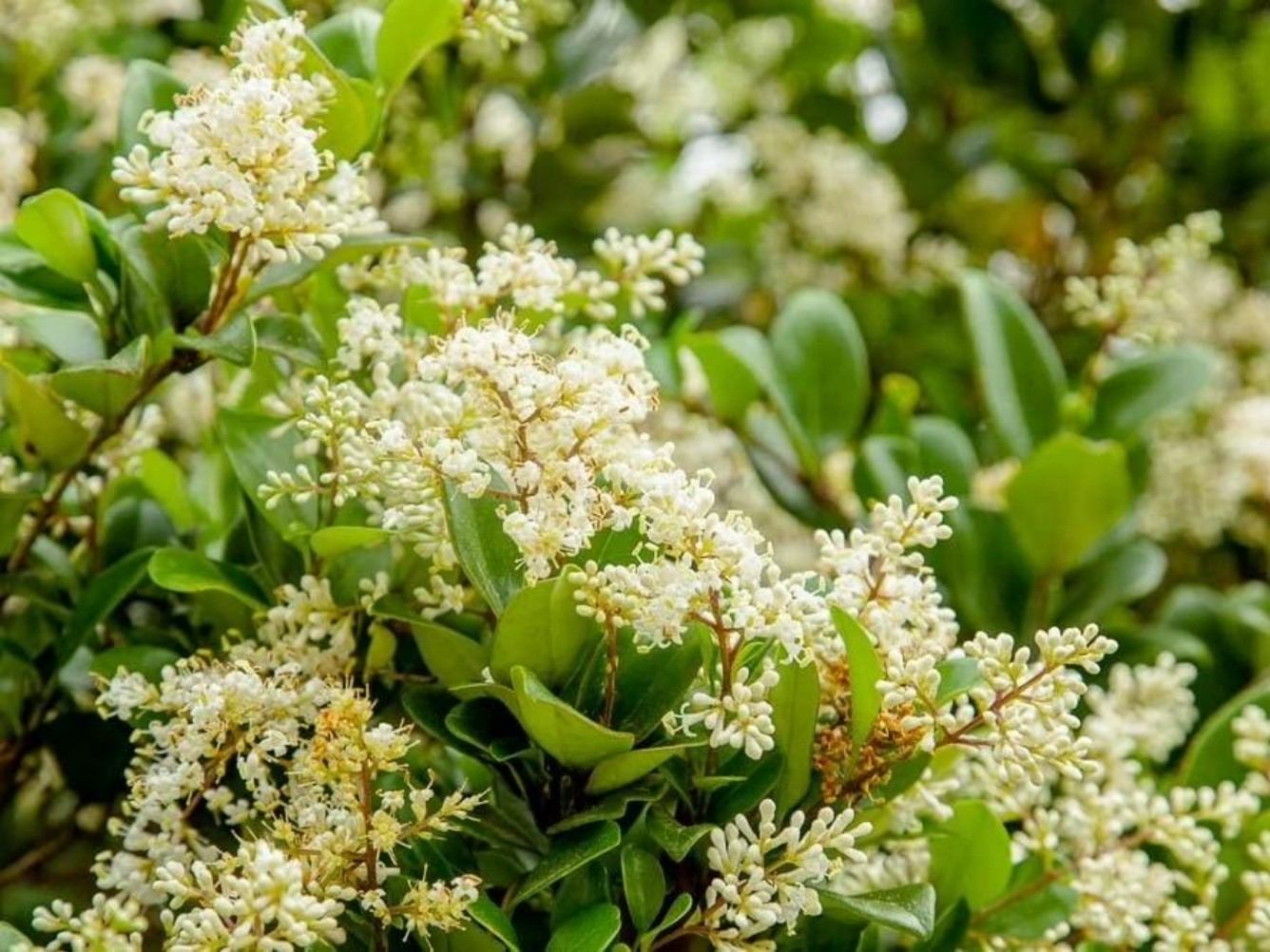
- Creamy white
-
- Plant Type
- Evergreen shrub
-
- Leaf Type
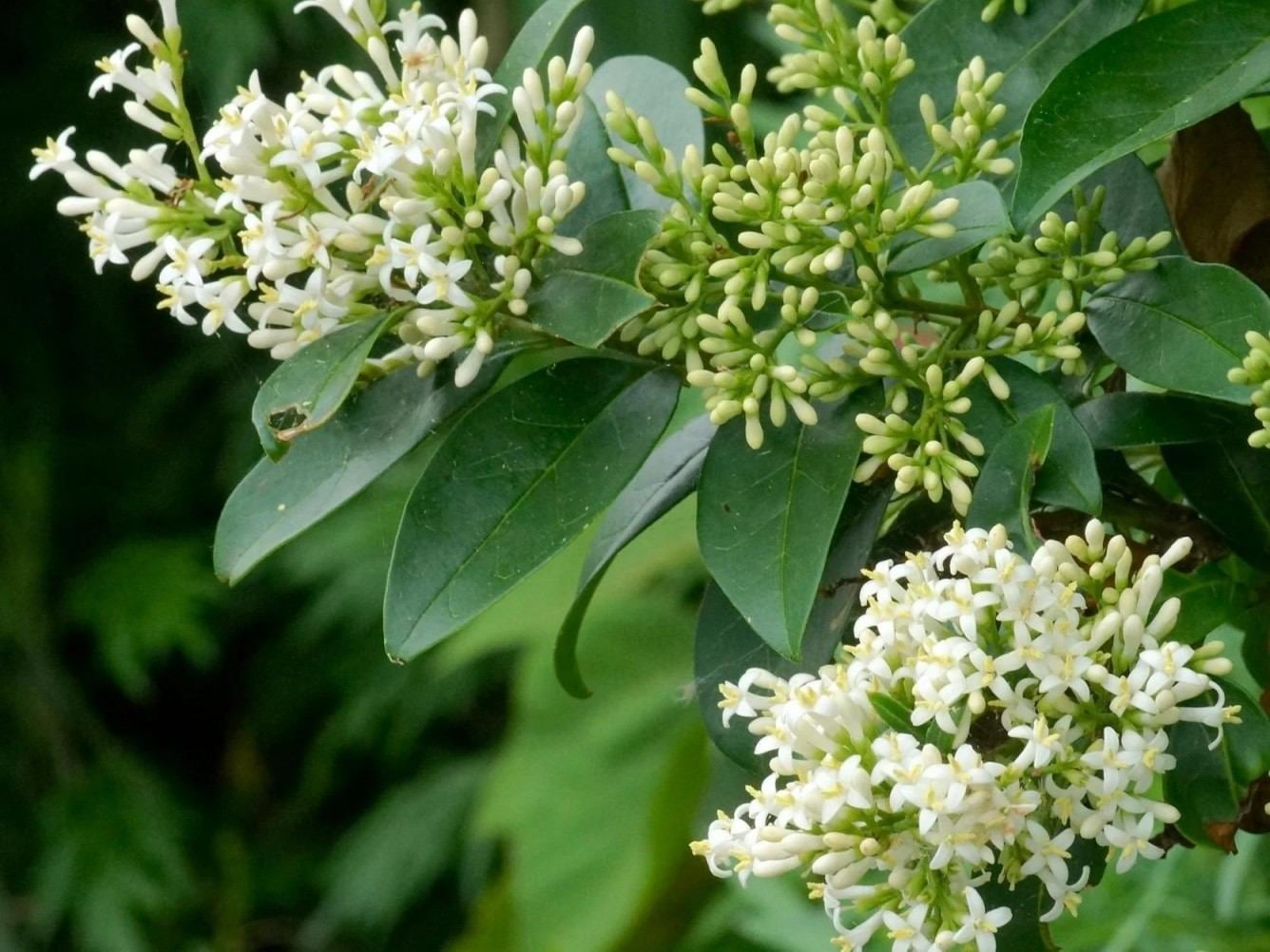
- Oval, thick glossy leaves with smooth edges
-
- Bloom time
- Late spring
-
- Lifespan
- 40–70 years
Plant Care Requirements
-
Difficulty
Easy
-
Watering schedule
Water deeply 1–2 times weekly after planting
-
Light requirement
Full sun is ideal
-
Soil pH
pH6.0 to 8.0
-
Planting time
Early spring or late fall
-
Hardiness zone
USDA zones 7–10
-
Growth rate
Moderate
Advertisement
Plant Care Guide
-
What is the best way to plant Wax-Leaf Privet for a healthy hedge?
Early Spring Late AutumnWhen planting Wax-Leaf Privet, timing matters most. Choose early spring or late fall, when temperatures are mild and roots can settle before heat or frost. Pick a spot with full sun; partial shade works but leads to thinner foliage. Dig a hole twice as wide as the root ball and the same depth, so roots do not sit buried too deep. Loosen the surrounding soil to help roots spread. Space shrubs 3 to 4 feet apart for a dense hedge. Backfill with native soil mixed with a small amount of compost to boost nutrients. Water thoroughly right after planting to remove air pockets around roots. For the first growing season, keep soil consistently moist but never waterlogged. Add a 2-inch layer of mulch like wood chips over the root zone to hold moisture, suppress weeds, and stabilize soil temperature. Avoid piling mulch against the trunk, which can trigger rot. Monitor new growth for the first few months. Skip heavy fertilizer at planting time, as fresh nutrients can burn young roots. Patience is key; it will take one to two seasons for the hedge to fill in fully.
-
How should I water Wax-Leaf Privet, and what signs show overwatering or underwatering?
Water once or twice a weekNewly planted Wax-Leaf Privet needs deep watering 1 to 2 times per week for the first year. Once established, it is drought tolerant and only needs extra water during long dry periods. Always water slowly at the base of the shrub instead of spraying leaves, to reduce fungal disease risk. Check soil moisture before watering: stick your finger 2 inches into the soil. Water only if this layer feels dry. Overwatering is a common mistake. Signs include yellow, dropping leaves and soft, dark stems, which signal root rot. Underwatered shrubs develop dull, curled leaves and leaf drop starting on branch tips. In hot summer weather, extended dryness can stress the plant, so provide a deep soak every two weeks. In winter, cut watering way back, since cold wet soil quickly damages roots. Good drainage is non-negotiable. If your garden has heavy clay soil, amend it with compost or sand to improve drainage before planting. Never let standing water pool around the root system.
-
When and how to prune Wax-Leaf Privet to maintain a neat hedge shape?
Late SpringWax-Leaf Privet responds very well to pruning. The main pruning window is late spring after its bloom period, with lighter trimming through early summer. Avoid heavy pruning in late fall, because new tender shoots will get damaged by incoming frost. Use sharp, clean hedge trimmers or hand shears. For a formal hedge, trim the sides so the base is slightly wider than the top. This shape lets sunlight reach lower branches and prevents bare bottoms. You can remove dead, broken, or diseased branches at any time of year. Thin out crowded inner branches to improve airflow, which cuts down fungal leaf spot problems. Do not remove more than one-third of total foliage in a single pruning session. Severe over-cutting can shock the shrub and slow recovery. After trimming, clear away all fallen leaf debris around the base. Light fertilization after pruning supports fresh leaf growth. If you want fewer flowers and berries, trim earlier in spring before flower buds open.
-
What soil conditions and fertilizer routine work best for Wax-Leaf Privet?
pH6.0 to 8.0Wax-Leaf Privet adapts to many soil types, as long as drainage is good. The ideal soil pH ranges from 6.0 to 8.0, covering slightly acidic, neutral and slightly alkaline soils. Sandy, loam, or clay soils are all usable with amendments. Heavy clay soil should be mixed with compost to open up pore space and prevent water buildup. Avoid extremely boggy sites entirely. For fertilizing, apply a balanced slow-release shrub fertilizer once each spring, right before new spring growth emerges. Slow-release formulas feed steadily and lower the risk of fertilizer burn. Do not fertilize in late summer or fall, as this forces weak new growth vulnerable to cold damage. Spread fertilizer evenly over the root zone, not right against the main stem, then water it in. You can add compost as a top-dressing annually instead of synthetic fertilizer for low-maintenance organic care. Test soil every few years if you notice pale leaves or poor growth. Pale foliage often signals nutrient deficiency, which a spring feeding can resolve.
-
What are the most common pests attacking Wax-Leaf Privet, and how to control them?
Scale insectsScale insects are the most frequent pest on Wax-Leaf Privet. They attach to stems and leaf undersides, sucking sap and leaving sticky honeydew. Heavy scale infestations cause yellowing leaves and stunted growth. Check branches regularly, especially in sheltered inner foliage. For light scale outbreaks, scrape pests off manually and spray with neem oil or insecticidal soap. Severe infestations may require horticultural oil applied during dormant periods. Spider mites can appear in hot, dry conditions, creating fine webbing and stippled leaves. Increase local humidity and rinse foliage with water to reduce mite populations. Aphids sometimes cluster on new spring shoots. A strong blast of water can knock most aphids off without chemicals. Always inspect new plants before adding them near your privet hedge to avoid bringing pests in. Maintain good airflow through proper pruning to reduce pest habitat. Try organic methods first. Reserve stronger chemical insecticides only for persistent heavy infestations, and follow label instructions carefully to protect pollinators.
-
Can I propagate Wax-Leaf Privet, and what is the easiest propagation method?
Late summer to early autumnYes, Wax-Leaf Privet propagates reliably from semi-hardwood stem cuttings taken in mid to late summer. Select healthy stems from this year’s growth that have partly matured wood. Cut 4 to 6 inch long sections, remove the lower leaves, and leave only a few small leaves at the cutting tip. Dip the cut end in rooting hormone powder to speed root development, though it can root without it. Prepare pots filled with a well-draining mix of peat and perlite. Insert cuttings into the medium, firm the soil around them, and water gently. Cover pots loosely with a clear plastic bag to retain humidity, making sure plastic does not touch the leaves. Keep cuttings in bright indirect light, out of direct hot sun. Maintain consistent light moisture, do not saturate the medium. Rooting usually takes 6 to 8 weeks. Tug the cutting lightly; resistance means roots have formed. Once rooted, gradually remove the plastic cover and harden off young plants. After several months, you can transplant the new shrubs into garden beds. Note that propagated plants will share the parent’s traits, and remember berries remain toxic once mature.
Advertisement
Frequently Asked Questions
-
1 Why are the leaves on my Wax-Leaf Privet turning yellow and dropping off?
Yellowing and leaf drop in wax-leaf privet most often comes from improper watering, though pests and poor soil conditions can also trigger this issue. Overwatering is the top culprit. When soil stays constantly wet, roots cannot breathe and root rot slowly develops. Early signs include pale yellow lower leaves that fall easily, even if the shrub looks green on top. Dig a small hole near the roots to check moisture; soggy, stinking soil confirms rot. If overwatered, pause irrigation and improve drainage by aerating the soil around roots. On the flip side, severe underwatering also causes yellow and crispy leaves, starting at branch tips. Check soil moisture regularly during hot summer months. Scale insects are another common cause. These tiny sap-sucking bugs cling to stems and leaf undersides, draining nutrients and causing widespread yellow foliage. Inspect branches for small brown bumps and sticky honeydew residue. Nutrient imbalance can also lead to yellow leaves. If drainage and watering are fine, test soil pH. Wax-leaf privet tolerates 6.0–8.0, but extreme pH locks up nutrients. Apply balanced slow-release fertilizer in spring to correct deficiencies. Avoid heavy fertilization later in the growing season. Remove heavily damaged branches to help the shrub redirect energy toward healthy new growth.
-
2 My Wax-Leaf Privet hedge has bare spots at the bottom. How can I fix this?
Bare lower branches are an extremely common complaint with wax-leaf privet hedges, and the main cause is poor sunlight reaching the base. Many gardeners trim hedges with straight or outward-sloped sides, which creates a thick canopy at the top that blocks sunlight from lower foliage. Without light, inner and bottom leaves gradually die and will not regrow easily once gone. The best long-term solution is to reshape the hedge with a slight taper: make the base wider than the top. This design lets sunlight penetrate down to the lower branches. Carry out reshaping gradually over two growing seasons; never remove more than one-third of the shrub’s total foliage in a single pruning session, as heavy cutting can shock the plant. Boost airflow by thinning crowded inner branches to reduce fungal disease risk. Keep up with regular light trimming after reshaping, but avoid cutting too deep into old, bare wood, because wax-leaf privet struggles to sprout new leaves from completely bare mature branches. Consistent spring feeding supports fresh foliage growth. If bare areas are very large, you may need to plant additional young privet shrubs in the gaps to rebuild a full hedge.
-
3 What causes leaf spot disease on Wax-Leaf Privet and how do I treat and prevent it?
Fungal leaf spot is a widespread disease for wax-leaf privet. It appears as small brown or dark purple spots on leaves, which slowly expand and may cause premature leaf drop. The fungus spreads quickly in damp, humid conditions, especially when water splashes onto foliage during irrigation. Overcrowded hedges with poor airflow create the perfect environment for spores to multiply. Once you notice spots, start treatment by picking off badly infected leaves and clearing fallen leaf debris from the ground around the shrub, since spores overwinter in old leaf litter. Adjust your watering routine: water at the base of the plant, avoid spraying water over the leaves, and water early in the morning so any moisture on foliage dries quickly in sunlight. Prune out dense inner branches to improve air circulation inside the hedge. For mild infections, these cultural controls are usually enough. If the infection is severe, apply a suitable fungicide following all label directions, repeating applications as recommended. Prevention is far more effective than curing established outbreaks. Space shrubs properly when planting, avoid over-fertilizing, and maintain good drainage. Do not work on wet plants, as you can carry fungal spores on your tools and clothing to healthy parts of the hedge.
Advertisement
Introduction
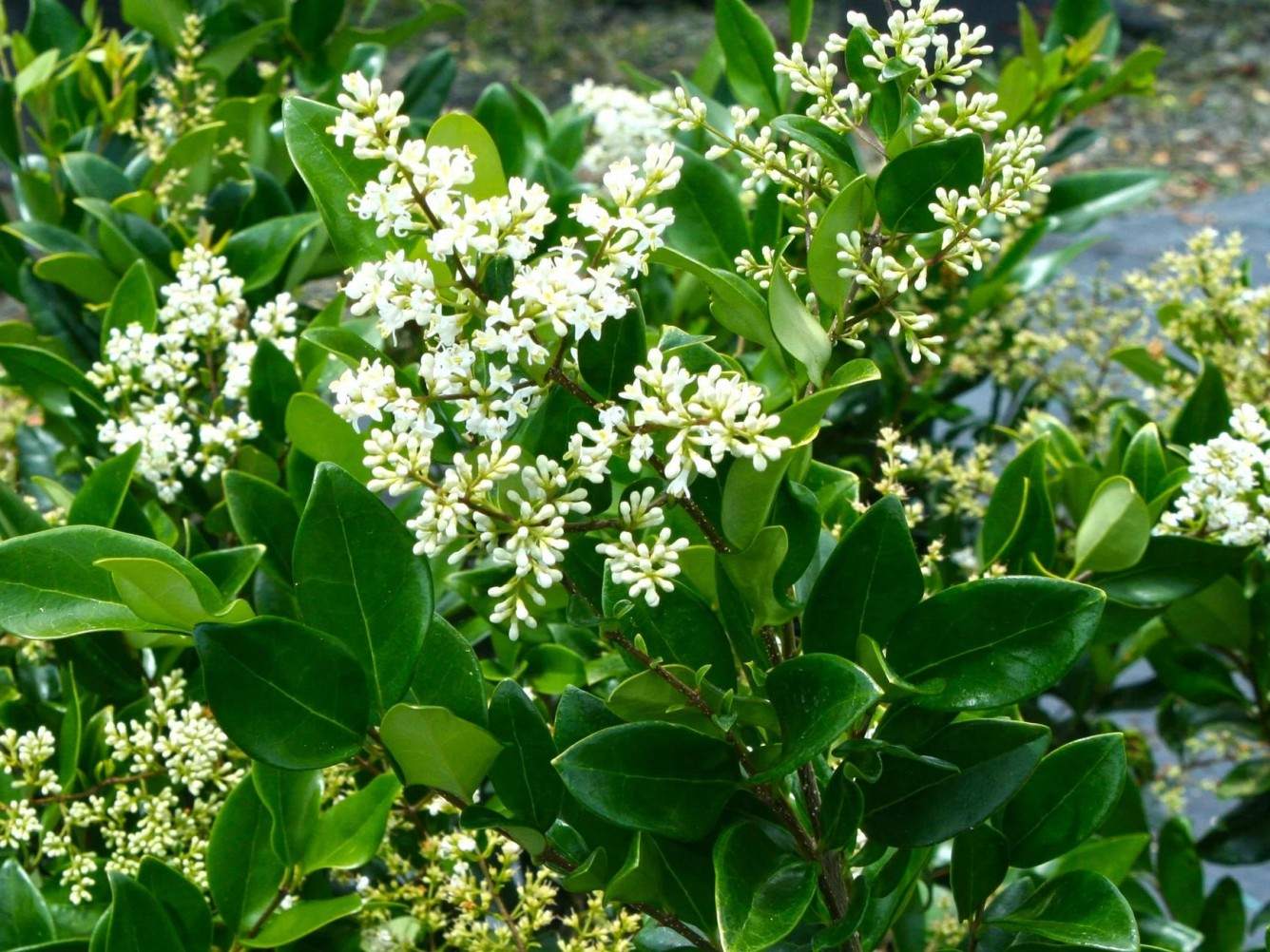
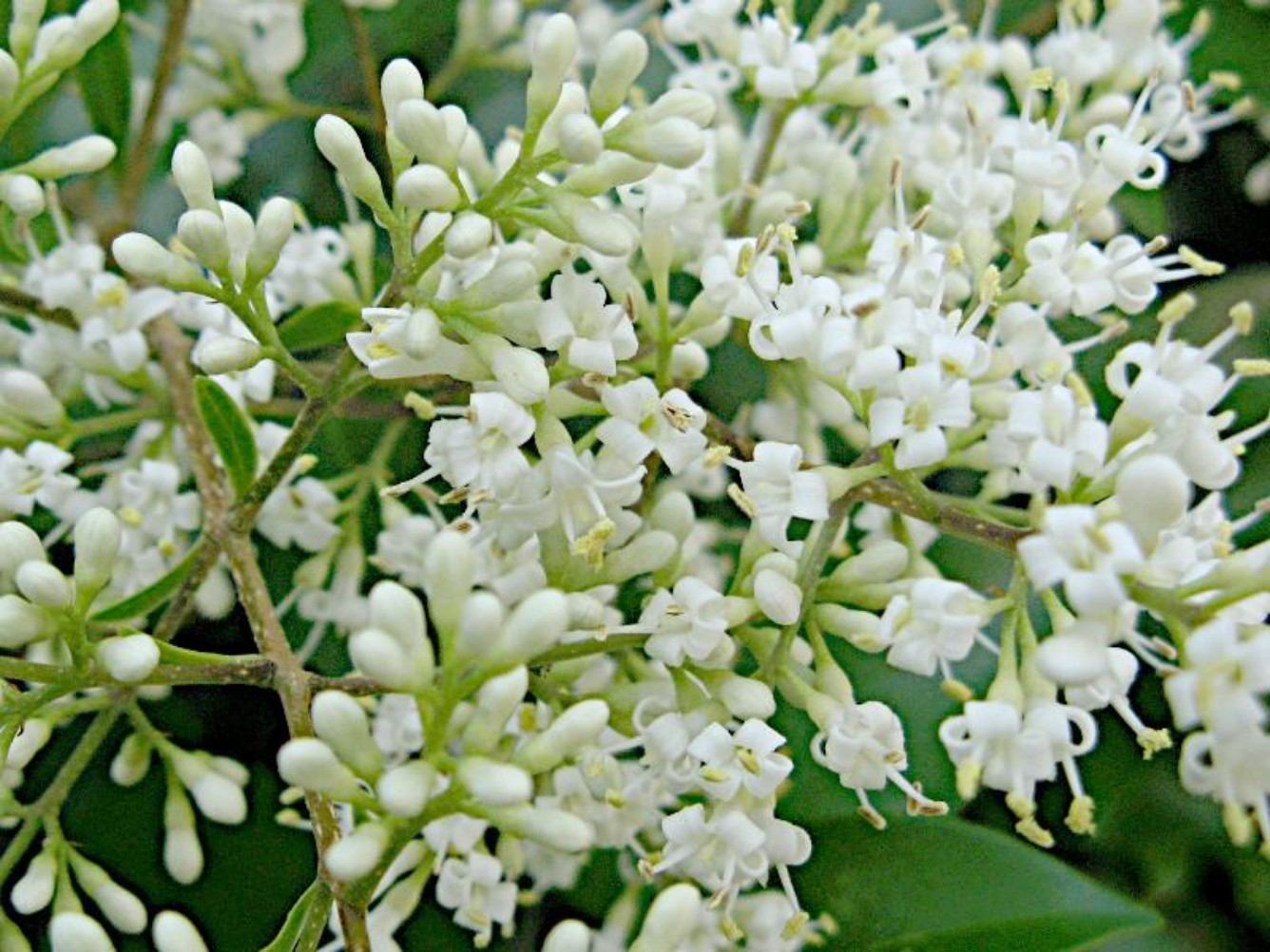
Wax-Leaf Privet is an evergreen shrub in the olive family, native to East Asia. It features thick, glossy dark green oval leaves. Clusters of tiny creamy white flowers bloom in late spring, followed by dark blue berries. Widely planted for hedges and privacy screens, it tolerates heavy pruning. Note that berries and leaves are toxic to humans and pets, and it can become invasive in some regions.
Popular Plant Encyclopedia
-
-
Poisonous and danger
- Rhus typhina
-
-
-
Edible and medicinal
- Common sunflower
-
-
-
Poisonous and danger
- Plumeria rubra
-
-
-
Wild and common weed
- Convolvulus arvensis
-
-
-
Edible and medicinal
- Perilla frutescens
-
-
-
Edible and medicinal
- Pogostemon cablin
-
-
-
Edible and medicinal
- Common fenugreek
-
-
-
Edible and medicinal
- Garden Thyme
-

 Edible and medicinal
 Wild and common weed
Advertisement