Wild mint
-
 Edible and medicinal
 - Also known as: Field mint, Marsh mint, Japanese peppermint, European corn mint, Banana mint
 Edible and medicinal
Nursing Skills
Wild mint thrives in moist, well-drained soil and prefers full sun to partial shade. It grows best in cooler climates and requires regular watering to keep the soil consistently damp. This fast-growing plant spreads easily, so container planting or root barriers can help manage its growth. Wild mint benefits from occasional pruning to encourage bushier growth and prevent flowering if you want to prolong leaf production. Its a low-maintenance, hardy herb.
Advertisement
Plant Properties
-
- Toxicity
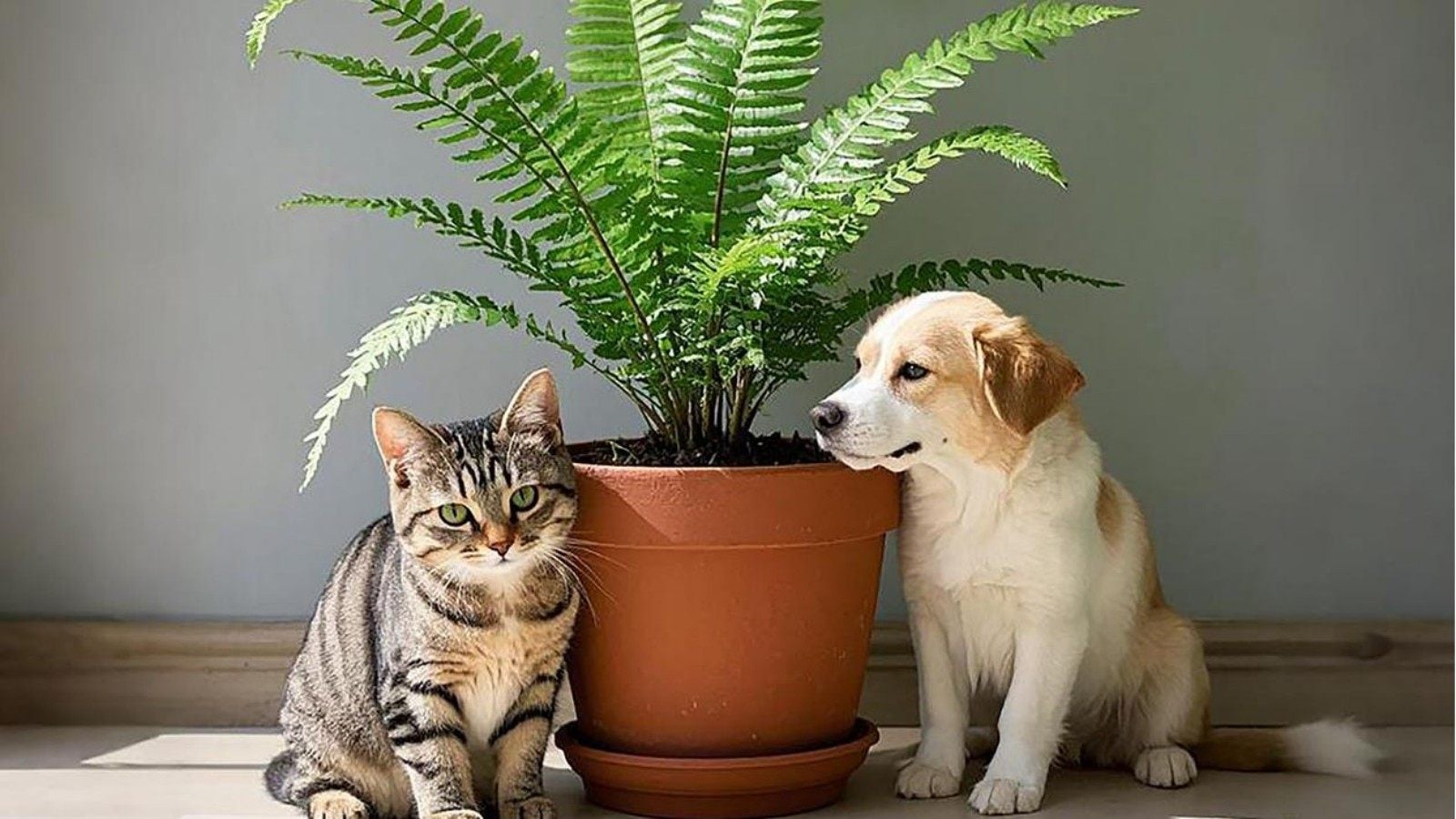
- Toxic to Pets
-
- Plant Type
- Herb
-
- Bloom Time
- Late spring, Summer, Early fall, Mid fall
-
- Harvest Time
- Summer, Fall
-
- Plant Height
- 10 cm to 1 m
-
- Leaf Color
- Green, Blue
-
- Flower Size
- 3 mm to 4 mm
-
- Fruit Color
- Brown
-
- Flower Color
- White, Pink, Purple, Violet
-
- Stem Color
- Green, Red
Plant Care Requirements
-
Difficulty of Care
Easy. Wild mint is a hardy, low-maintenance herb suitable for beginners
-
Watering Schedule
Water regularly, about 2–3 times per week or more in hot weather
-
Light Requirements
At least 4–6 hours of sunlight daily helps promote vigorous growth
-
Soil pH
Slightly acidic to neutral (pH 6.0–7.0)
-
Planting Time
After the last frost in spring or early summer
-
Fertilization Frequency
Apply a balanced fertilizer once a month during the growing season if soil is poor
-
Ideal Temperature
Grows best in temperatures between 15°C to 25°C
Advertisement
Plant Care Guide
-
What type of soil does Wild Mint grow best in?
pH6-7Wild mint prefers moist, well-drained soil that is rich in organic matter. A loamy or slightly sandy texture is ideal, and the soil should retain moisture without becoming waterlogged. The optimal pH range is between 6.0 and 7.0, which is slightly acidic to neutral. Adding compost can improve soil structure and provide nutrients for healthy growth.
-
How often should I water Wild Mint?
2-3 times a weekWild mint thrives in consistently moist soil, so regular watering is important, especially during hot or dry weather. Water 2–3 times per week or more frequently if the soil dries out quickly. Avoid letting the soil completely dry, as this can stress the plant. However, good drainage is also essential to prevent root rot from overwatering.
-
How much sunlight does Wild Mint need?
Full sun or partial shadeWild mint grows best in full sun to partial shade. Aim to give it 4 to 6 hours of sunlight daily. In very hot climates, some afternoon shade can help protect the plant from drying out. If grown indoors, place it near a bright window. Adequate light promotes strong stems and flavorful leaves.
-
When is the best time to plant Wild Mint?
Early spring or early summerThe best time to plant wild mint is in early to mid-spring, after the last frost has passed. This gives the plant a full growing season to become established. You can also plant it in early summer, especially from cuttings. For colder climates, starting indoors and transplanting later is another good option.
-
How do I fertilize Wild Mint, and how often?
Once a monthWild mint doesn’t need heavy feeding. If the soil is poor, use a balanced, water-soluble fertilizer (10-10-10) once a month during the growing season. Over-fertilizing can reduce the flavor intensity of the leaves. For organically grown mint, compost or a diluted seaweed fertilizer can be applied sparingly to support healthy, natural growth.
-
What temperatures are ideal for growing Wild Mint?
15°C-25°CWild mint grows best in temperatures between 15°C to 25°C . It is a cool-season plant and can tolerate light frost. In colder zones, it may die back in winter but will often regrow in spring. In warmer climates, keeping the soil moist and providing partial shade helps the plant avoid heat stress.
-
Can Wild Mint be grown in containers, and how do I manage it?
Prune frequentlyYes, wild mint grows well in containers, which is also a great way to prevent it from spreading aggressively. Use a pot with good drainage and water regularly to maintain soil moisture. Container mint may need more frequent watering than garden-planted mint. Prune often to encourage bushy growth and prevent flowering, which can reduce leaf production.
Advertisement
Frequently Asked Questions
-
1 Is Wild Mint edible?
Yes, Wild Mint is not only edible but also widely appreciated for its aromatic and medicinal qualities. The leaves can be eaten fresh or dried and are often used in teas, sauces, salads, and traditional remedies. It has a refreshing, slightly spicy flavor. Be sure to properly identify the plant in the wild before consuming, as some mints can resemble inedible or toxic species.
-
2 Does Wild Mint spread easily?
Wild Mint spreads vigorously through creeping underground rhizomes. Once established, it can quickly take over a garden bed if not managed. To control its growth, consider planting it in a large container or using physical barriers around the roots. Regular pruning and dividing the roots annually also help keep it in check and maintain a tidy appearance in your garden.
-
3 How do I harvest Wild Mint?
To harvest Wild Mint, use clean scissors or garden shears to cut the upper stems, ideally just above a pair of leaves. This encourages branching and fuller growth. The best time to harvest is in the morning after the dew dries but before the sun is too strong. For peak flavor and oil content, harvest before the plant flowers. You can air-dry or use the leaves fresh.
-
4 Can Wild Mint survive winter?
Yes, Wild Mint is a hardy perennial that can survive cold winters in USDA Zones 3–9. In colder regions, the foliage may die back completely, but the root system remains alive underground. New growth typically emerges in the spring. Mulching around the base in late fall can help insulate the roots and improve winter survival, especially in areas with harsh freezes.
-
5 How often should I prune Wild Mint?
Prune Wild Mint every few weeks during the growing season to keep it healthy and bushy. Regular trimming prevents flowering, which can reduce leaf flavor. Cutting back the plant by about one-third encourages dense growth and helps control its spreading habit. At the end of the season, you can give it a hard prune to prepare for dormancy, especially if grown in containers.
Advertisement
Introduction
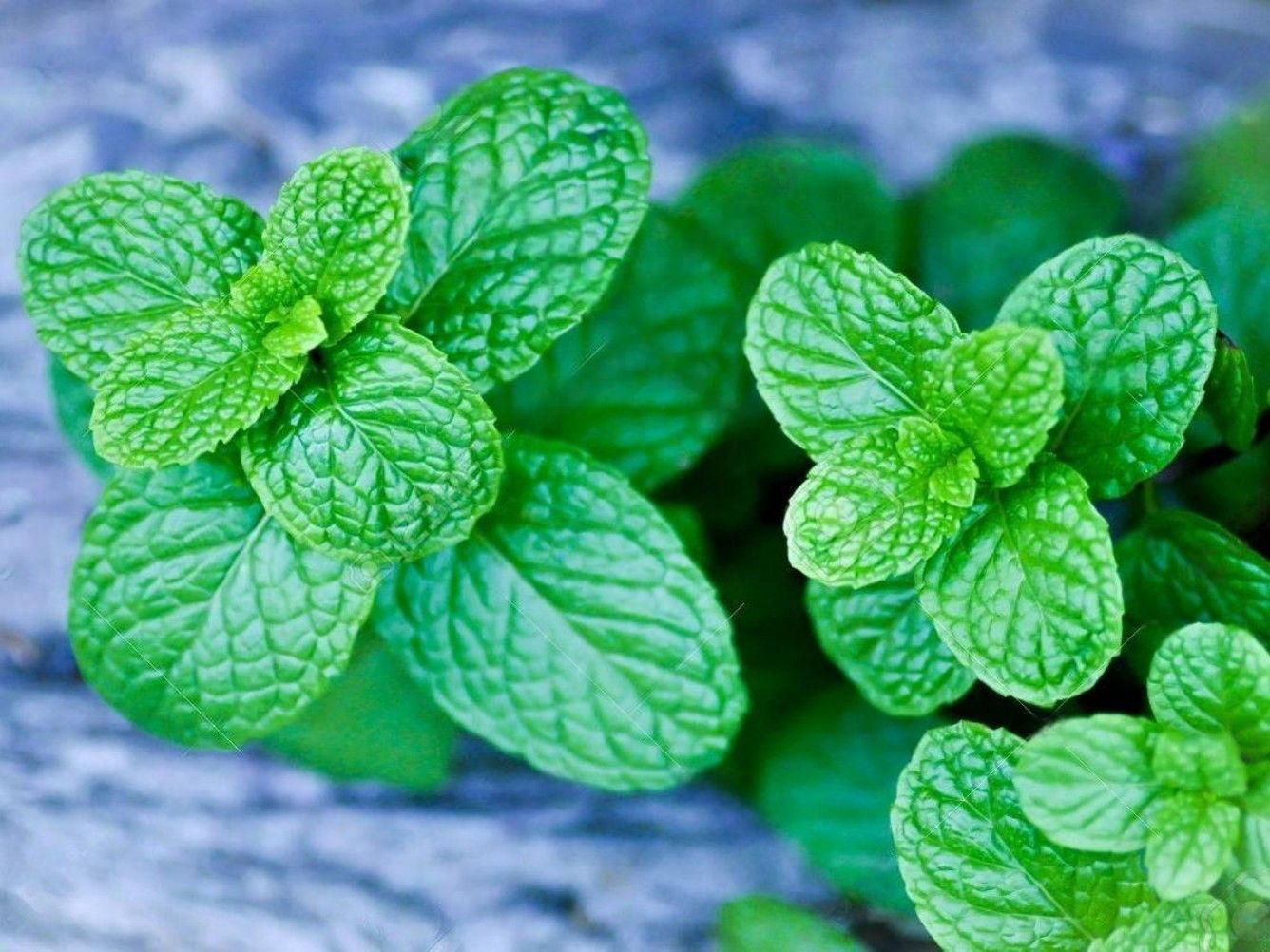
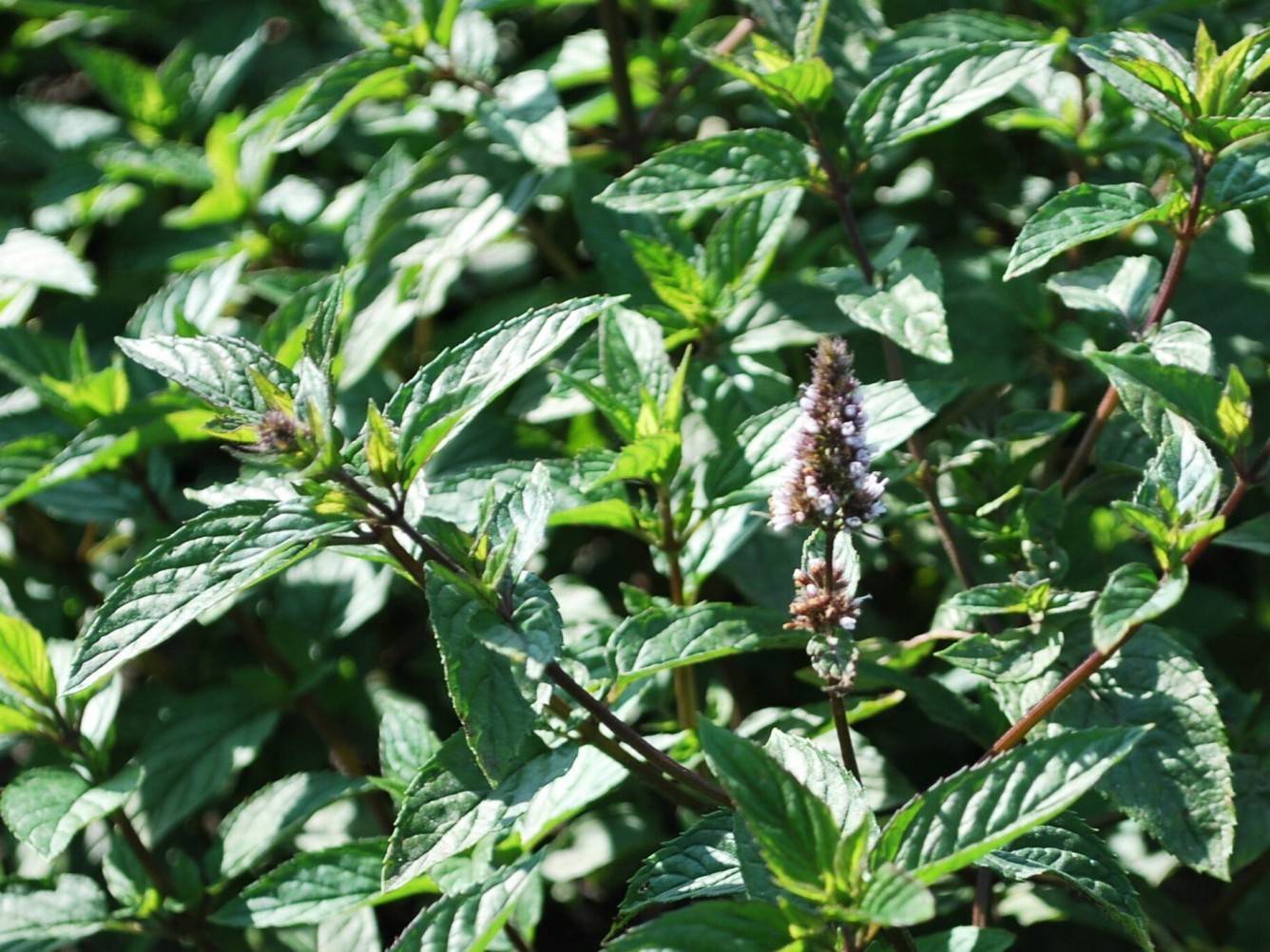
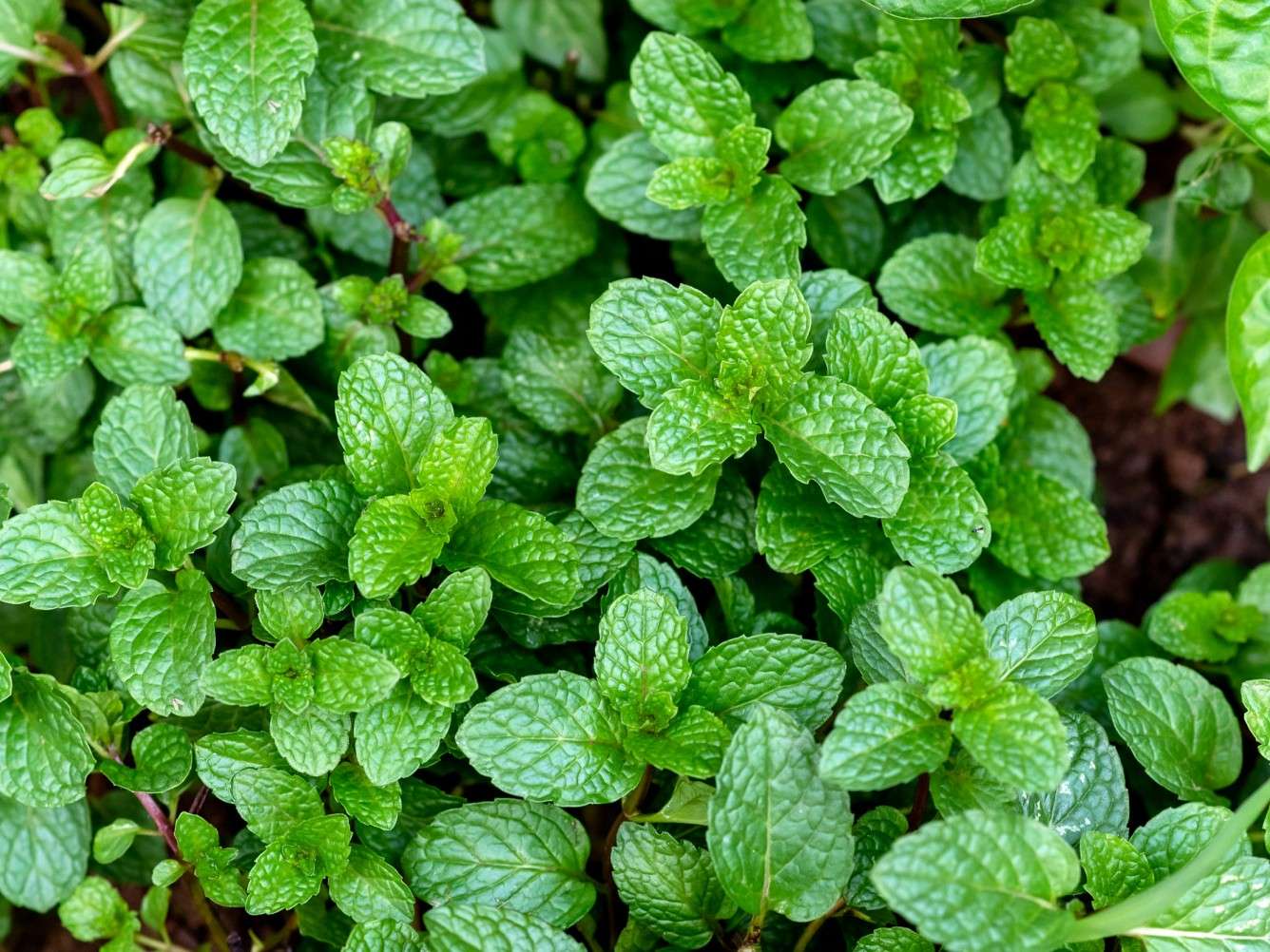
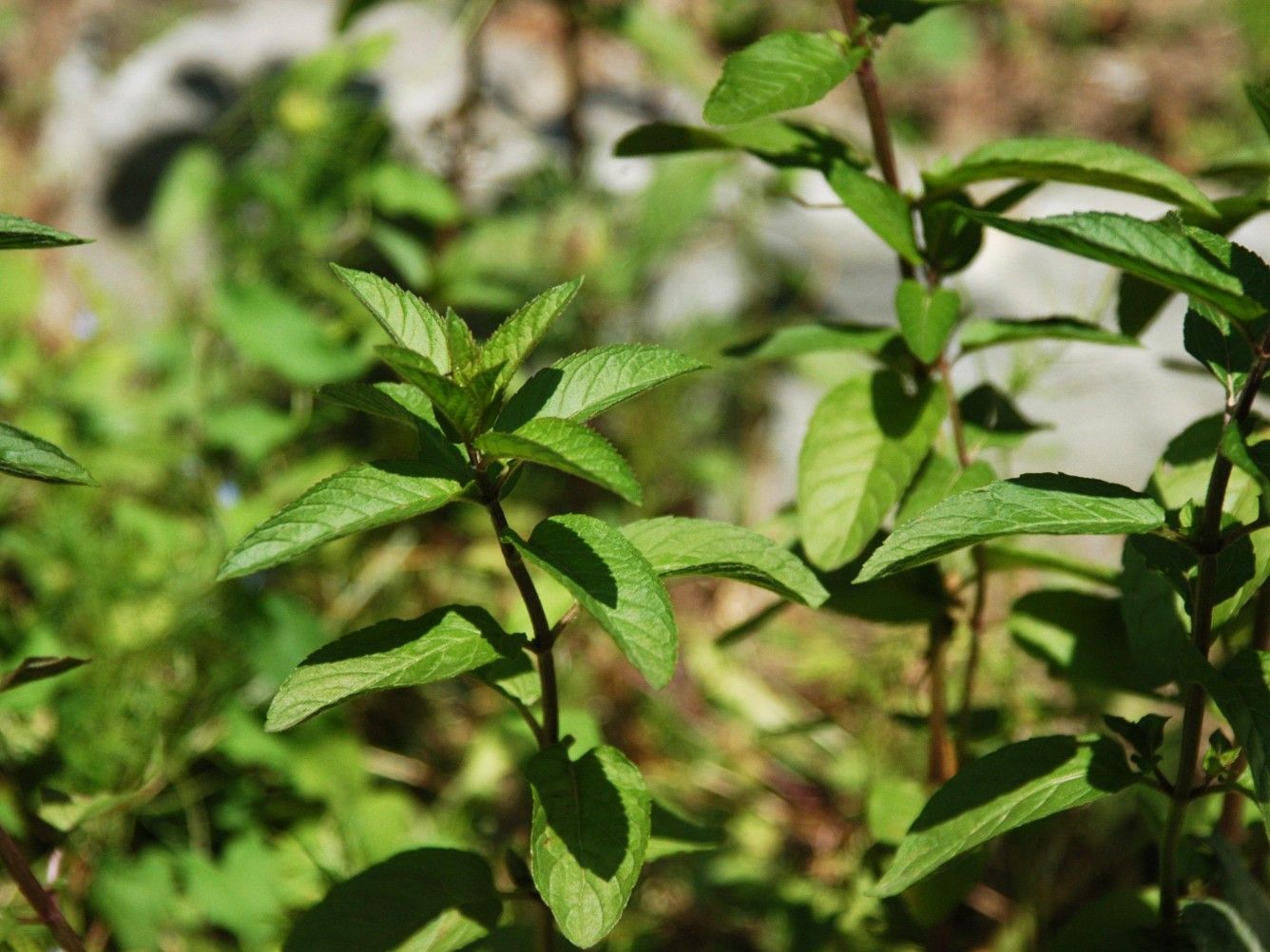
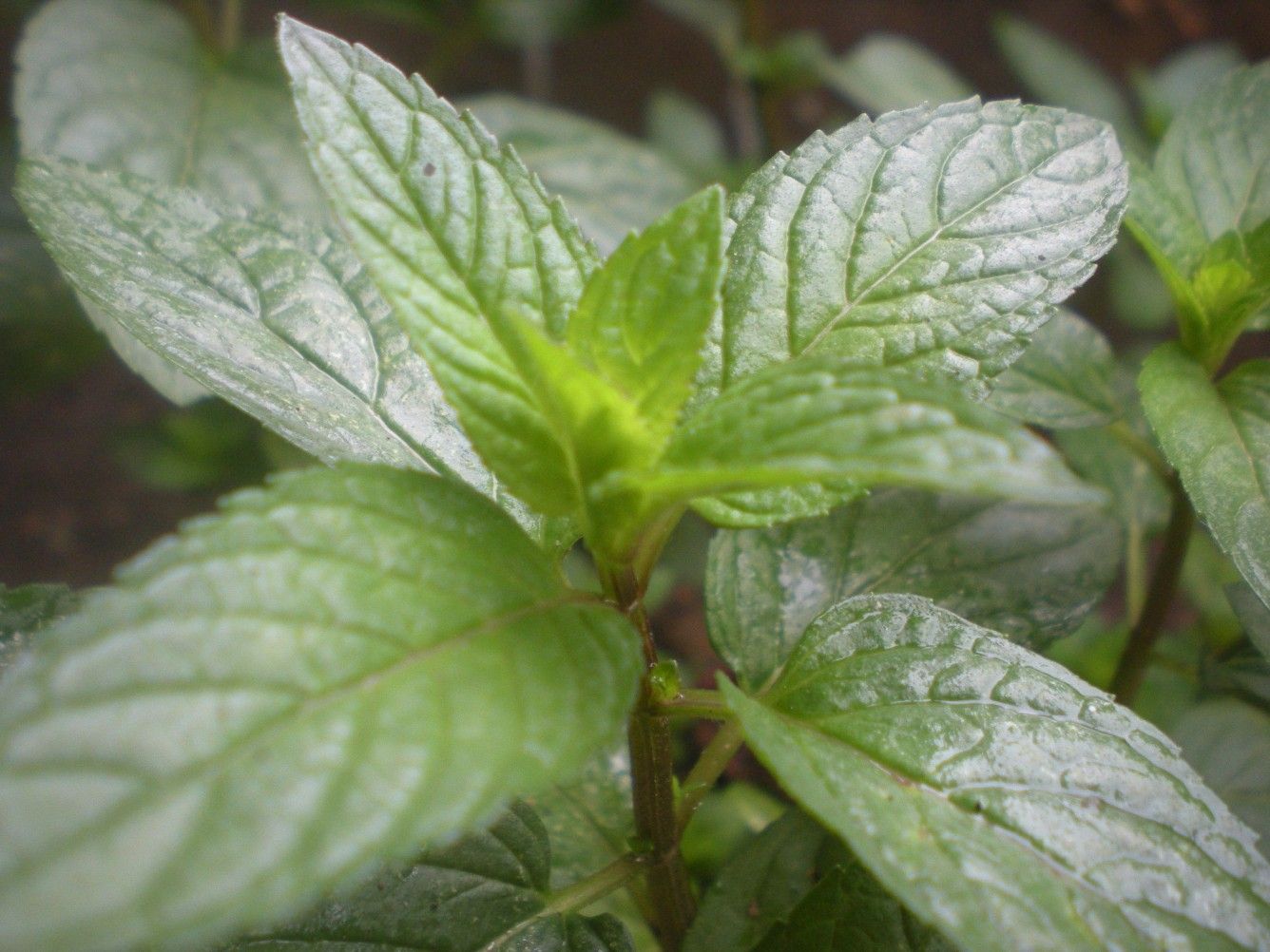
Wild mint is a hardy, aromatic herb native to North America, Europe, and Asia. Known for its refreshing scent and flavor, it thrives in moist soils and can often be found near streams, wetlands, and meadows. The plant features square stems, pointed leaves, and clusters of pale purple flowers. Wild mint is widely used in herbal teas, culinary dishes, and traditional medicine for its soothing properties, particularly in aiding digestion and relieving headaches. Its a versatile, fast-spreading perennial.
Popular Plant Encyclopedia
-
-
Poisonous and danger
- Rhus typhina
-
-
-
Edible and medicinal
- Common sunflower
-
-
-
Poisonous and danger
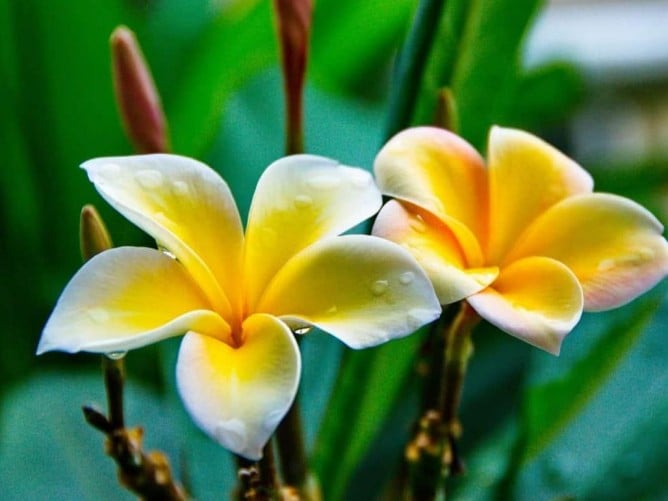
- Plumeria rubra
-
-
-
Wild and common weed
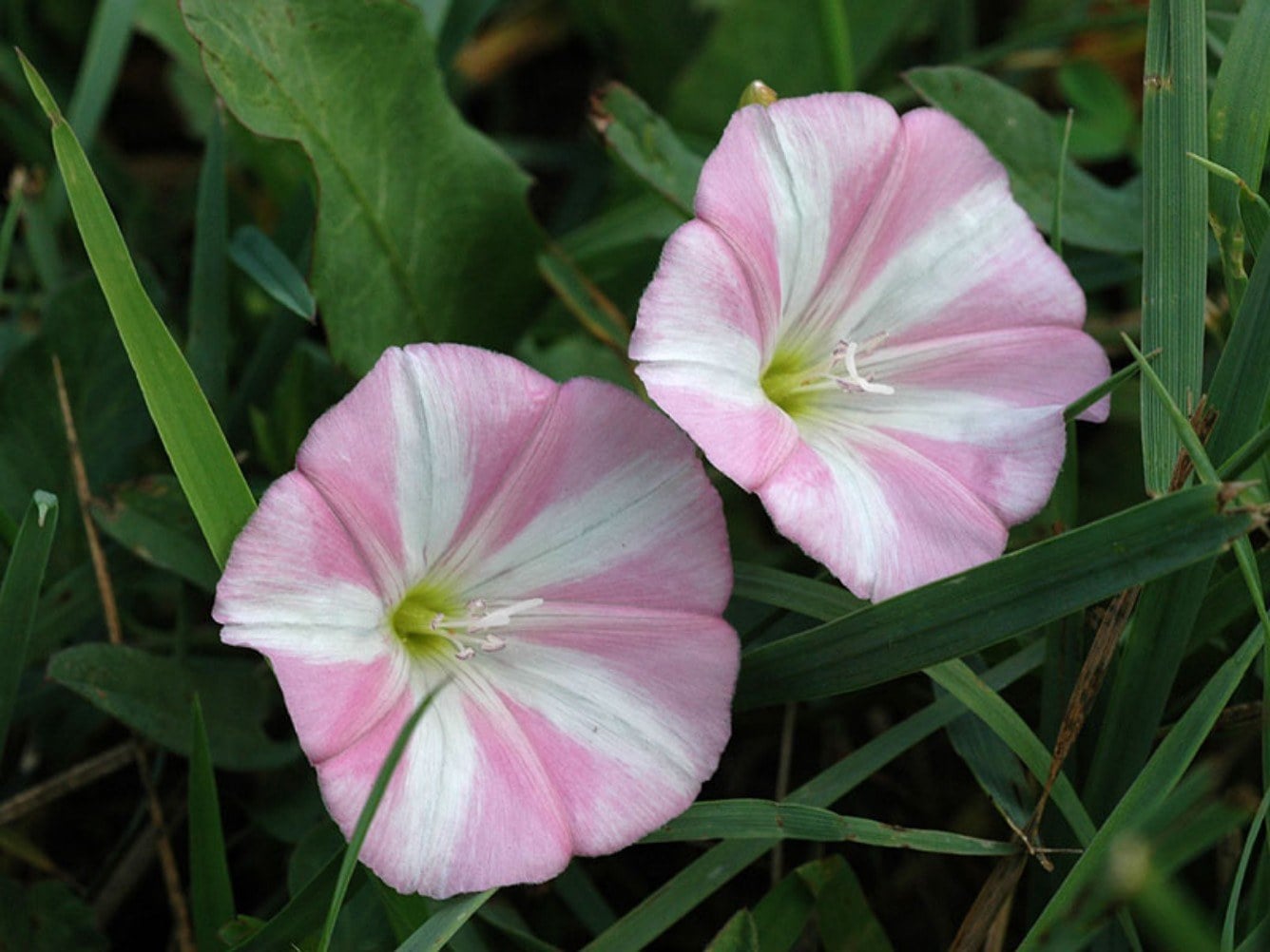
- Convolvulus arvensis
-
-
-
Edible and medicinal
- Perilla frutescens
-
-
-
Edible and medicinal
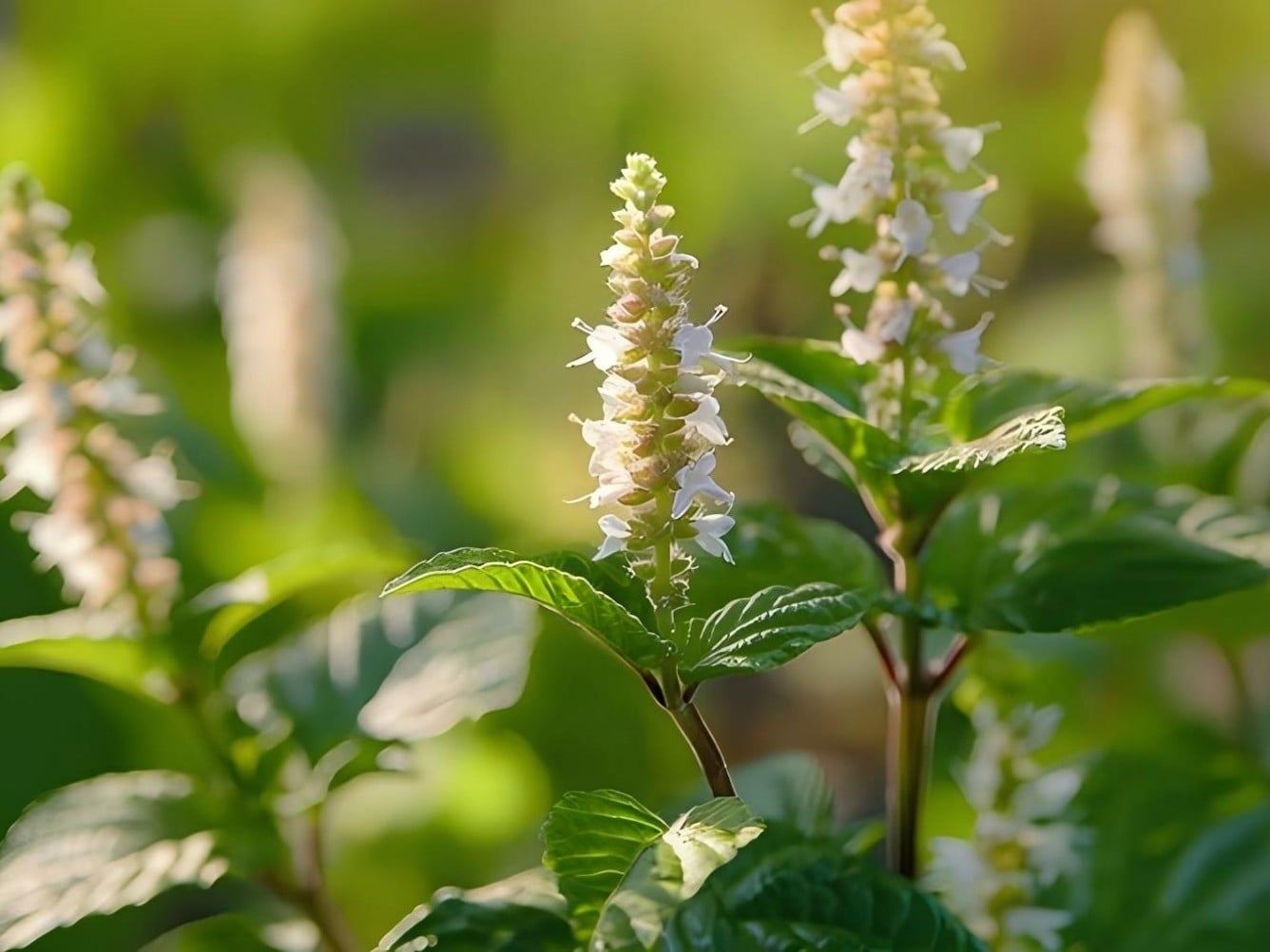
- Pogostemon cablin
-
-
-
Edible and medicinal
- Common fenugreek
-
-
-
Edible and medicinal
- Garden Thyme
-
 Poisonous and danger
 Wild and common weed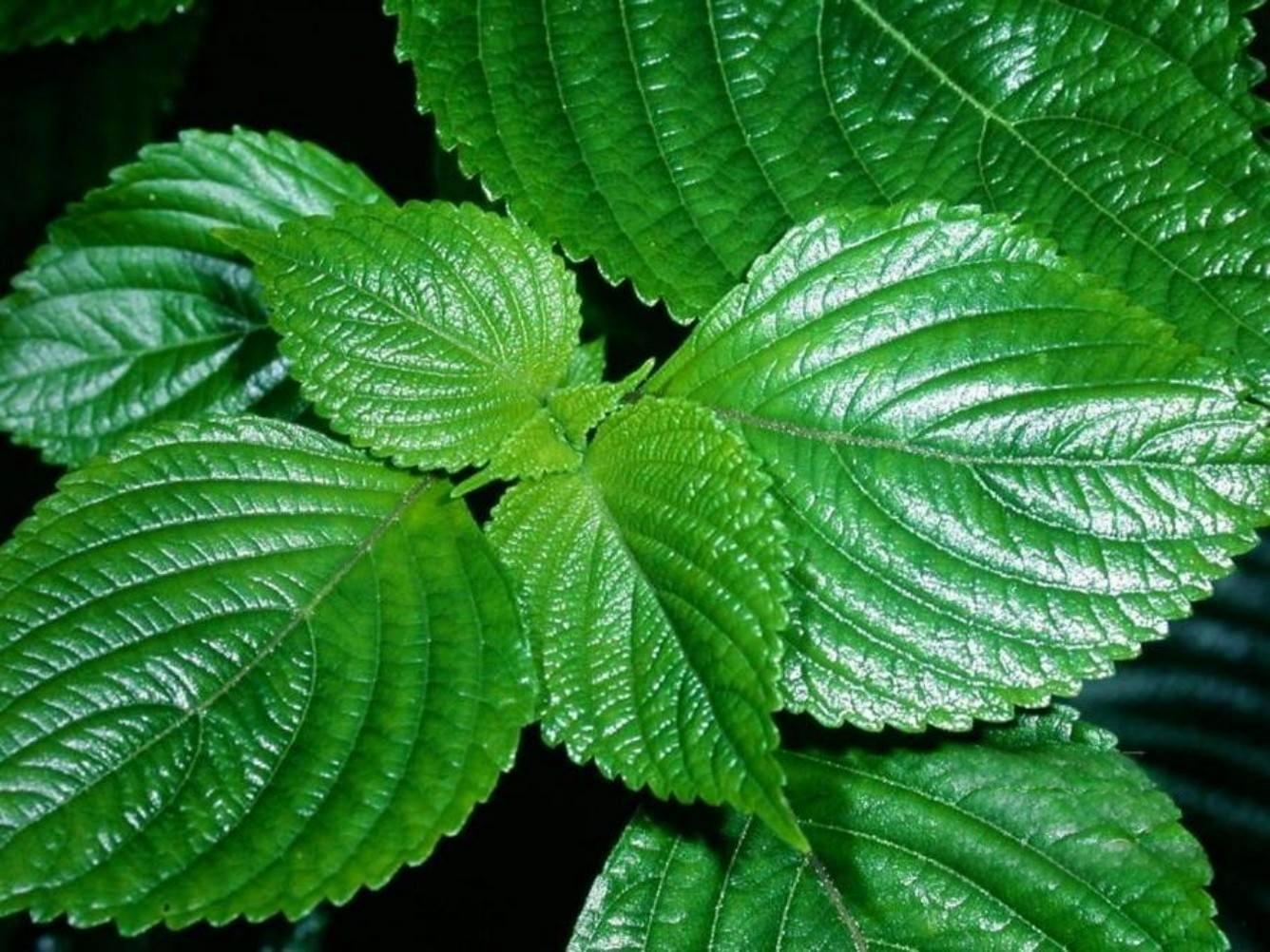
Advertisement