Wild Violet
-
 Wild and common weed
 Wild and common weed
Nursing Skills
Wild Violet prefers cool, moist conditions in semi-shade or diffused light. It prefers well-drained, moist soil rich in organic matter, but is adap to poor soils. Overwatering or direct sunlight can affect growth. It can be propagated by sowing or dividing in the spring and requires little additional care once established, making it an ideal low-maintenance groundcover.
Advertisement
Plant Properties
-
- Plant Type
- Perennial herbaceous plant
-
- Mature Height
- 10–20 cm
-
- Leaf Color
- Deep green
-
- Leaf Type
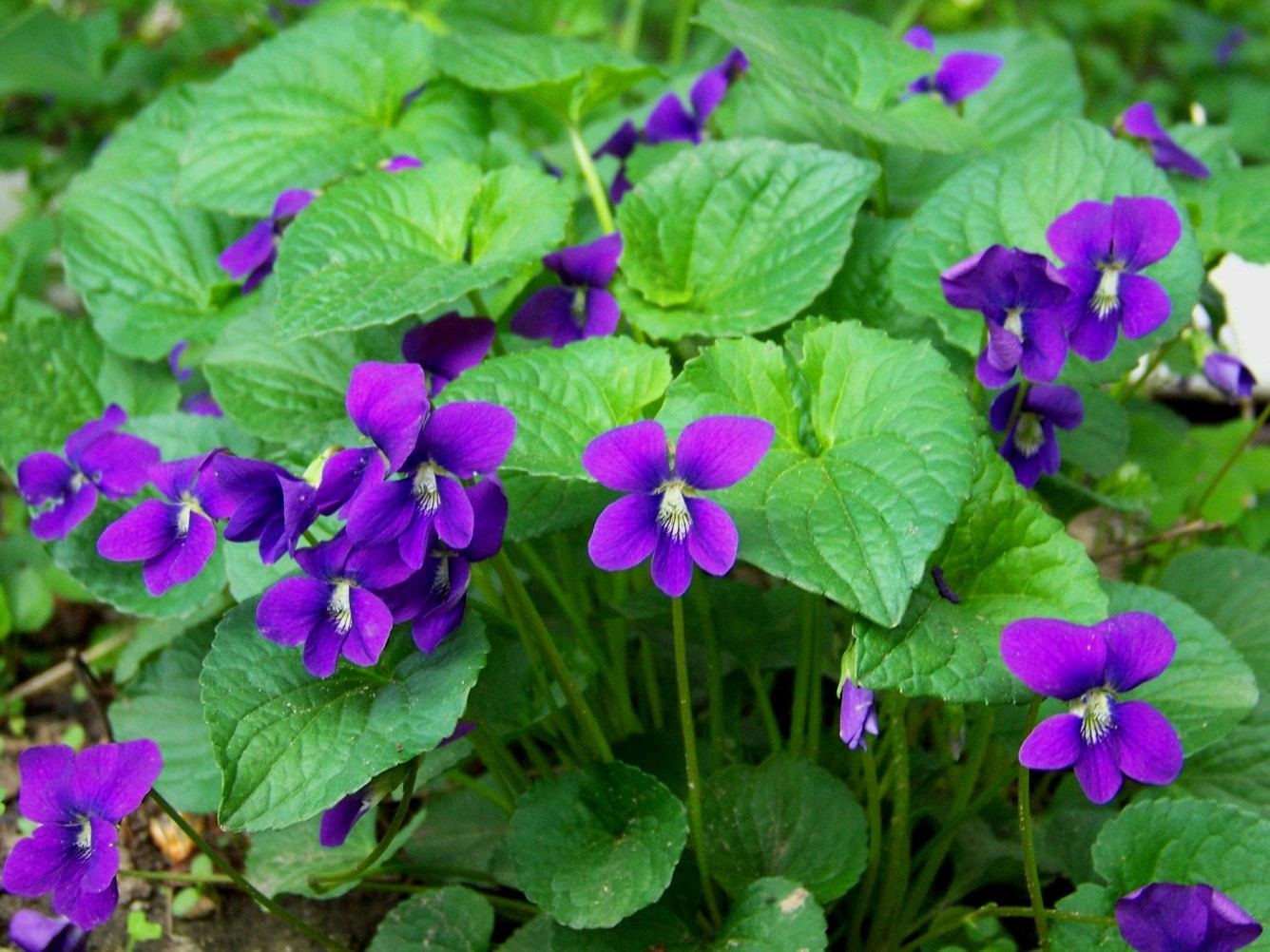
- Heart-shaped with slightly toothed edges
-
- Flower Color
- Purple-blue
-
- Bloom Time
- Early spring to early summer
-
- Toxicity
- Non-toxic
Plant Care Requirements
-
Light
Semi-shade to diffused light
-
Soil requirements
Loose, well-drained
-
Planting Difficulty
Low
-
Humidity
Medium to high
-
Temperature
10-24°C
-
Fertilizer frequency
Once a month (growing season)
-
Planting time
Spring or fall
-
Soil pH
Slightly acidic to neutral
Advertisement
Plant Care Guide
-
How should I water Wild Violet properly?
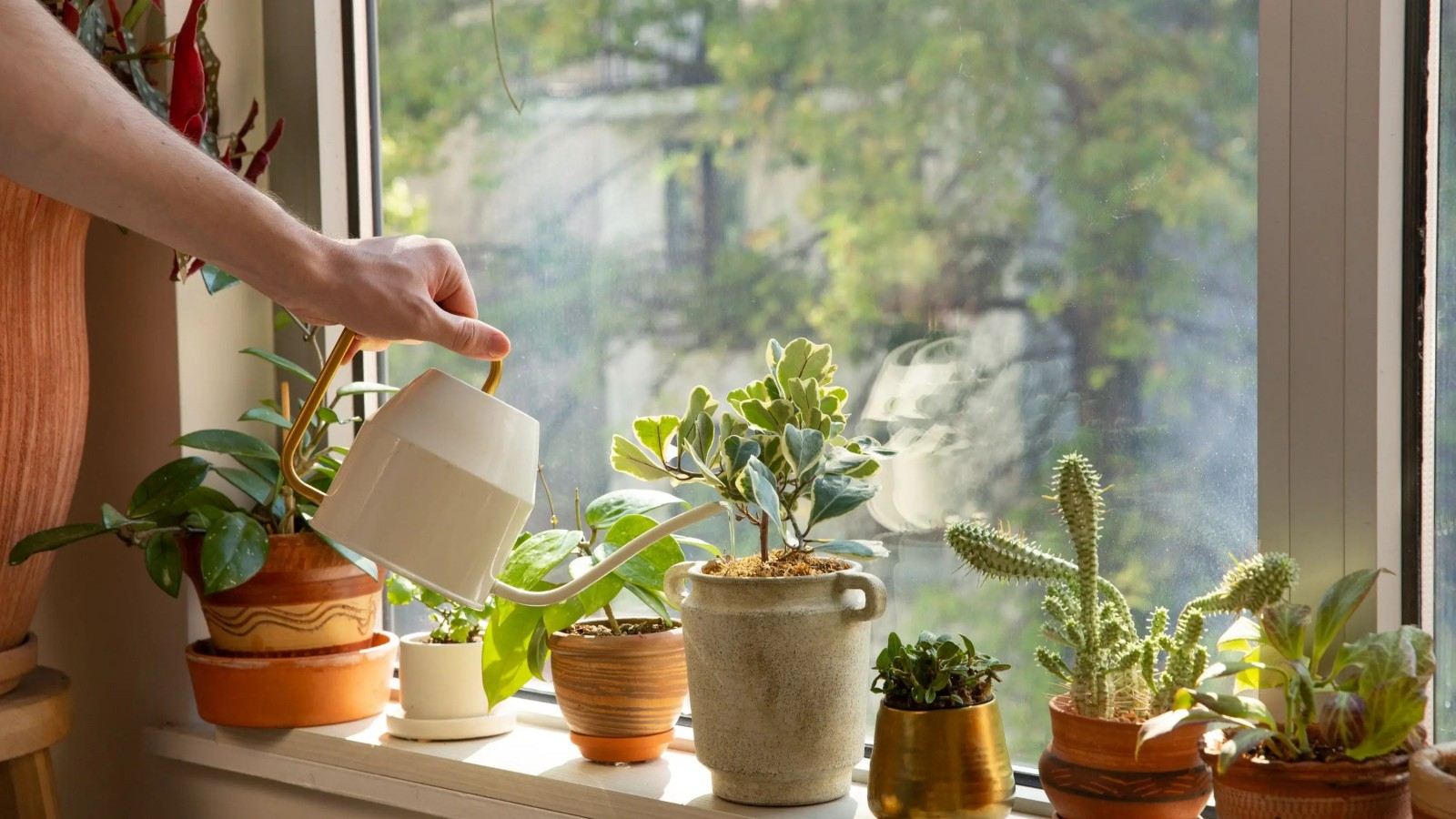
Consistently moist soilWild Violet prefers consistently moist soil. During spring and autumn, water once or twice weekly, adjusting based on rainfall and soil dryness. In summer, check soil daily and water during cooler times to prevent heat stress. In winter, reduce watering to avoid soggy roots. Avoid overhead watering; use a watering can or drip method to moisten the base. Ensure the planting site has good drainage to prevent root rot, especially in heavy soils. Mulching can help retain moisture during warmer months.
-
How do I prune Wild Violet?
Trimming yellowed leavesRegular pruning is not essential, but removing yellowing leaves, spent flowers, and diseased parts helps maintain plant vigor. After flowering, trim back overgrown edges to manage spreading. Use sanitized scissors or garden shears, and make clean cuts close to the base. For disease prevention, dispose of pruned materials properly. Occasional thinning of dense patches improves air circulation and reduces fungal risks.
-
Does it need to be repotted or relocated regularly?
2–3 yearsIn containers or crowded garden beds, Wild Violet should be divided and repotted every 2–3 years. Early spring or fall is ideal for relocation. Gently dig up clumps, retaining root systems, and replant in similar light and soil conditions. Water well after transplanting and keep in a shaded area until new growth appears. Periodic division prevents overcrowding and rejuvenates older plantings.
-
Is winter protection necessary?
The cold requiresIn mild climates, Wild Violet overwinters without issue. In colder zones, apply a light mulch of leaves or compost in late fall to protect roots from freezing. Potted plants should be brought indoors or placed in a frost-free location. Leaf dieback is common in winter but new growth returns in spring. Reduce watering and avoid fertilizing during dormancy.
-
How do I control Wild Violet’s spread?
Periodic eradicationWild Violet spreads via rhizomes and can colonize large areas. To control it, edge planting zones with barriers or periodically cut back the edges with a spade. Raised beds or containers are effective for containment. Mulching and regular weeding can help reduce unwanted spread into lawns or flower beds. If necessary, remove entire clumps to manage overgrowth.
-
Can it be grown in containers?
YesYes, it grows well in wide, shallow pots with good drainage. Use a rich, airy potting mix and ensure consistent watering. Container plants require more frequent feeding—once every two months during the growing season. Place the container in a location with bright, indirect light. Repot every 2–3 years or when the plant becomes root-bound. Potted Wild Violet offers flexible placement and easier spread control.
Advertisement
Frequently Asked Questions
-
1 Can Wild Violet become invasive?
In favorable conditions, Wild Violet can spread aggressively via underground rhizomes, especially in lawns or neglected garden beds. While not classified as an invasive species in most regions, its rapid colonization may crowd out turfgrass or other ornamentals. Regular maintenance such as edging, thinning, and dividing can keep it under control. When planted intentionally, it serves as a low-maintenance, weed-suppressing ground cover. Awareness of its growth habit is key to managing its behavior.
-
2 Why are the leaves turning brown or spotted?
Browning or spotting leaves often result from sunburn, overwatering, or fungal diseases. Ensure proper light exposure—partial shade is ideal. Improve drainage and avoid wetting the foliage when watering. Fungal issues can be treated with organic fungicides or neem oil. Improve air circulation around the plant by spacing them adequately and pruning dense clusters. Monitor humidity and soil moisture levels to prevent recurrence.
-
3 Are the flowers edible and safe to eat?
Yes, Wild Violet flowers and young leaves are edible and often used for culinary purposes. The blooms add a mild, sweet flavor to salads, desserts, or herbal teas. They are rich in vitamin C and antioxidants. Always ensure the plant is pesticide-free before consumption. While generally safe, some people may experience mild digestive discomfort. For best results, harvest fresh blooms and rinse gently before use. Cooking reduces any potential bitterness in the leaves.
-
4 Why is it not blooming in spring?
Poor blooming can be caused by insufficient sunlight, overcrowding, nutrient deficiency, or lack of winter dormancy. Ensure the plant receives a few hours of morning sun. Divide crowded patches to improve airflow and light penetration. Apply a phosphorus-rich fertilizer in early spring to promote flowering. If winters are too mild, simulate dormancy by reducing watering and exposing the plant to cooler temperatures for a few weeks.
Advertisement
Introduction
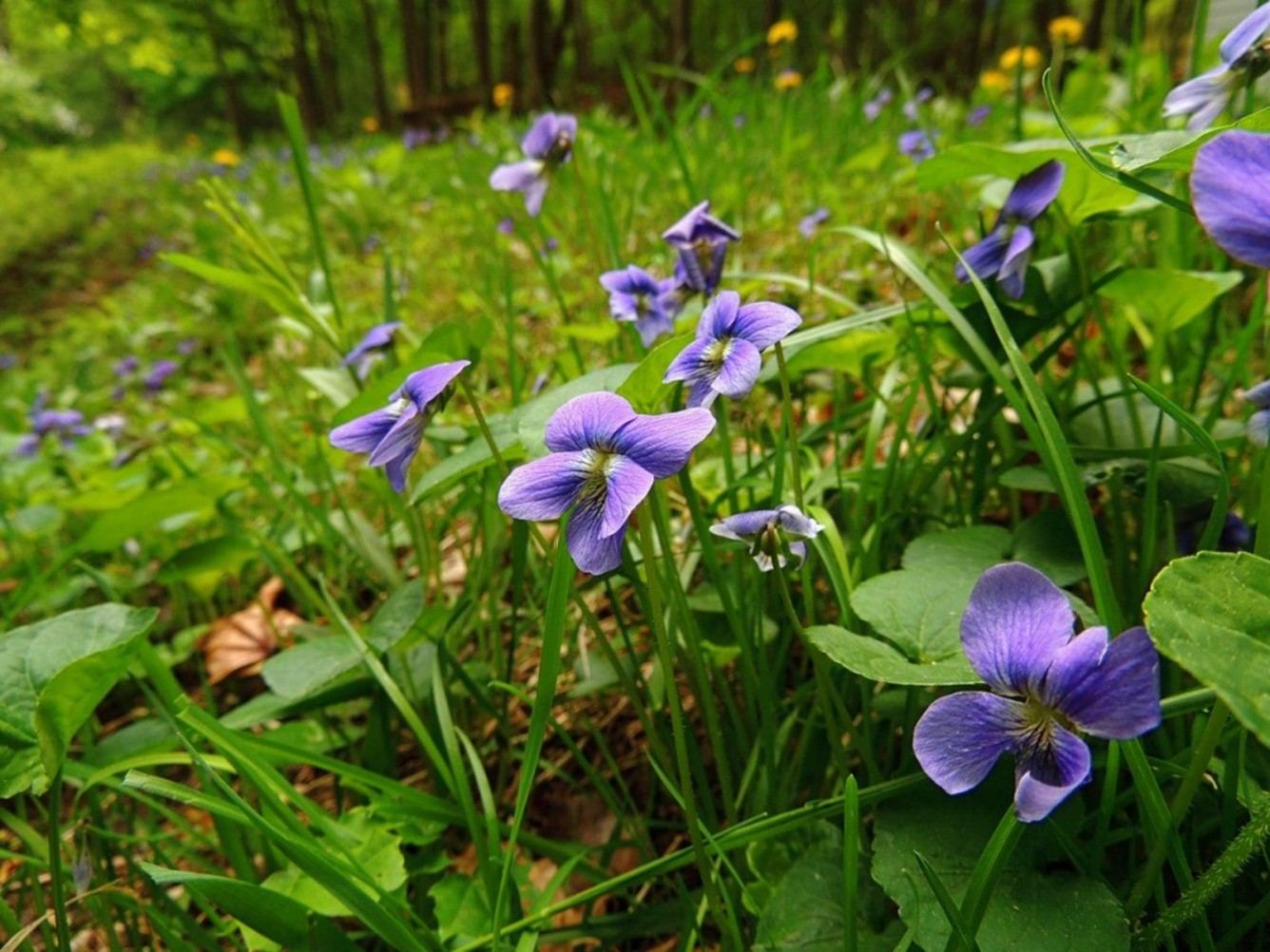
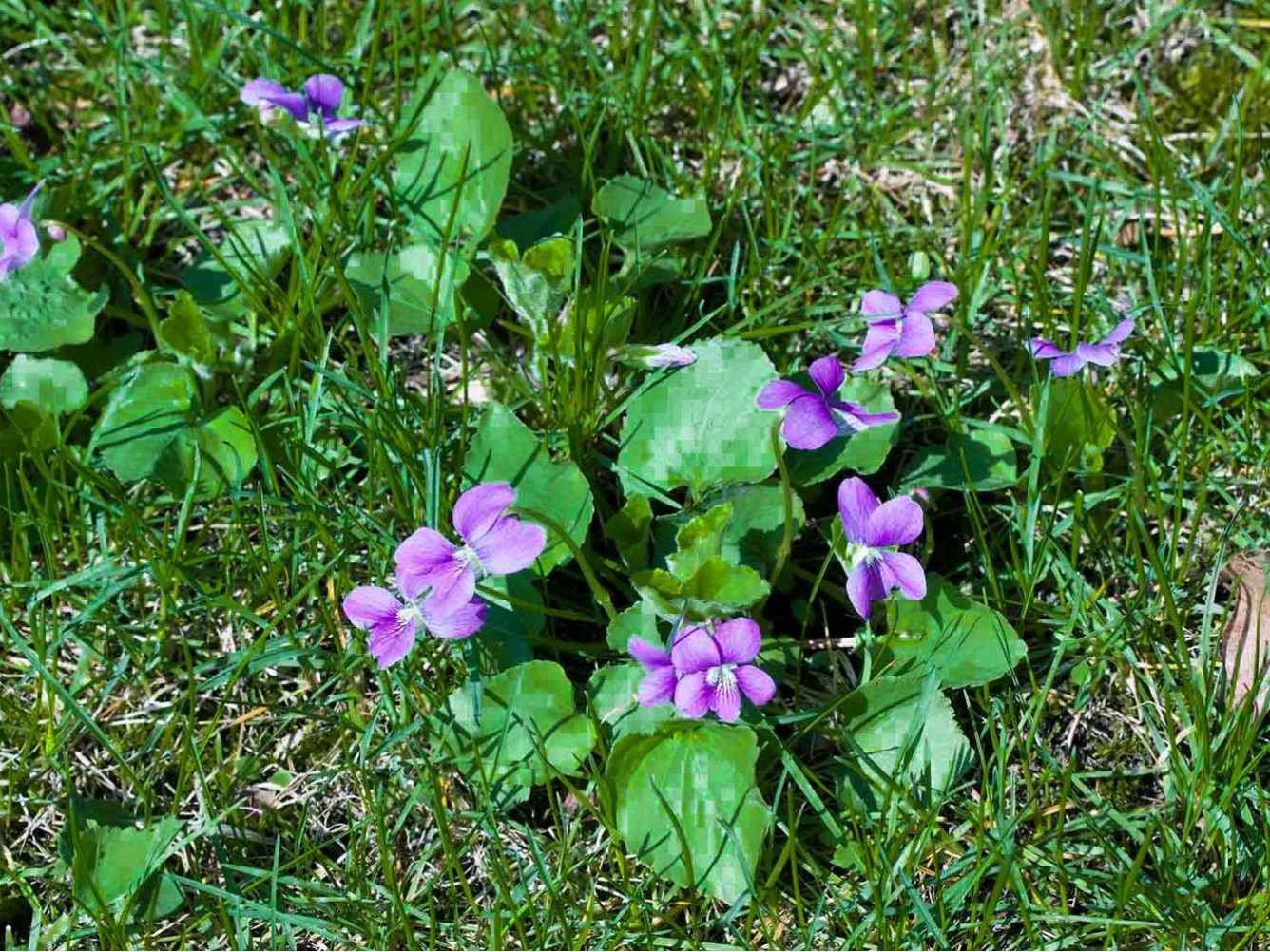
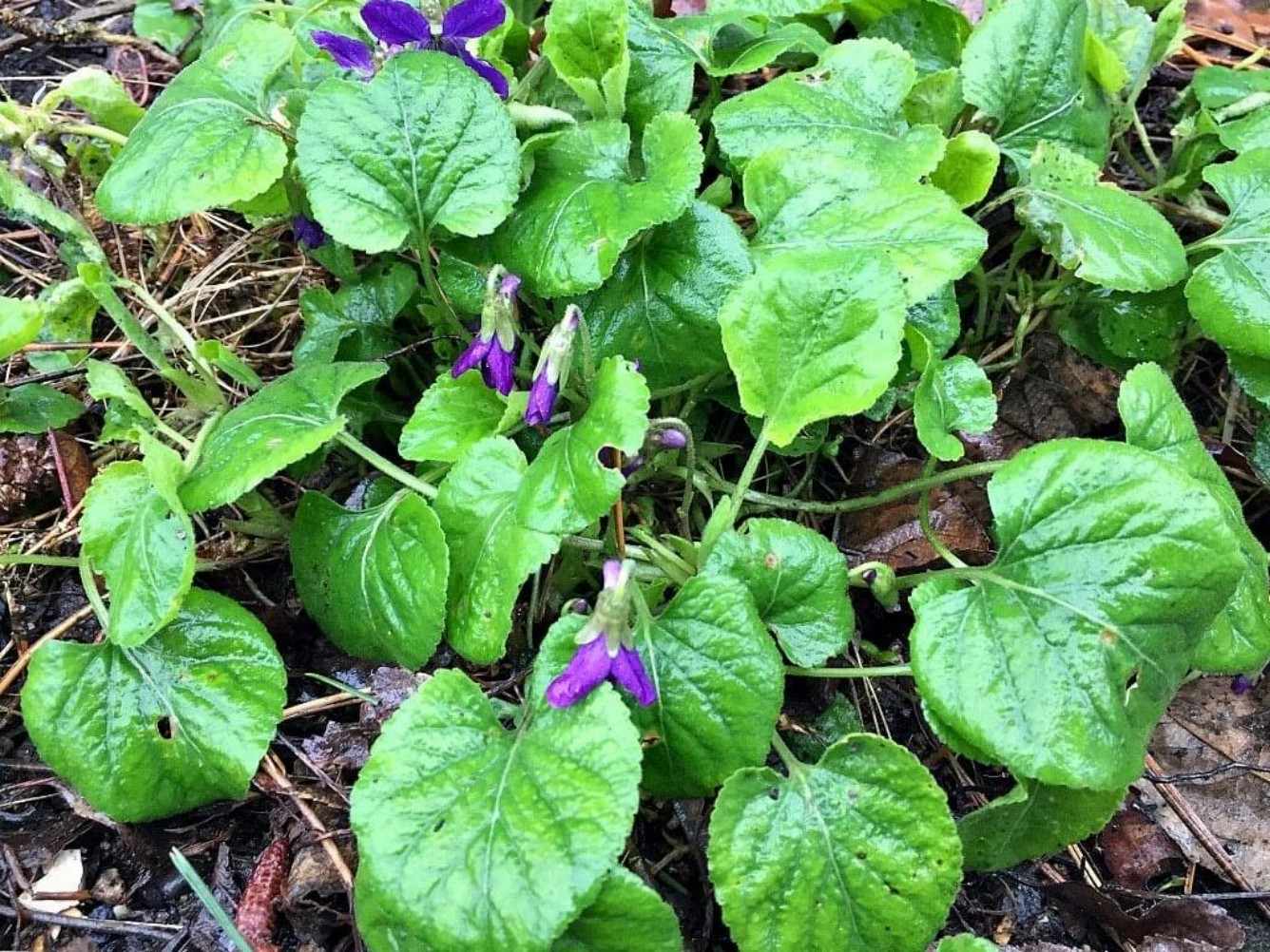
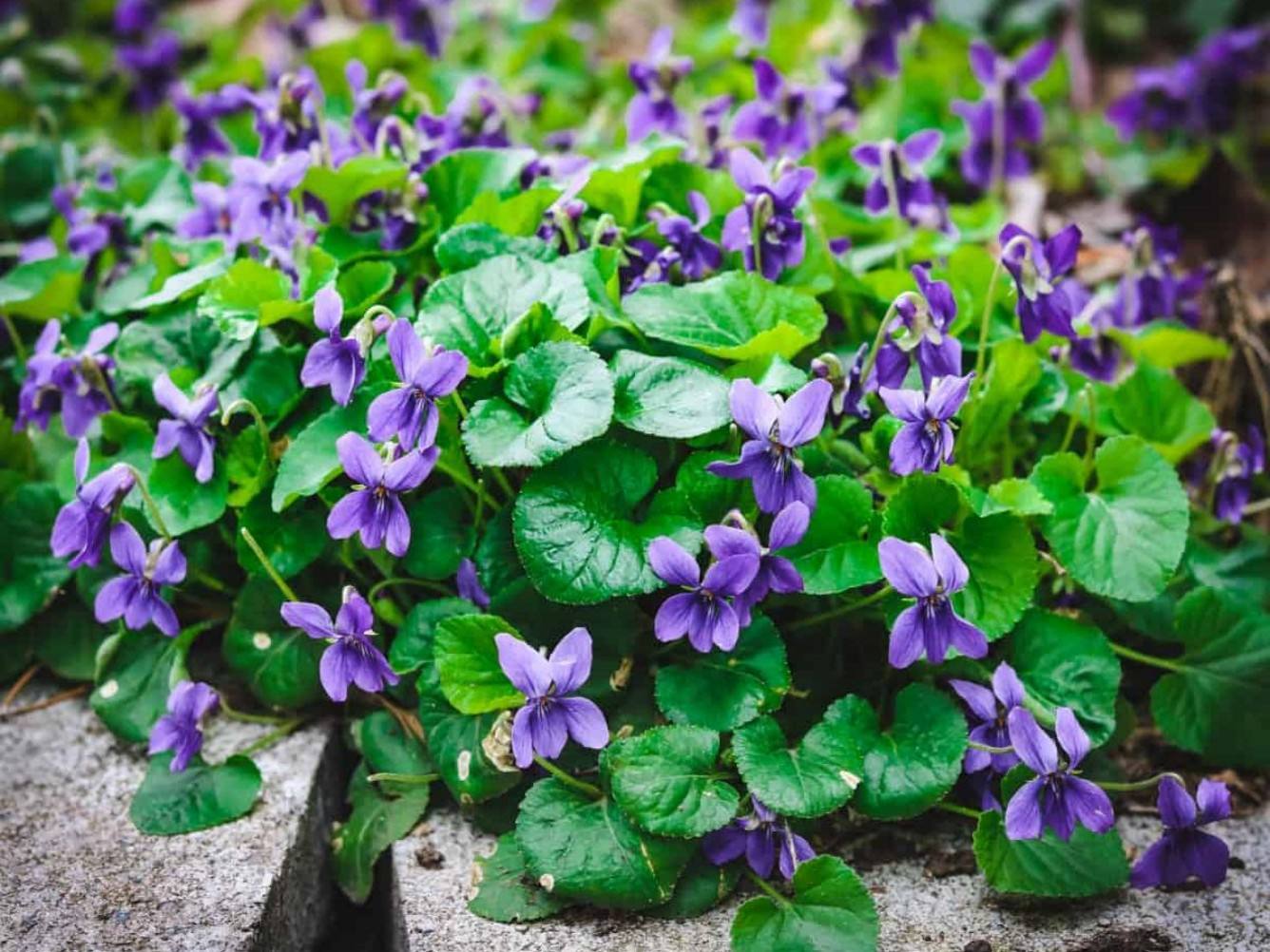
Wild Violet (Viola sororia), native to North America, is a perennial herbaceous plant often found growing naturally along lawns, woodland edges, and garden borders. It features heart-shaped leaves and charming five-petaled purple-blue flowers, typically blooming in spring. Although sometimes considered a weed, its aesthetic value and adaptability have made it a favorite in natural gardens and as ground cover. It also has edible and medicinal uses, offering both ornamental and ecological benefits.
Popular Plant Encyclopedia
-
-
Poisonous and danger
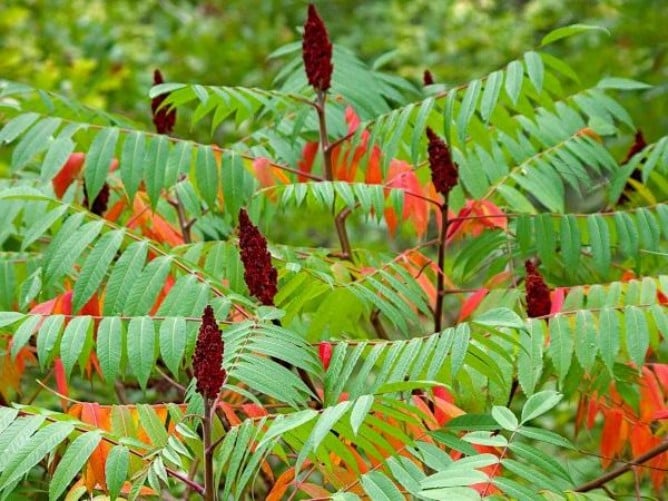
- Rhus typhina
-
-
-
Edible and medicinal
- Common sunflower
-
-
-
Poisonous and danger
- Plumeria rubra
-
-
-
Wild and common weed
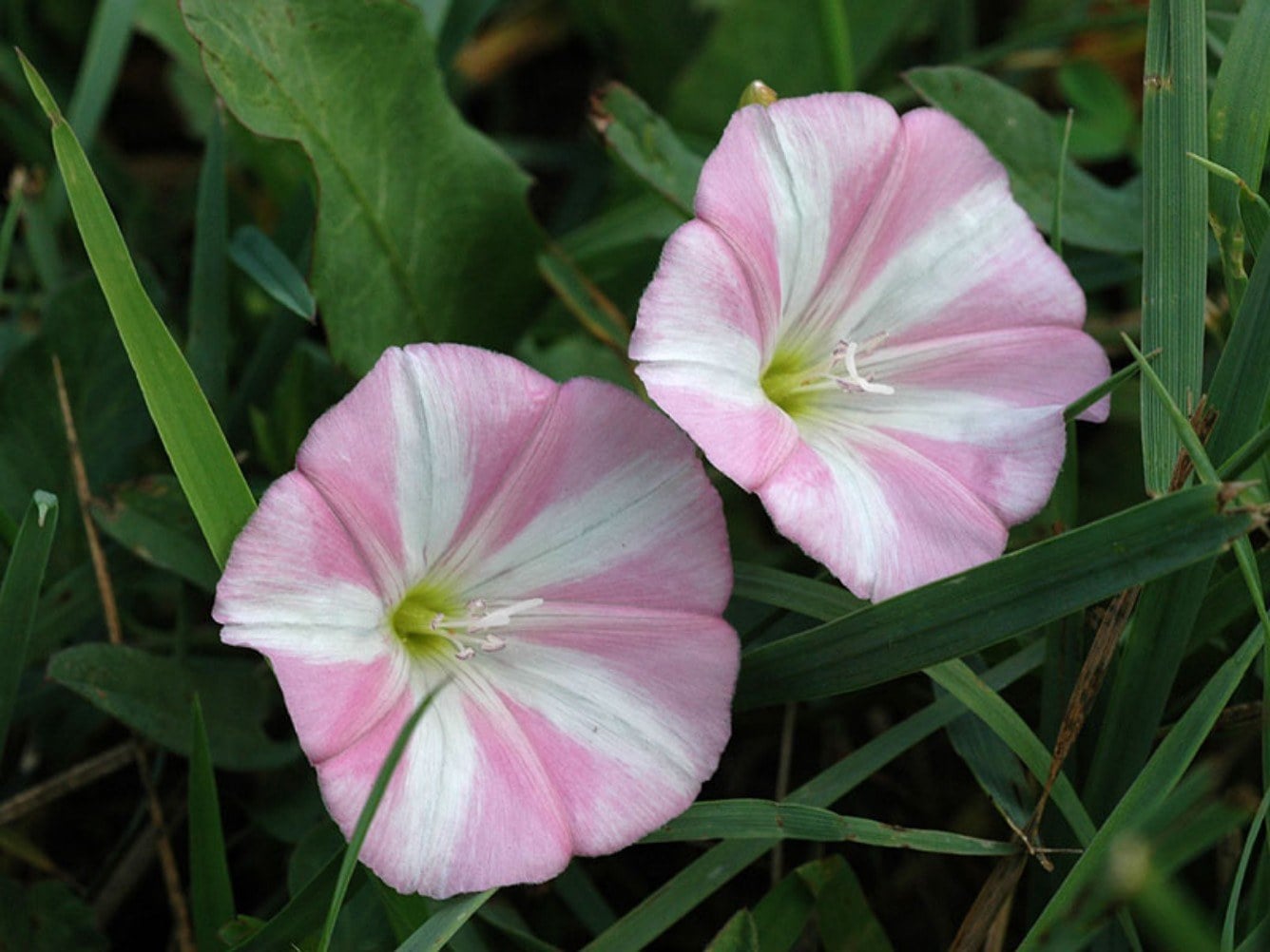
- Convolvulus arvensis
-
-
-
Edible and medicinal
- Perilla frutescens
-
-
-
Edible and medicinal
- Pogostemon cablin
-
-
-
Edible and medicinal
- Common fenugreek
-
-
-
Edible and medicinal
- Garden Thyme
-
 Poisonous and danger
 Edible and medicinal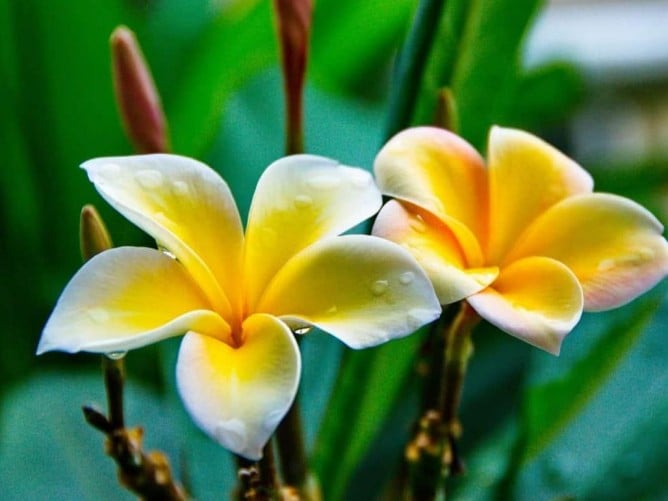
Advertisement