Wisteria
-
 Ornamental and lands
 - Also known as: wisteria, vine violet, blue vine
 Ornamental and lands
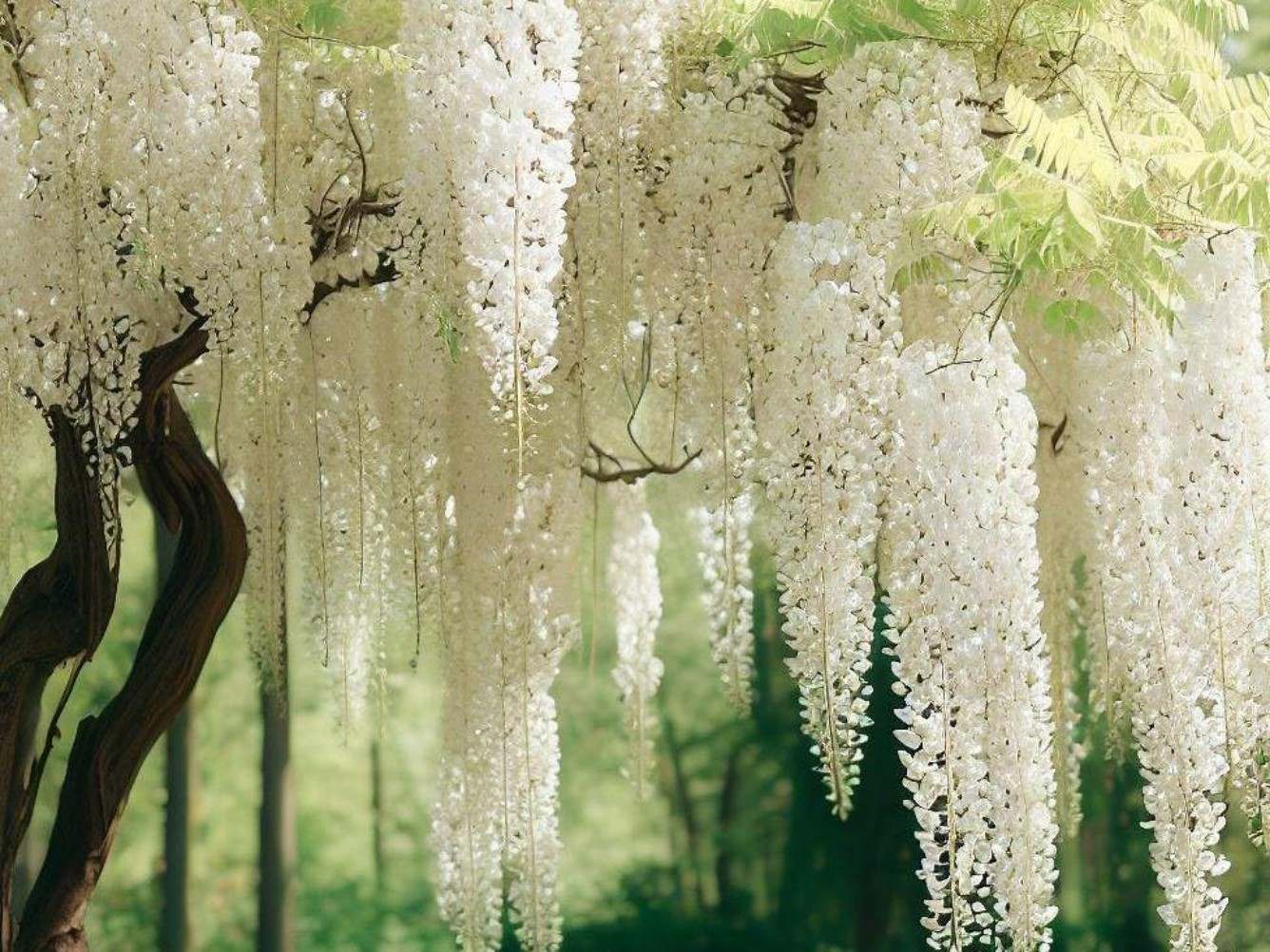
Nursing Skills
Wisteria prefers a sunny environment and needs at least 6 hours of direct sunlight per day. It does not require much soil, but it is best to choose well-drained fertile soil. Regular pruning helps to promote the formation of flower buds and control their growth. Water moderately to avoid waterlogging the roots and keep the soil moist but not too wet. Winter treatments are needed, especially in colder areas.
Advertisement
Plant Properties
-
- Toxicity
- Poisonous Plants
-
- Plant type
- perennial deciduous vines
-
- Flower color
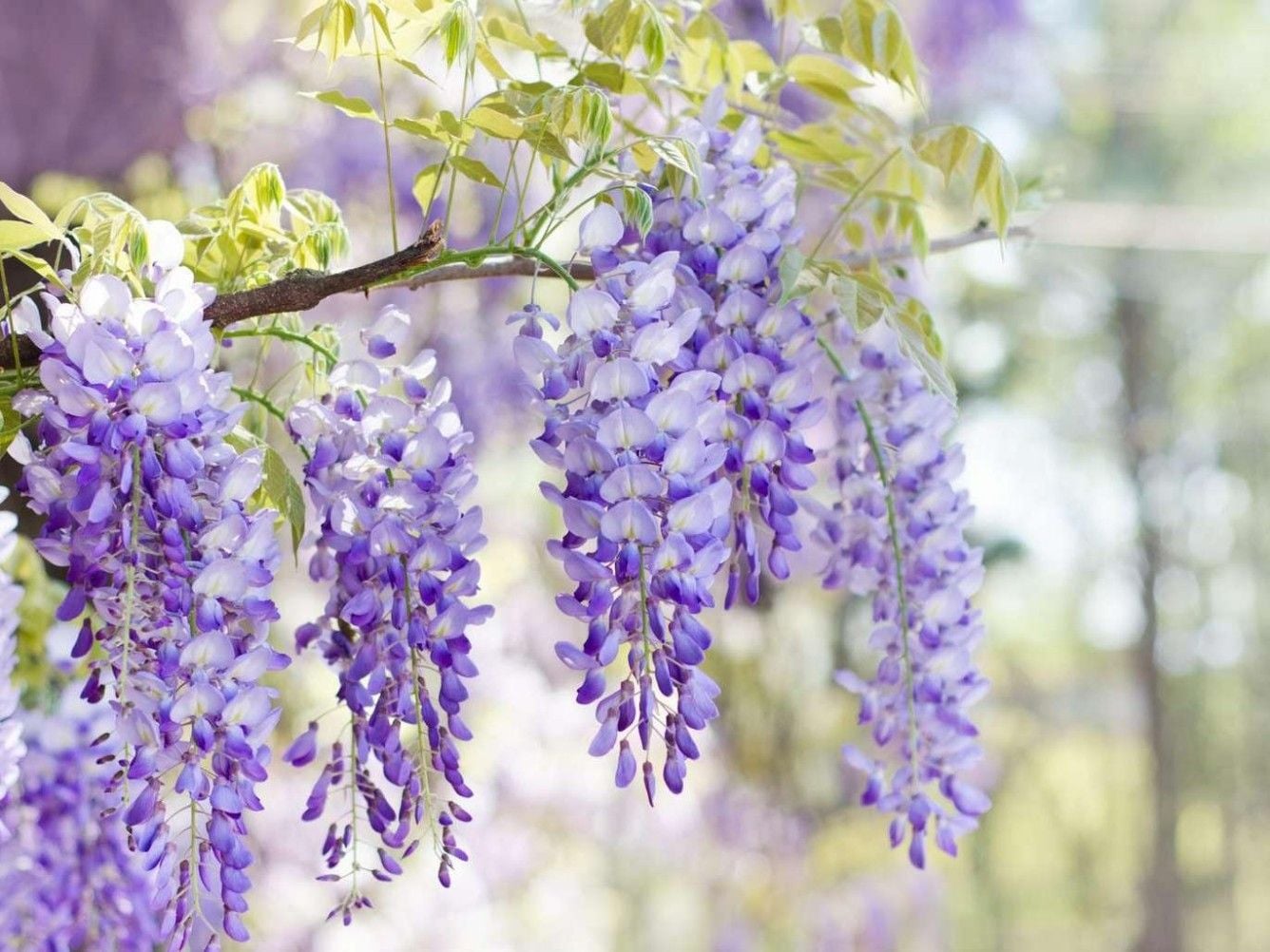
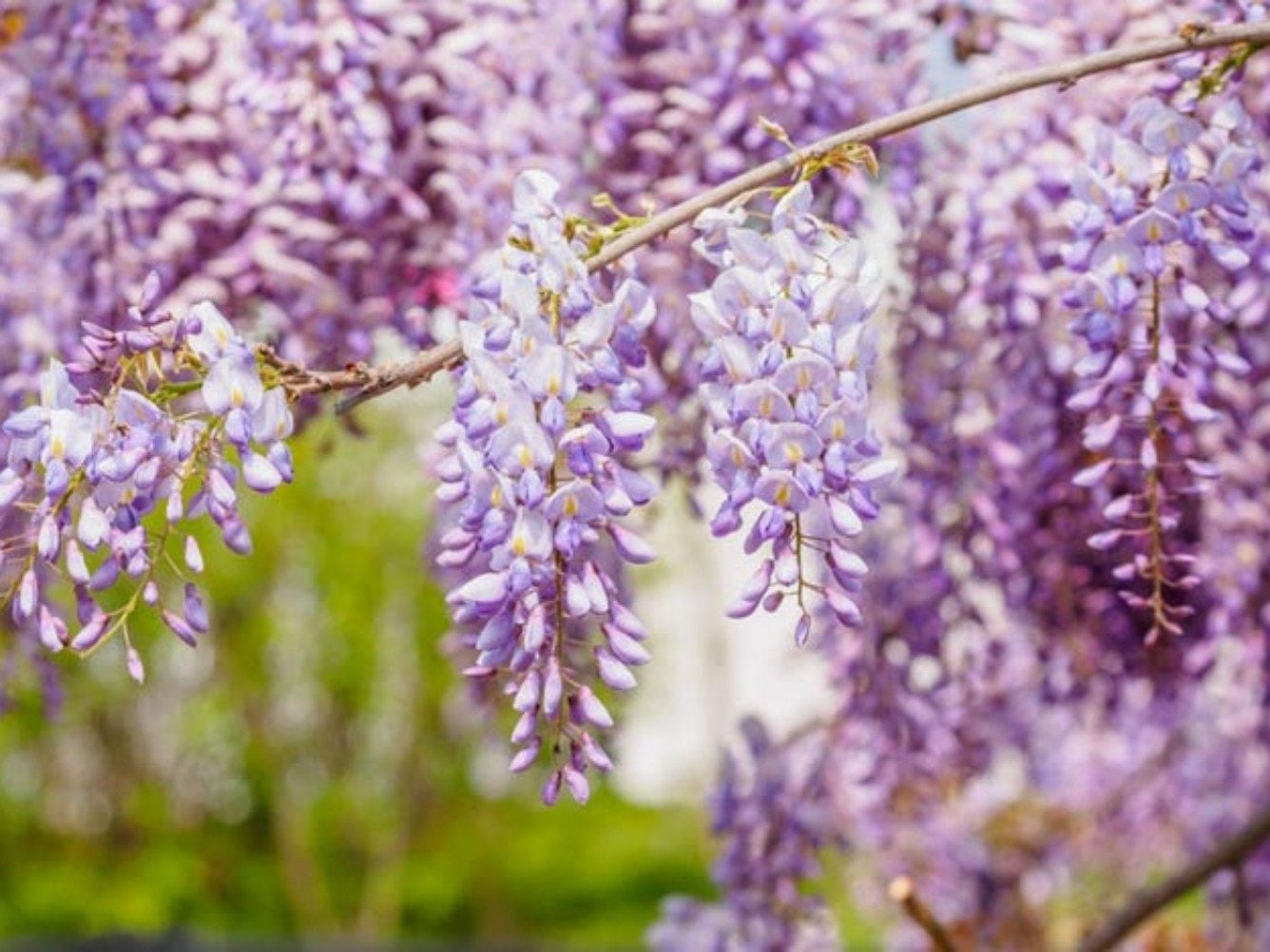
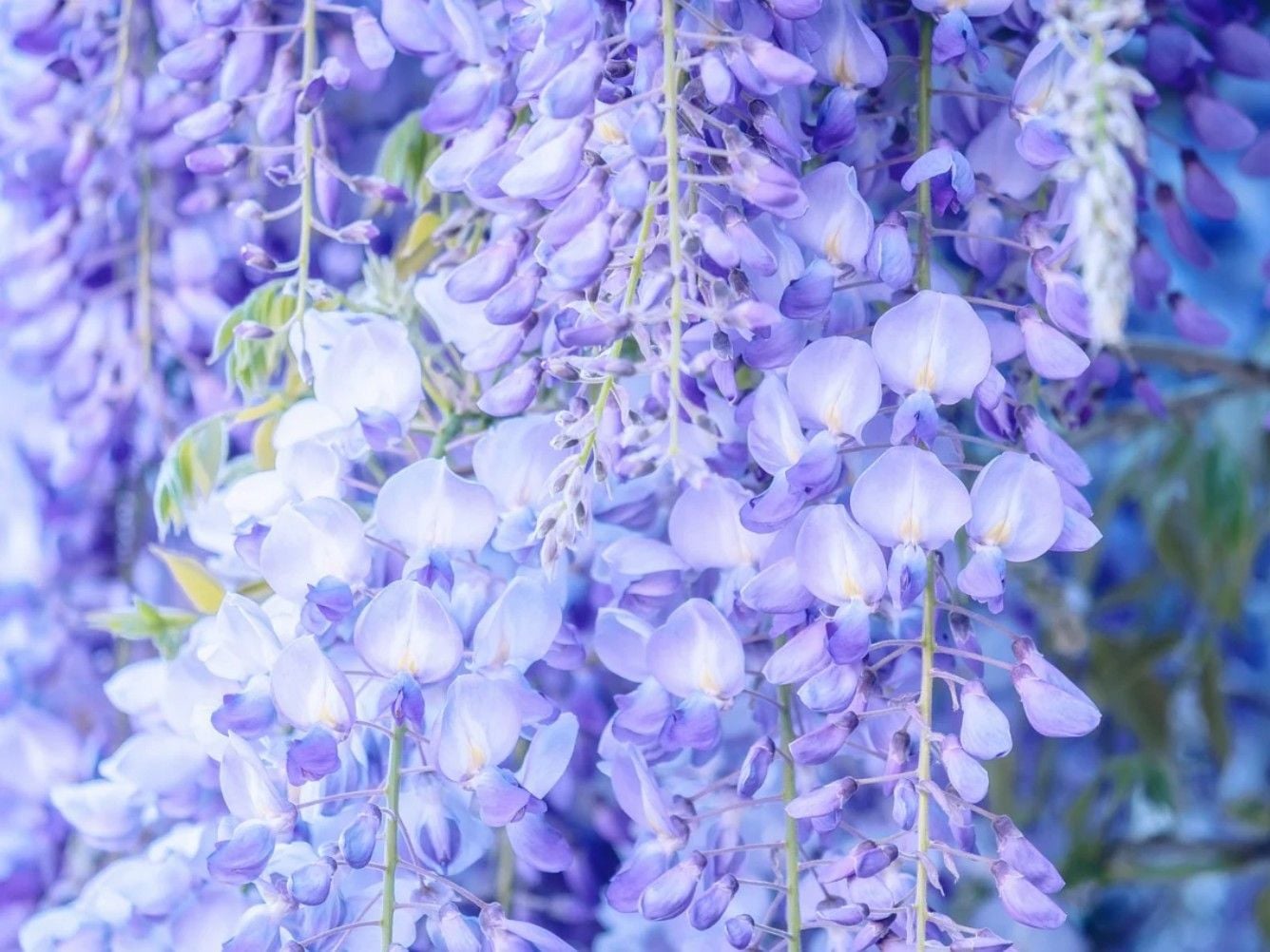
- Purple, Blue, White, Pink
-
- Flower characteristics
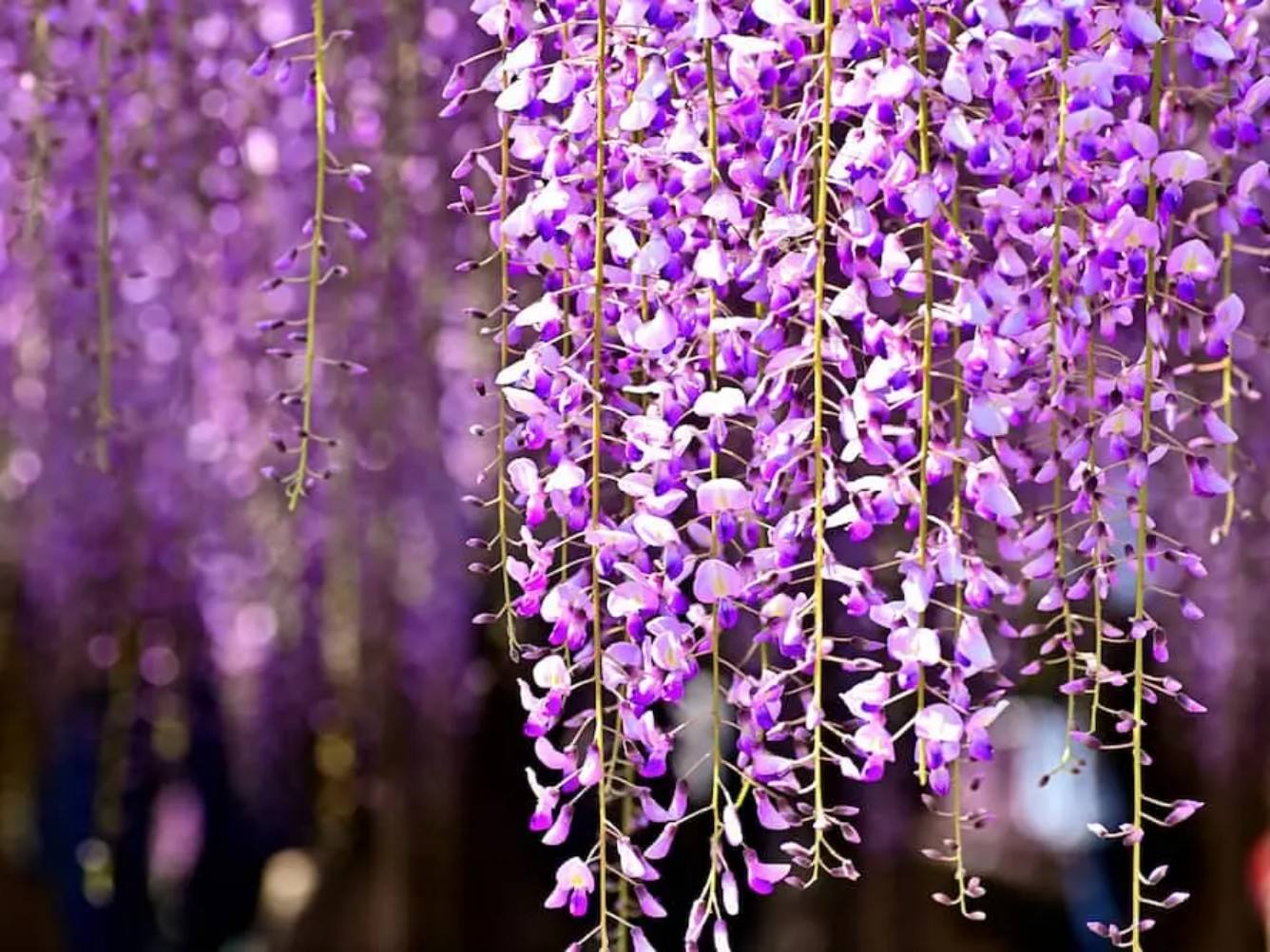
- long pendulous spikes
-
- Fragrance type
- flowers release a light fragrance
-
- Flowering time
- blooms in late spring to early summer
Plant Care Requirements
-
Care Difficulty
Difficulties
-
Sunlight needs
full sun
-
Watering needs
once every 2-5 days
-
Hardiness zone
5~9
-
Soil requirements
slightly acidic to neutral (pH 6.0 to 7.0)
-
Planting time
Fall (September-November), early spring (February-March)
-
Shelf Needs
build a sturdy stand or trellis
Advertisement
Plant Care Guide
-
How to choose the right support frame to support wisteria growth?
Wisteria branches are fast growing and heavy, and over time they tend to sag or even break without support. In order for wisteria to grow healthily and prevent branches from breaking off due to their own weight, it can be supported using braces, trellises or ropes. This will not only help the plant maintain its beautiful form, but also promote better blooming.
-
How can I get wisteria to grow and bloom over time?
Stable growing conditions and nutritionWisteria is a strong perennial plant and once acclimatized to its environment, it can grow steadily and bloom every year. As long as it is provided with stable soil, sunlight and proper water, wisteria will bloom in spring with patches of beautiful purple flowers that will be the highlight of your garden. It not only decorates the yard, but also brings a rich floral fragrance and visual enjoyment that rewards careful care.
-
How can I avoid wisteria branches growing out of shape and flowers becoming scarce?
Adequate lightWisteria is a typical sun-loving plant, and full sun is the key to its healthy growth and blooming. It needs at least 6 hours of direct light per day to promote strong branching and abundant flower bud differentiation. If there is insufficient light, the growth of wisteria will become abnormal, and it is prone to have unproductive branches, scanty flowers, or even no flowers at all. Therefore, it is very important to choose a sunny location to grow wisteria.
-
What kind of fertilizer is suitable for wisteria?
Fertilizers rich in phosphorus and potassiumWisteria needs the right amount of fertilizer to support its growth, especially during the peak growing seasons of spring and summer. Using a fertilizer rich in phosphorus and potassium will help promote bud formation and flowering, allowing the wisteria to show more beautiful purple flowers during the blooming season. Too much nitrogen fertilizer may lead to excessive branching, inhibiting the growth of flower buds and affecting the blooming effect, so fertilizers should be used in moderation and reasonably.
-
Why should I avoid watering wisteria at noon in summer?
High-temperature evaporative water can harm the flowersAvoid watering in the hot midday sun during the summer heat, when the temperature difference between the water and the hot soil is large, which may result in heat stress or damage to the root system. To avoid this, the best time to water is early in the morning or late in the evening, when temperatures are cooler and water is better able to penetrate the soil, reducing evaporation and helping the wisteria to absorb water in a healthy way and keep the soil moist.
-
How do I extend the flowering period of my wisteria?
Avoid prolonged sun exposure during floweringTo prolong the flowering period of wisteria, you can avoid strong direct sunlight by shading moderately after the flowers have bloomed, which will lower the temperature and keep the flowers fresh. Keeping the surroundings ventilated and cool will help reduce moisture and prevent the flowers from wilting prematurely. Also, avoid spraying water directly onto the flowers during bloom time; water droplets may cause petal rot or hasten the wilting of the flowers.
Advertisement
Frequently Asked Questions
-
1 Will wisteria entangle other plants or house structures?
Wisteria vines grow rapidly and are very strong in entanglement. If not pruned in a timely manner, they are prone to cling to surrounding plants, fences, trees, and even burrow into eaves, brick seams, and rainwater pipes, which in the long run may lead to loosening of the structure, shifting of the tiles, and may even affect the drainage system of the house. Therefore, when planting, you should set up sturdy brackets or trellises, prune and guide its growth path in time to prevent damage to the surrounding environment.
-
2 Can wisteria be hydroponically grown?
Wisteria is a kind of vine plant that likes humidity but is afraid of waterlogging, its root system is developed and needs to breathe smoothly, long-term hydroponics is prone to lack of oxygen in the water leading to oxygen deprivation and rotting of the roots, which will cause the whole plant to wilt or even die. Therefore, it is not recommended to use hydroponics to plant wisteria, it is best to choose a well-drained, aerated soil for cultivation to ensure its healthy and vigorous growth and flowering.
-
3 Is wisteria a poisonous plant that can still be grown?
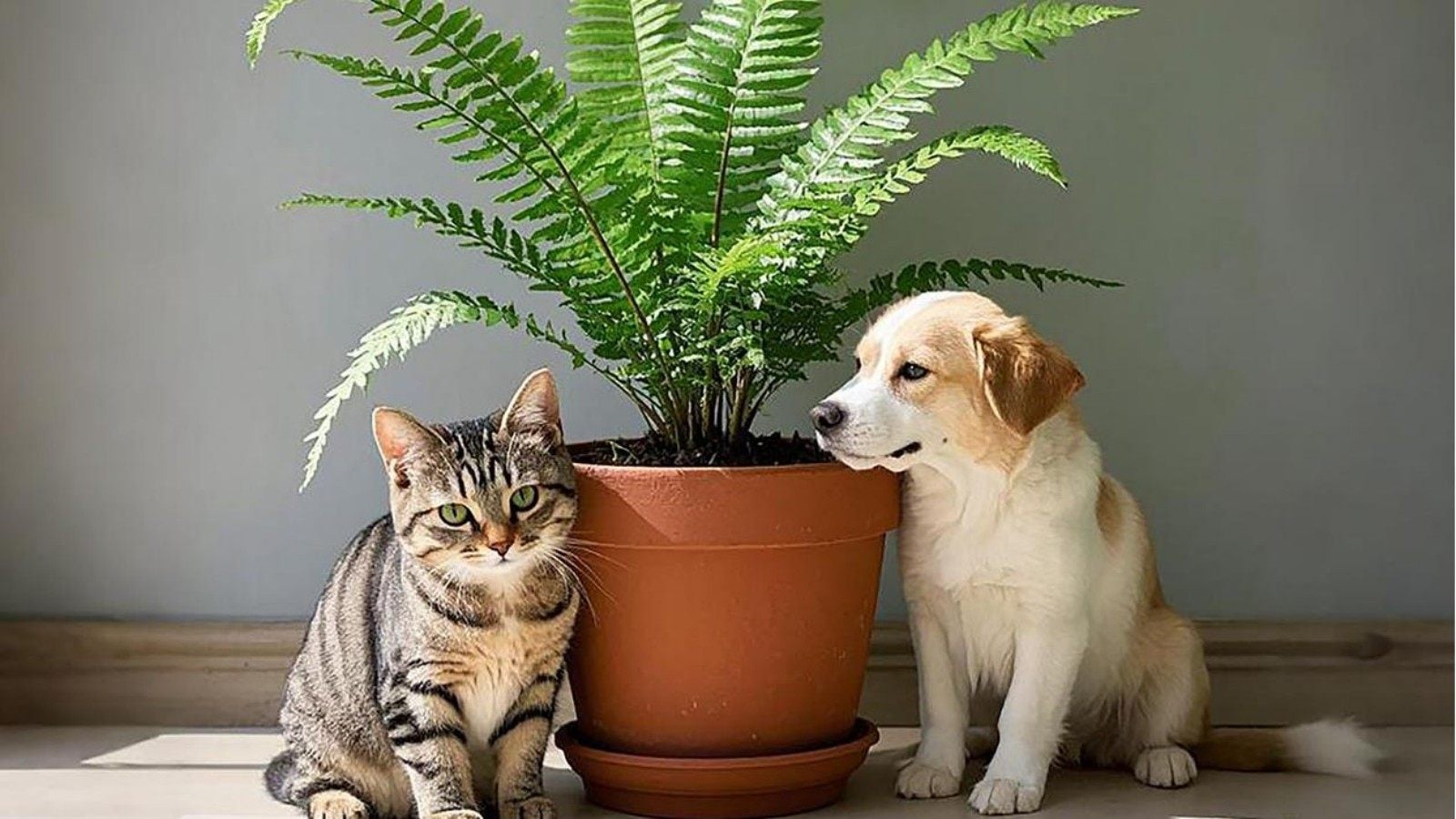
Although wisteria is a poisonous plant, the main toxicity is concentrated in the seeds and pods, but the toxicity is low, usually not poisoned through skin contact. In daily maintenance, as long as you do not accidentally eat its poisonous parts, it will not cause harm. You can safely plant it on your patio, balcony or trellis, and enjoy its spectacular beauty, as long as you pay special attention to the safety of children and pets to prevent accidental ingestion.
Advertisement
Introduction
Wisteria is a beautiful vine known for its hanging purple inflorescences. It is native to China, Japan and Korea, and has since been widely planted around the world. Wisteria has purple, blue or white flowers that are highly fragrant and usually bloom in the spring. It grows quickly and is sui for use in shade, decorating walls or planters, making it a great choice for yard landscaping.
Popular Plant Encyclopedia
-
-
Poisonous and danger
- Rhus typhina
-
-
-
Edible and medicinal
- Common sunflower
-
-
-
Poisonous and danger
- Plumeria rubra
-
-
-
Wild and common weed
- Convolvulus arvensis
-
-
-
Edible and medicinal
- Perilla frutescens
-
-
-
Edible and medicinal
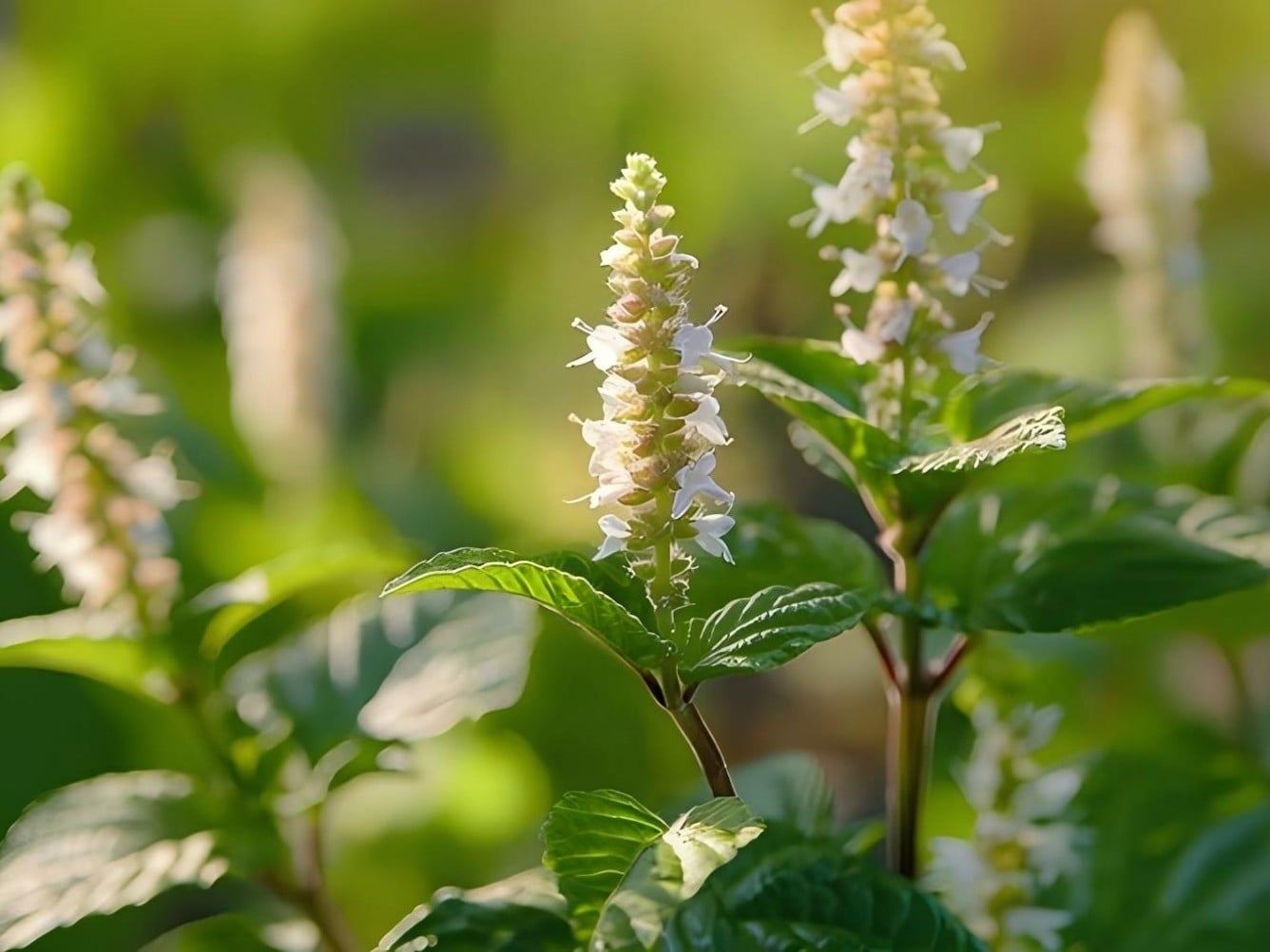
- Pogostemon cablin
-
-
-
Edible and medicinal
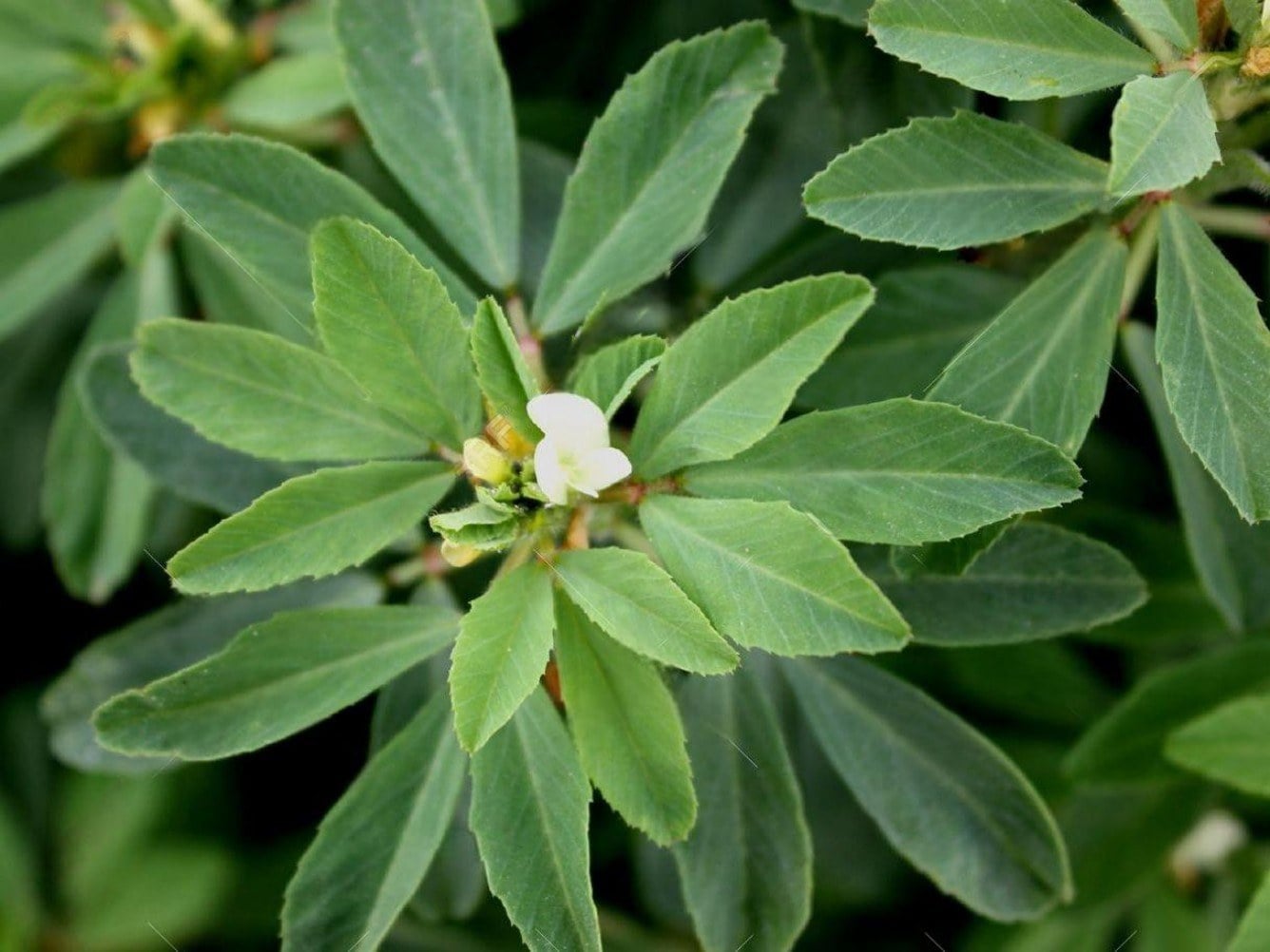
- Common fenugreek
-
-
-
Edible and medicinal
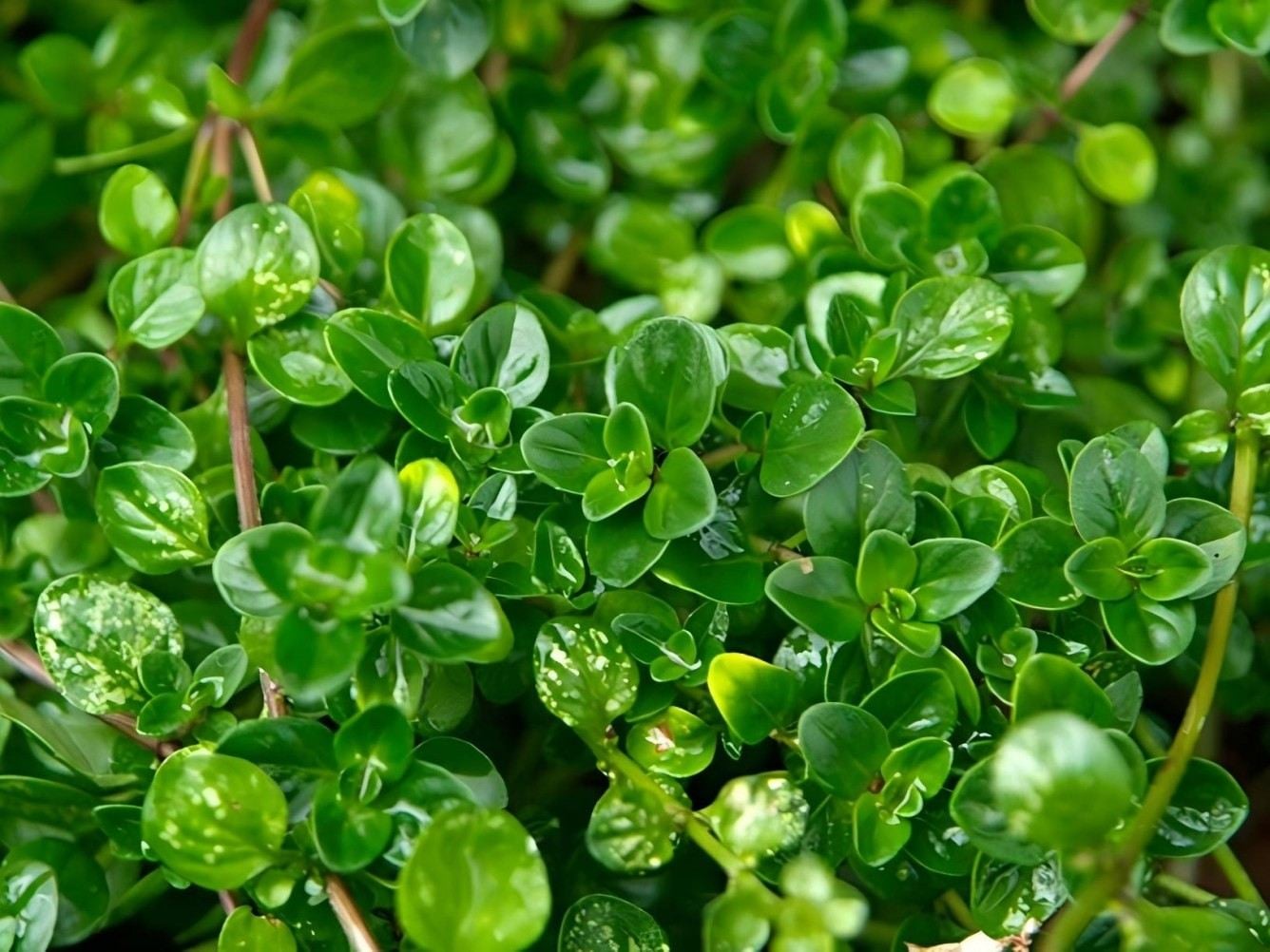
- Garden Thyme
-
 Poisonous and danger
 Edible and medicinal
 Wild and common weed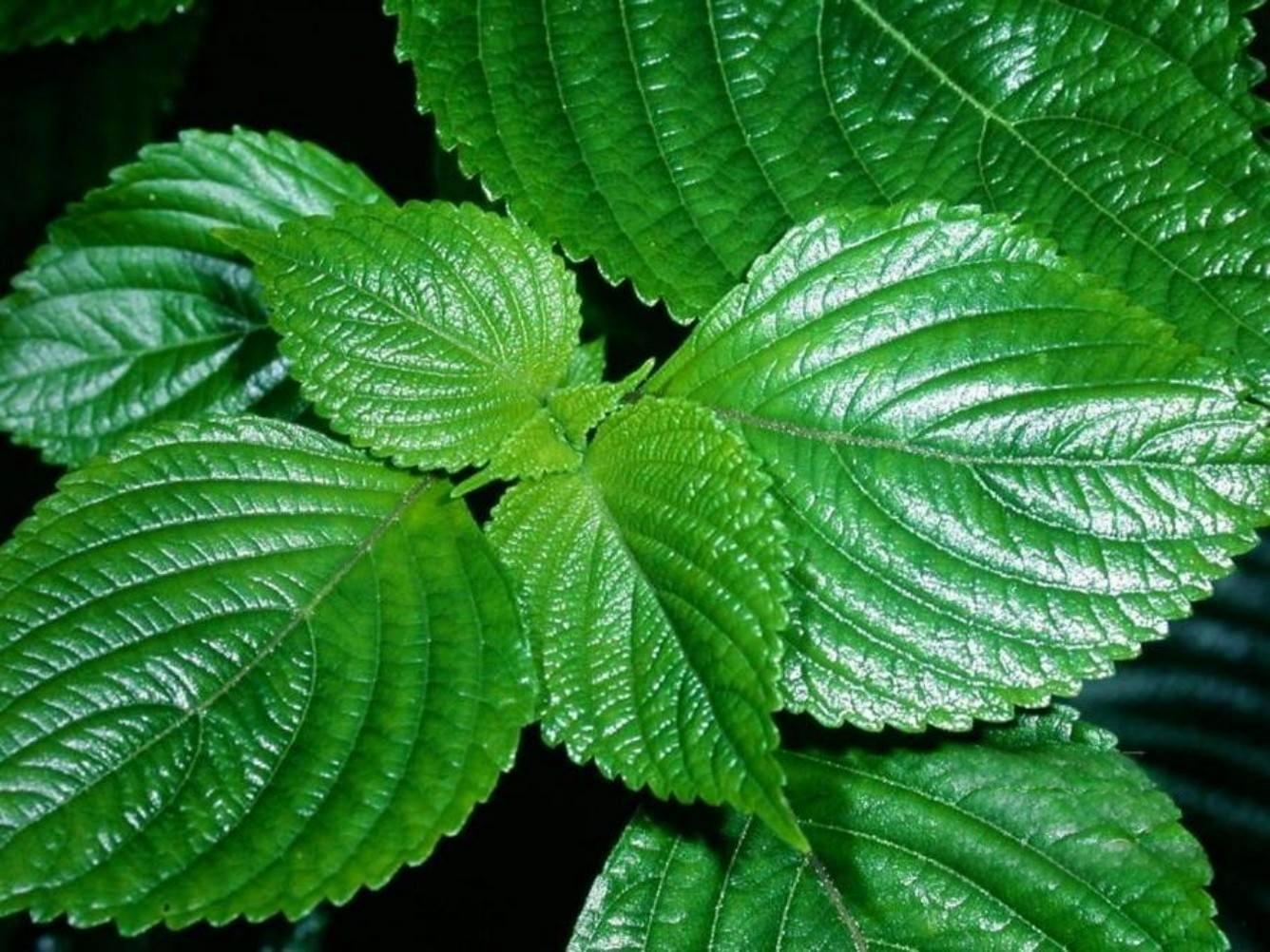
Advertisement