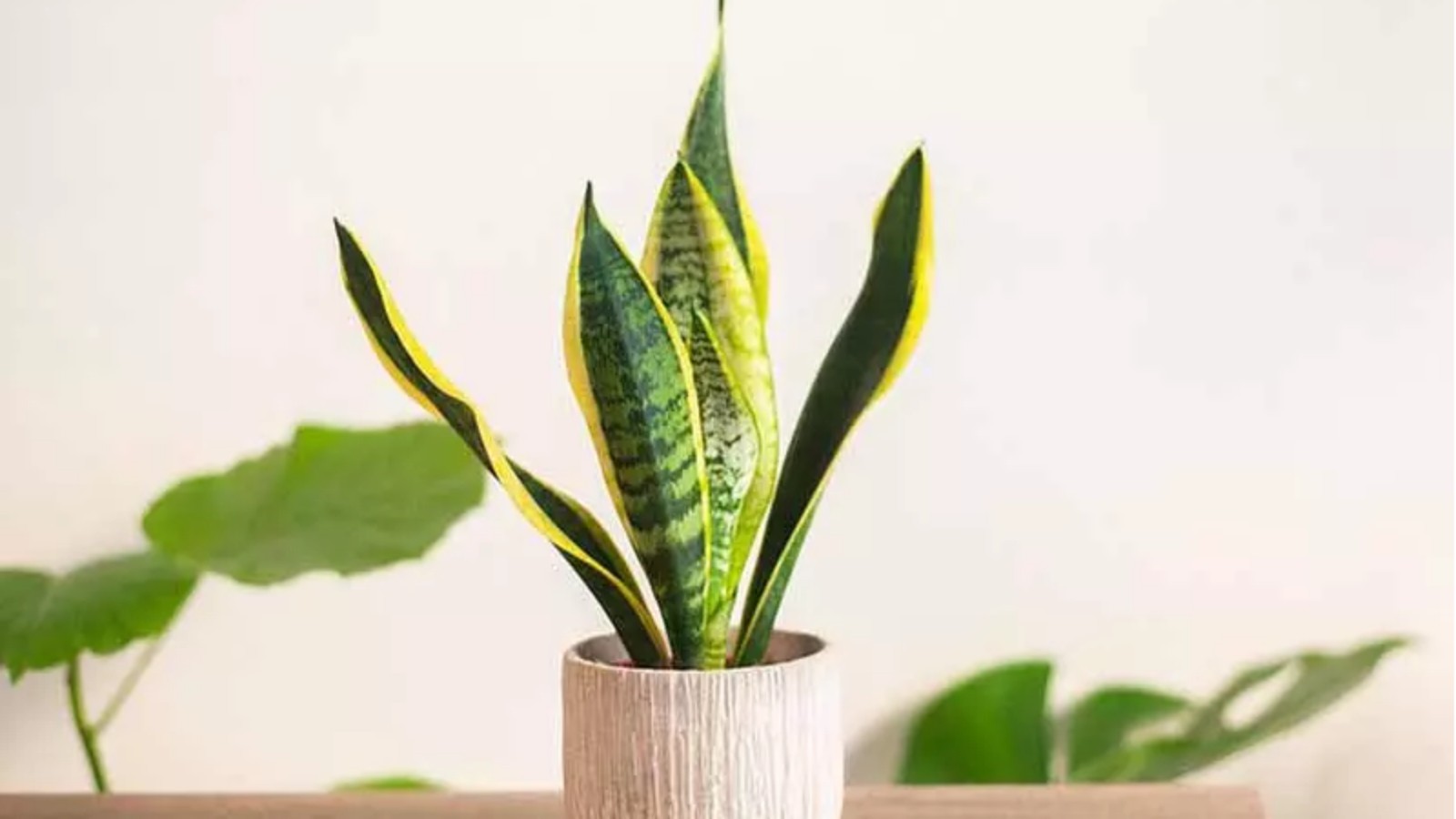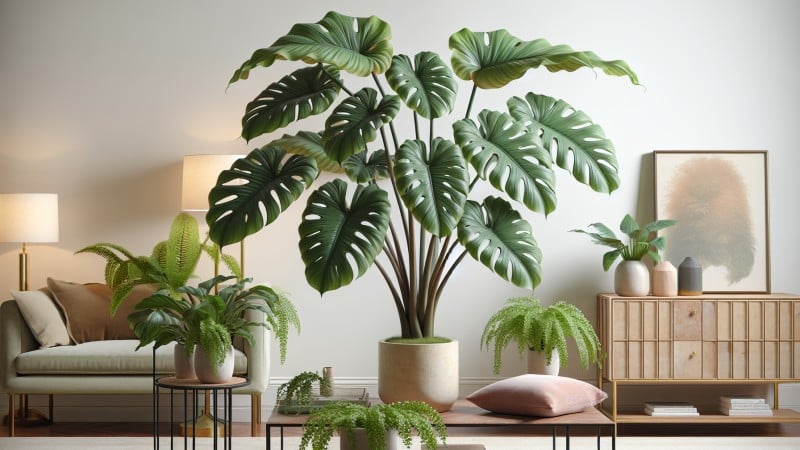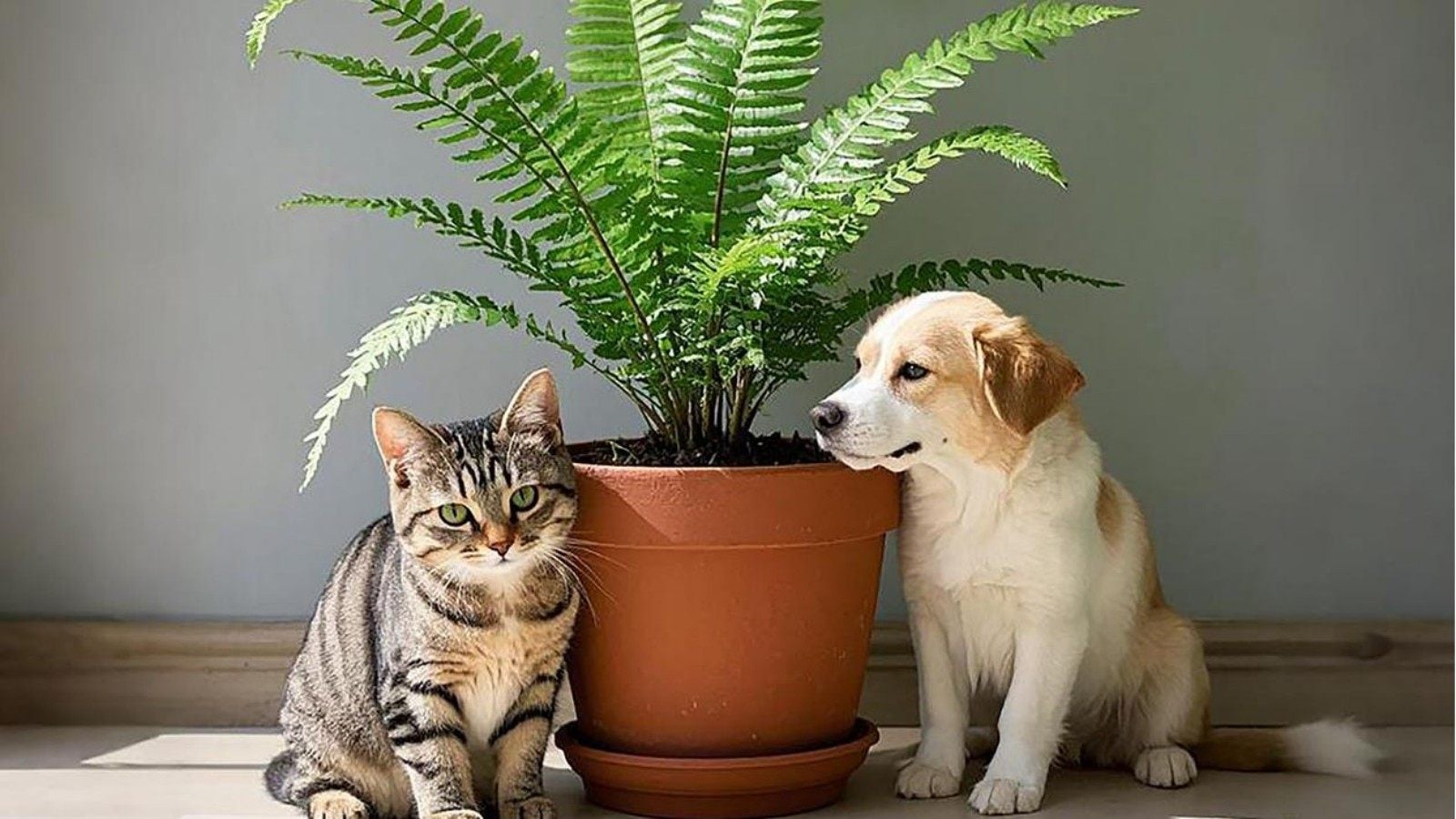
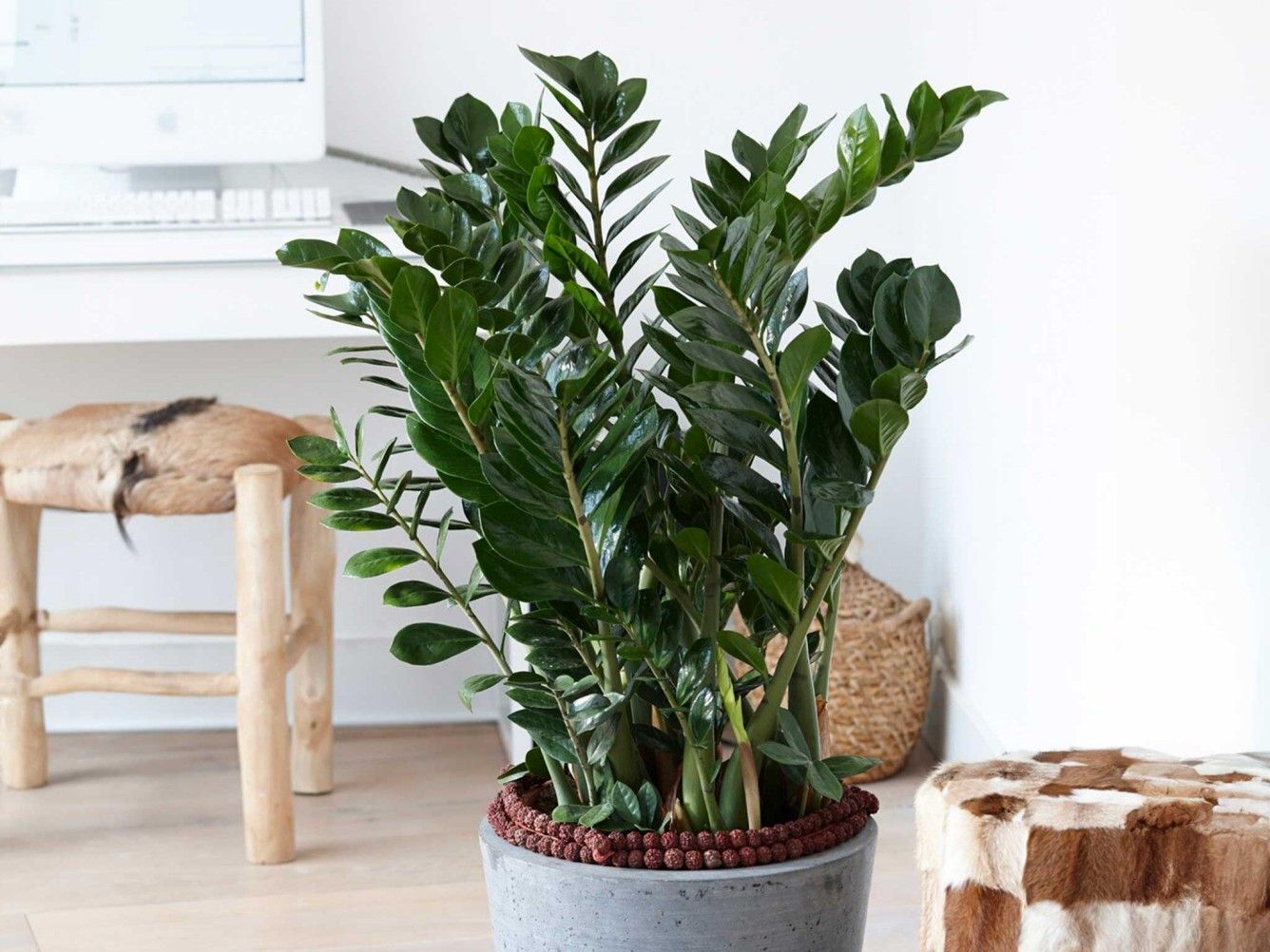
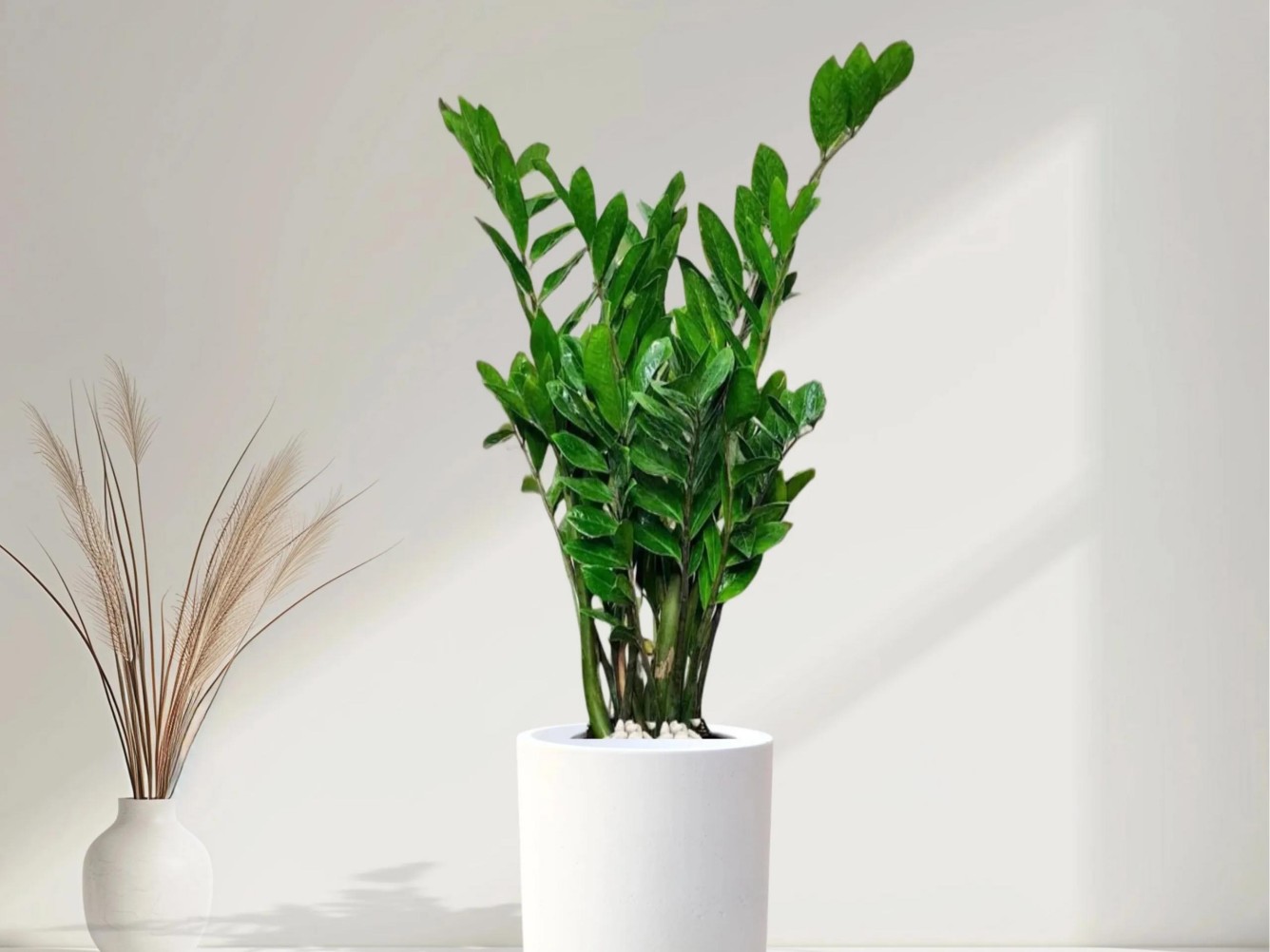
Zamioculcas zamiifolia
-
 Domestic and indoor
 - Also known as: ZZ Plant
 Domestic and indoor
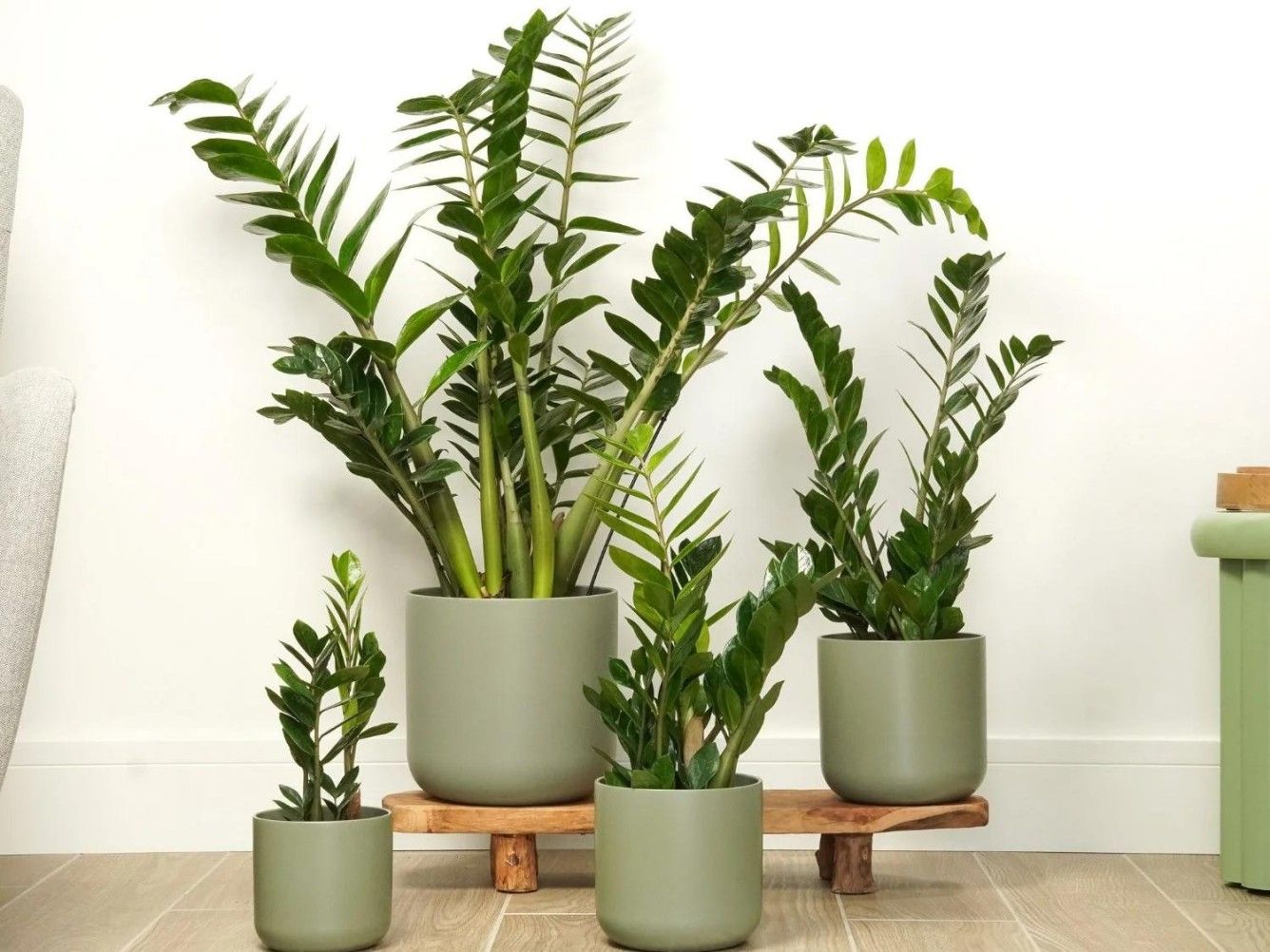
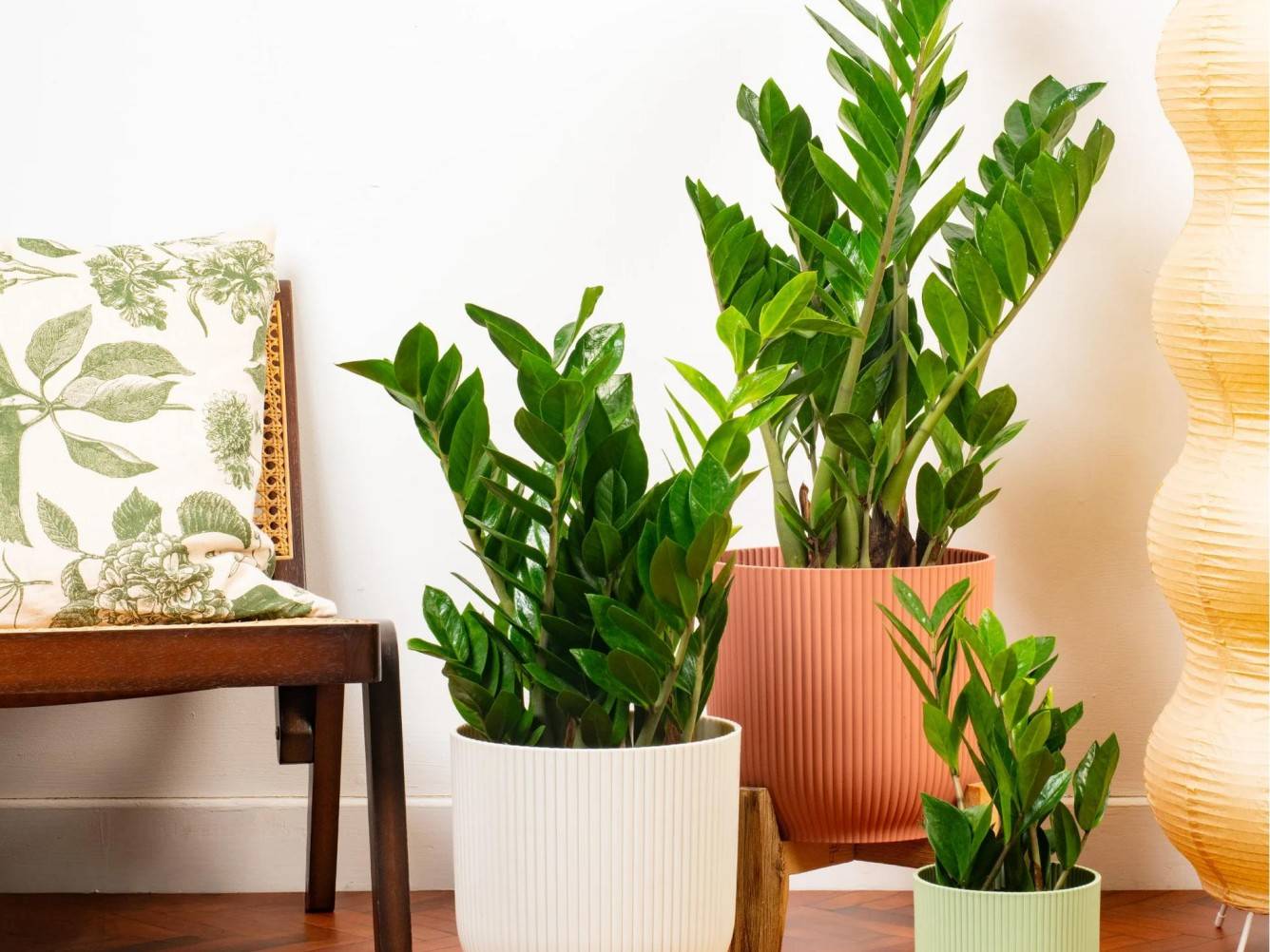
Nursing Skills
Zamioculcas zamiifolia does not need frequent watering and does not require high light conditions, making it ideal for offices or rooms with low light levels. Its tuberous structure stores water and it wont wilt even if you forget to water it, but special care should be taken: over-watering is its “Achilles heel”.Zamioculcas zamiifolia is best planted in loose, well-drained potting soil with a clean bottom.
Advertisement
Plant Properties
-
- Plant Type
- Asparagaceae
-
- Plant Height
- 0.6-1 meter (indoor)
-
- Leaf color
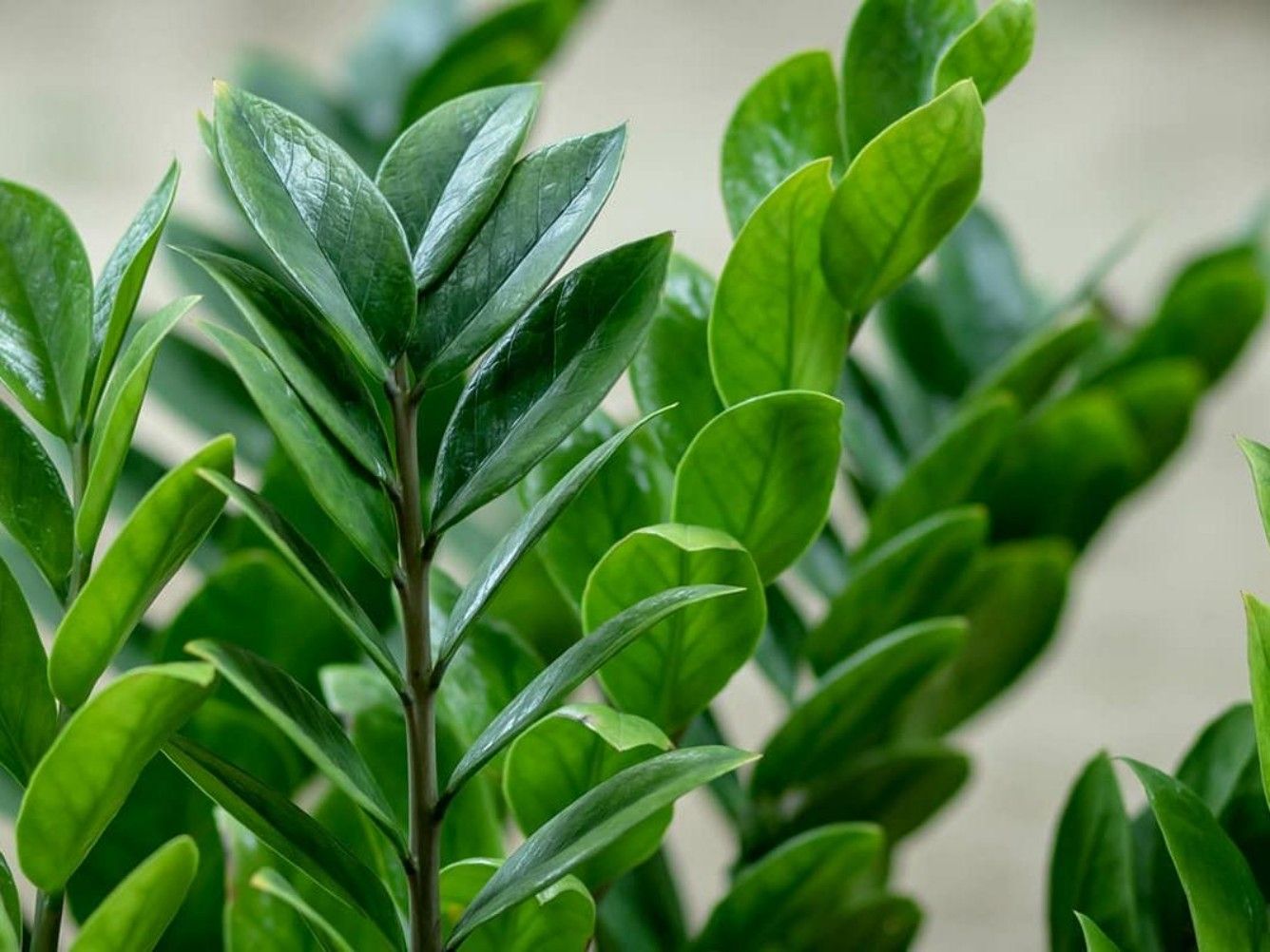
- Dark green, glossy
-
- Flower Color
- Yellowish green
-
- Toxic or not
- Toxic to pets
-
- Air purifying power
- Medium to high
Plant Care Requirements
-
Lifespan
5-10 years
-
Light
Bright indirect light
-
Temperature
18–26°C
-
Humidity
Normal room humidity
-
Soil
Well-drained sandy soil
-
Watering frequency
Every 2-3 weeks
-
Fertilizer
Once every two months
-
Repotting
Every 2-3 years
Advertisement
Plant Care Guide
-
How to water?
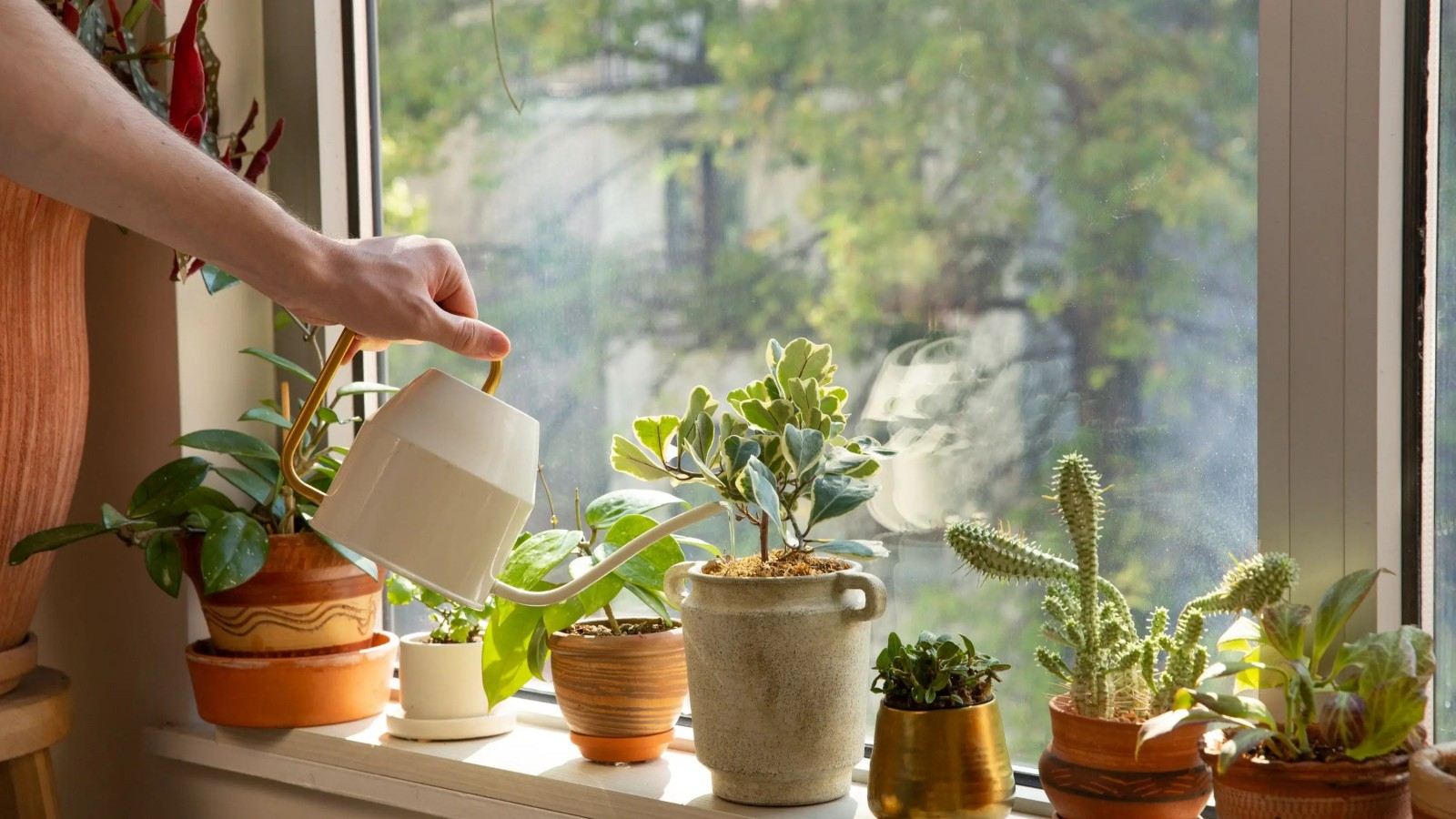
Drought tolerantZamioculcas zamiifolia is extremely drought tolerant and fears “too much water”. The soil should be completely dry before watering, and it is important to “water moderately, but not too much” each time you water. When growth is slow in winter, watering intervals should be extended. Judge soil moisture by inserting a finger or bamboo skewer into the soil and make sure the bottom is dry before watering. Waterlogging can lead to tuber rot, which is one of the main causes of death in Zamioculcas zamiifolia.
-
How do I prune it?
Proper thinning of branchesZamioculcas zamiifolia does not need much pruning, but for aesthetic reasons, you can cut off yellowing or aging branches and leaves, and gently prune them at the base of the petiole with sterilized scissors. Thinning can also be done if the branches are too dense to help ventilate the plant and avoid disease. Spring is the best time for pruning; avoid over-pruning in winter.
-
How to fertilize?
Not much demandDue to its slow growth, it does not require much fertilizer. It is sufficient to use diluted liquid fertilizer every 6-8 weeks during the growing season (spring and summer), keeping the concentration at 50% of the recommended concentration. Stop fertilizing in the fall and winter to avoid causing root burn from fertilizer buildup. Fertilizer for foliage plants or cactus/ succulent fertilizers are more suitable.
-
When do I need to change the pot?
2-3 yearsReplace the pot every 2-3 years or when you notice the roots are lifting the potting soil. Spring is the best time to do this. Change to a slightly larger pot and use fresh, well-drained soil. You can gently divide and propagate when changing pots, but do so carefully to avoid damaging the tubers.
-
Is it suitable for hydroponics?
Not recommendedTheoretically, it can be hydroponically grown, but long-term hydroponics is not recommended.The tubers of Zamioculcas zamiifolia tend to rot easily in water, and long-term hydroponics has a low survival rate. If you try hydroponics, you should change the water regularly, keep the container clean and add a small amount of nutrient solution. Roots should not be submerged in water for too long.
-
Can I put it in my bedroom or office?
Suitable for indoorsYes, Zamioculcas zamiifolia is suitable for most indoor environments. It has low light requirements and releases less oxygen, making it suitable for nighttime use. The only caveat is that Zamioculcas zamiifolia is slightly toxic to pets (e.g., cats and dogs), so avoid placing it in low areas where pets can easily reach it.
Advertisement
Frequently Asked Questions
-
1 Why do the leaves of Zamioculcas zamiifolia yellow?
The most common cause is root rot due to overwatering. The tubers are prone to rotting in a moist environment, thus causing the leaves to turn yellow and soften. In this case, you should stop watering immediately, check if the bottom of the pot is well drained, and transfer the plant to a dry and ventilated place. If the rot is already serious, it is recommended to change the soil treatment or cut off the rotting roots.
-
2 What causes Zamioculcas zamiifolia not to grow new leaves?
Slow growth is a natural characteristic of Zamioculcas zamiifolia, but if it does not grow new leaves for a long time, it may be due to insufficient light, poorly aerated soil or insufficient fertilization. You can try moving the plant to a place with more light, using loose soil and fertilizing it moderately in spring and summer. After a pot change, the plant usually goes into a short dormant period and grows new leaves only after a few months.
-
3 What should I do if the edges of my leaves dry out?
Leaf edge drying is usually related to dry air or hard water, or it may be a physiological deterioration caused by prolonged insufficient light. Watering can be done with water that has stood for 24 hours or filtered water to avoid chlorine and mineral buildup in the water. Moderate misting helps to increase humidity, but avoid water droplets staying on the foliage for long periods of time to prevent bacterial growth.
-
4 Is it normal for Zamioculcas zamiifolia tubers to show?
It is normal that the tubers of Zamioculcas zamiifolia are sometimes partially exposed on the soil surface as part of their water storage organs. If the plant is healthy and the leaves are tight, there is nothing to worry about. However, if the tubers are soft and black in color, they may be rotting and need to be pruned and replaced immediately.
Advertisement
Introduction
Zamioculcas zamiifolia to East Africa, Zamioculcas zamiifolia is drought tolerant and adapted to low light. Its pinnately compound, thick, smooth, dark green foliage gives it an elegant, modern look that symbolizes “wealth and prosperity”.Zamioculcas zamiifolia is slow-growing but hardy and easy to care for, making it an ideal choice for the novice gardener or busy office worker.
Popular Plant Encyclopedia
-
-
Poisonous and danger
- Rhus typhina
-
-
-
Edible and medicinal
- Common sunflower
-
-
-
Poisonous and danger
- Plumeria rubra
-
-
-
Wild and common weed
- Convolvulus arvensis
-
-
-
Edible and medicinal
- Perilla frutescens
-
-
-
Edible and medicinal
- Pogostemon cablin
-
-
-
Edible and medicinal
- Common fenugreek
-
-
-
Edible and medicinal
- Garden Thyme
-
 Poisonous and danger
 Edible and medicinal
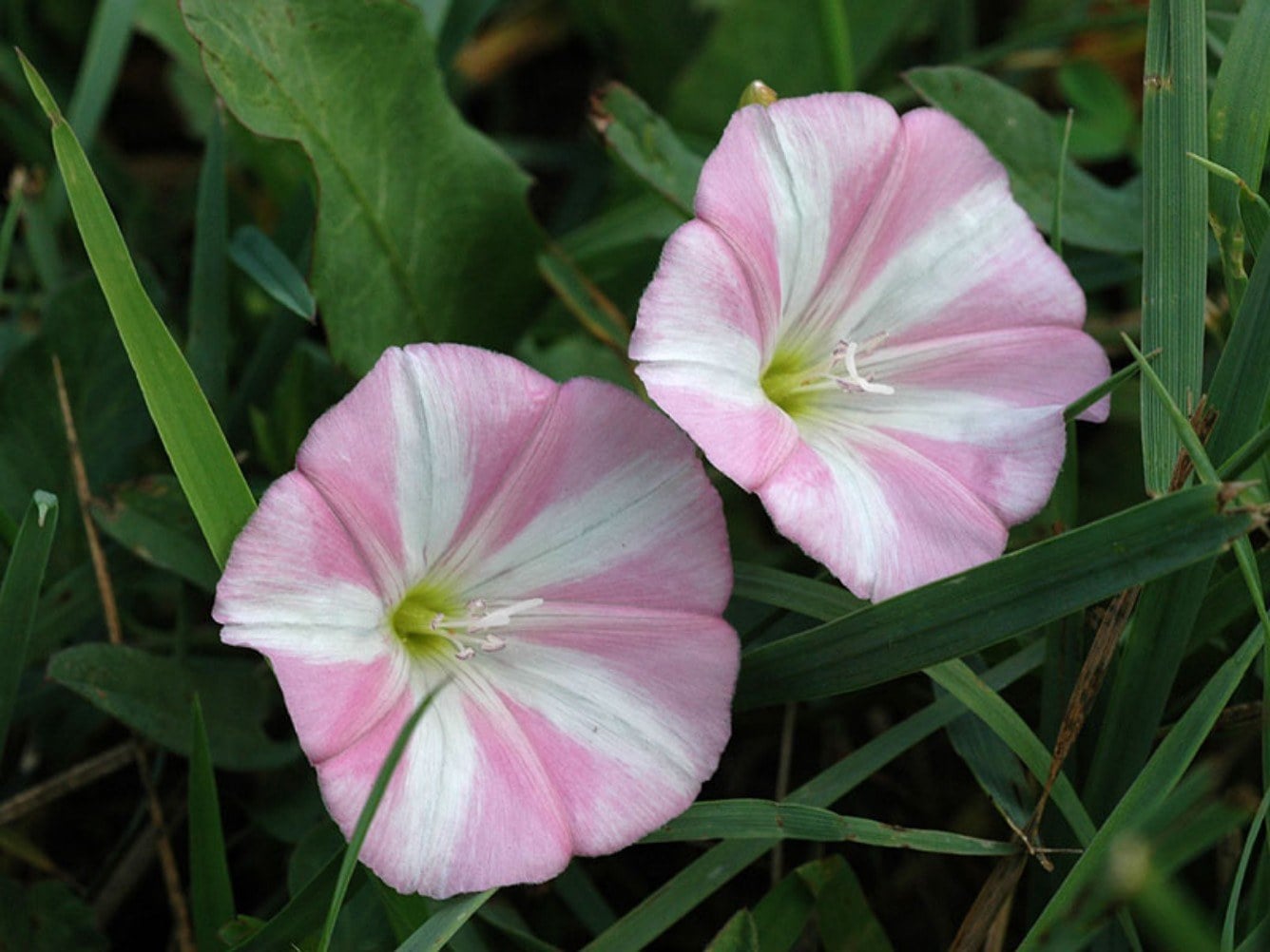
 Wild and common weed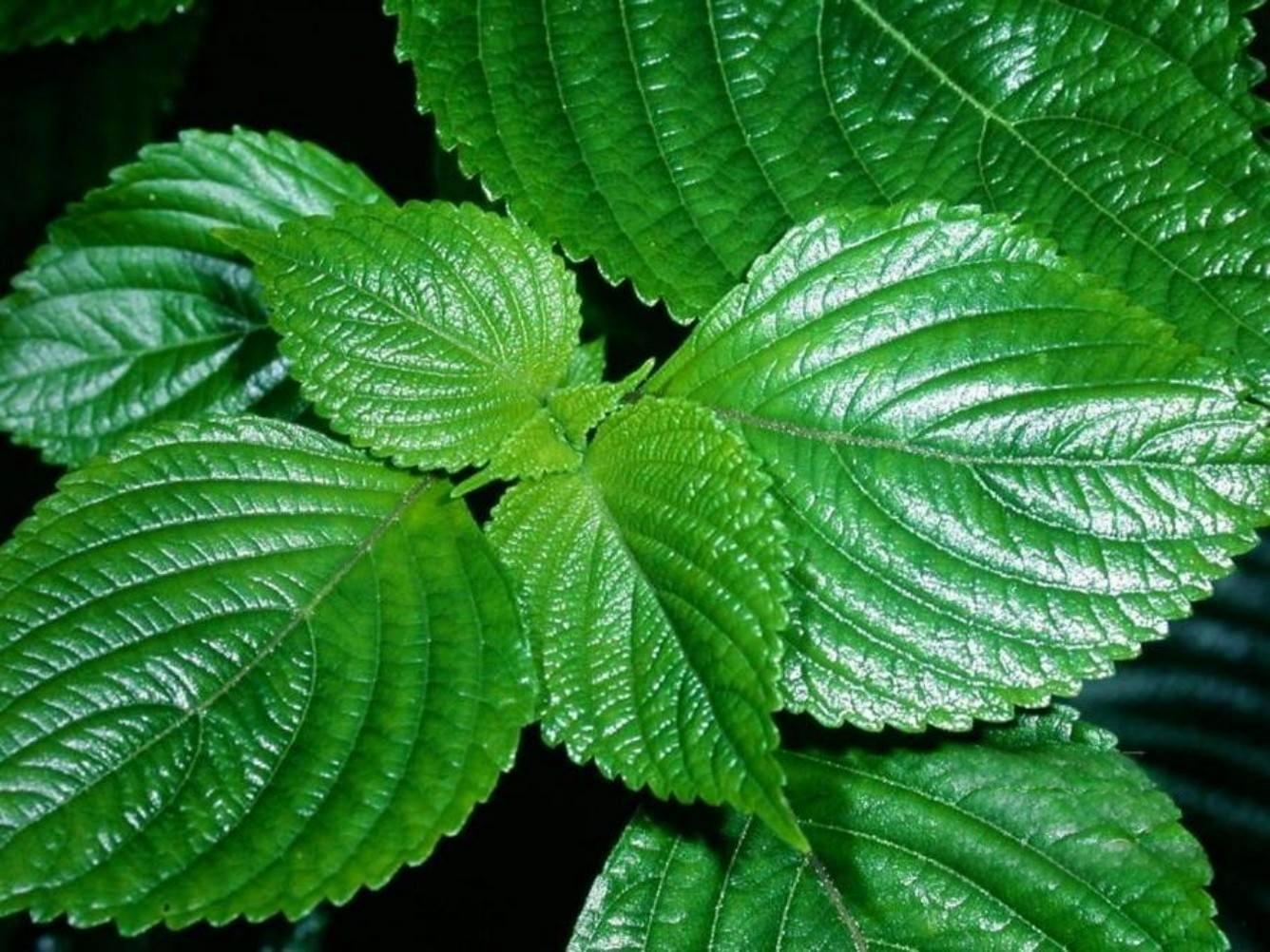
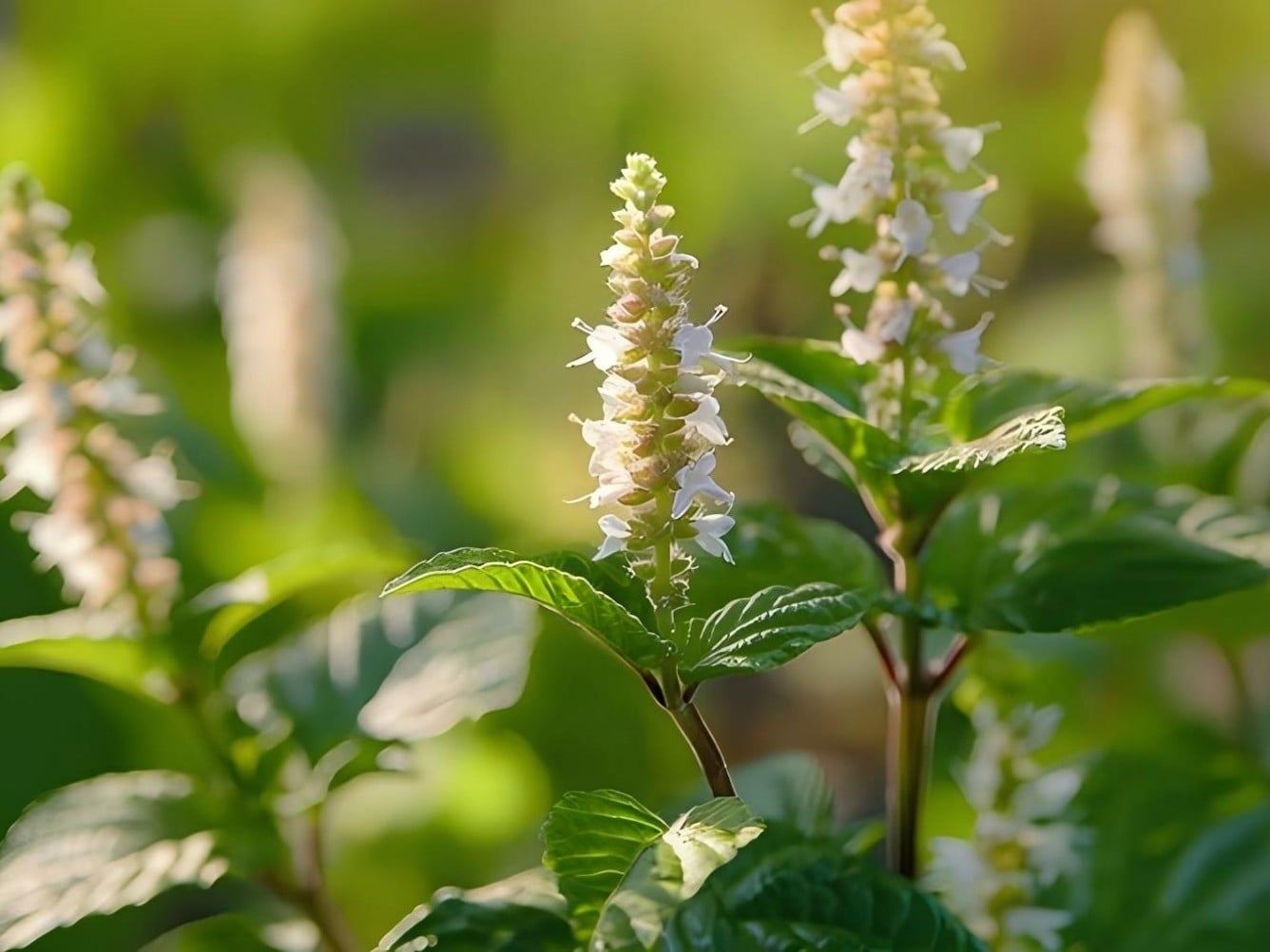
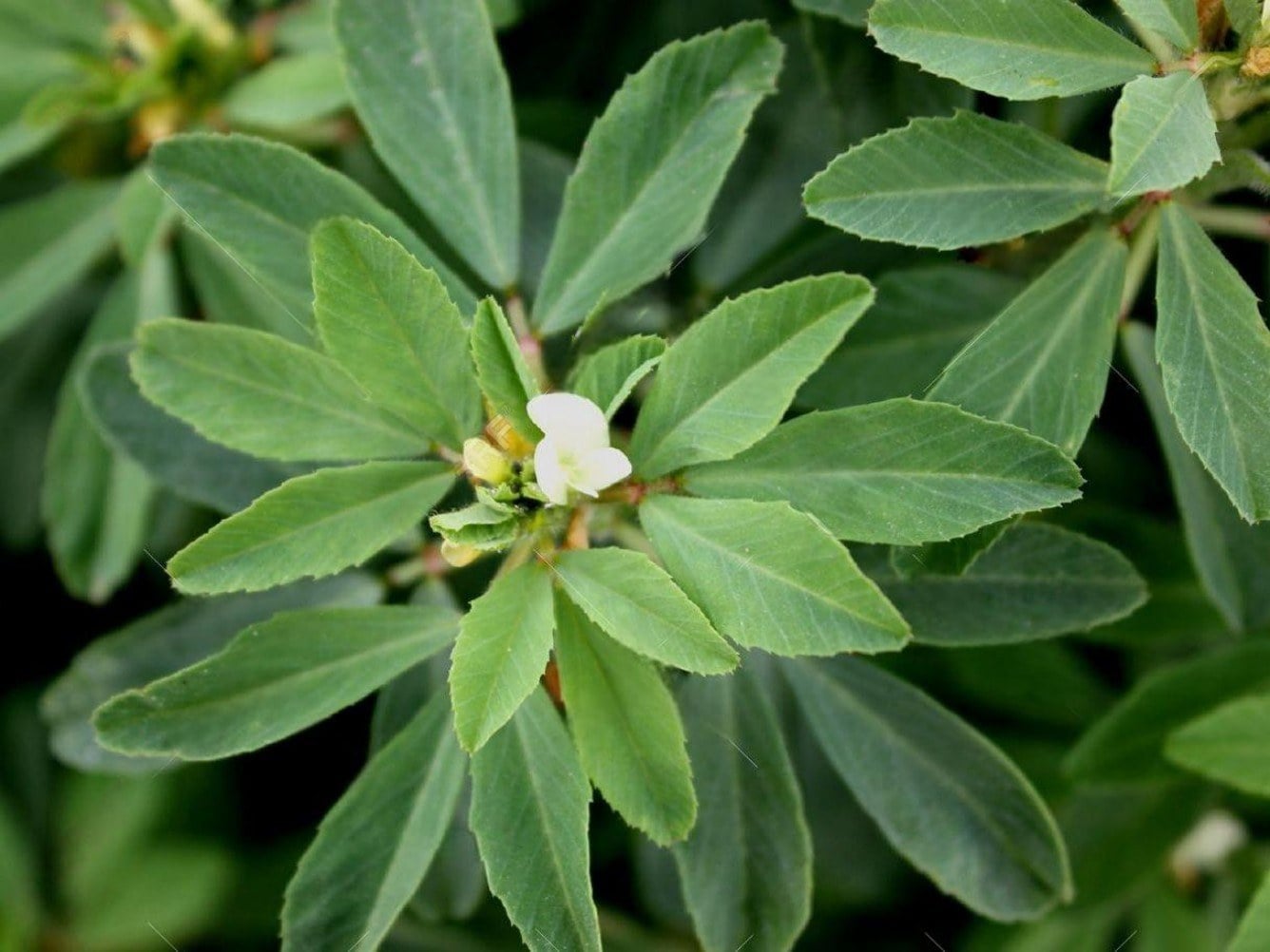
Advertisement