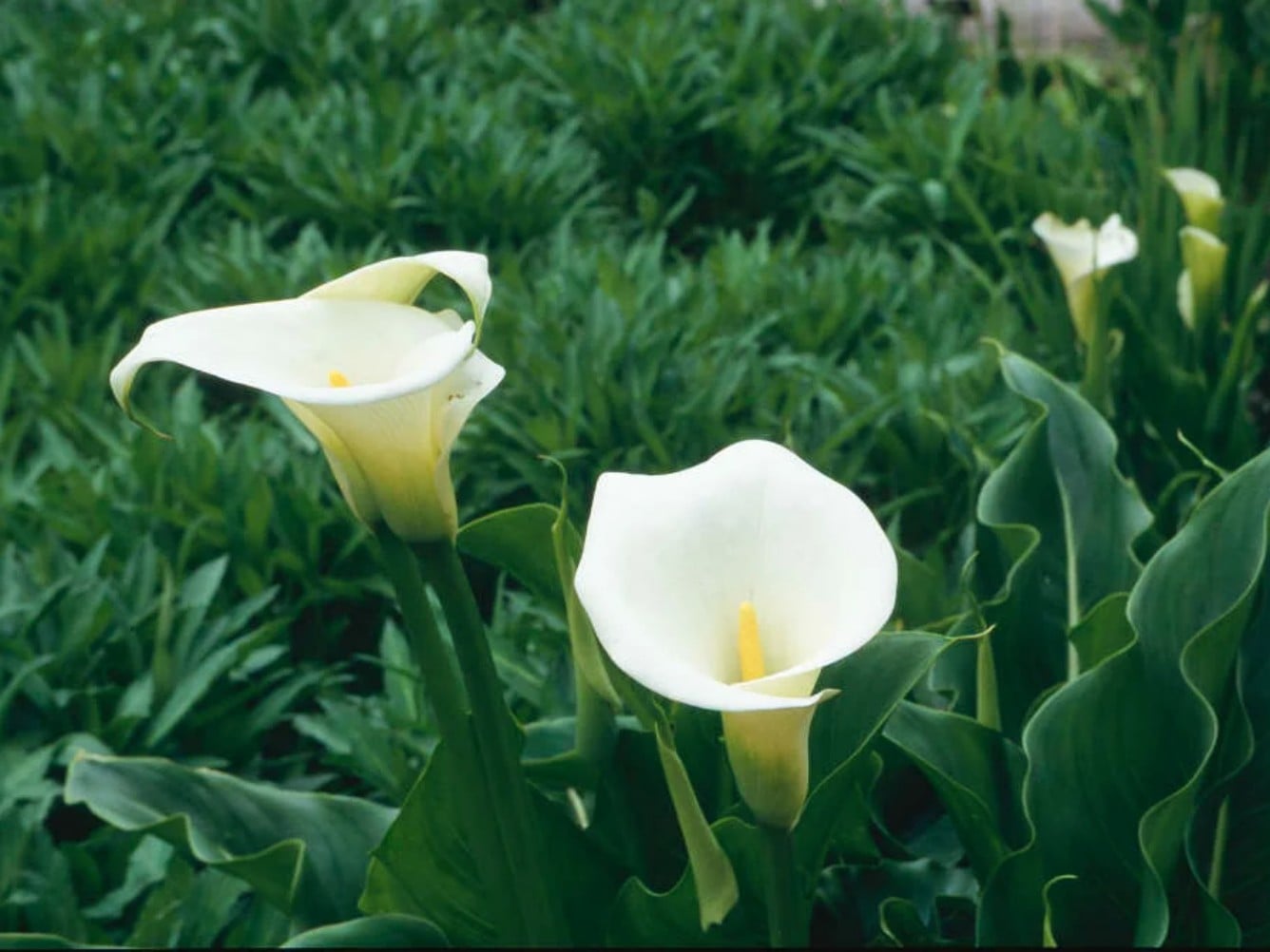
Zantedeschia aethiopica
-
 Ornamental and lands
 - Also known as:White Calla Lily, Water Taro, Arrowhead Flower, Guanyin Lily, Calla Lily, White Calla Lily, Ethiopian Calla Lily
 Ornamental and lands


Nursing Skills
Zantedeschia aethiopica has strong environmental adaptability and good tolerance to moisture, making it sui for growing in humid environments. It has a long flowering period, vigorous growth, and good propagation ability through suckers, making it sui for both landscaping and high-quality cut flower cultivation.
Advertisement
Plant Properties
-
- Toxicity
- Mildly toxic plants
-
- Color
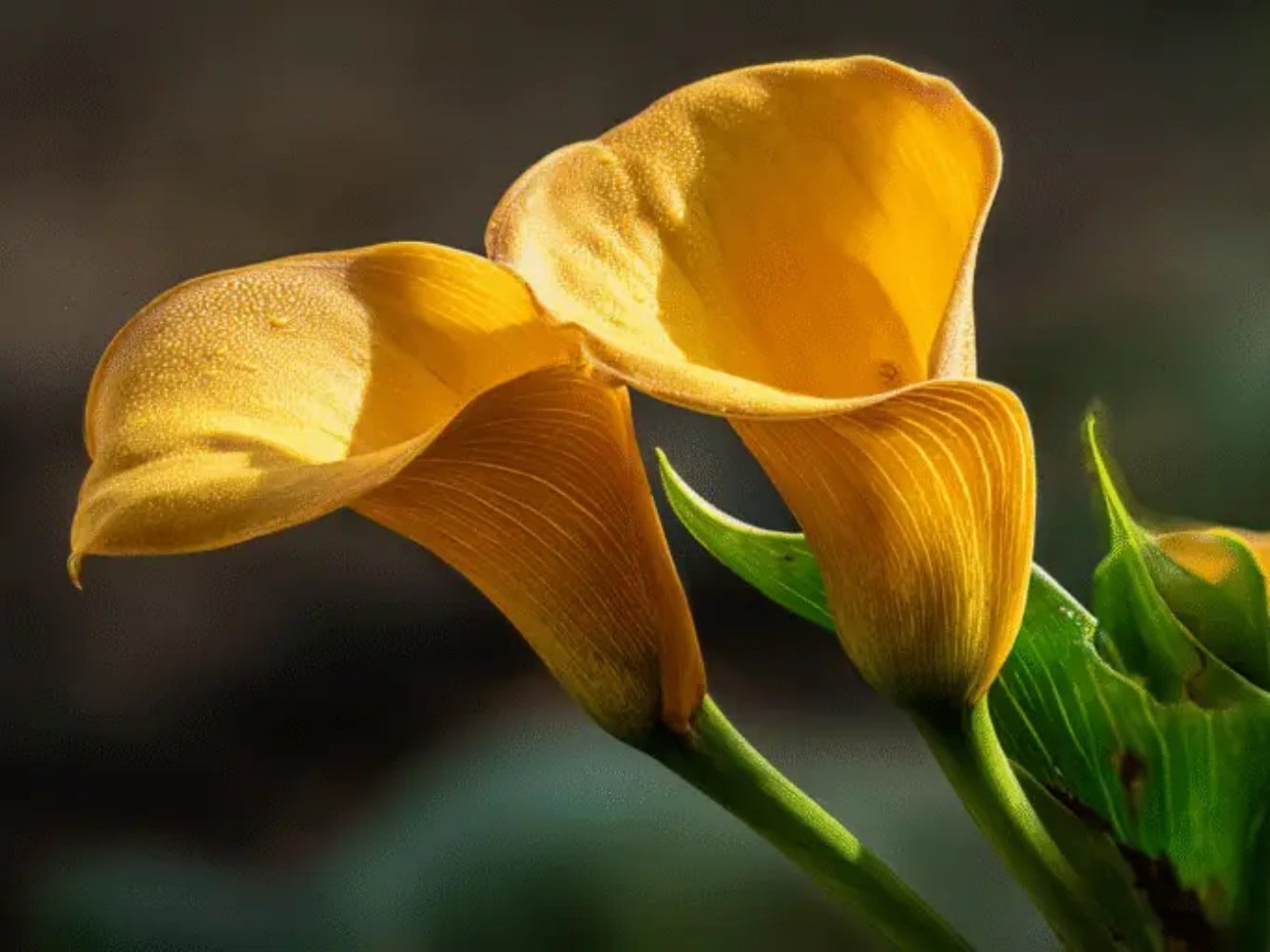
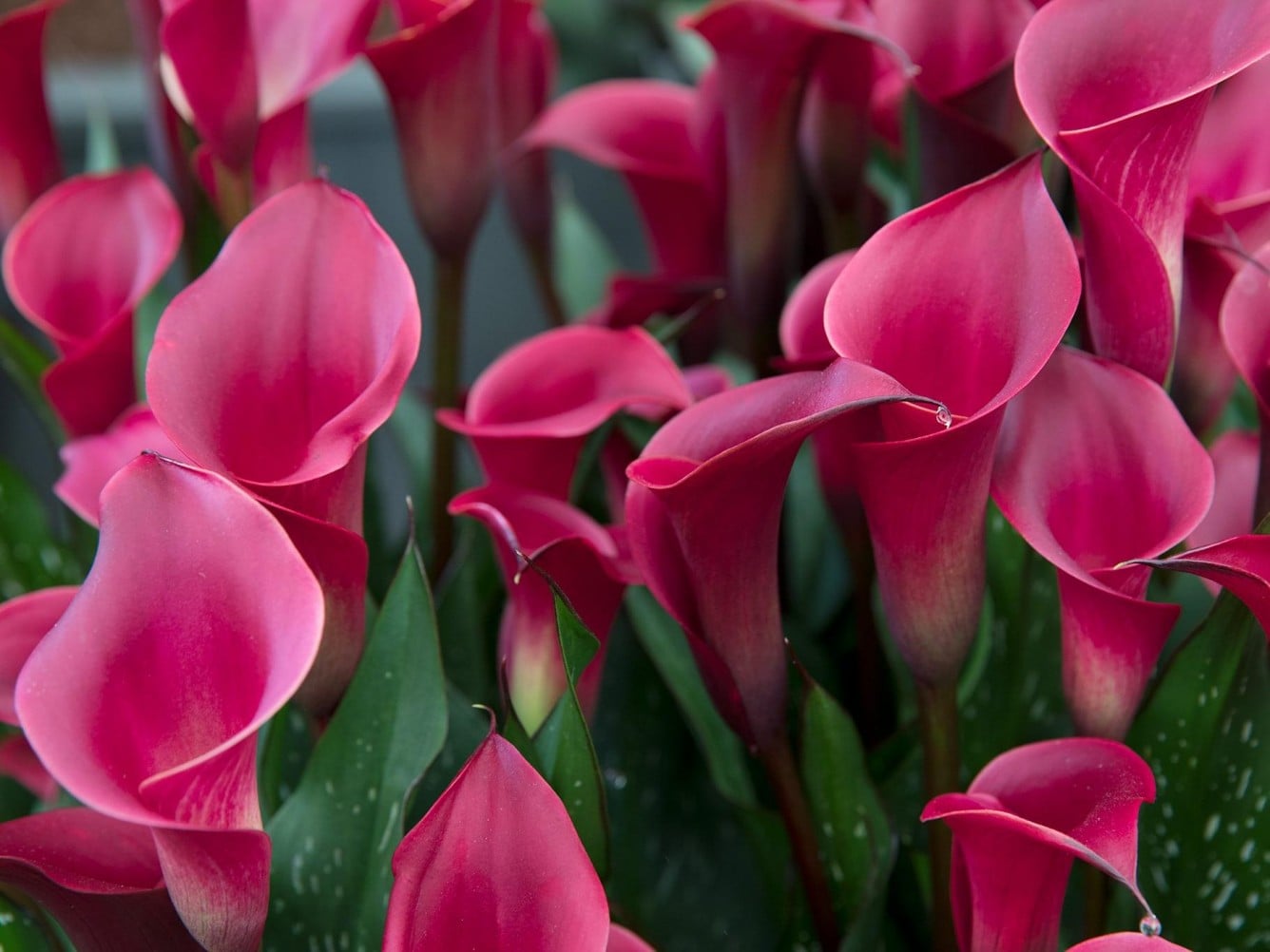
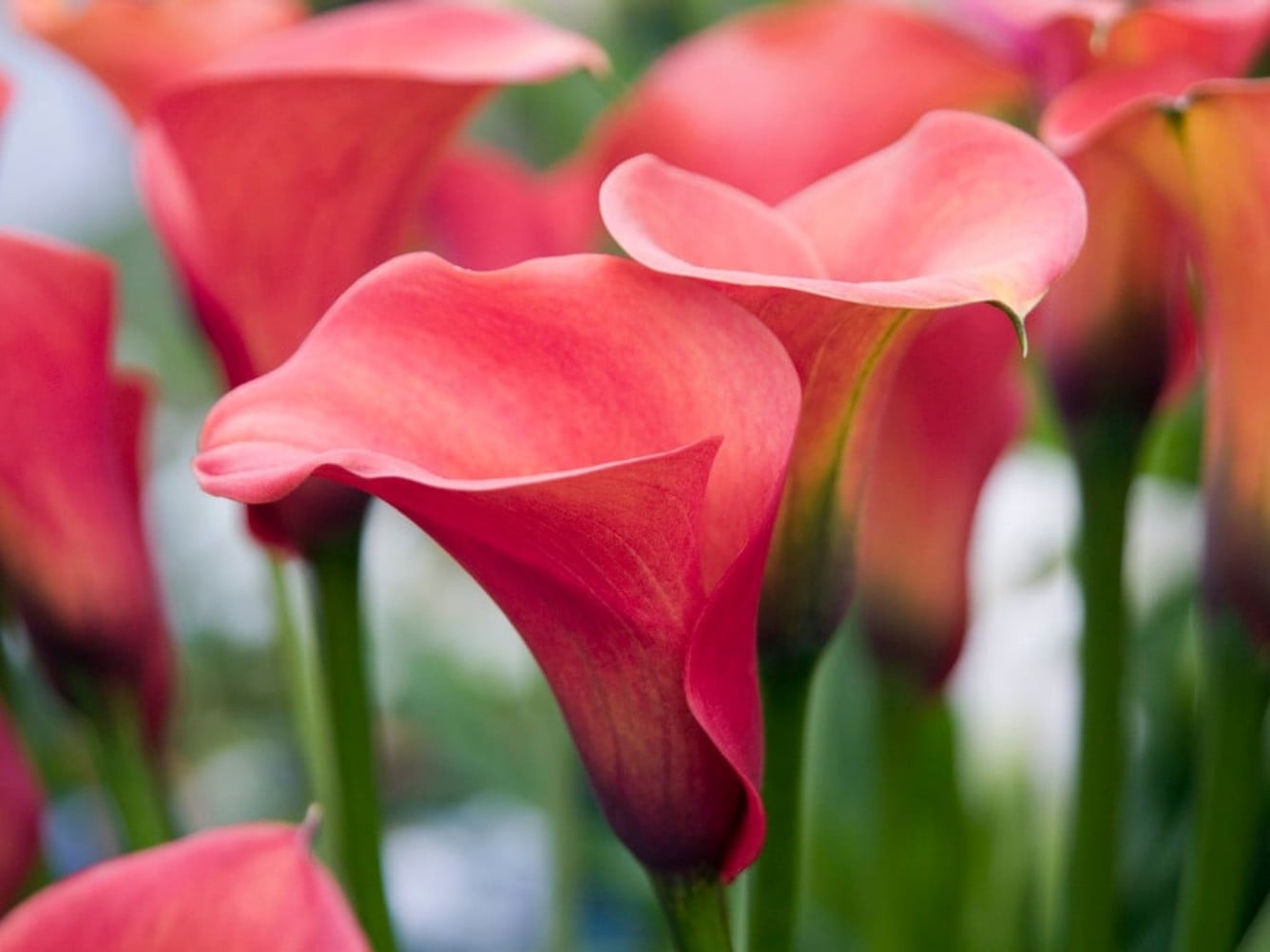
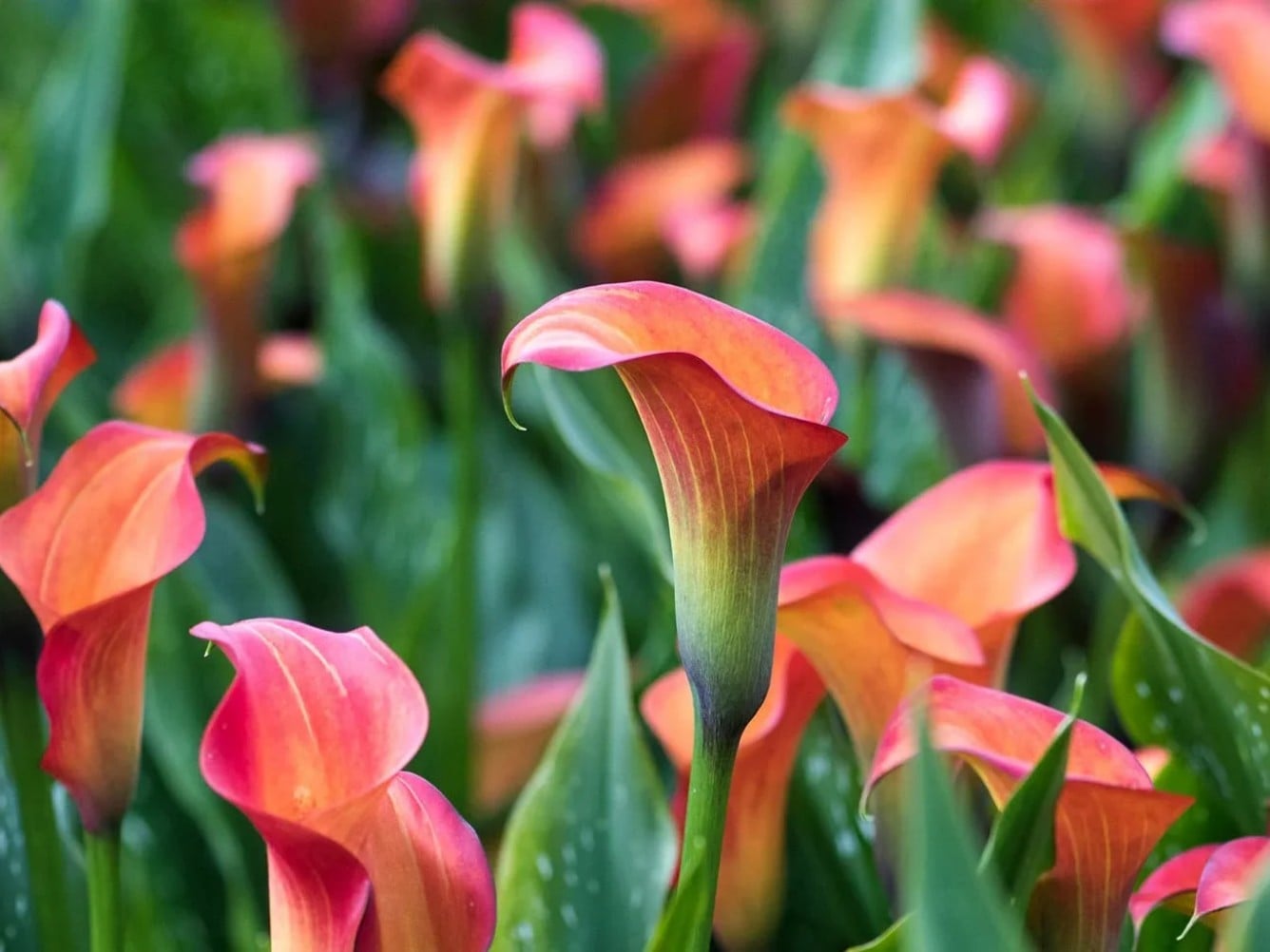
- White, pink, yellow, purple, variegated
-
- Flowering Period
- Spring to early summer
-
- Plant Height
- Approximately 60–100 cm
-
- Plant type
- Perennial bulbous (rhizome) herbaceous ornamental plant
-
- Growth cycle
- Evergreen year-round
Plant Care Requirements
-
Light Requirements
Prefers ample diffused light or partial sun
-
Watering Requirements
Keep the soil moist but not waterlogged during the growing season.
-
Temperature Requirements
The optimal growing temperature is 15°C to 25°C
-
Soil Requirements
Prefers loose, fertile, well-drained, slightly acidic soil rich in organic matter
-
Planting Time
Spring or fall is the best time to plant, as this promotes rapid rooting and regrowth
-
Cold Hardiness
Moderate cold hardiness; can withstand light frost for short periods
Advertisement
Plant Care Guide
-
How often should I repot a potted Zantedeschia aethiopica?
Repot once a year before it sprouts in springIt is recommended to repot a potted Zantedeschia aethiopica once a year before it sprouts in spring. Larger plants with dense tuber growth can be repotted every six months. Its tubers grow quickly and easily fill the pot, leading to tangled roots, insufficient soil nutrients, and poor drainage. When repotting, remove the plant from its pot, clean away old, rotten, and weak roots, retaining only the healthy main root, and replace with fresh, well-draining potting soil. Choose a breathable terracotta pot that is 3-5 cm larger than the tuber cluster, and place a layer of clay pebbles at the bottom to improve drainage. After repotting, place the plant in a cool, well-ventilated place for a week to allow it to acclimate. Once it has settled in, it can be placed in normal sunlight, avoiding strong direct sunlight.
-
Can Zantedeschia aethiopica be grown hydroponically? How to care for it hydroponically?
Yes, it can be grown hydroponicallyZantedeschia aethiopica can be grown hydroponically. It's clean, aesthetically pleasing, and easy to care for, making it suitable for indoor placement. For hydroponics, select healthy, rot-free tubers. Clean the roots of any soil, trim any rotten or weak roots, disinfect and dry them, then place them in a transparent container. Fill the container with water to about halfway up the roots, avoiding complete submersion and root rot. Place it in a well-ventilated area with indirect light. Change the water weekly to maintain cleanliness. During the growing season, add a few drops of hydroponic nutrient solution 1-2 times per month to supplement nutrients. In summer, protect it from direct sunlight and keep it cool; in winter, keep it warm and control watering. Regularly clean the container and roots to prevent the growth of moss and bacteria. With proper care, it will flower normally.
-
How to properly propagate Zantedeschia aethiopica by division?
Spring before sprouting or autumn after flowering during dormancyThe best time to divide Zantedeschia aethiopica is in spring before sprouting or autumn during dormancy after flowering. At this time, the plant's metabolism is slow, resulting in a very high survival rate. After removing the plant from its pot, clean the soil and gently separate the clumps of tubers, retaining 2-3 plump buds and intact roots in each clump. Trim any rotten or shriveled tubers. Disinfect the wounds of the separated tubers with carbendazim powder and let them dry in a cool, shady place for 1-2 hours. Then plant them in moist, well-draining soil at a depth of about 4 cm, maintaining a spacing of 12-18 cm between plants. After planting, provide shade and keep the soil slightly moist. Roots and new shoots will appear in 2-3 weeks.
-
Is a large or small pot suitable for Zantedeschia aethiopica?
It depends on the plant size and the number of bulbsWhen choosing a pot, the size of the plant and the number of bulbs should be considered. It's not recommended to blindly use excessively large pots. Overly large pots increase soil water retention, leading to prolonged dampness and increasing the risk of root rot; conversely, overly small pots restrict root expansion, hindering normal plant growth. Generally, a pot slightly larger than the bulb's outer diameter by a few centimeters is suitable, ensuring good drainage at the bottom. As the plant grows annually, gradually replace the pot with a slightly larger one to promote healthy root development and continuous flowering.
-
Why does Zantedeschia aethiopica only grow leaves and not flowers, and what are the solutions?
Nutrient imbalance, insufficient light, or improper careThe core reason why Zantedeschia aethiopica only grows leaves and doesn't flower is nutrient imbalance, insufficient light, or improper care. Prolonged placement in a dark environment prevents flower bud differentiation, resulting in excessive vegetative growth without flowering. Excessive nitrogen fertilizer and a lack of phosphorus and potassium fertilizer will cause excessive vegetative growth and no flowering. An oversized pot or too much soil will cause the roots to grow unchecked, depleting nutrients for the roots and leaves. Solutions include moving the plant to a location with sufficient indirect light, increasing phosphorus and potassium fertilizer application, and stopping nitrogen fertilizer application; using a pot of a suitable size, and controlling watering and fertilization; pruning dead branches promptly after flowering, and proper care during dormancy. The following year, it should differentiate flower buds and flower normally.
-
What should I do after the flowers of Zantedeschia aethiopica have faded?
Promptly remove the spent flowers along with their stemsWhen the flowers of Zantedeschia aethiopica have faded, promptly remove them along with their stems. This not only keeps the plant neat and attractive but also reduces nutrient consumption, allowing more nutrients to be supplied to the leaves and bulbs, accumulating energy for the next round of flowering. After pruning, continue normal care, including proper watering, ensuring sufficient indirect light, and supplementing with fertilizer appropriately to help the plant recover and grow. If the plant gradually enters dormancy, gradually reduce watering according to the natural yellowing of the leaves, allowing the bulbs to successfully complete dormancy and prepare for next year's growth.
Advertisement
Frequently Asked Questions
-
1 How to solve the problem of small, weak new leaves in Zantedeschia aethiopica?
Small, weak new leaves in Zantedeschia aethiopica are mostly caused by insufficient light, nutrient deficiency, weak root system, and overcrowding. Prolonged lack of light will cause the plant to grow leggy, with thin, yellowing new leaves; poor soil and lack of fertilization will result in insufficient nutrients to support new leaf growth; root rot and compacted soil will hinder nutrient transport; overcrowding will cause competition for nutrients, all of which will lead to this problem. The solution is to move the plant to a location with sufficient indirect light, regularly loosen the soil to improve aeration, supplement with a balanced compound fertilizer and foliar fertilizer, prune rotten roots, replace with fertile soil, divide and thin the plant to reduce competition for nutrients. After a period of care, the new leaves will become thick and green.
-
2 Is the fragrance of Zantedeschia aethiopica poisonous? Is it suitable to keep in the bedroom?
Zantedeschia aethiopica has a non-toxic, light, and elegant fragrance that does not release harmful gases. However, the plant as a whole contains calcium oxalate toxin; its sap and tubers are poisonous, and ingestion can cause discomfort. It is not suitable for long-term placement in bedrooms, as poor ventilation and insufficient light can easily lead to etiolation (leggy growth) and pests. At night, the plant consumes a small amount of oxygen through respiration. Additionally, the enclosed space of a bedroom makes it easy for damaged leaves to cause skin allergies if accidentally touched. It is recommended to place it in a well-ventilated, bright location such as a living room or balcony. This is aesthetically pleasing, safe, and promotes healthy growth while avoiding potential safety hazards.
-
3 What are the most common pitfalls for beginners when cultivating Zantedeschia aethiopica?
Common mistakes beginners make when cultivating Zantedeschia aethiopica focus on watering, fertilization, and environmental management. First, prolonged indoor insufficient light leads to excessive vegetative growth, failure to flower, and dull leaves. Second, irregular watering results in either drought causing yellowing leaves or waterlogging leading to root rot and a high incidence of soft rot. Third, indiscriminate and frequent application of concentrated fertilizer causes root burn and wilting. Fourth, lack of shade in summer and insufficient warmth in winter leads to frost and sun damage. Fifth, insufficient ventilation and a stuffy, humid environment frequently breed spider mites and diseases. Beginners should follow the core principles of indirect light, moist but not waterlogged conditions, light fertilization, good ventilation, and a constant temperature, meticulously managing the details of care to easily cultivate white calla lilies.
-
4 What causes the flower buds of Zantedeschia aethiopica to wither and fall off?
The withering and falling off of flower buds in Zantedeschia aethiopica is mostly caused by sudden environmental changes, improper watering and fertilization, and poor ventilation. During the flowering period, dry soil will cause flower buds to quickly wither and fall off; overwatering will lead to root rot, preventing the roots from transporting nutrients and causing many flower buds to wither; suddenly moving the plant to a location with strong light, low temperature, or excessive ventilation during the flowering period will also cause flower drop due to environmental changes; long-term deficiency of phosphorus and potassium fertilizer will also cause flower buds to drop due to insufficient nutrients. To prevent flower bud drop, maintain stable water and fertilizer levels during the flowering period, avoid frequent environmental changes, maintain a well-ventilated environment with indirect light, supplement with phosphorus and potassium fertilizer in advance, and promptly address root rot.
Advertisement
Introduction
Zantedeschia aethiopica is a perennial ornamental plant, renowned for its elegant white spathe and emerald green leaves. Its simple and graceful flowers make it sui for gardens, water features, and potted plants. With a long flowering period, it possesses both ornamental and cut flower value, making it a favorite among gardening enthusiasts.
Popular Plant Encyclopedia
-
-
Poisonous and danger
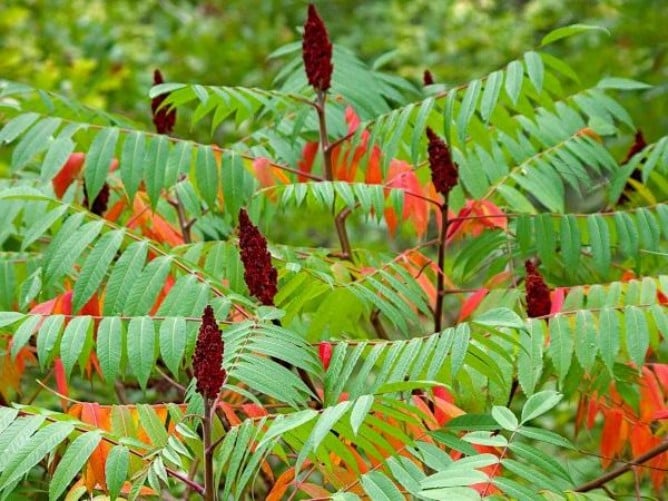
- Rhus typhina
-
-
-
Edible and medicinal
- Common sunflower
-
-
-
Poisonous and danger
- Plumeria rubra
-
-
-
Wild and common weed
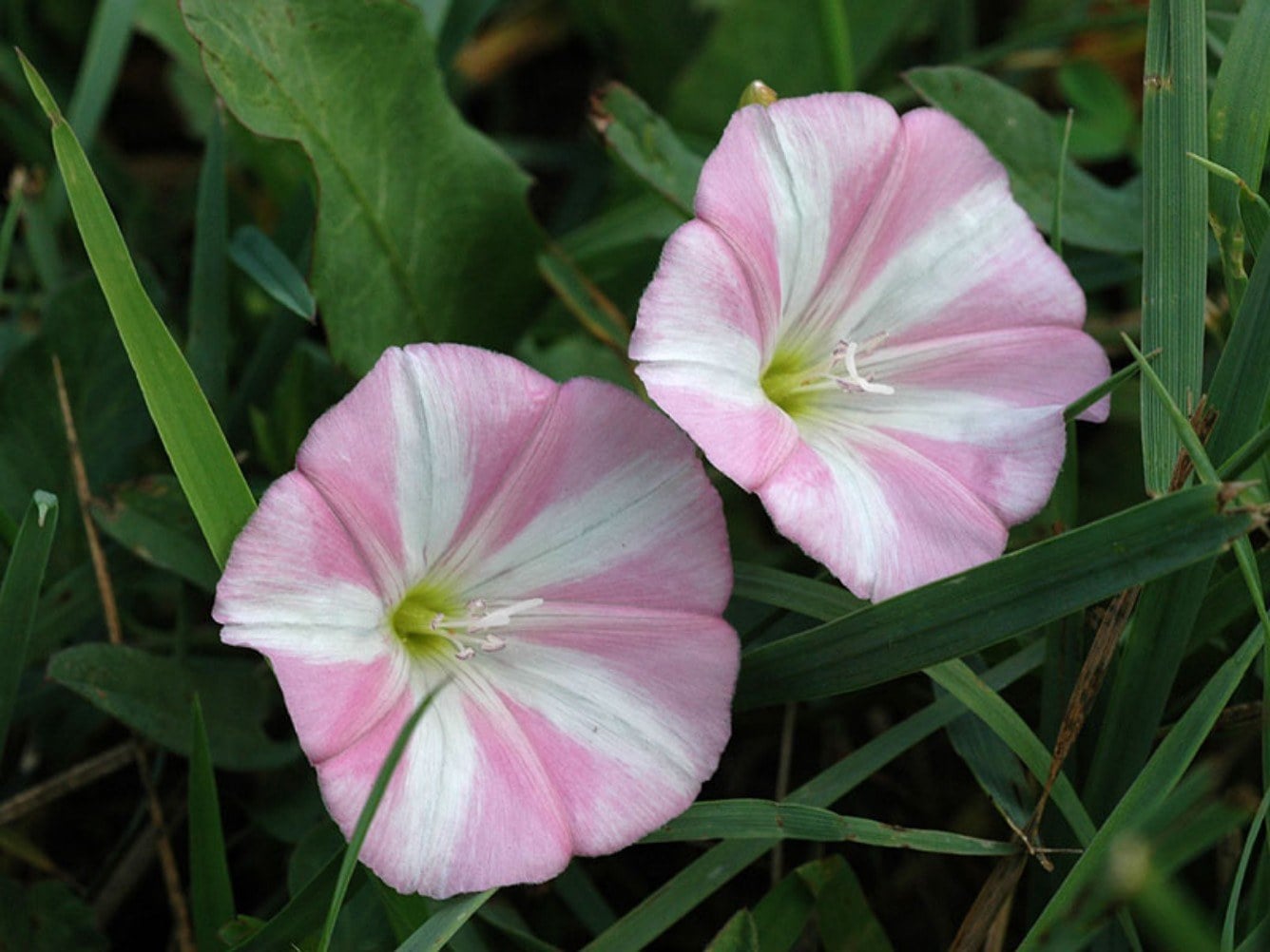
- Convolvulus arvensis
-
-
-
Edible and medicinal
- Perilla frutescens
-
-
-
Edible and medicinal
- Pogostemon cablin
-
-
-
Edible and medicinal
- Common fenugreek
-
-
-
Edible and medicinal
- Garden Thyme
-
 Poisonous and danger
 Edible and medicinal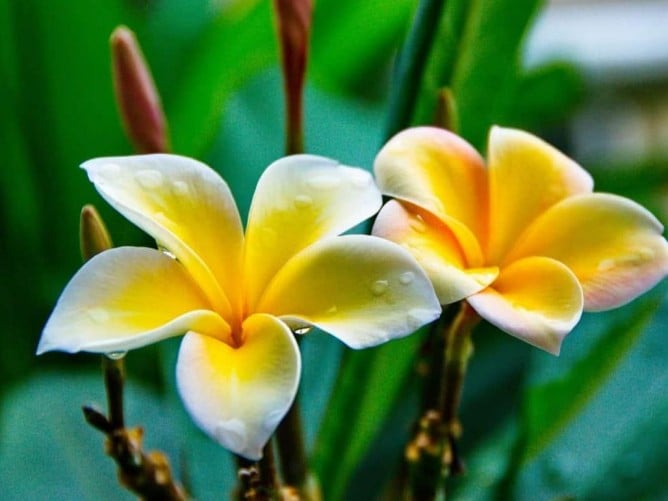
 Wild and common weed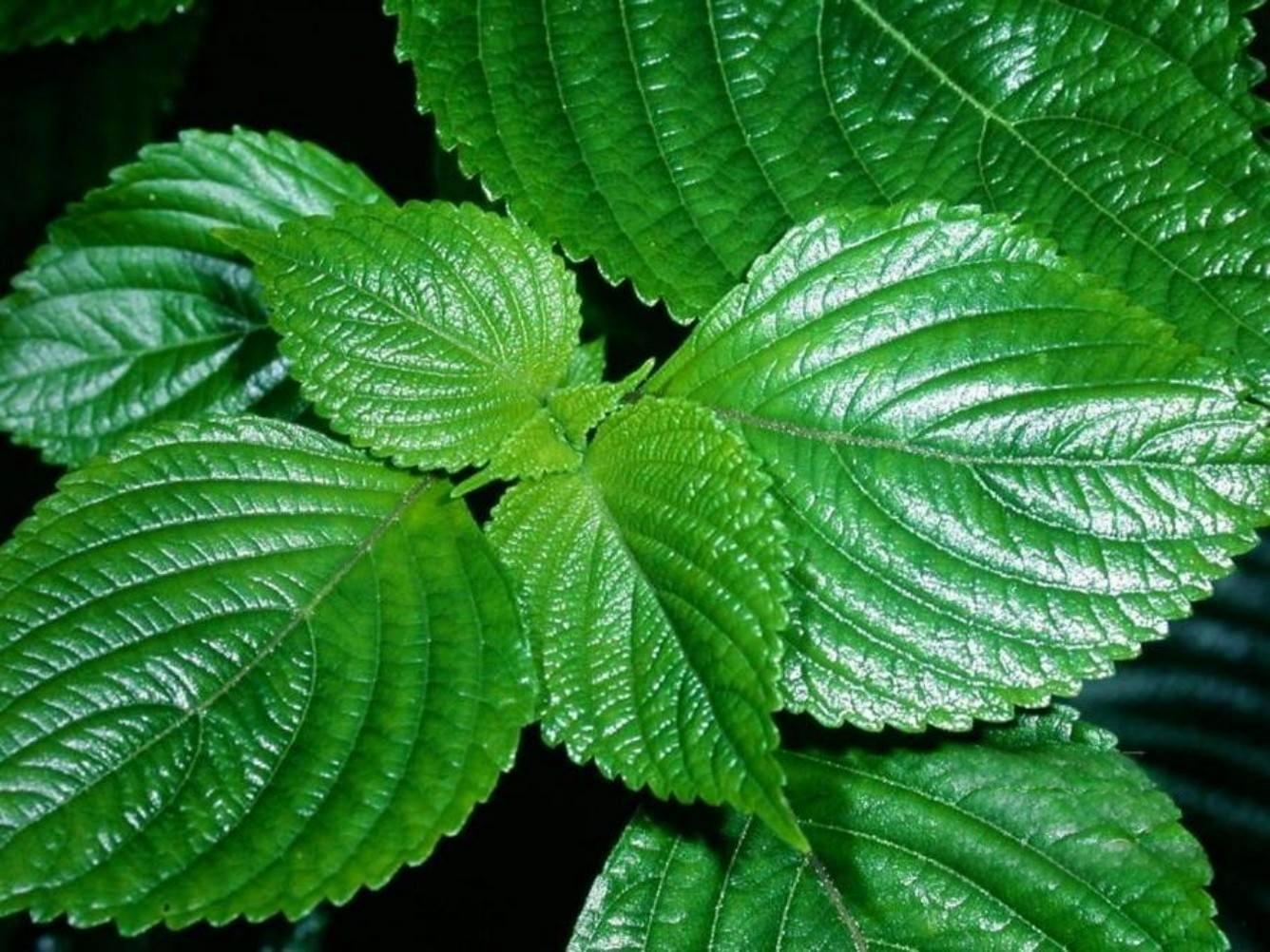
Advertisement